Support

Saint George Island

About

Saint George Island is a captivating barrier island located off the Florida Panhandle in the Gulf of Mexico. Known for its unspoiled beauty and serene atmosphere, this destination offers a perfect escape within the United States. Unlike the bustling tourist hubs found elsewhere in the state, this island maintains a laid-back, "Old Florida" vibe, making it an ideal retreat for families, nature lovers, and anyone seeking tranquility by the sea.
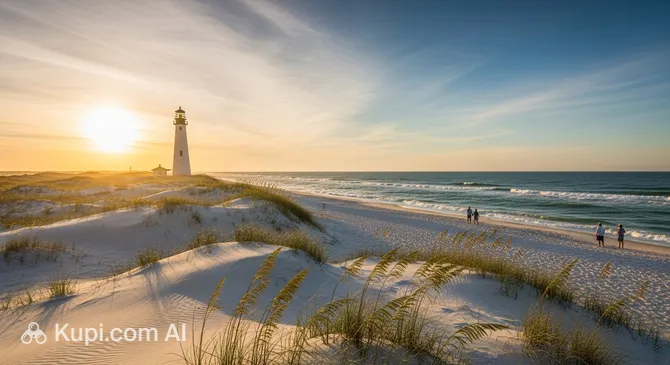
Saint George Island. Source: Kupi.Binoculars

Geographically, the island is a long, narrow strip of land characterized by pristine white sand beaches and rolling dunes. With a permanent population of around 100 residents, it feels intimate and uncrowded, allowing visitors to truly disconnect. The climate is generally warm and inviting, perfect for year-round outdoor exploration. While it is a quiet haven today, the history of Saint George Island is rich with tales of maritime navigation and resilience, adding a layer of depth to its scenic charm.

One of the main draws for visitors is the Dr. Julian G. Bruce St. George Island State Park, which features miles of undeveloped coastline, hiking trails, and excellent opportunities for birdwatching and fishing. The island is also home to the iconic Cape St. George Light, a beautifully reconstructed lighthouse that offers panoramic views of the coast. Whether you are looking to collect unique seashells, kayak in the bay, or simply relax under the sun, Saint George Island invites you to experience its natural splendor and peaceful rhythm.

Weather Overview

Saint George Island experiences a mild coastal climate, making it an appealing destination throughout the year. For travelers wanting to pack appropriately, checking the detailed weather in Saint George Island is highly recommended. The island's location in the Gulf of Mexico ensures distinct seasons, ranging from balmy summers to crisp, cool winters, allowing for different types of outdoor adventures depending on when you visit.

The summer months are characterized by warmth and higher humidity. August is typically the hottest month, with an average temperature of 26.0°C and daily highs reaching 28.0°C. Visitors during this time should be prepared for frequent precipitation, as July and August can have over 20 wet days per month. However, these are often passing coastal showers that cool down the air, leaving plenty of time for sunshine and swimming.

In contrast, the winter season brings refreshing, cooler air, with January seeing average temperatures around 11.1°C and lows dipping to 8.1°C. Spring is particularly pleasant, with May offering a comfortable average of 21.6°C before the full summer heat sets in. In summary, expect warm summers with frequent rainfall and mild, cooler winters that are perfect for quiet walks along the shore.

Interesting Facts

Beyond the pristine beaches and relaxing atmosphere, Saint George Island holds a collection of fascinating stories and unique characteristics that set it apart from typical vacation spots. Dig a little deeper, and you will discover that this barrier island is much more than just a pretty coastline.

  • The Lighthouse That Moved: The beloved Cape St. George Light has a dramatic history of survival. After succumbing to beach erosion and collapsing into the Gulf of Mexico in 2005, the local community rallied to salvage the original bricks and meticulously reconstructed the lighthouse piece by piece at its current, safer inland location.

  • A Strict Skyline: Unlike many other coastal destinations in Florida, this island enforces strict zoning laws that ban high-rise condominiums and large commercial chains. These regulations preserve the "Old Florida" charm, ensuring unobstructed views of the sunset and a star-filled sky free from excessive light pollution.

  • World War II Training Ground: During the 1940s, the island’s dunes served as a rugged training site for the United States Army. Soldiers from nearby Camp Gordon Johnston practiced amphibious landings and combat maneuvers here to prepare for major operations in the European and Pacific theaters.

  • A Turtle Sanctuary: The island is a vital nesting ground for loggerhead sea turtles. During the summer months, a dedicated team of "Turtle Patrol" volunteers scours the beaches at dawn to mark and protect nests, helping thousands of hatchlings make their way safely to the ocean each year.

How to Get There

Reaching this serene barrier island requires a bit of planning, as it is tucked away from the major hustle and bustle of the mainland. While there are no airports or train stations directly on the island, visitors can fly into nearby cities and complete the journey by car. For a complete overview of travel options and routes, you can read more about how to get to Saint George Island.

The city of Saint George Island does not have its own airport, but you can fly into Tallahassee International Airport (TLH) in the city of Tallahassee, which is about 99.5 km away. This is the closest commercial airport and serves as a convenient gateway for many visitors. The drive from the airport typically involves a scenic route south towards the coast. Taking a taxi or renting a car for this distance usually takes approximately 90 to 100 minutes.

Another viable option is the Northwest Florida Beaches International Airport (ECP) located in Panama City, roughly 116.5 km away. This airport handles a higher volume of passengers and may offer different flight connections depending on your origin. The travel time from here is slightly longer, taking about 2 hours by road. Both airports provide essential car rental services, which are highly recommended since having a vehicle is the best way to access the island via the bridge.

For clarity, here is a summary of the main airports:

Airport Name City Passenger Traffic Km from City
Destin–Fort Walton Beach AirportFort Walton BeachMedium183.9
Northwest Florida Beaches International AirportPanama CityMedium116.5
Tallahassee International AirportTallahasseeMedium99.5
Valdosta Regional AirportValdostaSmall202.4
Dothan Regional AirportDothanSmall193.3

Saint George Island does not have a railway station, and there are no direct train services to this part of the Florida Panhandle. The most common way to arrive is by driving across the Bryant Patton Bridge, which connects the island to the mainland at Eastpoint. Visitors traveling by land often enjoy the coastal drive along U.S. Highway 98 before turning onto the bridge, which offers spectacular views of the Apalachicola Bay.

Main Attractions

Saint George Island offers a delightful array of attractions that center around its natural beauty and maritime heritage. While the island is known for its tranquility, there are several key spots that every visitor should explore to fully appreciate the unique charm of this Gulf Coast gem. From historic landmarks to untouched wilderness, the island provides diverse experiences for nature enthusiasts and history buffs alike.

Dr. Julian G. Bruce St. George Island State Park is arguably the crown jewel of the island. Located at the eastern end, this expansive park covers miles of undeveloped coastline, featuring some of the finest white sand beaches in Florida. It is a haven for outdoor lovers, offering opportunities for swimming, fishing, and shelling along the pristine shore. Nature trails wind through the pine forests and coastal scrub, making it an excellent spot for birdwatching and spotting local wildlife. The park's lack of light pollution also makes it a premier destination for stargazing at night.

Standing as a beacon of the community's resilience is the Cape St. George Light. This historic lighthouse has a fascinating backstory, having been reconstructed brick by brick after succumbing to beach erosion years ago. Today, it stands proudly in the center of the island, inviting visitors to climb its 92 stairs for a breathtaking 360-degree view of the Gulf of Mexico and Apalachicola Bay. At the base, a museum and gift shop provide insight into the island's maritime history and the effort it took to save this beloved landmark.

For those interested in fishing and dramatic water views, Bob Sikes Cut is a must-visit location. Situated at the far eastern tip of the State Park, this man-made channel separates Saint George Island from Little St. George Island. The fast-moving water here creates a rich feeding ground for marine life, making it a favorite spot for anglers casting from the jetty. Even if you aren't fishing, it is a fantastic place to watch dolphins playing in the current and to see shrimp boats heading out to sea.

The St. George Island Public Beach offers a more accessible and lively beach experience compared to the remote state park. Conveniently located near the lighthouse and the island's commercial center, this area is equipped with restrooms, pavilions, and a playground, making it ideal for families with young children. Its proximity to local ice cream shops and restaurants means you can easily spend a full day relaxing by the waves without straying far from modern comforts.

Local Cuisine

The culinary landscape of Saint George Island is a direct reflection of its location on the Gulf Coast: fresh, unpretentious, and deeply rooted in Southern maritime traditions. Visitors will not find large chain restaurants or formal fine dining establishments here. Instead, the local food scene is dominated by casual, family-owned eateries, open-air raw bars, and beachside shacks where the catch of the day is often brought in just hours before it hits your plate.

Seafood is, naturally, the star of the show. The region is historically famous for its proximity to Apalachicola Bay, making oysters a must-try delicacy. Whether you prefer them served raw on the half shell with a splash of hot sauce, steamed, or baked with cheese and garlic, they are a staple of the island's diet. Another signature dish is the fresh Gulf grouper, often served as a sandwich. Prepared grilled, blackened, or fried, this mild and flaky fish is typically accompanied by classic Southern sides like cheese grits, coleslaw, and golden hush puppies.

Shrimp lovers will also find plenty to celebrate, with local "low country boils" being a popular way to enjoy the harvest. This communal meal typically features large Gulf shrimp, corn on the cob, red potatoes, and sausage, all boiled together in a savory spice blend. It is a messy, hands-on dining experience that perfectly encapsulates the laid-back spirit of the island.

When it comes to beverages, the choices are designed to beat the Florida heat. Sweet tea is the standard non-alcoholic refreshment, served ice-cold and sugary. For those seeking something stronger, local beach bars specialize in tropical frozen cocktails and rum runners. You will also find a selection of beers from Florida's growing craft brewery scene, which pair perfectly with a sunset view over the water.

The dining culture on Saint George Island is incredibly relaxed, often operating on "island time." It is common for tourists and locals to dine in flip-flops and shorts after a day at the beach. Many restaurants feature outdoor decks where live music plays in the evenings, creating a festive atmosphere. Whether you are grabbing a quick bite from a food truck or sitting down for a seafood feast by the bay, the focus is always on good food and good company in a beautiful natural setting.

Travel Tips

Visiting Saint George Island is a delightful experience, but its secluded nature means a little preparation goes a long way toward ensuring a stress-free vacation. To help you settle into the relaxed "island time" rhythm immediately, here are some practical tips covering everything from packing essentials to local customs.

  1. Clothing and Gear: The vibe here is extremely casual; you will likely spend most of your time in swimwear, shorts, and flip-flops. However, evenings can be breezy, especially in winter, so pack a light jacket or sweater. Essential accessories include high-SPF sunscreen, polarized sunglasses, and a hat. Crucially, bring or buy high-quality insect repellent; the local "no-see-ums" (sand gnats) and mosquitoes can be active at dawn and dusk.
  2. Transportation: There is no public transportation system like buses or metros on the island, and ride-sharing services like Uber or Lyft can be unreliable or non-existent. Renting a car is necessary to get here and to visit nearby towns. Once you are settled in your accommodation, many visitors prefer to rent bicycles or golf carts to cruise around the local area comfortably.
  3. Finances: The local currency is the US Dollar (USD). Major credit and debit cards are accepted at most restaurants and shops, but it is wise to carry some cash for small purchases or tips. ATMs are available at the local grocery store and convenience marts, but fees may be higher than on the mainland. Tipping 15-20% at restaurants is standard practice.
  4. Health and Safety: Be aware that there are no hospitals or 24-hour pharmacies on the island itself. The nearest medical facilities are across the bridge in Eastpoint or Apalachicola, and the closest major hospital is about 45 minutes to an hour away. Pack a basic first-aid kit and any necessary prescription medications. Always pay attention to the colored flags at the beach warning of rip currents or marine life.
  5. Communication: English is the primary language spoken. While Wi-Fi is standard in most rental homes and businesses, cellular reception can be spotty, particularly on the far east end near the State Park. It is a good idea to download offline maps if you plan on exploring the more remote trails or waterways.
  6. Local Etiquette: The community is small and friendly; it is customary to wave at passersby and treat locals with warmth. The pace of life is slower here, so patience is key—service might take a little longer than in a big city, but that is part of the charm. "Leave No Trace" is a serious rule on the beaches; always take your trash with you.
  7. What to Avoid: Never walk on the sand dunes or pick the sea oats. These dunes are the island's primary defense against storms and are protected by law. Additionally, during sea turtle nesting season (May through October), avoid using flashlights or flash photography on the beach at night, as artificial light disorients hatchlings.
  8. Shopping Tip: While there are small markets on the island for essentials, prices can be higher due to the location. Locals and frequent visitors often recommend stopping at a larger grocery store in neighboring Eastpoint or Apalachicola to stock up on major supplies before crossing the bridge.

By keeping these simple tips in mind, you can focus entirely on the stunning sunsets and the soothing sound of the waves. Saint George Island is a place to unwind and reconnect with nature, and being well-prepared ensures your getaway remains as peaceful as the destination itself.

Entertainment & Nightlife

Nightlife & Entertainment:

Nightlife on Saint George Island is defined by a relaxed, friendly atmosphere that perfectly mirrors the island's daytime "chill" vibe. You will not find neon-lit dance clubs, thumping bass, or expansive entertainment districts here. Instead, the evening entertainment scene revolves around laid-back beach bars, open-air decks, and local eateries that transition into social hubs after sunset. The dress code is universally casual; shorts and flip-flops are acceptable almost everywhere, encouraging visitors to come exactly as they are after a day on the sand.

The hub of activity is concentrated near the center of the island, particularly along East Gulf Beach Drive and the area surrounding the bridge entrance. Here, the sound of acoustic guitars and local bands often fills the air. Many venues feature live music, ranging from classic rock covers to country and blues, usually starting around sunset and winding down before midnight. It is a place where locals and tourists mingle easily, sharing stories over cold drinks while the sea breeze cools the evening air.

For those looking to experience the local scene, Harry A's is a staple of island entertainment. Known for its courtyard dining and stage, it frequently hosts live bands and karaoke nights, making it a lively spot to spend the evening. Another favorite is Paddy's Raw Bar, located on the bay side. With its open-air setting, it offers a quintessential Florida experience where you can enjoy fresh oysters and draft beer while listening to live local musicians. The Blue Parrot Oceanfront Cafe is also a must-visit, offering the chance to sip tropical cocktails right next to the waves, often accompanied by island-style tunes.

Practicality is key when planning a night out here. Most venues close earlier than in major cities, with many kitchens shutting down by 9:00 PM or 10:00 PM, though bars may stay open a bit longer on weekends. Prices are generally moderate and approachable. Getting around at night is unique; while you can drive, many visitors prefer to use golf carts, which are street-legal on most island roads (but not the main highway at night). However, standard driving laws apply, so designate a sober driver even for a cart.

Safety on Saint George Island is excellent, and the area is considered very safe for evening walks. The main concern is visibility; residential streets can be quite dark to protect nesting sea turtles and reduce light pollution. If you are walking or driving a golf cart, ensure you have working lights and watch for pedestrians. Rideshare services like Uber or taxis are virtually non-existent on the island at night, so plan your transportation in advance if you intend to drink.

While the island is quiet during the day regarding commercial entertainment, there are still ways to stay amused beyond the beach. Visitors can explore the local maritime museum at the lighthouse or browse the small boutiques and art galleries near the center. For a bit more action, renting kayaks or paddleboards offers an entertaining way to explore the bay's ecology before the sun goes down and the music starts.

Parks & Museums

Saint George Island is a destination defined by its commitment to preserving the natural environment rather than extensive urban development. For visitors, this means the city's "parks" are vast, living ecosystems, and its cultural institutions are intimate spaces dedicated to local maritime history. While you will not find sprawling museum complexes here, the island offers deeply enriching experiences for those who appreciate the outdoors and the stories of the Gulf Coast.

Dr. Julian G. Bruce St. George Island State Park is the premier natural area and takes up the eastern third of the island. Unlike typical city parks with manicured lawns, this protected reserve features nine miles of undeveloped beaches, high dunes, and salt marshes. It is a haven for hikers, with trails like the Gap Point Trail taking you through slash pine forests to the bay, offering solitude and excellent birdwatching opportunities. The park also provides rustic camping facilities and pavilions, making it the perfect spot to immerse yourself in the island's raw beauty.

For a more community-centered green space, Lighthouse Park serves as the heart of the island's social life. Located centrally near the bridge entrance, this park surrounds the historic lighthouse and offers paved paths, basketball courts, and a playground for children. It is the ideal location for a family picnic or a leisurely afternoon, providing easy access to the public beach and nearby shops while maintaining a relaxed, grassy atmosphere.

The cultural anchor of the island is the Cape St. George Light Museum. Housed within the reconstructed Keeper's House at the base of the lighthouse, this museum offers a fascinating glimpse into the island's past. Visitors can explore exhibits featuring historical photographs, artifacts from the original structure, and stories about the lighthouse keepers who once tended the beacon. It stands as a testament to the community's dedication, detailing the incredible effort to salvage and rebuild the lighthouse after it collapsed into the sea.

While Saint George Island itself does not have extensive art galleries, the local culture is reflected in the architecture of the Cape St. George Light. Rising 72 feet into the air, this structure is more than just a navigational aid; it is a historical monument that dominates the skyline. Visitors can climb the 92 stairs to the top for a unique perspective on the island's geography and history. The architecture reflects the classic style of 19th-century maritime engineering, carefully restored to its 1852 glory.

For an authentic insider experience, consider visiting the State Park after dark. As one of the few places in the region with minimal light pollution, it serves as an unofficial dark-sky park. On clear nights, the Milky Way is visible to the naked eye, offering a natural "gallery" of stars that rivals any planetarium. Additionally, keep an eye out for the local art often displayed in small boutiques and cafes, where island residents showcase jewelry and paintings inspired by the surrounding sea life.

Getting Around

Public transport in Saint George Island is notably different from what travelers might expect in a typical city. Due to its small size, limited population, and secluded nature as a barrier island, there is no municipal public transportation system. You will not find buses, subways, trams, or trains operating here. Instead, the "transport system" is informal and leisure-oriented, relying heavily on private vehicles, rentals, and non-motorized means of travel.

The most iconic and popular form of local transportation is the golf cart. For many visitors, renting a golf cart is an essential part of the island experience. These vehicles are street-legal on most local roads (though often restricted on the main highway, Gulf Beach Drive, except at designated crossings) and offer a breezy, relaxed way to shuttle between vacation rental homes, the beach, and local restaurants. Several rental agencies operate on the island, offering carts that range from four-seaters to larger six-passenger models.

Bicycles are another major mode of getting around. The island features a paved multi-use path that runs alongside the main road for several miles, providing a safe and scenic route for cyclists and pedestrians. This path connects the commercial center, the state park entrance, and many residential areas. Because the terrain is flat, cycling is an effortless and enjoyable way to explore the surroundings without the need for a car.

Regarding payment and tickets, since there is no public transit network, there are no travel passes, transport cards, or ticket validation machines. Instead, costs are associated with daily or weekly rentals. Visitors typically pay a flat fee to private rental companies for golf carts or bicycles. It is standard to use credit cards for these transactions, and prices can vary significantly depending on the season. During peak summer months, rates are higher, and availability can be scarce.

For those considering alternatives like taxis or rideshare apps, it is important to exercise caution. Services like Uber and Lyft are extremely limited and often non-existent on the island. While you might get lucky and find a driver to drop you off from the mainland, finding a ride back out or around the island is unreliable. There are a few local shuttle or taxi services in the broader county area, but they usually require advance booking and can be expensive compared to mainland standards.

Practical advice for navigating Saint George Island revolves around planning ahead. If you intend to use a golf cart, reserve it well in advance of your trip, especially if you are visiting during summer or spring break. When driving a golf cart, remember that standard traffic laws apply: you must have a valid driver's license, obey stop signs, and never drive under the influence. Finally, walking is a perfectly viable option for those staying near the center, as many shops and beach access points are clustered within a short distance of the lighthouse.

Accommodation

Saint George Island offers a distinct accommodation experience that sets it apart from many other Florida destinations. You will not find towering high-rise condominiums or sprawling chain resorts here. Instead, the island is characterized by a vast selection of vacation rental homes, ranging from modest beach cottages to luxurious multi-story estates. There are only a handful of small inns and motels, primarily located near the commercial center, catering to those planning shorter stays or looking for more traditional lodging.

When choosing where to stay, the location depends largely on your preferred activities. The Gulf Front properties are highly sought after for their direct access to the white sand beaches and unobstructed ocean views. On the opposite side, the Bay Side offers a more tranquil setting with calm waters, making it ideal for those interested in fishing, kayaking, or enjoying spectacular sunsets from a private dock. For a more exclusive experience, the Plantation on the west end is a gated community featuring high-end homes, lush vegetation, and private amenities like swimming pools and tennis courts.

Booking accommodation on Saint George Island requires some strategic planning. Because the market is dominated by vacation rentals, many properties enforce minimum stay requirements, often mandating a full week's rental during the peak summer season and major holidays. It is highly advisable to book your stay several months in advance, as the best beachfront homes are often reserved a year out by returning families.

In terms of pricing, the island caters to a mix of mid-range and luxury budgets. Oceanfront estates with private pools command premium rates, while interior homes and bay-view properties often offer more affordable value. Reservations are typically managed through local vacation rental agencies that have operated on the island for decades, though major online booking platforms are also widely used. Whether you choose a cozy bungalow or a grand villa, the accommodation style here is designed to make you feel like a resident rather than just a tourist.

Nearby Cities

For those looking to explore the surroundings, Saint George Island serves as an excellent base for day trips to several interesting nearby locations:

City Population Distance (km)
Tallahassee257,648107
Panama City149,36692
Valdosta78,786205
Dothan72,389181
Thomasville26,941160

Located just over an hour's drive away, Tallahassee offers a rich blend of history and nature that contrasts with the coastal vibe of the island. As the state capital, it is home to the Florida State Capitol and the Museum of Florida History, making it a perfect destination for culture seekers. Visitors can also explore the Alfred B. Maclay Gardens State Park, which features beautiful floral landscapes and brick walkways ideal for a relaxing afternoon stroll.

For a more bustling seaside experience, Panama City provides a lively atmosphere with extensive shopping and dining options. It is a hub for entertainment, featuring attractions like the Man in the Sea Museum and the popular Pier Park. The nearby St. Andrews State Park offers a different perspective of the Gulf Coast, with opportunities for snorkeling and spotting aquatic wildlife in the jetties.

A bit further afield, Thomasville in Georgia is known as the "City of Roses" and offers a charming historic downtown area. The city is famous for its Victorian architecture and the annual Rose Festival. A visit here allows travelers to step back in time with a tour of the Pebble Hill Plantation, providing insight into the region's agricultural heritage and Southern traditions.

These nearby destinations offer a glimpse into the diverse culture and landscapes of the region.

Shopping & Souvenirs

Shopping in Saint George Island is a reflection of its laid-back, small-town atmosphere. Unlike major tourist destinations packed with sprawling malls and international chains, the retail experience here is intimate, locally owned, and focused on the essentials of island life. Visitors will find a charming selection of boutiques, art galleries, and outfitters that cater to beachgoers and those looking for unique coastal treasures. The pace is unhurried, allowing you to browse for swimwear, fishing gear, or handcrafted gifts without the crowds.

The main commercial activity is concentrated in the center of the island, primarily along East Gulf Beach Drive and the immediate area surrounding the exit of the Bryant Patton Bridge. This walkable district serves as the island's "downtown," where you can stroll between colorful shops selling everything from flip-flops and sunglasses to high-end resort wear. It is the perfect place to pick up a forgotten beach towel or browse for casual clothing while enjoying the salty sea breeze.

Travelers looking for large-scale shopping malls or department stores will not find them on the island. Saint George Island is strictly zoned to preserve its "Old Florida" charm, meaning big-box retailers are non-existent here. For those in need of a serious retail therapy session involving major brands, a day trip to the mainland cities of Panama City or Tallahassee is necessary. However, for most visitors, the local selection is more than adequate for vacation needs.

While there are no traditional flea markets on the island, the area is renowned for its fresh culinary "shopping." Just across the bridge in the neighboring community of Eastpoint, you will find several seafood markets located directly on the bay. These are the best places to buy fresh-caught shrimp, oysters, and fish to cook at your rental home. On the island itself, small grocery and convenience stores provide daily necessities, often stocking a surprising variety of gourmet snacks and wines.

When it comes to souvenirs, the best keepsakes are those that capture the spirit of the Gulf Coast. The gift shop at the Cape St. George Light museum is a favorite stop for visitors, offering lighthouse-themed memorabilia, books on local history, and unique ornaments. Local art galleries also feature works by regional artists, including jewelry made from sea glass, paintings of the dunes, and hand-carved wooden decor, which make for meaningful reminders of your trip.

Store opening hours on Saint George Island often operate on "island time," meaning they can be seasonal and somewhat flexible. Generally, shops are open from around 10:00 AM to 6:00 PM, though some may close earlier in the off-season or stay open later during the peak summer months. Credit and debit cards are widely accepted, but carrying a small amount of cash is recommended for smaller purchases or tipping. Visitors should also be aware that the standard Florida sales tax applies to most purchases, and the United States does not typically offer a VAT refund system for international tourists for general retail goods.

Reached the end of the page?

That means the route is fully explored