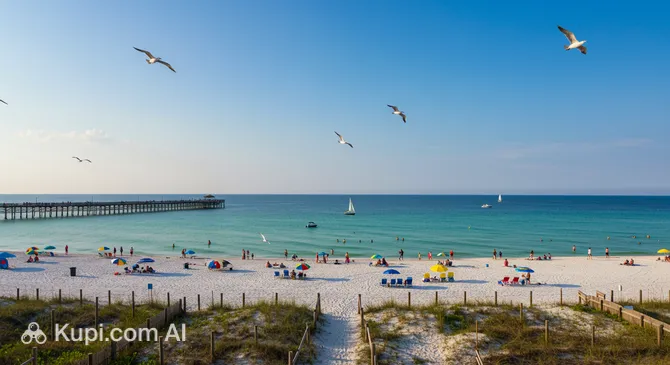
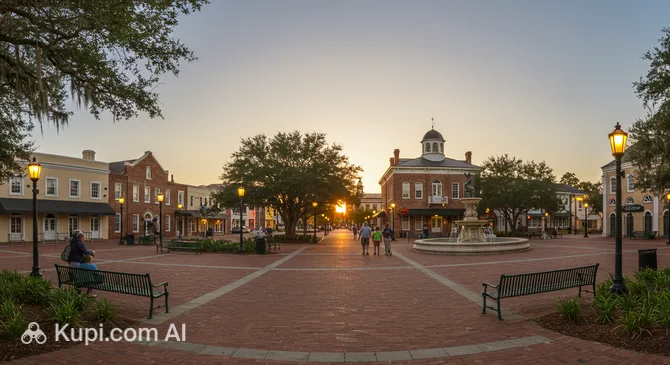
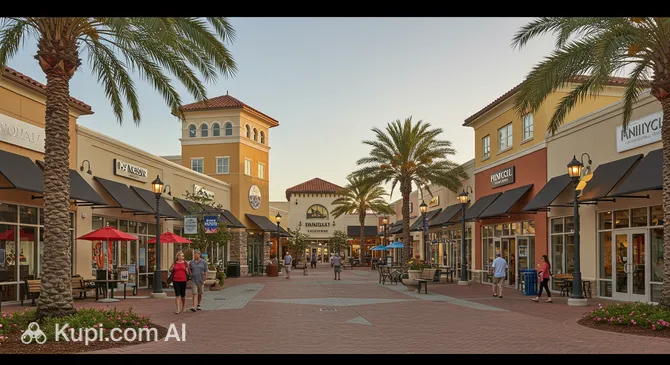
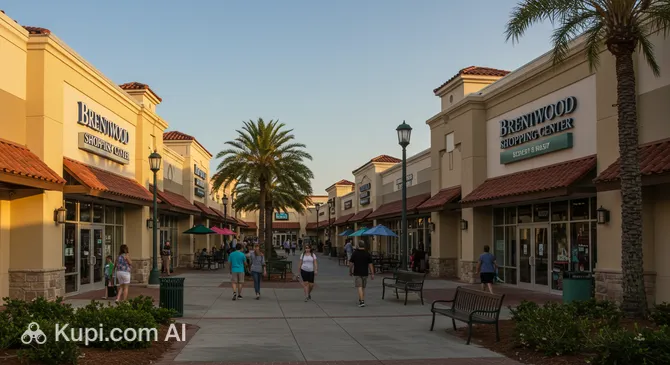
Nestled in the Florida Panhandle, Pensacola is a vibrant coastal city known for its sugar-white beaches and rich cultural heritage. As the westernmost city in the Sunshine State, it offers a unique atmosphere that blends Southern hospitality with a relaxed seaside vibe. Located in the United States, Pensacola serves as a major gateway to the stunning Emerald Coast, attracting visitors year-round with its turquoise waters and pleasant, sunny climate.
Pensacola. Illustration.
Source: Kupi.com AI
Often referred to as the "City of Five Flags," the area has been governed by five different nations throughout its existence. You can delve deeper into the fascinating history of Pensacola by exploring the historic downtown district, where colonial architecture and brick-paved streets tell the story of its past. Beyond its heritage, the city is a bustling community with a population of over 360,000 in its metropolitan area, ensuring a lively urban environment paired with natural beauty.
Travelers are particularly drawn to the National Naval Aviation Museum, one of the world's largest aviation museums, and the pristine sands of Pensacola Beach. Whether you are hoping to catch a thrilling glimpse of the Blue Angels flight demonstration team or simply want to unwind by the Gulf of Mexico, Pensacola promises an unforgettable experience for every guest. We invite you to discover the charm and warmth of this exceptional waterfront destination.
Weather Overview
The city experiences a subtropical climate characterized by distinct seasonal changes, making it a year-round destination with varying conditions. Summers are typically hot and humid, while winters remain relatively mild compared to many other parts of the country. To help you pack appropriately for your trip, it is helpful to review the detailed weather in Pensacola before your arrival.
During the peak summer months of June through August, the heat intensifies, with average temperatures hovering around 27°C to 28°C and maximums frequently reaching 31.5°C. This season also brings the highest frequency of precipitation; July, for instance, records approximately 24 wet days, so carrying an umbrella is essential. Despite the rain, the warm weather invites visitors to enjoy the coastal waters.
In contrast, the winter season from December to February offers cooler and drier conditions. January is generally the coldest month, with average temperatures around 12.0°C and lows dipping to 7.5°C. Spring and autumn provide a pleasant middle ground; months like April and October see comfortable averages between 19°C and 22°C, making them excellent times for exploring the outdoors without the extreme heat or frequent summer showers.
Average monthly temperature
Average monthly precipitation
Interesting Facts
Beyond the main attractions, Pensacola holds many fascinating secrets and historical distinctions that surprise even frequent visitors. From ancient settlements to ever-changing art, the city offers a treasure trove of stories waiting to be uncovered.
While St. Augustine is often cited as the oldest city in the nation, Pensacola actually holds the title of "America's First Settlement." Spanish explorer Tristán de Luna established a colony here in 1559, six years before St. Augustine was founded, though the settlement was eventually abandoned due to a hurricane. Today, you can visit Plaza de Luna on the waterfront to see a statue commemorating this early history.
The city's famous white sand is geologically unique; it is not made of crushed shells or coral like many other beaches. Instead, it consists of 99% pure quartz crystal that has washed down from the Appalachian Mountains via the Apalachicola River over millions of years, giving the shore its signature sugar-white appearance and squeaky texture.
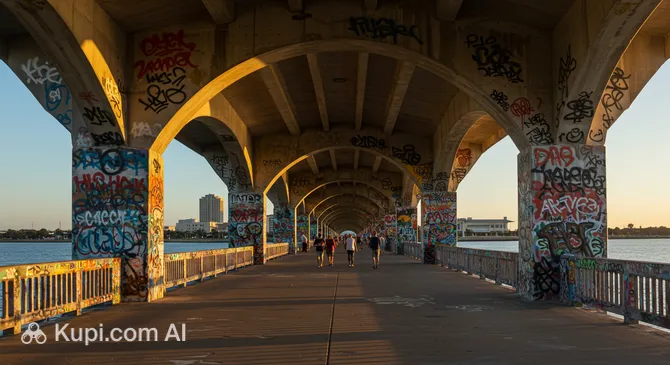
Local artistic expression finds a vibrant and legal home at The Graffiti Bridge. This railroad trestle over 17th Avenue serves as a constantly evolving community canvas where locals and visitors are encouraged to paint, resulting in thick layers of colorful murals and messages that change almost daily.
Pensacola is officially known as the "Cradle of Naval Aviation." The local Naval Air Station was the first commissioned by the U.S. Navy in 1914, and it remains the primary training ground where every Naval Aviator, Naval Flight Officer, and Naval Flight Surgeon begins their career.
The Graffiti Bridge. Illustration.
Source: Kupi.com AI
Traveler photos:
How to Get There
Reaching this coastal gem is relatively straightforward, with air travel being the most convenient method for most visitors. Whether you are arriving for a beach vacation or a business trip, the region is well-connected to major hubs across the country. For a comprehensive guide on all available transport modes, including driving directions, you can read more about how to get to Pensacola.
The primary gateway is Pensacola International Airport (PNS), which is conveniently located within the city limits. It sits just under 8 km from the downtown area, making the commute quick and easy. A taxi or rideshare service typically takes about 15 to 20 minutes to reach the city center, depending on traffic. As the largest airport in the region, it handles a significant volume of passengers annually and offers direct flights to and from several major U.S. cities.
If you cannot find a suitable flight directly to the city, a good alternative is Destin–Fort Walton Beach Airport (VPS). Please note that this facility is not located in Pensacola itself, but in the neighboring city of Fort Walton Beach, approximately 65 km away. The drive from there to downtown usually takes around 1 hour and 15 minutes via Highway 98. It is a popular option for travelers visiting the wider Emerald Coast region.
For clarity, here is a summary of the main airports:
Regarding rail travel, Pensacola is currently not served by active passenger railway stations. While the city has a historic depot, Amtrak service was suspended in the region several years ago. Consequently, visitors who prefer ground transportation typically arrive by car via Interstate 10, which runs directly through the northern part of the city, or by intercity bus services that connect the area to other destinations in Florida and the Southeast.
Main Attractions
Pensacola is a city where history and modern leisure seamlessly converge, offering visitors a diverse range of experiences from scenic parks to iconic local landmarks. While the famous white-sand beaches often steal the spotlight, the city's urban and natural attractions provide plenty of reasons to explore beyond the shoreline.
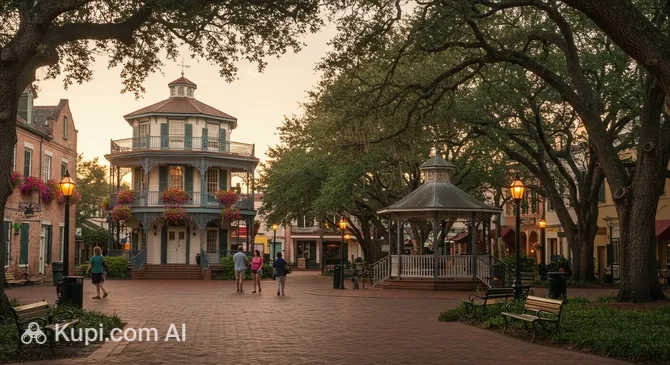
One of the most beloved historic sites in the city is Seville Square. Located in the heart of the historic district, this charming park is shaded by massive ancient live oak trees that create a canopy of green over the grassy grounds. It serves as the cultural hub of downtown, frequently hosting major festivals, art shows, and concerts throughout the year. For tourists, it is an ideal spot to relax during a walking tour of the area's colonial architecture or to enjoy a picnic in a setting that feels like stepping back in time.
Seville Square. Illustration.
Source: Kupi.com AI
Traveler photos:
For a more modern waterfront experience, Community Maritime Park is a must-visit destination. Situated on Pensacola Bay, this multi-use park features a beautiful amphitheater, a playground, and a promenade perfect for sunset strolls. It is also home to the Blue Wahoos Stadium, which hosts baseball games and community events with a stunning backdrop of the water. Visitors love the vibrant atmosphere and the cool bay breeze, making it a perfect place for families and sports enthusiasts alike.
Community Maritime Park. Illustration.
Source: Kupi.com AI
Traveler photos:
No trip to Pensacola is complete without experiencing the local legend that is McGuire's Irish Pub. Far more than just a place to eat, this establishment is a true tourist attraction famous for the more than one million signed dollar bills hanging from its ceilings and walls. Housed in a 1927 firehouse, the pub offers an on-site brewery and a lively atmosphere that captures the city's fun-loving spirit. It is a fascinating stop for those wanting to soak up local culture while enjoying hearty traditional fare.
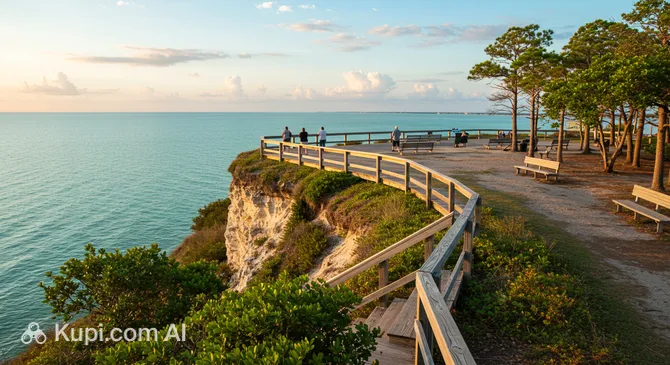
Nature lovers seeking a unique landscape should head to Bay Bluffs Park. Unlike the typical flat terrain of Florida, this park offers elevated boardwalks that wind down reddish-orange clay cliffs to the shore of Escambia Bay. The scenic overlooks provide panoramic views that are particularly breathtaking at sunrise or sunset. It is a quiet, picturesque escape that highlights the unexpected geological diversity of the region.
Bay Bluffs Park. Illustration.
Source: Kupi.com AI
Traveler photos:
Local Cuisine
Local Cuisine:
The culinary landscape of Pensacola is a delicious reflection of its coastal location and deep Southern roots. Being situated right on the Gulf of Mexico, the city is a haven for seafood lovers, offering some of the freshest catches in the country. Local menus are frequently headlined by Gulf staples such as Red Snapper, Grouper, and sweet bay shrimp. A defining flavor of the region is the famous "Grits à Ya Ya"—a savory combination of spiced shrimp served over creamy smoked Gouda cheese grits—which perfectly encapsulates the area's upscale Southern fusion style.
When it comes to beverages, the city is renowned for the Bushwacker. This frozen, chocolatey cocktail is often described as a milkshake for adults and is a signature drink found in bars throughout the city and along the beach. It is such an integral part of the local culture that there is even an annual festival dedicated to it. For those preferring non-alcoholic options, traditional sweet tea remains a staple, served ice-cold with almost every meal to combat the Florida heat.
Union Public House. Illustration.
Source: Kupi.com AI
Traveler photos:
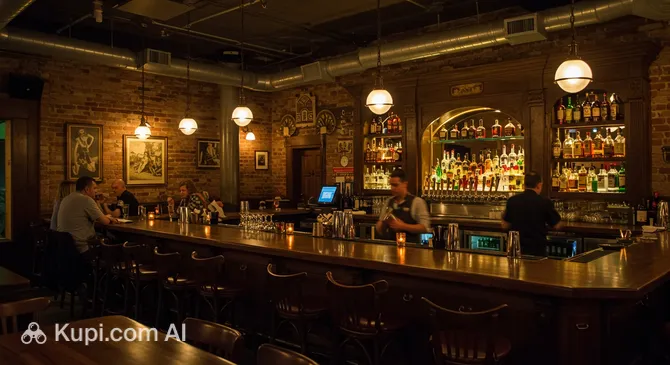
Dining in the city ranges from casual waterfront shacks to sophisticated gastropubs. For a taste of hearty, homestyle cooking, Aunt Katie's is a welcoming spot known for its traditional Southern comfort food that makes visitors feel like family. If you are looking for a more modern dining experience, Union Public House offers an inventive menu that elevates pub favorites with high-quality ingredients and craft cocktails, making it a hit among foodies.
For a relaxed lunch in a historic setting, many locals recommend Hub Stacey's. Famous for its massive sandwiches and laid-back atmosphere, it is a great place to refuel while exploring the downtown area. Whether you are craving fresh oysters by the water or a classic burger in a lively tavern, Pensacola's food scene delivers a memorable gastronomic journey.
Travel Tips
Welcome to Pensacola, the western gateway to the Sunshine State! To help you make the most of your time on the Emerald Coast, we have compiled a list of essential practical tips that will ensure your journey is as smooth and relaxing as the gentle Gulf breeze.
Clothing and Gear: Since the climate is subtropical, lightweight and breathable fabrics like cotton or linen are best for the hot, humid summers. Don't forget swimwear, a wide-brimmed hat, and high-SPF sunscreen to protect against the strong Florida sun. If you are visiting in winter, pack layers and a light jacket, as evenings can get surprisingly chilly. Comfortable walking shoes are a must for exploring the historic downtown area.
Transportation: While the city has a public bus system known as ECAT, it is not the most efficient way for tourists to see the sights. Renting a car is highly recommended for the freedom to explore both the city center and the beaches at your own pace. Rideshare apps like Uber and Lyft are also widely available. During the peak summer season, take advantage of the free Pensacola Beach Trolley to navigate the island without worrying about parking.
Finances: The local currency is the US Dollar ($). Credit and debit cards are accepted almost everywhere, from high-end restaurants to beachside shacks. ATMs are plentiful throughout the city. Tipping is a significant part of the culture in the United States; it is standard practice to leave a tip of 15% to 20% of the bill in restaurants, bars, and for taxi services.
Health and Safety: Pensacola is generally a safe destination, but always exercise standard precautions with your belongings. The biggest safety concern for visitors is often the ocean; always pay attention to the beach warning flags. A Double Red Flag means the water is closed to the public due to dangerous conditions like rip currents. Pharmacies like CVS and Walgreens are common, with some locations open 24 hours for minor medical needs.
Communication: English is the primary language spoken. You will find that free Wi-Fi is available in most hotels, cafes, and public parks. If you are visiting from abroad, purchasing a prepaid SIM card at a local mobile provider or a large retail store like Walmart is easy and affordable. Useful local apps include "Visit Pensacola" for event schedules and maps.
Local Etiquette: The city is known for its Southern hospitality. It is common to be greeted with a smile and a "hello" by strangers on the street. Politeness is valued; using "ma'am" and "sir" when addressing people is considered respectful and is quite common in this region. Casual dress is acceptable in most places, including dining establishments, reflecting the laid-back beach culture.
What to Avoid: strictly avoid walking on the sand dunes or picking the sea oats (beach grasses). These dunes are protected by law because they defend the coast against hurricanes and erosion. damaging them can result in hefty fines and is frowned upon by locals who cherish their natural environment.
Blue Angels Watch: A unique tip for this specific city is to check the practice schedule of the Blue Angels, the U.S. Navy's flight demonstration squadron based here. If you are in town on a Tuesday or Wednesday morning during the season, look up! You can often watch their thrilling aerial rehearsals for free from the National Naval Aviation Museum flight line or even from the beach.
By keeping these practical tips in mind, you will be well-prepared to navigate the city like a local. We hope your visit to Pensacola is filled with sunny days, delicious seafood, and unforgettable memories on the beautiful white sands.
Entertainment & Nightlife
When the sun sets over the Gulf of Mexico, Pensacola transforms into a lively hub of entertainment, offering a diverse nightlife scene that caters to everyone from college students to sophisticated travelers. The epicenter of the action is undoubtedly Palafox Street in the historic downtown district. This vibrant artery is lined with renovated brick buildings that now house an array of cocktail lounges, taprooms, and music venues, creating a walkable and energetic atmosphere where the party often spills out onto the sidewalks.
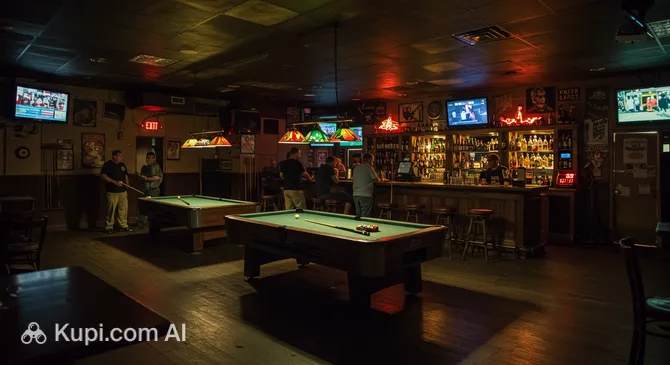
For those seeking a high-energy experience, the city offers several unique spots to dance the night away. A popular destination for locals looking for a late-night vibe is Chasers Liquor Store & Bar. Known for its unpretentious style, it combines a retail front with a bustling bar in the back, making it a staple of the local club scene. The dress code in most Pensacola venues is "coastal casual"—while some upscale lounges might prefer smart casual attire, jeans and a nice top are generally acceptable almost anywhere.
Chasers Liquor Store & Bar. Illustration.
Source: Kupi.com AI
Traveler photos:
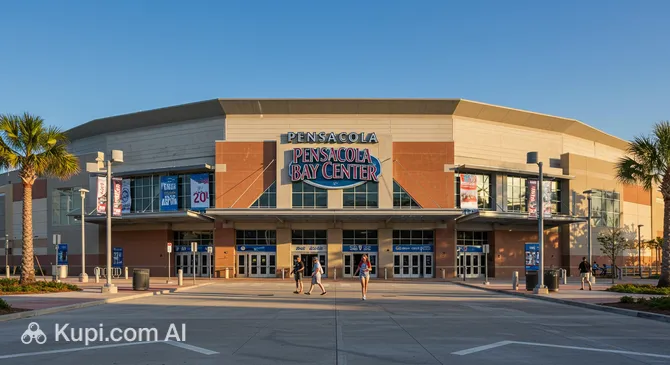
Beyond the bar scene, the city is a major destination for live entertainment and large-scale events. The Pensacola Bay Center serves as the region's premier indoor arena. Throughout the year, this versatile venue hosts everything from rock concerts and touring Broadway shows to professional ice hockey games with the Pensacola Ice Flyers. Checking the schedule here is a must for any visitor, as it often features headline acts that draw crowds from across the Panhandle.
Pensacola Bay Center. Illustration.
Source: Kupi.com AI
Traveler photos:
Practicality is key to enjoying a night out in Pensacola. The prime time to head out is usually around 9:00 PM or 10:00 PM, especially on weekends when the streets are most alive. Prices are generally reasonable compared to larger metropolitan areas like Miami; expect to pay moderate prices for cover charges and drinks. Getting around is safe and easy; downtown is pedestrian-friendly, but for returning to your hotel or visiting venues further afield, rideshare services like Uber and Lyft are reliable and recommended over trying to find late-night parking.
While the nightlife is thrilling, daytime entertainment in the city offers a more relaxed pace. Visitors can explore local culture through the Pensacola Little Theatre or enjoy a shopping spree at Town & Country Plaza. Whether you are catching a matinee performance, browsing boutiques, or gearing up for a night on Palafox, the city ensures there is never a dull moment from dawn until well past dusk.
Parks & Museums
Pensacola offers a rich tapestry of cultural and natural attractions that extend far beyond its famous shorelines. The city takes pride in its well-maintained green spaces and a diverse array of museums that celebrate everything from naval history to contemporary art. Whether you are looking to explore centuries-old fortifications or enjoy a quiet afternoon by the bay, the area provides plenty of opportunities to connect with local heritage and nature.
One of the most popular recreational spots for locals and visitors alike is Bayview Park. Situated along the scenic Bayou Texar, this expansive green space is perfect for families and outdoor enthusiasts. It features tennis courts, a large playground, and a dog park, making it a lively community hub. Visitors can rent kayaks or paddleboards to explore the calm waters, or simply relax under the trees while enjoying a picnic with a view of the bayou.
Bayview Park. Illustration.
Source: Kupi.com AI
Traveler photos:
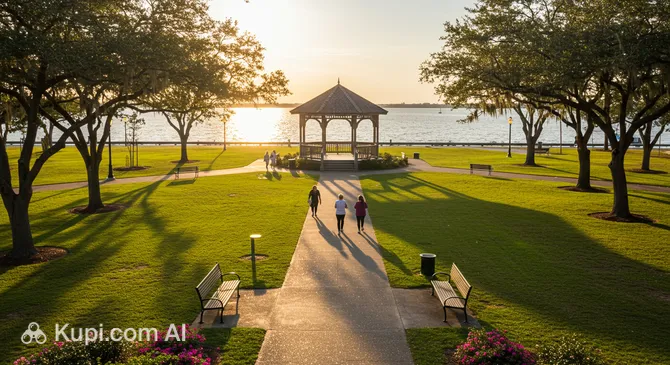
For those seeking a picturesque waterfront setting closer to the downtown area, Plaza de Luna offers a tranquil escape. Named after the Spanish explorer who founded the first settlement, this park features a promenade that is ideal for watching ships enter and leave the harbor. It is especially beautiful at sunset, where the open views of Pensacola Bay provide a stunning backdrop. The park also includes an interactive fountain, which is a favorite for children on warm days.
Plaza de Luna. Illustration.
Source: Kupi.com AI
Traveler photos:
The city's cultural landscape is dominated by the renowned National Naval Aviation Museum. As the world's largest naval aviation museum, it houses over 150 restored aircraft representing Navy, Marine Corps, and Coast Guard aviation. Visitors can marvel at the massive flying machines suspended from the ceiling, try out flight simulators, and often catch the Blue Angels practicing over the airfield. It is a must-visit destination that offers a deep dive into the nation's military history.
Art enthusiasts will find a unique venue in the Pensacola Museum of Art. Interestingly housed in the city's former Spanish Revival-style jail, the museum has transformed a place of incarceration into a center for creativity. It hosts a rotating schedule of modern and contemporary exhibitions, featuring works by both regionally and internationally acclaimed artists. The distinct architecture of the building adds an extra layer of intrigue to the visit.
History comes alive at Fort Pickens, located on the western end of Santa Rosa Island. This massive brick fortress, completed in 1834, played a significant role during the Civil War and remained in use through World War II. Today, you can wander through the dark arched tunnels, explore the gun batteries, and walk along the ramparts for panoramic views of the Gulf of Mexico. The surrounding area is also a protected aquatic preserve, offering excellent birdwatching and hiking trails.
For a truly authentic local experience, step into the T.T. Wentworth, Jr. Florida State Museum. Known fondly by locals as the "Museum of Commerce" or simply the history museum, it is located in the former City Hall building. Inside, you will find an eclectic mix of artifacts ranging from early Native American tools to quirky items from Pensacola's roadside attraction past. It provides a fascinating, and often humorous, glimpse into the oddities and everyday life of Florida's history.
Getting Around
Navigating Pensacola is relatively straightforward, though the city is spread out and primarily designed for car travel. The main public transportation provider is ECAT (Escambia County Area Transit), which operates a network of bus routes connecting the downtown area, major shopping centers, and outlying neighborhoods. While there is no metro or tram system, the buses provide a reliable, budget-friendly option for getting around the main parts of the city and reaching essential services.
For visitors, the most convenient way to pay for bus fare is using the Token Transit mobile app, which allows you to purchase single rides or multi-day passes instantly on your smartphone. If you prefer to pay with cash, you must have the exact change ready when boarding, as drivers cannot provide change. A standard one-way fare is quite affordable, typically costing around $1.75, while a full-day pass offers unlimited rides for approximately $5.25, making it an excellent value for a day of exploration.
A highlight for tourists, particularly during the summer season, is the Pensacola Beach Trolley. This free service operates on Santa Rosa Island, shuttling visitors between the main beach areas, hotels, and restaurants. The open-air trolleys are not only practical for avoiding parking hassles but also offer a fun, breezy way to see the coast. They usually run from late afternoon until late at night, perfect for dinner outings or sunset chasing.
Another unique transport feature is the Pensacola Bay City Ferry. This seasonal service offers a scenic and relaxing alternative to driving, connecting the historic downtown area with Pensacola Beach and Fort Pickens. The ferry ride itself is an attraction, often providing opportunities to spot dolphins in the bay while traveling between these key tourist spots. Tickets can be purchased online or at the landing points, and it is highly recommended to check the schedule in advance as it varies by season.
Despite these public options, many visitors find that renting a car offers the most freedom, especially if you plan to explore areas beyond the immediate downtown or beach zones. Alternatively, ride-sharing apps like Uber and Lyft are widely available and very popular throughout the city. For short distances, particularly within the downtown historic district or along the beach boardwalk, renting a bicycle is a pleasant and eco-friendly way to enjoy the sights.
When planning your trips using public transit, keep in mind that ECAT bus services generally operate from early morning until early evening, with reduced schedules on Saturdays and limited or no service on Sundays on many routes. It is advisable to use a navigation app like Google Maps or the official ECAT website to plan your journey in real-time. Always check the specific operating dates for the trolleys and ferries, as they are seasonal and weather-dependent.
Accommodation
Pensacola offers a diverse array of lodging options to suit every traveler's preference and budget. From charming historic inns nestled in the heart of the city to sprawling beachfront resorts overlooking the Gulf of Mexico, the choices are plentiful. Visitors can also find numerous vacation rentals, cozy bed and breakfasts, and standard roadside motels, ensuring a comfortable stay whether you are here for a romantic getaway, a business trip, or a family vacation.
The two primary areas for accommodation are the historic downtown district and Pensacola Beach. Staying in Downtown Pensacola places you within walking distance of the city's best restaurants, museums, and the vibrant nightlife on Palafox Street. It is the ideal location for those who want a cultural experience and easy access to urban amenities. Conversely, Pensacola Beach on Santa Rosa Island is perfect for sun-seekers who want to wake up to the sound of waves. For those on a tighter budget or passing through, the area around the airport and Interstate 10 offers many reliable and affordable chain hotels.
While the city is home to many familiar international hotel brands that guarantee a consistent standard of service, it also boasts several unique boutique properties. In the downtown area, travelers can find restored buildings turned into elegant lodgings that reflect the city's rich history, offering a more personalized touch. On the beach side, accommodation often leans towards high-rise condominiums and resort-style hotels that feature amenities such as swimming pools, lazy rivers, and private balconies with stunning ocean views.
Prices in Pensacola can vary significantly depending on the season. During the peak summer months and spring break, rates are generally higher, and availability can be scarce due to the influx of tourists. Therefore, it is highly recommended to book your accommodation well in advance if you plan to visit between May and August. In the off-season, particularly during the mild winter, you can often find excellent deals on luxury stays. Most reservations can be easily made through major online travel platforms or by booking directly with the property.
Nearby Cities
For those looking to explore the surroundings, Pensacola serves as an excellent base for day trips to several interesting nearby locations.
Just a short drive west across the state line lies Mobile, Alabama. Known as the birthplace of America's original Mardi Gras, this historic port city offers a rich cultural experience. Visitors can explore the massive USS Alabama Battleship Memorial Park, wander through the charming historic districts, or enjoy fresh seafood along the bay. It provides a perfect mix of history and Southern charm for a day-long excursion.
If you prefer a quieter coastal retreat, Navarre is an excellent choice located less than an hour away. Often called "Florida's Most Relaxing Place," it features pristine, uncrowded white sand beaches and the longest pier in the Gulf of Mexico. Nature lovers will appreciate the Navarre Beach Marine Park, which is a prime spot for snorkeling, fishing, and spotting local sea life in the clear emerald waters.
City
Population
Distance
West Pensacola
21 960
6 km
Warrington
25 438
6 km
Ferry Pass
30 526
11 km
Bellview
23 000
11 km
Ensley
22 015
13 km
These nearby destinations offer a glimpse into the diverse culture and landscapes of the region.
Shopping & Souvenirs
Shopping:
Shopping in Pensacola is a delightful mix of coastal charm and urban convenience. Visitors can find everything from high-end fashion and unique local art to surf gear and antique treasures. The city's retail landscape is split between the historic downtown area, which offers a curated boutique experience, and the larger commercial districts that host major department stores and expansive shopping centers.
The crown jewel of the local shopping scene is undoubtedly Palafox Street in the downtown district. This walkable thoroughfare is lined with shaded sidewalks, independent boutiques, art galleries, and specialty shops selling jewelry and home decor. It is the perfect place to find one-of-a-kind items while enjoying the historic architecture. For those closer to the water, the Pensacola Beach Boardwalk offers a selection of surf shops and resort wear stores, ideal for picking up swimwear, sunglasses, and beach essentials.
For a more comprehensive retail experience, the city features several shopping complexes. One of the notable locations is Town & Country Plaza, an established shopping center that serves the local community with a variety of retail and service options. It is a convenient stop for everyday needs and bargain hunting, offering a relaxed atmosphere away from the busier tourist hubs.
Town & Country Plaza. Illustration.
Source: Kupi.com AI
Traveler photos:
Another accessible option is the Brentwood Shopping Center. Located centrally, it hosts a mix of national chains and local businesses, providing a straightforward shopping environment for travelers needing to restock on supplies or browse for apparel. While these centers offer convenience, visitors looking for major international brands often head to the larger Cordova Mall, which is the biggest indoor shopping destination in the region.
Brentwood Shopping Center. Illustration.
Source: Kupi.com AI
Traveler photos:
A highlight for many visitors is the Palafox Market, held every Saturday morning in Martin Luther King, Jr. Plaza. This open-air market brings together farmers, artists, and bakers, offering fresh local produce, handmade crafts, and delicious treats. It is an excellent spot to mingle with locals and purchase authentic goods directly from the makers.
When looking for souvenirs to take home, consider items that reflect the city's unique identity. Blue Angels merchandise is extremely popular due to the city's status as the cradle of naval aviation. Additionally, locally made goods such as honey, pecans, and sea salt scrubs make for tasty and thoughtful reminders of your trip. Art lovers often find beautiful prints or pottery created by the vibrant local artist community downtown.
Store hours generally follow standard American schedules. Major malls and department stores are typically open from 10:00 AM to 9:00 PM on weekdays and Saturdays, with shorter hours on Sundays (often 12:00 PM to 6:00 PM). Independent boutiques downtown may close earlier, usually around 6:00 PM, and some may be closed on Sundays. Payment is easy, with major credit and debit cards accepted almost everywhere. Cash is useful for small vendors at markets.
Regarding taxes, sales tax is added to the price of goods at the register. The combined sales tax rate in the area is approximately 7.5%. Unlike some international destinations, the United States generally does not offer a Value Added Tax (VAT) refund system for international tourists for everyday purchases, so visitors should expect to pay the shelf price plus tax.