Support

New Orleans

About

New Orleans, often affectionately known as the "Big Easy," is one of the most culturally vibrant and distinct destinations in the United States. Renowned for its round-the-clock nightlife, flourishing live-music scene, and spicy cuisine reflecting its heritage as a melting pot of French, African, and American cultures, the city offers an atmosphere that is both energetic and deeply soulful.

Located in southeastern Louisiana, the city straddles the majestic Mississippi River near the Gulf of Mexico. This unique geography contributes to its humid subtropical climate and lush surroundings. With a metropolitan population of approximately 925,000 residents, New Orleans serves as a major economic and commercial hub for the Gulf Coast region while retaining a welcoming and festive spirit.
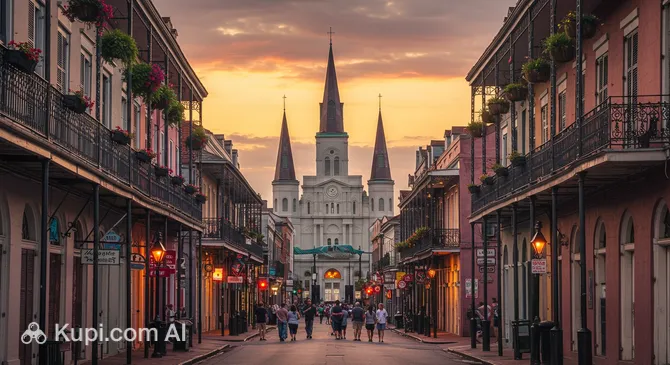
New Orleans. Source: Kupi.Binoculars

The fascinating history of New Orleans is visible in every corner, from the iconic wrought-iron balconies of the French Quarter to the antebellum mansions of the Garden District. Visitors are consistently drawn to the historic significance of Jackson Square and the vibrant energy of Bourbon Street. Beyond the famous landmarks, the city is the birthplace of jazz, and the melodies floating from the clubs on Frenchmen Street provide the perfect soundtrack for exploration.

Whether you are planning to experience the world-famous spectacular of Mardi Gras, indulge in authentic Creole and Cajun dishes like gumbo and jambalaya, or simply soak in the local architecture, New Orleans promises an unforgettable journey. It is a city that invites you to slow down, enjoy the moment, and immerse yourself in its unique magic.
Weather Overview

New Orleans typically enjoys a humid subtropical climate, making it a year-round destination with distinct seasonal changes. For a more detailed breakdown to help with your packing, you can check the current weather in New Orleans.

Summers in the city are characteristically hot and humid. From June to August, average temperatures stay around 28°C, with daily highs frequently reaching 31°C. This period is also the wettest time of the year; July, for instance, can see up to 23 wet days, so carrying an umbrella is highly recommended during these months.

In contrast, winters are mild and generally pleasant compared to many other parts of the country. January is the coolest month, with an average temperature of 12.7°C and lows hovering around 9°C. While rain is still possible, the autumn month of November tends to be drier with only about 8 wet days. Overall, visitors should expect hot, humid summers with frequent showers and mild winters that are perfect for outdoor exploration.

Interesting Facts

Beyond the vibrant parades and music-filled streets, New Orleans holds many fascinating secrets and historical quirks that often escape the casual observer. Digging a little deeper reveals a city layered with unique traditions and surprising origins.
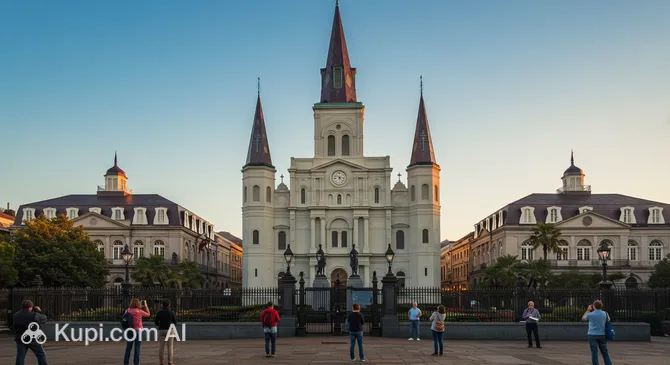
St. Louis Cathedral. Source: Kupi.Binoculars
  • New Orleans is widely considered the birthplace of the cocktail. The Sazerac, a rye whiskey-based drink, was invented here in the 19th century, and its legacy is celebrated at The Sazerac House.

  • Despite the name of its most famous neighborhood, the French Quarter, the architecture is predominantly Spanish. After massive fires in the late 1700s, the area was rebuilt under Spanish rule, resulting in the iconic courtyards and ironwork seen today.

  • The city is home to the oldest continuously active Roman Catholic cathedral in the United States, the stunning St. Louis Cathedral, which overlooks the historic center.

  • Mysticism is deeply woven into the local culture, largely due to the influence of Marie Laveau, the renowned Voodoo Queen. Her mysterious life and practice are commemorated at Marie Laveau's House of Voodoo.

  • Jazz music traces its roots back to Congo Square, located within Louis Armstrong Park. This was one of the few places where enslaved people were permitted to gather, drum, and dance in the 18th and 19th centuries, laying the rhythmic foundation for the genre.

How to Get There

Reaching the "Big Easy" is convenient thanks to its major international hub and proximity to other regional transit points. Whether you prefer flying directly into the city or taking a scenic route through the South, you can find all ways to reach the city and plan your arrival with ease.

The primary gateway for most travelers is the Louis Armstrong New Orleans International Airport (MSY), located just 17.9 km from the city center. As a large international airport serving millions of passengers annually, it offers extensive connections across the country. A taxi ride to downtown New Orleans typically takes between 20 and 30 minutes, while the public bus service offers a more economical alternative with a travel time of approximately 45 to 50 minutes.

If you are exploring the wider region or looking for alternative flight deals, you might consider the Gulfport-Biloxi International Airport (GPT). The city of New Orleans does not host this airport; it is located in the city of Gulfport, about 109 km away. The travel time by road is roughly 1.5 hours. Another option is the Baton Rouge Metropolitan Airport (BTR) in the city of Baton Rouge, situated 121.8 km from New Orleans, which also requires a drive of approximately 1.5 hours.

For clarity, here is a summary of the main airports:

Airport Name City Passenger Traffic Km from City
Louis Armstrong New Orleans International Airport New Orleans Large 17.9
Gulfport-Biloxi International Airport Gulfport Medium 109.3
Baton Rouge Metropolitan Airport Baton Rouge Medium 121.8
Mobile Regional Airport Mobile Small 194.4
Lafayette Regional Airport Lafayette Small 186.5

Beyond air travel, New Orleans is well-connected by rail and road. The city is a major stop for Amtrak trains, with the famous City of New Orleans, Crescent, and Sunset Limited lines arriving at the Union Passenger Terminal in the Central Business District. For those driving or taking a long-distance bus, the city is easily accessible via Interstate 10, which runs coast-to-coast through the southern United States.

Main Attractions

New Orleans is a city where history, culture, and entertainment converge, offering visitors a diverse array of sights that go far beyond its famous nightlife. From historic plazas to world-class museums and sprawling green spaces, the city's landmarks provide a deep dive into its unique heritage and vibrant spirit.

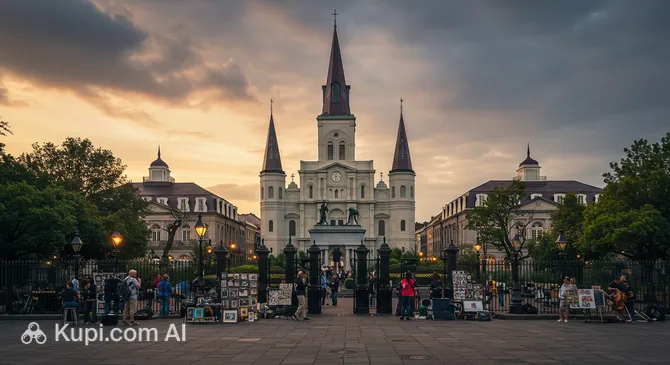
At the heart of the French Quarter lies Jackson Square, a National Historic Landmark that serves as the city's most recognizable gathering place. Surrounded by historic buildings and facing the Mississippi River, this park is a hub of activity where local artists display their work and street musicians perform daily. It is an essential stop for anyone wanting to soak in the classic atmosphere of the Old Quarter while enjoying views of the iconic architecture that defines the city.

Jackson Square. Source: Kupi.Binoculars

For history enthusiasts, The National WWII Museum is an absolute must-visit. Designated by Congress as the official World War II museum of the United States, this expansive campus offers an immersive look at the American experience in the war that changed the world. Through interactive exhibits, oral histories, and an impressive collection of artifacts, the museum tells powerful stories of courage and sacrifice, making it one of the top-rated tourist attractions in the country.

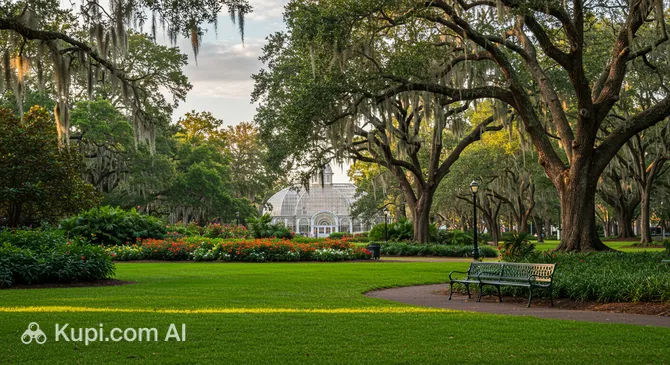
If you are looking to escape the urban bustle, New Orleans City Park offers a lush retreat covering 1,300 acres—making it approximately 50% larger than Central Park in New York. This enchanting green space is famous for holding the world's largest collection of mature live oak trees, some nearly 800 years old. Visitors can explore the botanical garden, visit the art museum located within the grounds, or simply enjoy a peaceful walk among the moss-draped trees and lagoons.

New Orleans City Park. Source: Kupi.Binoculars

To experience the magic of the city's most famous festival year-round, a trip to Mardi Gras World is fascinating. This unique attraction takes you behind the scenes to the workshops where the spectacular floats for the Mardi Gras parades are designed and built. It offers a colorful and up-close look at the artistry and scale of the carnival, allowing tourists to try on authentic costumes and learn about the traditions that make the season so special.

Finally, no visit is complete without a stroll through the historic French Market. Spanning six blocks in the French Quarter, it is the oldest of its kind in the United States. Here, travelers can browse through a mix of flea market stalls, artisan crafts, and food stands serving local delicacies like alligator sausage and fresh oysters, providing a perfect taste of the local lifestyle.

Local Cuisine

New Orleans offers a culinary landscape that is as vibrant and diverse as its music. The local food is a legendary fusion of French, Spanish, West African, and Native American influences, broadly categorized into Creole and Cajun styles. Visitors should not leave without trying a steaming bowl of gumbo, a rich stew often made with seafood, chicken, and sausage, or jambalaya, a flavorful rice dish that perfectly captures the city's spicy spirit. Another must-try is crawfish étouffée, a thick and savory shellfish stew served over rice.

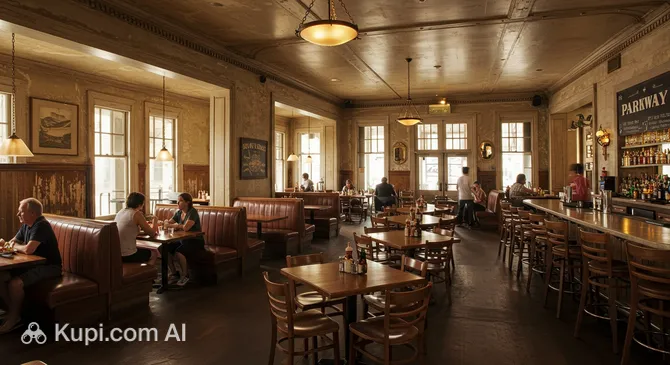
For a more casual yet iconic meal, the po-boy sandwich is a staple of the local diet. Served on crisp French bread and piled high with roast beef or fried seafood, these sandwiches are best enjoyed "dressed" with lettuce, tomatoes, and pickles. A fantastic place to experience this classic is Parkway Bakery & Tavern, a historic spot renowned for its delicious variations of this New Orleans favorite.

Parkway Bakery & Tavern. Source: Kupi.Binoculars

No culinary tour is complete without indulging in the city's famous sweets and beverages. Beignets, square doughnuts generously covered in powdered sugar, are traditionally paired with café au lait made with roasted chicory. On the spirited side, the city is proud of its cocktail heritage, featuring the rye-based Sazerac and the sweet, rum-filled Hurricane. For those seeking a relaxed evening with excellent drinks and live music in a charming backyard setting, Bacchanal Fine Wine & Spirits offers a quintessential local vibe.

Dining in New Orleans is rarely a rushed affair; it is a social event meant to be savored. The city offers everything from bustling street food stalls near the French Market to elegant fine dining rooms. Travelers looking for a sophisticated gastronomic experience might visit The Windsor Court, where the culinary offerings reflect the city's upscale hospitality. Whether eating fresh crawfish at a neighborhood boil or enjoying a jazz brunch, food here is a true celebration of life.

Travel Tips

Welcome to New Orleans! To help you navigate the unique rhythm and vibrant culture of the "Big Easy" with confidence, we have compiled a set of essential practical tips. These suggestions will ensure your visit is as smooth and enjoyable as the jazz filling the city's streets.

  1. Clothing and Gear: The climate here is often humid and warm, so pack light, breathable fabrics for the summer months. Winters are generally mild but can be damp, so layers and a light jacket are advisable. Most importantly, bring comfortable walking shoes. The historic French Quarter is best explored on foot, and its uneven cobblestone streets and sidewalks can be unforgiving to high heels or stiff footwear.
  2. Transportation: You rarely need a rental car if you are staying near the downtown area; parking is expensive and often difficult to find. Instead, utilize the city’s iconic streetcars for a scenic and affordable way to get around. For direct travel, ride-sharing apps are widely available and often safer than walking late at night. The city is very walkable, but always have a transport plan for late evenings.
  3. Finances: The local currency is the US Dollar. While credit and debit cards are accepted almost everywhere, it is highly recommended to carry some cash, particularly small bills. You will need them for tipping street performers, musicians, and service staff. Tipping is a strong cultural norm; expect to leave 18-20% in restaurants and bars, and a few dollars for hotel staff.
  4. Health and Safety: New Orleans is a major tourist destination, but it is wise to stay alert. Stick to well-lit, populated main streets at night and avoid wandering into unfamiliar, unlit alleys. Pharmacies like CVS and Walgreens are easy to find in the city center for any minor medical needs. Stay hydrated, especially if you are consuming alcohol and walking in the heat.
  5. Communication: English is the primary language, though you might hear it spoken with a distinct local accent. Free Wi-Fi is standard in most hotels, cafes, and public spaces. If you are visiting from abroad, a standard SIM card for the United States will work perfectly, and having a map app on your phone is very helpful for navigating the winding streets.
  6. Local Etiquette: The city is known for its friendliness. It is polite to greet people with a "Good morning" or a smile as you pass them on the street. Life moves at a slower pace here; do not be impatient with service or queues. Relax, take your time, and embrace the laid-back atmosphere.
  7. What to Avoid: Do not wear Mardi Gras beads when it is not carnival season; doing so instantly marks you as an inexperienced tourist. Additionally, avoid engaging with street scammers who bet they can tell you "where you got your shoes"—it is a classic trick to get your money (the answer is "on your feet").
  8. The "Go-Cup" Culture: One of the unique perks of New Orleans is that you can legally drink alcohol on the street in the French Quarter, provided it is in a plastic container. If you haven't finished your drink at a bar, simply ask the bartender for a "go-cup" to take it with you. However, remember that glass bottles are strictly prohibited on the streets.

By keeping these practical tips in mind, you will be well-prepared to immerse yourself in the soulful magic of New Orleans. Stay safe, respect the local traditions, and get ready to "laissez les bons temps rouler"—let the good times roll!

Entertainment & Nightlife

New Orleans is legendary for a nightlife scene that vibrates with energy, history, and an unshakeable love for music. When the sun sets, the city transforms into a playground where the sounds of brass bands, blues, and jazz spill out from every doorway. Unlike many other cities, the party here often starts early and continues well past dawn, fueled by a "laissez-faire" attitude and the famous "go-cup" culture that allows you to stroll the streets with your drink in hand.

The epicenter of the action is undoubtedly the French Quarter, specifically the world-famous Bourbon Street. This neon-lit strip is a sensory overload of raucous bars, karaoke joints, and crowds seeking a high-energy party atmosphere. However, for a more authentic musical experience, locals and savvy travelers head to Frenchmen Street in the Marigny neighborhood. Here, the vibe is more intimate and artistic, lined with clubs where you can listen to some of the best live jazz in the world without the aggressive bustle of the main tourist drag.

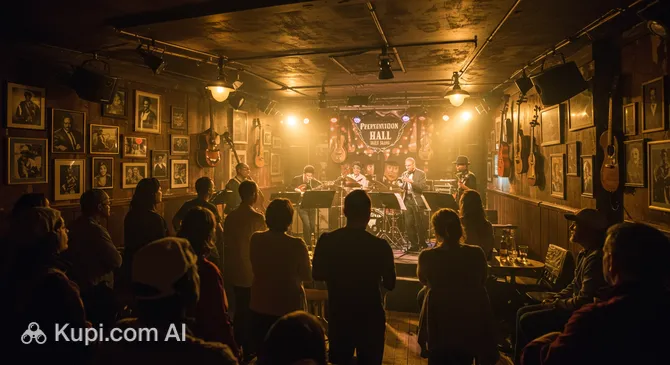
Preservation Hall. Source: Kupi.Binoculars

For music lovers, a pilgrimage to Preservation Hall is essential. This historic venue is dedicated to protecting and honoring traditional New Orleans Jazz. It offers an acoustic, intimate setting with bench seating and no air conditioning, focusing purely on the incredible talent of the musicians. If you prefer a livelier, dance-friendly atmosphere, The Spotted Cat Music Club on Frenchmen Street is a favorite for its eclectic mix of jazz, blues, and funk. Meanwhile, hidden amidst the chaos of Bourbon Street is Fritzel's European Jazz Pub, the oldest operating jazz club on the strip, offering a cozy sanctuary for traditional jazz enthusiasts.

Practicalities are simple in the Big Easy. Most bars do not have a strict dress code; casual attire is the norm, though comfortable shoes are a must for navigating the streets. Many live music venues charge a cover fee ranging from $5 to $20, so carrying cash is highly recommended. Prices for drinks vary wildly, from inexpensive beers during happy hour to premium prices for signature cocktails. In terms of safety, while the main entertainment districts are heavily patrolled and generally safe, it is crucial to stay aware of your surroundings. Avoid walking alone on dark or deserted side streets late at night; instead, use a taxi or ride-sharing service to move between neighborhoods.

While the nights are electric, the city offers plenty of daytime entertainment to balance your trip. Families and thrill-seekers can enjoy a fun afternoon at Carousel Gardens Amusement Park within City Park, which features a historic antique carousel and various rides. Whether you are exploring world-class museums or catching a show at a historic theater, the entertainment options in New Orleans ensure that there is never a dull moment, day or night.

Parks & Museums

Beyond the lively jazz clubs and bustling streets, New Orleans boasts a rich tapestry of green spaces and cultural institutions that preserve its unique heritage. From moss-draped bayous to world-class art collections, the city offers a diverse array of parks and museums that provide a deeper understanding of its history and natural beauty.

For a true taste of Louisiana's wild side without leaving the metropolitan area, the Jean Lafitte National Historical Park and Preserve is an exceptional destination. Specifically, the Barataria Preserve section offers visitors a chance to walk through hardwood forests and swamps on boardwalk trails. It is a prime spot for spotting local wildlife, including alligators, armadillos, and over 200 species of birds, providing a stark and beautiful contrast to the urban landscape.

Jean Lafitte National Historical Park and Preserve. Source: Kupi.Binoculars

Another beloved green space is Audubon Park, located in the historic Uptown neighborhood. Accessible via the St. Charles Avenue streetcar, this park is a favorite among locals for jogging, picnicking, and relaxing beneath the canopy of ancient live oak trees. It features a lagoon, a golf course, and plenty of open space, making it a perfect retreat for a peaceful afternoon.

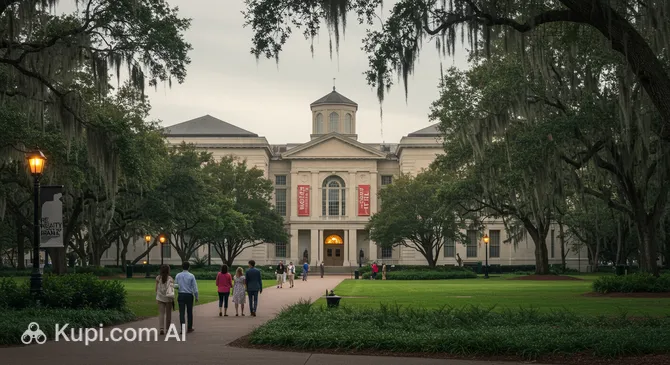
When it comes to art and culture, the New Orleans Museum of Art (NOMA) stands out as the city's oldest fine arts institution. Situated within City Park, it houses an impressive permanent collection of more than 40,000 objects, ranging from French and American art to photography and glass. The museum is not only a hub for visual arts but also hosts various community programs and exhibitions that reflect the diverse culture of the region.

New Orleans Museum of Art. Source: Kupi.Binoculars

For a more unconventional historical experience, the New Orleans Pharmacy Museum in the French Quarter is a fascinating stop. Housed in the site of the first licensed pharmacist in the United States, this museum showcases early medicines, surgical instruments, and voodoo potions. It offers a quirky and sometimes slightly macabre glimpse into the history of healthcare and medicine in the 19th century.

Architecture and garden enthusiasts will appreciate a visit to Longue Vue House & Gardens. This multi-story historic house museum features stunning interiors and is surrounded by eight acres of distinct gardens, including an interactive Discovery Garden for children. It serves as a beautiful example of mid-20th-century estate life and design.

Families and animal lovers should not miss the Audubon Zoo, consistently ranked among the best in the country. Located along the Mississippi River, it features an award-winning Louisiana Swamp exhibit that immerses visitors in the local ecosystem, complete with white alligators and black bears.

For an insider tip, take the time to explore the Sydney and Walda Besthoff Sculpture Garden, located adjacent to NOMA. This beautifully landscaped area is free to the public and features over 90 sculptures set among magnolias and reflecting pools, offering a harmonious blend of art and nature that is often less crowded than other major attractions.

Getting Around

Navigating New Orleans is part of the charm, largely thanks to its iconic public transportation system managed by the Regional Transit Authority (RTA). The network consists primarily of historic streetcars and modern buses, which work together to connect the city's most popular neighborhoods. For many visitors, the transport experience itself is a highlight, offering a scenic and leisurely way to see the sights while moving between the French Quarter, the Garden District, and beyond.

The crown jewel of the system is the streetcar network. The most famous route is the St. Charles Avenue Line, recognized as the oldest continuously operating streetcar line in the world. Its vintage green cars rumble beneath a canopy of live oak trees, passing grand antebellum mansions and universities. In contrast, the red streetcars on the Canal Street Line and the Riverfront Line offer air-conditioned comfort and connect the Central Business District to the cemeteries and the Mississippi River. Buses complement these routes, reaching areas that the rail lines do not cover, making them a practical option for reaching specific destinations further afield.

For a unique perspective on the city, the Algiers Point Ferry is a fantastic and affordable option. It carries pedestrians across the Mississippi River from the foot of Canal Street to the historic Algiers Point neighborhood. The short ride offers stunning panoramic views of the city skyline and is a favorite among tourists looking for a quick excursion across the water.

Paying for transport is straightforward and tourist-friendly. The standard fare is a flat rate, regardless of distance. While you can pay with cash upon boarding, you must have exact change as drivers cannot provide it. The most convenient method for visitors is to download the Le Pass mobile app. This allows you to purchase tickets instantly on your phone, track vehicle arrivals in real-time, and avoid the hassle of carrying coins.

If you plan to use public transport frequently, purchasing a Jazzy Pass is highly recommended. These passes offer unlimited rides on all RTA streetcars and buses for specific durations, such as 1, 3, or 7 days. You can buy these passes directly through the Le Pass app or at ticket vending machines located at major stops. Remember to activate your mobile ticket just before boarding and show it to the driver.

Regarding operating hours, the St. Charles streetcar line operates 24 hours a day, making it reliable for late-night returns from dinner or jazz clubs. However, other streetcar lines and bus routes may have reduced schedules late at night or on weekends, so it is always wise to check the timetable on the app before heading out. During peak tourist seasons or major festivals, streetcars can become quite crowded, so allow for a little extra travel time.

Beyond the RTA network, New Orleans offers several alternative ways to get around. In the dense and historic French Quarter, walking is often the best and fastest option, as narrow streets can get congested. For longer distances or late-night travel, ride-sharing services and taxis are plentiful and generally affordable. Additionally, the city has a bike-share program called Blue Bikes, which is perfect for leisurely rides through the flat terrain of neighborhoods like the Marigny and Mid-City.

Accommodation

New Orleans offers a diverse spectrum of accommodation options that cater to every type of traveler, from history buffs to luxury seekers. The city's hospitality landscape is as varied as its architecture, featuring everything from charming bed-and-breakfasts tucked away in antebellum mansions to grand high-rise hotels and budget-friendly hostels. Whether you are looking for a romantic getaway, a family vacation, or a solo adventure, you will find a place to stay that suits your style and budget.

Choosing the right neighborhood is key to your experience. The French Quarter is the heart of the action, perfect for those who want to be steps away from iconic sights and nightlife, though it can be noisy. For a slightly quieter but still central experience, the Central Business District (CBD) and the Warehouse District offer modern luxury hotels and are just a short walk from the historic center. Travelers seeking a more scenic and relaxed atmosphere often prefer the Garden District, known for its stunning oak-lined streets and historic homes. Meanwhile, the Marigny and Bywater neighborhoods provide a bohemian vibe with colorful cottages and local music clubs.

For those seeking a blend of history and comfort, the city boasts several exceptional properties. The Eliza Jane is a beautifully restored hotel that captures the city's unique character, offering a stylish retreat within the Central Business District. Another excellent option is La Belle Maison, located in the Warehouse District, which provides a sophisticated base for exploring the nearby French Quarter and riverfront attractions.

The Eliza Jane. Source: Kupi.Binoculars

Prices for accommodation can vary significantly depending on the season and the level of luxury. Budget travelers can find hostels and motels starting at reasonable rates, while mid-range hotels and vacation rentals offer a balance of comfort and value. Luxury resorts and historic boutique hotels command higher prices but deliver top-tier amenities and service. Booking is typically done through major online travel platforms or directly via hotel websites, which sometimes offer exclusive packages.

Important Booking Tip: New Orleans hosts major events like Mardi Gras and the Jazz & Heritage Festival, during which the city fills up completely. If you plan to visit during these peak times, it is essential to book your accommodation several months in advance. Prices can skyrocket during festivals, so early planning not only guarantees a room but also helps secure a better rate.

Nearby Cities

For those looking to explore the surroundings, New Orleans serves as an excellent base for day trips to several interesting nearby locations:

Just across the famous Lake Pontchartrain Causeway—the world's longest continuous bridge over water—lies Mandeville. This charming city on the Northshore offers a peaceful contrast to the bustle of the French Quarter. Visitors can stroll along the historic lakefront promenade, shaded by ancient live oaks, or explore the nearby Fontainebleau State Park, which features sandy beaches, nature trails, and ruins of an old sugar mill.

Another excellent destination for nature lovers is Slidell, located on the northeastern shore of the lake. It is best known as the gateway to the Honey Island Swamp, one of the wildest and most pristine river swamps in the United States. Here, travelers can embark on guided boat tours to spot alligators, wild boars, and diverse bird species in their natural habitat. Additionally, the city's Olde Towne district offers a quaint selection of antique shops and local restaurants.

Closer to the city center, Metairie provides a mix of suburban comfort and green spaces. It is home to the sprawling Lafreniere Park, a favorite among locals for its lagoons, gardens, and walking paths. Metairie is also a hub for shopping and dining, offering visitors a chance to experience the everyday lifestyle of the Greater New Orleans area just minutes from downtown.

City Population Distance (km)
Metairie 140590 8
Mandeville 105097 45
Slidell 94498 46
Kenner 66411 17
Marrero 31928 6

These nearby destinations offer a glimpse into the diverse culture and landscapes of the region.

Shopping & Souvenirs

Shopping in New Orleans is as distinctive and colorful as the city itself. Far from being dominated solely by generic chain stores, the local retail scene is a treasure trove of antique shops, art galleries, and independent boutiques. The city is particularly renowned for its world-class antiques, unique costume shops, and vibrant local art, making it a fantastic destination for finding one-of-a-kind items that reflect the area's rich cultural heritage.

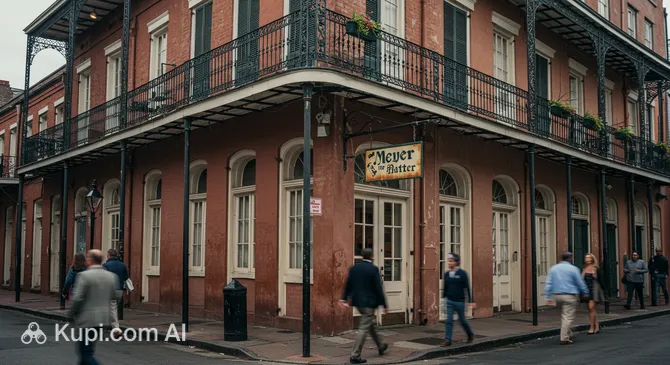
For a quintessential New Orleans shopping experience, Royal Street in the French Quarter is the place to start. This elegant thoroughfare is famous for its concentration of family-owned antique stores, fine jewelry shops, and impressive art galleries, often featuring street musicians performing on the corners. Another major destination is Magazine Street, which stretches for six miles through the Garden District and Uptown. This walkable corridor is lined with a diverse mix of clothing boutiques, home decor stores, and vintage shops. In the downtown area, you will find Meyer The Hatter, one of the oldest hat stores in the country, offering a legendary selection of headwear since 1894.

Meyer The Hatter. Source: Kupi.Binoculars

Travelers looking for a comprehensive shopping experience with major brands should head to the Lakeside Shopping Center. Located just a short drive from the city center in Metairie, it is one of the largest malls in the region, housing over 120 stores including department stores and popular fashion retailers. It serves as a convenient one-stop destination for those needing to update their wardrobe or find specific travel essentials.

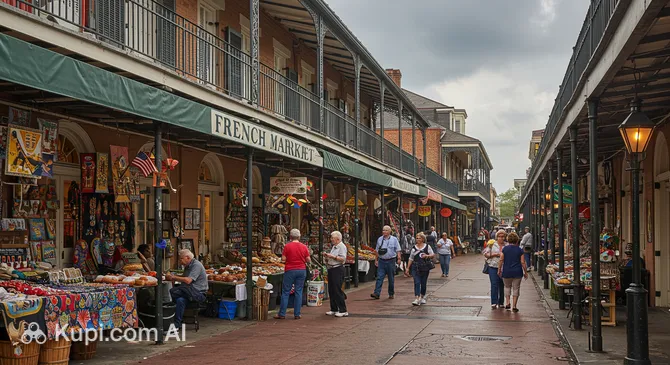
No shopping trip is complete without visiting the historic French Market. Spanning six blocks along the river, it combines a traditional farmers market with a bustling flea market. Here, visitors can browse through rows of stalls selling everything from local spices and handcrafted jewelry to t-shirts and sunglasses. It is an excellent spot to hunt for bargains and soak up the lively atmosphere of the French Quarter.

French Market. Source: Kupi.Binoculars

When it comes to souvenirs, New Orleans offers plenty of iconic options. Popular gifts include boxes of sweet pralines, bottles of locally made hot sauce, and colorful Mardi Gras masks. For something truly unique to the city's mystical side, a visit to Marie Laveau's House of Voodoo provides a fascinating selection of charms, gris-gris bags, and educational books on local folklore that make for memorable keepsakes.

Most shops in the city operate from 10:00 AM to 6:00 PM, though stores in the French Quarter and on Magazine Street often stay open later, especially on weekends. Credit and debit cards are widely accepted, but carrying some cash is useful for small purchases at markets. Additionally, Louisiana offers a notable benefit for international visitors: Tax-Free Shopping. International travelers can receive a refund on sales tax paid at participating merchants, so be sure to look for the "Louisiana Tax Free Shopping" sign and keep your passport handy when making purchases.

Reached the end of the page?

That means the route is fully explored