Support

Lafayette

About

Welcome to Lafayette, a vibrant city often celebrated as the "Heart of Acadiana." Known for its spirited atmosphere and rich cultural tapestry, this destination serves as the unofficial capital of Cajun Country. It is a place where modern amenities blend seamlessly with deep-rooted traditions, offering visitors a unique experience filled with music, food, and "joie de vivre."

Geographically, Lafayette is situated in the southern part of Louisiana, sitting on the banks of the Vermilion River. As a prominent city in the United States, it acts as a major economic and cultural hub for the region. With a population of over 250,000 in the metropolitan area, it maintains a lively yet hospitable environment, characterized by a humid subtropical climate that keeps the landscape lush and green throughout the year.
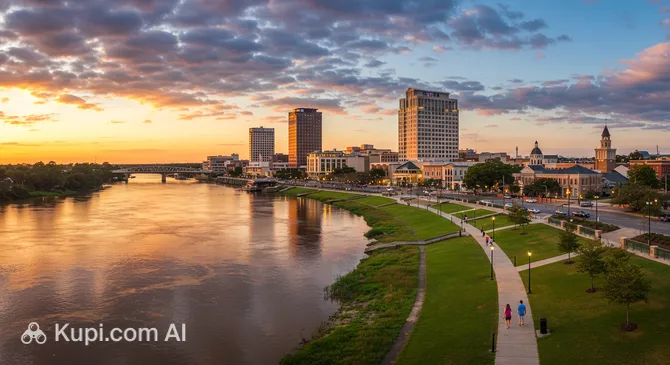
Lafayette. Source: Kupi.Binoculars

The city's past is as colorful as its present. To truly appreciate the local heritage, it is worth delving into the history of Lafayette, which reveals the fascinating story of the Acadians who settled here in the 18th century. This historical influence is still palpable today in the distinctive dialect, architecture, and community spirit that define the area.

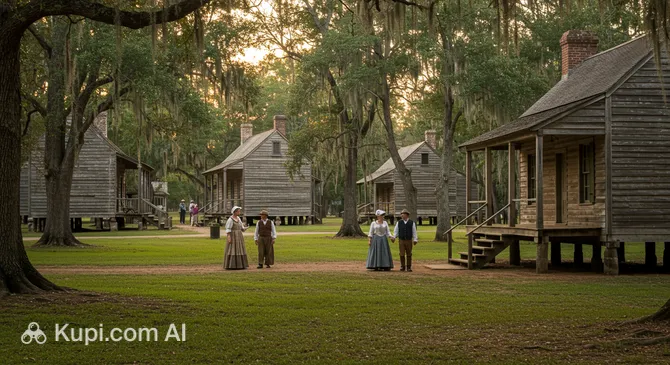
Travelers are drawn to Lafayette for its incredible culinary scene and festive energy. It is widely considered one of the best food towns in the country, famous for authentic Cajun and Creole cuisine like boudin, gumbo, and crawfish étouffée. Beyond the plate, the city comes alive with the sounds of Zydeco and Cajun music, often showcased at popular attractions like the Vermilionville Historic Village, a living history museum that recreates life in the Acadiana area between 1765 and 1890.

Whether you are looking to dance at a local festival, explore lush bayous, or simply indulge in world-class comfort food, Lafayette welcomes you with open arms. It is an ideal destination for anyone seeking an authentic and unforgettable Southern adventure.
Weather Overview

Lafayette generally enjoys a humid subtropical climate, which ensures lush green landscapes but also brings distinct seasonal variations. Visitors can typically expect hot, humid summers with frequent rainfall and mild, comfortable winters. To choose the best time for your activities, it is worth checking the detailed guide to weather in Lafayette when planning your itinerary.

The summer months, particularly from June to August, are characterized by heat and humidity. August is often the warmest month, with average daily highs reaching approximately 32.8°C. This is also the wettest time of the year; July sees significant rainfall activity with around 20 wet days, so keeping rain gear handy is essential for summer trips.

Winters are far gentler, making the city a pleasant escape from harsher northern climates. January is typically the coldest month, yet the average temperature remains around 12.1°C, with average minimum temperatures around 7.2°C. The transition seasons of spring and autumn are delightful, with October standing out as the driest month, averaging only about 8 wet days.

Interesting Facts

Beyond the well-known music festivals and culinary delights, Lafayette holds fascinating stories that add depth to its vibrant character. Here are a few intriguing details about the "Hub City" that visitors might not expect.
  • Although the city is now named after the French General Marquis de Lafayette, it was originally founded as Vermilionville in the 1820s. This early moniker and the lifestyle of that era are preserved and showcased at the Vermilionville Historic Village, a living history museum.

  • The grounds of the Cathedral of St. John the Evangelist are home to a silent witness of history: the St. John Cathedral Oak. This majestic tree is estimated to be nearly 500 years old, meaning it was already a mature giant long before the city was established.

  • Lafayette is frequently cited as having one of the highest concentrations of restaurants per capita in the United States. This statistic perfectly illustrates the local culture, where dining is a central social activity and conversations at lunch often revolve around plans for dinner.

  • The city hosts the largest international music and arts festival in the United States dedicated to Francophone countries. The Festival International de Louisiane transforms the downtown area annually, celebrating the region's deep French roots with performers from around the globe.

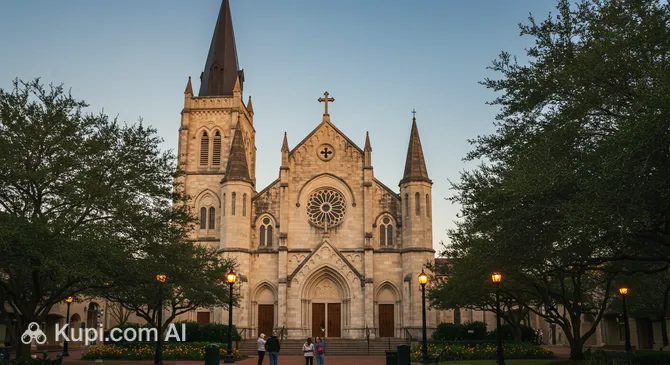
Cathedral of St. John the Evangelist. Source: Kupi.Binoculars

How to Get There

Reaching the heart of Cajun Country is straightforward, with several convenient options available for travelers. Whether you prefer flying directly into the city or landing at a larger international hub nearby and driving, the journey marks the beginning of your Louisiana adventure. For a complete guide on all transportation methods, you can read more about how to get to Lafayette to plan your trip effectively.

The most convenient entry point is Lafayette Regional Airport (IATA: LFT), located just 3.7 km from the city center. As a regional hub, it offers a hassle-free experience with connections to major cities like Atlanta, Dallas, and Houston. Since the airport is practically within the city limits, a taxi or ride-share to downtown is very quick, typically taking only about 10 to 15 minutes.

For international travelers or those seeking more direct flight options, the Louis Armstrong New Orleans International Airport (IATA: MSY) is the primary gateway. It is located in New Orleans, approximately 172 km from Lafayette. While it is not in Lafayette itself, it handles significantly higher passenger traffic and offers a wider range of flights. The drive from New Orleans to Lafayette via Interstate 10 takes approximately 2 hours by rental car or taxi.

Another viable alternative is the Baton Rouge Metropolitan Airport (IATA: BTR), situated in Baton Rouge, about 90.4 km away. This airport is often less congested than New Orleans and serves as a good middle ground. A drive from Baton Rouge to Lafayette generally takes around 1 hour by car, making it a practical choice for visitors exploring the wider region.

For clarity, here is a summary of the main airports serving the area:

Airport Name City Passenger Traffic Km from City
Louis Armstrong New Orleans International Airport New Orleans Large 172.0
Baton Rouge Metropolitan Airport Baton Rouge Medium 90.4
Lafayette Regional Airport Lafayette Medium 3.7
Lake Charles Regional Airport Lake Charles Medium 116.4
Monroe Regional Airport Monroe Small 253.5

Main Attractions

Lafayette offers a captivating mix of history, artistic expression, and culinary excellence, making it a delightful destination for explorers. The city's attractions reflect its deep Acadian roots while embracing a modern, creative spirit. From living history museums to iconic local eateries, there are plenty of ways to immerse yourself in the unique culture of the region.

One of the most immersive experiences in the city is the Vermilionville Historic Village. Situated on the banks of the Bayou Vermilion, this 23-acre folklife park serves as a time capsule for the Acadian, Native American, and Creole cultures. Visitors can wander through restored historic homes and watch costumed artisans demonstrate traditional crafts such as blacksmithing, weaving, and woodworking. It is more than just a museum; it is a lively celebration of heritage where live Cajun and Zydeco music often fills the air, offering a genuine taste of 18th and 19th-century life.

Vermilionville Historic Village. Source: Kupi.Binoculars

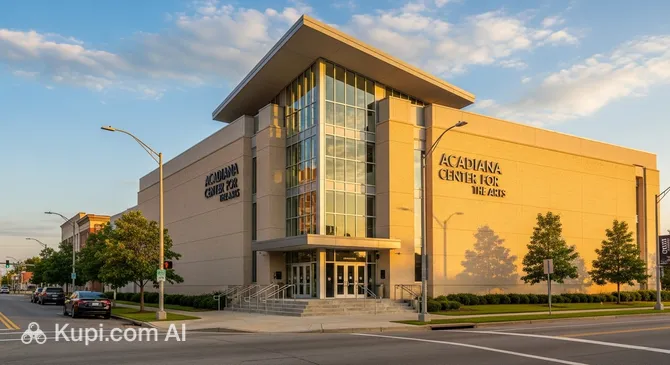
For those interested in the contemporary cultural scene, the Acadiana Center for the Arts is a must-visit hub located in the heart of downtown. This dynamic venue is the epicenter of Lafayette's artistic community, hosting a rotating schedule of first-class visual art exhibitions, theater performances, and concerts. Whether you are browsing the galleries to see works by local and national artists or catching a live show in the theater, the center provides a sophisticated yet accessible look into the region's thriving creative pulse.

Acadiana Center for the Arts. Source: Kupi.Binoculars

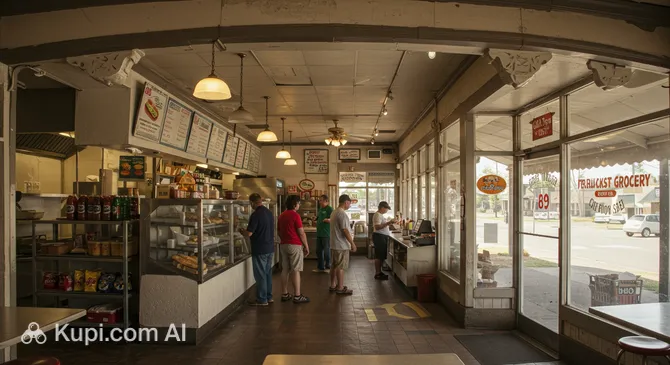
No trip to Lafayette would be complete without experiencing its legendary food culture, and Olde Tyme Grocery stands out as a culinary landmark. Famous for its mouthwatering po'boy sandwiches, this casual eatery has been a local favorite since 1982. Tourists and locals alike flock here to enjoy generous portions of fried shrimp, roast beef, or oysters served on fresh French bread. The nostalgic, laid-back atmosphere makes it the perfect spot to enjoy an authentic Louisiana meal that captures the flavor of the city.

Olde Tyme Grocery. Source: Kupi.Binoculars

Local Cuisine

Lafayette is widely recognized as the pulse of Cajun cuisine, a place where food is not merely sustenance but a central pillar of the culture. Known by many as the "Tastiest Town in the South," the city offers a culinary landscape defined by rich flavors, aromatic spices, and recipes passed down through generations. Here, the dining experience ranges from rustic dance halls serving plate lunches to sophisticated bistros reimagining Southern classics.

When it comes to signature dishes, no visit is complete without experiencing a traditional crawfish boil. Particularly popular in the spring, this communal feast involves pounds of crawfish boiled with corn, potatoes, and plenty of spicy seasoning, usually spread out on newspaper-covered tables. Another local staple is boudin, a savory sausage made of pork, rice, onions, and green peppers. It is often eaten as a quick snack on the go, sometimes rolled into balls and fried. For a crunchy treat, look for cracklins, which are seasoned, deep-fried pieces of pork belly and skin.

The beverage scene in Lafayette is just as spirited as its food. Locals enjoy a variety of drinks, from refreshing sweet tea to locally brewed craft beers that pair perfectly with the region's spicy fare. Drive-thru daiquiri shops are a unique Louisiana phenomenon worth trying, offering frozen cocktails in a myriad of flavors. For a more upscale evening, you can explore the city's vibrant bar scene.

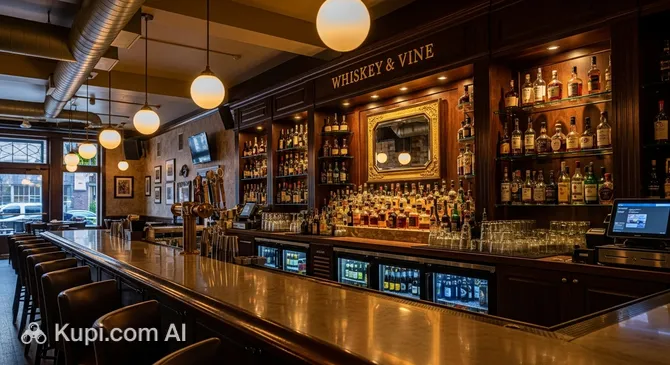
Whiskey & Vine. Source: Kupi.Binoculars

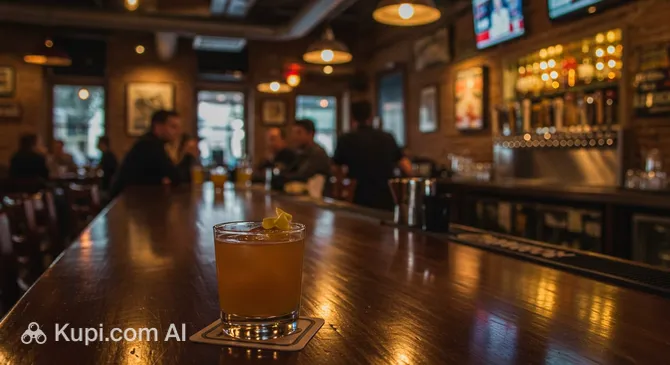
If you are looking for a refined atmosphere to enjoy live jazz and fine spirits, Whiskey & Vine is a standout destination. This cocktail lounge offers an extensive selection of whiskies and wines, providing a sophisticated setting to unwind after a day of exploration. It perfectly encapsulates the city's ability to blend modern elegance with its soulful musical roots.

For those seeking hearty, casual comfort food, the city offers plenty of creative options. Broaddus Burgers is a favorite among locals for its customizable menu, allowing diners to build their own burgers with a wide array of toppings. If you prefer your food with a serious kick, Blazin' Hot Chicken serves up Nashville-style hot chicken that challenges even the bravest spice lovers. These spots highlight the diverse and evolving nature of Lafayette's gastronomy beyond the traditional Cajun staples.

Broaddus Burgers. Source: Kupi.Binoculars

Travel Tips

Planning a trip to Lafayette is the first step toward an incredible experience in the heart of Cajun Country, but a few practical insights can make your journey even smoother. These essential tips are designed to help you navigate the local climate, culture, and logistics so you can focus entirely on "passing a good time."

  1. Clothing and Gear: The climate here is humid subtropical, so lightweight, breathable fabrics like cotton and linen are essential if you are visiting in the summer. Winters are mild, but layers are recommended as evenings can be chilly. Since rain showers are frequent, especially in summer, packing a compact umbrella or a light rain jacket is a smart move. Comfortable walking shoes are a must, particularly if you plan to explore the downtown area or attend one of the many outdoor festivals.

  2. Transportation: While the city does have a public bus system known as the Lafayette Transit System (LTS), it may not be the most efficient way for tourists to get around. To truly explore the city and the surrounding bayous or historic villages, renting a car is highly recommended. Ride-sharing apps like Uber and Lyft are also widely available and reliable for shorter trips within the city limits.

  3. Finances: The local currency is the US Dollar (USD). Credit and debit cards are accepted almost everywhere, from hotels to small eateries, but carrying some cash is useful for small purchases or tips. ATMs are plentiful throughout the city. Tipping is a significant part of the culture in the United States; it is standard practice to leave 15% to 20% of the bill at restaurants and bars, as service charges are rarely included.

  4. Health and Safety: Lafayette is generally a safe and welcoming city for tourists, but standard travel precautions should be observed, such as keeping valuables secure. Pharmacies like Walgreens and CVS are easy to find, and some locations operate 24 hours a day. In case of any medical or police emergency, dial 911 for immediate assistance. The tap water is safe to drink, but bottled water is readily available if you prefer.

  5. Communication: English is the primary language spoken by everyone. However, due to the region's heritage, you might hear a unique Cajun accent or French phrases peppered into conversation, such as "Cher" (a term of endearment) or "Ça c'est bon" (That's good). You do not need to speak French to get by, but locals appreciate it if you show interest in their linguistic traditions. Free Wi-Fi is common in most hotels, cafes, and public spaces.

  6. Local Etiquette: Southern hospitality is a way of life here. It is polite to greet people with a smile or a "Good morning" when entering a shop or passing on the street. People are generally chatty and may strike up a conversation while you are waiting in line. Politeness and patience go a long way, and rushing a meal is often seen as missing the point of the experience—dining is meant to be enjoyed slowly.

  7. What to Avoid: Avoid assuming that all Cajun food is overwhelmingly spicy; it is actually flavor-focused and seasoned, so do not be afraid to try new dishes. Also, try not to mimic the local accent, as this can be perceived as disrespectful. Be mindful of wildlife if you visit swamps or bayous—feeding animals like alligators is dangerous and illegal.

  8. Additional Tip: Keep an eye out for "Plate Lunches" at local diners and grocery stores. These are affordable, hearty meals served typically during weekdays, featuring a meat main dish with several sides like rice and gravy. It is an authentic and budget-friendly way to eat like a local.

Armed with these practical tips, you are ready to immerse yourself in the warmth and vibrancy of Lafayette. Whether you are dancing to Zydeco music or savoring a bowl of gumbo, the city's friendly spirit ensures that you will feel right at home from the moment you arrive.

Entertainment & Nightlife

As the sun sets over the bayou, Lafayette transforms into a lively hub of entertainment that perfectly reflects its "work hard, play hard" mentality. The nightlife here is less about exclusive velvet ropes and more about authentic connection, driven by the rhythmic beats of Cajun and Zydeco music. Whether you are looking for a high-energy dance floor, a sophisticated cocktail lounge, or a massive concert arena, the city offers a diverse array of options to keep the "bons temps" rolling well into the night.

The epicenter of evening activity is undoubtedly Downtown Lafayette, particularly along Jefferson Street. This walkable district is lined with an eclectic mix of bars, clubs, and restaurants that spill open onto the sidewalks. On weekends, the area buzzes with locals and visitors hopping from one venue to another. The atmosphere is generally casual and welcoming; you will see everything from jeans and boots to trendy evening wear, so a smart-casual dress code works almost everywhere. Live music is a staple here, with bands often playing right in the front windows or on patios.

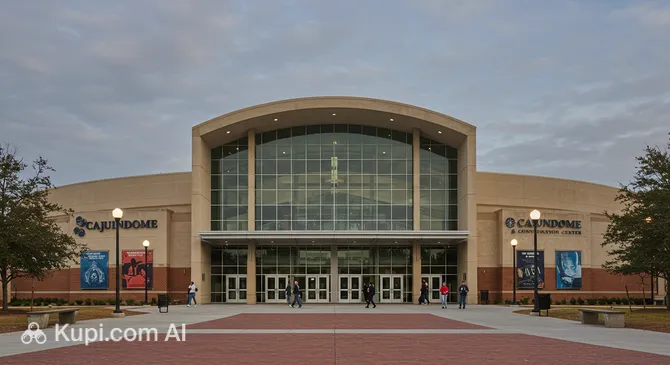
For those seeking world-class entertainment on a grander scale, the CAJUNDOME & Convention Center is the city's premier venue. This massive arena hosts major concerts by international touring artists, family shows, and sporting events. It serves as a cornerstone of the local entertainment scene, drawing crowds from across the region for unforgettable nights of spectacle and performance.

CAJUNDOME & Convention Center. Source: Kupi.Binoculars

If you prefer a more cultural evening, the Acadiana Center for the Arts offers a refined alternative to the bar scene. Located downtown, this venue frequently hosts intimate concerts, theatrical productions, and dance performances in a modern setting. It is an excellent spot to experience the artistic soul of Lafayette before heading out for a nightcap. For a relaxed and upscale end to the evening, Whiskey & Vine provides a polished atmosphere where you can enjoy fine jazz and expertly crafted cocktails.

Practicality is key to enjoying Lafayette's nightlife safely. The best time to experience the city's energy is from Thursday through Saturday night. While Downtown is walkable, moving between different districts or returning to your hotel is best done via taxi or ride-sharing services like Uber and Lyft, which are readily available. Public transportation is limited at night, so plan your ride in advance. As with any city, stick to well-lit, populated areas like Jefferson Street and avoid wandering into unlit side streets alone.

Before the sun goes down, Lafayette offers plenty of daytime entertainment to fill your itinerary. Nature lovers and families can explore the offerings of Lafayette Parks and Recreation, which maintains numerous green spaces perfect for picnics and sports. Additionally, the city's museums and science centers provide engaging activities that offer a break from the heat, ensuring that your days are just as action-packed as your nights.

Parks & Museums

While Lafayette is famous for its festivals and food, the city also offers a wealth of green spaces and cultural institutions that provide a relaxing counterpoint to its energetic nightlife. From sprawling community parks to museums preserving the region's unique heritage, there are plenty of opportunities to connect with nature and history during your visit.

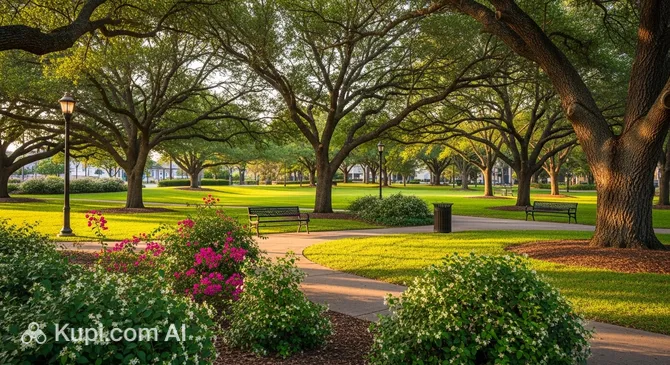
One of the most popular outdoor destinations is Girard Park, a central hub for recreation located near the university district. This expansive green space features a 1.25-mile jogging trail, a fishing pond, and plenty of open space for picnics. It is also home to a disc golf course and a splash pad, making it a favorite for families. The park is a testament to the efforts of Lafayette Parks and Recreation, which manages numerous facilities across the city to ensure residents and visitors have access to quality outdoor environments.

Lafayette Parks and Recreation. Source: Kupi.Binoculars

Another significant addition to the city's landscape is Moncus Park. Formerly a horse farm, this revitalized area has been transformed into a world-class community park with rolling hills—a rarity in this part of Louisiana—and beautiful oak trees. It hosts a weekly farmers market and offers walking paths that wind through natural Louisiana landscapes, providing a scenic escape right in the middle of the city.

For those interested in delving deeper into local culture beyond the living history of Vermilionville, the Lafayette Science Museum in the downtown area is a fantastic stop. It features a digital planetarium and interactive exhibits on geology, paleontology, and marine biology, often with a focus on the specific natural history of the Gulf Coast region. It is an educational experience that appeals to both adults and children.

Art lovers should explore the Hilliard Art Museum, located on the campus of the University of Louisiana at Lafayette. The museum is an architectural gem in itself, blending a modern gallery space with the historic A. Hays Town building. Its collection ranges from 18th-century works to contemporary pieces, serving as a bridge between the global art world and the local Acadian community.

In terms of architectural landmarks, the Cathedral of St. John the Evangelist remains the city's most iconic spiritual site. Its Romanesque Revival style, characterized by red and white brickwork and stained glass from Munich, makes it a visual masterpiece. Visitors are often captivated by the serene atmosphere of the adjacent cemetery and the ancient live oak tree that stands guard over the property.

For a truly unique "only in Lafayette" experience, head to the university campus to find Cypress Lake. This is not a typical park pond but a managed wetland right in the heart of the university, home to live alligators, turtles, and water birds. It offers a rare chance to see a swamp ecosystem safely without leaving the city limits.

Getting Around

Public transportation in Lafayette is primarily served by the Lafayette Transit System (LTS). Unlike larger metropolises, the city does not have a metro, tram, or trolleybus network. Instead, it relies entirely on a fleet of buses that connect key neighborhoods, shopping districts, the university area, and the downtown corridor. For tourists, the bus system is a cost-effective way to reach major points of interest, though the network is designed more for local commuting than for sightseeing.

The fare structure is very affordable and straightforward. Riders can pay for a single trip using cash upon boarding, but it is important to note that drivers cannot make change, so you must have the exact amount ready in coins or bills. For those who prefer a digital solution, the Token Transit mobile app is widely used. This app allows passengers to purchase single rides, day passes, or multi-day passes directly from their smartphones, which can then be simply shown to the driver for validation.

The central hub for all bus operations is the Rosa Parks Transportation Center, located downtown near the train station. This is the best place to obtain physical route maps, buy passes in person, and transfer between different lines. The buses generally operate from early morning until the evening on weekdays, with reduced hours on Saturdays. Sunday service and late-night options are significantly limited, so it is crucial to check the current schedule on the official website or via a transit app before planning a night out.

Given the limitations of the bus schedule, especially in the evenings, many visitors find alternatives more convenient. Ride-sharing services like Uber and Lyft are extremely popular and provide reliable, on-demand transportation to any part of the city. Traditional taxis are also available but usually need to be booked by phone in advance rather than hailed on the street. For short distances within the downtown area or near the university, the terrain is flat and conducive to walking, though renting a car remains the most flexible option for exploring the wider region.

Accommodation

Finding a place to stay in Lafayette is generally a stress-free experience, with options that reflect the city's warm Southern hospitality. The accommodation landscape is diverse, ranging from familiar chain hotels and budget-friendly motels to charming bed and breakfasts located in historic homes. Whether you prefer the convenience of modern amenities or the character of a locally owned inn, there is something to suit every travel style and budget.

For those who want to be in the center of the action, Downtown Lafayette is the ideal choice. Staying here places you within walking distance of the city's best restaurants, live music venues, and galleries. It is perfect for visitors who want to immerse themselves in the nightlife and cultural festivities without worrying about driving. Alternatively, the area near the Oil Center and along Pinhook Road offers a quieter, more residential feel while remaining close to the university and major gardens. This district is often favored by business travelers and those seeking a more relaxed environment.

Another convenient area for tourists is near the intersection of Kaliste Saloom Road and Ambassador Caffery Parkway. This bustling commercial corridor is packed with shopping centers, dining options, and numerous mid-range hotels. It is an excellent strategic base if you plan to rent a car and explore the surrounding Cajun Country, as it offers easy access to major highways.

Booking Tip: While accommodation is usually easy to find, the city fills up incredibly fast during its major celebrations. If you are planning to visit during Mardi Gras in early spring or the Festival International de Louisiane in April, it is crucial to book your room several months in advance. These events draw thousands of visitors, and prices can spike significantly closer to the dates.

In terms of pricing, Lafayette is generally quite affordable compared to larger tourist hubs like New Orleans. You can expect a wide selection of mid-range options that offer great value for money. Booking is best done through major online platforms to secure competitive rates, though contacting smaller bed and breakfasts directly can sometimes yield a more personalized experience and better deals.

Nearby Cities

For those looking to explore the surroundings, Lafayette serves as an excellent base for day trips to several interesting nearby locations:

One of the most rewarding short excursions is to New Iberia. Located just a short drive south, this historic town offers a deep dive into the region's heritage. It is perhaps best known as the gateway to Avery Island, the birthplace of the world-famous Tabasco sauce. Beyond the factory tours, visitors can wander through the Jungle Gardens, a semitropical botanical garden and bird sanctuary, or explore the Shadows-on-the-Teche, a preserved antebellum home that paints a vivid picture of 19th-century life.

Heading east, travelers can visit Baton Rouge, the capital of Louisiana. This city offers a more urban experience compared to the bayou towns, featuring landmarks like the castle-like Old State Capitol and the current State Capitol building, which is the tallest in the United States. A walk along the Mississippi River levee or a tour of the USS Kidd Veterans Museum provides a fascinating look into the state's political and maritime history.

City Population Distance (km)
Baton Rouge 610,751 84
New Iberia 28,844 31
Rosedale 20,296 60
Zachary 19,278 95
Melville 18,561 58

These nearby destinations offer a glimpse into the diverse culture and landscapes of the region.

Shopping & Souvenirs

Shopping in Lafayette is a delightful reflection of the city's culture, offering a mix of modern convenience and deep-rooted tradition. Visitors can find everything from sprawling shopping centers with national brands to intimate boutiques filled with handmade crafts. The city is particularly known for its strong support of local artisans, making it an excellent destination for finding unique items that capture the spirit of Acadiana.

For a charming and walkable experience, Downtown Lafayette is the place to start. The area along Jefferson Street is dotted with independent boutiques, art galleries, and antique shops housed in restored historic buildings. Another notable district is the Oil Center, located near the university. Originally an administrative hub for the petroleum industry, it has transformed into a chic neighborhood featuring upscale clothing stores, gift shops, and specialty retailers nestled among distinctive mid-century architecture.

Travelers looking for major brands and a comprehensive retail experience should visit the Acadiana Mall. Located on Johnston Street, this large indoor complex houses popular national department stores and a wide variety of fashion retailers. For a more sophisticated atmosphere, The Shops at River Ranch is an open-air lifestyle center featuring landscaped streets and fountains. It offers a curated mix of high-end local and national boutiques, perfect for a leisurely afternoon of browsing.

To truly connect with the local community, a visit to the Lafayette Farmers and Artisans Market at Moncus Park is highly recommended. Held on Saturdays, this vibrant market is a treasure trove of fresh local produce, homemade jams, and handcrafted goods ranging from jewelry to pottery. It is an ideal spot to meet local makers and purchase authentic items directly from the source.

When it comes to souvenirs, the city offers goods that you simply cannot find elsewhere. Popular items include authentic Cajun spices and hot sauces to recreate local dishes at home, as well as albums of Zydeco and Cajun music. For unique cultural gifts, the gift shop at the Vermilionville Historic Village, known as "La Boutique," specializes in traditional crafts and books on Acadian history. Art lovers should also check the store at the Acadiana Center for the Arts for distinctive pieces created by regional artists.

Most major shopping centers and malls operate from 10:00 AM to 9:00 PM on weekdays and Saturdays, with reduced hours on Sundays, typically closing around 6:00 PM. Independent boutiques and downtown shops often have shorter hours, usually opening around 10:00 AM and closing by 5:00 PM or 6:00 PM, and some may be closed on Sundays. Credit and debit cards are universally accepted, even at most market stalls, though carrying a small amount of cash is always useful for minor purchases.

International visitors to Louisiana can take advantage of the Louisiana Tax Free Shopping (LTFS) program. This benefit allows international tourists to receive a refund on the state sales tax paid at participating retailers. To qualify, you must show a valid foreign passport at the time of purchase and request a tax refund voucher. These vouchers can then be redeemed at designated refund centers, making it a great incentive for those planning significant purchases.

Reached the end of the page?

That means the route is fully explored