Support

Baton Rouge

About

Welcome to Baton Rouge, the capital city of Louisiana and a cultural jewel in the southern United States. Known for its vibrant energy and strategic location on the eastern bank of the mighty Mississippi River, this city offers a unique blend of Creole and Cajun influences that define its lively atmosphere. As a major political and industrial hub, it serves as the heartbeat of the state, bridging the gap between the countryside and the bustling port life.

The city's intriguing name, which translates to "Red Stick" from French, hints at its deep roots and the legends surrounding its founding. Visitors interested in how this river landing evolved into a modern metropolis can explore the fascinating history of Baton Rouge, which spans over 300 years of diverse cultural heritage. Geographically, the region enjoys a humid subtropical climate, making it a lush, green destination year-round, home to a significant population that contributes to its dynamic community spirit.
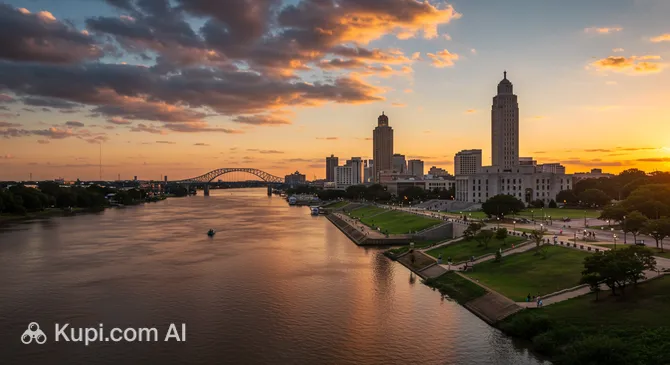
Baton Rouge. Source: Kupi.Binoculars

Baton Rouge is home to remarkable landmarks that captivate travelers. The Old State Capitol is a standout architectural marvel, often referred to as the "Castle on the River" due to its stunning Gothic Revival design. For those interested in naval history, the USS Kidd Veterans Museum offers a chance to tour a World War II-era destroyer docked right on the riverfront. Additionally, the city is the proud home of Louisiana State University (LSU), adding a youthful college town vibe with its beautiful campus full of ancient live oaks and the legendary Tiger Stadium.

Whether you are here to indulge in authentic Southern cuisine, listen to the blues, or take a scenic walk along the levee, Baton Rouge promises a memorable experience. It is a destination that perfectly captures the warm hospitality and spirited character of the South, inviting every traveler to discover its many charms.

Weather Overview

Baton Rouge experiences a humid subtropical climate characterized by long, hot summers and short, mild winters. During the peak summer months of July and August, average temperatures climb to around 28.6°C, with daytime highs often reaching 32.7°C. Travelers should be prepared for frequent rainfall during this season, as July typically records up to 22 wet days, making it the dampest part of the year.

In contrast, the winter months are quite gentle, with January being the coldest month, averaging 11.8°C and lows rarely dipping below 6.9°C. The transition seasons of spring and autumn offer very pleasant conditions for sightseeing, with average temperatures ranging comfortably between 18°C and 25°C. For a more detailed breakdown to help you pack, you can consult the guide on the weather in Baton Rouge. Overall, expect hot, humid summers with frequent showers and mild, comfortable winters.

Interesting Facts

Beyond the main attractions, Baton Rouge holds many fascinating secrets and unique distinctions that surprise many visitors. From architectural record-breakers to unusual university mascots, the city's history is filled with colorful stories.

Louisiana's Old State Capitol. Source: Kupi.Binoculars
  • The Louisiana State Capitol stands as the tallest state capitol building in the United States. Rising 450 feet into the air with 34 stories, this Art Deco skyscraper is a distinct departure from the traditional domed rotundas found in most other state capitals.

  • Baton Rouge is one of the few places in the world where a live tiger lives on a university campus. Mike the Tiger's Habitat at Louisiana State University houses a live Bengal tiger, a tradition that has continued since 1936, complete with a luxury enclosure that includes a waterfall and swimming pool.

  • The city's former government building, Louisiana's Old State Capitol, is often called the "Castle on the River" due to its Gothic Revival style. Interestingly, the famous author Mark Twain once critiqued the building, calling it a "sham castle" and an architectural monstrosity, though today it is celebrated for its unique stained glass and design.

  • The USS KIDD Veterans Museum features a destroyer known as the "Pirate of the Pacific." It is one of the only ships in the U.S. Navy historically authorized to fly the Jolly Roger pirate flag, a tribute to Rear Admiral Isaac C. Kidd, whose nickname was "Cap."

How to Get There

Reaching the capital of Louisiana is convenient thanks to its well-connected transport network. Whether you are arriving by air or planning a road trip through the South, the city is easily accessible. For a complete overview of all travel options and routes, you can read more about how to get to Baton Rouge to help plan your journey.

The most direct way to arrive is via the Baton Rouge Metropolitan Airport (BTR), located just under 10 km from the city center. As a regional hub, it offers a comfortable and quick arrival experience. The journey from the airport to downtown typically takes about 35 minutes by taxi or shuttle, making it an excellent choice for domestic travelers looking to save time.

For international visitors or those seeking more direct flight options, the Louis Armstrong New Orleans International Airport (MSY) is a major alternative. Located in the city of New Orleans, approximately 103 km from Baton Rouge, this large airport serves millions of passengers annually. The transfer to Baton Rouge takes about 1 hour and 15 minutes by rental car or shuttle via the interstate, providing a scenic drive through the Louisiana landscape.

For clarity, here is a summary of the main airports:

Airport Name City Passenger Traffic Km from City
Louis Armstrong New Orleans International Airport New Orleans Large 103.3
Gulfport-Biloxi International Airport Gulfport Medium 203.5
Baton Rouge Metropolitan Airport Baton Rouge Medium 9.7
Lafayette Regional Airport Lafayette Small 81.7
Lake Charles Regional Airport Lake Charles Small 199.2

Main Attractions

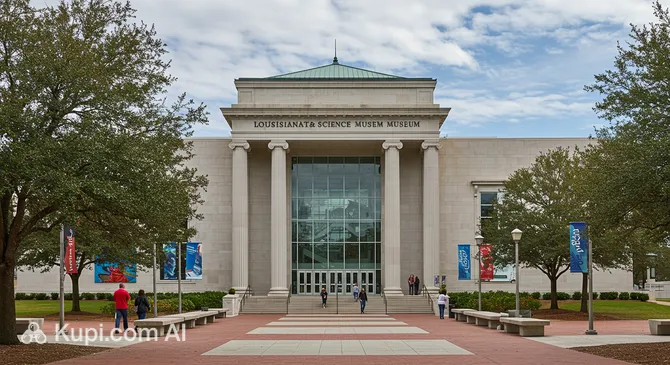
While the city is famous for its political landmarks, the Louisiana Art & Science Museum offers a different kind of cultural richness. Housed in a beautifully restored 1925 railway station on the banks of the Mississippi River, this unique institution bridges the gap between creativity and discovery. Visitors can explore fine art galleries, view an ancient Egyptian mummy, or enjoy immersive shows at the Irene W. Pennington Planetarium. It is a place where history, art, and science converge to create an educational experience for all ages.

Louisiana Art & Science Museum. Source: Kupi.Binoculars

For those eager to understand the soul of the region, the Capitol Park Museum is an unmissable stop. Located within the state capitol complex, this museum provides a panoramic view of Louisiana's history, industry, and culture. The exhibits are vibrant and diverse, covering everything from the massive shrimp boats of the coast to the musical roots of jazz and blues. It also features colorful displays dedicated to Mardi Gras traditions, offering tourists a deep dive into what makes this state so unique.

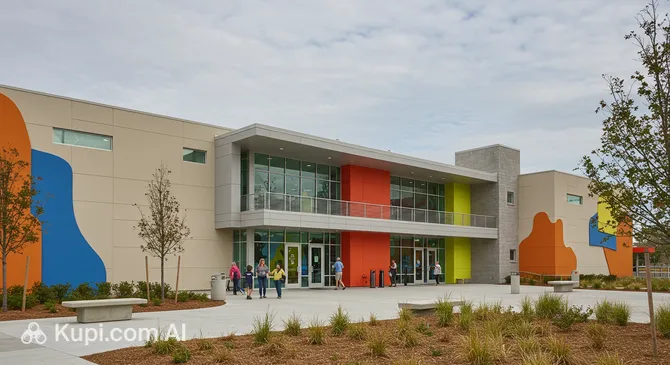
Families traveling with children will find a haven of creativity at the Knock Knock Children's Museum. Situated near City-Brooks Community Park, this award-winning facility focuses on learning through play. It features 18 interactive "Learning Zones" designed to spark curiosity in subjects ranging from engineering to literacy. The museum's hands-on approach ensures that younger visitors stay engaged while exploring new concepts in a fun, dynamic environment.

Knock Knock Children's Museum. Source: Kupi.Binoculars

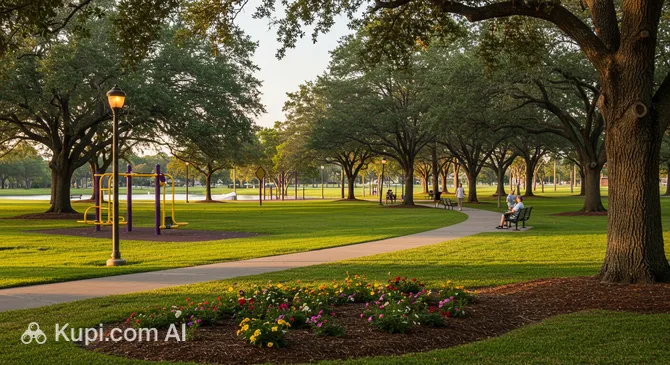
If you prefer to spend time outdoors, City-Brooks Community Park serves as a perfect green escape in the heart of the city. This expansive park is a favorite for both relaxation and recreation, featuring a scenic lake, tennis courts, and walking trails. It is also home to the popular Dog Park at City-Brooks Community Park, making it a lively destination for pet lovers and those looking to enjoy a peaceful afternoon under the shade of mature trees.

Local Cuisine

The culinary landscape of Baton Rouge is a flavorful reflection of its rich cultural heritage, blending the rustic spices of Cajun country with the refined techniques of Creole cooking. Food here is more than just sustenance; it is a way of life that revolves around the seasons, particularly the arrival of crawfish. Visitors should not leave without trying Crawfish Étouffée, a rich stew served over rice, or attending a traditional crawfish boil where the shellfish are cooked with corn, potatoes, and plenty of spice.

Another staple of the local diet is Boudin, a savory sausage made of pork, rice, onions, and seasonings, often rolled into balls and fried. For a hearty meal that captures the essence of the region, Gumbo and Jambalaya are ubiquitous, available in countless variations ranging from seafood-heavy to chicken and sausage. If you are looking for authentic smoked meats with a local twist, Cou-yon's Cajun Bar-B-Q offers a delicious combination of barbecue traditions and Cajun flavors.

Elsie's Plate & Pie. Source: Kupi.Binoculars

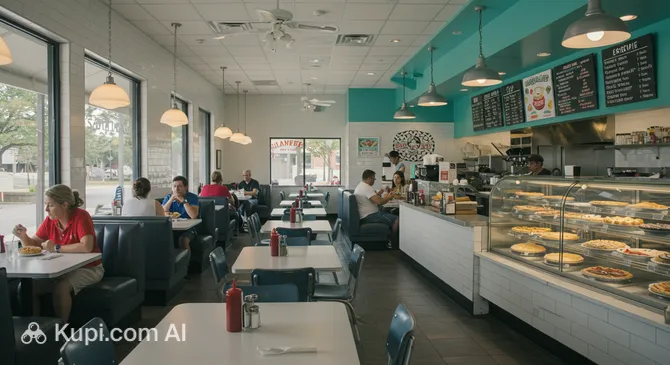
The city's dining scene is diverse, ranging from casual po-boy shops to creative modern eateries. A prime example of this creativity is Elsie's Plate & Pie, a popular spot that elevates comfort food with a rotating menu of savory and sweet pies. It represents the welcoming, community-focused atmosphere that defines Baton Rouge restaurants, where locals and tourists mingle over generous portions.

When it comes to beverages, the city embraces both coffee culture and spirited nightlife. To start your day, you can enjoy specialty roasts at City Roots Coffee Bar, a hub for local caffeine enthusiasts. As the sun sets, the focus shifts to cold craft beers and classic cocktails. For those seeking a lively evening with a side of history, Phil Brady's Bar & Grill is a legendary venue known for its blues music and relaxed vibe, perfect for unwinding after a day of exploration.

Travel Tips

Preparing for a trip to Baton Rouge means getting ready for warm Southern hospitality and a climate to match. To help you make the most of your visit to the capital of Louisiana, here are some essential practical tips to ensure a smooth and enjoyable journey.

  1. Clothing and Gear: Due to the humid subtropical climate, lightweight and breathable fabrics like cotton or linen are best, especially from late spring to early autumn. Since sudden downpours are common, packing a compact umbrella or a light rain poncho is highly recommended. While it is hot outside, indoor venues often blast air conditioning, so bring a light sweater or jacket. Comfortable walking shoes are a must for exploring downtown and the riverfront.
  2. Transportation: While the Capital Area Transit System (CATS) operates buses throughout the city, the schedule and routes may not always align with tourist needs. The most convenient way to explore is by renting a car, which offers the freedom to visit outlying plantations and attractions. Ride-hailing apps like Uber and Lyft are widely available and reliable for shorter trips within the city.
  3. Finances: The local currency is the US Dollar (USD). Credit and debit cards are accepted almost everywhere, from hotels to food trucks. However, carrying a small amount of cash is useful for tipping valets or making small purchases at local markets. Tipping is a significant part of the culture in the United States; it is standard to leave 15-20% of the bill in restaurants and bars.
  4. Health and Safety: Baton Rouge is generally safe for tourists, particularly in popular areas like downtown and near the university, but it is wise to stay aware of your surroundings and avoid poorly lit areas late at night. Pharmacies like CVS and Walgreens are plentiful, with some locations open 24 hours. Given the proximity to the river and wetlands, carrying mosquito repellent is a smart precaution, especially for evening outdoor activities.
  5. Communication: English is the primary language spoken. You may hear a unique local accent and phrases influenced by French heritage, such as "Laissez les bons temps rouler" (Let the good times roll), but standard English is understood everywhere. Free Wi-Fi is commonly available in hotels, coffee shops, and public buildings. For mobile data, prepaid SIM cards can be purchased at major electronics stores or mobile carrier outlets.
  6. Local Etiquette: Southern hospitality is real here; people are generally friendly and polite. It is common to greet strangers with a smile or a nod. Using "Sir" and "Ma'am" when addressing others is considered a sign of respect and is widely practiced. holding the door for the person behind you is a simple gesture that is much appreciated.
  7. What to Avoid: Do not assume that Baton Rouge is exactly like its neighbor New Orleans; it has its own distinct, slightly more laid-back vibe. Also, avoid speaking negatively about the LSU Tigers football team. College football is a serious passion here, and the locals take immense pride in their university and its sports culture.
  8. Game Day Awareness: If you are visiting during the autumn football season, be aware that home games at Louisiana State University (LSU) transform the city. Traffic becomes extremely heavy, and accommodation prices can spike. However, if you want a true local experience, wandering through the campus "tailgating" parties is a friendly and festive way to immerse yourself in the culture.

With these tips in hand, you are all set to navigate the "Red Stick" with confidence and ease. Embrace the local rhythm, enjoy the incredible food, and let the unique charm of this Southern city create lasting memories for your travel diary.

Entertainment & Nightlife

As the sun sets over the Mississippi River, Baton Rouge transforms from a bustling political hub into a lively center of entertainment. The city's nightlife is diverse, catering to everyone from college students and young professionals to blues enthusiasts and those seeking a quiet evening with a craft cocktail. Unlike the nonstop party atmosphere of nearby New Orleans, the capital offers a more relaxed yet equally engaging experience, where live music and socializing take center stage.

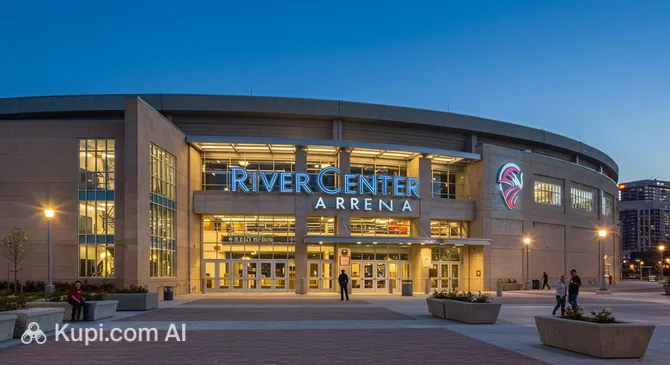
The heartbeat of the city's nightlife is undoubtedly Third Street in the downtown area. This district is lined with an array of bars, pubs, and music venues that come alive after dark. It is a walkable strip where you can hop from a sophisticated lounge to a high-energy dance floor with ease. For those interested in large-scale entertainment, the River Center Arena is a cornerstone of the downtown scene. This massive venue regularly hosts major concerts, comedy shows, and theatrical performances, drawing crowds from all over the region.

River Center Arena. Source: Kupi.Binoculars

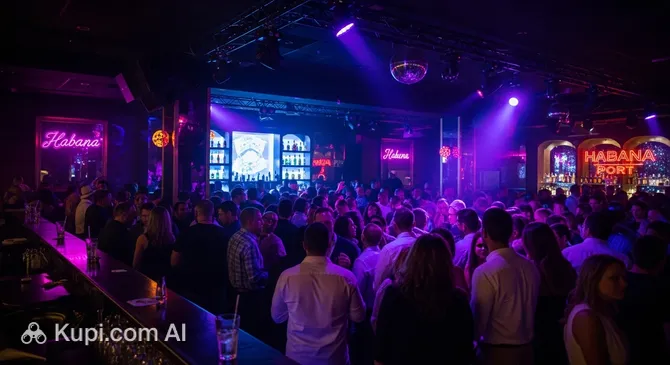
For a more local and trendy vibe, travelers should head to the Perkins Road Overpass District. This area is a favorite among residents, offering a mix of eclectic bars and late-night eateries nestled under the interstate overpass. It has a distinct character, feeling both gritty and polished. Here, you can find venues like Habana Port, a unique spot that combines the atmosphere of a cigar bar with a curated selection of spirits. It is the perfect place for a more laid-back evening, allowing for conversation and relaxation in a stylish setting.

Habana Port. Source: Kupi.Binoculars

Sports play a massive role in the local culture, and this enthusiasm extends into the evening entertainment. The Pete Maravich Assembly Center, located on the university campus, is not just for basketball; it also serves as a premier venue for concerts and special events. On game nights, the surrounding areas, particularly Tigerland, explode with energy. While Tigerland is primarily student-focused with affordable drinks and a rowdy atmosphere, it is a sight to behold if you want to witness the sheer passion of the local youth culture.

Practical advice for enjoying a night out in Baton Rouge includes planning your transport in advance. While downtown is walkable, moving between districts like Perkins Road and the university area requires a vehicle. Rideshare services are plentiful and are the safest way to get around, especially if you plan to drink. The dress code is generally "Southern casual"—smart jeans and a nice shirt will fit in almost everywhere, though some upscale clubs may require dress shoes. Prices are typically lower than in major tourist cities, making a night out surprisingly affordable.

Regarding safety, the main entertainment districts like Third Street and the Perkins Overpass are well-patrolled and generally safe for pedestrians at night. However, it is always wise to stay in well-lit, populated areas and avoid wandering onto side streets alone. If you are looking for daytime or early evening alternatives, the city offers plenty of options beyond the bar scene. You can try your luck at one of the riverboat casinos docked along the water or enjoy a sunset performance at the Shaw Center for the Arts, which features a rooftop terrace with stunning river views.

Parks & Museums

Baton Rouge seamlessly blends its urban energy with expansive green spaces and institutions dedicated to preserving its rich heritage. Beyond the bustling streets and political landmarks, the city offers a variety of parks, gardens, and museums that allow visitors to connect with nature and explore the region's storied past. Whether you are looking for a quiet spot to watch the river flow or a deep dive into naval history, the city's recreational and cultural offerings are diverse and accessible.

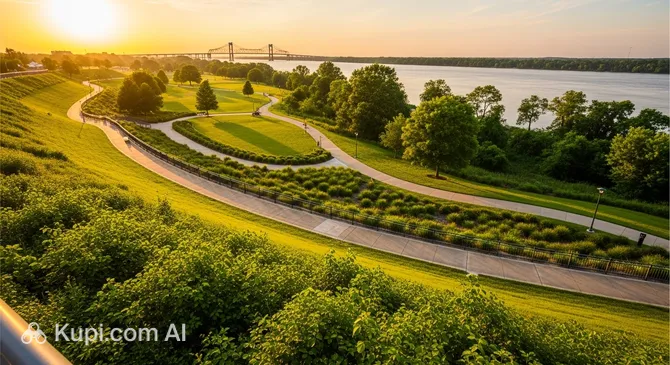
For those seeking a connection with the mighty Mississippi, the Mississippi River Park is a standout destination. Located along the riverfront downtown, this area features paved pathways that are perfect for walking, jogging, or cycling while enjoying cool river breezes. It serves as a front-row seat to the commercial activity of the waterway, where you can watch tugboats and barges navigate the currents. The park also features interactive fountains that are a hit with children during the warmer months, making it a refreshing stop for families.

Mississippi River Park. Source: Kupi.Binoculars

Another gem for outdoor enthusiasts is Milford Wampold Memorial Park, situated on the shores of the University Lakes. This park offers a more resort-like atmosphere with its sandy beach area, fishing pier, and beautifully manicured gardens. It is an idyllic spot for a picnic or a sunset stroll, providing a peaceful contrast to the city center. The park also serves as a launch point for kayakers and paddleboarders looking to explore the calm waters of the lakes, surrounded by the scenic backdrop of the city.

Milford Wampold Memorial Park. Source: Kupi.Binoculars

Immersing yourself in the local culture starts with the city's unique museums. The USS KIDD Veterans Museum is a premier attraction, centered around a Fletcher-class destroyer that saw action in World War II. Visitors can walk the decks of the ship, exploring the crew's quarters and the engine room, gaining a tangible sense of life at sea during wartime. The attached museum building houses an impressive collection of artifacts and exhibits dedicated to veterans, making it a moving and educational experience for history buffs.

USS KIDD Veterans Museum. Source: Kupi.Binoculars

Just a short walk away, the Riverfront Plaza & City Dock connects the history of the river with modern leisure. This area often hosts festivals and live music events, serving as a communal gathering space that celebrates the city's relationship with the water. Its architectural features, including the unique beacon tower, make it a recognizable landmark and a great starting point for a historical walking tour of the levee.

For a glimpse into the rural history of the state, the LSU Rural Life Museum (located on the outskirts of the city) is highly recommended. Although it focuses on the 18th and 19th centuries, it provides crucial context for understanding the region's agricultural roots. It features a collection of vernacular architecture and countless artifacts that paint a vivid picture of life in pre-industrial Louisiana.

Insider Tip: If you want to see a different side of Louisiana's nature without leaving the city limits, visit the Bluebonnet Swamp Nature Center. This vast cypress-tupelo swamp offers boardwalks where you can spot turtles, snakes, and diverse bird species in their natural habitat. It is a fantastic, shady escape on a hot day and offers a true taste of the wild wetlands.

Getting Around

Navigating Baton Rouge is relatively straightforward, though it is important to note that the city is heavily car-dependent. The primary form of public transportation is the bus network operated by the Capital Area Transit System (CATS). While there is no underground metro or light rail system, the bus fleet covers a significant portion of the city, connecting major neighborhoods, the university area, and downtown. For tourists, the most useful component is often the extensive coverage near government buildings and museums, although frequencies can vary depending on the route.

A special feature that visitors should definitely take advantage of is the Capitol Park Trolley. This is a free service specifically designed to help people move around the downtown area. The trolleys run on a loop connecting key landmarks such as the State Capitol, the Old State Capitol, and the riverfront museums. It is an excellent, budget-friendly way to sightsee without walking in the heat, operating on weekdays typically from late morning until the afternoon.

When it comes to payment, the system is designed to be accessible. For standard CATS buses, you can pay with cash upon boarding, but you must have exact change as drivers cannot provide it. The fare is very affordable, with a single ride costing around $1.75. For a more modern experience, you can use the official mobile app (currently Umo Mobility), which allows you to purchase passes digitally and scan your phone upon entry. Day passes are also available and are a smart choice if you plan to use the bus multiple times in one day.

For those who value flexibility, alternatives to public transport are often the preferred choice. Renting a car is highly recommended for exploring Baton Rouge, especially if you plan to visit plantations or attractions on the outskirts where bus service is limited. Ride-sharing apps like Uber and Lyft are widely available and reliable, offering a convenient way to get around safely at night when bus schedules are reduced.

If you prefer to stay active, the downtown area and the levee path are bike-friendly. The city has implemented a bike-share program known as Gotcha Bike, with stations located near the university and downtown. Renting a bike is a fantastic way to enjoy the river views along the Mississippi River Levee Bike Path. Regardless of your choice, checking schedules in advance is crucial, as public transport operations may be limited on weekends and holidays.

Accommodation

Where to Stay:

Finding the perfect place to stay in Baton Rouge is relatively easy, as the city offers a wide spectrum of accommodation options to suit various budgets and travel styles. Visitors can choose from historic boutique hotels that capture the charm of the South, reliable major hotel chains, and budget-friendly motels. For those seeking a more home-like atmosphere, there are also numerous bed-and-breakfasts, often located in restored homes that reflect the area's architectural heritage.

The most popular area for tourists is undoubtedly Downtown Baton Rouge. Staying here places you within walking distance of key attractions like the state capitols, the riverfront museums, and the lively Third Street entertainment district. It is the best choice for travelers who prefer to explore on foot and want to be in the center of the action. Alternatively, the area surrounding Louisiana State University (LSU) and the nearby lakes offers a vibrant, youthful atmosphere, though it can get quite busy during the academic year.

For road trippers or those prioritizing convenience, the corridors along Interstate 10 and College Drive provide a high concentration of mid-range hotels and suites. These locations offer easy access to the highway and are typically surrounded by shopping centers and restaurants, making them practical bases for exploring the wider region. While these areas lack the historic charm of downtown, they often offer competitive rates and ample parking.

Booking Tip: While accommodation is generally easy to find, the city transforms completely during the autumn football season. On weekends when the LSU Tigers play at home, hotels can sell out months in advance, and prices often triple. If you plan to visit during football season or Mardi Gras, it is essential to book your room as early as possible.

Overall, prices in Baton Rouge are generally more affordable than in neighboring New Orleans. You can expect to find respectable budget options starting at reasonable rates, with prices increasing for luxury riverfront properties. Most travelers book through major online platforms, but checking directly with smaller B&Bs can sometimes yield better deals or a more personalized experience.

Nearby Cities

Baton Rouge boasts a strategic location that makes it an excellent base for exploring the wider region. Situated in the heart of the state, it offers easy access to the unique culture of Cajun Country, historic river towns, and vibrant communities that define southern Louisiana. Whether you are planning a quick day trip or looking to extend your journey, there are several fascinating destinations just a short drive away.

Travelers can easily reach these nearby cities by car, enjoying scenic drives through the lush landscapes of the South. Below is a guide to some of the closest and most interesting places to visit, complete with distances and approximate travel times.

City Distance (km) Approx. Travel Time
Prairieville 26 25 min
Hammond 70 50 min
New Iberia 79 1 hr 10 min
Laplace 80 55 min
Lafayette 84 1 hr

Among these, Lafayette is particularly renowned as the unofficial capital of French Louisiana. It is a hub for Cajun heritage, offering visitors a chance to experience authentic zydeco music, traditional cuisine, and lively festivals. New Iberia is another gem, famous for its historic architecture and the nearby Avery Island, home to the Tabasco sauce factory and beautiful jungle gardens. Hammond serves as a key commercial and university hub to the east, providing a different flavor of local life.

Shopping & Souvenirs

Shopping:

Shopping in Baton Rouge offers a delightful mix of Southern charm and modern convenience, making it a premier retail destination in the region. The city caters to every style and budget, ranging from sprawling shopping malls featuring international brands to quaint, tree-lined streets filled with antique shops and local boutiques. Whether you are looking to update your wardrobe or find a unique piece of Louisiana culture to take home, the options here are plentiful.

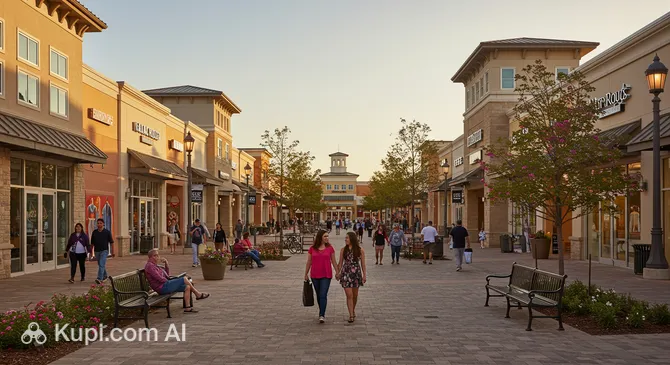
For those seeking a more traditional and community-focused atmosphere, the Delmont Village Shopping Center is a noteworthy stop. As one of the city's established retail locations, it offers a distinct change of pace from the massive modern complexes. Here, visitors can find a variety of local businesses and services that have been serving the neighborhood for decades, providing a glimpse into the everyday life of the local residents.

Delmont Village Shopping Center. Source: Kupi.Binoculars

Beyond the dedicated shopping centers, the city is famous for its vibrant local markets and specialty districts. The Mid City area, particularly along Government Street, is a haven for antique lovers and art enthusiasts, offering eclectic stores filled with vintage finds. For a taste of the local bounty, the Red Stick Farmers Market is an essential experience. Held on Saturday mornings downtown, it is the perfect place to buy fresh produce, artisanal jams, and handcrafted goods directly from Louisiana farmers.

When it comes to souvenirs, Baton Rouge has several signature items that make for perfect gifts. Cajun spices and hot sauces are top choices for foodies wanting to recreate the region's famous flavors at home. Sweet, creamy pralines are another classic treat that travelers often buy in boxes. Additionally, given the city's passionate sports culture, purple and gold LSU merchandise is available almost everywhere, allowing you to join the "Tiger Nation" in spirit.

Reached the end of the page?

That means the route is fully explored