Support

Compton

About

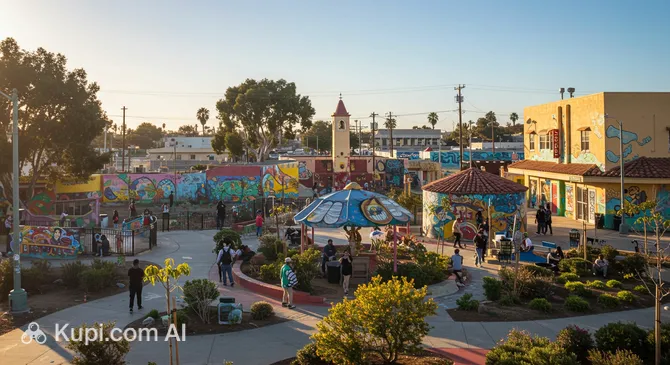
Compton is a city with a unique character, located in the heart of Los Angeles County, California. Thanks to its exceptionally favorable geographic position in the center of the metropolis, it earned the proud nickname "Hub City." Situated just 20 kilometers from downtown Los Angeles, Compton offers travelers convenient access to the region's key locations while remaining a distinct and vibrant place.

Compton. Illustration.
Source: Kupi.com AI

Today, about 96,000 people live here, forming an incredibly diverse multicultural community. The city streets are a tapestry of traditions and languages from various backgrounds: Latino, African American, Asian, and Pacific Islander. This diversity creates a unique energy that is hard to find in other corners of the USA. The climate here is typically Californian—mild and sunny—making it perfect for walks at any time of year.

As one of the oldest cities in the county, Compton's history dates back to the 19th century and the settlers led by Griffith Compton. For modern tourists, it is an excellent opportunity to experience the "real California" off the standard tourist paths. Visitors are drawn by the authentic local cuisine, rich cultural life, and the special street spirit celebrated in global pop culture.

Visiting Compton is a chance to see life in an American metropolis from a new perspective. Come here to feel the genuine atmosphere of South Los Angeles, try excellent food, and immerse yourself in a colorful world at the intersection of many cultures.

Weather Overview

The climate in Compton is typical of sunny Southern California, making the city comfortable to visit almost year-round. Mild weather prevails here without extreme temperature fluctuations, characteristic of the Mediterranean climate type. Summers are usually warm and clear, while winters are cool but not freezing.

The warmest months are July and August, when average temperatures are around +24... +25°C, and daytime highs often exceed +30°C. During this time of year, rain is a rarity, and the number of wet days is close to zero. In winter, such as in January and December, the air cools to an average of +14°C, and nighttime temperatures can drop to +8°C. The main rainy season falls during the winter period and early spring, with 5–9 rainy days recorded per month.

Expect warm, dry summers and mild winters with occasional rain. To plan your wardrobe and itinerary effectively, we recommend checking the detailed weather in Compton for your visit dates in advance.

Average monthly temperature

Average monthly precipitation

Interesting Facts

Beyond the main attractions, Compton holds many fascinating secrets and little-known pages of history that make it a unique place on the map of California.

  • Historical Roots. The city was named after Griffith Compton, who led the first group of settlers here in 1867. This fact serves as a reminder of the city's long history and its important role in the early development of the region, making it one of the oldest municipalities in the county.

  • The Hub City. Due to its location near the geographical center of Los Angeles County, Compton bears the proud nickname "Hub City." Five major highways pass through it, making the city a vital transportation and commercial crossroads where major facilities such as Gateway Town Center are located.

  • Musical Legend. Compton is world-renowned as the birthplace of a whole galaxy of famous musicians and the cradle of West Coast hip-hop. Legends such as Dr. Dre, Kendrick Lamar, and the group N.W.A grew up here, making an invaluable contribution to global music culture.

  • A View from Above. Aviation and helicopter tours are actively developing in the city. Local clubs offer unique excursions that allow you to see Los Angeles and the ocean coast from a bird's-eye view—one of the rare opportunities in the metropolis to touch the sky so easily.

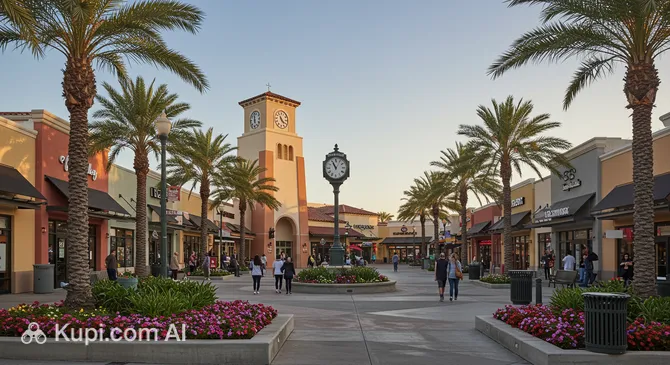
Gateway Towne Center. Illustration.
Source: Kupi.com AI

Traveler photos:

How to Get There

Due to its central location in Los Angeles County, Compton is often called the "Hub City," and getting here is a breeze. Travelers can choose the most convenient route using the region's extensive network of airports and highways. You can find out more about how to get to Compton to plan your trip as effectively as possible.

While Compton doesn't have its own airport for commercial flights, you can fly into one of the neighboring cities. The main gateway for most tourists is Los Angeles International Airport (IATA: LAX), located in the city of Los Angeles. This is one of the world's largest aviation hubs, situated about 18 km from Compton. The journey from the terminal to the city by taxi or rental car usually takes about 45–50 minutes, depending on traffic.

For those traveling on domestic flights or who prefer less crowded terminals, Long Beach Airport (IATA: LGB) is an excellent option. It is located in the city of Long Beach, just 11 km from downtown Compton. Due to the short distance, the trip from here takes less time—approximately 35–40 minutes by car. Other airports serving various destinations are also available in the region.

For convenience, here is a summary of the main airports:

AirportPassenger trafficDistance
Hawthorne50 00011 km
Long Beach Airport4.1 mln11 km
Los Angeles International Airport75.1 mln18 km
Hollywood Burbank Airport6.6 mln36 km
John Wayne Airport11.7 mln41 km

Regarding rail travel, there is no long-distance train station in Compton itself, but the city is perfectly integrated into the regional transit system. Tourists can take an Amtrak or Metrolink train to Union Station in downtown Los Angeles and then transfer to the light rail (A Line), which passes through Compton. Additionally, the city is crossed by several major highways (I-710, SR-91, I-105), making a trip by car or bus from anywhere in California very convenient.

Main Attractions

Compton's attractions are not traditional tourist monuments, but living public spaces where the city's pulse beats. The main interest for travelers here lies in the places that shape the unique character of the local community: from bustling shopping centers to cozy parks and iconic diners that have become part of urban legend.

The heart of modern city life is rightfully considered Gateway Town Center. This massive open-air shopping complex serves not only as a place for shopping but also as a major point of attraction for residents and visitors alike. It houses large department stores, restaurants, and relaxation areas. Tourists should stop by to feel the dynamic rhythm of the "Hub City" and see how daily life unfolds in the California metropolis.

For those who want to get to know the quieter side of Compton, Gonzalez Park is an excellent choice. This spacious green area frequently hosts community events, sports competitions, and family picnics. Visiting the park allows you to immerse yourself in the neighborly atmosphere and see how locals relax away from the city's hustle and bustle.

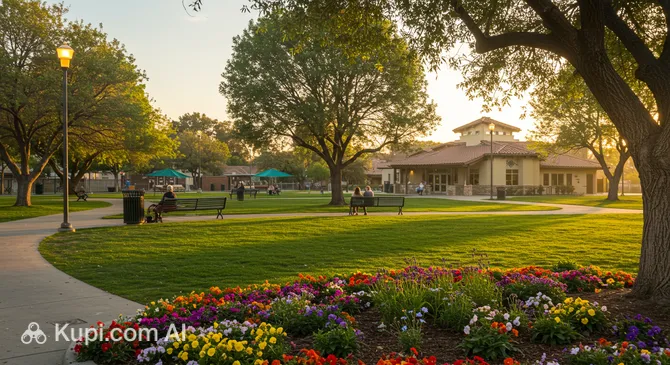
Gonzales Park. Illustration.
Source: Kupi.com AI

Traveler photos:

It is impossible to imagine getting to know the city without its gastronomic symbols. The famous diner Luis Burgers II is a true local landmark, attracting fans of authentic American food. This place is famous not only for its hearty burgers but also for being part of the city's cultural code, preserving the traditions of a classic diner for many years.

Another popular spot for outdoor relaxation is Wilson Park. Here, you can stroll along well-kept paths or simply relax in the shade of the trees. The park serves as an excellent example of how Compton's urban spaces bring together people of all ages and interests, offering a comfortable environment for leisure under the warm California sun.

Local Cuisine

Compton's cuisine is a true gastronomic kaleidoscope, reflecting the city's multicultural character. Here, at the intersection of cultures, savory Mexican notes, classic American barbecue, and soul-satisfying Southern American cuisine (soul food) harmoniously coexist. This diversity turns any meal into a small journey through the culinary traditions of different peoples.

"Soul food" holds a special place on the local menu. Be sure to try the signature Southern fried chicken, which is often served here with fluffy waffles or mashed potatoes. In small family cafes, you can also find the famous gumbo—a thick, spicy soup with seafood and vegetables, a recipe that originated in Louisiana. This dish is perfect for warming up and is very satisfying.

For lovers of Latin American flavors, Compton offers a vast selection of tacos, burritos, and other traditional snacks. Local establishments are famous for the authenticity of their recipes. For example, to experience the real taste of Mexico, you can visit the popular spot Tijuana-style Taqueria El Poblano, where dishes are prepared following all culinary canons.

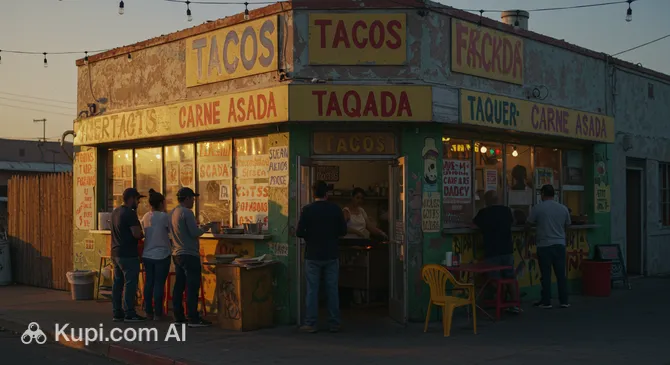
El Poblano Tijuana-Style Taqueria. Illustration.
Source: Kupi.com AI

Traveler photos:

Speaking of drinks, it's worth noting the traditional options for these cuisines. With Southern dishes, you'll likely be offered sweet iced tea or refreshing homemade lemonade. In establishments with a Mexican flair, horchata—a sweet rice drink with cinnamon—is popular, as are various "aguas frescas" (fruit waters), which perfectly quench thirst on a hot California day.

Food culture in the city is not limited to restaurants. Street food here is a pleasure of its own. At farmers' markets and fairs, you can buy grilled corn, fresh fruit with seasonings, and homemade pies. Regular food festivals and food truck rallies bring together residents and tourists, creating a festive atmosphere and allowing you to try the best local delicacies in a relaxed setting.

Travel Tips

A trip to Compton is a chance to see California from a new, authentic perspective, immersing yourself in a culture that has influenced the entire world. To ensure your trip is comfortable and leaves only positive emotions, we have prepared a list of important practical recommendations to help you feel confident in the "Hub City."

  1. Clothing and Climate. The weather here is predominantly warm and sunny, so light, breathable clothing is relevant year-round. However, even in summer, evenings can be cool due to the proximity to the ocean, so be sure to bring a sweatshirt or light jacket (the layering principle works perfectly here). For walking, choose the most comfortable shoes possible—sneakers are the best choice for exploring city streets and parks.

  2. Transportation Logistics. During the day, it is convenient to use the light rail (A Line) to reach downtown Los Angeles or Long Beach. However, for moving around within the city, especially in the evening, it is highly recommended to use taxi apps like Uber or Lyft. This is the most reliable and safe door-to-door method. Renting a car gives you freedom, but remember the heavy traffic during peak hours.

  3. Finances and Tipping. The official currency is the US dollar. Bank cards are accepted almost everywhere, including small cafes and shops. Nevertheless, it is useful to have some cash on hand ($1, $5, and $10 bills) for local bus fares or street vendor purchases. The tipping culture here is strict: in restaurants and taxis, it is customary to leave 15–20% of the bill.

  4. Health and Safety. The city has plenty of major chain pharmacies (CVS, Walgreens) where you can buy necessary over-the-counter medications. Regarding safety: stick to main, well-lit streets like Rosecrans and Long Beach Boulevards. Avoid walking alone through residential neighborhoods late at night. Be mindful of your belongings in crowded places, just as in any other major city.

  5. Communication and Internet. The main language is English, but due to the large Latino community, Spanish is also heard everywhere. Free Wi-Fi is available in most cafes (Starbucks, McDonald's) and shopping centers. For constant access to maps and navigation, we recommend purchasing a local SIM card (T-Mobile, AT&T) or activating an e-SIM in advance.

  6. Local Etiquette. Compton residents are generally open and friendly. It is customary to greet shopkeepers and bus drivers. The phrase "How are you?" is often used as a greeting, for which a short positive response is expected, rather than a detailed life story. Respect personal space in lines and on transport.

  7. What to Avoid. Do not take photos of local residents, their homes, or private property without explicit permission. Compton is a residential city, not a film set, and people value their privacy. Also, avoid stereotypical jokes or questions about the city's criminal past—locals are proud of their community's development and may find such comments disrespectful.

  8. Gastronomic Tip. Don't limit yourself to well-known global fast-food chains. Compton is famous for its small, family-owned establishments. Be sure to try the tacos at local "taquerias" or homemade baked goods. Often the most delicious and authentic dishes can be found in unassuming cafes located in shopping plazas.

Compton is open to those who respect its traditions and pace of life. By following these simple rules and using common sense, you can safely enjoy the city's unique atmosphere, culinary discoveries, and local hospitality.

Entertainment & Nightlife

Compton's nightlife has its own unique rhythm, distinct from the glitz of Hollywood. Here you won't find massive chain nightclubs with world-famous DJs; instead, the city offers a more local, "homey" atmosphere. Evening leisure here is focused on socializing, music, and, of course, delicious food. This is a place for those who want to see the authentic side of California and immerse themselves in the local community culture.

Centers of evening activity are often large shopping and entertainment complexes and their surroundings. Locals love to spend time in the area of Gateway Town Center. Although it is primarily a shopping zone, it stays busy in the evenings with restaurants open, store lights glowing, and people gathering for dinner or just to chat. It is one of the safest and most comfortable places for an evening stroll and getting to know the city.

Another important point of attraction is Renaissance Plaza. Here, you can find venues with a laid-back atmosphere where hip-hop and R&B are played—genres that are an integral part of Compton's history. The crowd here is predominantly local, so the dress code is very casual: comfortable everyday clothes, jeans, and sneakers will be appropriate everywhere.

Renaissance Plaza. Illustration.
Source: Kupi.com AI

Traveler photos:

Gastronomy plays a key role in the city's nightlife. Many establishments stay open late, offering a hearty dinner after sunset. A legendary spot is Luis Burgers II. This is a classic diner that has become a kind of cultural symbol for the area. People come here not just for the food, but for the old-school atmosphere that is hard to find in the trendy tourist districts of Los Angeles.

Safety and Logistics Tips:

  • Transport: At night, it is highly recommended to travel by taxi or use services like Uber and Lyft. This is the most reliable way to get from one venue to another.
  • Safety: Try to stick to busy, well-lit streets such as Rosecrans Avenue or Long Beach Boulevard. Avoid walking alone through residential neighborhoods late at night.
  • Prices: Evening entertainment in Compton is significantly cheaper than in downtown Los Angeles. The average check in bars and cafes here is quite affordable.

If you are planning your itinerary for the daytime, the city also offers interesting leisure options. Daytime activities are mainly related to outdoor recreation. It is worth visiting Gonzalez Park or the spacious Wilson Park. These are great places to take a break between excursions, have a picnic, or watch local teams' sports matches, which often take place here on weekends.

Parks & Museums

While Compton is primarily known for its musical history and urban landscape, the city offers residents and tourists cozy green spaces for relaxation and unique cultural sites. Parks here serve as important centers of community life, and local museums, though few, hold inspiring stories of the region's past and future.

Among the green spaces, Wilson Park holds a special place. This area is ideal for quiet family relaxation away from the city's hustle and bustle. It features convenient walking paths, picnic areas, and playgrounds. The park is also known for its skate park, which attracts young people from all over the area, creating a dynamic and lively atmosphere.

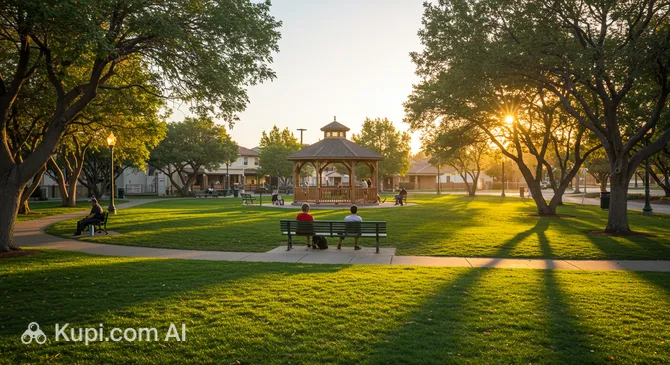
Wilson Park. Illustration.
Source: Kupi.com AI

Traveler photos:

Another important spot on the city map is Gonzalez Park. This is not just a place for walks, but a true community hub where city holidays and sports events are frequently held. Spacious baseball and soccer fields, as well as a swimming pool, make it a magnet for active lifestyle enthusiasts. Tourists will find it interesting to stop by to see how the local community's daily life unfolds.

Regarding cultural heritage, the city's main gem is Tomorrow's Aeronautical Museum, located at Compton Airport. This is an interactive museum and educational center dedicated to aviation history and the contribution of African American pilots, including the famous Tuskegee Airmen. The exhibition includes real aircraft, historical artifacts, and flight simulators, making it incredibly interesting for both children and adults.

History buffs should look out for the Heritage House. Built in 1869, this house is the oldest surviving building in Compton and a California State Historic Landmark. A visit here allows you to step back into the era of early settlers and see what the region looked like long before the appearance of highways and skyscrapers.

Insider Tip: If you find yourself in the Civic Center area, be sure to find the Martin Luther King Jr. Memorial. This iconic architectural structure is a quiet place for reflection, symbolizing the struggle for civil rights and serving as an important part of the city's cultural identity.

Getting Around

Compton's transportation system is closely integrated into the overall Los Angeles County network, allowing tourists to move quite freely both within the city and beyond its borders without renting a car. The backbone of public transport consists of light rail lines and an extensive network of bus routes connecting the city with Downtown Los Angeles and the Long Beach coast.

The main transportation artery for travelers is the Metro A Line light rail (formerly known as the Blue Line). It runs through the city from north to south. The key stop is Compton Station, located in the very center, next to the Renaissance Plaza shopping complex. Trains run frequently, approximately every 10–15 minutes during peak hours, and it is the fastest way to reach the region's main attractions while avoiding the famous California traffic jams.

Bus service is provided by two main operators. First, there are the Metro Bus regional buses, which cover long distances and connect Compton with neighboring cities. Second, there is the local municipal network, Compton Renaissance Transit. These buses run within the city on several routes, providing access to schools, parks, and shopping centers. Fare on local buses is significantly cheaper than on regional ones, making it a great option for short trips around the neighborhood.

To pay for fares on the metro and Metro buses, a unified rechargeable TAP card is used. It can be purchased at vending machines at metro stations (the card itself costs $2) or you can use a virtual version via the TAP app on a smartphone (Apple Wallet or Google Pay). A one-way trip costs about $1.75 and includes free transfers for two hours. Note: TAP cards may not be accepted on Compton Renaissance Transit buses, so it is worth having small change (coins and $1 bills) to pay the driver.

An important tip for tourists: there may not be turnstiles when entering a metro station, but there are special validators. You must tap your card or phone against the validator before boarding ("tap in"), otherwise, you risk a substantial fine during an inspection. On buses, the validator is located next to the driver.

As an alternative to public transport, ride-sharing services such as Uber and Lyft are very popular in Compton. Cars are available 24/7, and wait times are usually minimal. This is often the safest and most comfortable way to get to your hotel in the evening. Hailing a traditional taxi on the street is not common here; it must be ordered by phone. Bike rentals are less developed than in beach cities, so for long trips, it's better to choose motorized transport.

Accommodation

Accommodation in Compton is primarily a choice for practicality and reasonable savings. In the city itself, you won't find luxury five-star resorts or large-scale premium hotel complexes. The core of local tourist lodging consists of small motels and budget hotels offering basic amenities. This is a great option for travelers who plan to actively explore the region and are looking for an inexpensive place to stay.

When choosing a place to stay, it is strategically important to consider transport accessibility. Areas adjacent to the main highways (I-710, SR-91) or those located near the light rail station are considered the most convenient for tourists. A location near transportation hubs will allow you to quickly reach the main attractions of Los Angeles and the beaches of Long Beach, spending minimal time on the road.

The price range in the city can be characterized as budget and mid-range. The cost of living here is generally significantly lower than in popular tourist areas like Santa Monica or Hollywood. This makes Compton an attractive base for road trippers looking to reduce housing costs.

For searching and booking, it is best to use major international online platforms and aggregators. Since the choice of options within the city itself is limited, it is recommended to book a room in advance, especially if your trip coincides with the summer season or holidays. Before booking, be sure to check recent guest reviews to choose the most comfortable and safe option.

Nearby Cities

For those who want to explore the surroundings, Compton serves as an excellent starting point for day trips to several interesting nearby places. Thanks to its convenient location in the center of the county, you can reach neighboring cities in literally 15-20 minutes, each offering its own unique entertainment.

The city of Downey deserves special attention. This is a place with a rich history, known as the birthplace of the American Apollo space program. History and space enthusiasts can visit the Columbia Memorial Space Center here. Additionally, Downey is home to the world's oldest operating McDonald's restaurant, which has preserved its original 1950s retro design—a great location for nostalgic photos.

Another interesting destination is Carson. This city attracts sports and outdoor enthusiasts. It is home to the famous Dignity Health Sports Park, which is the home arena for the LA Galaxy soccer team. For those seeking an adrenaline rush, Carson features the Porsche Experience Center, where you can test your driving skills on a professional track.

CityPopulationDistance
East Rancho Dominguez14 4623 km
West Rancho Dominguez22 0074 km
Lynwood67 4974 km
Paramount53 9046 km
South Gate93 3087 km

These nearby destinations provide a glimpse into the region's diverse culture and entertainment without having to travel far from Compton.

Shopping & Souvenirs

Shopping in Compton is primarily about practicality and convenience, seasoned with local flavor. You won't find luxury high-fashion boutiques like those on Rodeo Drive here, but the city offers great opportunities to buy everything you need: from famous clothing brands to electronics and home goods. Thanks to its status as the "Hub City," local shopping areas are easily accessible and offer a wide range of goods at reasonable prices.

Most commercial life is concentrated along the city's main transportation arteries. Long Beach Boulevard and Rosecrans Avenue are places where life bustles from morning to evening. Strolling or driving along these streets, you will see many small shops, family-owned stores, and chain retailers. Here you can find both everyday clothing and specialized goods reflecting the cultural diversity of the local population.

For large-scale shopping, it is worth heading to the major shopping complexes. The main attraction is Gateway Town Center. This is a huge open-air shopping mall featuring popular American department stores and electronics retailers. You can spend several hours here updating your wardrobe or picking out gifts. Another important location is Renaissance Plaza, located in the center of the city. This complex is convenient for quick purchases: it has supermarkets, pharmacies, and clothing stores, as well as many fast-food outlets.

Local markets and small retail spots add a special atmosphere to shopping. While there are no giant tourist bazaars in Compton itself, "swap meets"—the American equivalent of flea markets—are popular in the city and surrounding areas. At these venues, you can find literally everything: from vintage clothing and accessories to auto parts and unique household items. This is a great way to immerse yourself in the culture of daily life in Southern California.

If you are looking for something to take home as a souvenir, look for items with city branding. Souvenirs from Compton have become iconic due to the global popularity of hip-hop culture. Baseball caps with the Gothic "Compton" script, t-shirts, and hoodies from local streetwear brands make great gifts for music fans and streetwear enthusiasts. Such items carry the spirit of the streets and the history of the musical revolution that began in these neighborhoods.

Shops in the city usually follow standard USA hours: large centers are open from 10:00 to 21:00, closing slightly earlier on Sundays. Small private shops may have individual schedules. Credit cards and contactless payments are accepted almost everywhere; however, it is recommended to have some cash on hand for purchases at small markets or kiosks.

Tourists should remember that in the US, Sales Tax is not included in the price tag and is added at the register. In Los Angeles County, it is approximately 9.5–10%. The Tax Free system (VAT refund) as commonly known in Europe practically does not exist in the United States, so you should not count on a tax refund upon leaving the country.
Reached the end of the page?

That means the route is fully explored