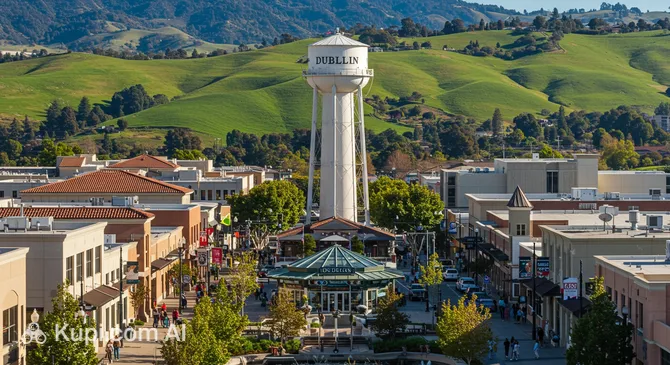
Dublin is a picturesque and prosperous city in Ohio, often cited as one of the best places to live and visit in the region. Nestled just northwest of the state capital, Columbus, it wonderfully combines small-town charm with the dynamics of a modern, developing center.
The city stretches along the banks of the Scioto River in the heart of the Midwest. When traveling through the USA, tourists often stop here to enjoy a high level of comfort and safety. With a population of around 70,000, Dublin offers guests a well-developed infrastructure where modern business centers stand alongside leafy alleys.
The location's roots provide a special flair. The fascinating history of Dublin is closely intertwined with Irish heritage, which is felt in the atmosphere of the streets and annual themed festivals. This is a place where American friendliness meets Celtic traditions, creating a unique cultural mix.
Dublin. Illustration.
Source: Kupi.com AI
The city is famous for its green spaces: there are numerous parks, bike paths, and walking trails that allow for a break from the hustle and bustle. Life hums in the city center—home to cozy cafes, art exhibitions, and lively culinary fairs that attract visitors from all around.
Dublin, Ohio, is a true feast for the soul. It is worth coming here to be inspired by the harmony of nature and modernity, feel genuine hospitality, and immerse yourself in the steady yet rich rhythm of local life.
Weather Overview
The climate in this corner of Ohio is humid continental, offering residents and visitors the chance to enjoy all four seasons. When planning a trip, it is useful to check the detailed weather in Dublin beforehand so you can pack correctly, as conditions can change significantly from month to month.
Summer is traditionally the most popular time to visit. July is considered the warmest month, with an average temperature of about 23.3°C, while daytime highs often reach 28.0°C. This is a great time for walks along the river, though you should keep in mind that summer sees about 12 rainy days per month.
Winter is cool here but generally without extreme frosts. The coldest month is January, when the average temperature stays around 0.5°C and can drop to -3.2°C at night. Expect warm summers with occasional rain and cold winters that require warm clothing.
Spring and autumn offer the mildest conditions for tourism. In May and September, comfortable temperatures set in, ranging between 18–20°C. Nevertheless, precipitation is distributed fairly evenly throughout the year: the number of wet days varies from 8 in September to 13 in the spring months, so a light raincoat or umbrella in your luggage will certainly not be redundant.
Average monthly temperature
Average monthly precipitation
Interesting Facts
In addition to its cozy streets and picturesque waterfronts, Dublin holds many fascinating stories and unusual traditions that surprise even seasoned travelers.
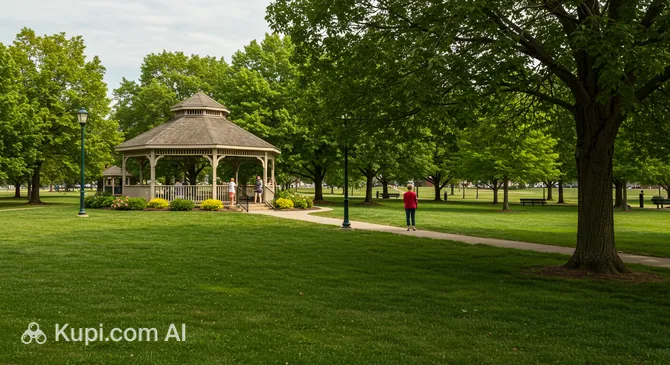
Coffman Park. Illustration.
Source: Kupi.com AI
Traveler photos:
The city was named after the capital of Ireland by one of its first settlers, who wanted to immortalize the memory of his homeland. Irish heritage is honored here with special care, so Celtic motifs and symbols can be found on the streets at almost every step.
Every year, the Dublin Irish Festival is held here—one of the largest cultural events of its kind in the USA. In early August, Coffman Park turns into the epicenter of the celebration, where thousands of guests enjoy national music, dancing, and traditional crafts.
One of the most original attractions is the "Field of Corn" art installation. This unusual field is "planted" with over a hundred giant concrete ears of corn, serving as a unique monument to the region's rich agricultural past.
Dublin is famous for its outstanding residents, including Olympic swimming champion Samantha Armstrong. The high standard of local schools and sports clubs is regularly confirmed by national rankings, making the city a nursery for talent.
How to Get There
When planning a trip to this cozy Ohio city, it is worth thinking through your route in advance. Since Dublin is a suburb of the state capital, the transportation infrastructure is excellently developed, and getting here is easy. You can find all the details and explore all ways to get to Dublin on a dedicated page.
Dublin itself does not have its own airport, so travelers usually use the air hubs of neighboring cities. The most convenient and closest option is John Glenn Columbus International Airport (IATA: CMH). It is located in the city of Gahanna, just 24.8 km from downtown Dublin. This is a major transport hub that handles many flights. A trip from here by taxi or rental car takes about 50–60 minutes, depending on traffic.
Another available option is Rickenbacker International Airport (IATA: LCK), located in Canal Winchester. The distance to Dublin is approximately 36.2 km. This airport is smaller in size and passenger volume but can be convenient for certain flights. The journey to the destination will take just over an hour.
You might also consider James M. Cox Dayton International Airport (IATA: DAY), located in Dayton. It is significantly further away, about 94.8 km from Dublin; however, it serves as a good alternative if tickets there prove to be more economical. Travel time by car is about 2.5 hours.
For convenience, here is a summary of the main airports:
As for rail connections, the choice is more limited. There is no train station in the city of Dublin itself. The nearest major station available on the list is Windsor Station (IATA: XEC), located in the city of Windsor. However, keep in mind that it is located at a significant distance—approximately 247.2 km from Dublin. Traveling from there will require a long bus transfer or a car rental, taking several hours.
Information about the nearest train station is presented below:
Dublin offers travelers something more than just cozy streets. It is a city where art harmoniously blends into natural landscapes, and park areas become true centers of attraction. Here, you can find unusual sculptures as well as historical sites that make walking through the city unforgettable.
One of the city's most recognizable and fun spots is Ballantrae Park and Spray Fountains. Tourists come here to see the famous "Dancing Hares" sculpture—giant figures frozen in joyful movement atop a hill. In summer, this place is especially popular thanks to the water play area, where children and adults can cool off on a hot day. It is an excellent location for family recreation and fun photos.
Ballantrae Community Park & Spray Fountains. Illustration.
Source: Kupi.com AI
Traveler photos:
For those seeking tranquility and beautiful river views, Scioto Park is the perfect choice. This picturesque green oasis is known for its amphitheater, which hosts outdoor concerts in the summer. The park's main highlight is the monumental stone sculpture of Chief Leatherlips, which towers above the trees and serves as a reminder of the native inhabitants of these lands. It’s a pleasant spot for a picnic or a stroll along the bank.
The heart of the city's social life is rightfully considered Coffman Park. This expansive area features manicured paths, a pond, and a historic homestead that offers a glimpse into the region's past. The park serves as the main venue for major city events, yet it maintains a cozy atmosphere on ordinary days. In winter, an ice rink opens here, and during the warmer months, it is the best place for morning jogs or evening promenades.
After a full day of walking, it's worth stopping by the historic center, where the Dublin Village Tavern is located. This establishment is not just a restaurant but a piece of local history where you can feel the spirit of old Dublin. Tourists appreciate this place for its authentic atmosphere, friendly service, and the opportunity to try classic American dishes in an interior that preserves the charm of years gone by.
Local Cuisine
The culinary scene in Dublin, Ohio, can pleasantly surprise even sophisticated gourmands. Here, the culinary traditions of the American Midwest harmoniously intertwine with a rich Irish heritage, creating a unique menu hard to find in other cities of the region. Local chefs focus on hearty, warming dishes and fresh farm products.
Dishes inspired by the city's history hold a special place in the local diet. Tourists should definitely try the classic shepherd’s pie—a fragrant meat and potato casserole prepared here with special care. "American classics" like juicy burgers and tender BBQ ribs are also popular. Tribute is paid to the region's agricultural past with corn-based dishes: thick corn chowders and sweet grilled ears often appear on tables during the season.
Fado Pub & Kitchen. Illustration.
Source: Kupi.com AI
Traveler photos:
Drink culture in Dublin is inextricably linked with cozy pubs and bistros. They know how to serve quality beer here: from famous Irish stouts to craft ales brewed at local breweries. For those seeking an authentic atmosphere, it's worth stopping by Fado Pub & Kitchen. This establishment is famous for its character and excellent selection of drinks that perfectly complement traditional appetizers.
For those looking for more modern gastronomic experiences, the city offers many restaurants with signature cuisine. For example, Kitchen Social attracts guests with its relaxed atmosphere and creative menu where familiar flavors take on a new sound. Additionally, during the warmer months, life hums at outdoor markets where you can buy fresh farm cheeses, homemade pastries, and refreshing lemonades, all while enjoying the multicultural spirit of this hospitable city.
Travel Tips
Preparing for your trip to Dublin will help you avoid minor inconveniences and focus on your vacation. Here are a few recommendations to make your journey through this cozy Ohio city as comfortable and carefree as possible.
Clothing and Seasonality: Ohio weather is changeable, so layering is the best solution. Summers are hot and humid—choose light natural fabrics but bring a windbreaker in case of rain. In winter, you will need a warm jacket and waterproof shoes. Since the city has many picturesque parks, comfortable sneakers are a must-have in your suitcase.
Getting Around: Public transport is limited and oriented more toward locals than tourists. The most convenient way to get around is renting a car, which gives you the freedom to visit outlying attractions. Within the Historic Dublin and Bridge Park areas, it is pleasant to walk, and for trips across town, Uber and Lyft work excellently.
Money and Payments: The official currency is the US Dollar. Bank cards are accepted everywhere: in hotels, restaurants, and shops. Cash may only be needed for small incidental expenses. Remember the tipping culture: in restaurants and bars, it is customary to leave 18–20% of the bill, as service charges are rarely included automatically.
Safety and Health: Dublin is considered one of the safest suburbs in the region; you can walk safely even in the evening. Large pharmacy chains (CVS, Walgreens) are common, where you can buy basic medications and hygiene products. For emergencies, use the single number 911.
Communication and Internet: The primary language is English. Free Wi-Fi is available in many cafes, the library, and public areas of the Bridge Park complex. For navigation and calling taxis, we recommend purchasing a local SIM card (T-Mobile or AT&T) or using roaming, as online maps will be indispensable.
Local Etiquette: Residents of the Midwest are famous for their friendliness and openness. It is customary to greet shopkeepers, hold doors for those behind you, and respect queues. In conversation, locals value politeness and personal space—avoid standing too close to your interlocutor.
What to Avoid: Do not attempt to cross roads in undesignated areas—car traffic is active, and drivers do not expect pedestrians outside of crosswalks. Also, avoid discussing sensitive political topics with strangers; small talk about the weather or sports is much more appropriate.
Small Secret: Be sure to stop by the visitor center in the historic part of town. There, you can pick up a "Fairy Door Trail" map. This is an exciting quest to find tiny doors hidden at local shops, which will delight not only children but adults as well.
Dublin is an incredibly hospitable place where it is easy to feel at home. By following these simple tips, you can enjoy the atmosphere of Irish fun and American comfort, leaving with only the warmest memories of your trip.
Entertainment & Nightlife
Nightlife in Dublin, Ohio, is a harmonious blend of comfort and modern energy. Unlike noisy metropolises with massive dance floors, the evening culture here is centered around atmospheric gastropubs, stylish lounges, and conceptual bars. The city is ideal for those who appreciate quality drinks, live music, and the chance to socialize in a pleasant environment.
The epicenter of evening activity is the Bridge Park district. This is a modern quarter where life buzzes until late at night. Here you will find trendy venues with rooftop terraces offering stunning views of the Scioto River and the famous Dublin Link pedestrian bridge. The crowd here is diverse: from young professionals to families enjoying a romantic dinner. The dress code in most places is smart casual—elegant but relaxed.
For those who prefer a more laid-back and authentic atmosphere, head to the other side of the river to Historic Dublin. Narrow streets, 19th-century brick buildings, and Irish flair create a special mood here. It is the perfect place for "bar-hopping"—strolling from one pub to another while tasting local beers and ales.
Harvest Pizzeria. Illustration.
Source: Kupi.com AI
Traveler photos:
For an excellent start to the evening, we recommend visiting Harvest Pizzeria. Despite the name, this place is popular not only for its kitchen but also for its excellent bar with a wide selection of craft drinks and cocktails. The atmosphere is casual, suitable for both a lively group and a quiet evening. If you are looking for a place with a distinct national character, look for Irish-style pubs that frequently feature live folk music.
Practical Tips:
Opening Hours: Most bars and restaurants are open until 11:00 PM – 12:00 AM on weekdays and until 1:00 AM – 2:00 AM on Friday and Saturday. The best time to visit is after 8:00 PM when the city lights come on.
Safety: Dublin is a very safe city. Walking between Bridge Park and the historic center via the bridge is comfortable even late at night. The streets are well-lit and patrolled.
Transport: If you plan on tasting drinks, it is better to leave your rental car at the hotel. Uber and Lyft services work excellently here, with wait times usually not exceeding 5–10 minutes.
Prices: The average price for a cocktail ranges from $12 to $16, while a pint of beer will cost between $6 and $9.
Regarding daytime entertainment, the city offers just as many interesting options. Culture lovers can visit local art galleries or theater productions often held at community centers. Dublin is also known for its world-class golf courses, attracting athletes from across the country. For shopping and family leisure, the daytime markets and boutiques in the historic center are perfect.
Parks & Museums
Dublin, Ohio, rightfully prides itself on its reputation as a "green" city where nature and art intertwine in surprising ways. For travelers, this means access to dozens of kilometers of scenic trails, manicured gardens, and unique open-air cultural spaces that turn a simple walk into a real adventure.
Among the natural areas, Scioto Park holds a special place. Situated on the steep bank of the river of the same name, it is the ideal spot for those seeking solitude and beautiful panoramic views. It is not just a green zone but also a popular spot for fishing and kayaking. The main cultural landmark of the park is the famous stone head of Chief Leatherlips—an impressive monument that allows you to touch the history of indigenous peoples without stepping into museum walls.
Scioto Park. Illustration.
Source: Kupi.com AI
Traveler photos:
Another important recreational area is Coffman Park. While it is often associated with large festivals, on ordinary days it is a quiet corner with picturesque bridges over a creek and ancient trees. On its grounds is the Coffman Homestead, which provides insight into the lives of early 19th-century settlers. This is a great example of how the city preserves its heritage within modern public spaces.
When it comes to museums and galleries, Dublin offers a non-standard approach. There are no massive museum complexes here, but there are intimate and atmospheric venues. The main draw for art lovers is the Dublin Arts Council. The gallery is located in an elegant historic mansion on the riverbank, reminiscent of a French château. Inside, exhibitions of contemporary artists are regularly held, and the grounds around the building feature a sculpture garden open for public exploration.
The city's Art in Public Places program serves as an "open-air museum." The collection includes dozens of art objects scattered throughout the city. The most famous exhibit is the "Field of Corn" installation—a surreal composition of 109 human-sized concrete ears of corn. This is an ironic and profound monument to the region's agricultural past, which has become a city landmark and a mandatory stop for photo sessions.
Architecture and history enthusiasts should stroll through the Historic Dublin district. Here, along High Street, 19th-century brick buildings preserved on the National Register of Historic Places still stand. A walk along these sidewalks is like visiting a local history museum: many buildings feature informational plaques detailing the life and crafts of past centuries.
Insider Tip: If you want to see true wilderness in the heart of the city, head to Indian Run Falls. This nature park is hidden from view behind residential blocks and the library. Descending the wooden stairs into the gorge, you will find yourself surrounded by cliffs and the sound of rushing water, completely forgetting you are in the middle of a busy suburb.
Getting Around
The public transport system in Dublin has its own characteristics typical of many American suburbs. Since the city is primarily oriented towards motorists, the usual variety of subways or trams found in European cities is absent here. The main form of municipal transport is buses, which connect the city with neighboring Columbus and other areas of the county.
The primary bus operator is COTA (Central Ohio Transit Authority). Routes passing through Dublin are primarily designed for commuting to and from the state capital's downtown. The buses are modern, clean, and equipped with air conditioning, as well as bike racks on the front, allowing you to combine cycling with public transport.
For fare payment, it is most convenient to use the Transit app, which allows you not only to buy tickets but also to track bus movements in real time. There is also a COTA Connector smart card system. If you prefer to pay with cash when boarding, remember an important rule: drivers do not provide change, so you must have the exact amount. A standard trip costs about $2.00–$2.75, and day passes are also available.
A unique transport and architectural feature of the city is the Dublin Link pedestrian bridge. It is the only single-tower, S-shaped suspension bridge in the world. It connects the city's historic part (Historic Dublin) with the modern Bridge Park district. Although not transport in the traditional sense, the bridge plays a key role in tourist logistics, allowing for quick and safe travel between the main entertainment zones on foot across the Scioto River.
Given the city's layout, the most popular alternative to buses for tourists remains taxi and rideshare services like Uber and Lyft. Cars arrive quickly here, and trips within the city are relatively inexpensive. This is the most reliable way to reach remote parks or restaurants not served by scheduled bus routes.
Dublin is also famous for being bicycle-friendly. The city is crisscrossed by a network of over 160 kilometers of bike and walking paths. Many hotels offer bike rentals, and in the warmer months, this becomes more than just recreation—it is a full-fledged way to move around the picturesque surroundings without being dependent on bus schedules.
Accommodation
Dublin offers travelers a decent choice of accommodation, ranging from reliable hotel chains to modern boutique hotels. As the city is a prestigious suburb of Columbus and a major business hub, the main focus here is on comfort and quality. Budget hostels or very cheap motels are practically non-existent in the city center; instead, guests will primarily find mid-range hotels (3–4 stars), modern lofts, and apartments for extended stays.
When choosing a place to stay, you should consider the purpose of your visit and the desired atmosphere. The most popular and prestigious area for tourists right now is Bridge Park. By staying here, you will be at the epicenter of city life: the best restaurants, the scenic waterfront, and the famous pedestrian bridge leading to the historical part are all within walking distance. This is an ideal choice for those who want to enjoy evening walks and not rely on a car.
If you prefer a quieter setting or are traveling by car to explore the surroundings, look for hotels in the Tuttle Crossing interchange area. This part of the city is home to many major hotel chains offering spacious rooms, free parking, and easy highway access. This is a practical and often more cost-effective option for families and business travelers.
Booking Tip: Dublin regularly hosts large-scale events that attract thousands of visitors. If your trip falls at the end of May or beginning of June (during the prestigious Memorial Tournament golf event) or in early August (the Dublin Irish Festival), it is necessary to book accommodation several months in advance. During these periods, demand becomes intense, and finding a vacant room at the last minute is almost impossible.
Pricing policy in the city corresponds to "mid-range" and "above average" levels. The cost of a standard room usually ranges from $130 to $250 per night, depending on the season and day of the week. It is most convenient to book accommodation through major international online aggregators where you can compare offers, or directly on hotel websites, which sometimes guarantees better cancellation terms.
Nearby Cities
For those looking to explore the surroundings, Dublin serves as an excellent starting point for day trips to several interesting nearby locations. Thanks to its convenient location in central Ohio, travelers can easily reach neighboring cities, each with its own unique character.
The undisputed leader for a short trip is Columbus—the state capital and a vibrant metropolis located just 20 minutes away. Here you can visit the famous Columbus Zoo and Aquarium, considered one of the best in the country, or stroll through the Short North Arts District, known for its art galleries, boutiques, and restaurants. This is an ideal choice for those looking for a rich cultural program and an urban rhythm.
History buffs and those who enjoy a cozy atmosphere should consider Westerville. Once a center for the Prohibition movement, this city today attracts tourists with its charming historic Uptown district featuring shops in 19th-century buildings. It is also home to Otterbein University, which gives the city an academic and lively spirit.
If you are looking for peace and greenery, Upper Arlington is an excellent option. This prestigious suburb is famous for its well-maintained parks, golf courses, and beautiful residential architecture. It is located very close to Dublin and is perfect for a relaxed outdoor holiday or a family picnic.
City
Population
Distance
Powell
13 879
8 km
Hilliard
35 530
8 km
Upper Arlington
36 566
11 km
Worthington
15 047
11 km
Lincoln Village
9 720
16 km
These nearby destinations provide insight into the diverse culture and landscapes of the region, making a trip to Ohio even more rewarding and memorable.
Shopping & Souvenirs
Shopping in Dublin offers tourists a pleasant variety: from large shopping centers with famous brands to charming boutiques in historic buildings. While this Ohio city doesn't position itself as a global fashion capital, it provides all the conditions for a comfortable shopping experience. A hallmark of local shopping is the combination of modern retail with a cozy small-town atmosphere where you can find unique handmade gifts and items with Irish flair.
The main place for atmospheric window shopping is Historic Dublin. On the main High Street, you'll find small independent boutiques, antique shops, and home decor stores. This is the place to look for original clothing, jewelry, and interior items. Its counterpart is the modern Bridge Park district on the other side of the river. This is a lively pedestrian zone where shopping blends harmoniously with entertainment. Here you can browse stylish clothing stores, spas, and specialty markets.
For those who prefer classic American shopping with a large selection of brands under one roof, The Mall at Tuttle Crossing is the ideal option. This large two-story shopping center is located on the southern edge of the city. Inside are popular department stores (such as Macy's), electronics shops, cosmetics, and sporting goods. It's an excellent place to update your wardrobe if you're looking for well-known global and American brands at affordable prices.
Kitchen Social. Illustration.
Source: Kupi.com AI
Traveler photos:
Fresh produce and local goods enthusiasts should visit The Dublin Market at Bridge Park. This market operates on Saturdays during the warmer months (typically May through September). Here, local farmers and artisans offer fresh pastries, cheeses, flowers, and handmade souvenirs. After strolling through the market, you can relax at one of the neighboring spots, such as Kitchen Social, which is in the heart of this district and perfectly captures its modern atmosphere.
When choosing souvenirs, look for items related to the city's Irish heritage. T-shirts, hats, and accessories with Celtic symbols or shamrocks are the most popular choices. Other unique gifts include miniature "Irish Fairy Doors" and related items, which are very popular in Dublin thanks to a local tourism quest. Additionally, products from local craftsmen—ranging from ceramics to craft chocolate—are highly valued.
Most shops in malls are open from 10:00 or 11:00 AM until 8:00 or 9:00 PM. On Sundays, hours are often shorter (until 6:00 PM). Small boutiques in the historic center may close earlier, around 5:00 or 6:00 PM, and are sometimes closed on Mondays. Cash dollars and major credit cards are accepted everywhere. Contactless smartphone payments are also widely used.
It is important to remember that in the USA, prices on tags usually do not include sales tax. In Ohio, this is approximately 7.5%, and this amount will be added to the total at the register. A Tax-Free refund system for foreign tourists generally does not exist in the USA, so you should not expect a VAT refund upon departure.