Support

Columbus

About

Welcome to Columbus, the vibrant capital of Ohio and a city that perfectly balances Midwestern charm with cosmopolitan energy. As one of the fastest-growing cities in the region, it has evolved into a dynamic hub for arts, culture, and innovation. Whether you are a foodie, a history buff, or an outdoor enthusiast, this bustling metropolis offers a welcoming atmosphere that makes every visitor feel right at home.
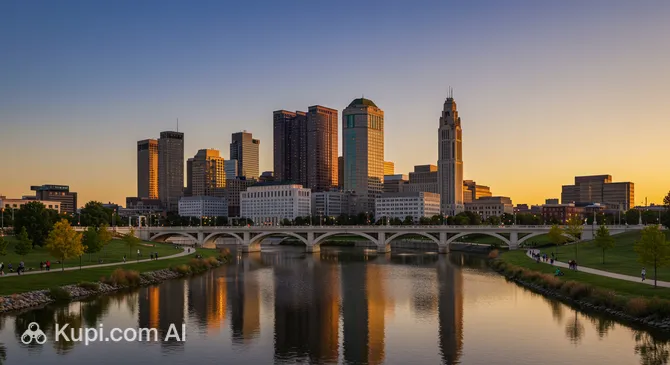
Columbus. Source: Kupi.Binoculars

Geographically situated in the heart of the United States, Columbus serves as a central crossroads for the Midwest. The city enjoys a humid continental climate, characterized by warm summers and cold, snowy winters, making it a destination with four distinct seasons. With a population of over 1.5 million in the metropolitan area, it is a lively urban center that continues to attract new residents and travelers alike due to its economic opportunities and high quality of life.

The city's past is as fascinating as its present. From its early days as a planned state capital to its industrial growth and modern revitalization, the history of Columbus has shaped its unique character. Today, you can see traces of this heritage blended with modern architecture, particularly in the preserved neighborhoods that stand in contrast to the gleaming downtown skyline.

Tourists are often drawn to the Short North Arts District, known as the "art and soul" of the city, featuring numerous galleries, boutiques, and murals. Another highlight is the historic German Village, where visitors can wander through charming brick streets lined with 19th-century houses and cozy cafes. for those seeking nature within the city, the Scioto Mile offers a stunning network of parks and trails along the riverfront, perfect for a relaxing stroll or a bike ride.

Columbus is a city that surprises and delights with its diversity and spirit. Whether you are exploring its world-class zoo, attending a sports event, or simply enjoying the local culinary scene, an unforgettable experience awaits. We invite you to discover all that this incredible destination has to offer.
Weather Overview

Travelers planning a trip to Ohio should be prepared for four distinct seasons, as the weather in Columbus varies significantly throughout the year. The city enjoys a continental climate, shifting from freezing temperatures in the winter months to warm, humid conditions during the height of summer.

Summers are generally the warmest time to visit, with July seeing an average temperature of 24.1°C and daily highs reaching up to 28.6°C. However, this season also brings frequent showers; both June and July typically record around 14 wet days each. Spring and autumn offer milder transitions, with May averaging 18.0°C and October cooling down to 14.3°C, making them pleasant times for outdoor exploration.

Winters can be quite brisk, requiring warm clothing for any outdoor activities. January is typically the coldest month, with average temperatures dropping to -0.2°C and lows dipping to -3.8°C. Expect warm summers with regular rainfall and cold winters where temperatures frequently fall below freezing.

Interesting Facts

Beyond the main attractions, Columbus holds many fascinating secrets and unique claims to fame that might surprise even seasoned travelers. Dig a little deeper into the city's past and present to uncover these intriguing details.

  • Columbus is widely known in the business world as "Test City, USA." Because its demographics closely mirror the national average, many major fast-food chains and retail brands launch new products here to gauge their potential success before releasing them to the rest of the country.

  • History buffs might be interested to know that the Town & Country Shopping Center, which opened in 1949, is considered one of the first modern regional shopping centers in the United States. Its innovative design set a precedent for the suburban retail experience that would sweep the nation in the following decades.

  • The city is the birthplace of the modern Junior High School concept. Indianola Junior High School opened here in 1909 to bridge the difficult gap between elementary and high school education, a pioneering educational model that was soon adopted across the United States.

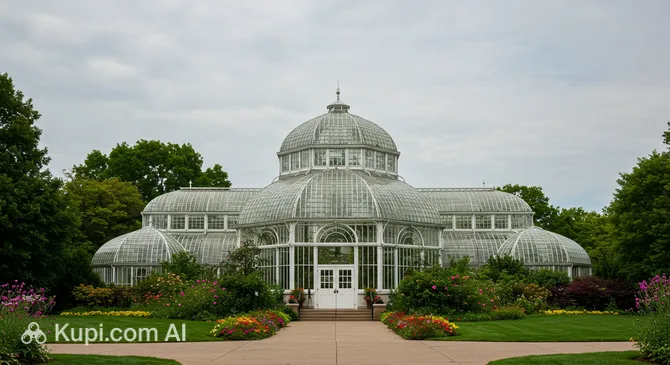
  • Nature and art blend seamlessly at the Franklin Park Conservatory and Botanical Gardens, which is the only botanical garden in the world to house a permanent collection of Dale Chihuly’s stunning glass artwork, creating a magical interplay between light, color, and flora.

Franklin Park Conservatory and Botanical Gardens. Source: Kupi.Binoculars

How to Get There

Reaching the capital of Ohio is convenient thanks to its central location and excellent transport connections. Whether you are arriving for business or leisure, there are several reliable options to consider. For a comprehensive guide on all available routes and travel tips, you can read more about how to get to Columbus to plan your journey effectively.

For most travelers, flying is the most direct method. The primary gateway to the city is John Glenn Columbus International Airport (CMH), which handles the majority of commercial traffic. It is important to note that this airport is actually located in the city of Gahanna, approximately 11 km from downtown Columbus. The transfer is quick and easy; a drive by taxi or car typically takes about 15 to 20 minutes depending on traffic. This facility is a major regional hub, offering numerous daily flights.

Another convenient option, particularly for charter flights or specific carriers, is Rickenbacker International Airport (LCK). Situated in the city of Canal Winchester, it lies about 17.1 km from the city center. The travel time by road from here is approximately 25 minutes. For those arriving from further afield or looking for more international connections, you might also consider Cincinnati/Northern Kentucky Airport (CVG). Although it is located in Cincinnati, roughly 175 km away, it serves as a large hub for the wider region. However, be prepared for a longer ground transfer of around 1 hour and 45 minutes.

For clarity, here is a summary of the main airports:

Airport Name City Passenger Traffic Km from City
Cincinnati/Northern Kentucky Airport Cincinnati Large 175.2
John Glenn Columbus International Airport Gahanna Large 11.0
James M. Cox Dayton International Airport Dayton Medium 104.2
Akron-Canton Airport Akron Small 169.6
Rickenbacker International Airport Canal Winchester Small 17.1

Travelers preferring rail should be aware that Columbus is one of the largest cities in the United States without direct intercity passenger rail service. The city of Columbus does not have a railway station, but you can arrive at the Windsor Railway Station (XEC) in the city of Windsor. This station is quite distant, located about 262.5 km from Columbus. Consequently, the onward journey by road is significant, taking approximately 3 hours by taxi or car. Most visitors find flying or driving directly to be more practical options.

Below is the information for the nearest railway station listed:

Station City Passenger Traffic Km to Center
Windsor Railway Station Windsor 262.5

Main Attractions

Columbus offers a diverse array of attractions that cater to visitors of all ages and interests, ranging from cutting-edge science centers to historic performance venues. The city's commitment to culture and education is evident in its world-class museums and beautifully preserved landmarks, making it a fascinating destination to explore.

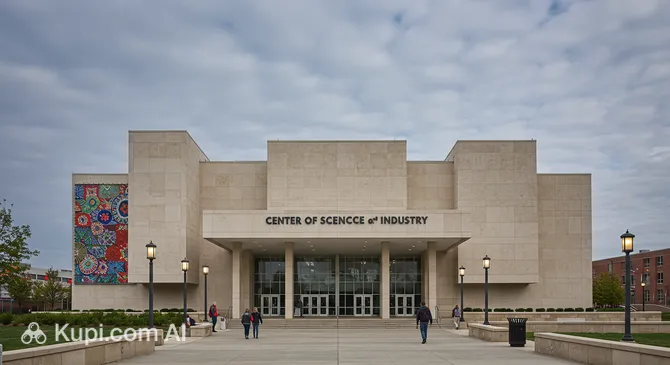
One of the top destinations for families and curious minds is the Center of Science and Industry (COSI). Located on the west bank of the Scioto River, this dynamic science center features over 300 interactive exhibits, a planetarium, and live shows. It is widely recognized as one of the premier science centers in the country, offering hands-on learning experiences that cover everything from space exploration to ocean life, making it an engaging stop for tourists seeking both fun and knowledge.

Center of Science and Industry. Source: Kupi.Binoculars

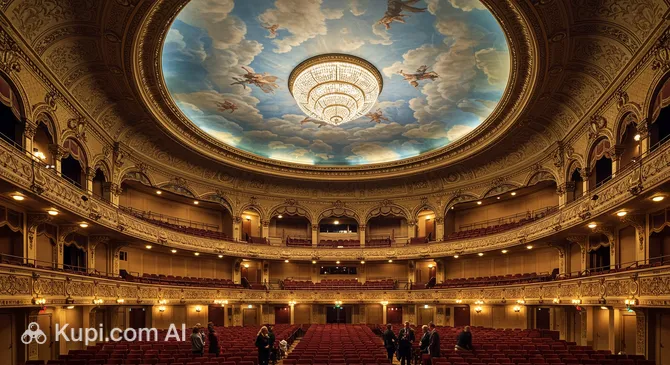
For those who appreciate performing arts and stunning architecture, the Ohio Theatre is a must-visit landmark. Originally opened in 1928 as a movie palace, this opulent venue was saved from demolition and restored to its original Spanish Baroque splendor. Today, it serves as the home of the Columbus Symphony Orchestra and hosts Broadway shows, concerts, and dance performances. Visitors are often captivated by its 21-foot chandelier and lush interior design, which provide a glimpse into the golden age of theater.

Ohio Theatre. Source: Kupi.Binoculars

Art enthusiasts will find inspiration at the Columbus Museum of Art. Situated downtown, this institution boasts an impressive collection of late 19th- and early 20th-century American and European modern art. Beyond its permanent galleries, the museum is known for its thoughtful contemporary exhibitions, sculpture garden, and the Center for Creativity, which encourages visitors to connect with art in personal and interactive ways.

A newer addition to the city's cultural landscape is the National Veterans Memorial and Museum. This striking architectural marvel is dedicated to sharing the stories of veterans from all branches of service and all eras of conflict. Unlike traditional war museums that focus on military hardware, this institution emphasizes the personal experiences of soldiers and their families, offering a deeply moving and educational perspective on service and sacrifice.

Local Cuisine

The culinary landscape of Columbus is a delightful surprise to many visitors, evolving far beyond its reputation as a test market for national chains into a vibrant hub of independent eateries and diverse flavors. The city's food scene is a melting pot that honors its rich history while embracing modern culinary trends. From historic neighborhoods lined with traditional pubs to bustling food halls like the famous North Market, there is an array of dining experiences that cater to every palate.

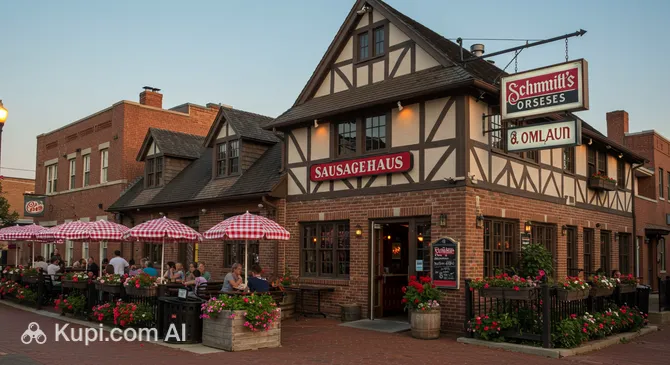
A cornerstone of the local cuisine is the city's deep-rooted German heritage, best experienced in the historic German Village. Here, hearty comfort food reigns supreme. No visit is complete without stopping by Schmidt’s Sausage Haus, a legendary institution known for its "Bahama Mama" spicy sausages and massive, award-winning cream puffs. This area offers a nostalgic atmosphere where tourists can enjoy authentic schnitzels and bratwursts in a setting that feels like a step back in time.

Schmidt’s Sausage Haus. Source: Kupi.Binoculars

For those with a hearty appetite, Columbus is famous for its burgers, particularly the towering creations found at The Thurman Cafe. Their signature "Thurmanator" burger is a local icon, stacked high with ham, mozzarella, American cheese, lettuce, tomato, mushrooms, sautéed onions, pickles, hot peppers, and mayo. Beyond burgers, the city has its own distinct style of pizza. Columbus-style pizza features a thin, flaky crust, edge-to-edge toppings, and is characteristically cut into squares rather than slices, a favorite among locals for casual dining.

Those with a sweet tooth must try the Buckeye, a confection that resembles the nut of the state tree. These delicious treats are balls of peanut butter fudge partially dipped in chocolate, leaving a small circle of peanut butter visible at the top. They are ubiquitous in candy shops and bakeries throughout the city and serve as a sweet symbol of Ohio pride.

The beverage scene in Columbus is equally impressive, particularly its booming craft beer culture. The city boasts the "Columbus Ale Trail," highlighting dozens of local breweries that produce everything from hoppy IPAs to rich stouts. A popular spot to experience this is the Land-Grant Brewing Company, which offers a spacious taproom and beer garden. For a more upscale dining experience that pairs excellent food with fine wines, Lindey's in German Village provides a classic American bistro atmosphere that has been a local favorite for decades.

Travel Tips

To help you make the most of your visit to Columbus, we have compiled a list of essential practical advice. Whether you are here for a weekend getaway or an extended stay, these tips will ensure your trip to the heart of Ohio is smooth, comfortable, and enjoyable.

  1. Clothing and Gear: The weather here changes with four distinct seasons, so checking the forecast before packing is essential. In winter, bring a heavy coat, gloves, and a hat, while summers require light, breathable fabrics to handle the humidity. Since neighborhoods like German Village feature historic brick streets, pack comfortable walking shoes or sneakers; high heels or thin soles can be difficult to manage on the uneven cobblestones.

  2. Transportation: While downtown is walkable, having a car is often the most convenient way to explore the wider metropolitan area. However, within the city center and the Short North, you can use the CBUS, a free circulator bus that connects major districts. Ride-sharing apps like Uber and Lyft are widely available and reliable. If you plan to stick strictly to the downtown corridor, you might not need a rental car, but it is highly recommended for visiting the zoo or suburban attractions.

  3. Finances: The local currency is the US Dollar (USD). Credit and debit cards are accepted almost everywhere, from high-end restaurants to food trucks. ATMs are plentiful throughout the city. Tipping is a standard part of the service culture; expect to leave 18-20% of the bill at sit-down restaurants and bars, and a few dollars for valet or housekeeping services.

  4. Health and Safety: Columbus is generally a safe city for tourists, but standard urban precautions apply. Stick to well-lit, populated areas at night and keep valuables secure. Pharmacies like CVS and Walgreens are common, with many locations open 24 hours for minor medical needs. In case of any serious emergency, dial 911 for immediate assistance.

  5. Communication: English is the primary language spoken. Free Wi-Fi is available in many public spaces, coffee shops, and hotels. If you are visiting from abroad, major mobile carriers offer prepaid SIM cards at electronics stores or the airport. Apps like Google Maps are indispensable for navigating the city's streets and finding transit schedules.

  6. Local Etiquette: The "Midwestern nice" attitude is real here. It is common for strangers to smile, say hello, or hold doors open for one another. Politeness and patience are highly valued. When driving, drivers are generally courteous; aggressive honking is rare and often frowned upon unless necessary for safety.

  7. What to Avoid: Be mindful of the intense sports rivalry between Ohio State University and the University of Michigan. Avoid wearing "Maize and Blue" (yellow and blue) colors, especially on game days, as this can draw playful but sometimes intense jeers from locals. Also, do not assume the city is just a college town; it is a sprawling state capital with a diverse identity beyond the university.

  8. Additional Tip: If you are visiting during the autumn, check the football schedule for the Ohio State Buckeyes. Home games at Ohio Stadium transform the entire city, causing significant traffic delays and crowded restaurants. Conversely, during the game itself, other parts of the city can be surprisingly quiet and perfect for exploring without crowds.

Armed with these practical tips, you are ready to navigate Columbus like a local. Embrace the friendly atmosphere, explore the unique neighborhoods with confidence, and enjoy everything this dynamic Midwestern city has to offer.

Entertainment & Nightlife

When the sun sets, Columbus transforms into a lively playground for night owls, offering a diverse range of entertainment that rivals much larger cities. The nightlife scene here is energetic and unpretentious, catering to everyone from craft beer aficionados and live music fans to those seeking a sophisticated cocktail lounge. The city's distinct districts each offer a unique vibe, making it easy to hop from one atmosphere to another within a single evening.

The crown jewel of the city's nightlife is undoubtedly the Short North Arts District. Centered along High Street, this area is bustling with activity every weekend. Here, art galleries often stay open late during "Gallery Hops," and the street is lined with trendy rooftop bars, intimate speakeasies, and vibrant dance clubs. The crowd is a mix of young professionals, students, and tourists, creating a stylish yet welcoming environment. Just south of there, the Arena District offers a more sports-centric and high-energy atmosphere, perfect for catching a game or a major concert.

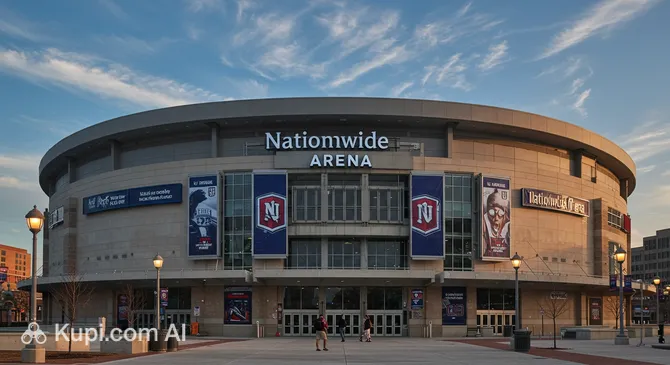
For those who enjoy live performances in a grand setting, the Nationwide Arena is the epicenter of large-scale entertainment. Located in the heart of the Arena District, this massive venue hosts everything from professional ice hockey games to concerts by world-renowned touring artists. The surrounding area is packed with pubs and patios, making it an ideal spot to grab a drink before or after an event.

Nationwide Arena. Source: Kupi.Binoculars

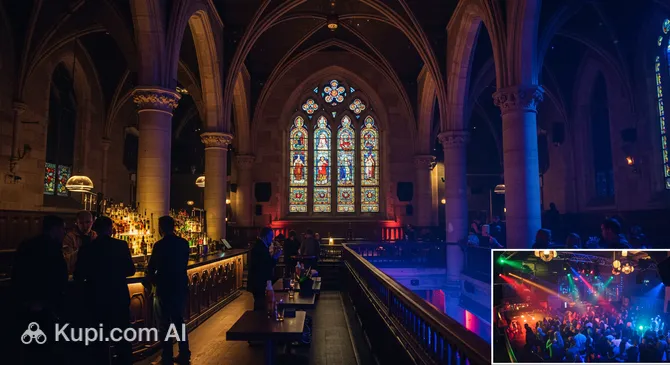
If you prefer a more unique and intimate music experience, you should check out The Bluestone. Housed in a beautifully restored church from the late 19th century, this venue offers exceptional acoustics and a stunning visual backdrop of stained glass windows. It is a favorite among locals for catching mid-sized concerts, ranging from country and rock to alternative bands, providing a memorable night out in a historic setting.

The Bluestone. Source: Kupi.Binoculars

For a touch of elegance and history, the Southern Theatre offers a sophisticated evening option. As the oldest surviving theater in Central Ohio, it hosts plays, concerts, and opera performances in a jewel-box setting. It is perfect for travelers looking for a cultured night out away from the noisier bar scenes.

Practical Tips for Nightlife:

  • Timing and Prices: Most bars and clubs are open until 2:00 AM. The busiest nights are Friday and Saturday. Prices are generally affordable compared to coastal US cities; expect to pay around $6-$10 for a beer and $12-$15 for a cocktail.
  • Dress Code: The vibe in Columbus is generally "Midwestern casual." Jeans and a nice top are acceptable almost anywhere. However, some upscale lounges in the Short North may enforce a "smart casual" dress code, so it is worth checking ahead if you plan a fancy night out.
  • Getting Around: Ride-sharing services like Uber and Lyft are plentiful and the safest way to get between districts at night. Taxis are also available but less common to hail on the street.
  • Safety: The main nightlife districts like Short North, the Arena District, and the Brewery District are well-lit and generally safe for pedestrians. However, as in any major city, it is advisable to stay in groups, remain aware of your surroundings, and avoid walking alone on quiet side streets late at night.

While the nights are exciting, Columbus also offers plenty of daytime entertainment to fill your schedule before the sun goes down. Families can burn off energy at indoor parks like Urban Air Trampoline and Adventure Park, while culture lovers can spend hours exploring the city's numerous museums and theaters. Whether you are splashing around in water parks during the summer or enjoying a matinee show, the city ensures there is never a dull moment from morning until late at night.

Parks & Museums

Parks & Museums:

Columbus prides itself on being a green city, boasting an impressive network of parks that offer a refreshing escape from the urban bustle. The city's Metro Parks system features roughly 20 distinct parks, providing thousands of acres of forests, wetlands, and prairies for hiking, biking, and wildlife observation. Whether you are looking for a manicured garden in the city center or a rugged trail on the outskirts, you will find plenty of options to connect with nature.

One of the most unique green spaces is the Scioto Audubon Metro Park. Located on the banks of the Scioto River just south of downtown, this park is a haven for birdwatchers thanks to the Grange Insurance Audubon Center. It transformed a former industrial site into a vibrant ecosystem. Adventure seekers will appreciate the park's obstacle course and climbing wall, while the boat ramp offers easy access for kayaking along the river.

Scioto Audubon Metro Park. Source: Kupi.Binoculars

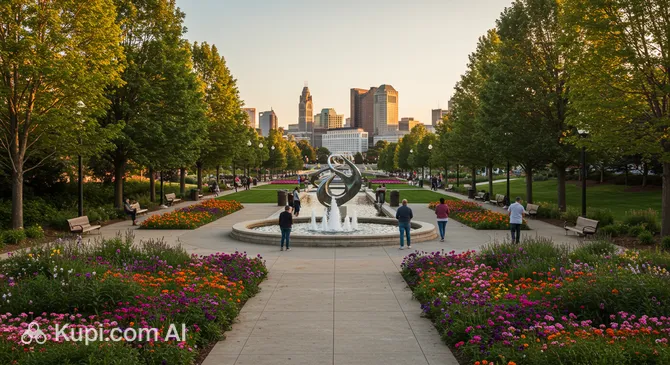
In the heart of downtown, Bicentennial Park serves as a gathering place for locals and tourists alike. It is a key component of the Scioto Mile, a lush corridor of parkland along the riverfront. The park is famous for the Scioto Mile Fountain, an architectural marvel that shoots jets of water high into the air, creating a fun splash zone for children during hot summer days. The park also hosts free outdoor concerts and festivals at its permanent performance pavilion.

Bicentennial Park. Source: Kupi.Binoculars

For a touch of history with your nature walk, head to Schiller Park in the charming German Village neighborhood. Established in the 19th century, this park is anchored by a bronze statue of the German poet Friedrich von Schiller. It is a community hub featuring floral displays, a fishing pond, and the Actors’ Theatre of Columbus, which performs open-air Shakespeare plays during the summer months.

Those willing to venture a bit further out should visit Blacklick Woods Metro Park. As the very first park in the Metro Parks system, it holds a special place in local history. It features one of the best-preserved beech-maple forests in Central Ohio and offers a variety of trails that wind through swamps and woodlands, making it an excellent spot for spotting deer and other wildlife.

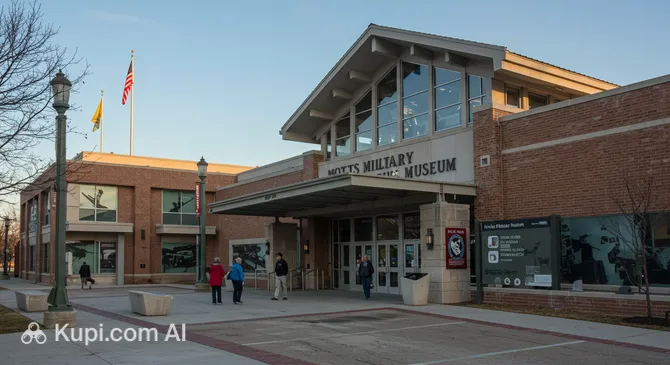
Beyond the major art and science institutions, the area offers fascinating specialized museums. History enthusiasts will find the Motts Military Museum in nearby Groveport to be a moving experience. This museum preserves the memory of America's servicemen and women through an extensive collection of personal artifacts, military vehicles, and memorabilia ranging from the Revolutionary War to modern conflicts.

Motts Military Museum. Source: Kupi.Binoculars

For family-friendly recreation, the Groveport Aquatic Center is another highlight in the area. Recognized as one of the best outdoor water parks in the region, it features towering slides, a lazy river, and zero-depth entry pools, providing a perfect way to cool off and relax after a day of sightseeing.

Getting Around

Public transport in Columbus is primarily served by a comprehensive bus network, as the city does not currently have a metro, tram, or light rail system. The Central Ohio Transit Authority (COTA) operates the bus lines that connect the downtown area with surrounding neighborhoods and suburbs. For tourists, the system is generally reliable and offers a cost-effective way to navigate the main districts, although renting a car remains a popular choice for those wishing to explore the outer edges of the city or the wider region.

For standard COTA bus routes, the payment system is modernized and user-friendly. The most convenient way to pay is through the Transit app, which not only allows you to plan your trip but also handles digital fare payments. A key benefit of using the app is fare capping; this system ensures you never pay more than the cost of a day pass (approximately $4.50) in a single day, regardless of how many rides you take. Alternatively, you can pay with cash upon boarding, but you must have the exact change as drivers cannot provide it. A standard one-way trip costs around $2.00.

Travelers are advised to keep a navigation app handy to track bus arrivals in real-time, as frequencies can vary depending on the route and time of day. Most standard lines operate from early morning until late at night, but service may be less frequent on weekends and holidays. If you are paying with cash, simply insert your money into the farebox next to the driver when you enter; if using the app, scan your mobile code at the validator near the door.

Beyond buses, the city offers several alternative ways to get around. The downtown area features a grid layout that makes it highly walkable and easy to navigate on foot. For longer distances or late-night travel, ride-sharing services like Uber and Lyft are ubiquitous and provide a quick, comfortable option for direct transfers. Additionally, the CoGo Bike Share system is widely available, with stations located throughout the central districts, and electric scooters are scattered around the sidewalks for a fun, flexible way to zip between attractions.

While Columbus is one of the largest cities in the region without a passenger rail system, its focus on road-based transit ensures that visitors can still move around efficiently. The combination of a pedestrian-friendly city center, reliable standard bus service, and readily available ride-shares covers the needs of most tourists staying in the heart of the city.

Accommodation

Where to Stay:

Finding the perfect place to stay in Columbus is relatively easy, as the city offers a wide spectrum of accommodation options to suit every preference and budget. Visitors can choose from sleek, modern high-rise hotels in the city center, charming boutique inns in historic neighborhoods, or reliable international chains scattered throughout the suburbs. Whether you are looking for a luxurious suite with skyline views or a practical room for a quick stopover, the local hospitality scene is well-equipped to welcome you.

The most popular area for tourists is undoubtedly Downtown. Staying here places you within walking distance of major attractions like the Statehouse, the Scioto Mile, and the theater district. It is the best choice for those attending events at the convention center or catching a game at the arena. Just north of downtown, the Short North Arts District offers a more trendy and boutique experience. This neighborhood is ideal for travelers who want to be immersed in the city's art scene, with immediate access to some of the best galleries, restaurants, and nightlife right outside their door.

For those interested in shopping or a quieter suburban atmosphere, the areas around Easton Town Center and Polaris are excellent alternatives. These districts function almost like mini-cities, providing upscale hotels surrounded by hundreds of retail stores and entertainment complexes. Conversely, budget-conscious travelers will find plenty of affordable motels and mid-range chain hotels near the airport and along the major interstate highways that ring the city.

A crucial tip for booking accommodation in Columbus is to check the local events calendar, specifically the Ohio State University football schedule. On weekends when the Buckeyes play a home game, the city transforms; hotel availability plummets, and prices can double or triple. If your visit coincides with a game day, it is essential to book your room months in advance. For other times of the year, booking a few weeks ahead is usually sufficient to secure a good rate.

Generally, prices in Columbus are moderate compared to coastal US cities. You can typically find comfortable mid-range accommodations for between $120 and $180 per night, while luxury options will range higher. Standard budget motels are also available for under $100. Most hotels can be easily booked through major online travel platforms or directly via their websites, which often offer the best cancellation policies.

Nearby Cities

For those looking to explore the surroundings, Columbus serves as an excellent base for day trips to several interesting nearby locations:

Just a short drive to the northwest lies Dublin, a city that proudly celebrates its Irish heritage. It is a favorite destination for visitors due to its vibrant historic downtown and the modern Bridge Park area, which features a stunning pedestrian suspension bridge over the Scioto River. Dublin is also the gateway to the world-renowned Columbus Zoo and Aquarium, making it a perfect spot for families.

Another delightful option is Westerville, located to the northeast. Known for its charming "Uptown" district, this town offers a picturesque setting filled with 19th-century architecture, unique boutiques, and cozy cafes. It provides a relaxed, small-town atmosphere that contrasts pleasantly with the bustle of the capital, ideal for a leisurely afternoon stroll and shopping.

For those interested in outdoor recreation, Grove City offers a variety of parks and adventure activities, while Upper Arlington is known for its beautiful residential streets and proximity to the university area, offering a quiet retreat just minutes from the city center.

City Population Distance (km)
Dublin 69,818 19
Grove City 41,025 12
Reynoldsburg 39,803 16
Westerville 38,960 19
Upper Arlington 36,566 8

These nearby destinations offer a glimpse into the diverse culture and landscapes of the region.

Shopping & Souvenirs

Shopping in Columbus is a diverse and exciting experience that reflects the city's status as a rising fashion and retail hub. Home to the headquarters of several major clothing brands, the city offers a blend of sophisticated style and Midwestern accessibility. Visitors can explore everything from sprawling open-air lifestyle centers and historic shopping strips to quirky independent boutiques and vibrant local markets.

For a unique, pedestrian-friendly shopping excursion, the Short North Arts District is the premier destination. This stretch of High Street is lined with one-of-a-kind boutiques, art galleries, and vintage stores, making it the perfect place to find trendy apparel, home decor, and handcrafted gifts. Just south of downtown, German Village offers a different vibe, famous for its charming brick streets and the legendary Book Loft, a bookstore boasting 32 rooms of paperbacks and hardcovers that attracts bibliophiles from around the world.

When it comes to major retail centers, Columbus boasts some of the best in the Midwest. Easton Town Center is widely regarded as the top shopping destination in the region, designed to look like a classic American town with open-air streets, fountains, and a mix of luxury brands and department stores. For those interested in retail history, the Town & Country Shopping Center is a noteworthy stop. As one of the first regional shopping centers in the United States, it continues to serve the community with a variety of specialty shops and services, maintaining its legacy in the modern era.

Town & Country Shopping Center. Source: Kupi.Binoculars

Local markets are an integral part of the city's culture, with the North Market standing out as a must-visit. Located downtown, this historic public market dates back to 1876 and is filled with independent merchants selling fresh produce, exotic spices, flowers, and artisan foods. It is an excellent spot to pick up local jams, sauces, or handcrafted goods while enjoying a quick bite from one of the many diverse food vendors.

If you are looking for the perfect souvenir, nothing says "Ohio" quite like a box of Buckeyes—delicious peanut butter fudge balls dipped in chocolate. You can find high-quality versions at local chocolatiers throughout the city. Additionally, locally made apparel celebrating Ohio pride or the Buckeyes sports teams is very popular. For art lovers, a small print or ceramic piece from a gallery in the Short North serves as a beautiful reminder of the city's creative spirit.

Opening hours for most major shopping malls are typically from 10:00 AM to 9:00 PM on weekdays and Saturdays, with shorter hours on Sundays, usually from 12:00 PM to 6:00 PM. Independent boutiques and smaller shops in districts like German Village may have more limited hours and might close earlier in the evening or be closed on Mondays. Credit and debit cards are universally accepted, and contactless payments are becoming the standard in most establishments.

Tourists should be aware that the United States does not generally offer a Value Added Tax (VAT) refund system for international visitors. In Columbus, a sales tax is added to the price of most goods at the register. The rate is approximately 7.5%, so it is helpful to factor this extra cost into your budget when checking price tags.

Reached the end of the page?

That means the route is fully explored