Support

Toledo

About

Welcome to Toledo, a vibrant metropolis located at the western tip of Lake Erie in the state of Ohio. Known affectionately as the "Glass City" due to its long history of innovation in the glass industry, this destination offers a fascinating mix of industrial heritage and cultural sophistication. Situated in the United States, Toledo serves as a major port and a bustling hub of activity in the Midwest region.

The city is home to a diverse population of approximately 490,000 residents, creating a lively community atmosphere. Its location along the Maumee River and the shores of the Great Lakes provides a scenic backdrop for visitors. Those interested in how this area transformed from a collection of small settlements into a manufacturing powerhouse can delve into the rich history of Toledo, which is evident in its historic architecture and revitalized neighborhoods.
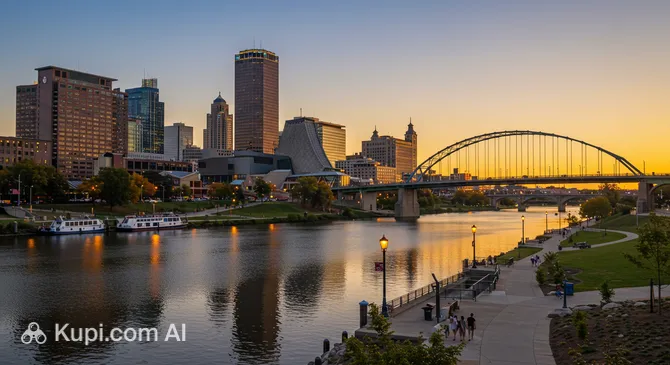
Toledo. Source: Kupi.Binoculars

Toledo boasts several world-class attractions that draw tourists from near and far. The Toledo Museum of Art is a cultural jewel, renowned internationally for its extensive collection and the stunning Glass Pavilion. For families and wildlife enthusiasts, the Toledo Zoo & Aquarium offers an incredible experience with its diverse exhibits and conservation efforts. Additionally, the waterfront area invites guests to explore the National Museum of the Great Lakes, celebrating the maritime spirit of the region.

Whether you are seeking artistic inspiration, outdoor adventures, or a deep dive into American industrial roots, Toledo provides a welcoming and memorable experience. We invite you to explore the parks, enjoy the local cuisine, and discover the unique charm that makes this Ohio city a wonderful place to visit.
Weather Overview

Toledo experiences four distinct seasons, offering a varied climate that changes significantly throughout the year. The city enjoys warm and pleasant summers, with July being the warmest month, featuring an average temperature of 23.9°C and highs reaching up to 28.3°C. Conversely, winters can be quite cold, particularly in January, when the average temperature drops to -1.8°C and lows frequently reach -5.0°C.

Travelers planning their visit should note that precipitation is a regular occurrence, with the number of wet days ranging from 9 to 14 days per month across the year. To help you decide what to pack, it is helpful to review the current weather in Toledo before your trip. Spring and autumn provide milder transitional weather; for example, May offers a comfortable average of 16.8°C, while October sees cooler temperatures averaging around 13.6°C.

Overall, you can expect warm summers with occasional rain and cold winters that require warm clothing. Whether you prefer the heat of June or the crisp air of November, the city's climate supports a wide range of seasonal activities.

Interesting Facts

Beyond the main attractions, Toledo holds many fascinating secrets and historical quirks that often surprise visitors. From its unique role in pop culture to pivotal moments in American geography, the city offers plenty of intriguing stories for the curious traveler.

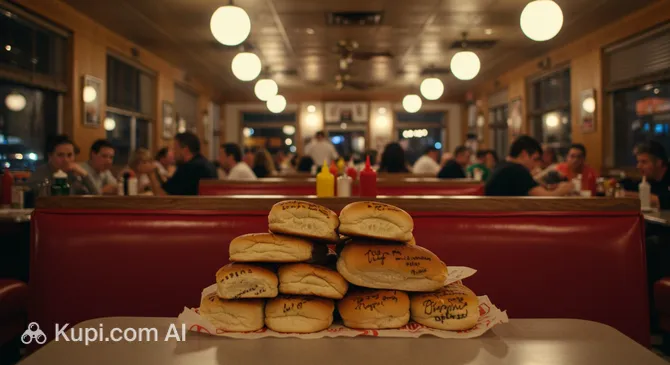
Tony Packo's Restaurant. Source: Kupi.Binoculars
  • The city was once the center of a boundary dispute between Ohio and the Michigan Territory known as the "Toledo War." While Ohio ultimately retained jurisdiction over Toledo, Michigan was granted the Upper Peninsula as a consolation prize, a trade that significantly shaped the geography of the Midwest.

  • Tony Packo's Restaurant gained international fame thanks to the hit TV series M*A*S*H. The character Corporal Klinger, played by Toledo native Jamie Farr, frequently mentioned the eatery's Hungarian hot dogs, starting a tradition where celebrities sign foam hot dog buns that are proudly displayed on the restaurant's walls.

  • Toledo is often credited with starting the sister-city movement. In 1931, it signed a twinning agreement with Toledo, Spain, marking the first such formal relationship between a city in North America and a city in Europe, paving the way for international cultural exchanges.

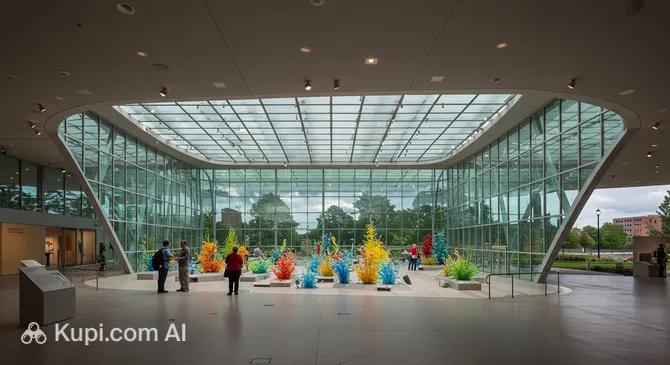
  • True to its nickname, the "Glass City," the Glass Pavilion is an architectural marvel featuring exterior and interior walls made entirely of curved glass. It was designed to house the museum's extensive glass collection and allows visitors to see through the building to the surrounding trees, blending art with nature.

How to Get There

Planning a trip to this Ohio city is quite convenient, as it is well-connected to major transportation hubs in the region. Whether you are flying in from abroad or traveling domestically, you have several choices for your arrival. For a comprehensive guide on all available routes and transport modes, you can read more about how to get to Toledo.

The most significant gateway for many travelers is the Detroit Metropolitan Wayne County Airport (DTW). Although this major international airport is located in the city of Detroit, it is situated approximately 65.1 km from Toledo. It handles a large volume of passenger traffic, offering extensive flight connections. The journey from the airport to Toledo is relatively quick, typically taking around 45 to 60 minutes by car or shuttle, making it a very popular choice for visitors.

For those preferring a closer landing point, the Toledo Express Airport (TOL) is located directly in Toledo, just 23.3 km from the city center. While it serves a smaller number of passengers compared to the Detroit hub, it offers a much quicker commute into town, taking approximately 20 to 30 minutes by taxi or car. Another viable option is the Cleveland Hopkins International Airport (CLE) in Cleveland. Situated about 143.4 km away, it is a significant regional hub, though the ground transfer will take longer.

For clarity, here is a summary of the main airports:

Airport Name City Passenger Traffic Km from City
Detroit Metropolitan Wayne County Airport Detroit Large 65.1
Cleveland Hopkins International Airport Cleveland Large 143.4
Bishop International Airport Flint Medium 146.8
Windsor International Airport Windsor Small 83.6
Toledo Express Airport Toledo Small 23.3

Travelers considering rail transport can utilize the city's direct Amtrak service. Trains arrive at the historic Martin Luther King, Jr. Plaza, which is centrally located and served by major lines such as the Lake Shore Limited and the Capitol Limited. This provides a convenient and scenic way to reach the city without the need for a car. While there are other railway stations in the broader region, such as those in Windsor or Sarnia, these are located across the Canadian border and are generally not practical for domestic travel to Toledo due to customs and border crossing requirements.

Below is a summary of the nearby railway stations mentioned in regional data:

Station City Passenger Traffic Km to Center
Sarnia Railway Station Sarnia Small 173.1
London Railway Station London 239.6
Windsor Railway Station Windsor 86.6

Main Attractions

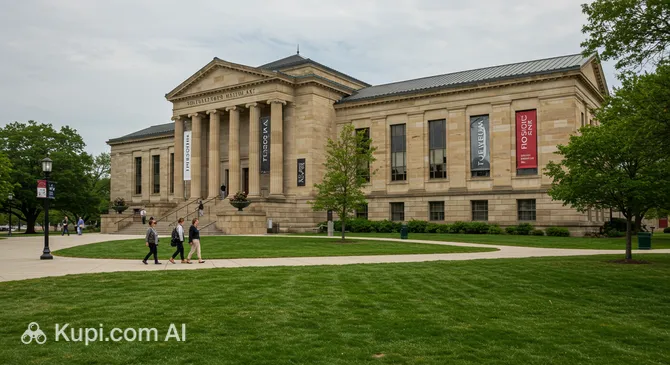
Toledo offers a diverse array of sites that cater to art lovers, history buffs, and families alike. One of the city's premier cultural institutions is the Toledo Museum of Art. Located in the Old West End neighborhood, this world-renowned museum houses a vast collection of more than 30,000 works, ranging from ancient artifacts to contemporary masterpieces. Visitors are particularly drawn to its extensive glass art collection, which honors the city's industrial heritage. The museum is not only famous for its exhibits but also for its stunning architecture and beautiful campus, making it a must-visit destination that is free to the public.

Toledo Museum of Art. Source: Kupi.Binoculars

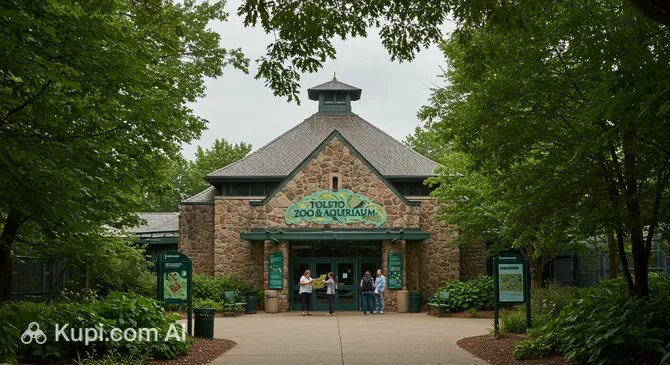
For those seeking an encounter with wildlife, the Toledo Zoo & Aquarium is consistently ranked among the top zoos in the United States. Spanning over 50 acres, it is home to over 10,000 animals representing more than 720 species. The zoo is unique for its historic WPA-era buildings, which add a charming architectural element to the animal exhibits. Tourists love the "Arctic Encounter," where they can watch polar bears and seals swim, as well as the impressive aquarium. It is a fantastic spot for a full day of exploration and education.

Toledo Zoo & Aquarium. Source: Kupi.Binoculars

Situated on the banks of the Maumee River, the National Museum of the Great Lakes offers a deep dive into the maritime history of the region. This attraction tells the fascinating stories of the Great Lakes through hundreds of artifacts, interactive displays, and tales of shipwrecks and survival. A highlight for many visitors is the Col. James M. Schoonmaker Museum Ship, a massive lake freighter docked right outside, which allows guests to step aboard and experience life on the water firsthand.

Another vibrant destination on the riverfront is Imagination Station, a hands-on science center dedicated to inspiring curiosity in visitors of all ages. With hundreds of interactive exhibits, it covers topics ranging from engineering and perception to energy and water. It is particularly popular for the High Wire Cycle, where brave guests can ride a bicycle across a cable suspended above the ground. This dynamic space provides a fun and educational environment that encourages learning through play.

Local Cuisine

The culinary landscape of Toledo is a delightful reflection of its diverse ethnic heritage and its prime location on the shores of Lake Erie. The city offers a hearty and unpretentious dining scene where classic American comfort food meets Central European traditions. Visitors will find a culture that values generous portions, historic family-owned establishments, and fresh local ingredients, making it a rewarding destination for food lovers.

One of the most iconic dishes you must try is the Hungarian hot dog, a local legend famously served at Tony Packo's Restaurant. Unlike a standard hot dog, this signature item features a split sausage topped with a savory, spicy meat chili, mustard, and onions. It is a culinary symbol of the city, often accompanied by other Hungarian favorites like stuffed cabbage and chicken paprikash, showcasing the deep roots of the local Eastern European community.

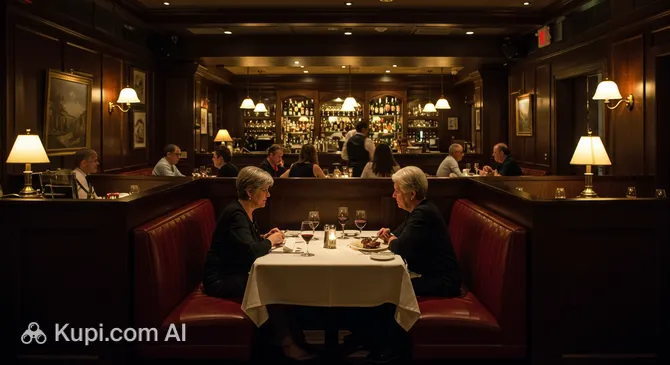
Given the city's proximity to the Great Lakes, fresh freshwater fish is another staple of the local diet. Lake Erie walleye and yellow perch are widely available, typically served lightly breaded and fried to perfection. These fish dinners are a Friday night tradition for many locals but can be enjoyed throughout the week at casual taverns and upscale eateries alike. For those seeking a premier dining experience, Mancy's Steakhouse is a historic institution known for its dry-aged steaks and classic supper club atmosphere.

Mancy's Steakhouse. Source: Kupi.Binoculars

The beverage scene in Toledo is equally inviting, with a growing number of craft breweries and welcoming neighborhood bars. The city has a strong brewing history, and today you can sample a variety of locally produced ales and lagers. For a relaxed drink, Danny's Cafe offers a friendly, casual environment that is popular with residents. Alternatively, Georgjz419 Food, Fun & Spirits provides a vibrant setting for cocktails and socializing, adding to the city's diverse nightlife options.

Overall, the food culture here is characterized by its warmth and accessibility. Whether you are exploring the stalls at the local farmers' market or enjoying a meal with a view of the Maumee River, you will find that dining in this Ohio city is about more than just sustenance; it is about community and tradition. From the famous chili dogs to the freshest catch of the day, the flavors of the city leave a lasting impression.

Travel Tips

To ensure your visit to the "Glass City" is smooth and enjoyable, we have compiled a list of essential travel advice. These practical tips will help you navigate local customs, logistics, and the distinct seasonal changes of this welcoming Ohio destination.

  1. Clothing and Gear: Since Toledo experiences four distinct seasons, packing layers is the best strategy. In winter, heavy coats, gloves, and waterproof boots are essential due to freezing temperatures and snow. Summers can be hot and humid, so breathable fabrics are recommended. Bring comfortable walking shoes if you plan to explore the extensive grounds of the Toledo Zoo or the riverfront parks.
  2. Transportation: While the city has a public bus system known as TARTA (Toledo Area Regional Transit Authority), it is generally more convenient for tourists to rent a car. The city is spread out, and having a vehicle allows for greater flexibility when visiting attractions. Ride-sharing apps like Uber and Lyft are also widely available and reliable for getting around downtown and nearby neighborhoods.
  3. Finances: The local currency is the United States Dollar (USD). Credit and debit cards are accepted almost everywhere, from museums to small cafes. However, it is wise to carry some cash for small purchases or tips. ATMs are plentiful throughout the city. Tipping is standard practice in the U.S.; expect to leave 15-20% of the bill at restaurants and bars.
  4. Health and Safety: Toledo is generally a safe city for visitors, but standard precautions should be taken, especially at night. Stick to well-lit, populated areas in the downtown district and lock your car doors. For minor health issues, pharmacy chains like CVS and Walgreens are easy to find, with some locations open 24 hours. In case of a serious emergency, dial 911 for immediate assistance.
  5. Communication: English is the primary language spoken. The local accent is typically neutral and easy to understand. Free Wi-Fi is commonly available in hotels, coffee shops, and public buildings like the library. If you need a SIM card, you can easily purchase one at major mobile provider stores or large retailers upon arrival.
  6. Local Etiquette: The region is known for its "Midwestern nice" attitude. It is polite to smile and return greetings such as "How are you?" from shopkeepers or strangers. People are generally friendly and helpful, so do not hesitate to ask for directions. When entering public buildings, holding the door for the person behind you is a common gesture of courtesy.
  7. What to Avoid: Avoid assuming that you can walk between all major attractions. While the downtown area is walkable, many popular sites like the Toledo Botanical Garden or the Zoo require a drive. Also, try not to bring up the intense sports rivalry between Ohio State and the University of Michigan unless you are ready for a spirited debate, as locals are very passionate about their teams!
  8. Local Insight: Take advantage of the city's commitment to the arts. Admission to the world-class Toledo Museum of Art is free of charge (though parking requires a fee). This is a rare perk for a museum of its caliber, so plan to spend a few hours there without worrying about ticket costs.

By keeping these tips in mind, you will be well-prepared to experience the best of Toledo's culture and hospitality. Whether you are marveling at glass masterpieces or enjoying a sunset by the Maumee River, a little preparation ensures a stress-free and memorable adventure.

Entertainment & Nightlife

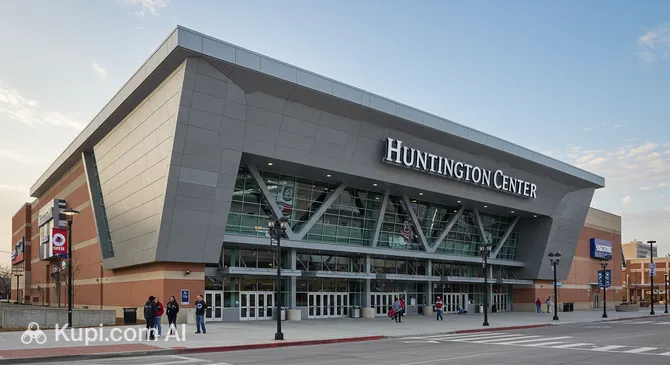
Toledo's nightlife scene has undergone a significant revitalization, transforming into a lively hub of entertainment that caters to diverse tastes. The heart of the action is undoubtedly the Warehouse District, where historic industrial buildings have been repurposed into trendy bars, gastropubs, and entertainment venues. This area is bustling with energy, especially on weekends or when local sports teams are playing. A centerpiece of this district is the Huntington Center, a premier arena that hosts major concerts, hockey games, and large-scale events throughout the year, drawing crowds from all over the region.

Huntington Center. Source: Kupi.Binoculars

For those seeking a more eclectic and artsy vibe, the UpTown District along Adams Street offers a unique alternative. This neighborhood is known for its inclusive atmosphere, colorful murals, and fun, locally-owned establishments. Here, you can find spots like Georgjz419 Food, Fun & Spirits, which is celebrated for its welcoming environment, great food, and lively spirits. The crowd in UpTown is a mix of students, creatives, and locals looking for a relaxed yet vibrant night out.

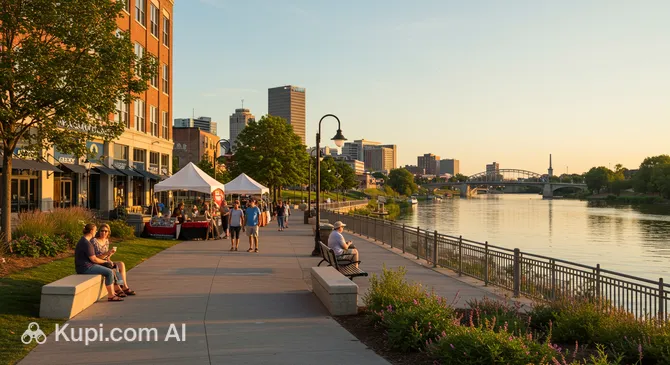
During the warmer months, the city's riverfront becomes a prime destination for evening entertainment. Promenade Park frequently hosts outdoor concerts and festivals, allowing visitors to enjoy live music with stunning views of the Maumee River and the city skyline. The atmosphere here is festive and family-friendly in the early evening, transitioning into a lively social scene as the sun sets. It is the perfect spot to experience the city's famous summer concert series.

Practical advice for enjoying a night out in Toledo includes taking advantage of the DORA (Designated Outdoor Refreshment Area) in downtown. This allows you to purchase alcoholic beverages from participating establishments and carry them in special cups while you walk around designated boundaries. The dress code is generally casual to smart-casual; you will feel comfortable in jeans and a nice top in almost all venues. Prices are reasonable compared to larger cities, with beers and cocktails often costing significantly less than national averages.

Regarding safety and transport, the main entertainment districts like the Warehouse District and UpTown are generally safe for walking, especially when events are taking place. However, as with any city, it is advisable to stay in well-lit areas and avoid walking alone late at night on deserted streets. Rideshare services like Uber and Lyft are readily available and are the recommended way to move between districts or return to your accommodation safely.

While the nights are exciting, the city also offers plenty of daytime entertainment options. Before the sun goes down, visitors can catch a matinee at the historic Valentine Theatre, explore the interactive exhibits at the science center, or spend the day at the renowned zoo. These cultural staples provide a perfect balance to the city's energetic nightlife.

Parks & Museums

Beyond its industrial roots, the city offers an impressive array of green spaces and cultural institutions that celebrate both nature and the arts. From historic landscapes designed for community recreation to world-class galleries showcasing fragile masterpieces, visitors will find plenty of opportunities to relax and explore the city's rich heritage.

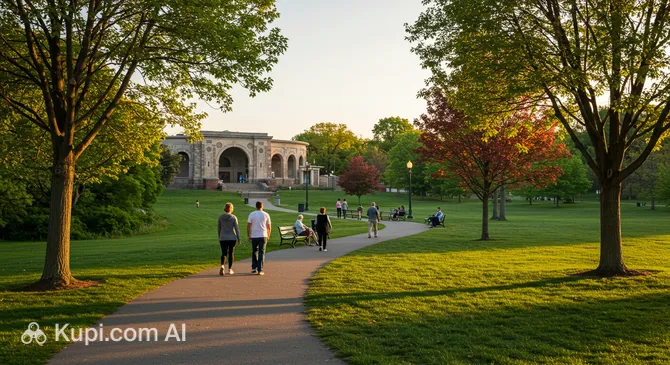
One of the most beloved outdoor destinations is Ottawa Park. As the largest and oldest park in the city, it serves as a central hub for recreation throughout the seasons. Visitors can enjoy a historic open-air amphitheater that hosts summer concerts, miles of paved trails for walking and biking, and a popular golf course. In the winter, the park transforms into a snowy playground with an outdoor ice rink and a favorite local sledding hill, making it a year-round attraction for families and outdoor enthusiasts.

Ottawa Park. Source: Kupi.Binoculars

For those seeking scenic views of the skyline, International Park is a must-visit location situated directly across the Maumee River from downtown. This expansive green space is perfect for a leisurely afternoon picnic or a riverside stroll. It is also a hub for community events and festivals, particularly during the warmer months. The park features a rowing venue and offers excellent vantage points for watching boats glide along the water, providing a peaceful escape just minutes from the urban core.

International Park. Source: Kupi.Binoculars

In the realm of culture, the Glass Pavilion stands out as an architectural and artistic marvel. Located across from the main art museum, this structure is renowned for its walls made entirely of curved glass, blurring the boundaries between the interior exhibits and the surrounding outdoors. Inside, visitors can marvel at a world-famous collection of glass art ranging from ancient times to the modern era. The venue also hosts live glass-blowing demonstrations, allowing guests to witness the fiery process of creating these delicate works of art firsthand.

Glass Pavilion. Source: Kupi.Binoculars

Another intriguing spot that blends nature with history is Navarre Park in East Toledo. While it offers standard amenities like walking paths and sports facilities, it is historically significant for housing the Navarre Cabin. This restored log structure dates back to the 19th century and offers a glimpse into the life of Peter Navarre, a famous local scout and pioneer. It provides a quiet, educational stop for those interested in the early frontier days of the region.

For a truly local experience, consider exploring the Metroparks Toledo system, which is widely praised by residents. While not all are located in the city center, parks like the Wildwood Preserve offer extensive trails and the historic Manor House. These well-maintained areas highlight the natural beauty of the Oak Openings region and are perfect for hiking, birdwatching, and escaping the hustle and bustle of city life.

Getting Around

The public transport system in Toledo is primarily served by a bus network operated by the Toledo Area Regional Transit Authority, commonly known as TARTA. Unlike larger metropolises, the city does not have a subway, tram, or light rail system. Instead, it relies on a fleet of buses that connect the downtown area with major neighborhoods, suburbs, and shopping districts. The system is designed to be functional and straightforward, with most major routes converging at the TARTA Transit Hub located in the heart of the downtown district.

For visitors exploring areas that are not easily reached by the fixed-line bus routes, the authority offers a service called TARTA Flex. This is an on-demand micro-transit service that operates somewhat like a ride-sharing app but at a public transit price point. It is particularly useful for reaching suburban destinations or connecting to the main bus lines from outlying areas. Travelers can book a ride within a designated zone, making it a flexible option for navigating the wider region.

Paying for fares is modernized and convenient. The most recommended method for tourists is the EZfare mobile app, which allows you to purchase tickets and passes directly on your smartphone without the need for physical cash or paper cards. Options typically include single-ride tickets, day passes, and weekly passes, which offer great value for those staying for several days. If you prefer to pay with cash, you can do so upon boarding the bus, but it is essential to have the exact change ready, as drivers cannot provide change.

When planning your travel, it is important to note that public transport in the city does not operate 24 hours a day. Most bus routes run from early morning until late evening, with reduced frequency on weekends and holidays. To avoid long waits, tourists are advised to check the latest schedules and track buses in real-time using popular navigation apps like Google Maps or the Transit app. Additionally, always validate your mobile ticket just before boarding to show the driver.

Given that the city is relatively spread out, many visitors find that combining public transit with other options is the most efficient way to get around. Ride-sharing services like Uber and Lyft are widely available and offer a quick alternative for direct travel, especially late at night. Traditional taxi services can also be called, though they are less likely to be hailed on the street. During the warmer months, you may also find electric scooters and bikes available for rent in the downtown area and near the university, offering a fun and breezy way to cover short distances.

Accommodation

Finding the perfect place to stay in Toledo is easy, thanks to a wide range of accommodation options that cater to every type of traveler. Whether you are looking for a luxurious riverfront hotel with skyline views, a convenient suite near the university, or a budget-friendly motel along the highway, the city offers plenty of choices. The accommodation landscape here is defined by its accessibility and Midwestern hospitality, ensuring a comfortable visit regardless of your itinerary.

For those who want to be in the center of the action, the Downtown district is the premier choice. Staying here places you within walking distance of the city's top entertainment venues and dining spots. Hotels in this area often offer scenic views of the Maumee River and provide easy access to the Huntington Center and the baseball stadium. This neighborhood is perfect for visitors attending concerts or sports games, as well as those who want to explore the vibrant nightlife along the riverfront.

Imagination Station. Source: Kupi.Binoculars

If you prefer a quieter atmosphere or are traveling with family, the areas surrounding the University of Toledo and the Old West End are excellent alternatives. These neighborhoods offer a mix of trusted hotel chains and charming bed-and-breakfasts set in historic homes. Staying in this part of the city keeps you close to major cultural attractions like the Toledo Museum of Art and the expansive Ottawa Park, while still being just a short drive from the downtown core.

Another popular option is to look for accommodations in the southern part of the city, near the Toledo Zoo & Aquarium. This area is convenient for families planning to spend the day exploring the wildlife exhibits. Additionally, visitors interested in maritime history might enjoy staying near the Marina District, which offers proximity to the National Museum of the Great Lakes and beautiful parks along the water's edge.

Promenade Park. Source: Kupi.Binoculars

When planning your trip, it is advisable to book your room in advance, especially during the summer months or when major events are taking place downtown. While Toledo generally offers affordable rates compared to larger cities, prices can rise during peak tourist seasons. Many hotels offer complimentary parking and Wi-Fi, adding extra value to your stay in the "Glass City."

Nearby Cities

For those looking to explore the surroundings, Toledo serves as an excellent base for day trips to several interesting nearby locations:

One of the most popular nearby destinations is Ann Arbor, Michigan. Known globally as the home of the University of Michigan, this vibrant city offers a rich cultural scene featuring world-class museums, independent bookstores, and a lively downtown filled with diverse restaurants and cafes. It is an ideal spot for visitors seeking a mix of academic energy, arts, and beautiful green spaces like the Matthaei Botanical Gardens.

Just a short drive north is Monroe, a city steeped in history and located along the shores of Lake Erie. It is famous for the River Raisin National Battlefield Park, which preserves the site of one of the largest battles of the War of 1812. Nature lovers will also appreciate Sterling State Park, the only state park on Lake Erie in Michigan, which offers excellent opportunities for hiking, fishing, and boating.

To the south lies Findlay, often referred to as "Flag City, USA." This charming community boasts a historic downtown area lined with well-preserved Victorian architecture and unique local shops. It provides a more relaxed pace compared to the larger cities, making it a pleasant destination for a leisurely afternoon of exploration and dining.

City Population Distance (km)
Ann Arbor 327,814 72
Monroe 117,197 32
Riverview 98,928 65
Taylor 63,071 69
Findlay 40,323 69

These nearby destinations offer a glimpse into the diverse culture and landscapes of the region.

Shopping & Souvenirs

Shopping in Toledo offers a pleasant mix of modern convenience and local charm. While the city is not primarily known as a high-end fashion capital, it provides a variety of retail experiences ranging from large shopping centers to unique independent boutiques. Visitors can find everything from standard American brands to distinctive local crafts, with a particular emphasis on the city's artistic heritage.

The primary destination for retail therapy is the Monroe Street corridor, which serves as the commercial backbone of the area. Here, travelers will find the city's largest enclosed shopping center, Franklin Park Mall. This extensive complex features over 150 stores, including major department stores, popular clothing chains, and a cinema, making it a one-stop shop for fashion and entertainment. For those who prefer an open-air atmosphere, the nearby lifestyle centers offer a more relaxed environment with walkable storefronts and dining options.

For a more authentic taste of local life, the Toledo Farmers' Market in the Warehouse District is a must-visit. Operating year-round (though most vibrant on Saturdays from May to November), this historic market showcases the best of the region's agriculture and creativity. Tourists can browse stalls filled with fresh produce, baked goods, handmade jewelry, and artisanal crafts. It is an excellent place to mingle with residents and discover goods that you won't find in big-box stores.

When it comes to souvenirs, the "Glass City" lives up to its name. Beautiful glass art and ornaments are the quintessential keepsakes from a trip here. The gift shop at the Toledo Museum of Art is renowned for its selection of exquisite glass works, books, and creative gifts. Another iconic local purchase is a jar of pickles or the famous chili sauce from Tony Packo's Restaurant. These culinary staples are beloved by locals and make for tasty gifts to bring home. Additionally, sports fans often pick up merchandise representing the Toledo Mud Hens, the city's famous minor league baseball team.

Most shops in the city follow standard American business hours. Major malls and department stores are typically open from 10:00 AM to 9:00 PM on weekdays and Saturdays, with shorter hours on Sundays, usually closing around 6:00 PM. Independent boutiques and the farmers' market will have more varied schedules, so it is wise to check ahead. Credit and debit cards are universally accepted, and contactless payment methods are becoming increasingly common.

Travelers should be aware that the United States does not generally offer a Value Added Tax (VAT) refund system for international tourists. Purchases in Ohio are subject to a state and local sales tax, which is added at the register. The tax rate in the county is approximately 7.75%, so visitors should expect the final price at the checkout to be slightly higher than the price tag on the shelf.

Reached the end of the page?

That means the route is fully explored