Support

Muskegon

About

Muskegon is a vibrant coastal city located along the eastern shore of Lake Michigan, offering a perfect blend of natural beauty, recreational opportunities, and cultural heritage. Often referred to as the "Riviera of the Midwest," this charming destination in the state of Michigan attracts visitors with its pristine beaches, historic ships, and lively festivals. Whether you are seeking a relaxing beach getaway or an action-packed outdoor adventure, Muskegon provides a welcoming atmosphere for travelers of all ages.
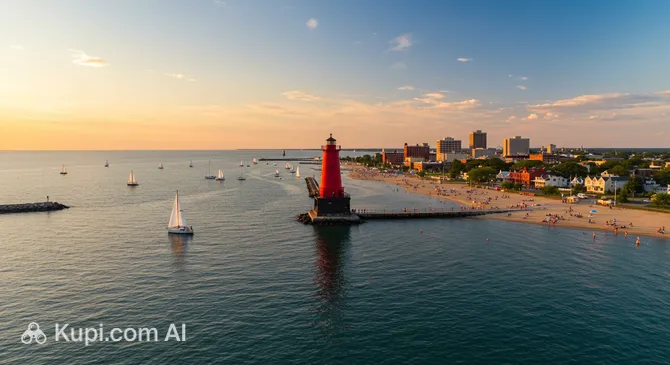
Muskegon. Source: Kupi.Binoculars

Geographically, the city is defined by its stunning waterfronts, including the expansive Muskegon Lake and the vast Lake Michigan shoreline. As a prominent destination in the United States, it boasts over 26 miles of beaches and dunes. The climate is typical of the region, with warm, pleasant summers that are perfect for water sports, and snowy winters that transform the landscape into a hub for winter sports enthusiasts like luge and cross-country skiing.

The city has deep roots in industry and maritime culture. Visitors can delve into the fascinating history of Muskegon, which was once known as the "Lumber Queen of the World" during the late 19th century. This rich heritage is preserved in its historic downtown architecture and its museums, offering a glimpse into the era when the city played a pivotal role in the nation's timber trade.

Among the top attractions, Pere Marquette Park stands out with its nationally recognized white sand beach, ideal for sunbathing and watching breathtaking sunsets. History buffs should not miss the USS Silversides Submarine Museum, where a World War II submarine is docked and open for tours. Additionally, the city serves as a gateway to Michigan's Adventure, the state's largest amusement and water park, making it a fantastic spot for family fun.

With its unique combination of maritime history, artistic flair, and abundant natural resources, Muskegon is a destination that truly has something for everyone. We invite you to explore its scenic trails, enjoy fresh local cuisine, and experience the warm hospitality that makes this lakeside city a memorable stop on any itinerary.

Weather Overview

Muskegon experiences a classic four-season climate that is significantly influenced by its location on the shores of Lake Michigan. The lake effect often moderates temperature extremes, yet visitors can still expect distinct seasonal changes throughout the year. To help plan your outdoor activities and packing list, it is helpful to review the detailed weather in Muskegon before your arrival.

The summer months constitute the warmest period, inviting travelers to enjoy the city's beaches and parks. From June to August, average temperatures typically range from 18.7°C to 22.1°C, with July being the hottest month, seeing maximums around 25.1°C. While this season is generally sunny and inviting, rain is still possible, with about 10 to 11 wet days expected each month.

In contrast, winters are cold and often snowy, creating a suitable environment for winter sports. January is usually the coldest month, with average temperatures dropping to -2.2°C and minimums reaching -4.4°C. Precipitation is frequent during the colder season, with January recording up to 15 wet days. Spring and autumn offer milder transitional weather; for instance, May sees comfortable averages of 13.3°C, while October brings crisp air with averages around 12.3°C.

Interesting Facts

Beyond the main attractions, Muskegon holds many fascinating secrets and historical footnotes that surprise even frequent visitors. From inventions that changed winter sports to unique Hollywood connections, the city's backstory is incredibly rich.

USS LST 393 Veterans Museum. Source: Kupi.Binoculars
  • Muskegon is widely recognized as the birthplace of the snowboard. On Christmas Day in 1965, local resident Sherman Poppen fastened two skis together for his daughters, inventing the "Snurfer"—a precursor to the modern snowboard that launched a global phenomenon.

  • The city has a unique connection to silent film history, specifically to the legendary Buster Keaton. The Bluffton neighborhood was once a thriving actors' colony where Keaton and his family spent their summers, and it is said that the "Great Stone Face" developed some of his early acrobatic skills on the local dunes.

  • Maritime enthusiasts will find a rare treasure in the USS LST 393 Veterans Museum. This vessel is historically significant as one of only two Landing Ship, Tank vessels from World War II that still survive in the United States, offering a tangible link to the past.

  • During the late 19th-century lumber boom, Muskegon reportedly boasted more millionaires per capita than any other town in America. This immense wealth left a legacy of impressive architecture and public spaces, such as Hackley Park, which features renowned sculptures and a layout gifted to the city by lumber barons.

  • Despite its modest size, the city punches above its weight in the art world. The Muskegon Museum of Art is frequently cited as having one of the finest art collections in the Midwest, a testament to the city's enduring cultural patronage.

How to Get There

Reaching Muskegon is a straightforward process, thanks to its proximity to several major transportation hubs in the region. Whether you are arriving by air or land, you have multiple options to suit your itinerary. You can find more detailed information about all ways to reach the city on our dedicated page. While the city itself offers a welcoming atmosphere, most long-distance travelers arrive via airports and stations located in neighboring cities.

The most convenient gateway for many visitors is the Gerald R. Ford International Airport (GRR), located in the city of Grand Rapids. The city of Muskegon does not have its own major international airport, but you can fly into this well-connected hub, which is about 70.3 km from Muskegon. From there, a taxi or rental car ride typically takes approximately 1 hour via the highway. This airport handles a significant volume of passengers, making it a reliable choice for domestic and some international connections. You can easily access Gerald R. Ford International Airport and then proceed to the coast.

Another option is the General Mitchell International Airport (MKE) in Milwaukee. Although it is situated about 138 km away across Lake Michigan, it serves as a major entry point for the region. Travelers choosing General Mitchell International Airport should be aware that the distance involves travel around the lake or a ferry crossing, which can affect travel time. For those looking for alternatives, the South Bend Regional Airport in South Bend is another possibility, located approximately 170.4 km away.

For clarity, here is a summary of the main airports:

Airport Name City Passenger Traffic Km from City
General Mitchell International AirportMilwaukeeLarge138.0
Gerald R. Ford International AirportGrand RapidsLarge70.3
South Bend Regional AirportSouth BendMedium170.4
Capital Region International AirportLansingSmall144.6
Kalamazoo Battle Creek International AirportKalamazooSmall124.8

For those preferring rail travel, the city of Muskegon does not have a railway station, but you can arrive at the Chicago Union Station (ZUN) in the city of Chicago, which is about 189 km from Muskegon. As a major transportation hub with very high passenger traffic, it offers extensive connections. From Chicago, you can continue your journey by bus or rental car, which generally takes about 3 to 4 hours depending on traffic conditions.

Below is the information regarding the nearest railway stations:

Station City Passenger Traffic Km to Center
Chicago Union StationChicagoVery High189.0
Windsor Railway StationWindsor283.6

Main Attractions

Muskegon offers a delightful array of attractions that celebrate its artistic soul, maritime legacy, and unique local character. Visitors will find that the city preserves its history with pride while offering engaging spaces for culture and leisure.

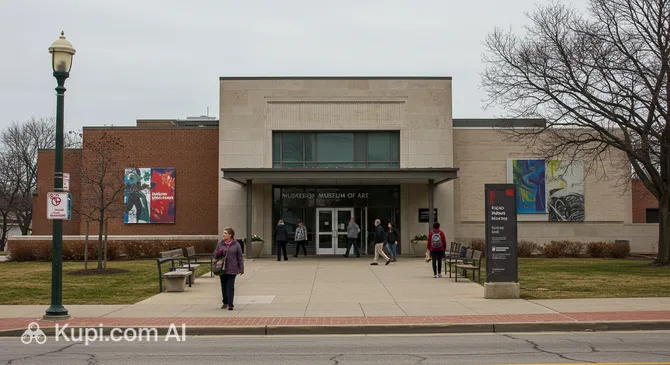
One of the city's premier cultural institutions is the Muskegon Museum of Art. Renowned throughout the Midwest, this museum boasts an impressive collection of American and European art, including works by Hopper and Whistler. It is a must-visit for art lovers, offering rotating exhibitions and a permanent collection that punches well above the weight of a typical city museum.

Muskegon Museum of Art. Source: Kupi.Binoculars

For those interested in military and maritime history, the USS LST 393 Veterans Museum provides an unforgettable experience. As one of only two surviving LSTs (Landing Ship, Tank) from World War II in the country, it allows guests to walk the decks where history was made. The museum inside the ship features thousands of artifacts and tributes to veterans, making it a poignant and educational stop.

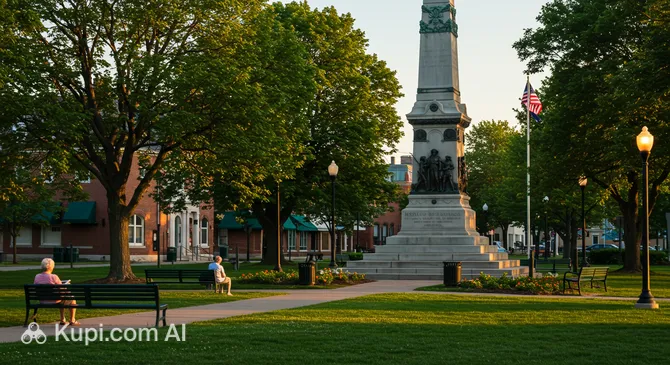
In the heart of the downtown area lies Hackley Park, a beautiful green space that serves as a tribute to the city's lumbering past. The park is famous for its intricate statues, including a Civil War monument, and its unique layout which was a gift from lumber baron Charles H. Hackley. It is a perfect spot for a relaxing stroll and often serves as the center for local festivals and events.

Hackley Park. Source: Kupi.Binoculars

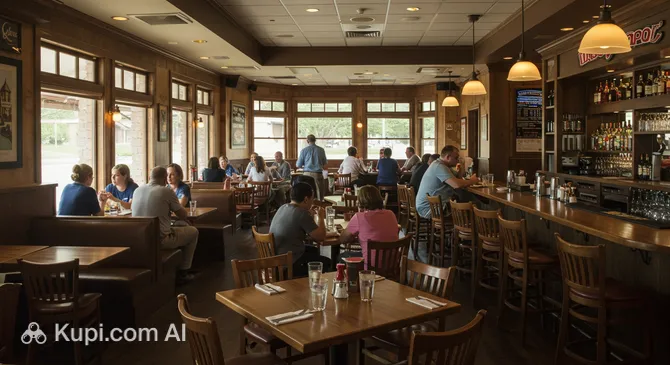
When it comes to local flavor, The Station Grill offers a dining experience steeped in nostalgia. Housed in a converted 1940s service station, this restaurant is a favorite among locals and tourists alike for its classic American fare and retro atmosphere. It is a fun place to grab a burger and soak in the 20th-century vibes after a day of sightseeing.

The Station Grill. Source: Kupi.Binoculars

Local Cuisine

Muskegon's culinary scene is deeply influenced by its location on the shores of Lake Michigan, offering a delightful mix of fresh coastal flavors and hearty American comfort food. The most iconic dish to try here is undoubtedly the fresh lake perch or whitefish. Often caught locally, these fish are typically served lightly breaded and fried or broiled, appearing on the menus of both casual taverns and upscale waterfront restaurants. It is a simple yet essential taste of the Great Lakes that defines the region's palate.

For those seeking classic American fare, the city has a strong reputation for excellent burgers and casual dining. A standout spot for this is Hamburger Mikey, a beloved local establishment known for its no-nonsense approach to grilling. Their menu focuses on fresh, never-frozen beef and a variety of toppings, making it a perfect example of the city's unpretentious and satisfying food culture. Whether you grab a quick takeout bag or sit down for a meal, you will find that locals take great pride in these community staples.

Hamburger Mikey. Source: Kupi.Binoculars

When it comes to drinks, Muskegon is a proud participant in West Michigan's booming craft beer revolution. The downtown area and revitalized industrial districts are home to several independent breweries where visitors can sample a wide range of locally brewed ales, stouts, and IPAs. If beer isn't your preference, the region's rich agricultural background ensures a steady supply of delicious apple ciders and wines produced from nearby vineyards, offering a sweet and crisp alternative that pairs perfectly with a summer evening.

The food culture in Muskegon is largely informal and community-oriented, with a strong emphasis on seasonal outdoor dining. During the warmer months, the Muskegon Farmers Market serves as a vibrant gathering place where tourists can taste fresh produce, baked goods, and street food from various vendors. Dining with a view is also a popular pastime; many locals and visitors flock to restaurants situated near the beaches or on the lakeshore to enjoy their meals while watching the boats drift by, blending gastronomic pleasure with scenic beauty.

Travel Tips

Visiting Muskegon is a delightful experience, but knowing a few local logistics can make your trip much smoother and more enjoyable. Here are some practical tips to help you pack the right gear and navigate this lakeside city like a pro.

  1. Clothing and Gear: In summer, pack swimwear and sandals, but bring a light jacket or hoodie as evenings by the lake can be surprisingly cool. If you visit during winter, be prepared for heavy "lake effect" snow; waterproof boots, thermal layers, and a heavy coat are non-negotiable. Comfortable walking shoes are essential year-round for exploring the dunes and paved trails.
  2. Transportation: While the Muskegon Area Transit System (MATS) provides bus services, renting a car is the most practical option for tourists who want to explore the state parks and beaches at their own pace. Ride-sharing apps like Uber and Lyft operate here, though wait times may be longer than in major metropolitan areas.
  3. Finances: The local currency is the US Dollar (USD), consistent with the rest of the United States. Credit and debit cards are widely accepted at restaurants, shops, and attractions. However, carrying some small bills is advisable for tipping and for vendors at the farmers market. ATMs are plentiful throughout the city.
  4. Health and Safety: Muskegon is generally safe, but standard travel precautions regarding valuables apply. For minor health issues, national pharmacy chains are easily accessible. Important Safety Note: When swimming in Lake Michigan, always observe the flag warning system at the beaches; rip currents can be dangerous, so never swim if red flags are flying.
  5. Communication: English is the primary language spoken, and locals are generally helpful if you need directions. Free Wi-Fi is standard in most hotels, coffee shops, and public libraries. If you require a SIM card, stores for major carriers like AT&T, T-Mobile, and Verizon are located in the main shopping districts.
  6. Local Etiquette: The culture here is defined by "Midwestern friendliness." It is polite to smile or say hello to strangers you pass on the street or hiking trails. Dress codes are largely casual, even for dinner, emphasizing comfort and practicality over formality.
  7. What to Avoid: Do not walk on the dune grass when visiting the beaches. These plants are critical for preventing erosion, and trampling them is considered disrespectful and environmentally damaging. Also, avoid parking in unauthorized areas near the beach during peak summer weekends, as fines can be steep.
  8. Additional Tip: If you are visiting in the summer, look out for the seasonal trolley service. It offers a charming and affordable way to shuttle between downtown cultural sites and the beach parks, saving you the hassle of finding parking during busy times.

By keeping these practicalities in mind, you will be well-prepared to relax and enjoy everything this coastal gem has to offer. Pack your bags, respect the beautiful natural surroundings, and get ready for a memorable adventure on the shores of Lake Michigan.

Entertainment & Nightlife

Entertainment and nightlife in Muskegon reflect the city's laid-back and welcoming character. Rather than high-energy nightclubs with strict velvet ropes, the evening scene here is defined by vibrant craft breweries, cozy taprooms, and live music venues that encourage socializing. The atmosphere is generally casual and friendly, making it easy for visitors to mingle with locals. The action tends to pick up around happy hour and continues late into the evening, particularly on weekends and during the warm summer months when outdoor patios are bustling.

The heart of the nightlife is undoubtedly located in downtown Muskegon, specifically along Western Avenue. This revitalized corridor is home to the city's designated "Social District," an area where patrons can purchase alcoholic beverages from participating establishments and enjoy them while strolling through designated common areas. This district is walkable and lively, hosting everything from brewpubs to performance venues. For a nostalgic start to your evening, you might visit The Station Grill, which offers a fun, retro setting perfect for fueling up before exploring the nearby bars and entertainment spots.

For those seeking cultural performances, the historic Frauenthal Center on Western Avenue is a centerpiece for concerts, theater productions, and movies, often serving as a sophisticated anchor for a night out. If you prefer a more relaxed vibe, the city's breweries often feature local bands and trivia nights. The dress code throughout the city is predominantly casual; jeans and a nice top are appropriate for almost every venue, from waterfront restaurants to downtown pubs.

Regarding practicalities, most bars and entertainment venues stay open until around 2:00 AM on Fridays and Saturdays, though hours may be shorter on weekdays. Prices are generally affordable compared to larger metropolitan areas. For transportation, while downtown is walkable, getting back to hotels or rental properties usually requires a vehicle. Rideshare services like Uber and Lyft are available, though availability can vary late at night, so it is wise to plan your ride in advance or have the number of a local taxi service handy. The downtown area is well-lit and considered safe for evening walks, especially around the main drag of Western Avenue.

Before the sun goes down, Muskegon offers a wealth of daytime entertainment options that cater to diverse interests. Art enthusiasts should explore the Muskegon Museum of Art, which is celebrated for its exceptional collection and rotating exhibitions. For a deep dive into history, the USS LST 393 Veterans Museum offers a unique opportunity to tour a historic warship. Additionally, Hackley Park provides a scenic backdrop for daytime relaxation and often hosts art fairs and community events that transition seamlessly into evening festivities.

Parks & Museums

Muskegon is a city where the outdoors and cultural history are seamlessly intertwined, offering visitors a rich tapestry of green spaces and heritage sites. From the sandy shores of Lake Michigan to the polished galleries of downtown, the city provides ample opportunity to explore both nature and the arts in a relaxed, welcoming setting.

The crown jewel of the city's park system is undoubtedly Pere Marquette Park. Located directly on the shores of Lake Michigan, this expansive area is famous for its pristine, sugar-sand beach which is often ranked among the cleanest in the country. It is a haven for beachgoers, kite surfers, and those looking to walk the pier to the lighthouse. The park offers more than just swimming; its "Ovals" parking area allows for unobstructed views of the lake, making it a prime spot for watching the sunset from the comfort of your vehicle.

In the heart of the downtown district lies Hackley Park, a beautifully landscaped urban square that serves as a testament to the city's lumbering era wealth. Gifted to the city by philanthropist Charles H. Hackley, the park is renowned for its collection of impressive sculptures, including a towering Civil War monument and statues of historical figures like Lincoln and Farragut. The park's manicured lawns and shade trees make it a peaceful retreat for a midday break and a central venue for art fairs and holiday lighting ceremonies.

For those seeking a more rugged natural experience, Muskegon State Park offers a diverse landscape of sand dunes, forests, and marshland. It is unique for housing the Winter Sports Complex, where visitors can experience one of the few luge tracks in the United States accessible to the public. In warmer months, the park transforms into a hiker's paradise with miles of trails winding through the dunes and along the shoreline of both Muskegon Lake and Lake Michigan.

Art enthusiasts will find a surprising level of sophistication at the Muskegon Museum of Art. Established in 1912, this institution is widely recognized as one of the finest regional art museums in the Midwest. Its permanent collection includes significant American and European paintings, as well as a growing collection of studio glass. The museum regularly hosts rotating exhibitions that bring world-class art to the lakeshore, making it a cultural anchor for the community.

Muskegon's maritime legacy is vividly preserved at the USS LST 393 Veterans Museum. Docked on the waterfront, this Landing Ship, Tank is a floating museum that allows visitors to explore the cramped quarters and massive cargo decks used by soldiers during World War II. It stands as a powerful memorial and educational center, housing thousands of artifacts that tell the personal stories of those who served. Exploring the ship offers a tangible connection to the past that is both educational and moving.

The city's architectural heritage is best exemplified by the Hackley and Hume Historic Site. These two Victorian-era mansions, built for the city's most prominent lumber barons, feature stunning Queen Anne architecture, intricate wood carvings, and stained glass windows. Tours of these restored homes offer a glimpse into the lavish lifestyles of the late 19th century and the craftsmanship that the lumber boom funded.

For a truly local experience, rent a bike and traverse the Muskegon Lakeshore Trail. This paved path winds along the waterfront, offering scenic views of the marina and industrial history without the noise of traffic. It is a favorite among locals for evening rides and provides easy access to many of the city's best hidden picnic spots along the lake.

Getting Around

Public transportation in Muskegon is primarily managed by the Muskegon Area Transit System (MATS), which provides a reliable network for getting around the city and its immediate suburbs. The system consists mainly of fixed-route buses that connect key neighborhoods, shopping districts, and medical facilities. While the network is not as extensive as in larger metropolitan areas, it covers the essential corridors, making it a viable option for visitors staying near the downtown area or major thoroughfares.

In addition to standard buses, MATS operates an on-demand micro-transit service known as "Go2." This service functions similarly to a ride-sharing pool, allowing passengers to book trips within specific zones where fixed-route buses may not run frequently. For tourists visiting during the summer months, the city deploys a seasonal trolley service. These vintage-style vehicles are particularly popular as they connect the downtown district with the beaches at Pere Marquette Park and other lakeshore attractions, offering a scenic and convenient way to reach the water without worrying about parking.

The payment system for public transport is straightforward. You can pay your fare in cash directly upon boarding the bus, but you must have the exact change as drivers cannot provide change. For a more modern and convenient approach, MATS utilizes the Token Transit mobile app. This allows you to purchase single rides, day passes, or multi-day passes directly on your smartphone. You simply activate the ticket on your screen and show it to the driver when you board. Fares are generally very affordable, with a standard one-way trip costing around $1.50, though prices are subject to change.

For practical navigation, it is important to note that the bus service does not operate 24/7. Fixed routes typically run from early morning until early evening on weekdays, with reduced hours on Saturdays. Most fixed routes do not operate on Sundays, so you will need to plan alternative travel for weekends. Maps and schedules are available at the MATS terminal downtown, often called the Herman Ivory Terminal, or can be viewed online. If you plan to transfer between buses, ask the driver for a transfer slip when you first board, which usually allows for a free or discounted connection within a certain time window.

Given the city's layout and the schedule limitations of public transit, many visitors find that alternatives like taxis or ride-sharing apps (such as Uber and Lyft) are necessary for late-night travel or for reaching destinations off the main routes. Car rentals remain the most flexible option for exploring the wider region. Additionally, Muskegon is becoming increasingly bike-friendly. During the warmer seasons, renting a bicycle is a fantastic way to utilize the extensive Lakeshore Trail, which serves as both a recreational path and a practical connector between the marina, downtown, and beach parks.

Accommodation

Where to Stay:

Muskegon offers a diverse array of accommodation options designed to suit various budgets and travel styles. Visitors can choose from reliable brand-name hotels, budget-friendly motels, and charming bed and breakfasts that reflect the local character. For those seeking a more home-like experience, particularly families or groups, vacation rentals and cottages near the lakeshore are increasingly popular choices. Whether you prefer the convenience of a full-service hotel or the coziness of a lakeside cabin, the city provides a comfortable base for exploring the region.

When selecting an area to stay, location is key to your experience. The downtown district is an excellent choice for travelers who want to be within walking distance of cultural attractions, breweries, and festivals. Staying here places you near the historic sites and the waterfront path along Muskegon Lake. Alternatively, the areas closer to the Lake Michigan shoreline, particularly near Pere Marquette Park, are ideal for summer visitors focused on beach days and sunsets. These spots offer a resort-like atmosphere and easy access to the dunes.

As a popular summer destination, Muskegon sees a significant influx of tourists during the warm months, especially around major festivals and holidays. It is highly recommended to book your accommodation well in advance if you plan to visit between June and August. During the off-peak seasons, particularly in late autumn and winter, availability is much better, and you can often find competitive rates even with shorter notice.

The price range for lodging varies significantly by season. In the summer peak, rates for mid-range hotels and waterfront rentals tend to be higher, reflecting the demand. Budget travelers can find affordable motels and economy hotels slightly further inland from the coast. Booking is typically done through major online travel platforms, though many local bed and breakfasts and vacation rentals also accept direct bookings, which can sometimes offer a more personalized touch to your stay.

Nearby Cities

Nearby Cities:

Muskegon is conveniently situated on the western edge of Michigan, making it an excellent starting point for exploring the surrounding region. The city is well-connected by road to several other vibrant communities, each offering its own unique attractions, from urban art scenes to Dutch heritage festivals. Whether you are planning a day trip or continuing your journey across the state, these nearby destinations are easily accessible.

The following table provides an overview of the closest major cities, including their distance from Muskegon and population size, to help you plan your itinerary:

City Population Distance (km)
Walker 25,149 47
Holland 100,202 51
Grand Rapids 604,311 55
Kentwood 53,884 64
Kalamazoo 212,033 118

Just a short drive away, Walker serves as a gateway to the greater metropolitan area and is a convenient stop for travelers. Slightly further south along the coast is Holland, a charming city famous for its deep Dutch roots, the "Big Red" lighthouse, and the annual Tulip Time Festival that draws visitors from all over the world.

For those seeking a larger urban experience, Grand Rapids is located approximately 55 km east of Muskegon. As the second-largest city in the state, it is renowned for its craft breweries, the expansive Frederik Meijer Gardens & Sculpture Park, and a thriving arts culture. Further inland, Kalamazoo offers a lively atmosphere with a strong aviation history and a vibrant downtown district, making it another worthwhile destination for a day trip.

Shopping & Souvenirs

Shopping:

Shopping in Muskegon offers a pleasant mix of contemporary convenience and local charm, reflecting the city's transformation into a vibrant lakeshore destination. Visitors can explore everything from large regional shopping centers featuring familiar national brands to intimate boutiques that showcase the creativity of local artisans. Whether you are looking for the latest fashion trends, unique home decor, or a memento of your trip to the Great Lakes, the city provides a relaxed retail environment without the overwhelming crowds of larger metropolises.

The heart of the local shopping scene is undoubtedly Western Avenue in downtown Muskegon. This revitalized corridor is pedestrian-friendly and lined with a variety of independent shops, galleries, and gift stores. A highlight of this area is the Western Market, a seasonal collection of small retail chalets that pop up during the warmer months. These tiny shops offer a rotating selection of goods, ranging from handmade jewelry and apparel to gourmet foods, creating a festive atmosphere that encourages browsing and walking.

For those seeking a more traditional retail experience with a wide selection of major brands, The Lakes Mall serves as the primary shopping hub for the region. Located just south of the city center, this enclosed shopping center features several department stores, popular clothing retailers, and specialty shops. It is the go-to destination for fashion, electronics, and sporting goods, providing a convenient one-stop option for travelers who need to pick up essentials or enjoy an afternoon of window shopping.

An essential stop for any visitor is the Muskegon Farmers Market, which is much more than just a place to buy vegetables. As one of the finest markets in the state, it operates year-round but truly comes alive from May through November. Here, tourists can find fresh local produce, vibrant flowers, and artisanal baked goods. It is also a fantastic spot to discover local crafts, handmade soaps, and regional specialties like maple syrup and honey, offering a genuine taste of West Michigan's agricultural bounty.

When it comes to souvenirs, Muskegon offers plenty of unique options beyond the standard postcards. Maritime-themed gifts are very popular, reflecting the city's deep connection to the water. You can find excellent nautical decor and books at local gift shops. For art lovers, the gift shop at the Muskegon Museum of Art is a treasure trove of distinctive items, including glass art, jewelry, and prints that make for sophisticated keepsakes. Additionally, products featuring the outline of Lake Michigan or locally harvested cherry products are classic regional souvenirs.

Store opening hours in Muskegon generally follow standard American schedules. Major malls and chain stores are typically open from 10:00 AM to 9:00 PM on weekdays and Saturdays, with shorter hours on Sundays, usually from 11:00 AM to 6:00 PM. Independent boutiques in the downtown area may have more limited hours, often closing around 6:00 PM and sometimes remaining closed on Sundays or Mondays. Credit and debit cards are universally accepted, and contactless payment methods are becoming increasingly common, though carrying some cash is recommended for small vendors at the farmers market.

Travelers should be aware that the United States does not typically offer a Value Added Tax (VAT) refund system for international tourists. In Michigan, a sales tax of 6% is applied to most purchases, including clothing and souvenirs. This tax is not included in the price tag displayed on the shelf but is added at the register upon payment. Unlike in some other countries, visitors should not expect to reclaim this tax at the airport when leaving.

Reached the end of the page?

That means the route is fully explored