Support

Milwaukee

About

Milwaukee is a dynamic metropolis located on the western shores of Lake Michigan. As the largest city in the state of Wisconsin and a major cultural hub in the United States, it offers a unique blend of urban energy and Midwestern charm. Known for its friendly atmosphere and stunning lakefront views, the city is a fantastic destination for travelers seeking both relaxation and adventure.

With a population of approximately 577,000 residents, Milwaukee is a bustling center of activity that retains a welcoming, community-focused vibe. The city's geography is defined by its proximity to the water, where the Milwaukee, Menomonee, and Kinnickinnic rivers flow into the Great Lakes. This location influences its climate, offering warm, festival-filled summers and snowy winters that create a picturesque seasonal landscape.
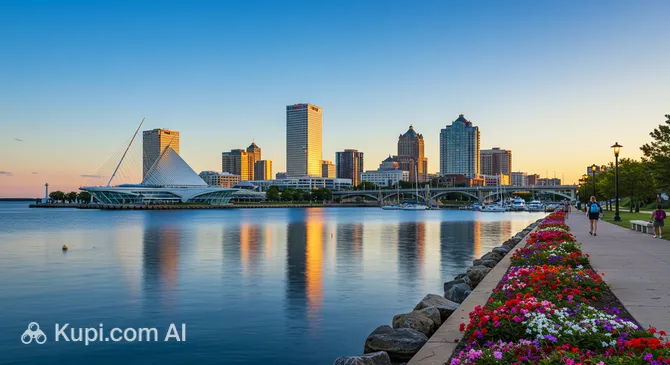
Milwaukee. Source: Kupi.Binoculars

The history of Milwaukee is deeply entwined with its famous brewing heritage. Often referred to as "Brew City," its past was shaped significantly by German immigrants who established some of the nation's most iconic breweries in the 19th century. Today, this legacy lives on through a vibrant craft beer scene and historic architecture that gives the streets a distinct character.

Visitors will find plenty of impressive attractions to explore. The Milwaukee Art Museum is an architectural marvel, featuring the Quadracci Pavilion with its moveable, wing-like Brise Soleil. For those interested in engineering and American culture, the Harley-Davidson Museum offers an extensive look at the legendary motorcycle brand founded right here in the city. Additionally, the scenic RiverWalk connects distinct neighborhoods, providing easy access to restaurants, shops, and nightlife.

Whether you are attending the world-famous Summerfest music festival or simply strolling along the lakefront, Milwaukee promises a memorable experience. It is a city that celebrates its traditions while constantly evolving, making it a must-visit destination for any traveler.
Weather Overview

The climate in Milwaukee is characterized by four distinct seasons, ranging from freezing winters to pleasantly warm summers. January is typically the coldest month, with average temperatures dropping to -3.4°C and minimums reaching -6.1°C. In contrast, the summer months of July and August offer the warmest weather, with average temperatures around 21.8°C and highs peaking at 24.7°C, making it an ideal time for outdoor exploration.

Precipitation is distributed relatively evenly throughout the year, with the city experiencing between 8 and 12 wet days per month. Spring and autumn serve as mild transitional periods; for instance, May sees an average of 12.3°C, while September remains comfortable at 19.0°C. To help plan your packing list, you can check the detailed forecast and historical trends for the weather in Milwaukee. Generally, visitors should expect warm summers with frequent wet days and cold winters that require warm layers.

Interesting Facts

Beyond the main attractions, Milwaukee holds many fascinating secrets and historical firsts that surprise even seasoned travelers. Dig a little deeper into the city's past to discover these unique details that give the metropolis its distinctive character.

  • Although it is famous for beer, Milwaukee is actually nicknamed "Cream City" for a completely different reason. The name comes from the distinct cream-colored bricks made from local Menomonee River Valley clay, which were used to construct many of the city's buildings in the 19th century.

  • The way we type today was established right here in 1867. Christopher Latham Sholes invented the first practical typewriter and the QWERTY keyboard layout in Milwaukee, forever changing global communication.

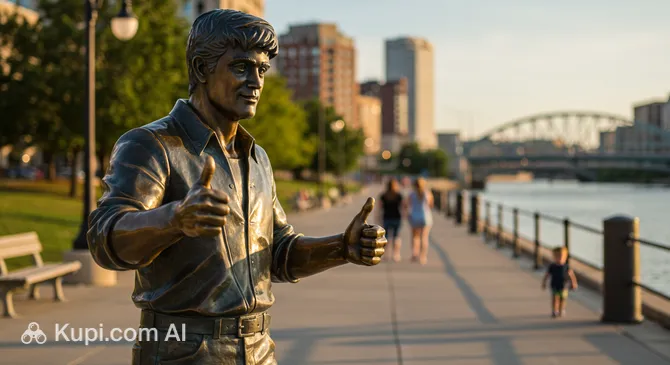
  • Fans of the classic sitcom Happy Days can pay tribute to the show's setting by visiting the Bronze Fonz. This life-sized statue of the cool character Arthur Fonzarelli stands along the RiverWalk, offering a fun and nostalgic photo opportunity.

  • Horticulture enthusiasts will find a world-class marvel at the Mitchell Park Domes. These three massive glass structures were the world's first conoidal domes, each creating a separate climate that allows visitors to experience a desert, a rainforest, and a floral garden all in one place.

Bronze Fonz. Source: Kupi.Binoculars

How to Get There

Reaching this Wisconsin metropolis is straightforward, with several options available depending on your starting point. Visitors can find more about how to get to Milwaukee and choose the route that best suits their itinerary. The city is served by its own efficient hub as well as major international airports in neighboring regions.

The most direct point of entry is General Mitchell International Airport (MKE), located just 10.5 km from the city center. As a medium-sized facility, it offers a convenient and less congested alternative for travelers. A trip by taxi or bus from this airport to downtown typically takes about 35 minutes. For those arriving from overseas or seeking a wider range of flight connections, O'Hare International Airport (ORD) in Chicago is a significant option. Although it is situated in Chicago, approximately 118 km away, it is a massive international hub. The journey by road from O'Hare to Milwaukee takes roughly 3 hours and 20 minutes.

For clarity, here is a summary of the main airports:

Airport Name City Passenger Traffic Km from City
O'Hare International Airport Chicago Large 117.9
Chicago Midway International Airport Chicago Large 140.0
General Mitchell International Airport Milwaukee Medium 10.5
Dane County Regional Airport Monona Medium 117.4
Outagamie County Regional Airport Appleton Small 143.8

For those preferring rail travel, it is important to note the regional connections. While local stations serve the immediate area, a major nearby rail hub is Chicago Union Station in the city of Chicago, which is about 131 km from Milwaukee. From there, you can get a taxi or bus, which takes about 3 hours and 35 minutes.

Below is the data for the nearest major railway station:

Station City Passenger Traffic Km to Center
Chicago Union Station Chicago Large 131.0

Main Attractions

Milwaukee is a city that prides itself on a rich tapestry of culture, history, and innovation. From world-class museums to preserved historical estates, the city offers a variety of experiences that cater to art lovers, history buffs, and families alike. Here are some of the top places you should add to your itinerary.

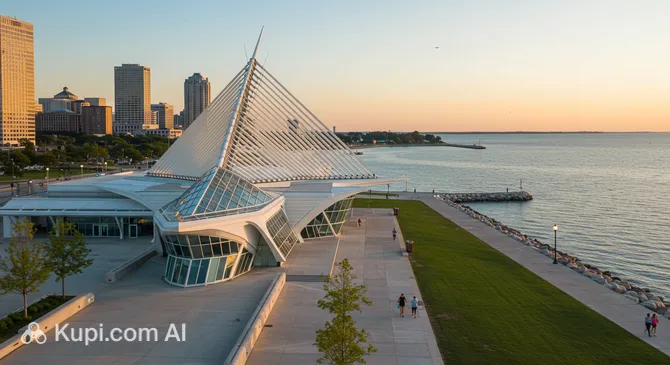
One of the most visually stunning landmarks in the city is the Milwaukee Art Museum. Located on the lakefront, it is instantly recognizable by its magnificent Calatrava-designed addition, which features a movable sunscreen known as the Burke Brise Soleil. Inside, visitors can explore a vast collection of over 30,000 works of art, ranging from antiquity to present day. It is a premier destination not just for the art on the walls, but for the breathtaking architecture and views of Lake Michigan.

Milwaukee Art Museum. Source: Kupi.Binoculars

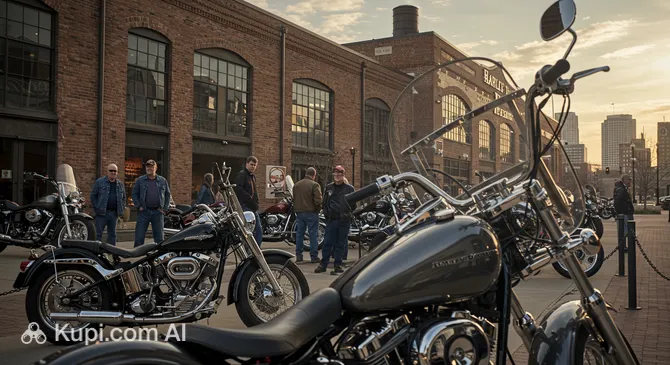
For those fascinated by American engineering and the open road, the Harley-Davidson Museum is an absolute must-see. This sprawling campus celebrates the history of the iconic motorcycle brand, which was founded in Milwaukee. The museum showcases hundreds of motorcycles, including the oldest known Harley-Davidson in existence. Interactive exhibits, an engine room, and stories of the people behind the bikes make this an engaging experience for riders and non-riders alike.

Harley-Davidson Museum. Source: Kupi.Binoculars

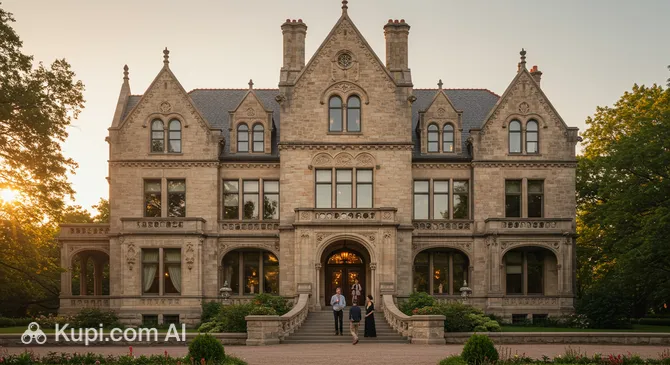
Step back in time to the Gilded Age with a visit to the Pabst Mansion. This historic home was once the residence of Captain Frederick Pabst, the famous beer baron. Completed in 1892, the mansion is a masterpiece of Flemish Renaissance Revival architecture. Guided tours allow you to walk through the opulent rooms, admire the intricate woodwork and stained glass, and learn about the family that played a pivotal role in the city's brewing heritage.

Pabst Mansion. Source: Kupi.Binoculars

Another highlight is the Milwaukee Public Museum, a fantastic destination for curious minds of all ages. Known for its immersive dioramas, the museum allows you to stroll through the "Streets of Old Milwaukee" to see what the city looked like at the turn of the 20th century. It also features a tropical butterfly vivarium and extensive natural history exhibits, making it one of the country's leading natural history museums.

Local Cuisine

Milwaukee's culinary landscape is a hearty celebration of its diverse heritage and its location in the heart of America's Dairyland. Heavily influenced by 19th-century German immigrants, the local cuisine is famous for its comfort foods, generous portions, and unpretentious atmosphere. Visitors cannot leave the city without trying a classic bratwurst, often simmered in beer and grilled to perfection, a staple found at everything from baseball games to backyard cookouts.

As the largest city in Wisconsin, Milwaukee takes its dairy seriously. Cheese curds are a mandatory snack, served either fresh and "squeaky" or deep-fried with a dipping sauce. For dessert, the city prefers frozen custard over traditional ice cream. This denser, creamier treat is a local obsession, and Kopp's Frozen Custard is a landmark institution where locals line up for the "flavor of the day" and massive burgers.

Another enduring cultural tradition is the Friday Night Fish Fry. Rooted in Catholic customs, this weekly ritual brings communities together at restaurants, pubs, and church halls across the city. A typical platter consists of beer-battered cod or perch, rye bread, coleslaw, and potato pancakes. For a taste of this classic comfort food in a nostalgic setting, the Swingin' Door Exchange offers a cozy saloon vibe with a menu full of local favorites.

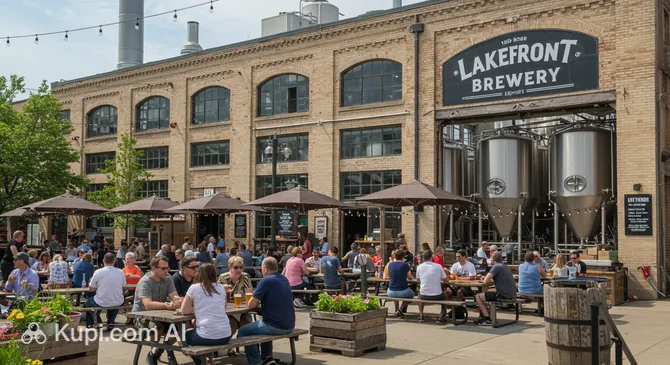
Beverages are just as important as the food in a place nicknamed "Brew City." The brewing legacy continues today with a thriving craft beer scene. Visitors can tour historic facilities or visit modern taprooms like Lakefront Brewery, known for its entertaining tours and riverside beer garden. Another notable spot is Sprecher Brewery, which is famous not only for its fire-brewed beers but also for its gourmet sodas, particularly its root beer.

Lakefront Brewery. Source: Kupi.Binoculars

Beyond beer, Milwaukee has a unique cocktail culture. The Brandy Old Fashioned is the unofficial state drink, typically made sweet with lemon-lime soda and garnished with cherries and an orange slice. For brunch, the Bloody Mary is an art form here, almost always served with a small beer chaser known as a "snit." Sobelmans on St. Paul is legendary for serving these drinks with outrageous garnishes that can include entire fried chickens or sliders. For a more sophisticated evening, Bryant's Cocktail Lounge provides a vintage atmosphere as the city's oldest cocktail lounge.

The general food culture in Milwaukee is social and accessible. From the bustling vendors at the Milwaukee Public Market to the communal tables at outdoor beer gardens, eating and drinking here is a shared experience. Whether you are grabbing a quick bite at a food truck or sitting down for a supper club-style meal, you will find the hospitality as warm as the food.

Travel Tips

Preparing for a trip to Milwaukee ensures you can focus on the fun rather than logistics, allowing you to fully enjoy the city's unique charm. Here are some essential practicalities to help you blend in with the locals and navigate the "Cream City" smoothly.

  1. Clothing and Gear: The weather varies significantly by season. If visiting in winter (November to March), heavy coats, gloves, thermal layers, and waterproof boots are non-negotiable due to freezing temperatures and snow. In summer, the weather is generally warm, but the "Lake Effect" can cause temperatures to drop suddenly near the water, so always carry a light jacket or sweater. Comfortable walking shoes are essential for exploring the RiverWalk and museum campuses.

  2. Transportation: Downtown Milwaukee is very walkable, and the modern streetcar system, known as The Hop, connects many key districts and is currently free to ride. For areas further afield, the MCTS bus system is reliable and affordable. Ride-sharing apps like Uber and Lyft are widely available and convenient. You typically only need to rent a car if you plan to visit the suburbs or explore other parts of Wisconsin.

  3. Finances: The local currency is the US Dollar (USD). Credit and debit cards are accepted almost everywhere, including at parking meters and festival stalls, though carrying small amounts of cash is helpful for tips. Tipping is a strong cultural norm in the US; it is standard to leave 18-20% of the bill at restaurants and at least $1 per drink at bars.

  4. Health and Safety: Milwaukee is generally welcoming and safe for tourists, particularly in the downtown and lakefront areas. However, as in any major city, stay aware of your surroundings and stick to well-lit, populated areas at night. Pharmacies like Walgreens and CVS are common for minor health needs, and for any serious emergencies, you should dial 911.

  5. Communication: English is the primary language spoken throughout the city. Free Wi-Fi is widely available in hotels, coffee shops, and many public spaces. If you are an international visitor needing a SIM card, major carriers like T-Mobile and AT&T have stores located in shopping centers and near the airport.

  6. Local Etiquette: The city is famous for "Midwestern Nice," meaning locals are generally polite, helpful, and chatty. It is customary to greet people with a smile, hold doors open for others, and say "hello" to passersby. Reciprocating this friendliness is expected and appreciated.

  7. What to Avoid: Do not make the mistake of assuming Milwaukee is just a suburb of Chicago or constantly comparing the two; locals are very proud of their city's distinct identity and heritage. Additionally, never underestimate the cold if you visit in winter—ignoring weather advisories or dressing too lightly can be dangerous.

  8. Additional Tip: To sound like a true local, refer to a drinking fountain as a bubbler. Using this unique regional term is a fun way to surprise residents and show that you have learned a bit about their culture.

With these practical tips in mind, you are well-equipped to experience the best of Milwaukee's hospitality and attractions. Whether you are riding the streetcar to a museum or chatting with locals at a coffee shop, a little preparation goes a long way in making your visit memorable.

Entertainment & Nightlife

Milwaukee's energy doesn't fade when the sun goes down; in fact, the city transforms into a vibrant hub of evening entertainment. The nightlife scene is diverse, offering everything from high-energy dance clubs and bustling sports bars to sophisticated lounges and live music venues. Whether you are looking to catch a major concert, sip craft cocktails in a quiet corner, or dance the night away, the city has a district to match your mood.

For a lively atmosphere, head to Water Street or Brady Street. These areas are the heartbeat of the city's bar scene, packed with university students and young professionals hopping between pubs and clubs. If you prefer a more upscale experience, the Historic Third Ward offers trendy rooftop bars and chic wine lounges where the dress code is slightly more polished, though "Midwestern casual" is generally acceptable almost everywhere. Most bars stay open until 2:00 AM or 2:30 AM on weekends, giving you plenty of time to enjoy the night.

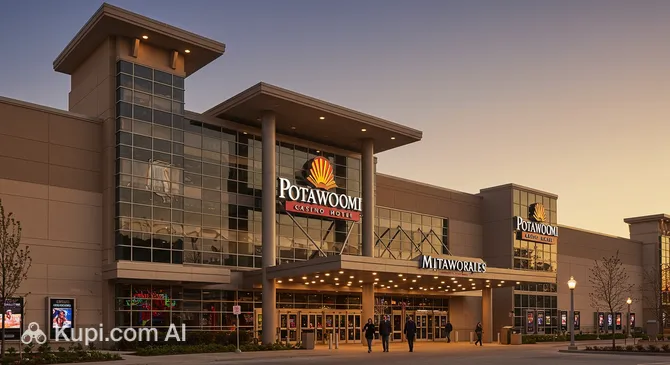
One of the premier destinations for 24-hour entertainment is the Potawatomi Casino Hotel. Located in the Menomonee Valley, this massive complex features table games, slot machines, and several restaurants. It is also a major venue for live shows, hosting comedians and musical acts regularly, making it a one-stop shop for a fun night out.

Potawatomi Casino Hotel. Source: Kupi.Binoculars

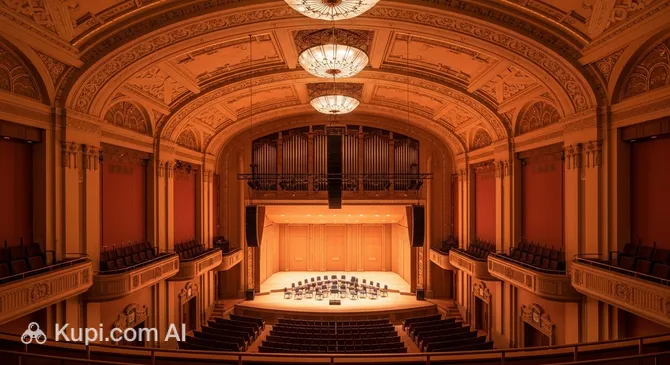
For music lovers seeking a more classical or refined experience, the Bradley Symphony Center is a stunning venue. This restored movie palace now serves as the home of the Milwaukee Symphony Orchestra, offering acoustics and architecture that are equally impressive. It is the perfect spot for a culturally rich evening in the heart of downtown.

Bradley Symphony Center. Source: Kupi.Binoculars

If you prefer a more laid-back environment to enjoy excellent beverages, Three Cellars is a great choice. Known for its extensive selection of wines and craft beers, it offers a relaxing lounge atmosphere that contrasts with the noisier bars downtown. It is an ideal place to unwind and chat with friends over a local brew.

Regarding safety and logistics, downtown Milwaukee and the main nightlife districts are generally safe for walking in groups during the evening. However, as the night gets later, it is advisable to use ride-sharing services like Uber or Lyft to get back to your accommodation. Prices for drinks and cover charges are typically reasonable compared to larger US cities, making a night out here wallet-friendly.

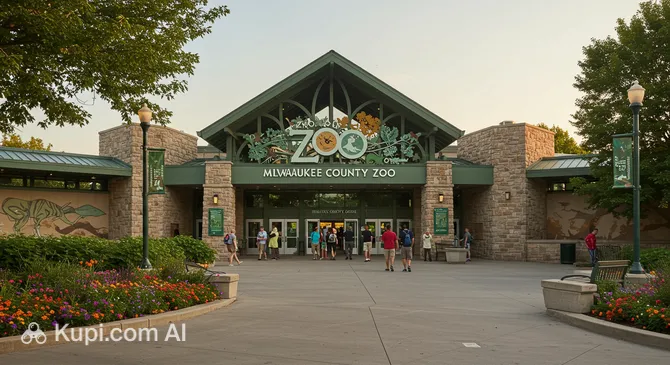
While the nights are exciting, the city also offers plenty of daytime fun. Families and nature lovers should visit the Milwaukee County Zoo, which houses thousands of animals in open-concept habitats. For those looking for active indoor entertainment, the Smash Zone provides a unique way to let off steam. From cultural landmarks to adrenaline-pumping activities, the city ensures your itinerary is full from morning until late at night.

Milwaukee County Zoo. Source: Kupi.Binoculars

Parks & Museums

Milwaukee seamlessly blends its industrial heritage with an abundance of green spaces and cultural institutions, offering visitors a diverse array of environments to explore. Beyond the bustling downtown streets, the city maintains a strong connection to nature through its extensive park system, while its galleries preserve the artistic and historical achievements of the region.

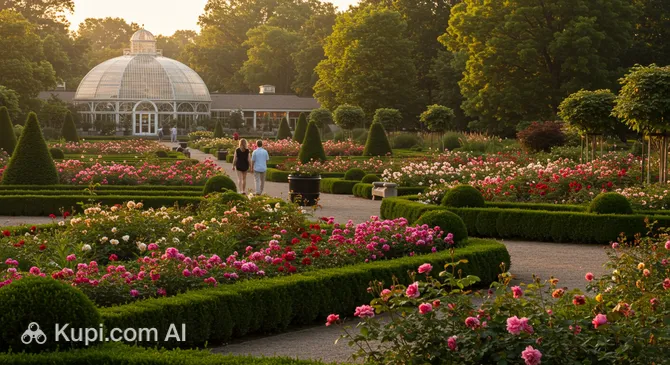
For a peaceful escape into nature, the Boerner Botanical Gardens is a premier destination located just outside the city center. Often referred to as a "living museum," this site features formal gardens inspired by English country manors, including a stunning rose garden and a fragrant herb display. It is a perfect spot for a leisurely walk, offering different blooms with every season. Closer to the urban core, Lakeshore State Park provides a unique contrast between the natural and the man-made. Situated on a peninsula in Lake Michigan, this urban oasis offers paved trails with uninterrupted views of the city skyline and the open water, making it a favorite for joggers and photographers.

Boerner Botanical Gardens. Source: Kupi.Binoculars

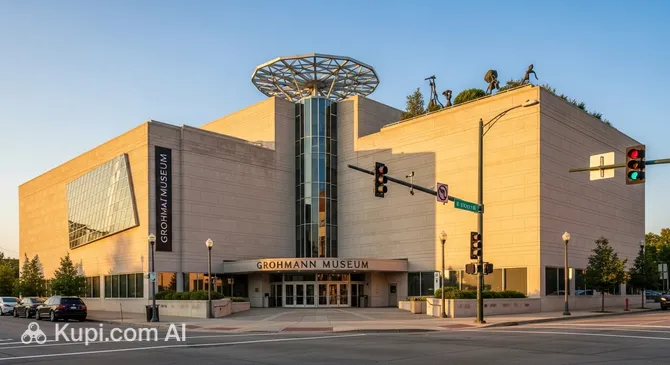
While the city's largest museums are well-known, there are other exceptional cultural venues that deserve attention. The Grohmann Museum, located on the Milwaukee School of Engineering campus, is truly one of a kind. It houses the world's most comprehensive art collection dedicated to the evolution of human work. Visitors can admire paintings and sculptures that depict industry and labor throughout history, and the rooftop sculpture garden offers a fantastic vantage point of the city. Another significant institution is the Milwaukee County War Memorial Center. Designed by the renowned architect Eero Saarinen, this striking modernist structure on the lakefront honors veterans and serves as a symbol of peace and community.

Grohmann Museum. Source: Kupi.Binoculars

History enthusiasts willing to venture a short distance north will find the Cedarburg Covered Bridge to be a charming step back in time. Built in 1876, it is the last remaining covered bridge in the state of Wisconsin and offers a picturesque setting that captures the rural history of the region. It is an excellent stop for those interested in 19th-century engineering and rustic architecture.

For a truly authentic local experience, seek out Seven Bridges in Grant Park. This hiking trail is a hidden gem, accessed through a historic covered bridge entrance that leads you into a lush, wooded ravine. The path winds over several bridges and down to a secluded beach on Lake Michigan, offering a quiet and somewhat mysterious atmosphere that feels miles away from the city noise.

Getting Around

Navigating Milwaukee is convenient and straightforward, thanks to a user-friendly public transport network that connects the downtown area with surrounding neighborhoods. The city relies primarily on an extensive bus system and a modern streetcar line, making it easy for visitors to explore major attractions without needing a rental car. Whether you are heading to the lakefront museums or the historic brewery districts, getting around is both affordable and efficient.

The backbone of the city's transit is the Milwaukee County Transit System (MCTS), which operates a fleet of buses covering the entire metropolitan area. The buses are reliable and frequent, particularly on major routes. For visitors staying in the city center, the most popular mode of transport is "The Hop," a modern streetcar system. The Hop connects the Milwaukee Intermodal Station with key destinations like the Historic Third Ward, East Town, and the lower East Side. One of the best features for tourists is that riding the streetcar is currently free, thanks to corporate sponsorship, making it an excellent way to hop between downtown landmarks.

For bus travel, the payment system has been modernized to be cashless-friendly. While you can still pay with cash on board (exact change is required), the most convenient method is using the WisGo system via the Umo mobility app. You can download the app to your smartphone to buy fares instantly and scan a QR code upon boarding. Alternatively, reusable smart cards are available at local retail locations. A single ride typically costs around $2.25, and there is a daily fare cap, meaning you will never pay more than the cost of a day pass regardless of how many times you ride.

If you prefer active transportation, the city offers a popular bike-share program called Bublr Bikes. You will spot their distinctive light blue stations throughout the downtown area and along the scenic lakefront trails. It is a fantastic option for sunny days, allowing you to rent a bike from one station and return it to any other in the network. Payment is simple, with kiosks accepting credit cards directly at the docking stations.

For late-night travel or reaching destinations not directly served by transit, ride-sharing services like Uber and Lyft are widely available and generally offer quick pickup times. Traditional taxis are also present, though they are less commonly hailed on the street and usually require a phone call or a visit to a hotel taxi stand. With these diverse options, moving around the city is stress-free, allowing you to focus on enjoying your trip.

Accommodation

Finding the perfect place to stay in Milwaukee is easy, thanks to a diverse range of accommodation options that cater to every budget and travel style. The city offers everything from historic luxury hotels with old-world charm to modern, budget-friendly chains and cozy bed-and-breakfasts. Whether you are looking for a full-service experience or a simple room near the action, the local hospitality scene is well-equipped to welcome you.

For most tourists, staying in Downtown or East Town is the most convenient choice. These areas place you within walking distance of major attractions like the art museum, the theater district, and the lakefront. If you prefer a more trendy and boutique atmosphere, the Historic Third Ward is an excellent option. This revitalized warehouse district is packed with upscale lofts and stylish hotels, surrounded by some of the city's best restaurants and shops. For those attending events or festivals, staying near the river or the festival grounds ensures you are never far from the entertainment.

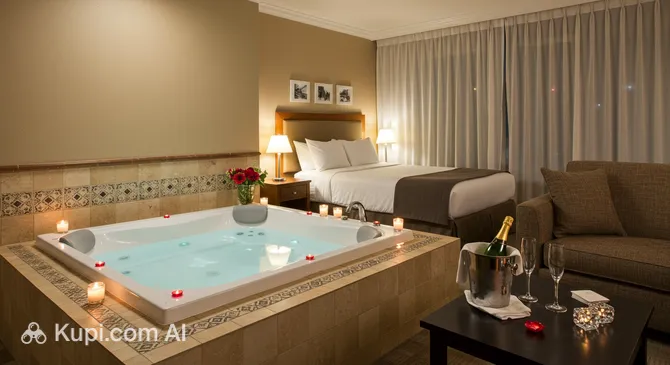
While the city center is dominated by traditional lodging, the surrounding region offers some unique resort-style experiences for travelers seeking something different. For a romantic getaway with specialized amenities, Sybaris Pool Suites Mequon provides a private retreat just a short drive from the main city attractions. Alternatively, families looking for a fun, outdoor-focused stay might enjoy Jellystone Park Camp-Resort Caledonia, which combines camping-style lodging with resort facilities.

Sybaris Pool Suites Mequon. Source: Kupi.Binoculars

Booking Tips and Prices: Milwaukee is a city of festivals, and during the peak summer months—especially during Summerfest in June and July—hotel rooms can fill up very quickly. It is highly recommended to book your accommodation at least a few months in advance if you plan to visit during this time. Prices typically range from $100 to $180 per night for mid-range hotels, while luxury properties and peak-season dates can exceed $300. Reservations can easily be made through major online booking platforms or directly with the hotels to secure the best rates.

Nearby Cities

For those looking to explore the surroundings, Milwaukee serves as an excellent base for day trips to several interesting nearby locations. Just a short drive south along the Lake Michigan shoreline lies Racine, a city celebrated for its stunning Frank Lloyd Wright architecture and its reputation as the "Kringle Capital of the World," offering delicious Danish pastries. To the west, Wauwatosa charms visitors with its historic village center, vibrant mural scenes, and lush parkways perfect for walking. Another excellent option is Waukesha, where you can stroll along the Fox River and explore a downtown rich in history and local art.

City Population Distance (km)
Racine 135352 36
Waukesha 71307 26
West Allis 60220 8
Wauwatosa 48072 8
Brookfield 41020 18

These nearby destinations offer a glimpse into the diverse culture and landscapes of the region.

Shopping & Souvenirs

Shopping:

Shopping in Milwaukee offers a delightful mix of urban sophistication and Midwestern charm, ranging from trendy boutiques in revitalized historic districts to expansive modern lifestyle centers. The city is not just about big brands; it is a haven for independent makers, artisan goods, and unique local products that reflect the region's heritage. Whether you are looking for high-end fashion, vintage treasures, or locally made crafts, the diverse retail landscape ensures there is something for every taste and budget.

The crown jewel of the city's shopping scene is the Historic Third Ward. Often compared to SoHo in New York, this revitalized warehouse district is packed with art galleries, specialty shops, and upscale clothing boutiques. Walking along its brick-paved streets, visitors can find everything from designer apparel to home décor. For a more eclectic and bohemian vibe, Brady Street is the place to go. This bustling corridor is famous for its vintage stores, Italian grocers, and quirky gift shops, making it perfect for those seeking one-of-a-kind items.

For travelers who prefer a comprehensive retail experience with a wide variety of brands in one location, the area boasts several impressive open-air lifestyle centers. The Corners of Brookfield is a premier destination located just west of the city. It features a curated selection of luxury retailers, dining options, and entertainment spaces, all designed in a walkable, town-center style.

The Corners of Brookfield. Source: Kupi.Binoculars

Another excellent option for a mix of shopping and community atmosphere is Drexel Town Square. Situated in the nearby suburb of Oak Creek, this modern development combines retail stores with green spaces and walking trails, offering a relaxed environment for a day of browsing and dining. These centers provide a comfortable alternative to traditional enclosed malls, especially during the pleasant spring and summer months.

A visit to Milwaukee would not be complete without exploring the Milwaukee Public Market in the Third Ward. While primarily a food destination, it is also a fantastic spot to buy local gifts. Here, you can find Wisconsin cheeses, artisanal spices, wine, and Milwaukee-themed apparel. It acts as a vibrant gathering place where the sights and smells of fresh local produce create an energetic shopping atmosphere.

When searching for the perfect souvenir, the city's distinct culture offers plenty of inspiration. The most iconic item to bring home is a "cheesehead" hat, a fun foam wedge of cheese worn by sports fans. Authentic Wisconsin cheese and sausage are also top choices, with many shops offering travel-friendly packaging. Additionally, merchandise from the legendary motorcycle brand founded in the city, or locally brewed craft beer and branded glassware, make for excellent keepsakes.

Standard store opening hours are generally from 10:00 AM to 9:00 PM for major shopping centers and malls, Monday through Saturday, with shorter hours on Sundays (often 11:00 AM to 6:00 PM). Independent boutiques in areas like the Third Ward may close earlier, typically around 6:00 PM or 7:00 PM. Credit and debit cards are universally accepted. Visitors should be aware that the United States does not have a VAT refund system for tourists, and a sales tax (combining state and local rates) is added at the register for most purchases.

Reached the end of the page?

That means the route is fully explored