Support

Dubuque

About

Nestled along the mighty Mississippi River, Dubuque stands out as one of the most picturesque and historically significant destinations in the Midwest. As the oldest city in Iowa, it offers a unique blend of 19th-century architecture, vibrant river culture, and stunning natural beauty. Unlike the flat plains often associated with the region, this city is located in the "Driftless Area," characterized by dramatic bluffs and rolling hills that were untouched by glaciers during the last ice age.

Located in the United States at the junction of Iowa, Illinois, and Wisconsin, Dubuque serves as a major cultural and commercial hub for the tri-state area. With a population of approximately 68,000 residents, it maintains a welcoming, small-town atmosphere while providing the amenities of a larger urban center. The climate here features distinct seasons, offering lush green summers perfect for exploring the outdoors and snowy winters that transform the landscape into a quiet wonderland.

Dubuque. Source: Kupi.Binoculars

The rich history of Dubuque is evident in its well-preserved downtown and historic districts. Visitors are often captivated by the city's unique attractions, such as the Fenelon Place Elevator, described as the world's shortest and steepest scenic railway, which offers breathtaking views of the city and the river below. Another must-visit is the National Mississippi River Museum & Aquarium, an affiliate of the Smithsonian Institution that brings the story of America's greatest river to life.

Whether you are strolling through the scenic Eagle Point Park to watch the barges pass through the locks or exploring the vibrant Millwork District, Dubuque offers an unforgettable experience. It is a perfect destination for travelers seeking a mix of outdoor adventure, historical discovery, and genuine Midwestern hospitality.
Weather Overview

The climate in this region is characterized by four distinct seasons, offering a wide range of atmospheric conditions for travelers. Generally, visitors can expect warm, pleasant summers and cold winters with temperatures frequently dropping below freezing. To help plan your activities and packing list, it is helpful to check the detailed weather in Dubuque before your arrival.

January is typically the coldest month, with average temperatures hovering around -5.5°C and minimums reaching -9.3°C. In contrast, the summer season brings significant warmth; July sees average temperatures of 23.7°C, with highs often peaking at 28.3°C. Precipitation is spread throughout the year, but late spring tends to be the dampest period, with May recording rain on approximately 13 days.

Interesting Facts

Beyond its scenic bluffs and riverboats, Dubuque protects a collection of intriguing stories that often escape the casual observer. From cinematic history to underground secrets, the city's past is as deep as the river that runs alongside it.
  • The city is often referred to as the "City of Five Flags" because, throughout its history, it has been governed by five different nations: France, Spain, Great Britain, the Republic of France (under Napoleon), and the United States. This unique heritage is commemorated by the Five Flags Center, a major venue that celebrates the diverse cultural influences that shaped the region.

  • Local lore strongly suggests that the infamous gangster Al Capone used the historic Hotel Julien as a hideout when things got too heated in Chicago. Legend has it that he preferred the top floor because it provided a clear view of the bridge crossing the Mississippi River, allowing him to spot police cars approaching from the Illinois side well in advance.

  • Dubuque is home to one of the few remaining shot towers in the United States. Built in 1856, this 120-foot masonry structure was designed to manufacture lead shot ammunition; molten lead was dropped from the top, forming perfect spheres as it cooled during the freefall into a water basin at the bottom.

  • The peaceful Washington Park in the downtown area holds a spooky secret: it sits on the site of the city's first cemetery. While a relocation effort took place in the late 19th century, it is widely believed that not all graves were moved, meaning the park's gazebo and manicured lawns likely cover the final resting places of some early settlers.

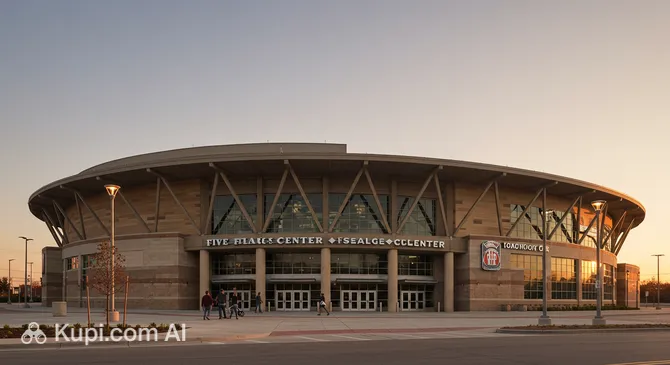
Five Flags Center. Source: Kupi.Binoculars

How to Get There

Reaching this scenic destination on the Mississippi River is straightforward, with several transport options available depending on your starting point. Whether you prefer the speed of air travel or a scenic overland journey, you can easily plan your arrival. For a detailed breakdown of all available routes and travel tips, you can read more about how to get to Dubuque in our comprehensive guide.

The most direct way to arrive is via the Dubuque Municipal Airport (DBQ). Located just 12 km south of the city center, this regional airport offers the quickest access, with a taxi or transfer taking approximately 15 to 20 minutes. While it is the closest option, it is a smaller facility serving around 38,000 passengers annually, so flight schedules may be limited.

For a wider range of flight connections, many visitors choose to fly into The Eastern Iowa Airport (CID), located in the city of Cedar Rapids. This larger international airport handles about 1.5 million passengers per year and is situated approximately 110 km from Dubuque. The ground transfer from Cedar Rapids typically takes around 1 hour and 15 minutes via US-151. Another practical alternative is the Quad City International Airport (MLI) in Moline, roughly 118 km away. It is a medium-sized hub that serves over half a million travelers, with a travel time to Dubuque of about 1 hour and 20 minutes by road.

For clarity, here is a summary of the main airports:

Airport Name City Passenger Traffic Km from City
Dane County Regional AirportMononaLarge128.8
The Eastern Iowa AirportCedar RapidsLarge110.4
Quad City International AirportMolineMedium118.2
Waterloo AirportWaterlooSmall142.4
Dubuque Municipal AirportDubuqueSmall12.0

If you prefer rail travel, please note that the city of Dubuque does not have an active passenger railway station. However, you can arrive at the major Chicago Union Station in the city of Chicago, which is about 260 km from Dubuque. As a massive transport hub serving 38 million passengers, it offers extensive connections. From there, you can rent a car or take a bus to complete your journey, which generally takes between 3 to 3.5 hours depending on traffic.

Below is the information for the nearest major railway station:

Station City Passenger Traffic Km to Center
Chicago Union StationChicagoHuge259.6

Main Attractions

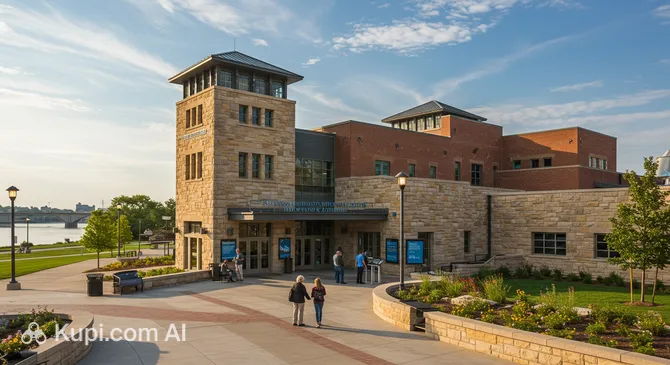
A visit to this river city would be incomplete without exploring the National Mississippi River Museum & Aquarium. As an affiliate of the Smithsonian Institution, this expansive facility offers a deep dive into the life, culture, and ecosystem of America's most famous waterway. Tourists are drawn here for its immersive exhibits, which include massive aquariums filled with giant sturgeon and playful river otters, as well as the chance to step aboard historic vessels like the William M. Black dredge boat. It is a fantastic educational experience that brings the story of the river to life for visitors of all ages.

National Mississippi River Museum & Aquarium. Source: Kupi.Binoculars

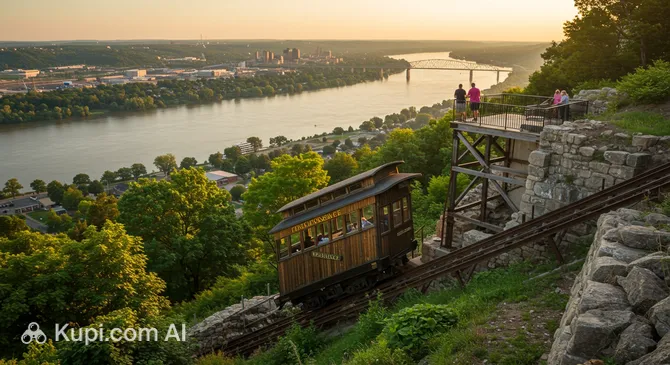
For the best views in the region, travelers should head to the Fenelon Place Elevator. Known as the world's shortest and steepest scenic railway, this historic cable car dates back to the late 19th century. The ride takes you up the bluffs from Fourth Street to Fenelon Place, where an observation deck awaits. The main appeal for tourists is the spectacular panoramic view from the top; on a clear day, you can see the downtown area, the Mississippi River, and across the borders into both Illinois and Wisconsin.

Fenelon Place Elevator. Source: Kupi.Binoculars

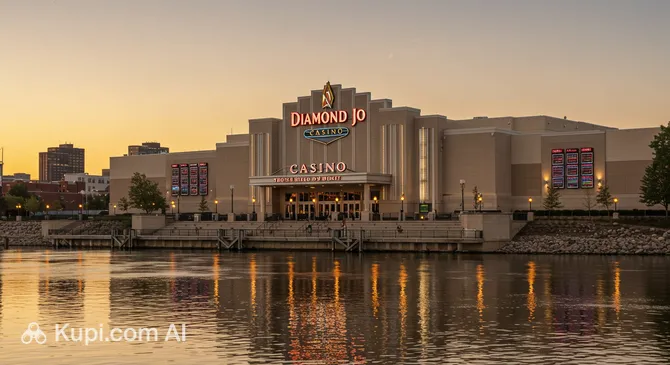
Those looking for entertainment and nightlife often make their way to the Diamond Jo Casino Dubuque located in the bustling Port of Dubuque area. This venue is more than just a place for gaming; it serves as a comprehensive entertainment hub featuring a wide array of slot machines and table games alongside bowling lanes and live performance spaces. It is a popular stop for adults seeking a vibrant atmosphere, diverse dining options, and a lively evening out by the riverfront.

Diamond Jo Casino Dubuque. Source: Kupi.Binoculars

Another cornerstone of the city's cultural scene is the Five Flags Center. Situated in the heart of downtown, this multi-purpose facility encompasses a historic theater and a modern arena. It is interesting to tourists as a premier venue for concerts, sporting events, and community festivals, reflecting the city's rich heritage under the five flags that have flown over it. The restored theater section, in particular, offers a glimpse into early 20th-century architecture and provides a charming setting for the performing arts.

Local Cuisine

The culinary scene in Dubuque is a delightful reflection of its location at the intersection of three states and its heritage as a river city. The food here is defined by hearty Midwestern comfort, fresh flavors from the Mississippi River, and a farm-to-table ethos supported by the rich agricultural land of Iowa. Visitors will find a welcoming mix of historic dining traditions and modern culinary creativity, making every meal a satisfying experience.

One of the most iconic dishes you must try is the breaded pork tenderloin sandwich. A staple of Iowa cuisine, this sandwich features a tenderized pork cutlet that is breaded, fried to a golden crisp, and famously overflows the edges of the bun. It is typically served with pickles, mustard, and onions. Given the city's riverside location, fresh catfish is another local favorite, often served fried or blackened with a side of coleslaw and hushpuppies.

A unique cultural aspect of dining in this region is the "supper club" tradition. These establishments offer a nostalgic dining experience characterized by a relaxed pace, generous portions, and a social atmosphere. A prime example is Timmerman's Supper Club, perched on a bluff overlooking the Mississippi River. Here, diners can enjoy classic American fare like prime rib and seafood while taking in spectacular views of the valley.

Timmerman's Supper Club. Source: Kupi.Binoculars

For those seeking a more contemporary gastronomic experience, the city has seen a rise in chef-driven restaurants that emphasize locally sourced ingredients. Brazen Open Kitchen is a standout in this category, known for its scratch-kitchen approach and innovative menu. Located in the historic Millwork District, it represents the modern evolution of Dubuque's food scene, offering dishes that change with the seasons to ensure peak freshness.

Brazen Open Kitchen. Source: Kupi.Binoculars

When it comes to drinks, the local culture is heavily influenced by the brewing traditions of the Midwest. The city boasts several craft breweries where you can sample locally made ales and lagers. Additionally, due to the proximity to Wisconsin, the Brandy Old Fashioned is a widely popular cocktail in local bars and supper clubs. Whether you are exploring the bustling farmers market on a Saturday morning or enjoying a sunset dinner by the river, Dubuque offers a warm and flavorful welcome to all food lovers.

Travel Tips

Visiting Dubuque offers a charming glimpse into life along the Mississippi River, but a little preparation goes a long way in ensuring a smooth and enjoyable trip. Here are some essential practical tips to help you navigate the city like a local and make the most of your stay.

  1. Clothing and Gear: The weather in Iowa can be quite variable, so checking the forecast immediately before your trip is essential. Winters are cold and snowy, requiring heavy coats, gloves, and boots, while summers can be warm and humid, calling for light, breathable fabrics. Most importantly, bring sturdy walking shoes; unlike much of the Midwest, Dubuque is built on steep hills and bluffs, so you will likely be doing some climbing if you explore on foot.

  2. Transportation: While the downtown area and the Port of Dubuque are walkable, the city is spread out over hilly terrain. The most convenient way to get around is by renting a car. There is a local public bus system called The Jule, which covers major routes, and ride-hailing apps like Uber and Lyft are also available, though wait times may be longer than in major metropolitan areas.

  3. Finances: The local currency is the US Dollar (USD). Credit and debit cards are widely accepted at hotels, restaurants, and shops. However, it is wise to carry some cash for small purchases at local festivals or the farmers market. Tipping is a significant part of the culture here; plan to leave 15-20% of the bill at restaurants and bars, as service charges are rarely included automatically.

  4. Health and Safety: Dubuque is generally a safe city for tourists, but standard precautions should still be taken, such as locking your car and being aware of your surroundings at night. For medical needs, there are several pharmacies like Walgreens and CVS scattered throughout the city, and major hospitals like MercyOne are available for emergencies. If you need immediate assistance, dial 911.

  5. Communication: English is the primary language spoken. Locals are accustomed to visitors, but you may not find many multilingual signs or services. Free Wi-Fi is standard in most hotels, coffee shops, and public buildings. If you are visiting from abroad, purchasing a local SIM card or an eSIM plan is recommended for reliable navigation and communication.

  6. Local Etiquette: The region is known for "Midwestern Nice," meaning people are generally friendly, polite, and helpful. It is common to exchange a smile or a simple "hello" with strangers you pass on the street. When entering a shop or restaurant, a polite greeting to the staff is expected and appreciated.

  7. What to Avoid: Do not underestimate the power of the Mississippi River. While it is beautiful to look at, swimming in the river outside of designated areas is dangerous due to strong currents and commercial barge traffic. Additionally, avoid skipping the tip at sit-down restaurants, as this is considered rude and directly affects the livelihood of the service staff.

  8. Local Insight: If you are in town on a Saturday morning between May and October, wake up early and head to the Dubuque Farmers Market near City Hall. It is the oldest farmers market in Iowa and offers a fantastic opportunity to buy fresh local produce, try homemade pastries, and mingle with the community.

By keeping these practicalities in mind, you can focus on the fun parts of your journey, from riding the Fenelon Place Elevator to enjoying a sunset dinner by the river. Dubuque is a welcoming city that rewards curious travelers, so pack your comfortable shoes and get ready for a memorable Midwestern adventure.

Entertainment & Nightlife

While Dubuque is often celebrated for its history and scenic river views, the city comes alive after dark with a vibrant and welcoming nightlife scene. The evening entertainment here is less about exclusive, high-end nightclubs and more about lively pubs, craft breweries, and riverfront excitement. The atmosphere is distinctively Midwestern—friendly, unpretentious, and centered around good conversation and live music.

The primary hub for nightlife is Main Street, particularly the lower blocks near the river. Here, you will find a dense concentration of bars and pubs where locals and visitors mingle effortlessly. It is the perfect spot for a casual "bar hop," with venues ranging from classic dive bars to Irish pubs that frequently host local bands. Just a short distance away, the historic Millwork District offers a trendier, more modern vibe. Set in revitalized warehouse buildings, this area is known for its craft breweries, taprooms, and cocktail lounges, attracting a crowd looking for artisanal drinks in an industrial-chic setting.

For a high-energy entertainment experience, the Diamond Jo Casino Dubuque in the Port of Dubuque is a standout destination. Open late, it serves as a comprehensive complex for night owls. Beyond the slot machines and table games, visitors can enjoy live concerts at the Mississippi Moon Bar or engage in some friendly competition at the on-site bowling lanes. It is a bustling spot that provides a variety of activities under one roof.

If you prefer a night of culture or a major performance, check the schedule for the Five Flags Center. Located in the heart of downtown, this venue is the city's premier stage for touring concerts, comedy shows, and theater productions. Attending an event here is a great way to anchor your evening before heading out to the surrounding streets for a nightcap.

Practically speaking, nightlife in Dubuque is quite affordable compared to larger cities. The dress code is generally casual; jeans and a nice top are appropriate for almost every venue, including the casino and nicer bars. Establishments typically stay open until 2:00 AM on weekends. While the downtown and riverfront areas are well-lit and generally safe for walking in the early evening, it is advisable to use a taxi or a ride-sharing service like Uber or Lyft if you are staying out late, especially given the city's hilly terrain.

Before the sun sets, the city offers ample daytime entertainment to fill your itinerary. Cultural enthusiasts should not miss the National Mississippi River Museum & Aquarium, which provides fascinating insights into the region's ecology and history. For a quick historical thrill, a ride on the Fenelon Place Elevator offers a unique experience and the perfect vantage point to survey the city before heading down for dinner and drinks.

Parks & Museums

The natural landscape of Dubuque, defined by the rugged cliffs of the Driftless Area, provides a stunning backdrop for its public parks and recreational spaces. The city has cultivated a green network that allows visitors to explore the outdoors while enjoying panoramic views of the Mississippi River. Complementing these natural assets are cultural institutions that preserve the region's rich history and artistic heritage.

Eagle Point Park is widely considered one of the most beautiful parks in the Midwest. Situated on a bluff in the northeastern part of the city, it offers spectacular vantage points overlooking the river, the Lock and Dam No. 11, and the borders of Iowa, Illinois, and Wisconsin. Beyond the views, the park is architecturally significant for its Prairie School style pavilions and rock gardens, designed by landscape architect Alfred Caldwell in the 1930s. It is an ideal location for a scenic walk or a picnic with a view of the barge traffic below.

For those seeking a more immersive nature experience, the Mines of Spain Recreation Area is a must-visit destination located just south of the city. This expansive state park covers over 1,400 acres of forests, prairies, and limestone bluffs. It is historically significant as the site of early lead mining operations by Julien Dubuque, the city’s founder. Hikers can explore miles of trails, including the path leading to the Julien Dubuque Monument, a castle-like tower that marks his burial site and offers commanding views of the Mississippi River valley.

Garden enthusiasts will find a peaceful retreat at the Dubuque Arboretum and Botanical Gardens. Uniquely, this is the only all-volunteer arboretum in the United States, maintained entirely by dedicated community members. The grounds feature extensive collections, including award-winning hosta gardens, a rose garden, and a Japanese garden. It is open year-round and provides a colorful, serene environment for a leisurely stroll, free of charge.

In the realm of museums, the National Mississippi River Museum & Aquarium stands as the city's premier cultural facility. While it is famous for its aquatic life, it also functions as a comprehensive history museum, detailing the geological evolution of the river and the steamboat era. Visitors can explore exhibits on conservation and the cultural impact of the Mississippi on the American interior.

Another key site for history and culture is the Five Flags Center. While primarily a performance venue, its name and existence serve as a living museum of the city's governance under five different flags throughout history. The complex includes the historic Majestic Theatre, which has been restored to its early 20th-century grandeur, offering visitors a chance to step back in time and appreciate the architectural heritage of downtown Dubuque.

Getting Around

Navigating Dubuque is relatively straightforward, though the city is primarily designed for car travel. While many visitors choose to rent a vehicle for maximum flexibility, especially given the hilly terrain, the city does offer a public transportation network that covers key areas of interest. The system is reliable for getting between the downtown district, major shopping centers, and educational institutions, making it a viable option for those without a car.

The backbone of the local public transport is a bus service known as The Jule. These buses operate on fixed routes that radiate from the Intermodal Transportation Center located in the downtown area. The buses are modern, clean, and equipped with bike racks, making them convenient for multimodal travelers. The routes generally connect the historic riverfront and downtown with the western parts of the city, where major malls and medical centers are located.

For payment, The Jule is very affordable. If you are paying with cash upon boarding, you must have the exact change, as drivers cannot provide change. For tourists planning to use the bus frequently, it is advisable to purchase a day pass or a multi-ride ticket. These passes can be bought at the Intermodal Transportation Center on Main Street, at City Hall, or at select local grocery stores. Students and seniors often qualify for discounted rates, so it is worth checking the current fare structure upon arrival.

Operating hours for the bus system are generally from early morning until the evening on weekdays, with reduced service on Saturdays. It is important to note that bus service is significantly limited or sometimes unavailable on Sundays and major holidays. Therefore, if you are visiting over a weekend, you should check the specific schedules in advance or have an alternative travel plan ready.

A unique feature of Dubuque's transport landscape, which doubles as a major tourist attraction, is the Fenelon Place Elevator. Also known as the Fourth Street Elevator, this historic funicular railway claims to be the shortest and steepest in the world. It transports passengers from the downtown level up the steep bluffs to a residential district with a spectacular observation deck. It typically operates from April through November. Note that this historic conveyance usually accepts cash only and payment is taken at the top station, so be sure to carry small bills.

When public transport is not running or if you need to reach a specific destination quickly, ride-sharing services like Uber and Lyft are active in the city and offer a convenient alternative. Traditional taxi companies also operate, though you typically need to call ahead to schedule a pickup rather than hailing one on the street. These options are particularly useful for evening outings or for getting to the airport.

For those who prefer active transport, the downtown area and the riverwalk are quite walkable and scenic. However, be aware that the city is built on bluffs; venturing away from the river often involves steep climbs. Biking is popular along the riverfront trails, but the hills can be challenging for casual cyclists. If you bring a bike, remember that you can load it onto the front rack of The Jule buses if the uphill journey becomes too strenuous.

Accommodation

The accommodation scene in Dubuque is as diverse as its landscape, offering travelers a wide range of options that blend historic charm with modern convenience. Whether you are looking for a luxury stay in a restored landmark, a family-friendly resort by the water, or a cozy bed and breakfast tucked away on the bluffs, the city caters to every preference and budget. The hospitality here is distinctly Midwestern, ensuring a warm welcome wherever you choose to rest.

For those who appreciate architecture and walkability, the downtown district is the ideal place to stay. This area is home to the city's most famous historic hotels, where you can experience the elegance of the early 20th century while being just steps away from local dining and entertainment. Basing yourself here puts you in the center of the cultural action, within easy walking distance of the Five Flags Center and the vibrant nightlife along Main Street.

If you prefer to be close to the water, the Port of Dubuque offers excellent accommodations right along the Mississippi River. Hotels in this area often feature indoor water parks and river views, making them popular with families and leisure travelers. Staying here provides convenient access to major attractions like the National Mississippi River Museum & Aquarium and the entertainment complex at the Diamond Jo Casino Dubuque, allowing you to explore the riverfront with ease.

For a more intimate and scenic experience, consider booking one of the charming bed and breakfasts located on the bluffs overlooking the city. Many of these are housed in beautiful Victorian mansions that reflect the city's affluent past. These quiet retreats often offer spectacular panoramic views and are frequently located near the Fenelon Place Elevator, giving you a unique vantage point of the tri-state area.

Travelers on a road trip or those seeking budget-friendly options will find a reliable selection of chain hotels and motels along the Highway 20 and Highway 151 corridors. These locations offer practical amenities such as free parking and easy access to the surrounding region. Regardless of where you stay, it is advisable to book well in advance if you plan to visit during the summer festival season or the peak fall foliage months, as rooms can fill up quickly.

Nearby Cities

For those looking to explore the surroundings, Dubuque serves as an excellent base for day trips to several interesting nearby locations.

One of the most attractive destinations within driving distance is Madison, the capital of Wisconsin. Situated on an isthmus between Lake Mendota and Lake Monona, it is renowned for its stunning State Capitol building, vibrant cultural scene, and extensive network of biking trails. Visitors can enjoy the lively atmosphere of State Street, explore the beautiful Olbrich Botanical Gardens, or visit the Henry Vilas Zoo.

Closer to home in Iowa, Cedar Rapids offers a rich blend of history and art. It is famous for being home to the National Czech & Slovak Museum & Library, reflecting the area's strong heritage. Art lovers will appreciate the Cedar Rapids Museum of Art, which houses the world's largest collection of works by Grant Wood. The city also features the historic Brucemore estate, a 26-acre park and mansion that hosts various cultural events.

Another worthwhile stop is Iowa City, known globally as a UNESCO City of Literature. As the home of the University of Iowa, the town has a youthful energy and a sophisticated literary culture. Visitors can tour the Old Capitol Museum, browse through the numerous independent bookstores in the pedestrian-friendly downtown, or enjoy a performance at one of the many local theaters.

City Population Distance (km)
Madison 461,778 121
Davenport 280,282 109
Cedar Rapids 192,714 101
Iowa City 120,015 118
Moline 42,660 112

These nearby destinations offer a glimpse into the diverse culture and landscapes of the region.

Shopping & Souvenirs

Shopping

Shopping in Dubuque offers a delightful mix of historic charm and modern convenience, reflecting the city's dual identity as a heritage destination and a regional commercial hub. Visitors can expect a relaxed retail experience that ranges from hunting for vintage treasures in 19th-century buildings to browsing familiar brands in contemporary shopping centers. The city is particularly noted for its abundance of antique shops and locally owned boutiques that offer goods you won't find anywhere else.

One of the most charming districts for tourists is Cable Car Square. Located at the base of the bluff, this historic neighborhood is home to a cluster of eclectic shops housed in restored Victorian buildings. Here, you can wander through specialty stores selling pottery, jewelry, and home decor. It is conveniently situated right next to the bottom station of the Fenelon Place Elevator, making it an easy stop after enjoying the views from the top. Another key area is Main Street in the downtown district, which continues to grow with unique clothing boutiques, art galleries, and gift shops nestled among local eateries.

For those seeking a more traditional retail experience with major department stores and national chains, Kennedy Mall is the primary destination. Located on the west side of the city, it serves as the main shopping complex for the tri-state area. It offers a wide variety of apparel, electronics, and beauty products, providing a one-stop solution for travelers who need to pick up essentials or browse the latest fashion collections.

A highlight of the local shopping scene is the historic Dubuque Farmers Market. Operating on Saturday mornings from May through October near City Hall, it holds the title of Iowa's oldest farmers market. It is a vibrant place to explore, featuring dozens of vendors selling fresh local produce, artisanal baked goods, handmade crafts, and flowers. It is more than just a market; it is a community event where you can soak up the local culture.

When looking for souvenirs, Dubuque offers several distinct options. Antiques are a popular choice given the city's rich history, and you can find unique vintage items in the shops around Cable Car Square. For something edible, locally made chocolates and caramels are a sweet tradition in the area. Additionally, the gift shop at the National Mississippi River Museum & Aquarium is an excellent place to find educational toys, books, and river-themed memorabilia to remember your trip by.

Store opening hours in Dubuque generally follow standard American schedules. Major shopping centers like Kennedy Mall are typically open from 10:00 AM to 9:00 PM on weekdays and Saturdays, with shorter hours on Sundays, usually from 11:00 AM to 6:00 PM. Independent boutiques in the downtown area and Cable Car Square may close earlier, often around 5:00 PM, and some may be closed on Sundays. Credit and debit cards are universally accepted, though having some cash is recommended for small purchases at the Farmers Market.

Travelers should be aware that the United States does not generally offer a Value Added Tax (VAT) refund system for international tourists. In Iowa, a state sales tax is added to the price of most goods at the register. Therefore, the price you see on the tag will be lower than the final amount you pay, and this tax is not refundable upon departure.

Reached the end of the page?

That means the route is fully explored