Support

Peoria

About

Nestled along the scenic banks of the Illinois River, Peoria is a vibrant destination that perfectly blends urban amenities with natural beauty. As a significant cultural and economic hub in the state of Illinois, this charming city offers a welcoming atmosphere for travelers exploring the Midwest region of the United States. Whether you are visiting for business or leisure, the city's lively riverfront and friendly community create an inviting backdrop for your journey.
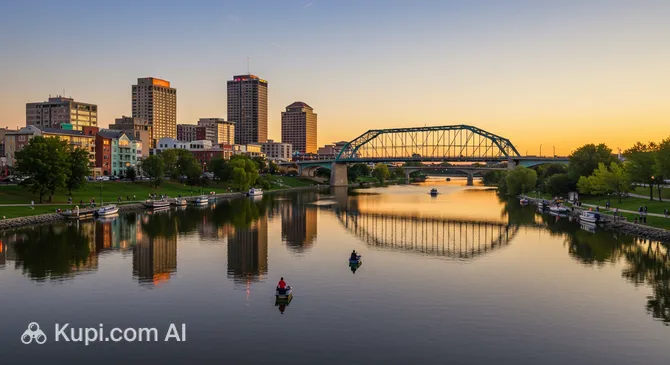
Peoria. Source: Kupi.Binoculars

The city boasts a rich heritage that dates back to the late 17th century, making it one of the oldest European settlements in the state. Visitors interested in the fascinating history of Peoria will discover its evolution from a French trading post into a bustling center of industry, particularly known for its whiskey distillation and manufacturing legacy. With a population of approximately 255,000 residents in the metropolitan area, it serves as a major anchor for Central Illinois, offering a dynamic mix of modern development and historic charm.

There is no shortage of attractions to keep tourists engaged. The city is renowned for the iconic Grand View Drive, a scenic road that President Theodore Roosevelt once famously called the "world's most beautiful drive." For those interested in culture and innovation, the Peoria Riverfront Museum offers immersive exhibits and a planetarium, while the nearby Caterpillar Visitors Center showcases the city's deep ties to heavy machinery and engineering. From outdoor adventures on the river to a thriving arts scene, Peoria invites you to explore its many treasures.

Weather Overview

Peoria experiences a continental climate characterized by four distinct seasons, offering a variety of atmospheric conditions throughout the year. Travelers planning a trip should check the weather in Peoria to pack appropriately, as conditions vary significantly from month to month. Generally, visitors can expect warm summers with occasional rain and cold, dry winters.

Winters are typically chilly, with January being the coldest month, featuring an average temperature of -2.8°C and lows dropping to around -6.6°C. In contrast, the summer months bring pleasant warmth, ideal for outdoor activities along the riverfront. July is usually the warmest time of year, with average temperatures hovering around 24.6°C and daily highs reaching approximately 29.2°C.

Spring and autumn serve as mild transition periods, though spring tends to be the wettest season. April and May see about 13 wet days each, while precipitation remains relatively low in terms of volume throughout the year, often ranging between 2mm and 4mm per month. September offers comfortable conditions with an average temperature of 21.1°C, making it a popular time for sightseeing before the cooler November air sets in.

Interesting Facts

Beyond the main attractions, Peoria holds many fascinating secrets that highlight its unique place in American history and culture. From its industrial achievements to its influence on the entertainment world, this riverside city has stories that often surprise visitors.
  • The famous phrase "Will it play in Peoria?" originated here during the Vaudeville era. Because the city was viewed as a representative sample of the American population, traveling acts and politicians believed that if they could succeed with the audience here, they would likely be successful anywhere in the country.

  • Before Prohibition, the city was known as the "Whiskey Capital of the World." The abundant fresh water and corn supply allowed local distilleries to produce a massive portion of the nation's spirits, generating so much tax revenue that it contributed significantly to the entire U.S. federal budget at the time.

  • A pivotal moment in medical history occurred here with the mass production of penicillin. Scientists at the local agricultural lab discovered that a strain of mold found on a cantaloupe from a Peoria market yielded far more penicillin than previous strains, a breakthrough that saved countless lives during World War II.

  • The city has a deep-rooted legacy in heavy machinery and innovation. For decades, it served as the global headquarters for the industrial giant Caterpillar Inc. This heritage is celebrated at the Caterpillar Visitors Center, where guests can explore the history of the massive machines that helped build infrastructure around the world.

Caterpillar Visitors Center. Source: Kupi.Binoculars

How to Get There

Reaching this central Illinois destination is straightforward, with several options available depending on your starting point. Whether you prefer flying directly into the region or taking a scenic drive from a major Midwest hub, you can easily plan your journey. For a complete overview of all transportation methods, you can read more about how to get to Peoria.

The most convenient gateway for air travelers is Peoria International Airport (PIA). Located just 9.3 km from the city center, this facility handles a significant volume of regional traffic. A taxi or ride-share from here typically takes about 20 minutes to reach downtown. Alternatively, travelers can fly into Central Illinois Regional Airport (BMI) in the city of Bloomington, which is approximately 62 km away. The drive from Bloomington to Peoria generally takes around 45 to 60 minutes via the interstate. Another option is the Quad City International Airport (MLI) in Moline, situated about 113.8 km to the northwest.

For clarity, here is a summary of the main airports serving the region:

Airport Name City Passenger Traffic Km from City
Peoria International Airport Peoria Medium 9.3
Quad City International Airport Moline Medium 113.8
Central Illinois Regional Airport Bloomington Medium 62.0
Capital Airport Taylorville Small 94.5
Willard University Airport Champaign Small 133.2

While the city of Peoria does not have a major intercity railway station within its immediate limits, visitors can access the area via major rail hubs in neighboring metropolises. The closest major hub is Chicago Union Station in Chicago, located approximately 210 km away. From Chicago, travelers can rent a car or take a connecting bus service, with the journey taking roughly 2.5 to 3 hours. Another possibility is arriving at St Louis Railway Station in St. Louis, which is about 235.6 km from Peoria. The transfer from St. Louis by road similarly takes around 3 hours.

Below is a list of the nearest major railway stations:

Station City Passenger Traffic Km to Center
Chicago Union Station Chicago Very Large 210.0
St Louis Railway Station St. Louis Medium 235.6

Main Attractions

Peoria offers a diverse array of activities that cater to history buffs, nature lovers, and families alike. From interactive educational centers to lush green spaces and lively entertainment venues, the city's top sights provide memorable experiences for every type of traveler.

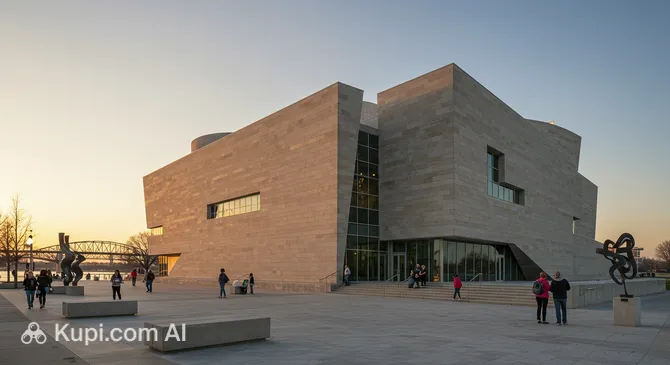
One of the city's premier destinations is the Peoria Riverfront Museum. Situated right on the banks of the Illinois River, this multidisciplinary facility is a cultural hub featuring art, science, and history exhibits. Visitors can explore a variety of changing galleries, catch an educational film at the Giant Screen Theater, or gaze at the stars in the Dome Planetarium. It is an excellent spot for tourists seeking a comprehensive and immersive experience in a modern setting.

Peoria Riverfront Museum. Source: Kupi.Binoculars

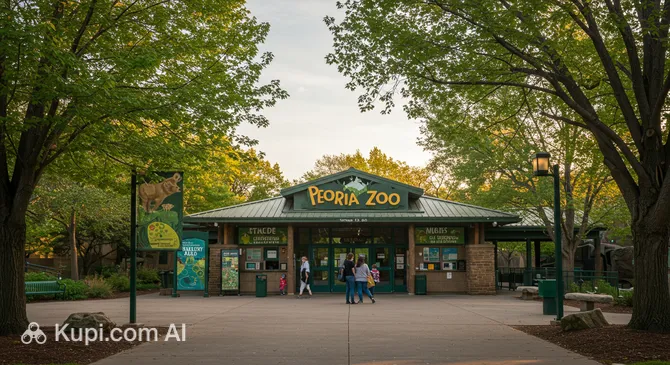
For those who enjoy wildlife and outdoor adventures, the Peoria Zoo is a must-visit attraction located within Glen Oak Park. This engaging facility is home to exotic animals from around the globe, including rhinos, giraffes, and tigers. The zoo is particularly famous for its "Africa!" exhibit, which allows guests to walk on a boardwalk through a simulated savannah, offering a unique and exciting perspective on the animals and their naturalistic habitats.

Peoria Zoo. Source: Kupi.Binoculars

Adjacent to the zoo, nature enthusiasts will find tranquility at the Luthy Botanical Garden. Spanning several acres, this beautiful site features a stunning conservatory and a collection of themed gardens that bloom with vibrant colors throughout the warmer months. It serves as a peaceful retreat where visitors can admire rare tropical plants, attend seasonal flower shows, or simply enjoy a quiet stroll amidst the flora.

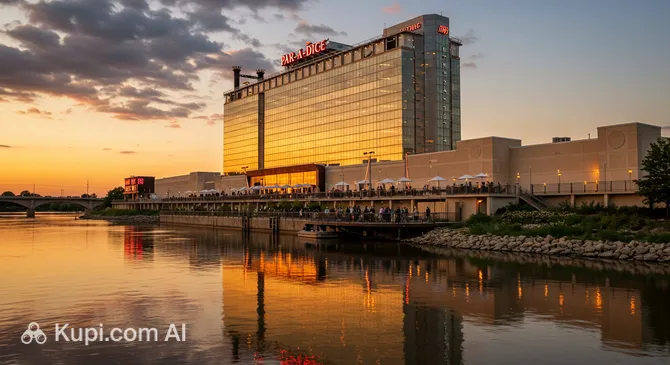
Travelers looking for adult entertainment and nightlife should consider a stop at the Par-A-Dice Hotel Casino. Located just across the river, this riverboat casino offers a lively atmosphere with a wide selection of slot machines and table games. Beyond the gaming floor, guests can enjoy fine dining options and comfortable accommodations, making it a popular choice for an exciting evening out in the area.

Par-A-Dice Hotel Casino. Source: Kupi.Binoculars

Local Cuisine

Custom Cuisine

The culinary landscape of Peoria is deeply rooted in the traditions of the American Midwest, offering a hearty and welcoming dining experience for visitors. The city is perhaps best known for the iconic breaded pork tenderloin sandwich, a regional staple that features a massive, crispy-fried pork cutlet that comically overflows its bun. This dish is a point of pride for locals and a must-try for any tourist looking to taste the authentic flavor of central Illinois. Alongside this classic, the city has a strong affinity for steak and potatoes, reflecting its historical connections to agriculture and the cattle industry.

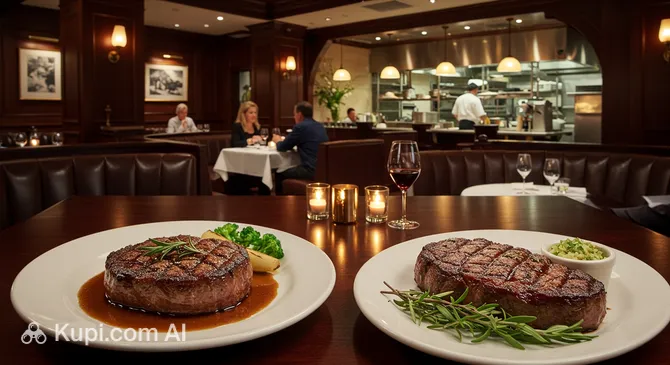
For those seeking a classic dining experience, the city offers several renowned establishments that have stood the test of time. Alexander's Steakhouse is a popular destination where guests can enjoy the interactive experience of cooking their own steaks over a live charcoal grill, or have the chefs prepare it to perfection. This hands-on approach to dining captures the unpretentious and engaging spirit of the local food scene.

Alexander's Steakhouse. Source: Kupi.Binoculars

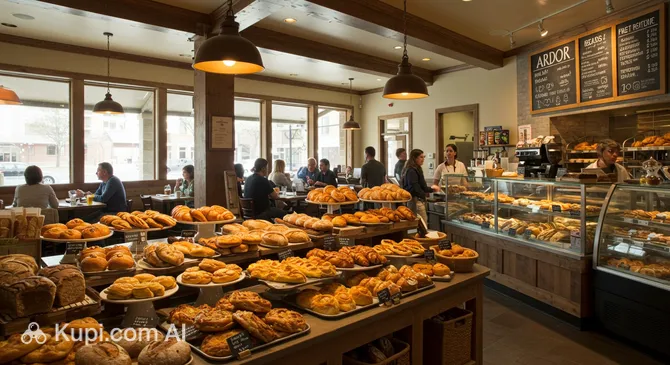
Beyond traditional fare, the city has seen a surge in artisanal and modern culinary spots, particularly in the revitalized Warehouse District and along the riverfront. Foodies will appreciate the craftsmanship at ARDOR Breads and Provisions, a bakery and restaurant celebrated for its naturally leavened breads, handmade pastries, and locally sourced ingredients. It represents the growing trend of farm-to-table dining that highlights the rich produce available in the surrounding farmland.

ARDOR Breads and Provisions. Source: Kupi.Binoculars

The beverage culture in Peoria is equally storied, dating back to its pre-Prohibition era fame as the "Whiskey Capital of the World." While the massive distilleries of the past have evolved, the appreciation for fine spirits remains. Today, visitors can explore a variety of lively bars and pubs that pay homage to this history. Ulrich's Rebellion Room is a favorite local haunt, offering a relaxed atmosphere and an extensive selection of beers that pairs perfectly with the city's friendly nightlife. For a more upscale evening, Connected provides a sophisticated setting with a focus on fine wines and Italian-influenced cuisine.

Dining in Peoria is often accompanied by scenic views, especially during the warmer months when outdoor patios along the Illinois River come alive. Whether you are grabbing a quick bite from a street vendor at the riverfront market or enjoying a multi-course meal downtown, the atmosphere is consistently warm and inviting. The blend of historic comfort food and innovative new eateries ensures that every palate finds something to savor in this river city.

Travel Tips

Welcome to the heart of Illinois! To help you navigate the "River City" with ease and confidence, we have compiled a set of essential guidelines that go beyond the usual travel advice. These practical tips are designed to ensure your visit to Peoria is as smooth and enjoyable as the scenic views along Grand View Drive.

  1. Clothing and Gear: Peoria experiences the full spectrum of the four seasons, so checking the forecast immediately before your trip is crucial. In winter, bring a heavy coat, gloves, and waterproof boots for snow; in summer, lightweight, breathable fabrics are best for the humidity. Since the city features hilly terrain and a beautiful riverfront trail, pack sturdy walking shoes to explore comfortably without fatigue.

  2. Transportation: While the CityLink bus system covers major routes, the most convenient way to explore Peoria and its surrounding areas is by renting a car. The city is spread out, and having your own vehicle allows you to easily access attractions like the wildlife park or the heights of Grand View Drive. Ride-sharing apps like Uber and Lyft are also readily available and reliable for evening outings.

  3. Finances: The local currency is the US Dollar (USD). Credit and debit cards are universally accepted at hotels, restaurants, and museums. However, it is wise to carry a small amount of cash for tips, small purchases at local farmers' markets, or parking meters that might not yet be digital. Standard tipping etiquette applies: aim for 15-20% at sit-down restaurants.

  4. Health and Safety: Peoria is generally a safe destination for tourists, particularly in the downtown and riverfront districts. For medical needs, the city is a major healthcare hub in the region, with top-tier facilities like OSF Saint Francis Medical Center providing 24/7 emergency care. Pharmacies like CVS and Walgreens are plentiful, though not all stay open 24 hours, so check operating times if you need late-night essentials.

  5. Communication: English is the primary language spoken. You will find that locals are chatty and helpful, so don't hesitate to ask for directions. Free Wi-Fi is standard in most hotels, coffee shops, and public buildings like the library. If you need a local SIM card, major carriers have retail stores in the shopping districts along War Memorial Drive.

  6. Local Etiquette: Embrace the "Midwestern Nice" culture. It is polite to smile, make eye contact, and say "hello" to strangers you pass on the street or in elevators. When driving, drivers are generally courteous; aggressive honking is frowned upon unless necessary for safety.

  7. What to Avoid: Do not underestimate the changing weather; storms can roll in quickly, especially in spring, so keep an eye on local alerts. socially, try to avoid constantly comparing the city to Chicago; Peorians are proud of their distinct identity, history, and slower, more relaxed pace of life.

  8. Local Insight: If you are visiting between May and September, do not miss the Peoria Riverfront Market on Saturday mornings. It is more than just a place to buy produce; it is a social event where you can taste local pastries, listen to live music, and mingle with residents to get a true feel for the community vibe.

Armed with these practical tips, you are ready to dive into the local culture and explore everything this historic river city has to offer. Whether you are here for the industrial history, the lush gardens, or the riverboat casinos, a little preparation will go a long way in making your Peoria adventure truly memorable.

Entertainment & Nightlife

As the sun sets over the Illinois River, Peoria transitions from a bustling center of industry and commerce into a lively hub of evening entertainment. While it may not have the frenetic pace of a massive metropolis, the city offers a diverse and welcoming nightlife scene that caters to locals and visitors alike. The atmosphere is generally relaxed and unpretentious, characterized by "Midwestern nice" hospitality, where casual attire is acceptable in most venues, and the crowds are friendly.

The heartbeat of the city's nightlife is undoubtedly the revitalized Warehouse District. Once a center for manufacturing, this area has been transformed into a trendy neighborhood filled with restored brick buildings that now house breweries, gastropubs, and live music venues. Walking along Washington Street and Water Street, you will find a concentration of spots perfect for bar-hopping. Another key area is the Riverfront, which frequently hosts night markets, outdoor concerts, and festivals during the warmer months, offering scenic views alongside entertainment.

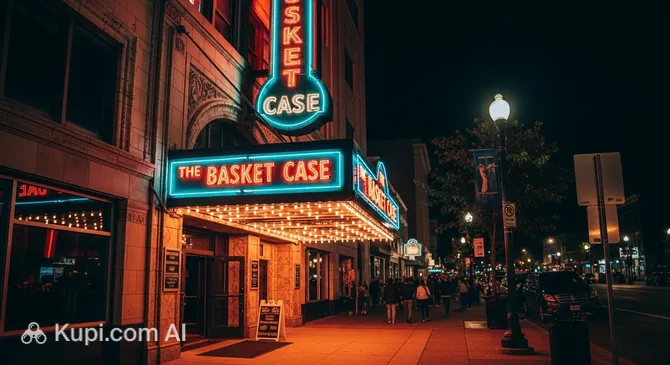
For those seeking live music and a vibrant crowd, The Basket Case is a popular destination. Known for its energetic atmosphere, this venue often features local bands and offers a great selection of drinks, making it a staple for anyone looking to experience the local social scene. It is an excellent spot to mingle with residents and enjoy an upbeat evening without the need for a strict dress code.

The Basket Case. Source: Kupi.Binoculars

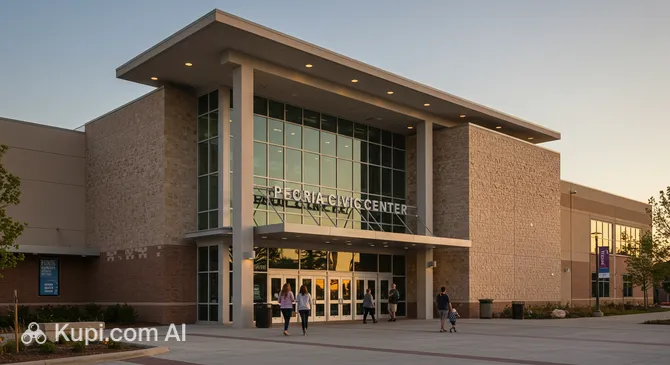
If you are interested in larger-scale entertainment, the Peoria Civic Center is the premier destination for major events. Located in the heart of downtown, this massive arena and theater complex hosts everything from Broadway shows and symphony orchestra performances to rock concerts and comedy tours. Checking their schedule in advance is highly recommended, as it is the focal point for big-ticket entertainment in the region.

Peoria Civic Center. Source: Kupi.Binoculars

Practicality is a key advantage of a night out here. Average prices for drinks and cover charges are significantly lower than in larger cities like Chicago or St. Louis. The best time to experience the nightlife is on Friday and Saturday nights when the districts are most active. Getting around is safe and easy; while the downtown area is walkable, ride-sharing services like Uber and Lyft are readily available and recommended for returning to your hotel late at night. The main nightlife districts are generally safe, but as with any city, it is wise to stay in well-lit areas and travel in groups if possible.

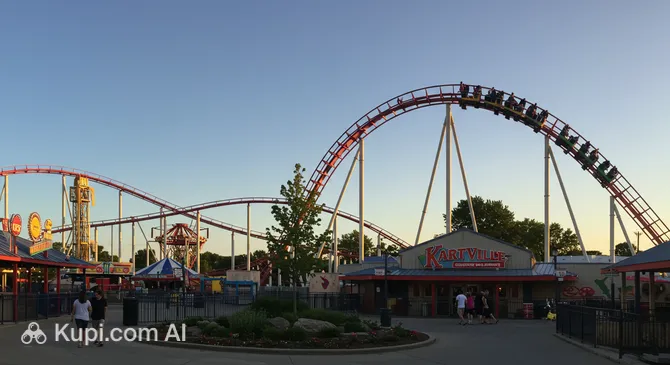
Before the evening festivities begin, the city offers plenty of daytime diversions to fill your schedule. Families and thrill-seekers can head to Kartville, an amusement park that offers go-karts and mini-golf, providing a fun transition from day to night. Whether you are catching a matinee at a local theater or racing go-karts before dinner, Peoria ensures that the entertainment options are as varied as they are enjoyable.

Kartville. Source: Kupi.Binoculars

Parks & Museums

Peoria seamlessly integrates its industrial heritage with a commitment to preserving natural beauty and fostering cultural growth. The city is dotted with expansive green spaces and educational institutions that offer residents and visitors alike a chance to reconnect with nature and explore the arts. Whether you are looking for a quiet afternoon stroll among ancient trees or an interactive learning experience, the local parks and museums provide a diverse array of options.

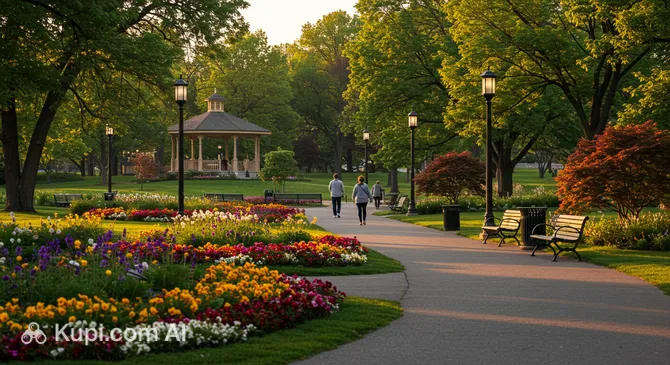
One of the city's most cherished outdoor destinations is Glen Oak Park. Established in the late 19th century, this historic park serves as a central recreational hub for the community. Beyond housing the zoo and botanical garden, the park itself features a picturesque lagoon, a beautifully restored pavilion, and ample walking paths shaded by mature oak trees. It is a perfect spot for picnics, tennis, or simply admiring the Victorian-era landscape design that has been carefully preserved for generations.

Glen Oak Park. Source: Kupi.Binoculars

Another significant green space is Laura Bradley Park, located near Bradley University. This scenic area is renowned for its diverse terrain, which includes wooded bluffs and open fields. A highlight for many visitors is the elegant Japanese bridge spanning the creek, which offers a lovely photo opportunity. The park is also a favorite among active travelers for its well-maintained disc golf course and hiking trails that wind through the woodlands, providing a quick escape into nature within the city limits.

Laura Bradley Park. Source: Kupi.Binoculars

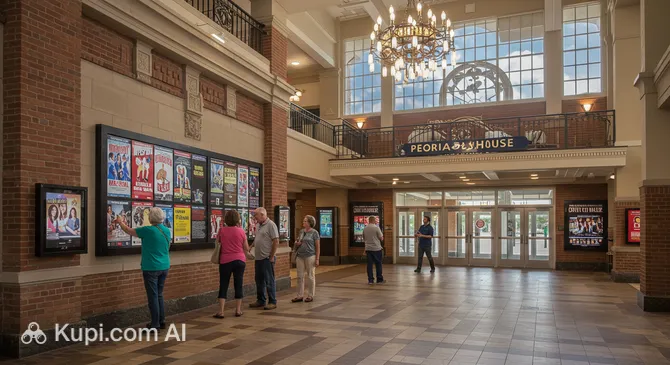
In terms of cultural institutions, the city offers engaging experiences for all ages. The Peoria PlayHouse Children's Museum, situated within Glen Oak Park, is a dynamic venue dedicated to inspiring young minds. Through hands-on exhibits and interactive programs, it encourages children to explore topics ranging from construction and engineering to local history and agriculture. It is an ideal stop for families seeking a fun and educational indoor activity.

Peoria PlayHouse. Source: Kupi.Binoculars

For a broader cultural experience, the Peoria Riverfront Museum remains the city's premier institution for art and science. While known for its planetarium and giant screen theater, the museum also hosts rotating art galleries that feature international exhibitions as well as works by local Illinois artists. It serves as a gathering place for the community, frequently organizing events that celebrate the rich history and creative spirit of the region.

For those willing to venture slightly off the beaten path, the Forest Park Nature Center offers a more rugged natural experience. Located in the bluffs above the river, this dedicated nature preserve features miles of hiking trails that range from easy walks to challenging climbs, offering birdwatchers and hikers a chance to observe the native flora and fauna of the Illinois River Valley in an undisturbed setting.

Getting Around

Navigating Peoria is relatively straightforward, though the public transportation options are more limited compared to larger metropolitan hubs. The primary and most reliable form of public transit is the bus network operated by the Greater Peoria Mass Transit District, known locally as CityLink. There is no underground metro, tram, or light rail system in the city. The bus network is designed to connect the downtown Transit Center with major neighborhoods, shopping districts, and the riverfront area, making it a viable option for getting to key attractions.

For tourists wishing to use the bus, the payment system is simple and affordable. You can pay your fare in cash directly to the driver upon boarding, but it is essential to have the exact change as drivers cannot provide change. A single ride typically costs around $1.00. For visitors planning to use the bus multiple times in a day, purchasing a Day Pass is a cost-effective alternative, usually priced at about $3.00, allowing for unlimited rides. Modern travelers can also utilize the Umo Mobility app, which allows you to buy passes digitally and scan a QR code when entering the bus, eliminating the need for physical cash.

Practical advice for using CityLink includes planning your route in advance, as frequency can vary depending on the line and time of day. Most buses operate from early morning until around midnight on weekdays, with reduced service hours on Saturdays and Sundays. The central hub is the CityLink Transit Center located downtown, where you can easily transfer between different routes and obtain physical maps or schedules. Always board through the front door and exit through the rear to keep the flow of passengers moving smoothly.

Given the city's layout and the spread-out nature of its attractions, many visitors find that alternatives to public transport offer greater flexibility. Ride-sharing services like Uber and Lyft are widely available and are often the most convenient way to travel, especially for evening dining or reaching destinations further from the bus lines. Traditional taxi services are also present but typically require a phone booking in advance rather than being hailed on the street.

For those who prefer to drive themselves, car rentals are highly recommended and are arguably the most efficient way to see the area. Traffic is generally manageable, and parking is plentiful and often free or inexpensive near major sites. While the downtown area and the riverfront are pleasant for walking, exploring the beautiful Grand View Drive or the outer parks is best done by car. Additionally, during the warmer months, you may see electric scooters available for rent in the downtown area, offering a fun and quick way to zip along the riverfront trails.

Accommodation

Finding the perfect place to stay in Peoria is relatively easy, as the city offers a wide spectrum of accommodation options to suit various budgets and travel styles. Visitors can choose from reliable international hotel chains, charming bed-and-breakfasts, and full-service riverfront properties. The general standard of hospitality is high, with many establishments providing amenities such as complimentary parking and breakfast, reflecting the welcoming nature of the Midwest.

For those who want to be in the center of the action, the Downtown district is the most convenient area. Staying here places you within walking distance of the scenic riverfront, the Civic Center, and the museum district. It is an ideal location for business travelers and tourists who prefer to explore on foot. Just across the Illinois River, East Peoria offers additional options, including the popular casino resort area, which provides a lively atmosphere and stunning views of the city skyline.

Travelers with a car might prefer the accommodations located along War Memorial Drive or near the Grand Prairie shopping district in the northern part of the city. These areas are bustling with retail and dining options and offer easy access to the interstate. Here, you will typically find modern mid-range hotels and suites that are perfect for families or longer stays, offering a bit more space and quieter surroundings than the city center.

The cost of accommodation in Peoria is generally quite affordable compared to larger metropolitan areas like Chicago. Mid-range hotels typically price their rooms between $100 and $150 per night, while budget-friendly motels can be found for significantly less. Luxury options are limited but offer excellent value for the service provided. While last-minute bookings are often possible, it is highly recommended to book in advance if your visit coincides with a major event or concert at the Civic Center, as downtown hotels can fill up quickly.

Nearby Cities

Peoria's central location in Illinois makes it an excellent base for exploring the wider Midwest region. Within a short drive, travelers can discover a variety of interesting destinations, from vibrant university towns to the historic communities that make up the Quad Cities area along the Mississippi River. These nearby locations offer diverse attractions perfect for day trips or weekend getaways.

The closest major neighbor is Normal, located just 55 km to the southeast. Home to Illinois State University, this town offers a lively youthful atmosphere and is a hub for educational and cultural activities. It serves as a convenient stop for those traveling through central Illinois.

Further to the northwest, approximately a 1.5-hour drive away, lies the metropolitan area known as the Quad Cities, which straddles the river border between Illinois and Iowa. On the Illinois side, visitors can explore Moline, famous for its deep industrial roots and the John Deere Pavilion, as well as Rock Island, known for its distinct architectural heritage and entertainment district. Across the river in Iowa, Bettendorf and Davenport offer scenic riverfront parks, museums, and a rich arts scene.

Here is a list of cities located within a reasonable distance from Peoria:

City Population Distance (km)
Normal 53,446 55
Moline 42,660 119
Bettendorf 38,631 120
Rock Island 37,519 123
Davenport 280,282 124

Shopping & Souvenirs

As a regional hub for central Illinois, Peoria offers a diverse shopping landscape that ranges from large-scale retail centers to charming local boutiques. Whether you are looking for the latest fashion trends, unique home décor, or specialty gifts, the city provides ample opportunities to indulge in some retail therapy. The shopping experience here is relaxed and accessible, with most major districts located within a short drive of the downtown area.

For an upscale outdoor shopping experience, the Shoppes at Grand Prairie is the premier destination in the city. This beautifully landscaped open-air lifestyle center features a wide array of national clothing brands, home goods stores, and dining options, all connected by pedestrian-friendly walkways. It is a popular spot for both locals and visitors to spend an afternoon strolling from shop to shop. Another notable area is the Metro Centre, a locally-owned strip that hosts a mix of high-end boutiques, kitchenware shops, and specialty grocery stores, offering a more personalized customer experience.

Travelers who prefer the convenience of indoor shopping will find everything they need at Northwoods Mall, the city's classic enclosed shopping center. For a more eclectic mix of retail and services, particularly catering to the younger crowd and university students, the Campustown Shopping Center is a bustling spot located near Bradley University. This area features a variety of shops, casual eateries, and service providers, making it a lively hub of activity throughout the week.

Campustown Shopping Center. Source: Kupi.Binoculars

If you are visiting between May and September, the Peoria Riverfront Market is an essential stop for a local shopping experience. Held on Saturday mornings along the scenic riverfront, this vibrant market showcases the best of the region's agriculture and creativity. Visitors can browse stalls filled with fresh produce, handmade jewelry, local art, and artisanal foods. It is the perfect place to find one-of-a-kind items directly from the makers and growers.

When it comes to souvenirs, the city's industrial heritage offers the most iconic options. Merchandise branded with the famous yellow-and-black Caterpillar logo—such as die-cast models, hats, and apparel—is a top choice for gifts, reflecting Peoria's long history as the headquarters for the heavy machinery giant. Additionally, given the city's whiskey-distilling past, locally distilled spirits or related memorabilia make for excellent keepsakes. Gourmet popcorn and locally roasted coffees are also popular edible treats to bring home.

Most retail stores in Peoria operate from 10:00 AM to 9:00 PM on weekdays and Saturdays, with reduced hours on Sundays, typically from 11:00 AM to 6:00 PM. Independent boutiques and downtown shops may close earlier, around 5:00 PM or 6:00 PM. Credit and debit cards are universally accepted, and contactless payment methods are becoming standard. Visitors should be aware that sales tax is added to the marked price of goods at the register, and there is generally no sales tax refund system available for international tourists in Illinois.

Reached the end of the page?

That means the route is fully explored