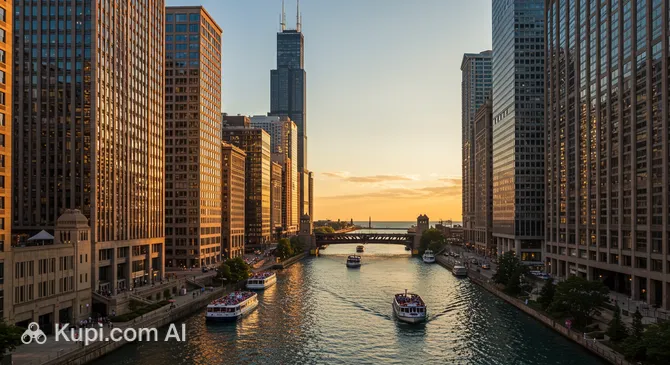
Chicago, often affectionately referred to as the "Windy City," is a vibrant metropolis that serves as a global hub for culture, commerce, and industry. Located in the state of Illinois along the southwestern shores of Lake Michigan, it is famous for its bold architecture and stunning skyline. As one of the most populous cities in the United States, Chicago offers a dynamic urban atmosphere combined with the scenic beauty of its vast waterfront and extensive park systems.
The history of Chicago is a testament to resilience and innovation, marked by its rapid rise from a trading post to a modern architectural marvel. Today, the city is a melting pot of diverse neighborhoods, each with its own unique character and heritage. Visitors can experience distinct seasons here, from warm, festival-filled summers to brisk, snowy winters that transform the city into a picturesque landscape.
Chicago. Illustration.
Source: Kupi.com AI
Travelers are drawn to Chicago for its world-class attractions. Millennium Park is a must-visit, housing the iconic Cloud Gate sculpture, widely known as "The Bean." Architecture enthusiasts will marvel at the city's skyscrapers, including the towering Willis Tower, which offers breathtaking views from its Skydeck. Additionally, the city is celebrated for its culinary scene, particularly its legendary deep-dish pizza, and its rich tradition of blues and jazz music.
Whether you are exploring the renowned museums, strolling along the lively Navy Pier, or enjoying a boat tour on the Chicago River, this city promises an unforgettable journey. Chicago's blend of Midwestern hospitality and cosmopolitan flair makes it an ideal destination for any traveler.
Weather Overview
Chicago experiences four distinct seasons, ranging from snowy winters to sunny, vibrant summers. To help you decide on the best time for your visit and what to pack, it is useful to review the current weather in Chicago.
The colder months can be quite brisk, with January usually being the coldest time of year, averaging -2.3°C and seeing lows around -5.0°C. In contrast, the summer season is pleasant and warm; July typically sees average temperatures of 23.2°C, with highs reaching up to 26.5°C. Spring and autumn offer milder transitions, with May averaging 14.6°C and October cooling down to roughly 13.3°C.
Precipitation is relatively consistent throughout the year, with most months recording between 9 and 13 wet days. Generally, you can expect warm summers with occasional rain and cold winters that often bring freezing temperatures.
Average monthly temperature
Average monthly precipitation
Interesting Facts
Beyond the main attractions and the iconic skyline, Chicago holds many fascinating secrets that showcase its innovative spirit and rich history. Discover a few unique aspects of the city that make it truly one of a kind.
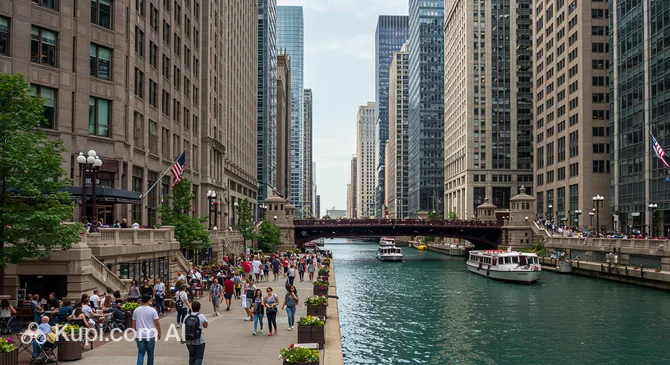
Chicago Riverwalk. Illustration.
Source: Kupi.com AI
Traveler photos:
The Chicago Riverwalk offers a view of a monumental engineering feat: the Chicago River is the only river in the world that flows backward. In 1900, engineers permanently reversed the river's flow to divert water away from Lake Michigan, protecting the city's drinking water supply.
The legendary Route 66, known as the "Main Street of America," officially begins here. You can find the historic "Begin Route 66" sign on East Adams Street, located just a short walk from the renowned Art Institute of Chicago.
Chicago is the birthplace of the modern skyscraper, having constructed the world's first steel-frame high-rise, the Home Insurance Building, in 1885. This legacy of vertical ambition continues with the Willis Tower, which held the title of the world's tallest building for 25 years.
Unlike many major zoos around the globe, the Lincoln Park Zoo is completely free to the public. Founded in 1868, it is one of the oldest zoos in North America and remains open 365 days a year.
How to Get There
Chicago is a major transportation hub in the United States, making it easily accessible for travelers from all over the world. Whether you are arriving by air or rail, you will find excellent infrastructure to welcome you. For a comprehensive overview of all travel options, you can read more about how to get to Chicago in our detailed guide.
The primary gateway for international and domestic travelers is O'Hare International Airport (ORD). Located approximately 25.4 km from the city center, it is one of the busiest airports globally, handling a massive volume of passengers annually. The journey to downtown by taxi or bus typically takes around 60 minutes, depending on traffic conditions. O'Hare offers extensive connections and amenities, serving as a key entry point for visitors.
Another convenient option, particularly for domestic flights, is Chicago Midway International Airport (MDW). Situated just 14.0 km from the heart of Chicago, it is significantly closer to downtown than O'Hare. Travelers can expect a shorter transit time, with a taxi or bus ride taking approximately 40 to 45 minutes. While smaller than O'Hare, Midway is a major hub with substantial passenger traffic, offering a more streamlined arrival experience.
For clarity, here is a summary of the main airports serving the region:
For those preferring rail travel, the city is served by the historic Chicago Union Station (ZUN). Located right in the city center, just 0.9 km from the main downtown area, it is a grand architectural landmark and a bustling hub for intercity trains. Arriving here places you directly in the heart of the action, with easy access to local transit and hotels.
Below is the information regarding the main railway station:
Chicago is a treasure trove of architectural marvels, cultural institutions, and vibrant public spaces. While the city offers countless things to see, a few iconic locations stand out as essential stops for any visitor. These attractions capture the spirit of the city, blending history, art, and entertainment in a way that is uniquely Chicagoan.
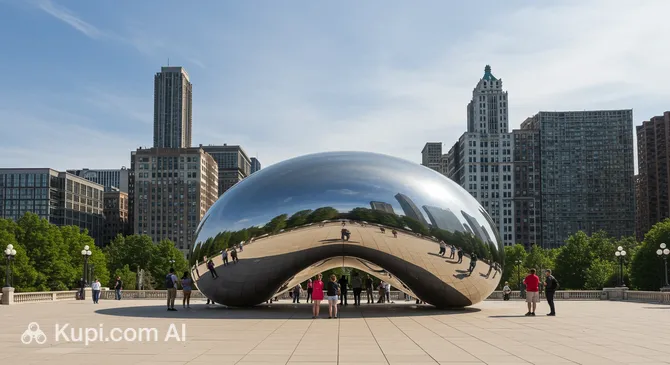
No trip to the city is complete without spending time at Millennium Park. Located in the heart of downtown, this lively urban space is far more than just a park; it is a showcase of modern art and design. Tourists flock here to take photos with the famous "Bean" sculpture and to admire the Crown Fountain, which projects faces of Chicago residents. It serves as a gathering place for free concerts at the Jay Pritzker Pavilion and offers a stunning contrast of lush greenery against the backdrop of the towering skyline.
Millennium Park. Illustration.
Source: Kupi.com AI
Traveler photos:
Just south of the park lies The Art Institute of Chicago, one of the oldest and largest art museums in the United States. Guarded by two iconic bronze lions, this world-class institution houses a massive collection that spans centuries and continents. It is particularly renowned for its Impressionist and Post-Impressionist paintings, including masterpieces by Seurat and Van Gogh. For art lovers, wandering through its vast galleries offers an inspiring journey through human creativity.
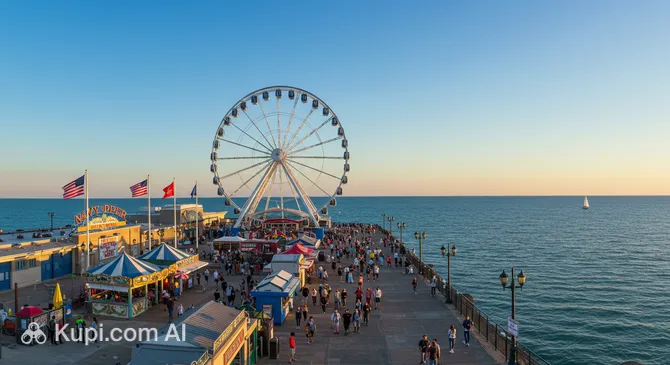
For a mix of family fun and lakeside views, Navy Pier is a top destination. Stretching over 3,000 feet into Lake Michigan, this historic pier features a variety of attractions, including the Centennial Wheel, which provides sweeping views of the city and the water. Visitors can enjoy boat tours, diverse dining options, and the Chicago Children's Museum. It is a bustling hub of activity year-round, often hosting fireworks displays and cultural events.
Navy Pier. Illustration.
Source: Kupi.com AI
Traveler photos:
Nature enthusiasts will appreciate the Shedd Aquarium, located on the Museum Campus. As one of the largest indoor aquariums in the world, it allows visitors to come face-to-face with beluga whales, dolphins, and thousands of other aquatic creatures. The aquarium's distinct architecture and its location right on the lakefront make it a scenic and educational experience for travelers of all ages.
Finally, history and science buffs should explore the Field Museum. Famous for "Sue," the largest and most complete T. Rex skeleton ever discovered, this museum invites you to delve into natural history. From ancient Egyptian tombs to the latest scientific discoveries, the exhibits are designed to spark curiosity and wonder about the natural world and our place within it.
Local Cuisine
Local Cuisine:
Chicago is a world-class culinary destination known for its hearty portions and inventive flavors. The city's food culture is deeply rooted in its immigrant history, resulting in a diverse gastronomic landscape that ranges from iconic street food to high-end dining. Whether you are looking for a quick bite or a sophisticated meal, the "Windy City" offers an impressive array of options that satisfy every palate.
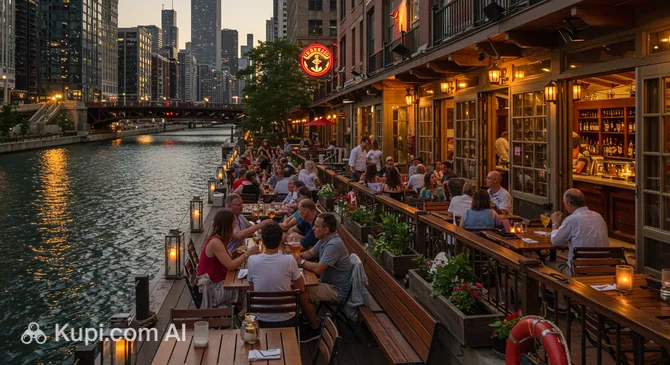
The most famous local specialty is undoubtedly deep-dish pizza. Unlike the thin-crust varieties found elsewhere, this Chicago classic is baked in a high-sided pan, allowing for generous layers of cheese, meat, and vegetables, all topped with a chunky tomato sauce. It is a meal in itself, often requiring a knife and fork to eat. For those who prefer a lighter crust with a view, Pizzeria Portofino offers a delightful Italian dining experience right along the riverfront, blending excellent food with scenic vistas.
Pizzeria Portofino. Illustration.
Source: Kupi.com AI
Traveler photos:
Another "must-try" staple is the Chicago-style hot dog. An all-beef frankfurter is served on a poppy seed bun and "dragged through the garden" with yellow mustard, neon green relish, chopped onions, tomato wedges, a pickle spear, sport peppers, and a dash of celery salt. Importantly, you will never find ketchup on a true Chicago hot dog; locals consider it a major faux pas.
For meat lovers, the Italian Beef sandwich is a legendary local creation. It features thin slices of seasoned roast beef, simmered and served dripping with meat juices (known as "au jus") on a long Italian roll. You can order it "sweet" with peppers or "hot" with spicy giardiniera. It is a messy but incredibly flavorful experience that embodies the city's blue-collar roots.
Beyond the classics, Chicago boasts a vibrant neighborhood dining scene. The West Loop and Fulton Market areas have transformed into trendy culinary hubs featuring some of the city's most acclaimed restaurants. Here, you can find spots like Aba, a popular restaurant serving Mediterranean-inspired plates in a stylish rooftop setting. The city also offers excellent global cuisine, from authentic Mexican food in Pilsen to vast Asian markets like Mitsuwa Marketplace, which provides a deep dive into Japanese culinary culture.
When it comes to drinks, Chicago is a craft beer capital. The city is home to a multitude of breweries, ranging from massive operations to small neighborhood taprooms. You can easily spend an afternoon sampling locally brewed IPAs, stouts, and lagers. For the adventurous drinker, a shot of Malört is a rite of passage. This wormwood-based liqueur is infamous for its bitter taste, but trying it is a surefire way to earn the respect of the locals.
Travel Tips
Preparing for a trip to Chicago means getting ready for its dynamic weather and bustling urban energy. To ensure your visit to the Windy City is as smooth as it is exciting, here are some essential practical tips to help you navigate the city with ease.
Clothing and Gear: The weather here can be unpredictable, so packing layers is the best strategy. Winters are famously cold and windy, requiring a heavy coat, scarf, gloves, and warm boots, while summers are hot and humid. Regardless of the season, bring comfortable walking shoes, as exploring the downtown architecture is best done on foot. Don't forget a universal power adapter if you are visiting from outside North America.
Transportation: Chicago has an extensive and efficient public transit system known as the CTA, comprising buses and the iconic "L" elevated trains. It is the most affordable way to get around; simply purchase a Ventra card at stations. Taxis and ride-sharing apps are also plentiful. Renting a car is generally not recommended for staying downtown due to heavy traffic and very expensive parking.
Finances: The currency is the US Dollar (USD). Credit and debit cards are widely accepted everywhere, from museums to street food stalls. ATMs are easy to find across the city. Be aware that tipping is a mandatory part of the service culture; it is standard to leave 18-20% of the bill for waitstaff, bartenders, and taxi drivers.
Health and Safety: You will find many pharmacies, such as Walgreens and CVS, throughout the city, with several locations open 24 hours. For emergencies, dial 911. While tourist areas like the Loop and Magnificent Mile are safe, it is wise to stay aware of your surroundings, especially late at night, and avoid empty train cars during off-peak hours.
Communication: English is the primary language, and you will find locals to be very communicative. Free Wi-Fi is commonly available in hotels, coffee shops, and public parks. For mobile data, prepaid SIM cards can be purchased at the airport or mobile carrier stores. Downloading the Google Maps and Ventra apps will greatly assist with navigation.
Local Etiquette: Chicagoans are known for their "Midwestern friendliness." It is polite to greet people with a smile and say "excuse me" if you bump into someone. When using escalators, particularly in train stations, always stand on the right side to let commuters walk on the left.
What to Avoid: One specific local rule to respect is regarding hot dogs: never put ketchup on a traditional Chicago-style hot dog. Most authentic stands won't even offer it, and asking for it is considered a major culinary faux pas. Also, try to avoid blocking the sidewalk in groups to take photos; step to the side to let the fast-moving pedestrian traffic flow.
Insider Tip: If you visit during winter or on a rainy day, make use of the Pedway. This underground network of tunnels and overhead bridges connects over 40 blocks in the central Loop area, allowing you to travel between train stations, shops, and hotels without ever stepping out into the cold.
With these practical tips in mind, you are well-equipped to explore everything Chicago has to offer. Embrace the local customs, prepare for the breeze, and enjoy your adventure in this magnificent lakeside metropolis.
Entertainment & Nightlife
Chicago comes alive after dark with an energy that rivals any major global metropolis. Known as the birthplace of electric blues and house music, the city offers a nightlife scene that is as diverse as its neighborhoods. From sultry jazz lounges and historic theaters to pounding nightclubs and rooftop bars, there is something for every nocturnal traveler. The atmosphere is generally welcoming and unpretentious, reflecting the city's Midwestern roots, even in its most upscale venues.
For those seeking a high-energy experience, the River North district is the epicenter of the action. Here, you will find a dense concentration of trendy clubs, cocktail lounges, and late-night restaurants where the dress code is typically "dress to impress." Conversely, neighborhoods like Wicker Park and Logan Square offer a more laid-back, hipster vibe. These areas are famous for their dive bars, craft breweries, and intimate live music venues where the focus is on local talent and great drinks rather than exclusive guest lists.
The Chicago Theatre. Illustration.
Source: Kupi.com AI
Traveler photos:
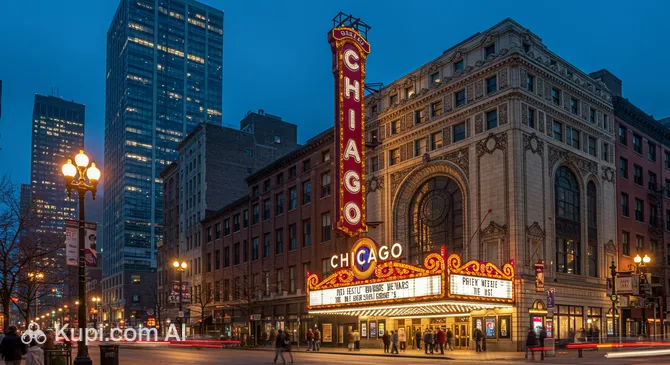
No discussion of Chicago entertainment is complete without mentioning its legendary live performance scene. The Chicago Theatre is an iconic landmark on State Street, instantly recognizable by its dazzling marquee. It hosts everything from comedy legends to world-class musical acts in a stunning, baroque-style auditorium. For a grittier, more authentic musical experience, head to Kingston Mines in Lincoln Park. This world-famous blues club features two stages and live music seven nights a week, often continuing until the early morning hours, making it a favorite stop for night owls.
If you are looking for a venue that blends history with a modern social scene, Thalia Hall in the Pilsen neighborhood is a perfect choice. Modeled after the Prague Opera House, this historic building now houses a concert hall, a tavern, and a moody cocktail bar, offering a full evening of entertainment under one roof. For a more interactive night out, you might visit Puttery, a modern spin on mini-golf that combines competitive socializing with craft cocktails and upscale bites.
Practical Tips for Nightlife:
Most bars in Chicago close at 2:00 AM (3:00 AM on Saturdays), but the city is famous for its "late-night" licenses, allowing some venues to stay open until 4:00 AM or even 5:00 AM. Tipping is standard practice; expect to tip $1-$2 per drink or 20% of your total tab. Getting around at night is relatively easy. The CTA "L" trains operate 24/7 on the Red and Blue lines, which connect downtown to many popular nightlife districts. However, for door-to-door convenience and safety late at night, ride-sharing services like Uber or Lyft are widely recommended.
While the city is exciting, it is important to stay safe. Stick to well-lit, busy streets in popular entertainment districts like River North, the Loop, and the Gold Coast. These areas are generally safe for walking at night due to the high volume of people. If you venture further out, it is best to take a taxi or rideshare rather than walking long distances alone.
For daytime entertainment, the city offers plenty of options beyond its famous museums. Families and thrill-seekers can head to Ninja Kidz Action Park for an active afternoon of obstacle courses and trampolines. Whether you are catching a matinee at a downtown theater or exploring an amusement center, the fun in Chicago starts long before the sun goes down.
Parks & Museums
Chicago is a city that seamlessly blends urban sophistication with natural beauty, offering visitors a rich tapestry of green spaces and cultural institutions. Beyond its famous skyline, the "Windy City" invites you to explore its expansive lakefront parks, world-class museums, and historic architectural gems that tell the story of its evolution.
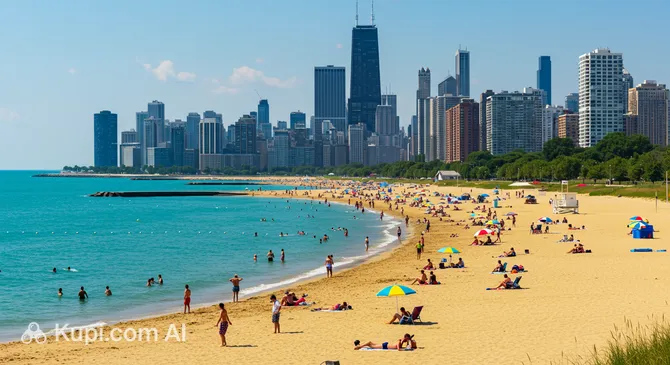
For a unique mix of city vibes and relaxation, Oak Street Beach is a favorite destination. Located just steps from the magnificent skyscrapers of the Gold Coast, this sandy retreat allows you to sunbathe and swim with the city towering right behind you. It is a perfect spot for those who want to experience Lake Michigan without leaving the downtown energy. Further afield, nature lovers can escape to The Morton Arboretum. This massive "outdoor museum" of trees features miles of hiking trails, beautiful gardens, and rotating art installations, providing a peaceful respite from the urban bustle.
Oak Street Beach. Illustration.
Source: Kupi.com AI
Traveler photos:
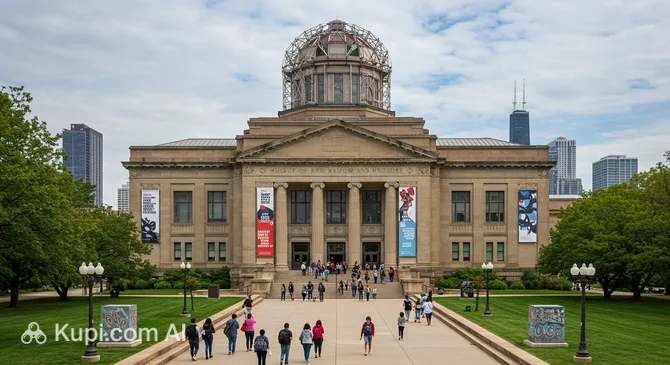
Chicago's museum scene is equally impressive, catering to curious minds of all ages. The Museum of Science and Industry is a must-visit, housed in the only remaining building from the 1893 World's Columbian Exposition. As the largest science museum in the Western Hemisphere, it features incredible exhibits like a captured German U-505 submarine, a descent into a coal mine, and a simulated tornado. It is a place where science truly comes to life through hands-on interaction.
For a deep dive into cultural heritage, the National Museum of Mexican Art in the vibrant Pilsen neighborhood offers a colorful and poignant experience. It houses one of the largest collections of Mexican art in the country, spanning from ancient Mesoamerican artifacts to contemporary works. Admission is free, making it an accessible and enriching stop for everyone.
Museum of Science and Industry. Illustration.
Source: Kupi.com AI
Traveler photos:
Architecture and history enthusiasts will find plenty to admire as well. A short trip to the suburb of Oak Park reveals the Frank Lloyd Wright Home and Studio, where the legendary architect developed his signature Prairie School style. Back in the city, the Church of Saint John Cantius stands as a breathtaking example of sacred architecture. Known for its stunning baroque interior and preservation of traditional liturgies, it is often voted one of the most beautiful churches in America.
For a local insider tip, head to the South Side to visit Promontory Point. This man-made peninsula in Burnham Park offers one of the best panoramic views of the Chicago skyline, especially at sunset. It is a quieter, less tourist-heavy alternative to the downtown observation decks, perfect for a picnic or a scenic walk along the lake.
Getting Around
Navigating Chicago is remarkably convenient thanks to its extensive and user-friendly public transportation network. The system is primarily managed by the Chicago Transit Authority (CTA), which operates the city's famous trains and a vast fleet of buses. For most visitors, this is the most efficient and affordable way to explore the diverse neighborhoods and downtown attractions without the hassle of driving and parking in heavy traffic.
The crown jewel of the network is the train system, locally known as the "L" (short for "elevated"). While some lines run underground like a traditional subway, particularly in the city center, many travel on historic elevated tracks that offer unique views of the city streets below. The "L" consists of eight color-coded lines, with the Red Line and Blue Line operating 24 hours a day, a rarity among global transit systems. These two lines are particularly useful for tourists, as they connect the airports and major sights to the downtown Loop area.
Complementing the trains is a comprehensive bus network that covers the entire city. Buses are an excellent option for cross-town travel or reaching destinations that are slightly further from train stations, such as the Museum Campus. Bus stops are clearly marked, and modern vehicles are equipped with bike racks and accessibility features. For travel to the suburbs or outlying attractions, the Metra commuter rail system provides a comfortable and reliable alternative, departing from main hubs like Union Station and Ogilvie Transportation Center.
Paying for rides is seamless using the Ventra system. Tourists can purchase a reusable Ventra card from vending machines at rail stations and select drugstores. Alternatively, the system accepts contactless payment methods, including credit cards and mobile wallets like Apple Pay or Google Pay, directly at the turnstile or bus reader. For those planning to use transit frequently, unlimited-ride passes (available for 1, 3, or 7 days) offer exceptional value and can be loaded onto a Ventra card or managed via the Ventra app.
Beyond traditional transit, the city offers several popular alternatives. Divvy, the local bike-share program, has thousands of bikes (both classic and electric) docked at hundreds of stations. It is a fantastic way to ride along the scenic Lakefront Trail. Taxis are readily available in the downtown area, and ride-sharing apps are widely used for door-to-door service. During the warmer months, the Chicago Water Taxi offers a scenic and practical way to travel between key tourist spots like Navy Pier and the train stations via the river.
To ensure a smooth journey, it is highly recommended to download the Ventra app for managing fares and checking schedules, as well as Google Maps for real-time route planning. While the "L" is generally safe, it is advisable to stay alert and choose cars with other passengers when traveling late at night. Remember that while transfers between CTA trains and buses are often streamlined, Metra trains operate on a separate ticketing system, so be sure to buy the correct ticket before boarding.
Accommodation
Chicago offers a diverse spectrum of accommodation options that cater to every type of traveler, from budget-conscious backpackers to those seeking opulent luxury. The city's lodging landscape includes historic grand hotels, modern high-rise suites, charming boutique inns, and a wide selection of hostels and vacation rentals. Whether you prefer a room with a sweeping view of Lake Michigan or a cozy apartment in a trendy neighborhood, you will find a place that suits your style and budget.
For most first-time visitors, the most convenient areas to stay are The Loop and the Magnificent Mile (Michigan Avenue). Staying here places you within walking distance of major attractions like Millennium Park, the Art Institute, and the Theater District. If you are looking for vibrant nightlife and a renowned dining scene right at your doorstep, the River North neighborhood is an excellent choice. Alternatively, travelers wanting a more local, artistic vibe might prefer the neighborhoods of Wicker Park or Logan Square, which are well-connected to downtown by the "L" train.
Four Seasons Hotel Chicago. Illustration.
Source: Kupi.com AI
Traveler photos:
The city is famous for its world-class hospitality, boasting some of the finest properties in the country. A prime example of high-end accommodation is the Four Seasons Hotel Chicago. Located just steps from the premier shopping of the Magnificent Mile, it offers travelers luxurious amenities and breathtaking views of the skyline and the lake, serving as a perfect base for a sophisticated urban retreat.
Booking Tips and Prices:
Accommodation prices in Chicago can vary significantly depending on the season. The summer months (June to August) and major festival weekends (such as Lollapalooza) see the highest rates and demand. It is highly recommended to book your stay several months in advance if you plan to visit during these peak times. Winter offers the lowest rates, often making luxury hotels much more affordable. Most bookings can be made easily through major online platforms or directly via hotel websites, which sometimes offer special packages for tourists.
Nearby Cities
For those looking to explore the surroundings, Chicago serves as an excellent base for day trips to several interesting nearby locations:
Just north of the city limits lies Evanston, a charming university town that offers a more relaxed pace than downtown Chicago. Home to the prestigious Northwestern University, it boasts beautiful historic homes, a vibrant downtown area filled with boutiques and restaurants, and scenic beaches along Lake Michigan. It is easily accessible by the "L" train and is perfect for a leisurely afternoon of walking and dining.
Another noteworthy destination is Skokie, often celebrated for its rich cultural offerings. Visitors here can explore the renowned Illinois Holocaust Museum & Education Center, which provides a powerful and educational experience. Additionally, the Skokie Northshore Sculpture Park offers a unique outdoor art experience with over 60 large-scale sculptures situated along the river channel, making it a great spot for art lovers and nature enthusiasts alike.
City
Population
Distance
Lincoln Park
39 741
5 km
Hyde Park
21 115
10 km
Cicero
84 905
10 km
Oak Park
54 100
12 km
Berwyn
56 960
14 km
These nearby destinations offer a glimpse into the diverse culture and landscapes of the region.
Shopping & Souvenirs
Chicago is widely recognized as one of the premier shopping destinations in the United States, offering a retail landscape that rivals New York and Los Angeles. From high-end luxury boutiques and sprawling department stores to quirky neighborhood shops and historic marketplaces, the city caters to every style and budget. Whether you are searching for the latest fashion trends, unique local crafts, or classic Americana, the "Windy City" provides a diverse and exciting shopping experience.
The crown jewel of Chicago's shopping scene is the legendary Magnificent Mile. This stretch of North Michigan Avenue is home to hundreds of retailers, ranging from exclusive luxury brands to popular flagship stores. Walking down this wide, flower-lined boulevard is an experience in itself, with historic architecture blending seamlessly with modern retail spaces. For a different vibe, State Street in the Loop offers a historic shopping district where you can find the iconic Macy's (formerly Marshall Field's), famous for its window displays and architectural grandeur.
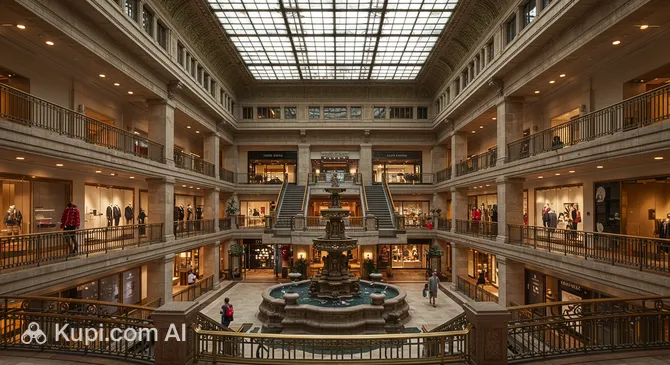
For those who prefer the convenience of indoor shopping, the city boasts several impressive malls. Located directly on the Magnificent Mile, Water Tower Place is a vertical shopping center that features eight levels of stores, dining options, and entertainment venues. It is a landmark destination that allows visitors to shop comfortably regardless of the weather outside.
Water Tower Place. Illustration.
Source: Kupi.com AI
Traveler photos:
If you are willing to venture slightly outside the city center, Oakbrook Center offers a premier open-air shopping experience. Known for its beautiful gardens, fountains, and high-end retailers, it is one of the largest shopping destinations in the region and provides a more relaxed atmosphere compared to the bustling downtown streets.
Chicago also has a vibrant market culture. The Maxwell Street Market is a historic Sunday tradition where vendors sell everything from antiques and clothing to street food, offering a taste of the city's multicultural heritage. For foodies, the Chicago French Market in the West Loop is the only year-round indoor marketplace in the city, featuring dozens of local vendors selling artisanal cheeses, baked goods, and prepared meals.
When it comes to souvenirs, there are a few local staples that are perfect for bringing home. A tin of Garrett Popcorn, specifically the "Garrett Mix" (a blend of caramel and cheese popcorn), is a classic Chicago gift. Frango Mints, originally from Marshall Field's, are another sweet tradition. Sports fans will find no shortage of merchandise representing the Bulls, Cubs, Bears, or White Sox, while music lovers might appreciate a vinyl record from one of the city's legendary blues or jazz clubs.
Most major stores and malls are open from 10:00 AM to 9:00 PM on weekdays and Saturdays, with slightly shorter hours on Sundays. Credit and debit cards are universally accepted, and contactless payment is common. Visitors should be aware that the sales tax in Chicago is among the highest in the country (over 10%) and is always added at the register, so the price you see on the tag is not the final price you will pay. Unlike in many European countries, there is generally no sales tax refund system available for international tourists in the United States.