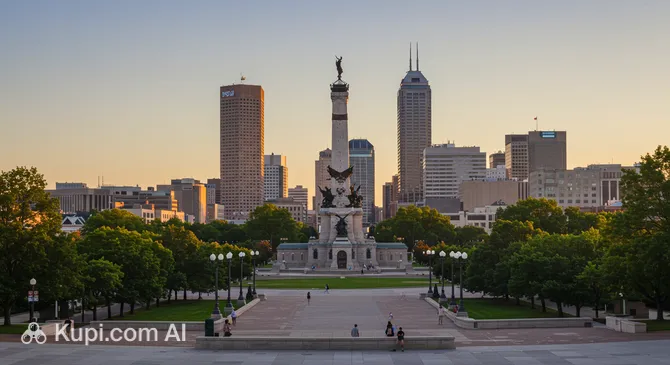
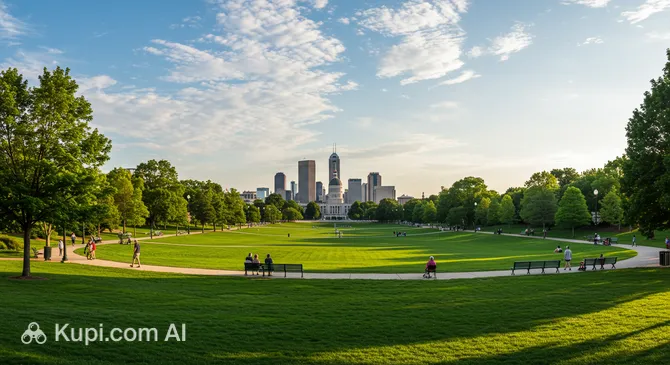
Indianapolis, often affectionately known as "Indy," is a vibrant metropolis that perfectly blends Midwestern hospitality with the energy of a bustling state capital. As a major cultural and economic hub in the United States, it is renowned for its world-class sports culture, thriving arts scene, and walkable downtown area. The city's layout, centered around the iconic Monument Circle, gives it a unique and accessible atmosphere that charms visitors from the moment they arrive.
Indianapolis. Illustration.
Source: Kupi.com AI
Located in the heart of the Midwest within the state of Indiana, the city sits on flat plains that characterize the region. With a metropolitan population of over 1.6 million people, it stands as one of the most populous cities in the Midwest, yet it manages to retain a friendly, community-focused vibe. The history of Indianapolis is deeply rooted in its founding as a planned capital in 1821, designed by Alexander Ralston, who also helped design Washington, D.C.
For tourists, the city is synonymous with speed, serving as the home of the legendary Indianapolis Motor Speedway, which hosts the famous Indy 500 race. Beyond the track, families will find endless entertainment at the Children's Museum of Indianapolis, widely recognized as the largest of its kind in the world. Nature lovers and culture seekers can explore White River State Park, an urban green space that connects museums, gardens, and the zoo along the riverbanks.
Whether you are a racing enthusiast, a history buff, or simply looking for a dynamic city break, Indianapolis offers a diverse range of experiences. Its welcoming spirit and rich array of attractions make it a destination well worth discovering.
Weather Overview
Indianapolis experiences a climate defined by four distinct seasons, bringing a variety of atmospheric conditions throughout the year. To pack appropriately for your trip, it is helpful to review the current weather in Indianapolis, as temperatures and conditions can vary significantly depending on when you visit.
Summers in the city are typically warm, with July being the hottest month, featuring an average temperature of 24.5°C and highs reaching 29.0°C. This season also tends to be wetter, with months like May and July seeing up to 14 wet days. Conversely, winters are cold, particularly in January, where the average temperature drops to -0.7°C, and lows can dip to -4.2°C, requiring warm clothing for any outdoor activities.
The transitional seasons of spring and autumn offer milder and often more comfortable weather. September, for instance, maintains a pleasant average of 21.0°C, while April sees temperatures rising to around 11.5°C. Overall, you can expect warm summers with occasional rain and cold winters, so planning your wardrobe around these seasonal shifts is highly recommended.
Average monthly temperature
Average monthly precipitation
Interesting Facts
Beyond the main attractions, Indianapolis holds many fascinating secrets and record-breaking features that often surprise visitors. Here are some intriguing facts that reveal the unique character of the Circle City:
The infield of the legendary Indianapolis Motor Speedway is so incredibly vast that it could simultaneously fit the Vatican City, the Roman Colosseum, Yankee Stadium, the Rose Bowl, and Wimbledon inside its oval track.
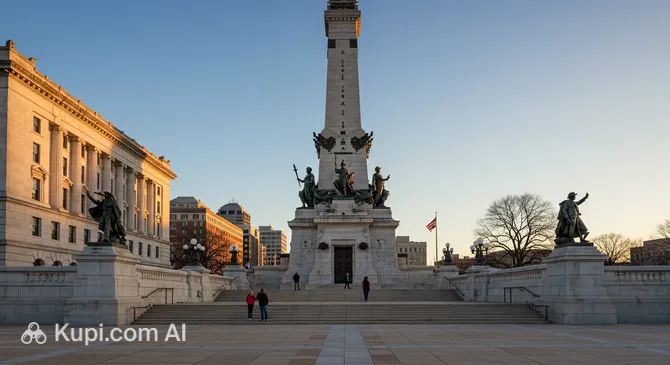
Indianapolis is second only to Washington, D.C. in the number of war memorials and monuments dedicated to veterans, with the magnificent Soldiers & Sailors Monument serving as the literal and symbolic heart of the city.
Hidden beneath the bustling City Market plaza lies a network of brick archways known as the Indianapolis Catacombs, which are actually the subterranean ruins of the historic Tomlinson Hall that burned down in 1958.
The city is the birthplace of Wonder Bread, which was first produced by the local Taggart Baking Company in 1921 before becoming an iconic American brand.
Soldiers & Sailors Monument. Illustration.
Source: Kupi.com AI
Traveler photos:
How to Get There
Reaching this bustling Midwestern hub is convenient thanks to its central location and excellent transport infrastructure. Whether you are arriving by air or considering other regional connections, you can find more about how to get to Indianapolis and plan the best route for your itinerary.
The primary gateway for most visitors is Indianapolis International Airport (IATA: IND). Located just 13.4 km from the city center, it is an award-winning facility known for its efficiency and traveler-friendly amenities. A taxi ride from the airport to downtown is quick, typically taking about 20 minutes. For those preferring public transportation, the bus service generally takes around 40 to 50 minutes to reach the city center.
If you are exploring the broader region, you might also consider flying into Cincinnati/Northern Kentucky Airport (IATA: CVG). Please note that this airport is located in the city of Cincinnati, approximately 151.8 km from Indianapolis. While it requires a longer transfer, it serves as a major alternative hub. The drive from Cincinnati to Indianapolis generally takes about 2 hours by car.
For clarity, here is a summary of the main airports serving the region:
For those considering rail travel, the available data highlights Chicago Union Station (IATA: ZUN) as a significant nearby hub. It is important to note that this station is located in the city of Chicago, roughly 265.5 km from Indianapolis. As a major transit center with very high passenger traffic, it offers extensive connections. Travelers arriving here can rent a car or take a connecting bus to reach Indianapolis, a journey that typically takes between 3 to 4 hours depending on traffic.
Below is the information for the regional railway station:
Indianapolis offers a diverse array of attractions that cater to sports fans, nature lovers, and families alike. From world-renowned racing circuits to expansive urban parks and top-tier museums, the city provides memorable experiences for every type of traveler. Here are some of the most interesting places to visit during your stay.
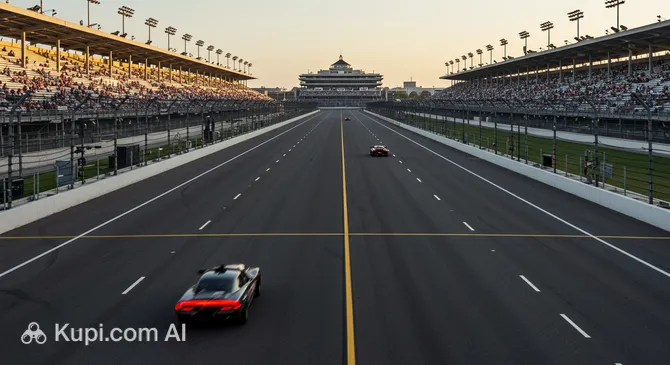
No visit to the city would be complete without experiencing the legendary Indianapolis Motor Speedway. Known as the "Racing Capital of the World," this historic track is the home of the Indianapolis 500 and the Brickyard 400. Tourists can take a guided tour of the oval track, visit the on-site museum to see winning cars from decades past, and even feel the thrill of the asphalt on a bus tour. It is a pilgrimage site for motorsport enthusiasts and a fascinating landmark for anyone interested in automotive history.
Indianapolis Motor Speedway. Illustration.
Source: Kupi.com AI
Traveler photos:
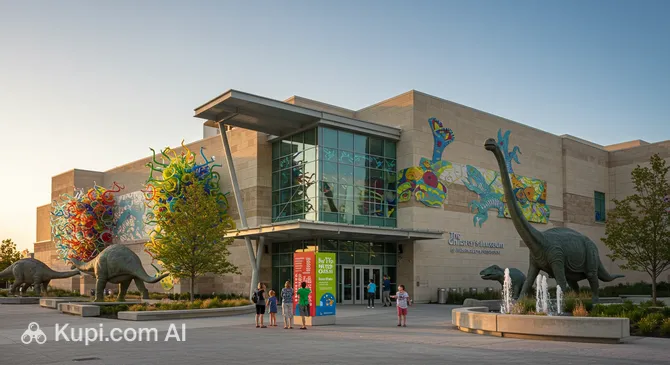
For families traveling with kids, The Children's Museum of Indianapolis is an absolute must-see. Recognized as the largest children's museum in the world, it features five floors of interactive exhibits covering science, culture, and history. Highlights include the Dinosphere, where visitors can walk among full-size dinosaur skeletons, and the outdoor sports experience. It is an educational and entertaining destination that can easily occupy an entire day.
The Children's Museum of Indianapolis. Illustration.
Source: Kupi.com AI
Traveler photos:
Located in the heart of downtown, White River State Park serves as the city's cultural hub and a beautiful green space. Unlike traditional parks, it is an urban playground that connects several major attractions, including museums and concert venues, via scenic trails. Visitors can rent bikes, enjoy a picnic by the river, or simply stroll through the beautifully landscaped gardens that offer a refreshing break from the city bustle.
White River State Park. Illustration.
Source: Kupi.com AI
Traveler photos:
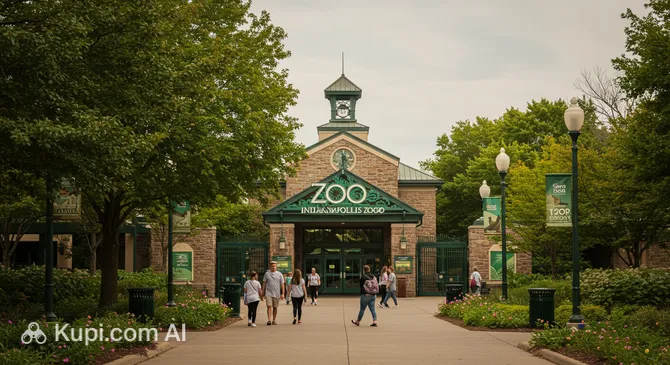
Within the White River State Park complex lies the Indianapolis Zoo, a unique institution that is accredited as a zoo, an aquarium, and a botanical garden. It offers a chance to see a wide variety of animals, from elephants and tigers to dolphins and orangutans, in habitats designed to mimic their natural environments. The zoo is particularly famous for its Simon Skjodt International Orangutan Center, which provides an immersive experience into the lives of these intelligent primates.
Indianapolis Zoo. Illustration.
Source: Kupi.com AI
Traveler photos:
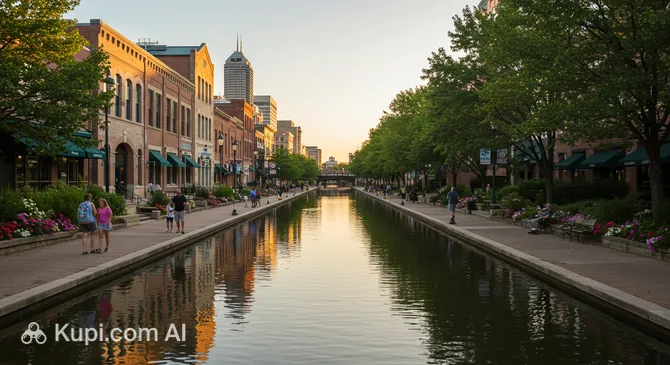
For a relaxing and scenic way to explore the city, the Indianapolis Canal Walk is a favorite among locals and tourists. This 3-mile loop winds through downtown, offering stunning views of the skyline and easy access to museums and monuments. You can explore the canal on foot, rent a pedal boat or kayak, or even take a romantic gondola ride. It is the perfect spot for an evening stroll to soak in the atmosphere of the city.
Indianapolis Canal Walk. Illustration.
Source: Kupi.com AI
Traveler photos:
Local Cuisine
The culinary landscape of Indianapolis goes far beyond typical Midwestern fare, offering a delightful mix of comfort food traditions and a rapidly growing farm-to-table movement. The city has embraced its agricultural roots, utilizing the rich bounty of Indiana to create a dining scene that is both hearty and innovative. Visitors will find everything from historic marketplaces to trendy dining districts like Massachusetts Avenue, where the atmosphere is as inviting as the food.
The undisputed king of local cuisine is the breaded pork tenderloin sandwich. This dish is a true Hoosier icon, featuring a piece of pork that is pounded flat, breaded, and deep-fried until golden and crispy. It is famously distinguished by its size, often significantly larger than the bun it is served on. You can find this crunchy, savory delight in diners and pubs across the city, usually topped simply with mustard, pickles, and onions.
For those seeking a spicy kick, the city is renowned for its legendary shrimp cocktail. Known for its horseradish-laden cocktail sauce that delivers a powerful punch to the sinuses, this appetizer has become a culinary landmark in itself. You can experience this famous dish at Harry & Izzy's, a stylish restaurant that shares its heritage with the city's oldest steakhouse. It is a must-try experience for anyone who enjoys bold flavors and upscale dining.
Harry & Izzy's. Illustration.
Source: Kupi.com AI
Traveler photos:
To satisfy a sweet tooth, one must try the Sugar Cream Pie, often cited as the unofficial state pie of Indiana. Also known as "Hoosier Pie," this custard-like dessert is made with cream, sugar, and vanilla, typically dusted with nutmeg. It is rich, smooth, and perfectly represents the simple yet delicious nature of local comfort food.
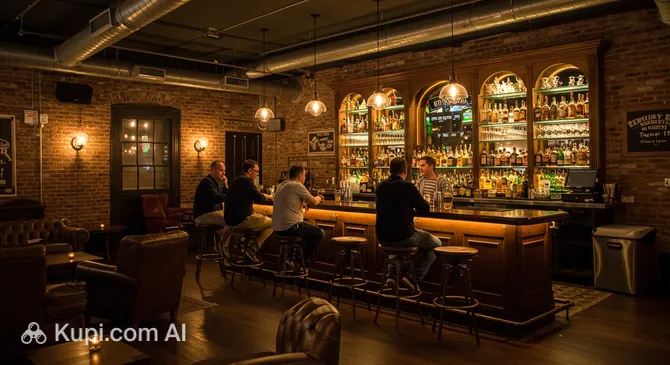
The beverage scene in Indianapolis is equally vibrant, with a booming craft brewery culture. The city is dotted with taprooms and brewpubs serving locally made ales and lagers. For a sophisticated evening with unique cocktails and Latin-inspired cuisine, Livery is a popular spot located in a restored 19th-century building, offering a stylish atmosphere to unwind after a day of sightseeing.
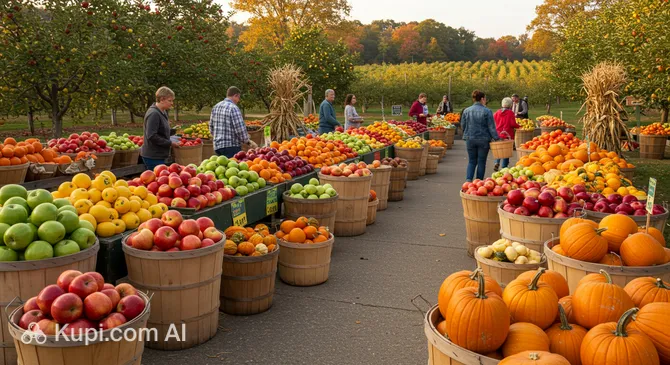
Given the region's agricultural heritage, visiting a local orchard is a great way to taste the freshest produce directly from the source. Places like Beasley's Orchard offer seasonal delights, from crisp apples and award-winning cider to home-baked goods. It highlights the deep connection between the city's food culture and the fertile farmlands that surround it.
Beasley's Orchard. Illustration.
Source: Kupi.com AI
Traveler photos:
Travel Tips
Welcome to Indianapolis, a city where Midwestern charm meets big-city amenities. To help you make the most of your visit to the "Crossroads of America," here is a collection of practical tips designed to ensure your trip is as smooth and enjoyable as possible.
Clothing and Gear: The weather in Indianapolis can be quite variable, so packing layers is essential regardless of the season. Summers are often hot and humid, requiring light, breathable fabrics, while winters can be freezing with potential snowfall, making a heavy coat, gloves, and a hat necessary. Since downtown is very pedestrian-friendly, bring comfortable walking shoes to explore the Cultural Trail and Canal Walk without discomfort.
Transportation: Downtown Indianapolis is highly walkable, but for longer distances, the IndyGo bus system is a reliable option, particularly the Red Line rapid transit which connects key neighborhoods. Rideshare apps like Uber and Lyft are widely available. If you plan to visit the Indianapolis Motor Speedway or explore the suburbs, renting a car is recommended. For short trips downtown, consider using the Pacers Bikeshare program.
Finances: The local currency is the United States Dollar (USD). Credit and debit cards are accepted almost everywhere, from museums to food trucks, though it is wise to carry a small amount of cash for small purchases or tips. ATMs are plentiful throughout the city. Tipping is a standard practice in the US; expect to leave 15-20% at restaurants and bars, and a few dollars for hotel staff or taxi drivers.
Health and Safety: Indianapolis is generally a safe city for tourists, especially within the downtown Mile Square area. However, as in any major metropolitan area, stay aware of your surroundings and stick to well-lit, populated streets at night. For medical needs, pharmacies like CVS and Walgreens are easy to find, and 911 is the number to dial for any emergencies.
Communication: English is the primary language spoken. Free Wi-Fi is commonly available in hotels, coffee shops, and public spaces like the City Market. If you need mobile data, prepaid SIM cards can be purchased at major carrier stores (AT&T, T-Mobile, Verizon) or electronics retailers. Downloading the Visit Indy app can be helpful for maps and event schedules.
Local Etiquette: You will likely experience the famous "Hoosier Hospitality" firsthand. Locals are generally friendly, polite, and helpful. It is common to greet strangers with a smile or a nod while walking. When entering shops or restaurants, a simple "hello" goes a long way. Politeness and patience are highly valued here.
What to Avoid: Do not underestimate the distance to the Indianapolis Motor Speedway; it is located in the town of Speedway, which is an enclave about 6 miles from downtown, so walking there is not a practical option. Also, avoid bringing up negative opinions about motor racing or local sports teams (the Colts and Pacers), as sports are a significant source of local pride.
Skywalk System: If you are visiting during the colder months or on a rainy day, make use of the downtown Skywalk system. This network of climate-controlled pedestrian walkways connects the convention center, Lucas Oil Stadium, a mall, and several hotels, allowing you to move around the city center without ever stepping outside.
Armed with these practical tips, you are ready to navigate Indianapolis like a pro. Embrace the friendly atmosphere, enjoy the convenience of the city's layout, and have a wonderful time exploring everything Indy has to offer.
Entertainment & Nightlife
When the sun sets over the Midwest, Indianapolis transforms into a lively hub of entertainment, offering a nightlife scene that rivals larger coastal cities. The atmosphere is generally relaxed and welcoming, reflecting the city's friendly character, but the energy runs high, especially on weekends. Whether you are looking for thumping bass in a dance club, a sophisticated cocktail in a dimly lit lounge, or live music that showcases local talent, Indy has a district to match your mood.
The nightlife geography is defined by a few key neighborhoods. Broad Ripple Village is the bohemian heart of the city, teeming with college students and young professionals hopping between casual pubs and energetic clubs. For a more polished and trendy experience, Massachusetts Avenue (Mass Ave) offers an array of stylish bars, speakeasies, and gastropubs where the dress code leans towards smart casual. Meanwhile, the Wholesale District downtown provides a classic big-city night out with its proximity to major sports arenas and upscale venues.
Music lovers will find themselves at home here, as the city boasts a vibrant live music culture. One of the premier spots to catch touring acts and local favorites is HI-FI Indy & HI-FI Annex. Located in the Murphy Arts Center in Fountain Square, this venue is celebrated for its intimate setting and excellent sound quality, making it a staple of the local independent music scene.
HI-FI Indy & HI-FI Annex. Illustration.
Source: Kupi.com AI
Traveler photos:
For those who prefer a smoother rhythm, The Jazz Kitchen is an institution in Indianapolis. It combines a top-tier listening room experience with a Latin-inspired menu. The venue regularly hosts national jazz acts and features open-air dancing on salsa nights, drawing a diverse crowd that appreciates both fine tunes and good food.
If laughter is what you are after, the city offers excellent comedy venues such as the Helium Comedy Club. Situated downtown, this contemporary club brings in top stand-up comedians from around the country. It offers a comfortable cabaret-style seating arrangement where you can enjoy dinner and drinks while watching the show.
Practical Nightlife Tips: Most bars and clubs in Indianapolis stay open until 3:00 AM, giving you plenty of time to explore. Prices are generally moderate compared to Chicago or New York; expect to pay around $6-$12 for a cocktail and $5-$8 for a beer. While the downtown area is very walkable, getting to districts like Broad Ripple requires transportation. Rideshare services like Uber and Lyft are plentiful and are the safest and most convenient way to get around at night.
Safety: Indianapolis is generally safe for nightlife, particularly in the populated districts like Mass Ave and the Wholesale District. However, it is always wise to stay in groups, especially late at night, and stick to well-lit main streets. If you are exploring further afield, calling a taxi or rideshare is recommended over walking long distances alone.
Before the evening festivities begin, the city offers a wealth of daytime entertainment options. Culture enthusiasts should not miss the Eiteljorg Museum of American Indians and Western Art, which houses one of the most significant collections of Native American and Western art in the world. Additionally, the Indiana State Museum provides a deep dive into the natural and cultural history of the region, located conveniently within the scenic White River State Park.
Parks & Museums
Beyond the roar of the engines and the bustling downtown streets, Indianapolis offers a surprising abundance of serene green spaces and world-class cultural institutions. The city's commitment to public art, history, and nature is evident in its meticulously maintained parks and diverse museums, making it a well-rounded destination for travelers seeking both relaxation and enrichment.
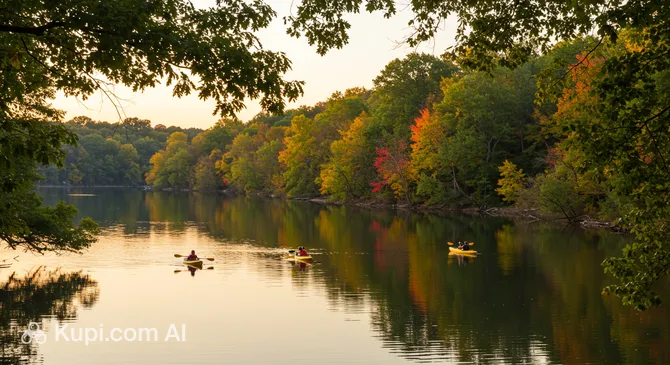
For nature enthusiasts, Eagle Creek Park is a massive urban retreat located just minutes from the city center. As one of the largest municipal parks in the United States, it spans over 3,900 acres of land and 1,400 acres of water. Visitors can explore miles of hiking trails, go sailing or kayaking on the reservoir, or challenge themselves at the Go Ape treetop adventure course. It is a haven for birdwatchers and anyone looking to escape into the wild without leaving the city limits.
Eagle Creek Park. Illustration.
Source: Kupi.com AI
Traveler photos:
Another gem in the city's park system is Garfield Park, the oldest park in Indianapolis. It is famous for its stunning Conservatory and Sunken Gardens, which offer a splash of color and tropical beauty year-round. The European-style formal gardens, complete with fountains and paved walkways, provide a romantic and picturesque setting that feels worlds away from the urban grid.
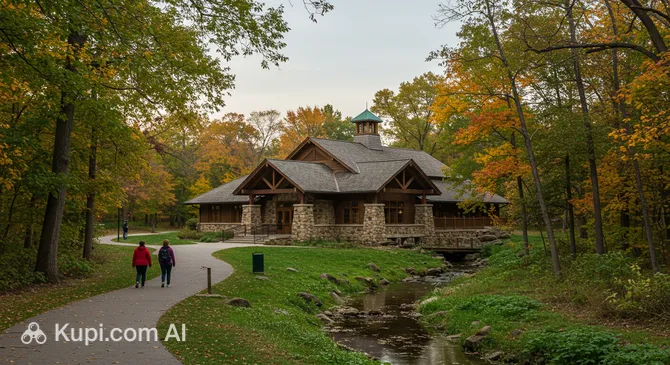
If you are looking for something truly unique, head to Holliday Park on the north side. The park's most striking feature is "The Ruins," a collection of limestone columns and statues salvaged from a demolished New York City skyscraper and artfully arranged to create a dramatic, ancient-looking landscape. The park also features a sprawling nature center and trails that wind down to the White River.
Holliday Park. Illustration.
Source: Kupi.com AI
Traveler photos:
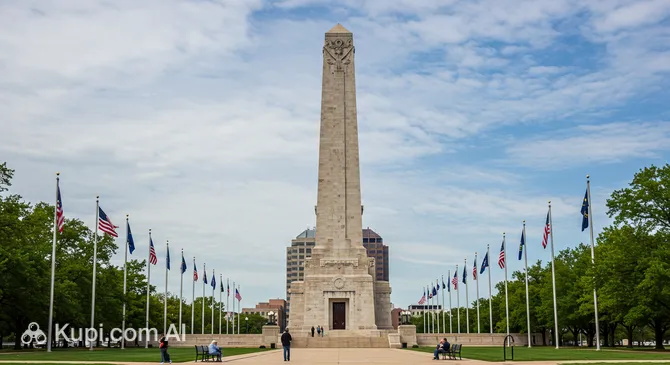
Indianapolis takes great pride in its history, nowhere more visible than at the Indiana War Memorial & Museum. This imposing neoclassical monument is modeled after the Mausoleum of Halicarnassus and dominates the five-block plaza known as the Indiana World War Memorial Plaza. Inside, visitors can explore a free museum detailing the state's military history and ascend to the awe-inspiring Shrine Room, a solemn space dedicated to peace and unity.
Indiana War Memorial & Museum. Illustration.
Source: Kupi.com AI
Traveler photos:
Given the city's racing heritage, the Indianapolis Motor Speedway Museum is an essential stop for culture and history buffs alike. Located within the oval of the famous track, this museum houses an incredible collection of winning cars, trophies, and memorabilia that tell the story of over a century of automotive innovation and sporting excellence. It offers a fascinating look at how the "Indy 500" became an international phenomenon.
For an immersive journey into the past, Conner Prairie in nearby Fishers offers a premier living history experience. This interactive outdoor museum allows visitors to step back in time to 19th-century Indiana, interacting with costumed interpreters who demonstrate pioneer crafts, farming techniques, and daily life. It is particularly engaging for families, offering a hands-on way to learn about the region's heritage.
For those seeking an offbeat and authentic experience, the Indiana Medical History Museum offers a rare glimpse into the history of medicine. Housed in the Old Pathology Building of the former Central State Hospital, it is preserved exactly as it was in the late 19th century, complete with an amphitheater, laboratories, and autopsy room. It is a fascinating, albeit slightly macabre, hidden gem that tells the story of the dawn of modern psychiatry and medical research.
Getting Around
Navigating Indianapolis is relatively straightforward, with the city offering a public transportation system that is both accessible and budget-friendly for visitors. The primary provider of transit services is IndyGo, which operates a comprehensive network of bus routes connecting the downtown area with major neighborhoods, shopping districts, and cultural attractions. While the city does not have a subway or light rail system, its bus network is efficient and well-suited for reaching most tourist destinations.
A standout feature of the local transport network is the Red Line, a Bus Rapid Transit (BRT) service that is particularly useful for tourists. This fully electric bus line runs frequently and connects key areas such as Broad Ripple Village, the downtown district, and the University of Indianapolis. It utilizes dedicated lanes for parts of its route and features elevated platforms for quick boarding, offering a ride experience that is faster and smoother than traditional bus services.
For fare payment, IndyGo utilizes a modern system known as MyKey. Travelers can pay using the MyKey mobile app or a reloadable card, which can be purchased at the Julia M. Carson Transit Center downtown. The system employs fare capping, meaning once you spend the equivalent of a day pass (approximately $4.00), you ride free for the rest of the day. A single trip costs around $1.75 and includes free transfers within a two-hour window. Cash is also accepted on board buses, but it requires exact change as drivers cannot provide refunds.
Practical advice for tourists includes planning your journeys around the Julia M. Carson Transit Center, which serves as the central hub for most bus routes. It offers a safe and comfortable environment with indoor waiting areas, customer service desks, and real-time arrival information. Most bus routes operate from early morning until late at night, though frequencies can vary on weekends and holidays, so checking the schedule via the official app or Google Maps is recommended.
Beyond buses, Indianapolis is a very car-friendly city, and ride-sharing services like Uber and Lyft are extremely popular and reliable alternatives. They are often the most convenient way to reach destinations outside the central loop or late at night. Traditional taxis are available but are generally found at hotel stands or the airport rather than being hailed on the street.
For short trips within the city center, consider using the Pacers Bikeshare program. With stations located throughout downtown and along the Indianapolis Cultural Trail, it is a fun and active way to see the sights. Electric scooters are also widely available for rent via various mobile apps, providing a quick way to zip between museums and parks on the city's flat terrain.
Accommodation
Finding the perfect place to stay in Indianapolis is easy, thanks to a wide variety of accommodations that cater to different preferences and budgets. The city center is a popular choice for first-time visitors, offering a high concentration of hotels connected to the convention center and Lucas Oil Stadium via the convenient climate-controlled Skywalk system. This allows guests to move between their rooms, dining venues, and event spaces without stepping out into the elements.
For travelers interested in a resort-style experience that combines outdoor recreation with comfortable lodging, The Fort Golf Resort is an excellent option. Located on the edge of Fort Harrison State Park, this property is ideal for nature lovers and golf enthusiasts. Guests can enjoy the tranquility of the park's hiking trails and the challenge of the 18-hole championship golf course, all while staying just a short drive from downtown.
The Fort Golf Resort. Illustration.
Source: Kupi.com AI
Traveler photos:
Couples seeking a private and romantic escape may prefer Sybaris Pool Suites Indianapolis. This unique adults-only destination specializes in creating a secluded atmosphere, featuring suites equipped with private swimming pools and whirlpools. It offers a distinct departure from traditional hotel stays, focusing on relaxation and intimacy.
Sybaris Pool Suites Indianapolis. Illustration.
Source: Kupi.com AI
Traveler photos:
If you are planning a visit during major events, such as the Indianapolis 500 in May or large-scale conventions, it is highly advisable to book your accommodation well in advance. During these peak times, hotels across the city—and even in neighboring suburbs—fill up quickly, and rates can be significantly higher than usual. For those staying outside the downtown loop, renting a car is often the most practical way to commute between your hotel and the city's main attractions.
Nearby Cities
For those looking to explore the surroundings, Indianapolis serves as an excellent base for day trips to several interesting nearby locations. The region offers a mix of vibrant college towns, historic communities, and rapidly growing modern suburbs, each with its own unique character.
One of the most popular destinations is Bloomington, located south of the capital. Home to Indiana University, this city is renowned for its youthful energy, limestone architecture, and thriving arts scene. It is also the gateway to the Hoosier National Forest and Monroe Lake, making it a perfect spot for nature lovers who want to combine outdoor recreation with a visit to a lively downtown filled with eclectic shops and restaurants.
Just north of Indianapolis lies Noblesville, a city that charms visitors with its beautifully preserved historic downtown square. It offers a nostalgic atmosphere with antique shops and the classic courthouse, contrasting with the nearby Ruoff Music Center, which hosts major concerts. Close by is Fishers, a dynamic community known for the Nickel Plate District and its proximity to the interactive history experience at Conner Prairie.
City
Population
Distance
Beech Grove
15 202
8 km
Speedway
13 613
8 km
Greenwood
62 914
18 km
Brownsburg
28 420
22 km
Zionsville
30 258
23 km
These nearby destinations offer a glimpse into the diverse culture and landscapes of the region, providing memorable experiences just a short drive from the city center.
Shopping & Souvenirs
Indianapolis offers a diverse retail landscape that caters to every taste, from high-end fashion enthusiasts to bargain hunters. The city blends modern shopping malls with historic districts filled with independent boutiques, ensuring a rewarding experience for visitors looking to update their wardrobe or find the perfect gift.
In the downtown area, the retail scene is accessible and vibrant. For a unique local experience, the Massachusetts Avenue (Mass Ave) cultural district is a must-visit. This energetic corridor is lined with eclectic shoe stores, art galleries, and gift shops offering locally made goods, making it the ideal spot to find items you won't see anywhere else.
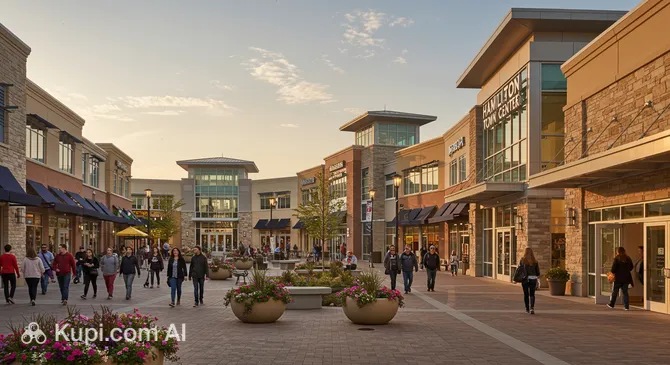
Travelers willing to venture slightly outside the city center will find exceptional open-air lifestyle centers. Hamilton Town Center in Noblesville is a sprawling destination designed with a classic streetscape atmosphere. It features a wide array of retailers, restaurants, and entertainment options, providing a relaxed environment for a full day of shopping.
Hamilton Town Center. Illustration.
Source: Kupi.com AI
Traveler photos:
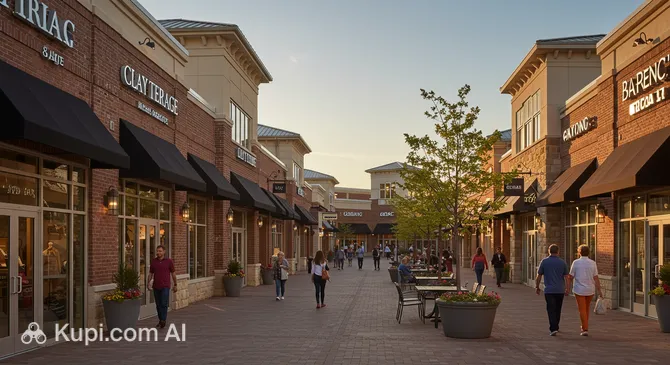
Another premier location for outdoor shopping is Clay Terrace in Carmel. This dog-friendly center offers a sophisticated mix of national brands and local specialty stores. With its wide walkways, vintage charm, and inviting dining spots, it is a favorite place for locals to stroll and shop at a leisurely pace.
Clay Terrace. Illustration.
Source: Kupi.com AI
Traveler photos:
For luxury shopping, The Fashion Mall at Keystone is the undisputed leader in the region. It houses upscale department stores and exclusive designer boutiques that are hard to find elsewhere in the state. If you are looking for authentic souvenirs, keep an eye out for merchandise celebrating the famous Indianapolis 500 or locally produced treats like gourmet popcorn, which pay delicious homage to Indiana's agricultural heritage.