Support

Westchester

About

Nestled in the heart of Cook County, Westchester is a welcoming village that perfectly balances small-town charm with the convenience of metropolitan living. Known for its well-kept neighborhoods and strong sense of community, this destination in Illinois invites travelers to experience the quieter side of the United States. Its strategic location just west of downtown Chicago makes it an ideal base for exploring the wider region while enjoying a peaceful retreat away from the city's hustle and bustle.

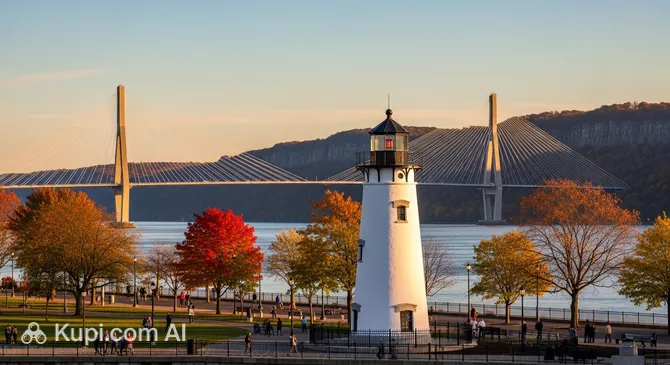
Westchester. Source: Kupi.Binoculars

The geography of the area is defined by its lush landscapes and proximity to significant natural areas. Visitors can explore the history of Westchester to understand how it evolved from open prairies into a thriving residential suburb. Today, the village is celebrated for its green spaces, including access to the expansive Forest Preserves of Cook County, which offer ample opportunities for hiking, bird watching, and picnicking in a serene environment.

One of the local highlights is the impressive Westbrook Corporate Center, which stands as a recognizable landmark with its distinctive architecture. Additionally, nature enthusiasts will appreciate the nearby Wolf Road Prairie Nature Preserve, a rare remnant of the original black soil prairie that once covered the state. Whether you are passing through on a business trip or seeking a relaxing getaway near Chicago, Westchester offers a friendly atmosphere and a comfortable stay for all who visit.

Weather Overview

Visitors to this Illinois village will experience a climate defined by four distinct seasons, ranging from warm, humid summers to cold winters. To pack appropriately for your trip, it is recommended to consult the detailed guide on the weather in Westchester. Generally, you can expect warm summers with occasional rain and cold winters where temperatures frequently dip near or below freezing.

July is typically the warmest month, offering average temperatures of 24.1°C and highs reaching up to 28.1°C, making it a popular time for outdoor activities despite seeing about 14 wet days. Conversely, January marks the coldest period, with average temperatures hovering around 0.1°C and lows dropping to -3.4°C. Spring tends to be the rainiest season, particularly in May, which records approximately 15 wet days, so keeping an umbrella handy is advisable during this time.

Interesting Facts

Beyond its quiet residential streets and manicured lawns, Westchester holds fascinating secrets that reveal a rich and unexpected history. From ghost subdivisions to pioneer settlements, the village offers unique stories that distinguish it from the typical suburban landscape.
  • The Sidewalks to Nowhere: Hidden within the Wolf Road Prairie Nature Preserve lies a ghostly grid of concrete sidewalks built in the 1920s. These paths were laid for a planned housing subdivision that was abandoned during the Great Depression. Today, they serve as hiking trails through one of the finest remaining black soil prairies in the Midwest, creating a surreal juxtaposition of urban planning and wild nature.

  • A Forgotten Name: Long before it was incorporated as Westchester, the area was a mid-19th-century German farming community known as Franzosenbusch, or "Frenchman's Woods." This name originated from an early French settler who lived in the local timberlands, a heritage that is still celebrated by local historical societies today.

  • The Traveling Schoolhouse: The village is home to the Franzosenbusch Prairie House, a structure dating back to the early 1850s. Originally a two-room Lutheran schoolhouse and teacher's home, it is considered the oldest building in Westchester. It was famously moved from its original site to save it from demolition and now serves as a museum and gateway to the prairie preserve.

  • An English Vision: The village's distinct character is largely due to utility magnate Samuel Insull, who purchased the land in 1924 with the vision of creating a model English-style town. This influence is still visible today in the village's name, its winding street layout, and the predominantly English names of its roads, such as Canterbury, Newcastle, and Portsmouth.

How to Get There

Traveling to Westchester is convenient thanks to its strategic location in the Chicago metropolitan area, offering visitors multiple transport options. Whether arriving by air or rail, the village is well-connected to major hubs in the region. For a comprehensive guide on planning your journey, you can read more about how to get to Westchester.

The city of Westchester does not have its own airport, but it is served by two major aviation hubs located nearby in Chicago. The closest option is Chicago Midway International Airport (IATA: MDW), situated approximately 13.2 km from the village. A taxi or rideshare from Midway typically takes around 40 minutes, depending on traffic. This airport handles a significant volume of domestic passengers and is often a convenient choice for travelers flying within the United States.

Another excellent option is O'Hare International Airport (IATA: ORD), one of the busiest airports in the world. Located in Chicago about 14.5 km from Westchester, it offers extensive international and domestic connections. The journey by car or taxi from O'Hare to the center of Westchester usually takes about 42 minutes. Given its massive scale, O'Hare is the primary gateway for international visitors heading to the area.

For clarity, here is a summary of the main airports:

Airport Name City Passenger Traffic Km from City
O'Hare International Airport Chicago Very High 14.5
Chicago Midway International Airport Chicago High 13.2
General Mitchell International Airport Milwaukee Medium 121.8
South Bend Regional Airport South Bend Low 131.4
Central Illinois Regional Airport Bloomington Low 174.8

For those preferring rail travel, the city of Westchester does not have a railway station, but you can arrive at the Chicago Union Station (IATA: ZUN) in the city of Chicago, which is about 20.2 km from Westchester. As a major intercity rail hub, it connects the region to destinations across the country. From there, you can get a taxi or bus, which takes about 50 minutes to reach Westchester.

Here is the information regarding the nearest railway station:

Station City Passenger Traffic Km to Center
Chicago Union Station Chicago High 20.2

Main Attractions

While Westchester is primarily a residential community, it boasts a surprising array of attractions that appeal to nature lovers, history enthusiasts, and those seeking a quiet escape from the city. The village is best known for its dedication to preserving natural habitats and local heritage, offering visitors a chance to explore unique landscapes that have remained largely unchanged for centuries.

The crown jewel of the area is the Wolf Road Prairie Nature Preserve. This site is internationally recognized as one of the finest remaining examples of original black soil prairie in the Midwest. It is not just a nature walk; it is a journey into the past. Tourists are often fascinated by the "sidewalks to nowhere"—a grid of concrete paths built in the 1920s for a housing development that was halted by the Great Depression. Today, these paths serve as hiking trails where you can observe over 360 species of native plants, making it a paradise for photographers and birdwatchers.

Located at the northern edge of the preserve is the Franzosenbusch Prairie House. This historic structure, dating back to the 1850s, was originally a two-room Lutheran schoolhouse and teacher's home. It is considered the oldest building in Westchester and now serves as a museum and nature center. Visitors can explore exhibits that tell the story of the area's early German settlers and the evolution of the village, providing a deep cultural context to the surrounding natural beauty.

For those looking for outdoor recreation, Bemis Woods offers a sprawling natural playground just moments from the village center. Part of the extensive Cook County Forest Preserves, this area features picnic groves, open fields, and wooded areas perfect for a family day out. It is a popular spot for hiking, jogging, and cross-country skiing in the winter, offering a peaceful respite with the scenic Salt Creek winding through the landscape.

Active travelers will appreciate the Salt Creek Trail System, a paved multi-use path that connects Westchester to several neighboring communities and forest preserves. It is a favorite among cyclists, runners, and walkers, offering miles of scenic views along the creek. Whether you are looking for a rigorous bike ride or a leisurely evening stroll, this trail provides an excellent way to experience the lush greenery that defines this part of Illinois.

Local Cuisine

The culinary landscape of Westchester is deeply influenced by its proximity to Chicago, offering visitors a chance to indulge in some of the region's most iconic comfort foods in a relaxed, suburban setting. The local dining scene is characterized by unpretentious, family-owned establishments that have served the community for generations. Here, the focus is on hearty portions, rich flavors, and the classic Italian-American heritage that permeates the wider Cook County area.

No visit to this part of Illinois is complete without trying a classic Italian Beef sandwich. This local staple features thinly sliced, seasoned roast beef simmered in a flavorful au jus and served on a long French roll. Locals often order it "dipped" (soaking the entire bread in the gravy) and topped with spicy giardiniera or sweet peppers. It is a messy but essential gastronomic experience that defines the region's palate.

Another must-try is the world-famous Chicago-style deep-dish pizza, which is readily available in and around Westchester. Unlike traditional pizzas, this dish resembles a savory pie with a thick, buttery crust, generous layers of mozzarella cheese, and chunky tomato sauce on top. For a quick bite, look for a Chicago-style hot dog: an all-beef frankfurter on a poppy seed bun, loaded with yellow mustard, neon green relish, chopped onions, tomato wedges, a pickle spear, sport peppers, and a dash of celery salt—but famously, never any ketchup.

When it comes to beverages, the area embraces the booming Midwest craft beer movement. Many local eateries and pubs feature rotating taps of ales and lagers brewed in nearby Chicago and its suburbs. For a non-alcoholic option, the local diner culture ensures that a hot cup of fresh-brewed coffee is always available, often accompanied by a slice of homemade pie. In the warmer months, Italian ice (often called "lemon ice") is a refreshing and popular treat enjoyed by residents of all ages.

The food culture in Westchester centers around casual dining and community spots rather than high-end gastronomy. Locals typically flock to neighborhood pizzerias, hot dog stands, and historic Italian delis that are famous for their sub sandwiches. These delis are particularly noteworthy, often serving massive sandwiches with premium cold cuts that attract food lovers from neighboring towns. Whether you are grabbing a quick lunch at a roadside stand or sitting down for a family dinner, the atmosphere is consistently warm and welcoming.

Travel Tips

Planning a trip to Westchester offers a delightful opportunity to experience the authentic "Midwestern nice" atmosphere just a stone's throw from the bustle of Chicago. To help you make the most of your visit to this peaceful village, here are some practical tips designed to ensure your stay is comfortable, safe, and enjoyable.

  1. Clothing and Gear: The weather in Illinois varies drastically by season, so packing layers is essential. In summer, bring light, breathable fabrics for the humid heat, while winter visits require heavy coats, gloves, and waterproof boots to handle snow and freezing temperatures. Since Westchester is known for its beautiful nature preserves, pack a pair of sturdy walking shoes to comfortably explore the trails at Wolf Road Prairie or Bemis Woods.
  2. Transportation: While the village is well-connected, renting a car is the most convenient way to get around Westchester and the surrounding suburbs. Public transport is available via Pace buses, which connect to nearby Metra train stations or CTA lines for trips into Chicago, but schedules can be infrequent compared to the city center. Ride-hailing apps like Uber and Lyft are widely available and are a reliable alternative if you prefer not to drive.
  3. Finances: The local currency is the US Dollar (USD). Credit and debit cards are accepted almost everywhere, from gas stations to family-owned delis. However, it is wise to carry a small amount of cash for small purchases or tips. Tipping is a strong cultural norm in the United States; expect to leave 15-20% of the bill at restaurants and a few dollars for hotel staff or taxi drivers.
  4. Health and Safety: Westchester is a safe, family-oriented community, but standard travel precautions still apply. For minor health issues, major pharmacy chains like Walgreens or CVS are easily accessible and often have extended hours. In case of any serious emergency, dial 911 for immediate police, fire, or medical assistance. The tap water is safe to drink, so you can refill your water bottle without worry.
  5. Communication: English is the primary language spoken. Free Wi-Fi is standard in most hotels, coffee shops, and public buildings. If you are visiting from abroad, ensure you have a travel adapter for Type A or B power outlets. Purchasing a local SIM card is easy at major retailers or mobile shops if your current plan does not support international roaming.
  6. Local Etiquette: Residents value politeness and personal space. A simple "hello" or nod to passersby on walking trails is common and appreciated. When driving, be patient; local drivers tend to follow traffic rules strictly. If you are waiting for service in a shop or bakery, always form an orderly line (queue) rather than crowding the counter.
  7. What to Avoid: Do not assume you can flag down a taxi on the street as you might in downtown Chicago; here, you must call ahead or use an app. Additionally, avoid parking on the street overnight during winter months without checking signs, as strict snow ordinances are enforced to allow plows to clear the roads.
  8. Additional Tip: Take advantage of the village's strategic location near the I-290 expressway. While it offers quick access to downtown Chicago, traffic can be heavy during rush hours (7-9 AM and 4-6 PM). Plan your excursions around these times to save yourself from sitting in gridlock, or use the nearby Metra rail stations in suburbs like La Grange or Berkeley for a stress-free commute into the city.

By keeping these practicalities in mind, you will be well-prepared to navigate the local nuances of Westchester. Whether you are hiking through historic prairies or enjoying a classic Italian beef sandwich, these small preparations will leave you free to relax and fully appreciate the charm of this welcoming Illinois community.

Entertainment & Nightlife

As a primarily residential village, Westchester offers a peaceful and laid-back evening atmosphere rather than a high-energy club scene. The nightlife here is defined by casual dining, friendly local hangouts, and a distinct lack of noise, making it a perfect destination for travelers seeking a relaxing end to their day. For those accustomed to the bustling streets of a metropolis, the evenings here provide a refreshing change of pace where the focus is on good conversation and community connection.

The village does not have a designated nightlife district packed with dance clubs or cocktail lounges. Instead, the main commercial corridors along Roosevelt Road and Mannheim Road host a variety of establishments where locals gather. The vibe is consistently informal and welcoming; there is no need for a dress code beyond smart-casual attire. Most venues operate with traditional suburban hours, typically winding down by 11:00 PM or midnight, even on weekends.

For a low-key evening with drinks and entertainment, visitors often frequent establishments like Penny's Place or Betty's Bistro. These venues are part of a popular trend in Illinois, offering a cozy environment where guests can enjoy beer, wine, and coffee while trying their luck at video gaming terminals. They are quiet, safe, and offer a distinctively local experience. If you are looking for a late-night bite, Paul's Pizza is a legendary spot in the area, beloved for serving hearty comfort food, including delicious pizza and savory Italian beef, well into the evening.

Travelers seeking a more vibrant bar-hopping experience often take a short ride to neighboring towns. The nearby Downtown La Grange is a favorite hub for Westchester residents, offering a denser concentration of rooftop bars, gastropubs, and live music venues just a few miles away. Additionally, the upscale Oakbrook Center area provides sophisticated dining and lounge options for a more polished night out.

Practical Advice and Safety: Westchester is considered a very safe community for evening walks, particularly in residential neighborhoods, though it is always wise to stay in well-lit areas along main roads. Public transportation runs less frequently at night, so relying on ride-sharing services like Uber or Lyft is the most practical way to get around, especially if you plan to visit venues in nearby suburbs. Prices for rides are generally reasonable, but availability may vary after midnight.

Daytime Entertainment: Before the sun sets, Westchester offers plenty of engaging activities. Nature lovers can spend hours exploring the trails at the Wolf Road Prairie Nature Preserve or enjoying the recreational facilities at Mayfair Park. For those interested in culture and history, the village's proximity to major expressways makes it easy to visit world-class museums in the wider Chicago area, returning to the quiet comfort of Westchester by evening.

Parks & Museums

For a village of its size, Westchester offers a surprising abundance of green space and cultural preservation. The community places a high value on maintaining its natural landscapes, providing residents and visitors with serene environments to relax and reconnect with nature. While the local museum scene is intimate, it offers a deep dive into the region's pioneer past, complemented by world-class cultural institutions located just minutes from the village borders.

Bemis Woods is a premier destination for outdoor enthusiasts, serving as a significant component of the Cook County Forest Preserves. Divided into North and South sections by Salt Creek, this expansive area is more than just a park; it is a thriving ecosystem of oak woodlands and open fields. Visitors can enjoy miles of unpaved trails that are perfect for hiking and observing local wildlife, including deer and migratory birds. The woods also feature large picnic groves and shelters, making it a favorite spot for family gatherings and summer barbecues under the canopy of mature trees.

Another central hub for community life is Mayfair Park. Unlike the wilder forest preserves, this park is manicured and designed for active recreation. It serves as the village's playground, featuring well-maintained sports fields, tennis courts, and modern play equipment for children. It is an excellent place for tourists to experience the local lifestyle, watch a friendly baseball game, or simply enjoy a leisurely walk along the paved paths that wind through the green lawns.

In terms of cultural heritage, the Franzosenbusch Prairie House stands as the village's primary historical guardian. Located within the nature preserve, this museum offers a glimpse into the life of the mid-19th-century German settlers who first farmed this land. Inside, visitors can view period-appropriate furnishings, historical photographs, and artifacts that tell the story of the area's transformation from a farming community to a modern suburb. It also serves as a nature center, bridging the gap between the region's human history and its ecological significance.

While located just outside the village limits in nearby Oak Brook, the Graue Mill and Museum is a key cultural attraction for anyone staying in Westchester. As one of the area's only remaining water-powered grist mills, it offers living history demonstrations where visitors can see corn being ground just as it was in the 1850s. The museum also highlights the site's role as a station on the Underground Railroad, providing a profound look at the region's social history.

For a truly authentic experience, take a walk to the pedestrian bridge over Salt Creek in Bemis Woods during the golden hour. It offers one of the most picturesque views in the area, where the reflection of the trees on the water creates a peaceful, almost painting-like atmosphere, far removed from the noise of the nearby city.

Getting Around

Public transportation in Westchester is primarily designed to connect residents and visitors to the broader Chicago metropolitan network rather than serving as a standalone internal system. The village is served by Pace, the suburban bus division of the regional transit authority. These buses provide essential links to nearby transit hubs, shopping centers, and rail stations. While there is no metro or light rail system directly within the village limits, the bus network acts as a feeder to the famous Chicago "L" trains and commuter rail lines located in neighboring towns.

The most convenient way to pay for transit across the entire region is the Ventra system. Tourists are strongly advised to purchase a Ventra Card, which is a contactless smart card valid on Pace buses, CTA (Chicago Transit Authority) trains and buses, and Metra commuter rails. You can buy these cards at vending machines located at rail stations in nearby suburbs, at participating drugstores and currency exchanges, or by downloading the Ventra app on your smartphone. The app is particularly useful for managing fares and tracking schedules in real-time.

For a single ride on a Pace bus, you can pay with a Ventra Card, a contactless bank card, or cash. If paying with cash, be aware that drivers do not carry change, so you must have the exact fare ready. A standard one-way bus fare is approximately $2.00 to $2.25. If you plan to travel extensively throughout the area and into Chicago, consider purchasing a 1-day or 3-day pass, which offers unlimited rides and can be significantly more cost-effective than paying per trip.

When using the bus system, it is important to check the schedule in advance. Unlike city centers where transport runs constantly, suburban routes often operate on a fixed timetable with intervals of 30 to 60 minutes. Service hours are generally reduced on weekends and holidays, and some routes may not run late into the evening. To validate your ticket, simply tap your Ventra card or phone on the reader located near the driver as you board. If you are transferring to another bus or train, the system automatically handles transfer fees within a specific time window.

Since public transport options can be limited during off-peak hours, car rentals are widely considered the most practical option for tourists wishing to explore Westchester and its surroundings with freedom. Alternatively, ride-sharing apps like Uber and Lyft are extremely popular and reliable in the area. They provide a convenient solution for "last-mile" travel, especially when connecting from a train station to your accommodation or when returning from a night out. Traditional taxis are available but typically do not cruise the streets for passengers; you must book them by phone or online in advance.

While there are no historic cable cars or trams in Westchester itself, the connection to the CTA Blue Line at the nearby Forest Park Transit Center is a notable feature for travelers. A short bus ride takes you to this terminal, where you can board the "L" train for a direct, traffic-free journey into downtown Chicago or to the international airport. This integration allows visitors to enjoy the quiet, affordable atmosphere of the suburbs while maintaining easy access to world-class urban attractions.

Accommodation

Finding a place to stay in Westchester is generally a straightforward and budget-friendly experience compared to the high costs associated with downtown Chicago. The village primarily caters to travelers seeking practicality and comfort, offering a selection of accommodation options that range from reliable roadside motels to familiar mid-range hotel chains. Because it is a largely residential community, the atmosphere at these establishments is typically quiet and family-oriented, making them excellent bases for road trippers, business travelers, and families visiting relatives in the area.

The most convenient areas for tourists to look for lodging are along the major thoroughfares, particularly Mannheim Road and Roosevelt Road. These corridors provide quick access to the Interstate 290 expressway and the I-294 tollway, ensuring that guests can easily reach O'Hare International Airport or drive into the city center. Staying in this part of town often comes with the added perk of complimentary parking, a luxury that is hard to find closer to the shores of Lake Michigan.

While Westchester itself is not known for 5-star luxury resorts, it is strategically located next to the upscale suburb of Oak Brook. Travelers looking for high-end amenities, full-service spas, or boutique experiences can easily find them just a few minutes’ drive across the village border. Meanwhile, within Westchester, the focus remains on clean, functional, and affordable rooms that provide a restful night's sleep after a day of exploring the region.

When it comes to pricing, visitors can expect a mid-range cost structure. Rates are significantly lower than in the city, allowing tourists to stretch their travel budget further. Booking is best done through major online platforms, where you can easily compare amenities like free breakfast or Wi-Fi. A helpful tip for potential visitors is to book well in advance if you plan to travel during the summer months or major holidays; despite being a suburb, the spillover demand from large conventions and festivals in Chicago can fill up local rooms surprisingly quickly.

Nearby Cities

For those looking to explore the surroundings, Westchester serves as an excellent base for day trips to several interesting nearby locations:

Travelers interested in architecture and history should not miss Oak Park. Located just a few kilometers away, this village is internationally renowned for having the world's largest collection of Frank Lloyd Wright-designed homes. It is also the birthplace of author Ernest Hemingway, offering a rich cultural experience through its walkable historic districts and museums.

Another fantastic option is Elmhurst, a vibrant city that blends suburban charm with urban amenities. Visitors can explore the Elmhurst Art Museum, enjoy the lush greenery of the Wilder Park Conservatory, or stroll through a lively downtown area filled with boutiques and restaurants.

For a glimpse into classic American history, Berwyn offers a nostalgic journey along historic Route 66. Known for its "City of Homes" moniker, it features rows of distinct Chicago-style bungalows and hosts lively community events that celebrate its diverse heritage.

City Population Distance (km)
Berwyn 56,960 7
Oak Park 54,100 9
Elmhurst 45,661 8
Westmont 35,913 10
Maywood 25,477 5

These nearby destinations offer a glimpse into the diverse culture and landscapes of the region.

Shopping & Souvenirs

Shopping in Westchester is primarily characterized by convenience and local charm, catering to the daily needs of residents while offering a relaxed atmosphere for visitors. As a residential village, it does not feature the massive commercial districts found in downtown Chicago, but it provides a stress-free environment where you can find essentials, unique local services, and hidden gems. For serious retail therapy, the village serves as an excellent and quiet base, with some of the region's premier shopping destinations located just minutes beyond its borders.

The main commercial activity in Westchester is concentrated along the major thoroughfares of Roosevelt Road and Mannheim Road. These busy corridors are lined with a variety of strip malls, specialty boutiques, and service-oriented businesses. Here, tourists can find everything from well-stocked grocery stores and pharmacies to independent florists and family-owned bakeries. It is the perfect place to pick up travel necessities or grab a quick snack without dealing with the congestion of the city center.

While the village itself is home to smaller neighborhood plazas and local shopping centers which feature discount retailers and casual dining spots, the real highlight for shoppers is the proximity to Oakbrook Center. Located just a short drive west of Westchester, this open-air super-regional mall is one of the most prestigious shopping destinations in the Midwest. It features over 160 upscale stores, department stores, and luxury brands, set amidst beautiful gardens and fountains, making it a must-visit for anyone staying in the area.

For those interested in local flavor, the shopping scene includes several beloved thrift stores and resale shops that are popular with bargain hunters. While Westchester does not host a permanent daily market, the region comes alive in the warmer months with seasonal farmers markets held in neighboring communities. These markets are excellent spots to purchase fresh Illinois produce, artisanal cheeses, and handmade crafts, offering a taste of the local agricultural heritage.

When looking for souvenirs to take home, visitors often focus on items that reflect the wider Chicago culture. Popular gifts include merchandise from the city's famous sports teams—the Bears, Bulls, Cubs, or White Sox—which is widely available in local stores. For a tasty memento, look for jars of authentic giardiniera (a spicy pickled vegetable relish used on Italian beef sandwiches) or bags of gourmet popcorn, both of which are culinary staples of the region.

Store opening hours in Westchester generally follow standard American schedules. Major retailers and grocery stores are typically open from 9:00 AM to 9:00 PM or later, seven days a week. Smaller, independent shops may have more limited hours, often closing around 6:00 PM and sometimes resting on Sundays. Payment methods are very convenient, with credit and debit cards (Visa, Mastercard, American Express) accepted almost everywhere. Contactless payments via smartphones are also becoming increasingly standard.

Travelers should be aware that the United States does not have a national value-added tax (VAT) refund system for tourists, and Illinois does not offer a sales tax refund on general merchandise for international visitors. The price you see on the tag usually does not include the sales tax, which is added at the cash register. Be prepared for the final total to be slightly higher than the listed price due to state and local taxes.
Reached the end of the page?

That means the route is fully explored