Support

Peru

About

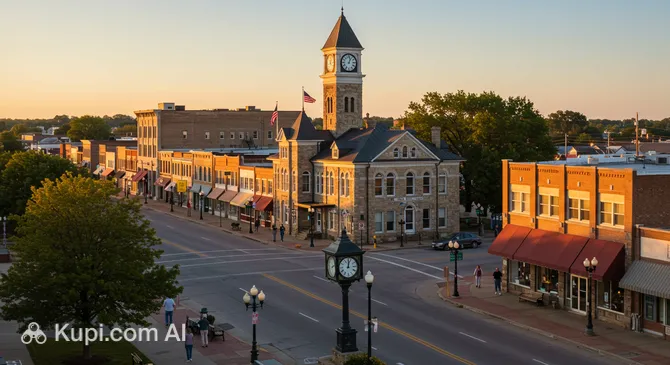
Welcome to Peru, a captivating city located in the heart of Indiana that offers a unique blend of small-town charm and rich cultural heritage. Known affectionately as the "Circus Capital of the World," this community sits along the scenic banks of the Wabash River. It serves as the county seat of Miami County and is home to a friendly population of approximately 11,000 residents. Whether you are passing through the Midwest region of the United States or planning a dedicated trip, Peru provides a memorable stop with its distinct character and welcoming atmosphere.

The city's legacy is deeply intertwined with the golden age of entertainment. For many years, it served as the winter headquarters for several major circuses, including the legendary Ringling Bros. You can delve deeper into this colorful past and the history of Peru to understand how it became a hub for performers and exotic animals. This heritage is celebrated annually during the amateur circus festival, which remains a highlight for both locals and visitors.

Peru. Source: Kupi.Binoculars

Beyond its circus roots, Peru offers several intriguing attractions. The International Circus Hall of Fame is a must-visit, showcasing artifacts and stories from the big top. Additionally, the city is the birthplace of the renowned composer Cole Porter, and his legacy is honored throughout the area. Nature lovers can enjoy the tranquil parks along the river, while history buffs explore the local museums that preserve the region's stories.

Whether you are interested in exploring American cultural history, enjoying local festivals, or simply relaxing by the river, Peru invites you to discover its hidden treasures. Come and experience the magic and nostalgia that make this Indiana city truly special.

Weather Overview

The climate in this part of Indiana is marked by four distinct seasons, offering a variety of atmospheric conditions throughout the year. When planning your trip, it is helpful to check the detailed weather in Peru to pack appropriately. Generally, the city experiences significant seasonal contrasts, ranging from freezing winters to warm, humid summers.

During the peak summer months, particularly July, temperatures are at their highest with averages around 24.0°C and maximums reaching up to 28.6°C. In contrast, January is typically the coldest month, where the average temperature drops to -1.6°C and nighttime lows can dip to -5.0°C. Precipitation is fairly consistent year-round, with May seeing the highest frequency of precipitation, averaging about 14 wet days. Travelers should expect warm summers with occasional rain and cold winters that require warm layers.

Interesting Facts

Beyond the big top and the acrobatics, Peru holds a collection of fascinating secrets that range from notorious outlaws to Russian royalty. While the circus defines its public image, the city's backstreets and history books reveal surprising stories that few visitors expect to find.

  • The Rasputin Connection: One of the city's most unusual residents was Mariya Rasputina, the daughter of the infamous Russian mystic Grigori Rasputin. She worked as a dancer and animal trainer for the Hagenbeck-Wallace Circus, which wintered in Peru. Local lore recounts that she was once mauled by a bear during her time here but survived, adding a chapter of Russian intrigue to the town's history.

  • A Gangster's Armory: The city played an unwitting role in the violent crime spree of John Dillinger. In 1933, the notorious gangster and his crew raided the Peru Police Department arsenal, stealing machine guns, rifles, and bulletproof vests. These stolen weapons were reportedly used in several of their subsequent bank robberies across the Midwest.

  • The Voice of the Circus: Peru is widely cited as the only place in the world where authentic steam calliopes are still manufactured. These loud, steam-powered organs provide the iconic soundtrack of the circus, and local craftsmen have kept this rare industrial art alive long after it vanished from other parts of the globe.

  • The White Rose of the Miami: The area was the setting for the poignant true story of Frances Slocum, also known as Maconaquah. Kidnapped as a child and raised by the Miami people, she was discovered by her biological siblings near Peru sixty years later. Despite the reunion, she chose to remain with her Native American family, becoming a legendary figure who bridged two distinct cultures.

How to Get There

Reaching this charming Indiana city requires a bit of planning, as it is situated away from major metropolitan transit hubs. Whether you are driving through the Midwest or flying in from further afield, understanding your transport options will ensure a smooth arrival. You can find more about how to get to Peru and detailed route suggestions to help organize your itinerary.

The city of Peru does not have its own commercial airport, so most visitors choose to fly into Fort Wayne International Airport (FWA) in the city of Fort Wayne. Located approximately 79 km away, it is the closest convenient option for commercial flights. The travel time from the airport to Peru by rental car or taxi is roughly 1 hour. This regional hub handles a moderate amount of traffic, offering a less congested alternative to larger airports.

For those seeking more extensive domestic and international flight connections, the Indianapolis International Airport (IND) is the most significant gateway in the region. Situated in Indianapolis, about 117 km from Peru, this large facility serves millions of passengers each year. The journey by road from Indianapolis to Peru takes approximately 1.5 hours. Visitors often rent a car here to enjoy the scenic drive through the Indiana countryside.

For clarity, here is a summary of the main airports:

Airport Name City Passenger Traffic Km from City
Indianapolis International AirportIndianapolisLarge117.0
Fort Wayne International AirportFort WayneMedium78.7
South Bend Regional AirportSouth BendMedium107.2
Kalamazoo Battle Creek International AirportKalamazooSmall170.1
Purdue University AirportWest LafayetteSmall82.7

The city of Peru does not have a railway station, but you can arrive at the Chicago Union Station in the city of Chicago, which is about 181 km from Peru. As a major rail hub, it offers connections from across the country. From Chicago, you can continue your journey by renting a car or taking a bus, which typically takes about 2.5 to 3 hours depending on traffic and the route taken.

Below is the information regarding the nearest major railway station:

Station City Passenger Traffic Km to Center
Chicago Union StationChicagoLarge181.4

Main Attractions

While Peru is a modest-sized city, its rich history and unique cultural heritage offer visitors a surprising array of engaging sites. The local attractions largely celebrate its identity as the "Circus Capital of the World," its aviation history, and the natural beauty of the Indiana countryside. Whether you are a history buff or an outdoor enthusiast, there are several distinct places worth exploring.

International Circus Hall of Fame is arguably the city's most famous landmark. Located on the grounds of the original winter quarters for the Wallace Circus and later the Ringling Bros., this site is a National Historic Landmark. Visitors can wander through historic barns filled with colorful circus wagons, costumes, and memorabilia that date back to the golden age of the big top. It provides a fascinating look at the lives of the performers and the massive logistical operations that kept the circus moving.

For aviation enthusiasts, the Grissom Air Museum is an unmissable stop located just a short drive south of the city. This outdoor air park features over two dozen historic military aircraft, including bombers, fighters, and transport planes from the Cold War era to the present. You can climb into the cockpit of a phantom jet or explore the indoor exhibits that detail the history of the former Grissom Air Force Base. It is an educational experience that honors the legacy of those who served in the skies.

In the heart of downtown, the Miami County Museum offers a comprehensive look at the region's past. This multi-story facility houses a diverse collection ranging from pioneer artifacts to Native American history. A significant portion of the museum is dedicated to Peru's most famous son, composer Cole Porter; you can even see his pristine 1955 Cadillac Fleetwood on display. It is an excellent place to spend an afternoon connecting with the local stories that shaped the community.

If you prefer outdoor activities, the Nickel Plate Trail provides a scenic escape into nature. Built on a former railroad corridor, this paved trail stretches for over 40 miles, connecting Peru with neighboring towns like Rochester and Kokomo. It is perfect for walking, jogging, or cycling, offering peaceful views of woodlands, farmlands, and the Wabash River. The trail is well-maintained and offers a relaxing way to experience the quiet beauty of rural Indiana.

Local Cuisine

The culinary scene in Peru, Indiana, is a delightful reflection of classic Midwestern comfort food. Visitors here will not find the exotic spices of the South American country with the same name, but rather the hearty, warming dishes that define "Hoosier" hospitality. The local food culture is centered around family-owned diners, historic drive-ins, and casual eateries where the portions are generous and the atmosphere is unpretentious and welcoming.

No culinary tour of this region would be complete without trying the iconic Breaded Pork Tenderloin Sandwich. This is the unofficial state sandwich of Indiana, and local spots in Peru serve it with pride. The tenderloin is typically pounded flat until it is enormous—often twice the size of the bun it sits on—then breaded, deep-fried to a golden crisp, and topped with pickles, mustard, and onion. It is a crispy, savory masterpiece that every visitor must experience at least once.

For a hearty lunch or dinner, look for the Beef Manhattan on local menus. This open-faced sandwich consists of roast beef served on white bread, piled high with mashed potatoes, and smothered in rich brown gravy. It is a staple of Indiana diner culture and provides the perfect fuel after a day of exploring the circus museums. The emphasis here is on scratch-made cooking, with many restaurants serving daily specials that taste just like a home-cooked meal.

Those with a sweet tooth should seek out a slice of Sugar Cream Pie. Often cited as the state pie of Indiana, this custard-like dessert is made with cream, sugar, and vanilla, dusted with nutmeg. It is rich, creamy, and distinctively sweet. Regarding beverages, the local style is simple and refreshing; dining establishments typically serve endless cups of hot coffee and large glasses of iced tea, which remain the standard accompaniments to social gatherings and meals in the city.

Travel Tips

Planning a trip to the "Circus Capital of the World" requires a bit of preparation to fully enjoy its small-town charm and unique heritage. These practical tips will help you navigate Peru, Indiana, with ease, ensuring your visit is as smooth and enjoyable as possible.

  1. Clothing and Gear: The weather in Indiana can be quite variable, so packing layers is essential regardless of the season. Bring a waterproof jacket for the spring and summer rains, and a heavy coat if you are visiting in winter. Since you might be walking along the Nickel Plate Trail or exploring the outdoor exhibits at the air museum, comfortable walking shoes are a must.

  2. Transportation: The most convenient way to explore Peru and the surrounding Miami County is by rental car. Public transportation options are very limited and not designed for tourism. While you might find some availability with ride-hailing apps, they are not as reliable or frequent as in major cities, so having your own vehicle gives you the freedom to travel at your own pace.

  3. Finances: The official currency is the United States Dollar (USD). Credit and debit cards are widely accepted at most museums, restaurants, and hotels. However, it is wise to carry some cash for small purchases at local festivals, antique shops, or for tipping. Tipping 15-20% at sit-down restaurants is the standard custom here.

  4. Health and Safety: Peru is generally a very safe and quiet community. For medical emergencies, dial 911. While there are pharmacies in town, be aware that they may not operate 24/7 like in larger metropolitan areas, so plan to pick up any necessary medications during regular business hours.

  5. Communication: English is the primary language spoken. The locals are known for their "Hoosier" hospitality and are generally very helpful if you need directions. Free Wi-Fi is often available in hotels and some local cafes, but having a mobile data plan is recommended for navigation. Major US carriers have good coverage in the city.

  6. Local Etiquette: In this close-knit community, it is common to greet strangers with a smile or a nod when passing on the street. Politeness and patience go a long way. If you are driving on two-lane country roads, it is customary to give a friendly wave to passing drivers.

  7. What to Avoid: Do not expect late-night dining or shopping options; this is a small town where many businesses close early in the evening, especially on Sundays. Also, try to avoid making repetitive jokes comparing the city to the country of Peru in South America; locals are proud of their own distinct history and have heard the comparison many times.

  8. Festival Timing: If you want to see the city at its most vibrant, try to schedule your visit during the Circus City Festival in July. It is the highlight of the year, featuring a massive parade and amateur circus performances that bring the entire community together.

With these practical insights in mind, you are well-equipped to relax and immerse yourself in the local culture. Whether you are here for the history, the nature, or the circus magic, Peru welcomes you with open arms and a friendly spirit.

Entertainment & Nightlife

Nightlife in Peru, Indiana, reflects the city's small-town character: relaxed, welcoming, and centered around community connection rather than high-energy clubbing. Visitors will not find sprawling dance floors or thumping bass here; instead, the evening scene is defined by cozy local taverns, sports bars, and casual dining spots where the conversation is the main attraction. The atmosphere is distinctly "Hoosier"—unpretentious and friendly—making it easy for travelers to strike up a chat with locals over a cold drink.

The hub of activity generally revolves around the downtown area, spanning both Broadway and Main Street. Here, the dress code is almost exclusively casual; jeans and a comfortable shirt fit right in everywhere. Most venues operate as restaurants during the day and transition into laid-back watering holes as the evening progresses. It is the perfect setting to unwind after a day of sightseeing, watching a game on TV, or enjoying classic American bar food.

For a taste of the local social scene, Legend's Cocktail Lounge on North Broadway is a top choice. Known for its inviting atmosphere, it offers a mix of well-crafted cocktails, a solid food menu featuring steaks and burgers, and frequently hosts live music or DJs on weekends. For those preferring a familiar sports bar environment, Wings Etc. on West Main Street provides a reliable mix of televised sports, cold beer, and late-night snacks. It is a popular gathering spot for locals to catch a game and enjoy a casual meal.

When planning a night out, keep in mind that "late" in Peru might be earlier than in big cities. While some bars stay open until 2:00 AM or 3:00 AM on weekends, kitchen service often winds down by 9:00 PM or 10:00 PM. Prices are generally very reasonable compared to metropolitan areas. Transportation requires foresight; ride-sharing services like Uber or Lyft can be scarce or non-existent late at night. It is highly recommended to have a designated driver or arrange a taxi service in advance if you plan to drink.

Safety is rarely a concern in this tight-knit community. The downtown streets are generally safe for walking at night, though they can be quite quiet and dimly lit in spots. Standard precautions apply, but the risk of crime is low. If you need a taxi, you will likely need to call a local dispatch rather than hailing one on the street.

If you are looking for entertainment before the sun goes down, Peru offers several culturally rich options. The Ole Olsen Memorial Theatre is a staple of the community, putting on amateur theatrical productions that showcase local talent in a historic setting. Of course, daytime hours are also best spent exploring the unique museums mentioned earlier, or enjoying the outdoors at the scenic golf clubs just outside the city limits.

Parks & Museums

While the circus heritage often takes center stage, Peru, Indiana, offers a surprising wealth of green spaces and cultural venues that go beyond the big top. Visitors looking to explore the city's natural beauty or delve into its artistic legacy will find well-maintained parks and unique galleries that reflect the community's diverse history and interests.

For outdoor enthusiasts, Maconaquah Park is the crown jewel of the city's recreational areas. Spanning nearly 200 acres, this sprawling park features rolling hills, wooded areas, and a scenic drive that is lovely in any season. It is a hub of local activity, housing an 18-hole golf course, a disc golf course, and an amphitheater that hosts summer concerts. Families often gather here for the playgrounds and picnic shelters, making it a perfect spot for a relaxing afternoon surrounded by nature.

A short distance from the city center lies one of Indiana's most unique geological formations, the Seven Pillars of the Mississinewa. Often referred to simply as "The Cliffs," these wind-and-water-eroded limestone pillars rise majestically along the riverbank. The site is not only a natural wonder but also holds deep sacred significance for the Miami Nation of Indians. While the Frances Slocum Trail runs along the top, the most breathtaking views are found from the south bank of the river, where you can fully appreciate the distinct alcoves carved into the rock face over centuries.

In terms of cultural heritage, the Cole Porter Birthplace offers an intimate look at the early life of the legendary composer. Located on South Huntington Street, this Victorian home is where the music icon spent his first ten years and wrote his earliest songs. Although it now operates primarily as a historic inn, it stands as a tribute to Porter's legacy, preserving the atmosphere of the late 19th century that shaped his artistic sensibilities. It provides a more personal connection to the composer than the larger museum exhibits found elsewhere in town.

Perhaps the most surprising cultural treasure in the city is the Peru Community Schools Art Gallery. Housed within the local high school, this gallery contains the G. David Thompson Collection, a multi-million dollar assemblage of modern art. Visitors are often stunned to find original works by masters such as Pablo Picasso, Salvador Dalí, and Joan Miró in this small Midwestern town. Donated by a grateful alumnus, the collection is a hidden gem that rivals exhibits in much larger cities and is open to the public during specific hours.

For a peaceful end to your day, take a stroll along the River Walkway Park. This linear park hugs the banks of the Wabash River and connects to the wider trail system. It features observation decks that offer serene views of the water, making it an excellent location for sunset photography or a quiet walk away from the bustling streets.

Getting Around

Reaching Peru, Indiana, requires a bit of planning as the city is situated away from major metropolitan transit centers. However, it is well-connected by road, sitting at the convenient intersection of U.S. Route 31 and U.S. Route 24. Most visitors arrive by car, enjoying a scenic drive through the Midwest region of the United States.

For those traveling by air, the city is served by several airports in the surrounding area. The closest commercial facility is Fort Wayne International Airport (FWA), located approximately 85 kilometers to the northeast. It offers a convenient entry point with less congestion. Alternatively, Indianapolis International Airport (IND) is the primary gateway for the state, situated about 125 kilometers south. It provides a wider array of flight options and rental car services, making it a popular choice for international travelers.

Here is a summary of the most convenient airports for reaching the city:

Airport Name City Approx. Distance
Fort Wayne International AirportFort Wayne85 km
South Bend International AirportSouth Bend110 km
Indianapolis International AirportIndianapolis125 km
Chicago Midway International AirportChicago205 km
Chicago O'Hare International AirportChicago235 km

There is no direct passenger rail service to Peru. The nearest Amtrak stations are located in Lafayette and South Bend, both roughly an hour's drive away. For travelers coming from major cities, Chicago Union Station serves as a key rail hub, though it is located approximately 215 kilometers to the northwest. From any of these stations, renting a car is the most practical way to complete your journey.

Once in the city, having a private vehicle is highly recommended. Public transportation options are limited, and a car provides the freedom to explore local attractions, such as the circus museums and nearby state parks, at your own pace. Ride-sharing services may be available but are less frequent than in larger cities.

Accommodation

Accommodation in Peru is designed primarily to serve the needs of road travelers and visitors exploring the region's history. The city offers a modest selection of lodging options, focusing heavily on value and convenience rather than luxury. Visitors will mostly find reliable mid-range chain hotels and budget-friendly motels that provide comfortable amenities such as complimentary breakfast, parking, and Wi-Fi. For those seeking a more distinctive experience, there are limited but charming opportunities to stay in historic properties or bed-and-breakfasts that reflect the local heritage.

The majority of hotels are strategically clustered near the intersection of U.S. Route 31 and U.S. Route 24. This location is particularly convenient for tourists arriving by car, as it offers quick access to both the downtown area and the surrounding countryside. Staying in this area places you within a short drive of major attractions like the Grissom Air Museum and the International Circus Hall of Fame, while also providing easy proximity to casual dining restaurants and gas stations.

For a truly unique stay, visitors might consider the Cole Porter Inn. Located in the childhood home of the famous composer, this historic site operates as a boutique accommodation, allowing guests to sleep in suites named after his famous songs. It offers an immersive dive into the Victorian era and the personal history of one of the city's most celebrated figures, right in the heart of the residential district.

When planning your trip, it is important to consider the local events calendar. While room availability is generally good throughout the year, the city fills up quickly during the Circus City Festival in July. During this peak week, hotels can be booked out months in advance, so early reservations are highly recommended. Outside of festival season, the price range remains very affordable, making Peru an excellent budget-friendly stopover for travelers exploring the Midwest.

Nearby Cities

For those looking to explore the surroundings, Peru serves as an excellent base for day trips to several interesting nearby locations.

Located just under an hour away, Huntington is a fantastic destination for history and nature enthusiasts. Known as the "Lime City" for its historic stone quarries, it offers the unique Dan Quayle Vice Presidential Learning Center and the sunken gardens at Memorial Park. It is also a gateway to the Huntington Reservoir, providing ample opportunities for fishing and hiking.

A bit further to the northeast lies Fort Wayne, the second-largest city in Indiana. It is a vibrant urban hub perfect for families, featuring the world-renowned Fort Wayne Children's Zoo and the lush Foellinger-Freimann Botanical Conservatory. Visitors can also enjoy the revitalized riverfront area, which hosts festivals and offers kayak rentals for a paddle through the city center.

To the south, Noblesville offers a charming mix of small-town heritage and modern entertainment. Its historic courthouse square is lined with antique shops and local boutiques, while the nearby Ruoff Music Center attracts major musical acts from around the globe. It is an ideal spot for those who want to combine shopping with an evening concert.

City Population Distance (km)
Fort Wayne33030586
Huntington20414750
Fishers9715489
Muncie8703785
Noblesville6888579

These nearby destinations offer a glimpse into the diverse culture and landscapes of the region.

Shopping & Souvenirs

Shopping in Peru offers a relaxed and charming experience that stands in contrast to the frantic pace of large metropolitan commercial centers. Instead of sprawling mega-malls, the city prides itself on a selection of locally owned businesses, antique shops, and convenient retail plazas. Visitors can expect a friendly atmosphere where shop owners often greet customers by name, providing a glimpse into the genuine hospitality of this Indiana community.

The heart of the local shopping scene is located in the historic downtown district, particularly along Broadway. This area invites pedestrians to stroll past well-preserved Victorian architecture while browsing through an eclectic mix of stores. Here, you can find specialty boutiques offering clothing, home décor, and unique gifts. It is also a prime destination for antique hunters, with several shops dedicated to vintage treasures, collectibles, and furniture that reflect the region's rich history.

While Peru does not host large enclosed shopping malls, it provides ample facilities for daily necessities and general retail needs. The areas along North Broadway and the intersection with U.S. Route 31 serve as the city's commercial corridors. These districts feature familiar strip malls and larger chain stores where travelers can restock on supplies, electronics, and groceries. For those seeking a full-scale mall experience with major fashion brands, a short drive south to the city of Kokomo is the most common option for locals.

For a taste of local flavor, the Peru Farmers Market is a seasonal highlight that draws the community together. Typically held on Saturdays during the warmer months in the downtown area, this market showcases the agricultural bounty of Miami County. Visitors can purchase fresh, locally grown produce, baked goods, and handmade crafts directly from the growers and artisans. It is an excellent place to find honey, jams, and other homemade treats that make for delicious gifts.

When searching for the perfect souvenir to bring home, the city's unique heritage offers several distinctive options. Given its status as the "Circus Capital of the World," circus-themed memorabilia is a top choice; items such as vintage posters, books, and colorful ornaments can often be found in museum gift shops or local stores. Additionally, music lovers might appreciate items celebrating Cole Porter, the legendary composer born in the city. Locally made crafts and antiques also serve as meaningful mementos of a trip to the Midwest.

Store opening hours in Peru generally follow standard small-town schedules. Most downtown boutiques and independent shops operate from approximately 9:00 AM or 10:00 AM to 5:00 PM, Monday through Saturday. It is important to note that many smaller businesses may close early on Saturdays and remain closed on Sundays, so it is wise to plan your shopping excursions accordingly. Larger chain stores and supermarkets along the highway typically offer extended hours, with some staying open late into the evening.

Regarding payment, credit and debit cards are widely accepted throughout the city, including at most restaurants and retail stores. However, carrying a small amount of cash is recommended if you plan to visit the farmers market or smaller independent vendors, as some may not accept digital payments. In the United States, sales tax is added to the marked price of goods at the register. There is generally no tax-free shopping or VAT refund scheme available for international tourists in Indiana, so visitors should expect to pay the final price including tax.
Reached the end of the page?

That means the route is fully explored