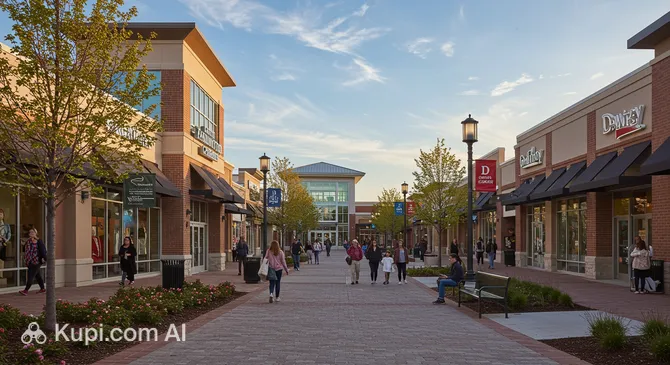
Farmington seamlessly blends its suburban comfort with a dedication to preserving nature and history, offering visitors a variety of green spaces and cultural institutions. The city’s commitment to community well-being is evident in its well-maintained parks, while its respect for the past is showcased through accessible museums and historical sites that tell the story of the region's development.
The crown jewel of the local park system is undoubtedly Heritage Park. Spanning over 200 acres, this expansive area is more than just a place for a walk; it is a sanctuary for local wildlife and a haven for outdoor enthusiasts. Visitors can traverse miles of nature trails that meander through forests and wetlands, offering excellent opportunities for birdwatching and photography. The park also houses a Nature Center, which provides educational exhibits on the local flora and fauna, making it an engaging stop for families and nature lovers seeking to understand the local ecosystem.
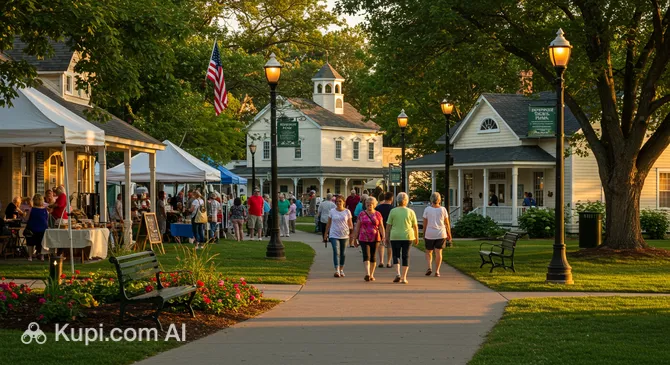
Another vital green space is Riley Park, located in the heart of the city. Unlike the wilder terrain of Heritage Park, Riley Park serves as a manicured community gathering space anchored by the Walter E. Sundquist Pavilion. It is the perfect spot for a relaxing afternoon break while exploring the Downtown Farmington Center. In the summer, the lawn is a popular place for picnics and outdoor concerts, while in the winter, it transforms into a charming outdoor ice rink, offering seasonal delight for visitors of all ages.
For those interested in delving into the local history, the Governor Warner Mansion is a must-visit cultural landmark. Built in 1867, this grand Victorian Italianate home was the residence of Fred M. Warner, a three-term governor of Michigan. Today, it operates as a house museum, where tourists can tour the beautifully restored rooms, view period artifacts, and stroll through the surrounding gardens. It offers a tangible connection to the Victorian era and provides insight into the domestic life of one of the state's influential political figures.
Art enthusiasts will appreciate the growing creative scene represented by venues like KickstART Farmington. This shop and gallery space highlights the work of local artists and authors, functioning as a cultural hub where visitors can view contemporary art exhibitions or attend literary events. Additionally, just a short drive from the city center in neighboring Farmington Hills is the Zekelman Holocaust Memorial Center. As Michigan’s only Holocaust museum, it offers a powerful and moving educational experience through its extensive exhibits and archives, making it a significant cultural destination for those in the area.
Beyond the specific museums, the city itself feels like a living gallery of architecture. A walk through the historic district reveals a collection of well-preserved 19th-century homes and commercial buildings that reflect the city's Quaker origins and subsequent growth. The architectural variety adds a scenic backdrop to any visit, rewarding those who take the time to wander the residential streets surrounding the downtown core.
For a truly local experience, try to visit during the warmer months when the Farmington Farmers & Artisans Market takes over the downtown pavilion. It is not just a place to buy food; it is a cultural event where you can meet local growers, see live demonstrations, and experience the tight-knit community spirit that defines this charming Michigan city.