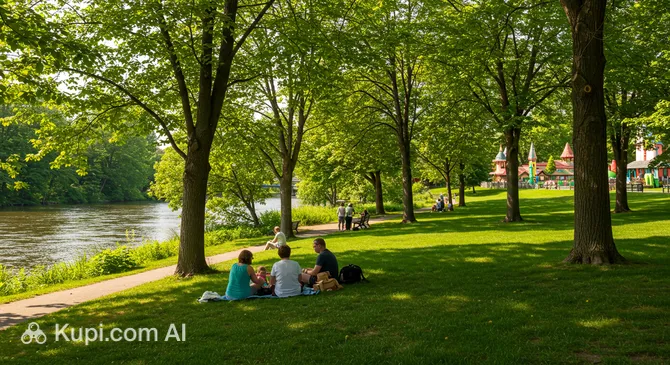
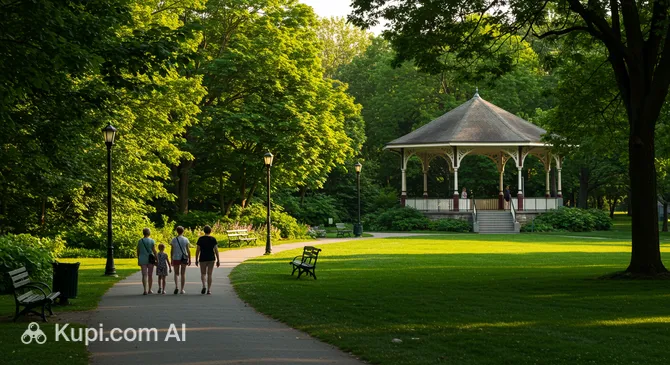
Often referred to as the "Forest City" due to its abundance of parks and tree-lined streets, London is a vibrant regional hub located in the heart of Southwestern Ontario. This charming city offers a perfect blend of big-city amenities and small-town atmosphere, making it a delightful destination for travelers exploring Canada. With a population of approximately 380,000 residents, it serves as a cultural and economic center for the region, situated midway between Toronto and Detroit.
London. Illustration.
Source: Kupi.com AI
Geographically, the city is defined by the picturesque Thames River, which forks in the center of town, providing scenic backdrops and extensive walking trails. The climate here features four distinct seasons, from warm, humid summers perfect for festivals to snowy winters that transform the landscape into a white wonderland. Visitors interested in the history of London will discover a rich heritage dating back to its founding in 1826, including its fascinating origin as a proposed capital for Upper Canada.
London is renowned for its lively cultural scene and green spaces. Tourists can explore the historic Covent Garden Market, which offers fresh local produce and unique gifts, or relax in the expansive Springbank Park, a favorite among locals for family outings. The city is also home to Western University, adding a youthful energy and a variety of museums and galleries to the urban landscape. Whether you are attending a summer music festival or enjoying a quiet stroll along the river, London invites you to experience its warm hospitality and natural beauty.
Weather Overview
London experiences a distinct four-season climate, making it a destination that changes character throughout the year. Summers are generally warm and enjoyable, particularly in July, which sees average temperatures of around 21.9°C and daytime highs reaching up to 26.5°C. This season is ideal for outdoor exploration, though travelers should be prepared for some rainfall, as the summer months typically have between 12 and 14 wet days.
Winters present a much colder atmosphere, with January being the chilliest month. Average temperatures drop to approximately -3.4°C, with lows dipping to -6.4°C, so warm clothing is essential for any visit during this time. For a more comprehensive look at the forecast and seasonal norms, you can consult the detailed weather in London page.
The transitional seasons of spring and autumn offer moderate and comfortable conditions. By May, the average temperature rises to a pleasant 14.6°C, while September holds onto the summer warmth with an average of 18.1°C before cooling down. Expect warm summers with occasional rain and cold winters with frequent precipitation days.
Average monthly temperature
Average monthly precipitation
Interesting Facts
Beyond the well-known parks and festivals, London holds intriguing stories that add depth to its character. The city’s history is peppered with unique events and landmarks that link it to global discoveries and whimsical legends.
St. Peter's Cathedral Basilica. Illustration.
Source: Kupi.com AI
Traveler photos:
The city was designed with a deliberate nod to its British namesake, resulting in a unique geographic mirror. Visitors can stroll down Oxford Street, cross the Blackfriars Bridge, or admire the architecture of St. Peter's Cathedral Basilica, all reflecting the nomenclature of London, England.
London is celebrated as the "Birthplace of Insulin," a pivotal medical discovery. Sir Frederick Banting conceived the idea that led to the isolation of insulin while living in a house on Adelaide Street, marking a monumental moment in medical history.
A famous local legend involves Storybook Gardens and a sea lion named Slippery. In 1958, Slippery escaped his pool and swam down the Thames River, traveling all the way to the United States before being found, sparking an international media sensation.
The city is the historic home of the Labatt Brewing Company, founded here in 1847. It stands as one of the few breweries from that era to grow into a global giant while maintaining its original site in the city.
How to Get There
Reaching the "Forest City" is convenient thanks to its strategic location and well-developed transport infrastructure. For those seeking a complete overview of travel options, you can read more about how to get to London. The city is served by its own local airport as well as major hubs in neighboring regions, offering flexibility for both domestic and international visitors.
The most direct entry point is London International Airport (YXU), situated just 9.3 km from the city center. As a regional facility, it offers a relaxed atmosphere with efficient service. Getting to the downtown area is quick, requiring only a short drive by taxi or shuttle. You can find specific details about London International Airport to help plan your arrival.
Alternatively, many visitors opt for Pearson International Airport (YYZ), located in Toronto. Although it is about 153.3 km away, it is a massive international hub with extensive flight connections from around the globe. Travelers should plan for a longer ground transfer, as the drive to London typically takes approximately two hours depending on traffic. More information is available on the page for Pearson International Airport.
For clarity, here is a summary of the main airports:
Traveling by train is another excellent and scenic way to arrive. The city is served by the London Railway Station (XDQ), which is ideally located just 0.5 km from the city center. This central position makes it incredibly convenient for tourists, with nearby hotels and attractions often accessible within a very short drive or even a walk. It acts as a key node connecting the city to the wider rail network.
For clarity, here is a summary of the main railway stations:
London boasts a variety of captivating sites that cater to nature lovers, culture enthusiasts, and families alike. One of the city's most celebrated green spaces is Springbank Park. Covering 140 hectares along the scenic Thames River, this expansive park is the perfect destination for outdoor recreation. Visitors can explore over 30 kilometers of trails suitable for walking and cycling, enjoy a leisurely picnic, or simply relax by the water. It is also home to the family-favorite Storybook Gardens, making it a central hub for leisure in the city.
Springbank Park. Illustration.
Source: Kupi.com AI
Traveler photos:
For those interested in the region's artistic and historical heritage, Museum London is a premier attraction. Located at the forks of the Thames River, this architectural gem houses an extensive collection of art and historical artifacts that chronicle the story of London and Southwestern Ontario. The museum offers a dynamic range of exhibitions and public programs, providing a deep dive into the local culture and creative spirit.
Situated in the heart of the downtown area, Victoria Park acts as the vibrant pulse of the community. Often hosting major festivals, outdoor concerts, and seasonal events, this historic park is a year-round gathering place for residents and tourists. With its beautiful landscaping, historic monuments, and iconic bandshell, it offers a picturesque setting for a stroll or a relaxing break amidst the urban bustle.
Families traveling with children will find endless entertainment at the London Children's Museum. This interactive facility is designed to spark curiosity and imagination through hands-on exhibits. From digging for dinosaur bones to exploring science and technology stations, the museum provides an engaging educational environment where kids can learn through play and discovery.
If you are looking for active fun and excitement, East Park is the ultimate destination. Known as a comprehensive family entertainment center, it features a thrilling water park with a wave pool and slides, alongside a golf course, go-karts, and batting cages. It is an excellent spot for visitors of all ages to burn off energy and enjoy a day filled with diverse activities.
Local Cuisine
London's culinary scene is a delightful reflection of its location within one of Canada's richest agricultural regions. The city embraces a strong farm-to-table ethos, with many chefs sourcing fresh seasonal ingredients directly from nearby farms. Visitors will find a diverse array of dining options ranging from bustling markets to upscale bistros, all celebrating the flavors of Southwestern Ontario.
One of the quintessential regional treats to try is the Butter Tart, a sugary, flaky pastry that is beloved across the province. For a savory lunch, look for Peameal Bacon sandwiches, a classic Ontario dish featuring cornmeal-crusted cured pork. If you are in the mood for modern comfort food, BTRMLK is a local favorite known for its crispy, gourmet fried chicken sandwiches that draw foodies from all over the city.
Scaddabush Italian Kitchen & Bar. Illustration.
Source: Kupi.com AI
Traveler photos:
The city’s beverage culture is equally impressive, rooted in a long history of brewing. While major breweries have operated here for over a century, the current trend focuses on independent craft breweries producing unique local ales and lagers. For those who prefer non-alcoholic options, the independent coffee scene is thriving. A visit to Locomotive Espresso offers a perfect example of the city's dedication to quality beans and cozy atmospheres.
When deciding where to eat, the Richmond Row district is the vibrant heart of London's nightlife and dining. It is packed with patios and restaurants that cater to every taste. For a unique night out, Tilt Arcade Bar combines craft beer with retro arcade games, creating a fun, nostalgic environment. Alternatively, for a hearty meal shared with friends, Scaddabush Italian Kitchen & Bar serves up generous Italian dishes in a welcoming, social setting.
Travel Tips
Visiting London, Ontario, is a delightful experience, especially when you are prepared for the unique rhythm of the "Forest City." To ensure your trip is as smooth and enjoyable as possible, we have compiled a list of practical advice to help you navigate local life with ease.
Clothing and Gear: The weather in Southern Ontario varies significantly by season. In winter, you will definitely need a heavy coat, waterproof boots, and thermal layers to handle the cold and snow. Summers can be quite hot and humid, so lightweight, breathable fabrics are best. Since the city is famous for its extensive park system, bring comfortable walking shoes to fully enjoy the trails along the Thames River.
Transportation: While the London Transit Commission (LTC) operates a network of buses throughout the city, many visitors find that renting a car offers the most flexibility, especially for exploring the outskirts. There is no metro system here. For shorter trips within the downtown core or to get home after a night out, ride-sharing apps like Uber and Lyft are widely available and reliable.
Finances: The local currency is the Canadian Dollar (CAD). Credit and debit cards are accepted almost everywhere, from restaurants to small cafes, so you rarely need to carry large amounts of cash. ATMs are plentiful. Tipping is a strong part of the culture; it is standard to leave 15-20% of the bill at restaurants and bars, as well as a small tip for taxi drivers and hotel staff.
Health and Safety: London is generally a safe city for tourists. Pharmacies, such as Shoppers Drug Mart, are easy to find, and some locations operate late or 24/7 for minor health needs. In case of a serious emergency, dial 911. As in any urban center, exercise common sense and stay aware of your surroundings, particularly if walking alone downtown late at night.
Communication: English is the primary language spoken throughout the city. Free Wi-Fi is commonly available in hotels, coffee shops, and public libraries. If you need mobile data, you can purchase a prepaid SIM card at major shopping centers like Masonville Place or White Oaks Mall; major providers include Rogers, Bell, and Telus.
Local Etiquette: Canadians are known for their politeness, and Londoners are no exception. A simple "please," "thank you," or "sorry" goes a long way in daily interactions. When waiting for a bus or service, always respect the queue. It is also customary to hold the door open for the person behind you when entering or exiting a building.
What to Avoid: Do not assume public transport will run frequently late at night or on Sundays; always check the schedule in advance. Also, avoid comparing the city constantly to its British namesake; while locals embrace the connection, they are proud of their own unique Canadian identity.
Local Insight: Be mindful of the academic calendar. London is a major university town, home to Western University and Fanshawe College. During September (move-in time) and exam periods, the city—especially the Richmond Row dining district—can be much busier than usual with students.
By keeping these tips in mind, you will be well-equipped to explore everything this charming Ontario city has to offer. Whether you are here for the summer festivals or a winter getaway, a little preparation ensures you can focus on making great memories.
Entertainment & Nightlife
Entertainment:
London offers a diverse array of entertainment options that cater to shopaholics, sports fans, and nature enthusiasts alike. As a regional commercial hub, the city is a premier destination for retail therapy. In the north end, Masonville Place stands out as a two-story shopping center featuring a wide selection of fashion brands, entertainment facilities, and dining options. It is a go-to spot for the latest trends and a lively atmosphere.
Masonville Place. Illustration.
Source: Kupi.com AI
Traveler photos:
For those located in the southern part of the city, White Oaks Mall provides an equally impressive shopping experience. Conveniently situated near the highway, this extensive mall houses over 175 stores and services, making it easy to find everything from apparel to electronics in one visit. Beyond the malls, the city's entertainment landscape is heavily influenced by its passion for sports and live events.
The crown jewel of the local sports scene is Budweiser Gardens. Located downtown, this major arena is the home of the London Knights hockey team and the London Lightning basketball team. It also serves as the city's primary venue for large-scale concerts, touring Broadway shows, and international events, drawing crowds from across Southwestern Ontario.
Budweiser Gardens. Illustration.
Source: Kupi.com AI
Traveler photos:
Active travelers looking to participate rather than watch will appreciate the Western Fair Sports Centre. This sprawling complex offers multiple ice surfaces and facilities for recreational sports, reflecting the community's active lifestyle. For a more relaxed outdoor experience, Gibbons Park is a wonderful urban escape along the Thames River, featuring a heated outdoor pool, splash pad, and tennis courts.
Those seeking a quiet retreat into nature can explore the Westminster Ponds Conservation Area. This significant natural space offers hiking trails through wetlands and woodlands, providing a peaceful contrast to the city's bustling energy. Finally, for a classic evening out with good food and drinks, The Keg Steakhouse & Bar (London South) offers a sophisticated yet comfortable environment to unwind after a day of exploration.
Parks & Museums
True to its nickname, the "Forest City" offers an impressive array of green spaces and cultural institutions that celebrate both its natural beauty and rich heritage. From riverside promenades to historic homes turned into museums, London provides diverse opportunities for relaxation and learning.
One of the most versatile green spaces in the downtown core is Harris Park. Nestled along the banks of the Thames River, this park serves as a peaceful retreat for walkers and cyclists utilizing the Thames Valley Parkway during the day. However, it is also famous for transforming into a vibrant entertainment hub, hosting major annual events and festivals such as "Rock the Park." Its open lawns and riverside views make it a perfect spot for a scenic picnic close to the city center.
Harris Park. Illustration.
Source: Kupi.com AI
Traveler photos:
Just a short distance away lies the beautifully designed Ivey Park, often considered the modern jewel of the city's park system. Located at the historic "Forks of the Thames," this space blends nature with contemporary urban design. Visitors can enjoy the interactive splash pad in the summer, stroll through the manicured gardens, or simply admire the views of the river from the cantilevered lookout. It is a favorite gathering place that seamlessly connects the water to the downtown district.
For a glimpse into the city's Victorian past, travelers should visit Eldon House. As London's oldest residence, this historic museum offers a time-capsule experience, showcasing the life of the Harris family who lived there for over a century. Visitors can tour the elegantly preserved rooms filled with original heirlooms and explore the delightful 19th-century gardens, which remain a tranquil oasis in the heart of the city.
Another unique cultural landmark is Banting House National Historic Site. Known as the "Birthplace of Insulin," this museum preserves the home where Sir Frederick Banting woke up at 2:00 AM on October 31, 1920, with the idea that led to the discovery of life-saving insulin. Tourists can see the original bedroom and desk, as well as the "Flame of Hope," an eternal flame that will only be extinguished when a cure for diabetes is found.
Insider Tip: To see the best of London's greenery in one go, rent a bike and ride a section of the Thames Valley Parkway. This multi-use path stretches over 40 kilometers and connects many of the city's major parks, including Harris and Ivey Parks, offering an uninterrupted and scenic route through the natural corridors of the city.
Getting Around
The public transport system in London is straightforward and primarily relies on a network of buses operated by the London Transit Commission (LTC). Unlike larger metropolises, the city does not have a subway, tram, or trolleybus system. The bus routes are designed to connect residential neighborhoods with key activity hubs, including the downtown core, Western University, Fanshawe College, and major shopping centers like Masonville Place and White Oaks Mall.
For payment, the most convenient option for visitors is the reloadable smart card, which offers a discounted fare compared to paying with cash. These cards can be tapped on the reader upon entering the bus. If you prefer to pay per ride, exact cash fare (coins only) is accepted on board, but keep in mind that drivers do not carry change. When paying with cash, be sure to request a paper transfer immediately, which allows you to switch buses within a 90-minute window without an additional charge.
Smart cards can be purchased and loaded at authorized retailers throughout the city, including many convenience stores and Shoppers Drug Mart locations, as well as at the downtown ticket office. Buses generally operate from early morning until around midnight on weekdays, with reduced frequency on weekends and holidays. To navigate the system efficiently, it is highly recommended to use real-time transit apps or the official LTC website to check schedules and track bus locations, as intervals between buses can vary.
Given the city's somewhat spread-out geography, many travelers find that alternatives to the bus system offer more flexibility. Ride-sharing services like Uber and Lyft are widely available and popular for getting around quickly, especially late at night when bus service winds down. Traditional taxis are also readily available and can be hailed or booked by phone. For those who enjoy active travel, the city’s extensive network of multi-use paths, particularly along the river, makes cycling a pleasant option for getting between parks and the city center during the warmer months.
Accommodation
Accommodation in London, Ontario, caters to a wide spectrum of travelers, ranging from budget-conscious students and road-trippers to business professionals and families seeking comfort. The city does not typically feature ultra-luxury five-star resorts; instead, it offers a solid selection of reliable mid-range chain hotels, charming bed and breakfasts, and functional motels. For those seeking a more home-like experience, short-term apartment rentals are becoming increasingly available throughout the residential neighborhoods.
The most popular area for tourists is undoubtedly Downtown London. Staying here places you within walking distance of the city's vibrant dining scene on Richmond Row, the Forks of the Thames, and major entertainment venues like Budweiser Gardens. This central location is ideal for visitors who want to immerse themselves in the local culture without relying heavily on a car. The historic character of the downtown core also means you might find some boutique hotels housed in older, renovated buildings.
Another significant cluster of accommodation is found in the South End, particularly along Wellington Road near Highway 401. This area is extremely convenient for travelers passing through or those who prefer easy access to the highway. It is characterized by numerous well-known international hotel chains and offers proximity to White Oaks Mall, making it a practical choice for shoppers and families. Conversely, the North End near Western University and Masonville Place is quieter and often preferred by visiting academics or parents attending university events.
Booking Tip: London is a major university town, home to Western University and Fanshawe College. Consequently, hotel rooms can become scarce and more expensive during key academic dates, such as student move-in periods in September, homecoming in the fall, and graduation ceremonies in June. It is highly recommended to book well in advance if your trip coincides with these times or during major summer festivals like Sunfest.
In terms of pricing, the city is generally affordable compared to larger metropolis hubs like Toronto. Most options fall into the mid-range category, offering standard amenities such as free Wi-Fi and parking. Budget travelers can find economical motels on the outskirts, while slightly higher rates apply to the full-service hotels downtown. Booking is most easily done through major online travel platforms, though contacting smaller inns or B&Bs directly can sometimes yield a more personalized experience.
Nearby Cities
For those looking to explore the surroundings, London serves as an excellent base for day trips to several interesting nearby locations:
City
Population
Distance
Thames Centre
13 191
15 km
Middlesex Centre
17 262
16 km
St. Thomas
61 707
23 km
Central Elgin
12 607
27 km
Ingersoll
12 757
30 km
One of the most culturally significant stops in the region is Stratford. Renowned worldwide for the annual Stratford Festival, this town is a haven for theater enthusiasts, offering world-class productions ranging from Shakespearean classics to modern musicals. Beyond the stage, the town features beautiful Victorian architecture and the scenic Avon River, which is perfect for a romantic afternoon walk or a picnic in the park.
Located just a short drive south, St. Thomas is affectionately known as the "Railway City." It is an ideal destination for history buffs, featuring the Elgin County Railway Museum and the North America Railway Hall of Fame. The city is also famous for the life-sized statue of Jumbo the Elephant, commemorating the legendary circus animal, which adds a unique touch of local lore to any visit.
For those seeking a relaxed pace, Woodstock offers a charming glimpse into the area's agricultural heritage as the "Dairy Capital of Canada." The city’s historic downtown is lined with preserved heritage buildings, museums, and inviting local shops. It serves as a quiet and pleasant getaway for travelers wishing to experience the friendly community atmosphere typical of Southwestern Ontario.
These nearby destinations offer a glimpse into the diverse culture and landscapes of the region.
Shopping & Souvenirs
Shopping in London serves as a major draw for the entire Southwestern Ontario region, offering a balanced mix of large-scale retail centers and independent local charm. Whether you are looking for the latest international fashion trends, unique handcrafted gifts, or everyday essentials, the city provides a diverse retail landscape. From bustling downtown corridors to expansive suburban malls, visitors will find plenty of opportunities to indulge in some retail therapy.
For a more atmospheric shopping experience, the Richmond Row district acts as the city's trendy high street. Stretching along Richmond Street in the downtown core, this vibrant area is lined with historic buildings that house an eclectic array of upscale boutiques, independent clothing stores, and specialty gift shops. It is the perfect place to find unique fashion items or accessories while enjoying a walk through one of the city's most energetic neighborhoods.
The city is anchored by two primary shopping malls that cater to different ends of town. In the north, Masonville Place is a premier destination often favored for its fashion-forward retailers and modern atmosphere. It features a wide range of popular brand-name stores and serves as a hub for luxury and lifestyle shopping. Meanwhile, in the south end near Highway 401, White Oaks Mall offers a massive selection of over 175 stores. It is known for its convenience and variety, making it an excellent stop for families and travelers passing through the region.
White Oaks Mall. Illustration.
Source: Kupi.com AI
Traveler photos:
Markets play a significant role in London's community life and shopping scene. The historic Covent Garden Market, located right downtown, is a must-visit cultural landmark. Open daily, it features an indoor market with vendors selling fresh local produce, gourmet foods, and artisan crafts, as well as a seasonal outdoor farmers' market. On weekends, the Market at Western Fair District offers another lively venue where visitors can browse through two floors of local vendors offering everything from baked goods to handmade jewelry.
When looking for souvenirs to take home, consider items that reflect the "Forest City" or the broader Canadian identity. Maple syrup products are a classic choice and are readily available at local markets. Additionally, goods from local artisans, such as pottery or artwork found at the Covent Garden Market, make for meaningful keepsakes. For those visiting the university area, branded apparel from Western University is a popular memento.
Most major stores and malls in London operate from approximately 10:00 AM to 9:00 PM on weekdays and Saturdays, with reduced hours on Sundays, typically closing around 5:00 PM or 6:00 PM. Payment methods are very convenient for travelers; credit and debit cards (Visa, Mastercard, and American Express) are universally accepted, even for small purchases. Contactless payment via smartphones is also widely supported.
Tourists should be aware that the advertised shelf price usually does not include sales tax. In Ontario, a Harmonized Sales Tax (HST) of 13% is added to the total at the checkout register. Unlike some European destinations, Canada does not generally have a VAT refund program for international visitors on standard goods and services, so the tax paid is final.