Support

Buffalo

About

Buffalo is a captivating metropolis located on the eastern shores of Lake Erie, right at the head of the Niagara River. As the second-largest city in the state of New York, it serves as a major cultural and economic hub in the northeastern United States. Known affectionately as the "City of Good Neighbors," Buffalo offers a warm and welcoming atmosphere that contrasts beautifully with its reputation for snowy winters, making it a distinct destination with a strong sense of community.

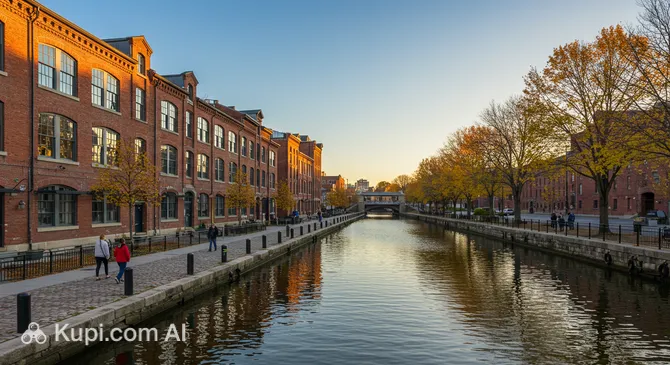
Buffalo. Source: Kupi.Binoculars

The city boasts a remarkable architectural legacy and a revitalized waterfront that draws visitors year-round. Exploring the history of Buffalo reveals its pivotal role during the industrial boom and the era of the Erie Canal, which transformed it into a bustling trade center. Today, that heritage is preserved in its historic neighborhoods and grand buildings, including masterpieces by renowned architects like Frank Lloyd Wright and Louis Sullivan.

Travelers are often drawn to the region for its proximity to the majestic Niagara Falls, located just a short drive away. However, the city itself has plenty to offer, from the lively Canalside district to a world-class art scene at the Albright-Knox Art Gallery. And, of course, no visit would be complete without tasting authentic Buffalo wings in the city where they were invented. Whether you are an architecture buff, a foodie, or a nature lover, Buffalo invites you to discover its unique charm and hidden gems.

Weather Overview

Visitors planning a trip should consider the distinct seasonal changes that define the weather in Buffalo. The city experiences a true continental climate, offering travelers everything from snowy, picturesque winters to warm and comfortable summers ideal for exploring the waterfront.

Winter is the coldest season, with January typically seeing the lowest figures. During this month, the average temperature drops to -2.2°C, with minimums reaching -4.8°C. It is also a damp period, as December and January usually record about 16 wet days each, often resulting in the region's famous snowfall.

Summer brings a pleasant contrast, with July standing out as the warmest month. You can expect average temperatures of around 22.5°C and highs reaching up to 25.8°C. The transitional seasons of spring and autumn are generally mild; for instance, May averages 14.3°C, while October cools down to roughly 12.8°C. Since precipitation occurs fairly consistently throughout the year, with wet days ranging from 10 to 16 days per month, packing versatile layers and rain gear is always a smart choice.

Interesting Facts

Beyond the main attractions, Buffalo holds many fascinating secrets and historical milestones that often surprise visitors. From pivotal presidential moments to ground-breaking inventions that changed the world, this city has a rich narrative waiting to be uncovered.
  • Buffalo is the site of a unique moment in American presidential history; it is one of the few places outside Washington, D.C. where a U.S. President has taken the oath of office. Following the tragic death of William McKinley, the Theodore Roosevelt Inaugural National Historic Site became the location where Theodore Roosevelt was sworn in as the 26th President, an event that shifted the course of the nation.

  • The comfort of modern indoor living has its roots right here in this city. In 1902, engineer Willis Carrier invented the first modern air-conditioning system at a local company in Buffalo. Originally designed to control humidity in a printing plant, this innovation eventually revolutionized environments across the globe.

  • Renowned landscape architect Frederick Law Olmsted, best known for Central Park in New York City, designed his very first coordinated park system here. He envisioned a "city within a park," connecting green spaces like Delaware Park through a network of scenic parkways, creating a model for urban planning that is still admired today.

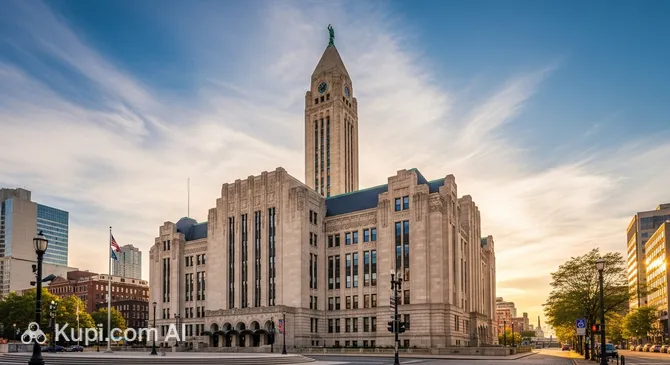
  • The skyline is dominated by Buffalo City Hall, an Art Deco masterpiece that is one of the largest municipal buildings in the country. It is filled with symbolic murals representing the city's industrial heritage, and its observation deck offers one of the best panoramic views of the region, stretching all the way to Niagara Falls on a clear day.

Buffalo City Hall. Source: Kupi.Binoculars

How to Get There

Reaching this vibrant city is straightforward thanks to its proximity to several major transport hubs. Whether you are arriving by air or rail, there are convenient options to suit your travel plans. For a detailed guide on all available routes, you can read more about how to get to Buffalo.

The most direct way to arrive by air is via Buffalo Niagara International Airport (BUF). It is important to note that the city of Buffalo does not have its own airport within its limits; instead, this key hub is located in the neighboring city of Cheektowaga, approximately 13.4 km away. The journey to the city center by taxi or bus typically takes around 40 minutes. For travelers seeking a wider range of international flights, Pearson International Airport (YYZ) is a significant option. Situated in Toronto, it is about 106.4 km from Buffalo, with a travel time of roughly 3 hours depending on border traffic. Another nearby alternative is Greater Rochester International Airport (ROC) in Rochester, located 101.7 km away, which takes about 2 hours and 50 minutes to reach.

For clarity, here is a summary of the main airports:

Airport Name City Passenger Traffic Km from City
Pearson International AirportTorontoLarge106.4
Buffalo Niagara International AirportCheektowagaMedium13.4
Greater Rochester International AirportRochesterMedium101.7
Billy Bishop Toronto City AirportTorontoMedium92.7
Hamilton AirportTorontoSmall91.2

If you prefer traveling by train, the region is well-connected by rail services. The city of Buffalo is primarily served by the Buffalo Depew Station. Although this station is not in downtown Buffalo, it is located in the city of Cheektowaga, about 13.1 km away. From there, you can get a taxi or bus, which takes about 40 minutes to reach the city center. Another major rail hub in the broader region is the Toronto Downtown Station in Toronto, located approximately 93.6 km away, which handles a very large volume of passengers.

Below is a summary of the nearby railway stations:

Station City Passenger Traffic Km to Center
Toronto Downtown StationTorontoVery High93.6
Guildwood Railway StationTorontoSmall99.8
Rochester NY Railway StationNiblack Road Area (Rochester, NY)Small101.9
Buffalo Depew StationCheektowagaSmall13.1
London Railway StationLondonUnknown193.6

Main Attractions

Buffalo offers a diverse array of attractions that cater to history buffs, art enthusiasts, and nature lovers alike. From its revitalized waterfront to its architectural treasures, the city provides engaging experiences for every type of traveler. Below are some of the must-visit highlights that define the character of this lakeside metropolis.

One of the city's most popular destinations is Canalside, a vibrant district located at the historic terminus of the Erie Canal. This waterfront area has been transformed into a hub of activity, hosting hundreds of events throughout the year. In the summer, visitors can rent kayaks or water bikes to explore the water, while winter brings festivities with a massive outdoor ice rink. It is the perfect place to relax, enjoy live music, and soak in the energy of the city.

Canalside. Source: Kupi.Binoculars

For those interested in maritime history, the Buffalo Naval Park provides an unforgettable experience right on the shore of Lake Erie. This museum is home to several decommissioned U.S. Naval vessels, including the guided-missile cruiser USS Little Rock and the submarine USS Croaker. Guests can walk the decks, tour the cramped quarters of the submarine, and view a variety of military artifacts that tell the stories of the crews who served on these impressive ships.

Buffalo Naval Park. Source: Kupi.Binoculars

Architecture aficionados should make time for the Martin House, a masterpiece designed by the celebrated architect Frank Lloyd Wright. Built in the early 20th century, this complex is widely considered one of the finest examples of Wright's Prairie School style. Guided tours allow visitors to admire the intricate design details, from the stunning art glass windows to the seamless connection between the interior spaces and the surrounding landscape.

Martin House. Source: Kupi.Binoculars

Nature lovers will find a peaceful retreat at the Buffalo and Erie County Botanical Gardens. This historic landmark features a magnificent Victorian-style glass conservatory modeled after the Crystal Palace and Kew Gardens in England. Inside, you can wander through a series of interconnected greenhouses filled with exotic plants, towering palms, and colorful seasonal blooms, offering a lush escape regardless of the weather outside.

Finally, art enthusiasts should visit the Buffalo AKG Art Museum. Known for its extraordinary collection of modern and contemporary art, the museum showcases works by iconic artists such as Pablo Picasso, Andy Warhol, and Jackson Pollock. The museum's recently expanded campus combines historic elegance with modern architecture, creating an inspiring environment to view its world-class holdings.

Local Cuisine

Buffalo is a city that takes its food seriously, offering a culinary landscape defined by hearty comfort foods and rich flavors. The most iconic contribution to global gastronomy is, of course, the chicken wing. Invented here in 1964, "wings" are a way of life for locals. They are traditionally deep-fried until crispy, tossed in a cayenne-based hot sauce, and served with celery and blue cheese dressing—never ranch. For an authentic taste of this legendary dish, travelers often head to Duff's Famous Wings, a local institution famous for its flavorful sauces and casual atmosphere.

Duff's Famous Wings. Source: Kupi.Binoculars

While wings grab the headlines, the "Beef on Weck" sandwich is equally beloved by residents. This distinct regional specialty consists of rare, thin-sliced roast beef piled high on a kummelweck roll, which is topped with kosher salt and caraway seeds. The sandwich is typically served with a side of horseradish and dipped in au jus, creating a savory experience that is unique to Western New York. Pizza enthusiasts will also discover a specific Buffalo style, characterized by a slightly thicker, airy crust, sweet tomato sauce, and "cup-and-char" pepperoni that curls into crispy, delicious chalices when baked.

The beverage scene in the city has undergone a major renaissance, with a booming craft beer culture that often revitalizes historic industrial spaces. Breweries like the Resurgence Brewing Company offer visitors the chance to sample locally made ales and lagers in beautifully restored settings. For those looking for a non-alcoholic option, Loganberry is a unique local favorite. This dark purple, non-carbonated fruit drink, originally sold at vintage amusement parks, offers a sweet and tart flavor that pairs perfectly with the region's spicy foods.

Resurgence Brewing Company. Source: Kupi.Binoculars

Buffalo's food culture is unpretentious and welcoming, with a focus on generous portions and community. From the bustling stalls of the Broadway Market to the lively taproom at Big Ditch Brewing, there are endless opportunities to mingle with locals. Visitors with a sweet tooth should also look for sponge candy, a crunchy, chocolate-covered honeycomb treat that is a staple of the city's confectionery tradition. Whether you are dining in a historic tavern or a modern gastropub, the flavors of Buffalo are sure to leave a lasting impression.

Travel Tips

Welcome to the "City of Good Neighbors"! To ensure your visit to Buffalo is as smooth and enjoyable as possible, here is a collection of practical advice covering everything from packing for the weather to navigating local customs.

  1. Clothing and Gear: Packing for Buffalo depends entirely on the season. Winters can be intense with heavy lake-effect snow, so a warm parka, waterproof boots, gloves, and a hat are essential. Summers are generally warm and pleasant, requiring light clothing and comfortable walking shoes. If you are visiting from outside North America, remember to bring a Type A or B power adapter for your electronics.
  2. Transportation: The city offers a convenient light rail system, the NFTA Metro Rail, which is free to ride in the above-ground section downtown. For reaching suburbs or the nearby Niagara Falls on your own schedule, renting a car is highly recommended. Ride-hailing apps like Uber and Lyft are also widely available and reliable.
  3. Finances: The local currency is the US Dollar (USD). Credit and debit cards are accepted almost everywhere, from restaurants to museums. However, it is wise to carry small bills for tips or small purchases. Tipping is a strong cultural norm in the United States; expect to leave 15-20% of the bill for waitstaff, bartenders, and taxi drivers.
  4. Health and Safety: Buffalo is generally a safe destination for tourists, particularly in popular districts like Elmwood Village and Canalside. As in any major city, stay aware of your surroundings and avoid poorly lit areas late at night. Pharmacies like CVS and Walgreens are easy to find for minor medical needs, and 911 is the universal number for emergencies.
  5. Communication: English is the primary language spoken throughout the region. Free Wi-Fi is readily available in most hotels, coffee shops, and public buildings. If you need mobile connectivity, prepaid SIM cards can be purchased at major electronics stores or mobile carrier outlets.
  6. Local Etiquette: Locals are known for their warm and unpretentious nature. It is common to exchange greetings with strangers, and polite behavior is appreciated. Sports are a major part of the local identity; showing respect for the Buffalo Bills (football) or Sabres (hockey) is a surefire way to make friends.
  7. What to Avoid: When ordering the city's most famous culinary export, never call them "Buffalo wings"—here, they are simply "wings." Additionally, avoid asking for ranch dressing for dipping; the local standard is strictly blue cheese, and requesting otherwise might earn you a good-natured lecture on tradition.
  8. Border Crossing: Since the city sits right on the Canadian border, many visitors choose to take a day trip across the Peace Bridge. If you plan to do this, ensure you have your passport and valid visa documentation with you, as border controls are strict.

By keeping these practical tips in mind, you will be well-prepared to embrace the unique charm and spirited culture of this lakeside city. Enjoy your stay, explore the neighborhoods, and soak in the genuine hospitality that defines the region.

Entertainment & Nightlife

Entertainment

Buffalo offers a dynamic entertainment scene that extends far beyond its famous food and historic architecture. Whether you are looking for world-class shopping, live music, or family-friendly adventures, the city provides a diverse array of activities to fill your itinerary.

For those who love to shop, the region boasts several impressive retail destinations. The premier spot is the Walden Galleria, the largest mall in the area. This sprawling complex features over 200 stores, ranging from luxury brands to popular favorites, alongside a cinema and numerous dining options, making it a perfect place to spend an entire day. Another notable location is Southgate Plaza, a community staple that offers a mix of local shops and national retailers.

When the sun goes down, the city's nightlife and cultural venues take center stage. Music lovers should check the schedule at the Town Ballroom. Located in the heart of the theater district, this historic venue is beloved for its intimate atmosphere and diverse lineup of performers. For a more classical experience, Kleinhans Music Hall is a must-visit. Renowned for its acoustic perfection and stunning design by Eliel and Eero Saarinen, it serves as the home of the Buffalo Philharmonic Orchestra.

Socializing in Buffalo often revolves around its thriving craft beverage scene. While the city has many breweries, Southern Tier Brewery stands out as a lively downtown destination. It offers a taproom experience where visitors can sample a wide variety of fresh ales and lagers in a modern, energetic setting. For a more traditional local vibe, Wiechec's Lounge provides a classic tavern atmosphere known for its friendly service.

Families traveling with children will find plenty of engaging attractions. The Buffalo Zoo, located within the historic park system, is the third-oldest zoo in the United States. It features immersive exhibits like the Rainforest Falls and a habitat for polar bears, offering educational fun for all ages.

For a hands-on learning experience, the Buffalo Museum of Science is an excellent choice, featuring interactive displays on astronomy, biology, and the natural history of the region. Down by the waterfront, the Explore & More Children's Museum allows younger visitors to play and learn through exhibits focused on local culture and innovation. Active families might also enjoy Urban Air Trampoline and Adventure Park, which offers a high-energy environment for burning off excitement.

Sports and nature enthusiasts are also well catered to. Spectators can catch thrilling ice hockey games or large-scale concerts at the Buffalo Arena, the roaring home of the local NHL team. If you prefer a quieter escape, Tifft Nature Preserve offers a peaceful retreat just minutes from downtown. This 264-acre nature refuge features boardwalks and trails through cattail marshes, providing excellent opportunities for birdwatching and hiking.

Parks & Museums

Buffalo is a city that seamlessly blends its industrial heritage with an impressive network of green spaces and cultural institutions. Visitors will find that the city was thoughtfully designed to integrate nature into urban life, while its museums preserve the legacy of its golden age in transportation, architecture, and art.

The crown jewel of the city's green spaces is undoubtedly Delaware Park. Designed by Frederick Law Olmsted, the same visionary behind Central Park in New York City, this sprawling landscape serves as the community's backyard. It features the serene Hoyt Lake, where visitors can rent rowboats in the summer, and a beautiful Rose Garden that bursts with color in the warmer months. It is a perfect spot for a leisurely walk, a picnic, or simply admiring the historic stone bridges and open meadows.

For those who prefer the breeze of the waterfront, Buffalo Harbor State Park offers a refreshing escape on the shores of Lake Erie. This modern park features a sizable marina, a nautical-themed playground, and paved pathways that are ideal for walking or cycling while watching boats navigate the harbor. It is also a gateway to the outer harbor's nature trails, providing stunning sunset views over the water.

Delving into the region's rich history of innovation, the Buffalo Transportation Pierce-Arrow Museum is a must-visit for car enthusiasts and history buffs alike. This unique facility celebrates the city's past as a luxury automobile manufacturing hub. One of its most striking exhibits is the full-scale realization of a 1927 filling station designed by Frank Lloyd Wright, a project that was never built in his lifetime but now stands as a testament to his visionary style within the museum's atrium.

Just a short drive south of the city center lies an architectural marvel, Our Lady of Victory National Shrine & Basilica. This breathtaking structure rivals the great cathedrals of Europe with its massive copper dome and intricate marble interiors. Built by the venerable Father Baker, the basilica is not only a place of worship but also a monument to charitable work and artistic grandeur that leaves visitors in awe of its craftsmanship.

Across the Niagara River, history comes alive at Old Fort Erie. Although located on the Canadian side, it is deeply intertwined with Buffalo's history, particularly the War of 1812. Visitors can witness military reenactments, explore the stone fortifications, and learn about the intense siege that took place here. It offers a compelling perspective on the region's strategic importance during the early 19th century.

For a truly authentic local experience, explore the "Silo City" area along the Buffalo River. Here, massive grain elevators from the early 20th century rise like concrete canyons; many have been repurposed for art installations, poetry readings, and even rock climbing, offering a gritty and atmospheric glimpse into the city's industrial soul.

Getting Around

Public transportation in Buffalo is managed by the Niagara Frontier Transportation Authority (NFTA-Metro), providing a reliable and cost-effective way to navigate the city. The system primarily consists of a comprehensive bus network and a single light rail line known as the Metro Rail. The Metro Rail is particularly useful for visitors as it runs along Main Street, connecting the vibrant Canalside district at the waterfront to the University at Buffalo's South Campus on the city's edge. A distinct feature of this line is the "Free Fare Zone" in the downtown area; passengers can ride for free on the surface level between Erie Canal Harbor and Fountain Plaza stations without needing a ticket.

Beyond the rail line, the Metro Bus service covers a much wider area, reaching various neighborhoods, cultural attractions, and suburbs that the train does not serve. Buses are generally frequent on major routes during the day, though service may be less frequent in the evenings and on weekends. It is highly recommended to use a navigation app or the official transit app to track real-time arrivals and plan your transfers efficiently.

Paying for your ride is straightforward thanks to the MetGo system, which is available as a reloadable smart card or a mobile app. This contactless option is ideal for tourists because it features "fare capping," meaning you will never pay more than the cost of a standard day pass within a 24-hour period, no matter how many rides you take. If you prefer to pay with cash, exact change is required on buses as drivers do not carry change. For the Metro Rail, ticket vending machines are located at every station to purchase single rides or day passes.

When using the paid underground section of the Metro Rail, a "proof of payment" system is in effect. You must purchase your ticket before boarding, and while there are no turnstiles, inspectors conduct random checks to ensure passengers have valid fare media. The public transport system typically operates from early morning until around midnight or 1:00 AM, depending on the route and day of the week, so be sure to check the schedule if you plan to be out late.

For those seeking alternatives to public transit, ride-sharing services like Uber and Lyft are extremely popular and widely available throughout the city, often providing a quicker option for reaching destinations off the main transit corridors. During the warmer months, visitors can also utilize Reddy Bikeshare, a community bike-sharing program. These distinctive red bicycles are stationed at various hubs across the city and can be rented via a mobile app, offering a healthy and scenic way to explore the parks and architectural landmarks.

Accommodation

Buffalo offers a welcoming array of accommodation options suited to various travel styles and budgets. From grand historic hotels that reflect the city's architectural golden age to modern chain establishments and cozy bed-and-breakfasts, visitors will find plenty of choices. Whether you prefer the convenience of the city center or the charm of a leafy residential neighborhood, there is a comfortable place to stay.

For those who want to be in the heart of the action, **Downtown Buffalo** is the most popular choice. Staying here places you within walking distance of major attractions like Canalside, the theater district, and the convention center. This area is home to several beautifully restored properties that occupy early 20th-century buildings, offering a unique blend of history and luxury. It is an ideal base for travelers who rely on public transportation or want to explore the waterfront on foot.

If you are looking for a more intimate and local experience, consider the neighborhoods of **Elmwood Village** or **Allentown**. These areas are known for their vibrant artistic communities and Victorian-era architecture. Accommodation here often comes in the form of charming boutique inns or guest houses set within historic homes. Staying in these districts allows for easy access to independent cafes, galleries, and parks, providing a quieter alternative to the bustling downtown core.

Travelers with early flights or those passing through the region might find the area around **Buffalo Niagara International Airport** in nearby Cheektowaga to be the most convenient. This zone features a high concentration of reliable mid-range chain hotels and budget-friendly motels. Many of these establishments offer complimentary shuttle services to the terminal, making them a practical option for short stays or business trips.

In terms of pricing, accommodation in Buffalo is generally more affordable than in larger metropolitan hubs like New York City, though rates can fluctuate based on the season. Summer is the peak tourist period, and prices may rise during major festivals or when the local sports teams are playing at home. It is widely recommended to book in advance, especially if your visit coincides with a Buffalo Bills game or a large concert. Reservations can be easily made through major online booking platforms or directly with the properties.

Nearby Cities

For those looking to explore the surroundings, Buffalo serves as an excellent base for day trips to several interesting nearby locations.

The most iconic destination is undoubtedly Niagara Falls, located just a short drive to the north. Famous across the globe for its breathtaking cascades, it offers visitors the chance to experience the power of nature through attractions like the Maid of the Mist boat tours and the Cave of the Winds. It is a must-visit spot that combines spectacular scenery with a lively tourist atmosphere.

For a quieter and more historic experience, travelers can head to Clarence. This charming town is known for its antique shops and the scenic Clarence Hollow, providing a perfect setting for a relaxing afternoon of browsing and dining. Nature enthusiasts will also appreciate Grand Island, situated in the Niagara River, which features expansive green spaces like Beaver Island State Park, ideal for hiking, kayaking, and picnicking.

City Population Distance (km)
Cheektowaga8951810
Grand Island5275517
Niagara Falls4876327
West Seneca4539012
Clarence3272726

These nearby destinations offer a glimpse into the diverse culture and landscapes of the region.

Shopping & Souvenirs

Shopping in Buffalo offers a delightful mix of modern convenience and local charm, catering to everyone from fashion enthusiasts to souvenir hunters. The city features a blend of large-scale commercial centers and vibrant neighborhoods lined with independent boutiques. Visitors can expect to find everything from high-end international brands to unique handcrafted goods that reflect the creative spirit of Western New York.

For a more pedestrian-friendly experience, the Elmwood Village district is the city's most beloved shopping corridor. Strolling along Elmwood Avenue, you will discover an eclectic array of shops selling vintage clothing, artisan jewelry, and home décor. It is the perfect place to find one-of-a-kind items while enjoying the area's artistic atmosphere. Another excellent destination is Hertel Avenue, often referred to as "The Avenue," which is known for its antique shops, specialty grocers, and family-owned businesses that have served the community for generations.

Travelers looking for a comprehensive retail experience should head to the Walden Galleria. As the region's largest shopping destination, it houses major department stores and popular fashion chains, providing a vast selection under one roof. For those who prefer an open-air setting, Southgate Plaza in the nearby suburb of West Seneca offers a traditional shopping center vibe with a variety of convenient retailers and services.

A true icon of the local shopping scene is the Broadway Market. Established in 1888, this historic indoor market is famous for its fresh produce, meats, and baked goods. While it is busiest during the Easter season, it remains a cultural landmark where visitors can purchase authentic Polish delicacies, such as pierogi and kielbasa, which are staples of Buffalo's culinary heritage.

When it comes to souvenirs, there are a few local specialties that every tourist should consider bringing home. Sponge candy, a crunchy, chocolate-covered honeycomb treat, is the city's signature confection and makes for a perfect gift. Culinary travelers often purchase bottles of authentic wing sauce to recreate the famous Buffalo chicken wings at home. Additionally, merchandise supporting the local sports teams, the Bills and the Sabres, is widely available and worn with pride throughout the region.

Most major shopping centers and malls are open from 10:00 AM to 9:00 PM on weekdays and Saturdays, with shorter hours on Sundays, typically from 11:00 AM to 6:00 PM. Independent boutiques and smaller shops may have more limited schedules and often close around 5:00 PM or 6:00 PM. Credit and debit cards are universally accepted, and contactless payments are becoming the standard in most establishments.

Visitors should be aware that sales tax is generally added to the advertised price of goods at the register. In the state of New York, clothing and footwear items sold for less than $110 are exempt from the state sales tax, though local county taxes may still apply. Unlike in many European countries, the United States does not typically offer a VAT refund system for international tourists upon departure.

Reached the end of the page?

That means the route is fully explored