Support

Johnstown

About

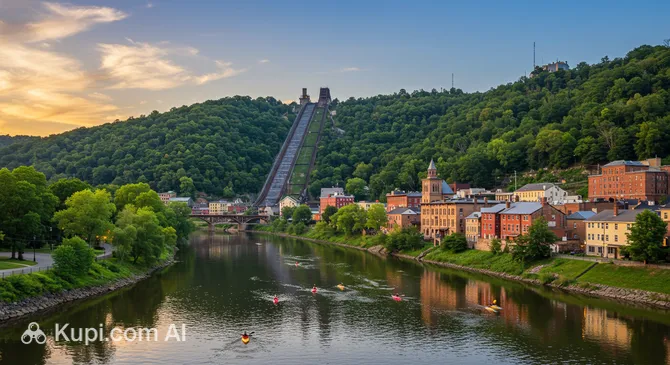
Welcome to Johnstown, a city defined by its remarkable resilience and rich industrial heritage. Nestled within the Conemaugh Valley of the Allegheny Mountains, this Pennsylvania community offers visitors a unique blend of historical significance and small-town charm. As a notable destination in the United States, Johnstown invites travelers to explore its storied past and scenic surroundings.

Johnstown. Source: Kupi.Binoculars

Geographically, the city is situated at the confluence of the Little Conemaugh and Stonycreek rivers, creating a dramatic landscape that has shaped its identity. With a population of approximately 18,600 residents, it maintains a close-knit atmosphere while providing the amenities of a larger urban center. The local climate features four distinct seasons, making it a picturesque spot for year-round visits, particularly when the surrounding hills display their vibrant autumn foliage.

The city's narrative is deeply intertwined with the steel industry and its recovery from devastating floods, most notably the Great Flood of 1889. You can delve deeper into the history of Johnstown to understand how these events forged the community's indomitable spirit. Today, this legacy is preserved in world-class museums and heritage sites that pay tribute to the people who built and rebuilt the city.

Visitors should not miss the famous Johnstown Inclined Plane, known as the steepest vehicular inclined plane in the world, which offers panoramic views of the downtown area. Another essential stop is the Johnstown Flood Museum, where immersive exhibits bring the story of the 1889 disaster to life. Whether you are a history buff or an outdoor enthusiast, Johnstown promises a memorable and inspiring journey.

Weather Overview

Johnstown experiences a climate characterized by four distinct seasons, offering a variety of atmospheric conditions depending on when you visit. For a detailed breakdown of daily conditions and forecasts, you can check the weather in Johnstown before your trip. Generally, the city enjoys warm summers and faces cold winters, with a fairly consistent chance of precipitation throughout the year.

The summer months are generally pleasant and warm, making them popular for outdoor activities. July is typically the warmest month, with average temperatures reaching around 22.4°C and daily highs peaking near 27.0°C. June and August are also comfortable, with average temperatures hovering between 19.5°C and 21.4°C. While the temperatures are agreeable, visitors should be prepared for rain, as there are about 15 to 16 wet days per month during this season.

In contrast, winters in the Conemaugh Valley can be quite chilly. January is usually the coldest month, with an average temperature of -1.8°C and lows dipping to -5.5°C. December and February are similarly cold, with averages often hovering near the freezing point. The region sees frequent precipitation during the winter as well, with January recording up to 17 wet days, so packing warm layers and waterproof gear is essential.

Spring and autumn offer milder transition periods with moderate temperatures. May sees averages rise to 15.6°C, while October cools down to around 12.4°C. These seasons are great for witnessing the changing landscape, though rain remains a common occurrence with 11 to 16 wet days per month. Overall, expect warm summers with regular showers and cold winters that require a sturdy coat.

Interesting Facts

Beyond its resilience and industrial roots, Johnstown holds fascinating secrets and cultural connections that might surprise you. Here are a few unique details that add depth to the story of this Pennsylvania city.
  • A superhero origin story: Steve Ditko, the legendary comic book artist who co-created Spider-Man and Doctor Strange with Stan Lee, was born and raised in Johnstown, drawing inspiration from his surroundings in his early years.

  • Hollywood on ice: The city served as the primary filming location for the 1977 cult classic movie Slap Shot starring Paul Newman; the film's fictional "Charlestown Chiefs" were directly inspired by the local Johnstown Jets hockey team.

  • Steel innovation: The Cambria Iron Company is designated as a National Historic Landmark because it was a true pioneer in the industry, notably being one of the first major facilities to successfully utilize early modern steel production technologies.

  • A world record holder: The Johnstown Inclined Plane is not just a local landmark; it holds the Guinness World Record for the steepest vehicular inclined plane in the world, boasting a grade of 70.9 percent.

How to Get There

Planning a trip to the Conemaugh Valley requires considering the best route through the scenic landscapes of Pennsylvania. While the city is tucked away in the mountains, it remains accessible via several major transportation hubs in the region. You can find more details and all ways to reach the city to help you organize your journey efficiently.

Travelers flying into the region often choose Pittsburgh International Airport (PIT) as their primary gateway. Located approximately 115 km from Johnstown, this major hub offers extensive flight connections and rental car services, with the drive taking about 1 hour and 50 minutes. For a significantly shorter commute, Westmoreland County Airport in Latrobe is situated just 42 km away. Other regional options include University Park Airport in State College, Harrisburg International Airport, and Benedum Airport in Clarksburg, providing additional flexibility depending on your itinerary.

Here is a summary of the main airports serving the area:

Airport Name City Passenger Traffic Km from City
Pittsburgh International Airport Pittsburgh High 114.7
Harrisburg International Airport Lower Swatara Township Medium 184.2
University Park Airport State College Medium 107.7
Westmoreland County Airport Latrobe Low 41.7
Benedum Airport Clarksburg Low 160.0

If you prefer traveling by rail, please note that while there is no major station immediately within the city, several key railway hubs are located within driving distance. Washington Union Station is a prominent option about 228 km away, requiring a transfer to a bus or rental car for the final leg of the journey, which typically takes 3 to 3.5 hours. Another accessible point is the Baltimore Railway Station in Linthicum, located roughly 229 km from the city.

The nearest major railway stations include:

Station City Passenger Traffic Km to Center
Washington Union Station The White House High 228.5
New Carrollton Station New Carrollton High 233.2
Baltimore Railway Station Linthicum Medium 228.7
Wilmington Railway Station Elsmere Medium 295.1
Buffalo Depew Station Cheektowaga Low 289.6

Main Attractions

Johnstown offers a compelling mix of history and culture, with landmarks that tell the story of its industrial might and the resilience of its people. From world-class museums to engineering marvels, the city's attractions provide a deep dive into the events that shaped the Conemaugh Valley. Here are some of the most interesting places to visit during your stay.

Johnstown Flood Museum is perhaps the most essential stop for any visitor. Housed in the historic former Cambria Library building, this museum chronicles the devastating 1889 flood that forever changed the city. Through immersive exhibits, artifacts, and an Academy Award-winning documentary, guests can explore the timeline of the disaster and the inspiring recovery efforts that followed. It is a moving tribute that captures the spirit of the community.

For a spectacular perspective of the area, a ride on the Johnstown Inclined Plane is unforgettable. Originally constructed in 1891 to transport residents to higher ground, it is technically the steepest vehicular inclined plane in the world. As the cars ascend the hillside, passengers are treated to panoramic views of the downtown area and the river confluence below. At the top, you can enjoy the observation deck, visit the gift shop, or dine with a view.

The Heritage Discovery Center offers a broader look at the region's social and industrial fabric. This multi-faceted facility features the "America: Through Immigrant Eyes" exhibit, which allows visitors to step into the shoes of early 20th-century immigrants who came to work in the local steel mills and coal mines. The center also houses the Johnstown Children's Museum and the Iron & Steel Gallery, making it an educational destination for all ages.

To experience the daily life of the past, the Wagner-Ritter House and Garden provides an intimate glimpse into history. This modest home, which housed a steelworker's family for generations, has been preserved to reflect the domestic realities of the mid-19th to mid-20th centuries. Guided tours reveal the challenges and triumphs of working-class life, complete with a historically accurate garden that adds to the site's authenticity.

Local Cuisine

The culinary landscape of Johnstown is a delicious reflection of its rich immigrant history and working-class roots. Dining here is less about pretension and more about hearty, comforting flavors that sustained generations of steelworkers. The local food scene is deeply influenced by Eastern European traditions, meaning you will frequently find staples like pierogies and haluski (cabbage and noodles) on menus throughout the city. These dishes are often homemade or prepared with family recipes that have been passed down for decades, offering a warm and authentic taste of the region's heritage.

No visit to Johnstown is complete without trying the city's most famous confectionery invention: the Gob. While outsiders might mistake it for a whoopie pie, locals know better. This beloved treat consists of two soft, cake-like chocolate mounds sandwiching a sweet, creamy icing filling. It is a cultural icon in the area, with local bakeries and even gas stations proudly stocking them. The Gob is so intrinsic to the city's identity that it has become a must-try edible souvenir for any traveler passing through the Conemaugh Valley.

For a savory lunch that steps back in time, head to the historic Coney Island restaurant, a downtown staple since 1916. Here, the signature dish is the Sundowner, a unique cheeseburger topped with a fried egg, mustard, onions, and the restaurant's secret chili sauce. Served on a steamed bun, it is a local legend that perfectly encapsulates the city's love for satisfying, no-nonsense food. Their classic hot dogs, smothered in the same famous chili sauce, are another enduring favorite that draws both residents and visitors alike.

When it comes to drinks, Johnstown has embraced the modern craft beverage movement while honoring its past. You can find excellent locally brewed beers at spots like Stone Bridge Brewing Co., which offers a variety of ales and lagers often named after local landmarks. For those seeking a view with their evening refreshment, the restaurants atop the Inclined Plane provide a stunning backdrop of the city lights. Whether you are enjoying a cold craft beer or a classic cup of diner coffee, the atmosphere is almost always friendly and welcoming.

Travel Tips

To ensure your visit to Johnstown is as smooth and enjoyable as possible, we have compiled a list of essential practical advice. Whether you are here to explore the rich industrial history or enjoy the scenic Allegheny Mountains, these tips will help you navigate the city with the confidence of a local.

  1. Clothing and Gear: Since the weather in the Conemaugh Valley features four distinct seasons, packing layers is the best strategy. In winter, bring heavy coats, gloves, and waterproof boots to handle snow and freezing temperatures. Summers are warm, but frequent showers mean a raincoat or umbrella is a must. Comfortable walking shoes are essential, as the city's terrain is quite hilly, especially if you plan to explore downtown or the hiking trails nearby.

  2. Transportation: While the city is walkable in specific districts like downtown, renting a car is highly recommended for maximum flexibility. It allows you to easily reach attractions spread across the valley and the surrounding Laurel Highlands. Public transportation is available via CamTran buses, which serve the city and parts of the county, but schedules can be limited on weekends. Ride-sharing services like Uber and Lyft operate here, though wait times may be longer than in major metropolitan areas.

  3. Finances: The local currency is the United States Dollar (USD). Credit and debit cards are widely accepted at hotels, museums, and larger restaurants. However, it is wise to carry some cash for small purchases at local bakeries, cash-only diners, or for tipping. ATMs are readily available throughout the city. Tipping is standard practice in the U.S.; expect to leave 18-20% for good service at sit-down restaurants.

  4. Health and Safety: Johnstown is generally a safe and welcoming community for tourists. Standard precautions, such as locking your car and keeping valuables secure, are sufficient. For medical needs, there are several pharmacies and the Conemaugh Memorial Medical Center, a major regional hospital located near the downtown area. In case of any emergency, simply dial 911 for immediate assistance.

  5. Communication: English is the primary language spoken. You may hear locals use the Western Pennsylvania dialect, often referred to as "Pittsburghese," including terms like "yinz" for "you all." Free Wi-Fi is commonly available in hotels, coffee shops, and public libraries. If you are visiting from abroad, prepaid SIM cards can be purchased at major retail stores or mobile phone shops in the shopping centers outside the downtown core.

  6. Local Etiquette: The atmosphere in Johnstown is friendly and unpretentious. It is polite to greet shopkeepers and service staff when entering an establishment. Residents are generally proud of their heritage and resilience, so showing genuine interest in the city's history is well-received. When driving, be patient; the roads can be narrow and winding, and local drivers are accustomed to a moderate pace.

  7. What to Avoid: Avoid relying solely on public transport for late-night travel, as bus services stop running in the evening. Additionally, do not underestimate the steepness of the hills surrounding the city; ensure your vehicle is in good condition if you plan to drive up to the observation areas, especially during inclement weather.

  8. Additional Tip: Keep in mind that Johnstown retains a small-town pace, meaning many local shops and independent restaurants may be closed on Sundays or Mondays. It is always a good idea to check opening hours in advance or call ahead, particularly if you are planning to visit specific family-run eateries or boutiques.

Armed with these practical insights, you are ready to fully immerse yourself in the unique character of Johnstown. We hope you have a safe journey and a wonderful time discovering the resilience, history, and natural beauty of this fascinating Pennsylvania city.

Entertainment & Nightlife

Entertainment in Johnstown reflects the city’s friendly and unpretentious character. While you will not find sprawling nightclub districts or high-octane dance floors here, the nightlife offers a relaxed and welcoming atmosphere centered around social pubs, craft breweries, and live music venues. The evening scene is perfect for travelers who appreciate good conversation, local brews, and a sense of community rather than exclusive guest lists or dress codes.

The heartbeat of the city's nightlife is primarily split between the Downtown area and the historic Cambria City district. Downtown provides easy access to several key establishments and is often the go-to spot for visitors staying in central hotels. Meanwhile, Cambria City, known for its stunning historic churches and cultural heritage, has evolved into an arts and entertainment hub. Here, you can find unique venues that host local bands, art events, and cultural gatherings, offering a more bohemian vibe compared to the traditional taverns found elsewhere.

For a great evening out, Stone Bridge Brewing Co. is a standout destination. Located near the famous stone bridge, this craft brewery is a favorite among locals for its rotating selection of house-made beers and casual, industrial-chic setting. It is an excellent place to start your night. If you are looking for live entertainment, the Venue of Merging Arts (VOMA) in Cambria City is a cultural cornerstone. This intimate venue regularly hosts concerts, open mic nights, and gallery shows, providing a platform for regional talent in a historic church building.

Another popular spot is Rocky’s Tavern, a classic local haunt known for its longevity and unpolished charm. It represents the traditional side of Johnstown’s nightlife—a place where you can grab a cold drink and mingle with residents in a straightforward, no-nonsense environment. For those seeking a more polished evening, the Boulevard Grill offers a comfortable setting with a solid drink menu, bridging the gap between a restaurant and a night spot.

Practical advice for enjoying Johnstown at night is simple: keep it casual. The dress code almost everywhere is informal; jeans and a comfortable shirt are perfectly acceptable. Prices are generally very affordable compared to larger cities, with beers and cocktails costing significantly less than the national average. Friday and Saturday nights are the liveliest, while weeknights can be quite quiet with earlier closing times for kitchens. Getting around is best done via ride-sharing apps like Uber or Lyft, though availability can decrease late at night, so it is wise to plan your ride back to your accommodation in advance.

regarding safety, the main entertainment districts in Downtown and Cambria City are generally safe for evening walks, but it is always recommended to stay on well-lit main streets and avoid cutting through unlit alleys or deserted areas. If you need a taxi, local cab companies operate in the area, but calling ahead is necessary as hailing one on the street is not common practice.

During the daylight hours, the entertainment focus shifts to culture and history. The Pasquerilla Performing Arts Center on the University of Pittsburgh at Johnstown campus is the premier venue for theater productions, symphonies, and larger concerts. For families and history buffs, the city offers immersive experiences like the Heritage Discovery Center or a relaxing afternoon in Central Park. Whether day or night, Johnstown provides a steady, enjoyable pace for its visitors.
Parks & Museums

Johnstown presents a compelling duality for visitors, balancing its gritty industrial heritage with surprising pockets of natural beauty and artistic expression. Beyond the famous flood sites, the city and its surrounding boroughs are home to lush green spaces, dedicated art venues, and architectural landmarks that tell the story of a community dedicated to preservation and renewal.

For those seeking an escape into nature without leaving the city limits, Stackhouse Park is a true gem. This expansive 277-acre urban forest offers miles of hiking trails that wind through deep ravines and wooded hillsides. It is a favorite among locals for birdwatching, jogging, and enjoying the tranquility of the outdoors. In the heart of the downtown area, Central Park serves as the city’s communal living room. Anchored by a majestic fountain and shaded by mature trees, this square is surrounded by monuments honoring local history, making it a perfect spot for a leisurely stroll or a midday break.

While the flood museums often take center stage, Johnstown’s cultural landscape also includes impressive art and specialized history venues. The Southern Alleghenies Museum of Art (SAMA) at Johnstown, located on the University of Pittsburgh at Johnstown campus, brings fine art to the region with rotating exhibitions featuring American masters and contemporary works. For a more hands-on artistic experience, the Community Arts Center of Cambria County in nearby Westmont is housed in a historic log building and showcases the work of local artisans, offering a cozy and inspiring atmosphere.

History enthusiasts should look for the Grand Army of the Republic (GAR) Hall. This beautifully preserved building is one of the few remaining structures of its kind in the nation, dedicated to the veterans of the Civil War. Inside, visitors can view a collection of artifacts and memorabilia that highlights the region's contributions to the Union cause, providing a different historical perspective from the city's industrial narrative.

Architecturally, the city is defined by the iconic Stone Bridge, a sturdy structure that famously withstood the force of the 1889 flood. Today, it is illuminated nightly with colorful LED lights, creating a stunning visual landmark that bridges the past and present. Nearby, the Cambria City Historic District is renowned for its skyline of steeples; the neighborhood features a remarkable concentration of historic churches, each boasting intricate stained glass and unique architectural styles that reflect the diverse immigrant communities that settled there.

For an authentic local experience, take a walk or bike ride along the Jim Mayer Riverswalk Trail. This scenic path follows the Stonycreek River and offers excellent views of the waterways that have shaped the city's destiny. It is a peaceful, lesser-known route where you can often spot local wildlife and enjoy the soothing sounds of the river away from the traffic of the main roads.

Getting Around

Public transportation in Johnstown is primarily managed by the Cambria County Transit Authority, locally known as CamTran. The system operates a network of bus routes that connect the downtown area with surrounding neighborhoods, shopping centers, and medical facilities. While the network is reliable for getting around the main districts, it is designed more for local commuting than for extensive sightseeing, so visitors should plan their trips according to the fixed route schedules.

A unique and historic feature of the city's transport network is the Johnstown Inclined Plane. Operated by CamTran, this funicular is not just a tourist attraction but a functional part of the transit system, connecting the downtown valley with the hilltop borough of Westmont. It is capable of carrying both pedestrians and automobiles, offering a practical and scenic way to bypass the winding roads up the steep hillside. However, it is advisable to check its operating status before your visit, as it occasionally undergoes maintenance projects.

For bus travel, the payment system is straightforward. You can pay your fare in cash upon boarding, but you must have exact change as drivers cannot provide change. A standard one-way fare is quite affordable. For convenience, CamTran also utilizes a mobile ticketing app, often Token Transit, which allows you to purchase single rides or day passes directly on your smartphone. This is a great option for tourists who prefer not to carry small bills and coins.

Travelers should be aware that the bus service does not run 24 hours a day. Most routes operate from early morning until early evening, with significantly reduced or no service on Sundays and major holidays. The central hub for the network is the Downtown Transit Center, where you can transfer between lines and obtain printed schedules. If you plan to use the bus, it is highly recommended to check the latest timetables online or via the app, as frequencies can vary.

Given the mountainous terrain and the spread-out nature of attractions in the region, many visitors find that renting a car is the most practical option for exploring beyond the immediate downtown core. For those without a vehicle, ride-sharing services like Uber and Lyft are available, though wait times may be longer than in major metropolitan areas. Traditional taxi services also operate in the city, but they typically require booking by phone in advance rather than hailing one on the street.

Accommodation

Finding a place to stay in Johnstown is a straightforward experience, with options that primarily cater to value-conscious travelers and families. The city’s accommodation landscape is dominated by reliable mid-range chain hotels and budget-friendly motels, ensuring comfortable amenities without the high costs often associated with larger tourist hubs. For visitors seeking a more intimate connection to the area's heritage, there are also a few charming bed and breakfasts tucked away in the residential boroughs, offering a cozy, home-like atmosphere.

When selecting a location, most tourists choose between two main areas: Downtown and Richland Township. Staying in the Downtown area is perfect for history buffs who want to be within walking distance of the Johnstown Flood Museum, the Inclined Plane, and local dining spots. It places you directly in the heart of the city's narrative. Conversely, Richland Township, located just a short drive up the hill, is a modern commercial hub. This area is popular for its concentration of newer hotels, shopping centers, and restaurants, making it a convenient base for those traveling by car or visiting the nearby university campus.

In terms of pricing, Johnstown is generally very affordable, with most properties falling into the budget to mid-range categories. While room availability is typically good year-round, the city does experience peak demand during major local events, such as the annual "Thunder in the Valley" motorcycle rally in June or the AAABA baseball tournament in August. If your trip coincides with these popular festivals, it is highly recommended to book your accommodation well in advance to secure your preferred location. Booking is easily managed through standard online platforms or by contacting hotels directly.

Nearby Cities

For those looking to explore the surroundings, Johnstown serves as an excellent base for day trips to several interesting nearby locations. The region is rich in history and diverse landscapes, offering travelers a chance to see more of Pennsylvania without venturing too far.

One of the most notable destinations is Altoona, located just about 50 km away. Much like Johnstown, Altoona is steeped in industrial heritage but is specifically famous for its railroad history. Visitors flock there to see the Horseshoe Curve, a National Historic Landmark and an engineering marvel of the 19th century. Another interesting spot is Monroeville, which offers extensive shopping and dining options. It is also a site of pop-culture pilgrimage for horror fans, as the local mall was the filming location for the classic movie Dawn of the Dead.

City Population Distance (km)
Altoona 73,374 50
Hempfield Township 41,795 57
Penn Hills 41,132 78
North Huntingdon 31,654 69
Monroeville 28,607 74

These nearby destinations offer a glimpse into the diverse culture and landscapes of the region, ranging from significant historical sites to modern suburban attractions.

Shopping & Souvenirs

Shopping in Johnstown offers a relaxed and practical experience that mirrors the city's down-to-earth character. While you will not find high-end luxury avenues, the area provides a satisfying mix of modern conveniences and small-town charm. Visitors can explore a blend of large retail centers for everyday needs and independent local boutiques that showcase the creativity and history of the Conemaugh Valley.

For those interested in local flair, the Downtown district is the place to start. This walkable area features a scattering of specialty shops, antique stores, and gift boutiques, particularly near Central Park and the main museums. It is an excellent spot to browse for unique items without the hustle of a crowded city center. In contrast, the bustling commercial hub of the region is found in Richland Township, particularly along Scalp Avenue and Eisenhower Boulevard. A short drive from the city center, this corridor is lined with major department stores, national chains, and extensive dining options.

The primary destination for a traditional shopping spree is the Johnstown Galleria. Located in Richland Township, this enclosed two-level mall serves as the retail anchor for the region. It houses a variety of well-known apparel brands, jewelry stores, and specialty kiosks. It is a convenient one-stop location if you are looking for clothing, electronics, or travel essentials during your stay.

If you prefer a more community-oriented atmosphere, the Johnstown Farmers Market is a seasonal highlight worth visiting. Held in Central Park during the warmer months, typically from May through October, it brings together local growers and artisans. Here, you can purchase fresh regional produce, homemade baked goods, and handcrafted items, offering a direct connection to the local culture and a chance to mingle with residents.

When it comes to souvenirs, the most iconic item to bring home is undoubtedly a pack of Gobs. These famous local cake-sandwiches are often sold in sturdy packaging at local bakeries and grocery stores, making them transportable gifts for friends with a sweet tooth. Additionally, given the region's passion for sports, merchandise supporting Pittsburgh teams (the Steelers, Penguins, or Pirates) is widely available and makes for a popular keepsake. History buffs might also appreciate books or commemorative items related to the 1889 flood, which can be found in museum gift shops.

Store opening hours in Johnstown generally follow standard American schedules. The shopping mall and major retailers in Richland are typically open from 10:00 AM to 9:00 PM on weekdays and Saturdays, with shorter hours on Sundays. Downtown shops often operate on a more limited schedule, usually closing by 5:00 PM or 6:00 PM, and many may be closed on Sundays. Credit and debit cards are universally accepted, though having a small amount of cash is helpful for the farmers market or smaller independent vendors.

A significant benefit for shoppers in Pennsylvania is the state's tax policy. Clothing and footwear are generally exempt from sales tax, making it an excellent place to update your wardrobe without the extra cost found in many other states. While other goods are subject to a 6% sales tax, this exemption on apparel is a welcome perk for tourists looking to do some shopping.

Reached the end of the page?

That means the route is fully explored