Support

Camp Springs

About

Welcome to Camp Springs, a vibrant community located in Prince George's County, Maryland. Strategically situated just southeast of Washington, D.C., this census-designated place offers a unique blend of suburban comfort and direct access to the hustle and bustle of the nation's capital. It is a welcoming destination for travelers seeking a convenient base to explore the region while enjoying a quieter local atmosphere.

Geographically, Camp Springs is defined by its proximity to major transportation routes and the famous Joint Base Andrews. With a population of approximately 23,000 residents, the area enjoys a mild climate typical of the Mid-Atlantic region, featuring distinct seasons that transform the local scenery throughout the year. As a part of the United States, it serves as an important gateway for visitors arriving via the nearby military and civilian airfields.
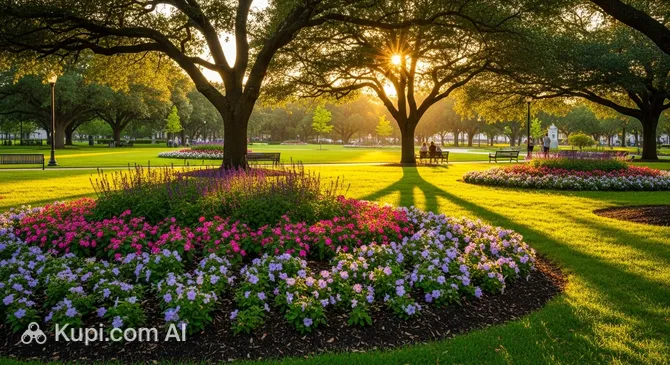
Camp Springs. Source: Kupi.Binoculars

The development of the area is quite interesting, transitioning from 19th-century farmland to a modern residential hub. Those interested in the local heritage can delve into the history of Camp Springs to learn how the arrival of the military base and the expansion of the capital shaped its current identity. Today, it stands as a testament to the rapid suburban growth of the mid-20th century.

For tourists, the primary allure of Camp Springs lies in its exceptional location. It is immediately adjacent to Joint Base Andrews, the home of Air Force One, making it a spot of interest for aviation enthusiasts who often catch glimpses of government aircraft. Additionally, the town provides easy access to the Washington Metro system via the Branch Avenue station, allowing visitors to reach the iconic museums and monuments of D.C. in minutes without the hassle of city parking.

Whether you are passing through on business or planning a sightseeing tour of the capital region, Camp Springs offers a friendly and practical starting point. Its mix of local dining options, accessible parks, and excellent connectivity makes it a smart choice for your next visit to Maryland.

Weather Overview

The climate in this region is defined by distinct seasonal changes, ranging from chilly winters to hot, humid summers. January is typically the coldest month, with average temperatures hovering around 3.3°C and lows occasionally dipping to -0.5°C. Conversely, the summer months bring substantial warmth; July is usually the peak of the heat, featuring an average temperature of 26.9°C and highs that can reach 31.4°C.

Rainfall is a regular occurrence throughout the year, though the frequency varies by season. The summer months tend to be the wettest in terms of frequency, with July experiencing approximately 15 wet days, while autumn offers slightly more stability with October and November seeing about 8 wet days each. Expect warm summers with frequent showers and cold winters that require warm layers. For a comprehensive forecast and monthly averages, you can consult the detailed report on the weather in Camp Springs.

Interesting Facts

Beyond its reputation as a gateway to the nation's capital, Camp Springs holds fascinating secrets that trace back to the Civil War and early American aviation. This community, often viewed merely as a suburb, possesses a unique identity shaped by military history and local lore.

  • A Name Born from Necessity: The area was originally known as "Allentown" after the prominent Allen family who owned much of the land. The name "Camp Springs" emerged in the mid-19th century because soldiers traveling to Fort Meade would frequently set up camp here, drawn by the abundance of natural springs that provided fresh water.

  • The Civil War Chapel: A small wooden church located within the boundaries of what is now Joint Base Andrews has a remarkable past. During the Civil War, Union troops occupied the building and used it as their headquarters. Today, it still stands and serves the community as "Chapel Two," bridging the gap between 19th-century history and modern military life.

  • The "Baby Pentagon": For decades, the area was home to a massive structure known locally as the "Baby Pentagon." Building 1535, as it was officially designated, served as a critical command center for major military operations and the Air Force Systems Command before it was eventually demolished in 2013.

  • An Identity Crisis: Despite being a distinct census-designated place with a population of over 20,000, Camp Springs does not have its own post office or specific mailing city name. Residents typically use addresses associated with neighboring Temple Hills, Clinton, or Fort Washington, making the town somewhat "invisible" on mail envelopes.

How to Get There

Reaching this Maryland community is straightforward thanks to its strategic location near the nation's capital. Whether you are arriving by air or rail, you will find several major transport hubs within a short driving distance. For those looking for comprehensive travel details and alternative routes, you can read more about how to get to Camp Springs to plan your journey effectively.

The city of Camp Springs does not have its own airport, but it is well-served by major aviation hubs in the surrounding region. The most convenient option is often Ronald Reagan National Airport (IATA: DCA), located in the city of Washington, D.C., just 12.5 km away. Due to its proximity, a taxi or rideshare can get you to Camp Springs in approximately 40 minutes, depending on traffic. This airport handles a large volume of passengers and offers numerous domestic connections.

Another excellent choice is Baltimore/Washington International Thurgood Marshall Airport (IATA: BWI), situated in Linthicum, about 46.1 km from Camp Springs. It is a major international gateway, and the drive typically takes around 1 hour and 30 minutes. Travelers might also consider Washington Dulles International Airport (IATA: IAD) in McNair. Although it is approximately 49.7 km away, taking about 1 hour and 35 minutes by car, it offers extensive global connections.

For clarity, here is a summary of the main airports serving the area:

Airport Name City Passenger Traffic Km from City
Washington Dulles International AirportMcNairLarge49.7
Baltimore/Washington International Thurgood Marshall AirportLinthicumLarge46.1
Ronald Reagan National AirportWashington, D.C.Large12.5
Greater Wilmington AirportNew CastleSmall148.4
Wicomico Regional AirportSalisburySmall132.1

If you prefer traveling by train, the region is also accessible via rail, although the city of Camp Springs does not have a railway station of its own. You can arrive at Washington Union Station (ZWU) in the city of The White House, which is about 13.5 km from Camp Springs. From there, you can get a taxi or bus, which takes about 40 minutes. This is a major hub with very high passenger traffic. Alternatively, New Carrollton Station (ZRZ) in New Carrollton is located 16.3 km away, with a transfer time of approximately 45 minutes by road.

Below is an overview of the nearest railway stations:

Station City Passenger Traffic Km to Center
Washington Union StationThe White HouseLarge13.5
New Carrollton StationNew CarrolltonLarge16.3
Baltimore Railway StationLinthicumMedium46.9
Wilmington Railway StationElsmereMedium156.3
Richmond Railway StationGlen AllenSmall141.4

Main Attractions

While Camp Springs is primarily known as a residential community and a strategic gateway to the nation's capital, it boasts several local points of interest and offers immediate access to some of the region's most significant sites. Visitors staying in this area can enjoy a mix of military history, recreational facilities, and convenient proximity to world-class entertainment hubs.

Joint Base Andrews is undoubtedly the most famous landmark associated with the area. Although it is a secure military installation, its presence defines the local atmosphere. Known globally as the home of Air Force One, the base occasionally opens its doors to the public for spectacular air shows that draw crowds from all over the country. Aviation enthusiasts often visit the perimeter areas to spot government aircraft taking off and landing, and the base's history traces back to the Civil War, adding a layer of historical depth to the community.

For those seeking outdoor recreation, the Allentown Splash, Tennis and Fitness Park is a fantastic local destination. Located just on the edge of the community, this facility offers a wide range of activities for families and solo travelers alike. It features a large outdoor pool, tennis courts, and fitness amenities, making it a perfect spot to relax or stay active during your trip. The park is particularly popular in the summer months when the splash park provides a refreshing escape from the Maryland heat.

Nature lovers can explore Camp Springs Park, a pleasant neighborhood green space ideal for a quiet afternoon. The park features paved trails suitable for walking and jogging, as well as sports fields and picnic areas. It serves as a peaceful retreat from the hustle and bustle of the nearby metropolitan areas, allowing visitors to enjoy the natural beauty of Prince George's County within a relaxed setting.

Just a short drive from Camp Springs lies the vibrant National Harbor. While technically located in the neighboring community, it is a primary draw for tourists staying in Camp Springs due to its close proximity. Here, visitors can ride The Capital Wheel for stunning views of the Potomac River, explore the MGM National Harbor for entertainment, or enjoy waterfront dining and shopping. This accessibility makes Camp Springs an excellent and affordable base for exploring these major regional attractions.

Local Cuisine

The culinary scene in Camp Springs reflects the rich diversity of Prince George's County, offering a delightful mix of classic Maryland seafood, Southern comfort food, and international flavors. While the area is largely suburban, it is dotted with hidden gems located in shopping plazas and standalone eateries where locals gather for hearty, authentic meals. The food culture here is unpretentious and welcoming, focusing on flavor and generous portions rather than formal dining experiences.

No visit to this part of Maryland is complete without tasting the region's most famous export: the Maryland Blue Crab. In Camp Springs and the surrounding communities, you will find seafood markets and restaurants serving these crabs steamed hot and generously coated in Old Bay seasoning, a spicy blend that is iconic to the state. If picking through shells isn't your preference, try a crab cake, typically made with large lumps of crab meat and very little filler, broiled or fried to golden perfection.

Beyond seafood, the area is well-regarded for its excellent Soul Food and barbecue. Visitors can indulge in comforting dishes like tender pork ribs, fried chicken, macaroni and cheese, and collard greens. A unique local specialty to look out for is Mumbo sauce (or Mambo sauce), a tangy, sweet, and spicy condiment that originated in nearby Washington, D.C. It is a staple at local carry-out spots, usually drizzled lavishly over chicken wings and fries.

When it comes to beverages, the local culture leans towards refreshing choices that pair well with savory foods. The Orange Crush is a beloved Maryland cocktail made with vodka, triple sec, lemon-lime soda, and freshly squeezed orange juice, often found in local bars and grills. For a non-alcoholic option, sweet tea is widely available, reflecting the region's Southern influences, alongside the popular "Half-and-Half," a refreshing mix of lemonade and iced tea.

Dining in Camp Springs is primarily a casual affair. You will find that some of the best food comes from unassuming "carry-out" counters and family-owned establishments rather than large chains. It is common for tourists and residents alike to grab a "box" of seafood or wings to enjoy at a nearby park or in the comfort of their accommodation, embracing the relaxed pace of this friendly community.

Travel Tips

Planning a trip to Camp Springs offers the perfect balance between suburban relaxation and capital city excitement, but a little preparation goes a long way. To help you make the most of your stay in this strategic Maryland location, here is a list of essential practical tips to ensure a smooth and enjoyable experience.

  1. Clothing and Gear: The weather in Maryland can be quite variable. If you are visiting in summer, pack light, breathable fabrics to handle the high humidity and heat, along with sunglasses and sunscreen. For winter trips, bring a warm coat, gloves, and layers, as temperatures often drop near freezing. Regardless of the season, bring comfortable walking shoes, especially if you plan to take the metro into Washington, D.C., for sightseeing.

  2. Transportation: While the Branch Avenue Metro station connects you directly to D.C., getting around Camp Springs itself is best done by car. Renting a vehicle gives you the freedom to explore local restaurants and nearby National Harbor with ease. Ride-sharing apps like Uber and Lyft are also widely available and reliable here if you prefer not to drive.

  3. Finances: The local currency is the US Dollar (USD). Credit and debit cards are accepted almost everywhere, from hotels to small "carry-out" food spots. ATMs are plentiful at banks and convenience stores. Remember that tipping is a strong cultural norm in the United States; expect to leave 15-20% of the bill at sit-down restaurants and a few dollars for taxi drivers or hotel staff.

  4. Health and Safety: Camp Springs is generally a safe suburban community, but standard travel precautions apply. In case of any emergency, dial 911 for police, fire, or medical assistance. Pharmacies like CVS and Walgreens are common in the area for minor health needs, and some locations operate 24 hours a day.

  5. Communication: English is the primary language spoken. If you are visiting from abroad, you can easily purchase a prepaid SIM card at major electronics stores or at the airport upon arrival. Free Wi-Fi is standard in most hotels, coffee shops, and fast-food chains, making it easy to stay connected and use maps for navigation.

  6. Local Etiquette: Residents in Prince George's County are generally friendly and polite. A simple "hello" or nod when making eye contact is common. When using escalators, particularly in the Metro stations, always stand on the right to let people walk on the left—this is a strict unspoken rule in the D.C. metro area.

  7. What to Avoid: Be very cautious about where you take photographs near Joint Base Andrews. Avoid taking pictures of the security gates, fences, or personnel at the base entrances, as this is strictly prohibited and can lead to questioning by security forces. Also, avoid relying solely on the bus system for evening travel, as schedules can be less frequent than in the city center.

  8. Commuter Tip: If you plan to use the Branch Avenue Metro station to visit D.C., try to arrive early on weekdays (before 8:30 AM) if you need parking. The lot fills up quickly with commuters. Alternatively, consider using the station on weekends when parking is free and plenty of spaces are available.

Armed with these practical tips, you are ready to navigate Camp Springs like a local. Whether you are here to spot Air Force One or simply using the town as a convenient launchpad for exploring the capital region, we hope you have a safe and memorable journey!

Entertainment & Nightlife

Nightlife in Camp Springs offers a distinctively relaxed and local alternative to the high-energy club scene of nearby Washington, D.C. Instead of sprawling dance floors and neon-lit districts, the evening entertainment here revolves around casual lounges, sports bars, and restaurants that transition into lively social spots after dark. It is the perfect destination for travelers who prefer a "grown and sexy" vibe, characterized by R&B music, good food, and conversation over cocktails.

The primary hub for evening activities is concentrated along the commercial corridors of Allentown Road and Branch Avenue. These thoroughfares are lined with shopping plazas that house hidden gems where locals gather to unwind. The atmosphere is generally unpretentious and welcoming, with a dress code that is casual yet neat. Weekends tend to be busier, with some venues hosting live bands, karaoke nights, or DJs spinning classic soul and go-go music, a genre deeply rooted in the region's culture.

For those looking to experience the local flavor, Topolino is a staple in the community. While it is an Italian restaurant by day, its bar area becomes a spirited gathering place in the evenings, known for its friendly service and generous drinks. Another spot worth checking out is the lounge area within the Holiday Inn Washington D.C.-Camp Springs, often called Infuse or simply the hotel bar, which offers a convenient and safe environment for visitors to enjoy a nightcap without venturing far from their accommodation.

If you crave a more dazzling nightlife experience with casinos and large-scale concerts, the famous MGM National Harbor is just a short drive away. While technically outside the Camp Springs borders, it is the go-to destination for many visitors staying in the area who want a taste of luxury and world-class entertainment before retreating to the quieter comfort of Camp Springs for the night.

Practical advice for a night out here centers on transportation. Camp Springs is a suburban area designed for cars, and walking between venues is not recommended due to the distance and lack of continuous sidewalks in some commercial zones. The safest and most convenient way to get around is by using ride-sharing apps like Uber or Lyft, which are plentiful in the area. Prices for drinks and cover charges are significantly lower than in downtown D.C., making it a budget-friendly option for tourists.

Regarding safety, the main commercial areas are generally safe for evening outings, especially when arriving and leaving by car. However, visitors should exercise standard caution, stay in well-lit areas, and avoid walking alone late at night on deserted streets. Always keep your belongings secure and rely on official taxi services or reputable ride-share apps rather than hailing rides from the street.

Before the sun sets, Camp Springs offers modest daytime diversions. While it lacks major amusement parks or large museums within its own boundaries, it serves as a strategic base for shopping at local centers or visiting the aforementioned Allentown Splash, Tennis and Fitness Park. For a full day of culture, most tourists take the quick Metro ride into the capital to explore the Smithsonian museums, returning to Camp Springs in the evening for a relaxing dinner and drinks.

Parks & Museums

While Camp Springs is widely recognized as a residential gateway to the nation's capital, it offers its own share of refreshing green spaces and serves as a convenient starting point for exploring the region's rich heritage. The community is dotted with well-maintained parks that provide a respite from urban life, while the surrounding area of Prince George's County is steeped in history, boasting fascinating museums and landmarks just minutes from the town center.

Camp Springs Park is the heart of the local community's outdoor life. This versatile green space is perfect for travelers looking to enjoy a relaxing afternoon without leaving the neighborhood. It features paved walking trails that wind through wooded areas, offering a touch of nature amidst the suburban landscape. The park is also equipped with picnic pavilions and sports courts, making it a popular spot for families to gather for barbecues or a friendly game of basketball on sunny days.

For those who prefer a more active nature experience, the Henson Creek Stream Valley Park is a significant natural asset running near the area. This linear park features a paved hiker-biker trail that follows the meandering Henson Creek. It is a favorite among joggers, cyclists, and birdwatchers, providing a scenic corridor that connects several neighborhoods. The trail offers a peaceful escape where visitors can observe local wildlife and enjoy the changing foliage of the seasons.

Although Camp Springs itself is primarily residential, it is immediately adjacent to the Surratt House Museum in the neighboring community of Clinton. This historic site is a must-visit for history buffs, particularly those interested in the Civil War era. Built in 1852, the house served as a tavern, post office, and polling place, but it is most famous for its connection to the assassination of President Abraham Lincoln. Guided tours offer a glimpse into 19th-century life and the dramatic events that unfolded in this region.

Another cultural gem located just a short drive away is the Harmony Hall Arts Center. Situated in a historic building surrounded by parkland, this venue serves as a cultural hub for the southern part of the county. It features an art gallery that showcases works by local and regional artists, as well as a theater hosting concerts and performances. It is an excellent place to experience the contemporary creative spirit of the area and often hosts exhibitions that reflect the diverse community of Prince George's County.

For a truly authentic local experience, consider visiting the National Colonial Farm at Piscataway Park. Located nearby on the banks of the Potomac River, this living history farm preserves heritage breeds of livestock and crops from the 18th century. It offers a unique perspective on the agricultural history of Maryland and provides stunning views across the river to Mount Vernon, making it a hidden treasure for both history lovers and photographers.

Getting Around

Public transportation in Camp Springs is primarily designed to connect residents and visitors to the greater Washington, D.C. metropolitan area. The backbone of the local transit system is the Washington Metro, specifically the Green Line. The Branch Avenue station, located right within the community, serves as the southern terminus of this line. For tourists, this is the most efficient gateway to the capital's museums, monuments, and entertainment districts, allowing you to bypass city traffic and parking fees.

Complementing the rail service is a network of buses that cover local and regional routes. Metrobus operates lines that connect neighborhoods to the train station and major commercial corridors. Additionally, Prince George's County operates TheBus, a local transit service that provides affordable connections to nearby shopping centers, government facilities, and other communities like Clinton and Oxon Hill. While buses are a reliable option during the day, their frequency can decrease significantly in the evenings and on weekends.

To navigate the system, you will need a SmarTrip card, which is the unified payment method for both the Metro rail and bus systems throughout the region. You can purchase a physical plastic card at the vending machines located at the Branch Avenue station. However, for modern convenience, most visitors prefer to use the mobile SmarTrip option available on smartphones. You can simply add the card to your digital wallet (Apple Pay or Google Pay) and tap your phone at the fare gates or bus readers, eliminating the need to carry a separate card.

Fares on the Metro rail are calculated based on the distance traveled and the time of day, with prices being slightly higher during "peak" commuting hours on weekdays. Bus fares are generally a flat rate. It is important to note that cash is rarely used; while some buses may accept exact change, the Metro rail system requires a SmarTrip card or mobile equivalent to enter and exit the gates. Always ensure you have enough value loaded on your card for a round trip to avoid delays.

While public transit is excellent for heading into the city, getting around the immediate suburbs of Camp Springs can sometimes be faster by car. Ride-sharing services like Uber and Lyft are extremely popular and widely available, offering a convenient alternative for short trips to local restaurants or the nearby National Harbor. Traditional taxis are also available but are typically found waiting at the Metro station rather than cruising the streets for passengers.

For travelers planning to stay out late, be mindful of the Metro's operating hours. The rail system closes overnight, typically around midnight or 1:00 AM depending on the day of the week, so you should check the latest schedule on the WMATA website. If you miss the last train, a taxi or ride-share will be your only option to return to Camp Springs. If your itinerary involves exploring the wider Maryland countryside beyond the reach of the Metro, renting a car remains the most practical choice for flexibility.

Accommodation

Accommodation in Camp Springs is designed primarily for practicality and convenience, catering largely to visitors of the nation's capital, military personnel, and business travelers. Unlike the luxury-focused resort areas found in nearby National Harbor or the historic boutique hotels of downtown Washington, D.C., the lodging landscape here is defined by reliable functionality. Tourists can expect a solid selection of mid-range chain hotels and budget-friendly motels that offer comfortable amenities without the premium price tag of the city center.

The majority of hotels are strategically clustered along the main commercial corridors of Allentown Road and Branch Avenue. Staying in this area is particularly advantageous for its connectivity; many properties are located just minutes from the Branch Avenue Metro station, allowing for an easy commute into the city. Additionally, the close proximity to Joint Base Andrews means that many accommodations are tailored to the needs of military families and government contractors, often providing suites with kitchenettes or extended-stay options.

For those seeking a specific type of stay, the options are straightforward. You will not find sprawling resorts or hostels here. Instead, the inventory is dominated by familiar national brands that guarantee a standard level of service, cleanliness, and comfort. These establishments typically offer essential amenities such as complimentary breakfast, free Wi-Fi, and on-site parking—a significant perk given that parking fees in D.C. can be quite high.

In terms of pricing, Camp Springs is an attractive alternative for budget-conscious travelers. Rates are generally moderate to affordable, especially when compared to the soaring costs of accommodation within the District of Columbia. However, prices can fluctuate based on the season and local events. It is highly recommended to book in advance if your visit coincides with a major event at the military base, such as an air show, or peak tourist seasons in Washington, D.C., as the most convenient locations tend to fill up quickly.

Booking is easily managed through major online travel platforms or directly through hotel websites. Since the area serves as an overflow for capital tourism, finding a room is usually hassle-free, but securing a spot near the Metro station for the best logistical experience is worth a little forward planning.

Nearby Cities

For those looking to explore the surroundings, Camp Springs serves as an excellent base for day trips to several interesting nearby locations:

One of the most popular nearby destinations is Alexandria, located just across the Potomac River. Known for its beautifully preserved Old Town, this city offers a charming atmosphere with cobblestone streets, colonial-era architecture, and a bustling waterfront. Visitors can spend the day exploring independent boutiques, dining at top-rated restaurants, or taking a scenic water taxi ride, making it a perfect spot for a romantic or family outing.

For history enthusiasts and nature lovers, Fort Washington provides a fascinating glimpse into the region's past. Home to a historic fortification that once defended the capital, the area features expansive parklands and hiking trails. It is an ideal location for a picnic with stunning views of the river, allowing travelers to combine outdoor recreation with a tour of the impressive stone masonry and artillery of the old fort.

Just a short drive away lies Anacostia, a historic neighborhood rich in culture and heritage. It offers a distinct perspective on the local history, separate from the main tourist trail of downtown D.C. Visitors here can explore the Frederick Douglass National Historic Site, walk across the 11th Street Bridge Park, and experience the vibrant arts scene that defines this unique community.

City Population Distance (km)
Alexandria 158185 12
Suitland 26375 5
Fort Washington 25840 15
Landover 24508 14
Anacostia 21000 9

These nearby destinations offer a glimpse into the diverse culture and landscapes of the region.

Shopping & Souvenirs

Shopping in Camp Springs is primarily defined by convenience and practicality, reflecting its nature as a residential suburb rather than a high-end retail destination. While you will not find luxury boutiques or sprawling department stores within the immediate community, the area offers a solid selection of retail centers designed to meet daily needs. For tourists, it serves as a functional base where essentials are easily accessible, with major regional shopping hubs located just a short drive or Metro ride away.

The commercial heartbeat of the town is centered along Branch Avenue and Allentown Road. These two major thoroughfares are lined with numerous strip malls, plazas, and standalone stores. Here, visitors can find everything from pharmacies and grocery stores to discount retailers and auto service shops. It is the best place to pick up travel supplies, snacks for your hotel room, or casual clothing without having to venture into the busy city center of Washington, D.C.

While Camp Springs itself does not host a large enclosed shopping mall, it is strategically located near some of the region's best retail experiences. The most notable destination for visitors is the Tanger Outlets National Harbor, located just minutes away by car. This open-air complex features dozens of brand-name designer stores offering discounted prices on fashion, accessories, and home goods. For a more traditional indoor mall experience, the Iverson Mall and Forestville Mall are nearby options that cater to the local community with a variety of urban fashion and specialty shops.

The market scene in the immediate area is modest, focusing largely on supermarkets and seasonal roadside stands rather than permanent tourist markets. However, those looking for fresh local produce or unique regional foods often make the short trip to the Dutch Country Farmers Market in nearby Upper Marlboro. Open three days a week, it is a favorite among locals for its Amish-made baked goods, fresh meats, and dairy products. Alternatively, the easy Metro access allows tourists to visit the historic Eastern Market in D.C. for a vibrant weekend flea market experience.

When looking for souvenirs to take home, the best choices reflect the local Maryland culture. Items featuring the Maryland state flag—known for its bold red, white, black, and gold pattern—are incredibly popular and can be found on everything from socks to coffee mugs. Foodies should look for tins of Old Bay seasoning or crab-flavored potato chips, which are iconic to the region. Given the proximity to the capital, you can also easily find Washington, D.C. memorabilia, such as replicas of monuments or Air Force One merchandise, in local gift shops.

Store opening hours in Camp Springs generally follow standard American schedules. Most large retailers and grocery stores open around 9:00 AM or 10:00 AM and close between 9:00 PM and 10:00 PM, with slightly reduced hours on Sundays. Payment is hassle-free, with credit and debit cards (Visa, MasterCard, American Express) being accepted almost everywhere, even for small purchases. Cash is useful but rarely necessary.

Travelers should be aware that the United States does not typically offer a Value Added Tax (VAT) refund system for international tourists like many European countries do. In Maryland, a sales tax of 6% is added to the price of most taxable goods at the register. The price you see on the shelf usually does not include this tax, so be prepared for the total to be slightly higher when you pay.

Reached the end of the page?

That means the route is fully explored