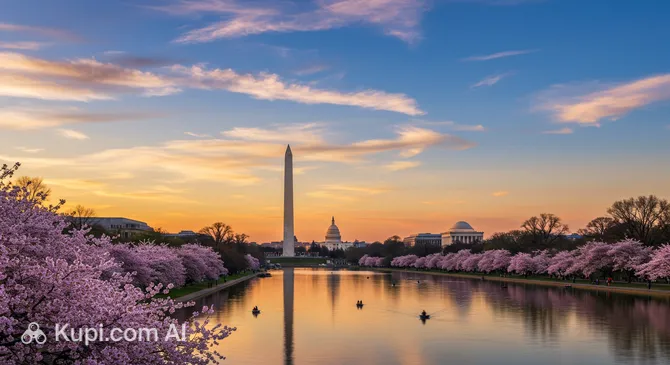
Washington, D.C. stands as a monumental symbol of democracy and a bustling metropolis filled with iconic landmarks. As the capital of the United States, this city offers a unique blend of political significance, cultural depth, and lively urban energy that captivates visitors from around the globe.
Washington, D.C. Illustration.
Source: Kupi.com AI
Located along the scenic banks of the Potomac River, the city experiences four distinct seasons, each bringing its own charm, from the famous cherry blossoms in spring to the colorful foliage of autumn. While the metropolitan area is home to a large and diverse population, the city center maintains a walkable and inviting atmosphere.
The fascinating history of Washington, D.C. is woven into every street corner and monument. As a planned city, its wide avenues and open spaces were designed to impress, creating a grandeur that reflects the nation's heritage and evolution over the centuries.
Travelers are drawn to the National Mall, a sprawling green park that connects the U.S. Capitol to the majestic Lincoln Memorial. The city is also renowned for its world-class museums, particularly the Smithsonian Institution, which offers free access to incredible collections of art, history, and science.
Whether you are exploring historic neighborhoods like Georgetown or marveling at impressive monuments, Washington, D.C. promises an unforgettable journey. It is a destination that truly has something for everyone, inviting you to discover the heart of American culture.
Weather Overview
Washington, D.C. features a climate with four distinct seasons, ranging from hot, humid summers to cold winters. For a more detailed forecast and planning advice, you can consult the guide to weather in Washington, D.C. to help schedule your trip. The city's location ensures that visitors experience a true variety of atmospheric conditions depending on the time of year.
Summers are typically the warmest period, with July being the peak. Average temperatures during this month hover around 26.8°C, often reaching highs of 31.5°C. Travelers visiting from June through August should dress lightly and stay hydrated, as the heat can be significant.
Winters bring a distinct chill to the capital, particularly in January, which is usually the coldest month. You can expect average temperatures of about 3.0°C, with minimums occasionally dropping to -0.8°C. It is advisable to pack warm layers if you plan to explore the monuments during this season.
Rainfall is a consistent factor throughout the year, with the number of wet days generally ranging between 8 and 14 days per month. Spring and autumn are often considered the most comfortable times to visit, offering milder temperatures that are perfect for walking tours.
Average monthly temperature
Average monthly precipitation
Interesting Facts
Beyond the famous monuments and political power, Washington, D.C. holds many fascinating secrets and quirks that often go unnoticed by the casual observer. Digging a little deeper into the capital's history reveals unique stories hidden in plain sight.
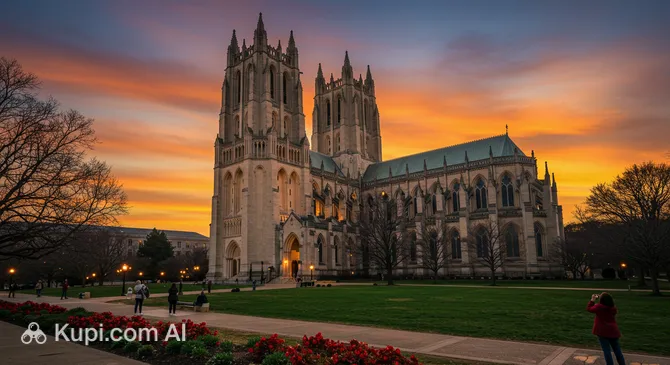
High up on the northwest tower of the Washington National Cathedral, you can find a grotesque of Darth Vader. This sci-fi addition was carved in the 1980s after a design competition for children, making it a truly unique blend of pop culture and gothic architecture.
The city's street grid features lettered streets, but you will not find a "J" Street. In the 18th century, the letters "I" and "J" were often written almost identically, so city planners omitted "J" to prevent confusion for emergency services and mail delivery.
Beneath the rotunda of the United States Capitol lies a tomb originally built for George Washington. However, the crypt remains empty to this day because the first president's will specified that he wished to be buried at his home in Mount Vernon.
The Library of Congress is officially the largest library in the world. Its collections include more than 170 million items, with bookshelves that would stretch for hundreds of miles if laid end-to-end.
Washington National Cathedral. Illustration.
Source: Kupi.com AI
Traveler photos:
How to Get There
Reaching the nation's capital is convenient thanks to its connection to three major airports and a comprehensive rail network. Whether you are arriving from international destinations or domestic locations, you have several options to choose from. For a detailed breakdown of routes and transport tips, you can read more about how to get to Washington, D.C. to plan your arrival smoothly.
The closest option to the downtown area is Ronald Reagan National Airport (DCA). It is situated just 6.1 km from the city center, making it a favorite for domestic travelers. A taxi or shuttle ride from here typically takes around 15-20 minutes. For international flights, many visitors choose Washington Dulles International Airport (IAD). Please note that this airport is not in Washington, D.C. itself, but in the city of McNair, approximately 36.0 km away. The travel time by car is usually about 45-60 minutes. Another major hub is Baltimore/Washington International Thurgood Marshall Airport (BWI), located in the city of Linthicum, 43.7 km from the capital. The transfer from BWI takes roughly 45-60 minutes.
For clarity, here is a summary of the main airports:
Traveling by train is another excellent way to reach the city. The primary hub is Washington Union Station (ZWU), a historic and busy terminal located just 2.9 km from the center. It serves millions of passengers annually and connects the capital to the Northeast Corridor. A taxi ride from the station to downtown hotels usually takes about 10-15 minutes. Alternatively, you can arrive at New Carrollton Station, which is located in the city of New Carrollton, about 15.0 km from Washington, D.C.. The travel time from there is approximately 30-45 minutes by road.
Below is a list of the railway stations serving the area:
Washington, D.C. is a city where history is etched into stone and culture thrives in world-class institutions. The capital's landscape is dotted with iconic structures and museums that offer deep insights into the American experience, making it a premier destination for travelers seeking both education and inspiration.
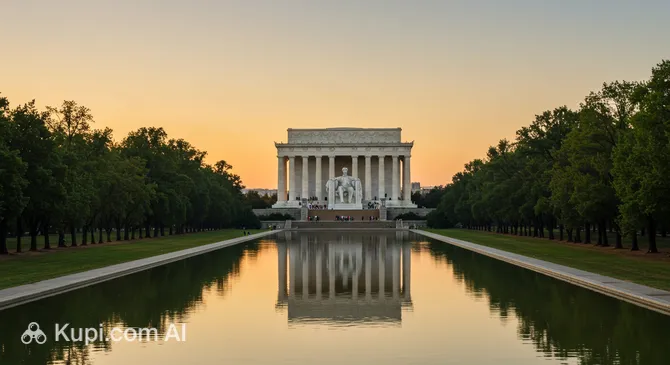
One of the most revered sites is the Lincoln Memorial, located at the western end of the National Mall. This majestic temple honors the 16th President of the United States and features a massive seated statue of Abraham Lincoln. Visitors are often moved by the inscriptions of his famous speeches, the Gettysburg Address and the Second Inaugural Address, carved into the walls. The steps of the memorial also offer a stunning view across the Reflecting Pool toward the Capitol, making it a perfect spot for reflection and photography.
Lincoln Memorial. Illustration.
Source: Kupi.com AI
Traveler photos:
Dominating the skyline is the Washington Monument, a towering marble obelisk dedicated to the nation's first president. Standing at over 169 meters tall, it is the world's tallest obelisk and stone structure. Tourists can take an elevator to the observation deck for unparalleled panoramic views of the city, seeing the precise layout of the streets and the grandeur of the surrounding landmarks from a bird's-eye perspective.
For science and aviation enthusiasts, the Smithsonian National Air and Space Museum is an absolute must-visit. It holds the largest collection of historic aircraft and spacecraft in the world. Exhibits range from the 1903 Wright Flyer to the Apollo 11 Command Module Columbia, chronicling the incredible history of human flight and space exploration. It is a place where imagination takes flight, captivating visitors of all ages.
Nearby, the National Museum of Natural History offers a journey through the natural world. Famous for its Hall of Dinosaurs and the legendary Hope Diamond, this museum houses over 145 million specimens of plants, animals, fossils, and minerals. It provides a fascinating look at the planet's history and biodiversity, making it one of the most visited museums in the world.
Just across the Potomac River, the Arlington National Cemetery serves as a solemn tribute to those who have served the nation. The rolling green hills are marked by rows of white headstones, creating a powerful atmosphere of peace and respect. Visitors often gather at the Tomb of the Unknown Soldier to witness the precise and moving Changing of the Guard ceremony, a tradition upheld with unwavering dedication.
Local Cuisine
The culinary landscape of Washington, D.C. is as diverse and dynamic as its population, offering a mix of historic traditions, regional mid-Atlantic flavors, and international influences. While the city is often associated with power lunches and fine dining, it also boasts a vibrant street food culture and a deep appreciation for hearty, local comfort food.
One dish that stands out as a true local icon is the Half-Smoke. Distinct from a standard hot dog, this spicy, smoked sausage is typically made from a blend of pork and beef. It is traditionally served on a soft bun and smothered in chili, mustard, and chopped onions. You can find this signature snack at street carts and casual counters throughout the capital, where it remains a beloved favorite for a quick and flavorful meal.
Given the city's proximity to the Chesapeake Bay, seafood plays a major role in the local diet. Blue crabs are a regional specialty, and visitors should not miss the opportunity to try authentic crab cakes, which are prized for their generous lumps of meat and minimal filler. For a refreshing beverage, the Gin Rickey is the city's official native cocktail. This simple yet sophisticated drink combines gin, fresh lime juice, and carbonated water, offering a crisp way to cool down during the humid summer months.
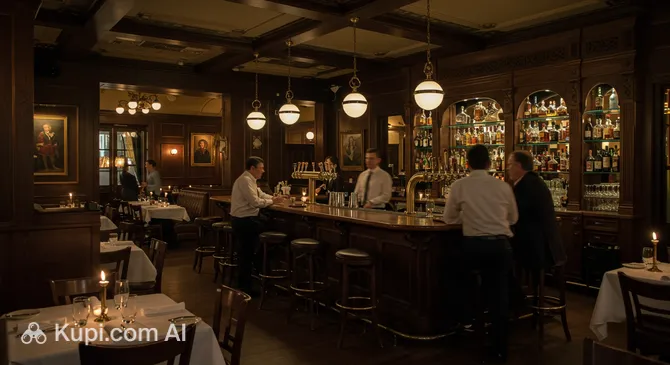
Old Ebbitt Grill. Illustration.
Source: Kupi.com AI
Traveler photos:
For those looking to experience the city's historic dining atmosphere, Old Ebbitt Grill is a perfect destination. Established in 1856, it is Washington's oldest saloon and a legendary spot where politicians, journalists, and tourists gather. Known for its oyster bar and classic American fare, it offers a glimpse into the social fabric of the capital.
Washington, D.C. is also celebrated for its incredible international cuisine, most notably its Ethiopian food. The city is home to one of the largest Ethiopian communities outside of Africa, making spicy stews served atop spongy injera bread a staple of the local food scene. Whether you are exploring bustling food markets or sitting down in a historic tavern, the capital promises a memorable gastronomic journey.
Travel Tips
Visiting the nation's capital is an exciting experience, but navigating its wide avenues and unique local customs requires a bit of insider knowledge. These practical tips will help you explore Washington, D.C. smoothly, ensuring you focus on the sights rather than the logistics.
Clothing and Gear: The most important item to pack is a pair of extremely comfortable walking shoes. The National Mall is much larger than it appears on maps, and you will likely walk several kilometers a day. Since the weather can be unpredictable, dressing in layers is a smart strategy. While casual attire is acceptable almost everywhere, remember to dress respectfully if you plan to visit Arlington National Cemetery or religious sites.
Transportation: The best way to get around is the Metrorail and Metrobus system. It is clean, efficient, and connects all major tourist areas. You will need a SmarTrip card or a mobile pay app to ride. The DC Circulator bus is another affordable option for moving between main attractions. Avoid renting a car for city sightseeing, as traffic is heavy and parking is expensive and scarce.
Finances: The local currency is the US Dollar (USD). Credit and debit cards are widely accepted, even for small purchases like coffee or metro fares. However, it is useful to carry some cash for street vendors or small tips. Tipping is a strong cultural norm; expect to leave 18-20% at restaurants and a few dollars for hotel staff or taxi drivers.
Health and Safety: Washington, D.C. is generally safe for tourists, especially around the Mall and downtown areas, but standard urban precautions apply. Stay in well-lit areas at night and be aware of your surroundings. Pharmacies like CVS and Walgreens are common throughout the city for minor health needs. In case of a serious emergency, dial 911 for immediate assistance.
Communication: English is the primary language, and you will find that locals are generally helpful if you need directions. Free Wi-Fi is available in most Smithsonian museums, public buildings, and coffee shops. If you need a SIM card, it is best to purchase one at a T-Mobile or AT&T store in the city or at the airport upon arrival.
Local Etiquette: The "Golden Rule" of DC commuting is strictly observed on escalators: stand on the right, walk on the left. Blocking the left side is considered very rude during rush hour. Additionally, while the monuments are public parks, they are also memorials; keep your voice down and maintain a respectful demeanor, especially at the Vietnam Veterans Memorial and the Tomb of the Unknown Soldier.
What to Avoid: Do not stop abruptly in the middle of a busy sidewalk to check your phone or a map, as this disrupts the flow of foot traffic. Step to the side against a building instead. Also, avoid trying to see everything in one day; the museums are vast, and rushing will only lead to fatigue.
Bonus Tip: Take advantage of the fact that most museums and the National Zoo are part of the Smithsonian Institution and are completely free to enter. This allows you to pop in for just an hour to see a specific exhibit without feeling like you need to justify an admission fee.
By keeping these simple guidelines in mind, you will be able to navigate Washington, D.C. like a local. Enjoy the rich history, the stunning architecture, and the vibrant culture of this incredible city!
Entertainment & Nightlife
Entertainment and Nightlife:
When the sun sets over the Potomac, Washington, D.C. transforms from a hub of political activity into a vibrant playground of culture, music, and dining. The city's nightlife is diverse, catering to everyone from college students seeking energetic dance floors to professionals looking for sophisticated cocktail lounges. Key districts like U Street, known for its deep jazz roots and live music halls, and Adams Morgan, famous for its eclectic mix of bars and late-night eateries along 18th Street, are the beating heart of the evening scene. For a more modern and upscale experience, The Wharf offers waterfront views and large concert venues.
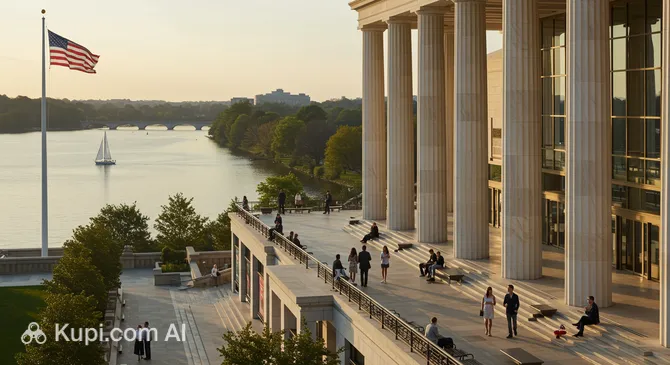
For those seeking a refined evening out, the city boasts exceptional venues that combine dining with a lively atmosphere. You might start your night at Ocean Prime, a spot that blends the energy of a supper club with a chic setting, perfect for enjoying cocktails and conversation. If you prefer high culture, the John F. Kennedy Center for the Performing Arts is the premier destination for opera, ballet, and symphony performances. Its rooftop terrace also provides one of the best free views of the city skyline at night.
John F. Kennedy Center for the Performing Arts. Illustration.
Source: Kupi.com AI
Traveler photos:
Another fantastic option for evening entertainment is The Capital Wheel at National Harbor. Rising high above the river, this observation wheel offers spectacular illuminated views of the capital region and is a romantic spot to cap off a night out. The surrounding area is filled with bars and restaurants, making it easy to spend an entire evening exploring the waterfront.
The atmosphere in D.C. nightlife varies by neighborhood. Downtown and Georgetown tend to be more upscale, often requiring "smart casual" attire—think collared shirts and dress shoes. In contrast, areas like H Street NE and Shaw are more relaxed and hipster-friendly. "Happy Hour" is a serious tradition here, typically running from 4:00 PM to 7:00 PM, offering significant discounts on drinks and appetizers. On weekends, bars stay open until 3:00 AM, while weeknight closings are generally around 2:00 AM.
Regarding safety and transport, Washington, D.C. is generally safe in popular nightlife districts, but it is wise to stay aware of your surroundings and stick to well-lit main streets. For getting around late at night, ride-sharing services like Uber and Lyft are the most reliable options, as the Metrorail system closes around midnight or 1:00 AM depending on the day. Taxis are also readily available in busy areas like Dupont Circle and Penn Quarter.
While the nights are electric, daytime entertainment in the capital is equally engaging. Beyond the famous history museums, families can head to the Smithsonian National Zoological Park to see exotic wildlife, or visit Sky Zone Trampoline Park for some active indoor fun. Whether you are exploring art galleries or enjoying a sunset cruise, the city offers a dynamic schedule around the clock.
Parks & Museums
Washington, D.C. is not only a seat of political power but also a sanctuary of green spaces and a treasure trove of artistic and historical heritage. The city seamlessly blends majestic neoclassical architecture with lush gardens and world-renowned institutions, offering visitors an enriching experience that spans from the wonders of nature to the heights of human creativity.
For those seeking a respite from the urban bustle, the United States Botanic Garden is a must-visit oasis located near the Capitol. As one of the oldest botanic gardens in North America, it features a stunning conservatory filled with tropical plants, rare orchids, and desert succulents. Just a short drive from the city center, Great Falls Park offers a dramatic contrast with its rugged natural beauty. Here, the Potomac River builds up speed and force as it tumbles over jagged rocks, providing spectacular views and hiking trails for outdoor enthusiasts.
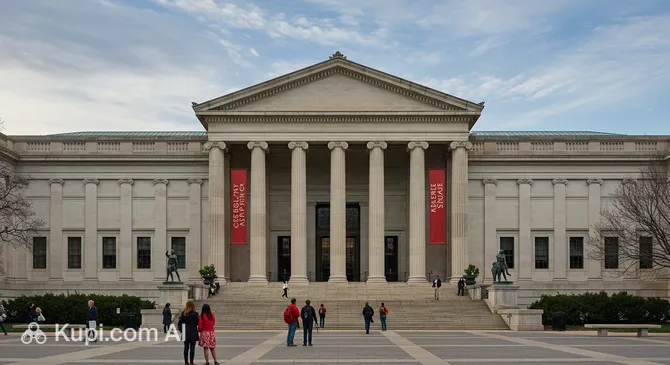
The city's cultural landscape is dominated by its incredible array of museums. The National Gallery of Art serves as a premier destination for art lovers, housing an extensive collection of masterpieces ranging from the Middle Ages to the present day. Its two distinct buildings connect via an underground walkway, featuring works by Da Vinci, Van Gogh, and Calder. Nearby, the National Museum of African American History and Culture stands as a powerful testament to the African American experience. This striking architectural marvel takes visitors on an emotional and educational journey through history, culture, and community.
National Gallery of Art. Illustration.
Source: Kupi.com AI
Traveler photos:
History buffs will find endless fascination at the Smithsonian National Museum of American History. This institution preserves the artifacts that define the nation's character, from the original Star-Spangled Banner to the ruby slippers from The Wizard of Oz. It offers a comprehensive look at the social, political, and scientific evolution of the country.
Beyond the museums, the city's skyline is defined by iconic architectural landmarks. The United States Capitol is a masterpiece of American neoclassicism and the legislative heart of the nation. Just across the street, the Library of Congress stuns visitors with its lavishly decorated interior, featuring intricate mosaics and murals that celebrate knowledge and literature.
For a quieter cultural experience, consider visiting the shared building of the National Portrait Gallery and the Smithsonian American Art Museum. The Kogod Courtyard, located within, is a breathtaking indoor space with an elegant glass canopy, perfect for relaxing with a coffee away from the crowds of the National Mall.
Getting Around
Navigating Washington, D.C. is remarkably efficient thanks to the Washington Metropolitan Area Transit Authority (WMATA), which operates a comprehensive network of trains and buses. The system is designed to be tourist-friendly, connecting nearly all major landmarks, museums, and neighborhoods. For most visitors, the public transport system is not just a convenience but the preferred way to explore the capital, avoiding the hassle of city traffic and limited parking.
The backbone of the network is the Metrorail, commonly referred to as the Metro. It consists of six color-coded lines—Red, Blue, Orange, Silver, Yellow, and Green—that crisscross the city and extend into the suburbs of Maryland and Virginia. The system is famous for its distinct station architecture, featuring massive brutalist concrete vaults and coffered ceilings that have become icons of the city's design history. Navigating is straightforward: stations are clearly marked with pylons displaying the colors of the lines they serve, and large maps are available at every entrance and platform.
Complementing the rail system is the Metrobus fleet, which reaches areas not directly served by the trains. These buses run on hundreds of routes and are particularly useful for reaching neighborhoods like Georgetown, which does not have a Metro station. Additionally, the DC Streetcar offers a free and scenic ride along the H Street NE corridor, a vibrant area known for its nightlife and dining. This modern tram is a convenient way to explore the eastern part of the city, connecting directly to Union Station.
Payment across the Metro and Metrobus system is unified through the SmarTrip card. While you can purchase a plastic card at station vending machines, the most convenient option for tourists is to use the mobile SmarTrip app or add a digital card directly to your smartphone's wallet (Apple Pay or Google Pay). This allows you to simply tap your phone at the fare gates or bus fare boxes. Fares for the Metrorail are distance-based and vary by time of day, costing more during peak commute hours, while bus fares are typically a flat rate.
A crucial piece of advice for using the Metro is to remember to tap in and tap out. You must scan your card or phone when entering the station and again when exiting to calculate the correct fare. If you fail to tap out, you may be charged the maximum possible fare. On buses, you only need to tap once upon entry. Trains generally run from early morning (around 5:00 AM on weekdays) until midnight or 1:00 AM, though schedules can vary on weekends, so it is wise to check the official WMATA website or app for real-time updates.
For short trips between attractions, Capital Bikeshare is a highly popular alternative. The city is dotted with hundreds of docking stations where you can rent a classic red bike or an electric bike for a small fee. It is an excellent way to see the monuments on the National Mall at your own pace. Taxis and ride-sharing apps like Uber and Lyft are also abundant and can be hailed quickly for door-to-door service, though they are significantly more expensive than mass transit.
Accommodation
Where to Stay:
Finding the perfect place to stay in Washington, D.C. is easy, thanks to a wide spectrum of accommodation options that cater to every budget and travel style. The city offers everything from historic luxury properties and high-end modern resorts to reliable mid-range chains and budget-friendly hostels. For those who prefer a home-away-from-home feel, apartment rentals are also widely available throughout the metropolitan area.
Choosing the right neighborhood is key to enjoying your visit. First-time visitors often prefer Downtown or Penn Quarter, as these areas are within walking distance of the National Mall, the Smithsonian museums, and the White House. If you are looking for charm and upscale shopping, the historic cobblestone streets of Georgetown offer a sophisticated atmosphere. For a more vibrant local vibe with excellent dining and nightlife, neighborhoods like Dupont Circle and Adams Morgan are popular choices.
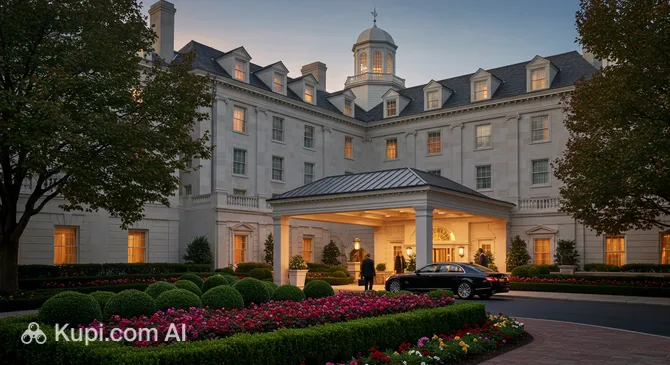
Travelers seeking a truly luxurious experience can find exceptional service at the Four Seasons Hotel Washington, DC. Located in Georgetown, this property is renowned for its elegance and proximity to the city's best boutiques. Alternatively, for those who want to combine their stay with entertainment and waterfront views, the National Harbor Hotel & Casino offers a resort-style experience just a short distance from the city center.
Four Seasons Hotel Washington, DC. Illustration.
Source: Kupi.com AI
Traveler photos:
Booking Tip: Washington, D.C. is a year-round destination, but hotels fill up remarkably fast during the spring Cherry Blossom Festival and major government events. It is highly recommended to book your accommodation several months in advance if you plan to visit during these peak times to secure the best rates and availability.
Price ranges vary significantly depending on the season and location. Budget travelers can find affordable options by staying slightly further from the center near Metro stations, while luxury suites in prime locations command premium prices. Most visitors book through major online travel platforms, but checking directly with hotels can sometimes yield special packages or perks.
Nearby Cities
For those looking to explore the surroundings, Washington, D.C. serves as an excellent base for day trips to several interesting nearby locations.
Just across the Potomac River lies Arlington, a bustling urban community that blends deep historical significance with modern amenities. It is home to the solemn Arlington National Cemetery and offers some of the best panoramic views of the D.C. skyline. Visitors can explore the poignant Marine Corps War Memorial or enjoy the vibrant shopping and dining scenes in neighborhoods like Clarendon.
A short distance to the south is Alexandria, a charming city famous for its well-preserved Old Town. This historic district features cobblestone streets, 18th-century architecture, and a lively waterfront along the Potomac. It is a perfect destination for those who enjoy boutique shopping, diverse restaurants, and walking tours that reveal the area's colonial past.
City
Population
Distance
The White House
12 820
1 km
Arlington
392 304
5 km
Chevy Chase
9 889
6 km
Anacostia
21 000
7 km
Chillum
36 428
7 km
These nearby destinations offer a glimpse into the diverse culture and landscapes of the region.
Shopping & Souvenirs
Shopping in Washington, D.C. is a diverse experience that ranges from historic cobblestone streets lined with charming boutiques to massive, modern retail destinations. The city serves as a fashion hub where visitors can find everything from high-end luxury labels to unique local crafts, ensuring a satisfying retail journey for every style and budget.
One of the most iconic shopping districts is Georgetown. Centered around the intersection of M Street and Wisconsin Avenue, this historic neighborhood offers a picturesque setting for retail therapy. Here, you can browse through a mix of mainstream brand stores, independent designer shops, and upscale home goods retailers, all housed in beautiful Federal-style buildings. For those seeking ultra-luxury brands, CityCenterDC in the downtown area provides a sleek, open-air environment featuring some of the world's most prestigious fashion houses.
For a more local flavor, Eastern Market in the Capitol Hill neighborhood is a must-visit destination. As the city's premier food and arts market, it comes alive on weekends with vendors selling handmade jewelry, art, antiques, and fresh produce. It is the perfect place to find one-of-a-kind gifts. Additionally, the museum gift shops throughout the Smithsonian Institution are excellent spots to pick up educational toys, books, and distinctive souvenirs that celebrate American history and culture.
Travelers looking for extensive retail options often head to Tysons Corner Center. Located just outside the city limits but easily accessible via the Metro Silver Line, it is one of the largest malls in the country, boasting hundreds of stores and dining options. Another popular lifestyle center is the Mosaic District, known for its curated mix of sophisticated shops, restaurants, and an arthouse cinema, all set within a walkable, urban environment.