Support

Clarksburg

About

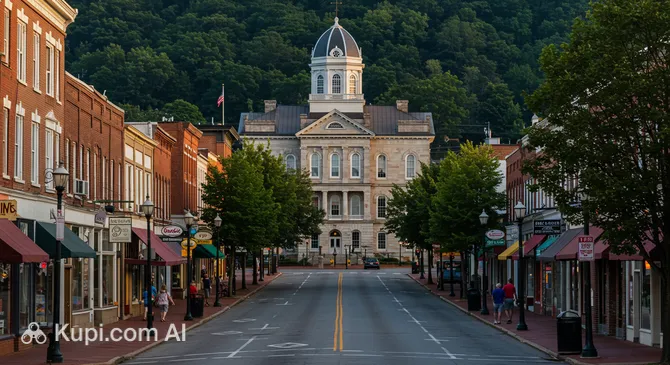
Welcome to Clarksburg, a vibrant city nestled in the rolling hills of North Central West Virginia. Known for its strong sense of community and scenic surroundings, this destination offers a unique blend of small-town charm and cultural richness. Located in the United States, Clarksburg serves as a cultural and commercial hub for the region, home to a population of approximately 27,000 residents who take pride in their local heritage.

Clarksburg. Source: Kupi.Binoculars

The city's past is woven into its streets and buildings, making it a compelling stop for heritage travelers. Visitors will find the history of Clarksburg fascinating, particularly its significance during the Civil War era as a supply depot and the birthplace of General "Stonewall" Jackson. The downtown area features well-preserved architecture that tells the story of its industrial boom and development over the centuries.

Travelers can explore several key attractions that highlight the city's character. The area is renowned for the West Virginia Italian Heritage Festival, which celebrates the significant Italian-American influence in the region with lively festivities and delicious cuisine. Architecture enthusiasts often admire the Harrison County Courthouse and the historic Waldomore, a neoclassical mansion that adds an air of elegance to the city. Additionally, the nearby West Fork River offers opportunities for scenic walks and outdoor relaxation.

Whether you are strolling through the historic district or enjoying the local hospitality, Clarksburg promises a memorable experience. It is a perfect stop for those looking to discover the authentic spirit and warm atmosphere of Appalachia.

Weather Overview

Clarksburg experiences a distinct four-season climate, offering travelers a variety of atmospheric backdrops depending on the time of year. Visitors can generally expect warm summers with frequent showers and cold winters where temperatures often dip below freezing. The transition periods of spring and autumn provide mild and comfortable conditions, though packing a rain jacket is advisable regardless of the season due to the region's consistent precipitation.

During the summer months, particularly in July, the city sees its warmest weather with average temperatures around 23.9°C and highs reaching up to 28.4°C. This is a popular time for exploring, although you should be prepared for about 15 to 16 wet days per month. Conversely, January is typically the coldest month, with average temperatures hovering near 1.1°C and lows dropping to -2.7°C.

For those looking to avoid the rain, early autumn might be the best bet, as September and October tend to have the fewest wet days, averaging around 11 per month. May, on the other hand, is often the dampest month with approximately 17 days of precipitation. To help plan your trip with the most current data, you can view the detailed forecast for weather in Clarksburg.

Interesting Facts

Beyond its well-known historical landmarks and festivals, Clarksburg holds several fascinating secrets that often surprise visitors. Delve deeper into the local lore to discover unique aspects of the city's identity that go far beyond the standard guidebook descriptions.

  • Home to the FBI's Largest Division: While one might expect major federal operations to be based solely in D.C., Clarksburg is actually home to the Criminal Justice Information Services (CJIS) Division. This massive complex is the central repository for criminal justice information for the FBI and is a significant high-tech hub nestled in the West Virginia hills.

  • The Marble Capital Legacy: For many years, the city was a world leader in the production of toy marbles. The Akro Agate Company, which moved to Clarksburg in 1914, produced millions of the colorful glass spheres that are now highly sought after by collectors around the globe.

  • The Spark for Statehood: Clarksburg played a critical, often overlooked role in the creation of West Virginia. In April 1861, the "Clarksburg Convention" was held here, where citizens gathered to protest Virginia's secession from the Union; this pivotal meeting set in motion the events that eventually led to West Virginia becoming a separate state.

  • A Legal Titan's Hometown: The city was the birthplace of John W. Davis, a prominent historical figure who argued more cases before the U.S. Supreme Court than almost any other lawyer in the 20th century. He was also the Democratic nominee for President in 1924, running against Calvin Coolidge.

How to Get There

Planning a trip to West Virginia involves choosing the right entry point, and fortunately, there are several convenient options for travelers. Whether you prefer flying into a major hub or landing closer to your destination, the region offers connectivity that suits various itineraries. For a detailed overview of all routes and transportation modes, you can read more about how to get to Clarksburg.

The most convenient option for many travelers is Benedum Airport (CKB), also known locally as North Central West Virginia Airport. It is located directly in Clarksburg, making it the quickest way to reach the city center. The airport serves the local region with a passenger volume that reflects its status as a key regional hub. Since the airport is just 9.9 km from the downtown area, the travel time is very short—approximately 15 to 20 minutes by taxi or shuttle.

For those seeking more international connections or flight options, Pittsburgh International Airport (PIT) is a major alternative. The city of Clarksburg does not have this large international facility within its limits; instead, you can fly into the airport located in the city of Pittsburgh, which is about 135.2 km from Clarksburg. While it requires a ground transfer, the airport handles significant traffic and offers a wide range of services. The journey from Pittsburgh to Clarksburg by road typically takes between 1.5 to 2 hours, depending on the mode of transport and traffic conditions.

For clarity, here is a summary of the main airports:

Airport Name City Passenger Traffic Km from City
Benedum Airport Clarksburg Small 9.9
Pittsburgh International Airport Pittsburgh High 135.2
Westmoreland County Airport Latrobe Medium 136.3
Yeager Airport Charleston Medium 148.0
Greenbrier Valley Airport Lewisburg Small 158.0

Travelers preferring rail transport should be aware that options are quite distant. The city of Clarksburg does not have a railway station, but you can arrive at Washington Union Station (ZWU), which is located in The White House area, approximately 291.9 km from Clarksburg. Given the distance, the subsequent journey by car or bus to Clarksburg would take roughly 3.5 to 4 hours. This station is a major hub with high passenger traffic, serving as a gateway for those coming from the capital region.

Below is the information for the nearest major railway station:

Station City Passenger Traffic Km to Center
Washington Union Station The White House High 291.9

Main Attractions

To explore Clarksburg is to dive into a community that cherishes its history, culture, and outdoor spaces. The city's attractions offer a mix of architectural beauty, recreational fun, and heritage that appeals to visitors of all ages.

One of the city's premier destinations is Veterans Memorial Park. Located along the scenic West Fork River, this expansive park serves as the recreational hub of the area. It features winding walking trails, picnic shelters, and sporting facilities that attract outdoor enthusiasts. For families, the park is home to the popular "Splash Zone" aquatic center, while history buffs will appreciate the solemn and impressive monuments dedicated to veterans. It is a perfect spot to enjoy a relaxing afternoon surrounded by nature.

Architecture and history lovers should not miss The Waldomore. This stately neoclassical mansion, built in 1839, is listed on the National Register of Historic Places and stands as a testament to the city's 19th-century elegance. Formerly the main public library, it now houses a vast collection of local history and genealogical records. Tourists are often drawn to its grand columns and the wealth of stories preserved within its walls, offering a deep dive into the region's past.

For live entertainment, the Clarksburg Amphitheater, often affectionately called "The Amp," is the place to be. Situated within the grounds of Veterans Memorial Park, this open-air venue hosts a vibrant calendar of events, including summer concert series, movie nights, and cultural festivals. It provides a fantastic atmosphere for visitors to experience the local community spirit and enjoy performances under the stars.

To experience the city's rich cultural roots, a visit to Glen Elk Village is highly recommended. This historic district is the heart of Clarksburg's Italian-American heritage, dating back to the railroad boom era. Today, it offers a charming atmosphere where visitors can admire well-preserved commercial architecture and discover local businesses. It is an excellent area for those looking to explore the unique culinary and cultural traditions that have shaped the city's identity.

Local Cuisine

The culinary landscape of Clarksburg is defined by its deep and vibrant Italian-American heritage, offering visitors a unique gastronomic experience that stands out in the Appalachian region. For decades, Italian immigrants have shaped the local food culture, making this city a premier destination for authentic Mediterranean flavors blended with hearty mountain traditions. The atmosphere is welcoming and unpretentious, with family-owned establishments and historic bakeries taking center stage over large commercial chains.

The absolute must-try delicacy here is the pepperoni roll. Often cited as one of West Virginia's most iconic foods, this simple yet delicious snack consists of soft white yeast bread baked with sticks or slices of pepperoni inside. The fats from the meat melt into the dough during baking, creating a flavorful and savory treat. Originally invented in the region as a portable, non-perishable lunch for coal miners, it can now be found in bakeries and convenience stores throughout the city, often served warm with melted cheese or chili.

Beyond the famous rolls, the city offers exceptional traditional Italian fare. Visitors should look for pasta fagioli, a comforting soup made with beans and pasta, and fritti, a fried dough often dusted with sugar. Another local favorite is the West Virginia hot dog. Distinct from other regional variations, this hot dog is typically served with a savory meat sauce (chili), creamy coleslaw, yellow mustard, and chopped onions. It is a staple comfort food that locals are fiercely proud of.

When it comes to drinks, the Italian influence remains strong. Many local dinners are accompanied by a glass of robust red wine, often house-made or sourced from family vineyards. For non-alcoholic options, sweet tea is a ubiquitous refresher, while locally produced sodas and coffee from the city's longstanding cafes provide a perfect pick-me-up after a day of exploring.

To truly immerse yourself in the food culture, head to the Glen Elk district. This historic neighborhood is the culinary heart of Clarksburg, teeming with wholesale food distributors, quaint delis, and some of the oldest bakeries in the state. Here, tourists can buy fresh Italian bread, imported cheeses, and cured meats directly from the source. Whether you are sitting down for a multi-course Sunday dinner or grabbing a quick bite at a street stand, the food in Clarksburg is prepared with a sense of history and community love.

Travel Tips

To ensure your visit to Clarksburg is as enjoyable and stress-free as possible, we have compiled a list of essential travel advice. Whether you are here for the history, the festivals, or the beautiful Appalachian scenery, these practical tips will help you navigate the city like a local.

  1. Clothing and Gear: The weather in North Central West Virginia can be unpredictable, so the best strategy is to dress in layers. Bring a waterproof jacket or a sturdy umbrella, as rain showers can occur throughout the year. Since the terrain is hilly and you may want to explore parks or historic districts on foot, pack a pair of comfortable walking shoes with good grip. If you plan to visit during winter, ensure you have a warm coat, gloves, and boots.
  2. Transportation: While there is a local bus service provided by the Central West Virginia Transit Authority (CENTRA), it is relatively limited in frequency and coverage compared to major metropolitan areas. To truly explore Clarksburg and the surrounding scenic areas, renting a car is highly recommended. Ride-sharing apps like Uber and Lyft operate here, but availability can be sporadic, especially late at night or in outlying neighborhoods.
  3. Finances: The local currency is the US Dollar (USD). Credit and debit cards are widely accepted at most hotels, restaurants, and larger shops. However, it is wise to carry some cash, particularly for small purchases at local bakeries, family-run diners, or vendors during the Italian Heritage Festival. ATMs are readily available throughout the city. Standard tipping etiquette applies: 15-20% is customary for restaurant service.
  4. Health and Safety: Clarksburg is generally a safe city for tourists, but standard precautions should always be taken, such as locking your car and being aware of your surroundings at night. For medical needs, the area is served by the United Hospital Center, located just a short drive away in Bridgeport. Pharmacies like CVS and Walgreens are available, but check their hours as they may not all be open 24/7. In an emergency, dial 911.
  5. Communication: English is the primary language spoken. The local dialect is friendly and distinct; you might hear phrases unique to Appalachia, but communication is rarely an issue. Mobile coverage is generally good within the city limits, though signals can become spotty if you venture deep into the surrounding rural hills and valleys. Free Wi-Fi is standard in most hotels and coffee shops.
  6. Local Etiquette: West Virginians are known for their hospitality. It is polite to return a greeting if a stranger nods or says "hello" on the street. Politeness goes a long way here; using "please," "thank you," and occasionally "sir" or "ma'am" is well-received. When driving on narrow local roads, it is courteous to yield to oncoming traffic if the way is tight.
  7. What to Avoid: Avoid relying solely on public transportation for time-sensitive plans, as schedules may not align with a tourist's itinerary. additionally, refrain from making negative comments or jokes about Appalachian stereotypes; locals are proud of their heritage and history, and such remarks are considered rude.
  8. Driving Tip: Be prepared for hilly and winding roads. If you are not used to driving in mountainous terrain, take your time, especially in rainy or snowy conditions. Many streets in the historic residential areas can be steep and narrow, so drive cautiously and use your parking brake when parking on an incline.

By keeping these tips in mind, you will be well-prepared to embrace the warm community spirit and rich culture of Clarksburg. Enjoy your journey through the heart of West Virginia!

Entertainment & Nightlife

Entertainment in Clarksburg is defined by a relaxed and welcoming atmosphere rather than a high-energy club scene. The city’s nightlife focuses on socializing in cozy venues, enjoying live performances, and savoring excellent food and drinks in historic settings. For visitors, the evening experience here is about unwinding with the locals and soaking in the small-town Appalachian charm.

The heart of the city’s evening culture is undoubtedly Downtown Clarksburg, particularly along West Pike Street. This area has seen a revitalization and serves as the primary district for entertainment. Unlike larger metropolises with dedicated club districts, the nightlife here is concentrated in specific, well-loved establishments where the dress code is almost always casual. Jeans and a smart shirt are perfectly appropriate for even the nicest venues in town.

For a sophisticated evening, the Wonder Bar Steakhouse is a local institution that offers more than just fine dining. Located on a hill overlooking the city, it provides a "supper club" vibe where you can enjoy cocktails and a robust wine list in a setting that feels timeless. It is a perfect spot for travelers looking for a quieter, more intimate night out with a touch of elegance.

If you are looking for a more casual environment to mix with friendly residents, Kelly's 2.0 on South 3rd Street is a popular choice. This bar and grill creates a warm, pub-like atmosphere where you can grab a cold beer, watch sports, or enjoy simple, hearty food late into the evening. It represents the authentic, unpretentious side of West Virginia nightlife.

The crown jewel of entertainment in the city is the Robinson Grand Performing Arts Center. This beautifully restored historic theater is the hub for concerts, comedy shows, and classic movie screenings. Checking their schedule before your trip is highly recommended, as catching a show here is often the highlight of a visit. The venue anchors the downtown area and brings a vibrant energy to the streets on event nights.

Practical advice for night owls includes planning your transportation in advance. While rideshare services are available, they can be scarce late at night compared to bigger cities. It is often reliable to call a local taxi service if you plan to stay out late. The downtown area is generally safe for walking in the early evening, especially around the main venues, but as with any city, it is wise to stay in well-lit areas and remain aware of your surroundings.

During the daylight hours, the pace is equally leisurely but culturally rich. Visitors can explore the Clarksburg History Museum to gain deeper insight into the region's past or take a self-guided walking tour to admire the architecture that dates back to the city's industrial boom. These daytime activities provide a perfect context for the historic charm you will encounter in the evenings.

Parks & Museums

Clarksburg’s landscape is defined by the rolling hills of North Central West Virginia, offering visitors a delightful mix of scenic green spaces and deeply rooted cultural heritage. The city provides a variety of parks that take advantage of the natural terrain, while its museums preserve the stories of the industrial titans, Civil War soldiers, and immigrants who shaped the region.

For those seeking panoramic views and a touch of history, Lowndes Hill Park is a standout destination. Perched above the city, this 58-acre park offers some of the best vantage points for photography, particularly at sunrise or sunset when the downtown area is bathed in golden light. Beyond its natural beauty, the park preserves authentic Civil War earthworks and trenches used by Union troops to defend the city’s rail lines, making it a fascinating stop for history buffs and nature lovers alike.

The city’s primary recreational hub is Veterans Memorial Park, located along the West Fork River. While it is well-known for its aquatic center and amphitheater, the park also features the Mayor’s Fitness Trail, a 1.5-mile path that winds along the riverbank. This scenic trail is perfect for a morning jog or a leisurely afternoon walk, offering a quiet escape into nature right within the city limits. The park’s expansive green lawns and picnic areas make it a favorite gathering spot for families and community events.

To dive deeper into the local narrative, a visit to the Clarksburg History Museum is essential. Located in the heart of downtown, this facility showcases a wide array of exhibits ranging from the region's booming glass and marble industries to the legacy of General "Stonewall" Jackson. It serves as an excellent starting point for understanding the city's evolution, featuring artifacts that highlight the diverse communities and industries that built Clarksburg.

Architecture enthusiasts should explore the Stealey-Goff-Vance House, the headquarters of the Harrison County Historical Society. Built around 1807, it is believed to be the oldest brick structure in the city. This historic home offers a glimpse into 19th-century life with its blend of Georgian and Victorian architectural styles. Visitors can learn about the prominent families who resided here, including the mother of former U.S. Secretary of State Cyrus Vance, adding a layer of national significance to this local landmark.

For a truly authentic experience, take a moment to explore the Civil War trenches at Lowndes Hill Park. These well-preserved earthworks are often overlooked by casual visitors but offer a tangible connection to the strategic importance of Clarksburg during the conflict. It is a quiet, reflective spot that contrasts with the bustling energy of the downtown district.

Getting Around

The public transport system in Clarksburg is relatively modest, reflecting the city's size and rural setting. Unlike major metropolitan areas, there is no metro, tram, or light rail network here. The primary form of public transportation is the bus service operated by the Central West Virginia Transit Authority (CENTRA). These buses provide essential connections between the downtown area, residential neighborhoods, and key commercial districts, as well as linking the city to nearby communities like Bridgeport.

For tourists relying on the bus, the payment system is straightforward and old-school. Fares are typically paid in cash directly to the driver upon boarding. It is highly recommended to carry coins and small bills, as drivers usually cannot provide change. The cost of a single ride is very affordable. While there are no complex digital ticketing apps or smart cards commonly used for single trips, frequent travelers can sometimes purchase monthly passes at the main transit office.

Practical navigation of the system centers around the CENTRA terminal located in downtown Clarksburg. This serves as the main transfer hub where you can obtain printed schedules and route maps. Operating hours are generally limited to daytime and early evening, typically running from Monday through Saturday. Visitors should be aware that service is often reduced or unavailable on Sundays and major holidays, so it is crucial to check the latest timetable in advance if you plan to travel on a weekend.

Given the hilly terrain and the spread-out nature of attractions in the region, many visitors find that renting a car is the most convenient option. This allows for greater flexibility to explore the surrounding Appalachian countryside at your own pace. For those without a vehicle, taxis and rideshare services like Uber and Lyft are available alternatives. However, wait times for rideshares can be longer than in larger cities, especially during off-peak hours, so booking a local taxi in advance for important trips is often a wise strategy.

While the city lacks a historic streetcar or cable car, the bus routes themselves offer a scenic perspective of the area. As the buses wind through the steep streets and rolling hills, passengers get a unique view of the local architecture and the dramatic landscape that defines this part of the state. For short distances within the historic downtown district, walking is a viable and pleasant option, provided you are comfortable navigating the occasional steep incline.

Accommodation

Accommodation in Clarksburg offers a straightforward and comfortable selection, catering largely to travelers who value practicality and convenience. The city and its immediate surroundings are dominated by well-known mid-range hotel chains and budget-friendly motels. While you will not find five-star luxury resorts or extensive boutique properties within the city limits, the available options provide reliable amenities such as complimentary breakfasts, Wi-Fi, and parking, making them ideal for road trippers and families exploring the region.

When choosing where to stay, location is a key factor. The **Interstate 79 corridor**, particularly near the exits that connect Clarksburg with neighboring communities, is the most popular area for tourists. Staying here offers the best of both worlds: easy highway access for exploring North Central West Virginia and a short, five-to-ten-minute drive into historic downtown Clarksburg. This area is also convenient for those flying into the regional airport or looking to be close to shopping centers and dining chains. For those who prefer a quieter atmosphere closer to local history, there are limited options directly in the downtown district, but they place you within walking distance of the courthouse and cultural venues.

Booking Tip: While finding a room is generally easy throughout the year, the city transforms during the annual **West Virginia Italian Heritage Festival**, typically held over Labor Day weekend. This event draws tens of thousands of visitors, causing hotels in Clarksburg and the surrounding towns to sell out months in advance. If you plan to visit during this festive period, it is essential to secure your reservation as early as possible.

The price range for lodging in the area is generally very reasonable, falling mostly into the **budget to mid-range** categories. Visitors can expect affordable rates that offer good value for money compared to larger metropolitan hubs. Booking is straightforward, with most properties listed on major online travel platforms, though contacting smaller motels directly can sometimes yield specific room requests or better seasonal rates.

Nearby Cities

For those looking to explore the surroundings, Clarksburg serves as an excellent base for day trips to several interesting nearby locations. The region offers a mix of academic energy, historical intrigue, and riverfront beauty just a short drive away.

Located to the north, Morgantown is best known as the home of West Virginia University. This vibrant college town offers a lively mix of culture, sports, and nightlife, along with scenic spots like Cheat Lake and the West Virginia Botanic Garden. It is a fantastic destination for those who enjoy a youthful atmosphere combined with outdoor activities.

For travelers interested in history and unique architecture, Weston is a compelling stop. It is famous for the Trans-Allegheny Lunatic Asylum, a massive Gothic stone structure that offers heritage tours and paranormal experiences. The town also celebrates the region's rich artistic legacy at the Museum of American Glass, showcasing the craftsmanship that defined this area for decades.

Another noteworthy destination is Parkersburg, situated at the confluence of the Ohio and Little Kanawha Rivers. A visit here often includes a trip to Blennerhassett Island Historical State Park, accessible by a sternwheeler boat, where you can explore a reconstructed mansion and learn about the area's intriguing past. The city also features museums dedicated to the local oil and gas history.

City Population Distance (km)
Morgantown 77,193 51
Wheeling 75,065 93
Parkersburg 68,217 105
Weston 68,148 29
Glenville 29,313 57

These nearby destinations offer a glimpse into the diverse culture and landscapes of the region.

Shopping & Souvenirs

Shopping in Clarksburg offers a delightful mix of small-town charm and regional convenience, reflecting the city's rich history and cultural diversity. While you will not find high-end luxury fashion districts here, the city excels in offering unique local goods, particularly those tied to its deep Italian-American roots. Visitors can expect a relaxed experience ranging from hunting for vintage treasures in historic neighborhoods to browsing modern retail centers that serve the daily needs of the community.

The heart of the local shopping scene is the Glen Elk District. This historic area near the train tracks is much more than just a neighborhood; it is a culinary destination where the city's heritage comes alive. Here, foodies can explore wholesale grocers and specialty delis that have been family-owned for generations. It is the perfect place to find imported cheeses, cured meats, and authentic Italian ingredients that are hard to find elsewhere in the state. Downtown Clarksburg, particularly along West Pike Street and Main Street, also features a scattering of independent boutiques, antique shops, and local businesses that invite leisurely browsing.

For a more comprehensive retail experience, most locals and visitors head just a few minutes outside the city limits to the Meadowbrook Mall. Although technically located in the neighboring city of Bridgeport, it serves as the primary shopping hub for Clarksburg residents. This expansive indoor mall features over 100 stores, including major national department stores, apparel chains, and specialty retailers. Additionally, the Eastpointe Shopping Center and New Pointe Plaza offer a variety of big-box stores and convenient retail options for travelers needing to restock on essentials.

While Clarksburg does not host a massive permanent public market, the seasonal Harrison County Farmers Market is a beloved local tradition. Typically operating during the warmer months, it connects the community with local growers offering fresh produce, honey, and handmade crafts. For a year-round market-style experience, the specialty shops in Glen Elk function similarly to a European mercantile, offering fresh breads, wines, and dry goods in a bustling, fragrant atmosphere.

When it comes to souvenirs, the best items to bring home are edible ones. The city is famous for its pepperoni rolls, a West Virginia staple that originated in this region. Buying a dozen fresh rolls from one of the city's historic bakeries is almost a requirement for any visitor. Other popular keepsakes include bottles of wine from local vineyards or jars of peppers and sauces from the Italian delis. For non-food items, collectors often look for vintage marbles in local antique shops, paying homage to the city's history as a former glass and marble manufacturing capital.

Store opening hours in Clarksburg generally follow standard American schedules. The large shopping malls and chain stores are typically open from 10:00 AM to 9:00 PM on weekdays and Saturdays, with reduced hours on Sundays (often 11:00 AM or 12:00 PM to 6:00 PM). Independent shops in the downtown and Glen Elk areas often have more limited hours, usually closing by 5:00 PM or 6:00 PM, and some may be closed on Sundays. Payment is convenient, with major credit and debit cards (Visa, Mastercard, Amex) widely accepted, though carrying some cash is recommended for smaller purchases at farmers markets or family-run bakeries.

Travelers should be aware that the United States does not generally offer a Value Added Tax (VAT) refund system for international tourists like many European countries do. In West Virginia, a state sales tax is applied to most purchases, and this is collected at the point of sale. The price you see on the tag usually does not include this tax, so expect the final total at the register to be slightly higher.
Reached the end of the page?

That means the route is fully explored