Support

Pittsburgh

About

Pittsburgh, often celebrated as the "City of Bridges," is a vibrant metropolis that seamlessly blends its rich industrial heritage with a modern, innovative spirit. Situated at the confluence of the Allegheny, Monongahela, and Ohio rivers, the city offers a dramatic landscape defined by rolling hills and riverfront vistas. With a population of approximately 302,971, it serves as a major cultural and economic hub in western Pennsylvania.

Located in the northeastern United States, Pittsburgh has undergone a remarkable transformation over the decades. While it was once known primarily for steel production, today it is recognized for its thriving technology sector, world-class healthcare, and green initiatives. The climate here is characterized by four distinct seasons, offering snowy winters and warm, humid summers that allow for a variety of seasonal activities.
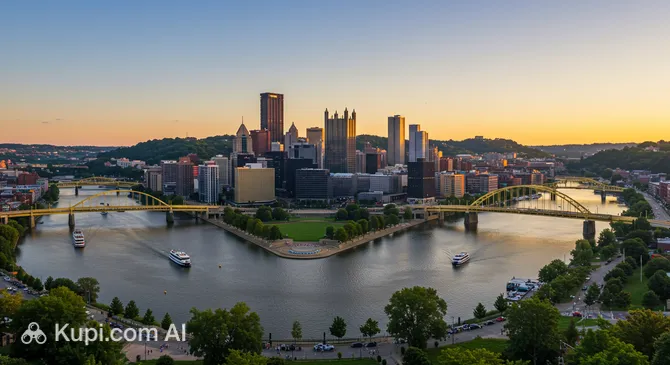
Pittsburgh. Source: Kupi.Binoculars

Those interested in the past will find the history of Pittsburgh to be a compelling narrative of resilience and reinvention. Beyond its historical roots, the city is a treasure trove for tourists. Visitors can explore the Andy Warhol Museum, which holds the largest collection of the artist's work, or enjoy the breathtaking skyline views from the inclines of Mount Washington. Nature lovers often flock to the Phipps Conservatory and Botanical Gardens, a historic green oasis in the heart of the city.

Whether you are navigating its distinctive neighborhoods, crossing one of its 446 bridges, or enjoying the local culinary scene, Pittsburgh offers a welcoming atmosphere for all. It is a destination that surprises and delights, making it well worth a visit on your next American adventure.
Weather Overview

The city experiences a continental climate characterized by four distinct seasons, making the timing of your visit an important factor in planning activities. Generally, you can expect warm summers and cold winters, with precipitation occurring frequently throughout the year.

Winters are typically chilly, with January being the coldest month, featuring an average temperature of -0.3°C and lows dipping to -4.0°C. Conversely, the summer months bring significant warmth; July is usually the hottest time, with average temperatures around 23.8°C and daily maximums reaching 28.5°C. The transition seasons of spring and autumn offer milder weather, with May and September averaging between 17°C and 20°C.

Rainfall and wet conditions are fairly common regardless of the season, as the city sees between 10 and 16 wet days per month on average. Because of this consistent pattern, packing layers and waterproof gear is recommended for any trip. For a more comprehensive breakdown of seasonal trends and forecasts, you can check the weather in Pittsburgh to help prepare for your stay.

Interesting Facts

Beyond the main attractions, Pittsburgh holds many fascinating secrets and claims to fame that might surprise even seasoned travelers. From pioneering inventions to architectural records, the city’s contributions extend far beyond its industrial roots.

  • Pittsburgh is famously known as the "City of Bridges" for a very good reason. It boasts 446 bridges, which is more than Venice, Italy. This impressive infrastructure is essential for connecting the diverse neighborhoods separated by the city's three major rivers and hilly terrain.

  • The city is the birthplace of the digital smiley face. In 1982, a computer scientist at Carnegie Mellon University was the first to use the ":-)" emoticon on an online bulletin board to help distinguish jokes from serious posts, forever changing how we communicate on the internet.

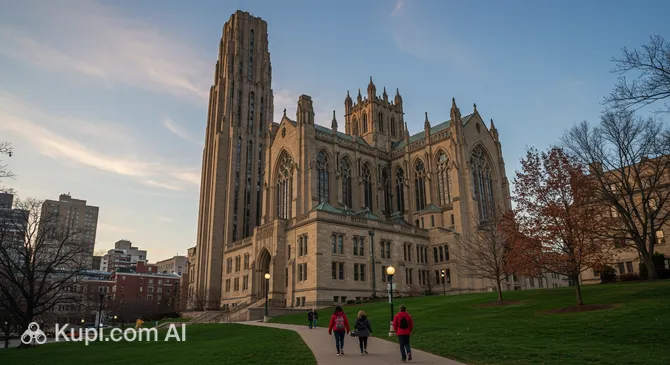
  • Architecture enthusiasts will find the Cathedral of Learning truly remarkable. Standing at 42 stories tall, it is the tallest university building in the Western Hemisphere and features unique "Nationality Rooms" designed to represent the cultures of the diverse immigrant groups that settled in the region.

  • Pittsburgh is home to the National Aviary, which holds the distinction of being the only independent indoor nonprofit zoo in the United States dedicated exclusively to birds. It houses more than 500 birds representing more than 150 species from around the world.

  • The iconic Big Mac burger traces its origins to this area. It was invented by a local franchise owner in 1967 and debuted in nearby Uniontown before becoming a global staple, leading to the creation of a local museum dedicated to the famous sandwich.

Cathedral of Learning. Source: Kupi.Binoculars

How to Get There

Planning your trip to the "City of Bridges" is the first step toward an unforgettable experience. Whether you prefer flying or taking a scenic route, there are several options available. For a complete overview of all travel methods, you can read more about how to get to Pittsburgh and choose the one that suits your itinerary best.

The most convenient entry point for most travelers is Pittsburgh International Airport (PIT). Located directly in Pittsburgh, this large hub handles millions of passengers annually and offers a wide range of connections. The airport is situated approximately 22.8 km from the city center. A taxi or car ride to downtown typically takes around 55 minutes, depending on traffic.

Another option for visitors is Westmoreland County Airport (LBE), located in the city of Latrobe. While it is a smaller regional facility, it serves as a viable alternative for those arriving from specific locations. It is about 53.5 km from Pittsburgh, with a ground transfer time of approximately 1 hour and 40 minutes. Travelers might also consider Akron-Canton Airport (CAK) in Akron, although it is further away at 133.2 km, requiring a drive of roughly 3 hours and 40 minutes.

For clarity, here is a summary of the main airports:

Airport Name City Passenger Traffic Km from City
Pittsburgh International AirportPittsburghLarge22.8
Akron-Canton AirportAkronMedium133.2
Westmoreland County AirportLatrobeSmall53.5
Erie International AirportErieSmall183.1
Benedum AirportClarksburgSmall128.1

Travelers exploring rail options in the wider region may encounter Buffalo Depew Station (ZFZ). However, it is important to note that the city of Pittsburgh does not have this railway station; it is located in the city of Cheektowaga, which is about 296.1 km from Pittsburgh. From there, you can get a taxi or bus, which takes about 464 minutes. Due to the significant distance, this is generally not a primary method for reaching the city directly.

Below is the information regarding the regional railway station:

Station City Passenger Traffic Km to Center
Buffalo Depew StationCheektowagaMedium296.1

Main Attractions

Pittsburgh offers a diverse array of sights that cater to art enthusiasts, nature lovers, and history buffs alike. From world-class museums to stunning outdoor spaces, the city's landmarks reflect its transformation from an industrial powerhouse to a cultural center. Exploring these key locations provides a deeper understanding of what makes the "Steel City" so unique.

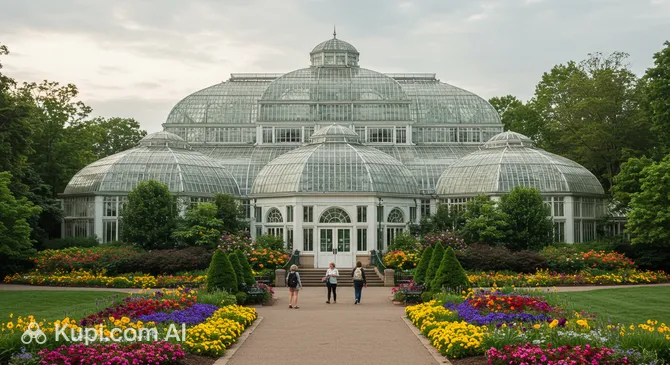
One of the city's most treasured gems is Phipps Conservatory and Botanical Gardens. Located in Schenley Park, this historic landmark has been welcoming visitors since 1893. It features a magnificent 14-room Victorian glasshouse and 23 distinct gardens. Tourists are drawn here for the ever-changing seasonal flower shows, the exotic orchid collections, and the serene atmosphere that provides a lush escape from the urban environment year-round.

Phipps Conservatory and Botanical Gardens. Source: Kupi.Binoculars

For art lovers, The Andy Warhol Museum is an absolute must-visit. Situated on the North Shore, it is the largest museum in North America dedicated to a single artist. The facility spans seven floors and houses an extensive collection of Warhol’s art, archival materials, and films. Visitors can immerse themselves in the life and legacy of the Pittsburgh-born pop art icon, exploring everything from his famous Campbell's Soup cans to his experimental time capsules.

Another major highlight is the Carnegie Museum of Natural History, recognized as one of the top natural history museums in the country. It is particularly famous for its "Dinosaurs in Their Time" exhibition, which features authentic fossils posed in scientifically accurate environments. Beyond the dinosaurs, the museum offers fascinating halls dedicated to Ancient Egypt, minerals, and gems, making it an educational and exciting destination for travelers of all ages.

Carnegie Museum of Natural History. Source: Kupi.Binoculars

To experience the city's geographical heart, head to Point State Park. This historic park marks the confluence where the Allegheny and Monongahela rivers meet to form the Ohio River. It played a pivotal role during the French and Indian War, and today it serves as a scenic recreational space featuring a massive fountain that shoots water up to 150 feet in the air. It is a perfect spot for a leisurely walk, offering sweeping views of the rivers, bridges, and the downtown skyline.

Local Cuisine

The culinary landscape of Pittsburgh is a hearty reflection of its diverse immigrant history and industrial roots. The local food scene is unpretentious yet increasingly sophisticated, characterized by generous portions and a love for comfort food. A visit to the "Steel City" is not complete without tasting its most iconic invention: the Primanti-style sandwich. This massive creation consists of grilled meat, melted cheese, tomatoes, tart coleslaw, and a handful of crispy french fries, all stuffed between two thick slices of Italian bread.

Another staple of the local diet is the pierogi, a dumpling of Central and Eastern European origin. Reflecting the city's strong Polish heritage, these dough pockets are typically filled with potatoes and cheese, sauerkraut, or meat, and are often served sautéed in butter with onions. French fries also make a surprising appearance in the "Pittsburgh Salad," a dish where a standard bed of greens is topped with grilled steak or chicken and a mound of hot fries, often dressed with ranch or Italian vinaigrette.

For those interested in the origins of one of the world's most famous food brands, the city is the birthplace of Heinz Ketchup. You can learn more about this legacy at the Heinz History Center, which details the global impact of the H.J. Heinz Company.

When it comes to dining out, the Strip District is the undisputed hub for foodies. This bustling neighborhood is lined with ethnic grocers, sidewalk vendors, and specialty shops. Here, you can stop by Salem Market & Grill for fresh, halal meats and delicious grilled dishes that attract a loyal local following. If you need a morning pick-me-up while exploring the market stalls, De Fer Coffee & Tea offers expertly roasted coffee and specialty teas in a welcoming atmosphere.

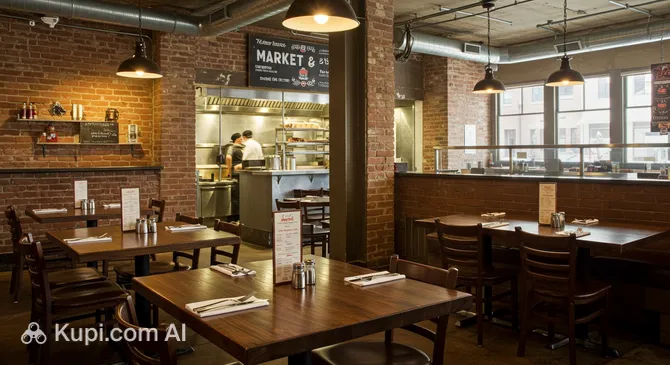
Salem Market & Grill. Source: Kupi.Binoculars

Beyond the markets, the city's neighborhoods offer a variety of dining experiences ranging from casual eateries to upscale restaurants. In the vibrant East End, Noodlehead is a popular spot known for its street-market-style Thai noodles and soups, often drawing crowds for its flavorful dishes and casual vibe.

The local beverage scene is equally robust. Pittsburgh has a long history of brewing, and today it boasts a thriving craft beer culture with numerous microbreweries scattered across the city. For those who prefer wine, the region offers scenic vineyards such as Narcisi Winery, where visitors can enjoy Italian-style wines and food in a beautiful outdoor setting just a short drive from downtown.

Travel Tips

Welcome to the Steel City! Visiting Pittsburgh is a unique experience that blends big-city excitement with the welcoming charm of a small town. To help you navigate the famous hills, cross the numerous bridges, and understand the local quirks, here are some practical tips to ensure your trip is smooth and enjoyable.

  1. Clothing and Gear: The weather in this region can be quite unpredictable, often shifting rapidly within a single day. It is highly recommended to dress in layers so you can adapt to changing temperatures. Since Pittsburgh is known for its steep hills and cobblestone streets, bring sturdy, comfortable walking shoes. If you are visiting in winter, a warm coat, gloves, and waterproof boots are essential, while summers require light, breathable fabrics and rain gear for sudden showers.

  2. Transportation: The city is served by Pittsburgh Regional Transit (PRT), which operates buses and a light rail system known locally as "The T." A fantastic money-saving tip is that rides on The T are free within the downtown "Golden Triangle" and to the North Shore. For reaching other neighborhoods, buses are reliable, though schedules can vary on weekends. Ride-hailing apps like Uber and Lyft are widely available. If you rent a car, be prepared for narrow streets, one-way systems, and expensive parking downtown.

  3. Finances: The local currency is the US Dollar (USD). Credit and debit cards are accepted almost everywhere, from museums to food trucks. ATMs are easy to find throughout the city. Tipping is a standard part of the service industry culture in the United States; it is customary to leave a tip of 18% to 20% at restaurants and bars, as well as a few dollars for taxi drivers and hotel staff.

  4. Health and Safety: Pittsburgh is generally a safe city for tourists, but standard urban precautions apply, such as staying aware of your surroundings at night. In case of a medical emergency, dial 911. Pharmacies like CVS and Rite Aid are common for minor health needs, and the city is renowned for its world-class hospitals, particularly in the University Hill district (Oakland), should you require serious medical assistance.

  5. Communication: English is the primary language, but you will likely hear the unique local dialect known as "Pittsburghese." The most famous term is "Yinz," which means "you all" (plural). Locals are generally very helpful and willing to translate if you get confused. Free Wi-Fi is available in many public parks, libraries, and coffee shops, and buying a local SIM card is easy at major retailers or the airport.

  6. Local Etiquette: Pittsburghers are known for their friendliness and lack of pretension. It is common to greet strangers with a smile or a "hello." If you are driving, be aware of the "Pittsburgh Left," a local custom where drivers at a traffic light will often wave to let the first oncoming car turn left in front of them when the light turns green. While not a law, it is a common act of courtesy to expect.

  7. What to Avoid: Do not disrespect the local sports teams. The Steelers (football), Penguins (hockey), and Pirates (baseball) are a massive part of the city's identity, and locals take their sports very seriously. Also, avoid assuming that two places are close just because they look close on a map; the city's rivers and steep topography often mean you have to take a longer, winding route to get from point A to point B.

  8. Additional Tip: Make use of the historic Inclines (funiculars) not just as a tourist attraction, but as practical transportation. The Monongahela Incline runs frequently and is the easiest way to travel between the entertainment district at Station Square and the residential neighborhood of Mount Washington, saving you a steep hike or a long drive.

With these practical tips in hand, you are ready to explore the diverse neighborhoods and vibrant culture of Pittsburgh. Whether you are catching a game, riding the incline, or simply enjoying the view, a little preparation will go a long way in making your visit unforgettable.

Entertainment & Nightlife

Nightlife and Entertainment:

When the sun sets over the three rivers, Pittsburgh transforms into a lively hub of entertainment that caters to every taste, from casual pub-goers to high-rollers. The city's nightlife is decentralized, with several distinct neighborhoods offering their own unique vibe. Whether you are looking for a pulsing dance floor, a relaxed craft brewery, or an upscale lounge, the "Steel City" has plenty to offer after dark.

The most famous nightlife destination is undoubtedly the South Side Flats. Centered along East Carson Street, this district boasts one of the highest concentrations of bars and restaurants in the country. It is a high-energy area popular with students and young professionals, where the party often spills out onto the sidewalks. For a slightly more mature but equally vibrant atmosphere, the Strip District is a top choice. Formerly a wholesale produce market, this area now features converted warehouses that host trendy nightclubs, distilleries, and late-night diners.

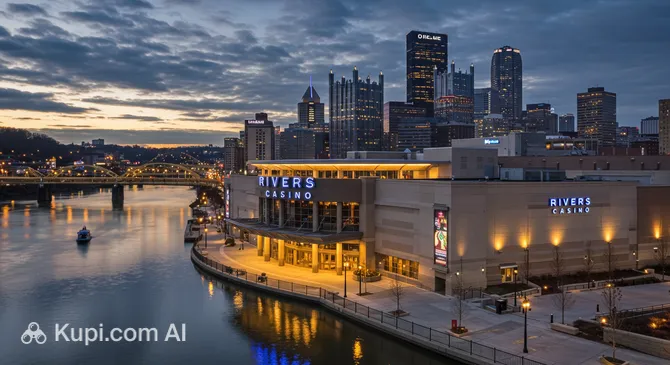
For those seeking a mix of gaming and entertainment, Rivers Casino on the North Shore is a premier destination. Open 24/7, it offers slots, table games, and live music, all situated right along the Ohio River with stunning views of the city skyline. Just across the river in downtown's Market Square, you can find City Works, a massive eatery and pour house known for its extensive beer list and energetic sports-viewing atmosphere.

Rivers Casino. Source: Kupi.Binoculars

If you prefer an activity-based night out, the city has embraced the trend of "eatertainment." A great example is Puttery, a modern spin on mini-golf that combines competitive socializing with craft cocktails and chef-driven food in a stylish, adult-focused setting. For a more refined evening, the Cultural District downtown offers sophisticated wine bars and jazz clubs, perfect for a nightcap after a show.

Practical Tips for Nightlife:

  • Timing: Bars typically close at 2:00 AM. The peak hours are usually between 10:00 PM and 1:00 AM on Fridays and Saturdays.
  • Dress Code: Pittsburgh is generally casual. Jeans and a nice top are acceptable in most bars and clubs. However, upscale venues and certain nightclubs in the Strip District may enforce a "business casual" or "no sneakers" policy.
  • Prices: The cost of a night out is reasonable compared to larger US cities. Expect to pay between $6 and $12 for a cocktail and $5 to $8 for a beer.
  • Getting Around: Ride-sharing services like Uber and Lyft are the safest and most convenient way to travel between districts at night. Public transit runs less frequently after midnight.

Safety: Most nightlife districts are well-lit and patrolled, especially on weekends. However, it is always wise to stay in groups and remain aware of your surroundings. East Carson Street can get quite rowdy late at night; stick to the main thoroughfares and avoid unlit side streets. If you need a taxi and cannot find one, using a ride-share app is the most reliable option.

While the nights are exciting, daytime entertainment in Pittsburgh is equally engaging. The city is home to world-class institutions like the Carnegie Science Center, which offers interactive exhibits perfect for families. Amusement park enthusiasts should not miss Kennywood, a historic park that blends classic wooden coasters with modern thrills, providing a perfect counterpoint to the city's urban nightlife.

Parks & Museums

Pittsburgh is a city where industrial grit meets green innovation and high culture. Beyond its famous skyline, the city offers an impressive array of expansive parks and world-class museums that celebrate everything from fine art to the region's unique history. Whether you are looking to hike through wooded trails or admire architectural masterpieces, the city provides ample opportunities to explore its diverse heritage.

For those seeking outdoor recreation, Schenley Park is one of the city's premier civic treasures. Located in the Oakland neighborhood, this sprawling 456-acre park offers miles of hiking trails, a sportsplex, and a golf course. It is a favorite gathering spot for locals, especially university students, who come to relax on Flagstaff Hill to watch movies in the summer or enjoy the panoramic views of the downtown skyline.

Another significant green space is the Pittsburgh Botanic Garden, situated just outside the city limits. This attraction is a testament to environmental reclamation, transforming former mining land into beautiful woodlands and themed gardens. Visitors can explore the Lotus Pond, the Asian Woodland, and various family-friendly trails that showcase the native flora of the Allegheny Plateau.

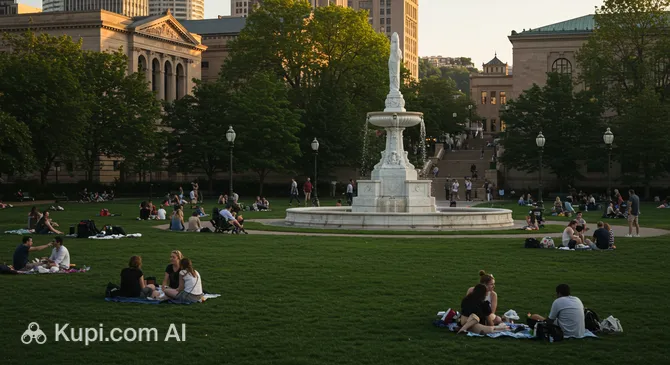
Schenley Park. Source: Kupi.Binoculars

In terms of cultural institutions, the Carnegie Museum of Art stands out as a major destination. Founded in 1895, it was the first museum in the United States with a primary focus on contemporary art. Today, it houses a dynamic collection of painting, sculpture, and decorative arts, including the impressive Hall of Architecture, which features the largest collection of plaster casts of architectural masterpieces in the Americas.

To delve deeper into the region's past, a visit to the Heinz History Center is essential. As Pennsylvania’s largest history museum, it offers an engaging look at 250 years of Pittsburgh's heritage. Exhibits cover everything from the French and Indian War to the city's legendary sports teams. It also houses the Western Pennsylvania Sports Museum and a special collection dedicated to the children's television show Mister Rogers' Neighborhood, which was filmed in the city.

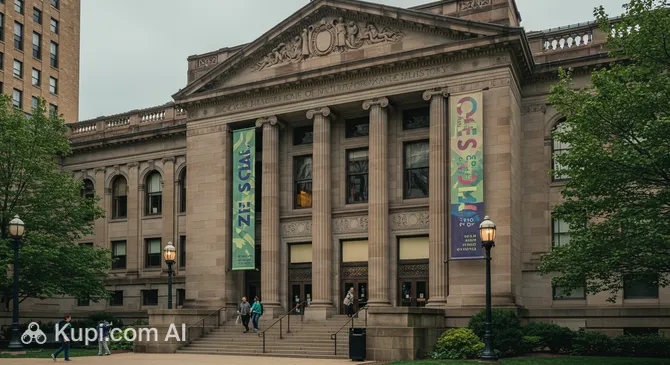
Carnegie Museum of Art. Source: Kupi.Binoculars

The city's industrial legacy is powerfully preserved at the Carrie Blast Furnaces National Historic Landmark. These towering structures are among the only remaining non-operative blast furnaces in the region, offering a rare glimpse into the steel-making process that built modern America. Guided tours provide a fascinating narrative of the workers and the technology that drove the industry. Nearby, on the University of Pittsburgh campus, you can find the Heinz Memorial Chapel, a Neo-Gothic architectural gem known for its breathtaking stained-glass windows.

For a truly unique and colorful experience, venture to the North Side to see Randyland. This psychedelic outdoor art environment created by local artist Randy Gilson is filled with bright murals and upcycled objects, offering one of the most photogenic spots in the city. Alternatively, cycling enthusiasts will be amazed by Bicycle Heaven, the world's largest bicycle museum and shop, which displays thousands of vintage bikes in a quirky, retro setting.

Getting Around

Navigating Pittsburgh is relatively easy thanks to a public transportation system managed by Pittsburgh Regional Transit (PRT). The network is comprised chiefly of a comprehensive bus fleet and a light rail system known locally as "The T." The light rail is particularly convenient for tourists, connecting the downtown business district with the North Shore, where major sports stadiums and the casino are located, as well as the southern suburbs. A major benefit for visitors is the "Free Fare Zone" within the downtown Golden Triangle and the North Shore; you can travel between stations in this specific area at no cost.

One of the most distinctive features of the city's transport network is its historic inclines. These funicular railways, specifically the Monongahela Incline and the Duquesne Incline, scale the steep slopes of Mount Washington. While they offer some of the best panoramic views of the skyline and are top tourist attractions, they are also fully integrated into the public transit system, serving as a practical way for commuters to travel between the riverfront and the neighborhoods above.

For payment, the system encourages cashless options. The most efficient way to pay is with a ConnectCard, a reloadable plastic smart card available for purchase at station vending machines and select local retailers. Alternatively, you can download mobile ticketing apps like the PRT Mobile App or Transit, which allow you to buy fares instantly on your smartphone. Cash is accepted on buses, but you must have the exact change as drivers do not carry cash. The standard fare for a single ride is approximately $2.75. Using a ConnectCard or mobile app typically grants you a three-hour transfer window, whereas paying with cash does not include transfer privileges.

When planning your journeys, keep in mind that operating hours vary by route. Most primary bus and rail lines run from roughly 5:00 AM until midnight or 1:00 AM, but service frequency drops significantly on weekends and holidays. It is highly recommended to use a real-time transit app to track vehicle arrivals, as the city's hilly topography and traffic can sometimes impact schedules. For those arriving by air, the 28X Airport Flyer bus offers a reliable and economical link between the airport and the city center.

If you prefer alternatives to public transit, ride-sharing services are extremely popular and widely available throughout the city. They are often the most convenient option for reaching destinations late at night or in areas with less frequent bus service. Traditional taxis are generally found at designated stands near hotels rather than hailed on the street. For shorter distances, consider using POGOH, the local bike-share system, which offers both standard and electric-assist bicycles at numerous docking stations, ideal for exploring the riverfront trails.

Accommodation

Finding the perfect place to stay in Pittsburgh is relatively easy, as the city offers a diverse range of accommodation options to suit every budget and travel style. Visitors can choose from historic luxury hotels that date back to the industrial boom, modern high-rise chains with river views, charming bed-and-breakfasts in Victorian-era neighborhoods, and economical hostels or motels. Whether you are here for a business trip, a sports weekend, or a cultural getaway, the city’s hospitality sector is well-equipped to welcome you.

For most travelers, Downtown (often called the Golden Triangle) is the most convenient base. Staying here places you within walking distance of the Cultural District’s theaters, Point State Park, and numerous dining options. It serves as a central hub with easy access to public transportation, making it simple to explore other parts of the city. If you are visiting specifically for a football or baseball game, the North Shore is an excellent choice. This area is home to the major stadiums and offers modern hotels that are just steps away from the action, as well as attractions like the The Andy Warhol Museum and Rivers Casino.

Those seeking a more cultural or academic atmosphere might prefer the Oakland neighborhood. As the city's educational and medical center, it is bustling with activity and is home to major museums and the Phipps Conservatory and Botanical Gardens. Accommodation here is practical for visiting the universities or hospitals. Alternatively, the trendy Strip District and Lawrenceville neighborhoods are becoming increasingly popular for their boutique hotels and converted loft spaces, appealing to travelers who want to be close to the city's best nightlife and food scenes.

Booking Tips: Pittsburgh is a passionate sports town with a large student population. Consequently, hotel availability can drop and prices can spike significantly during home games (especially for the Steelers), university graduation weekends in the spring, and major conventions. It is highly recommended to check the local event calendar and book your room well in advance if your trip coincides with these busy periods.

Price Range: The cost of accommodation varies widely. You can find budget-friendly options and motels on the outskirts of the city, while mid-range hotels are plentiful in the city center and main neighborhoods. Luxury properties, particularly historic ones downtown, command higher rates. Booking is typically done through major online travel platforms or directly through hotel websites, which sometimes offer special packages for extended stays.

Nearby Cities

For those looking to explore the surroundings, Pittsburgh serves as an excellent base for day trips to several interesting nearby locations:

Just a short drive southeast of the city lies the borough of Ohiopyle, a premier destination for nature lovers and architecture enthusiasts. Situated in the scenic Laurel Highlands, it is the gateway to Ohiopyle State Park, which offers thrilling white-water rafting on the Youghiogheny River and miles of hiking trails. The area is globally renowned for being the home of Fallingwater, Frank Lloyd Wright’s iconic architectural masterpiece built directly over a waterfall, which is open to the public for tours.

Another delightful spot for a day trip is Ligonier, a historic town that exudes charm and heritage. Visitors can explore Fort Ligonier, a well-preserved British fortification from the French and Indian War that features an impressive museum. The town center, known as "The Diamond," is perfect for a leisurely walk among boutique shops and local cafes. For families, the nearby Idlewild & SoakZone provides classic amusement park fun in a nostalgic setting.

City Population Distance (km)
Penn Hills4113215
Bethel Park3335613
Ross Township332299
Shaler2811711
Allison Park2316014

These nearby destinations offer a glimpse into the diverse culture and landscapes of the region.

Shopping & Souvenirs

Shopping in Pittsburgh is a delightful experience that ranges from high-end luxury retailers to quirky independent boutiques. One of the most significant advantages for visitors is the state's tax policy: in Pennsylvania, most clothing and footwear are exempt from sales tax. This makes the city an attractive destination for refreshing your wardrobe without the extra cost found in many other American cities.

For a charming street-level shopping experience, head to the neighborhood of Shadyside. Walnut Street is the district's primary artery, lined with national brands, upscale lifestyle stores, and popular apparel chains mixed with local boutiques. Just a short distance away, Butler Street in Lawrenceville offers a completely different vibe. This trendy area is the go-to spot for vintage finds, handmade goods, and artistic home decor, reflecting the city's hipster culture and creative spirit.

If you prefer a traditional mall experience, the city has several excellent options. Ross Park Mall is the premier destination for luxury shopping in the region, featuring high-end designers and department stores. It is a favorite among those looking for premium brands. Alternatively, The Waterfront offers a unique open-air environment. Built on the site of a former steel works, this expansive complex combines shopping, dining, and entertainment along the river, providing a scenic backdrop for a day of retail therapy.

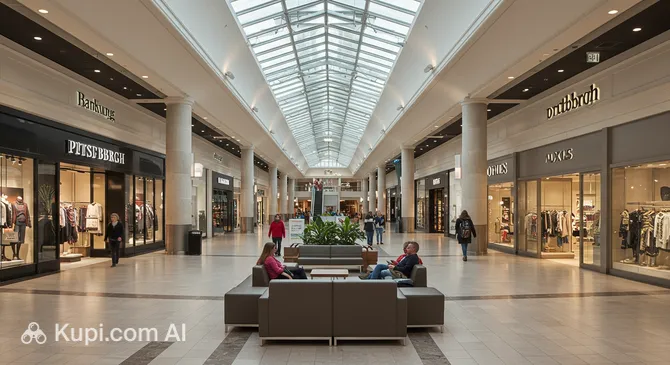
Ross Park Mall. Source: Kupi.Binoculars

The Strip District remains the heart of the city's market culture. While famous for its food, it is also the best place to find street vendors selling authentic Pittsburgh merchandise. On weekends, the sidewalks are bustling with activity as locals and tourists alike browse for everything from sunglasses and jewelry to locally made crafts. It is a vibrant, sensory-rich environment that captures the city's blue-collar roots and modern energy.

When it comes to souvenirs, the "Steel City" is inextricably linked to its sports teams. Black and gold gear representing the Steelers, Penguins, or Pirates is arguably the most popular purchase. You can find jerseys, hats, and "Terrible Towels" in almost every shop in the Strip District or downtown. Other unique items include Heinz Ketchup-themed merchandise, referencing the brand's local origins, or quirky ornaments shaped like pierogies and pickles.

Most major shopping centers and department stores operate from 10:00 AM to 9:00 PM on weekdays and Saturdays, with shorter hours on Sundays, typically from 11:00 AM to 6:00 PM. Independent boutiques in neighborhoods like Lawrenceville may open later, around 11:00 AM, and close by 6:00 PM or 7:00 PM. Credit and debit cards are universally accepted, and contactless payment methods are standard in nearly all establishments.

As mentioned, international tourists should take note of the tax benefits. While there is no formal VAT refund system like in Europe, the exemption of sales tax on clothing and shoes at the point of sale serves as an immediate saving. This applies to everyday apparel, making Pittsburgh a budget-friendly choice for fashion shoppers.

Reached the end of the page?

That means the route is fully explored