Support

South Charleston

About

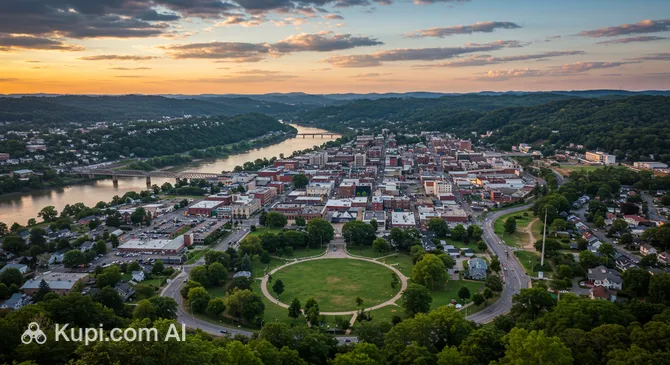
Nestled along the banks of the Kanawha River, South Charleston is a welcoming city that perfectly balances small-town charm with convenient access to urban amenities. Located in the state of West Virginia, this community is a delightful stop for travelers exploring the United States. With a population of around 13,600 residents, the city offers a friendly atmosphere and a scenic backdrop formed by the river and the surrounding Appalachian hills.

South Charleston. Source: Kupi.Binoculars

The city is deeply rooted in the past, most notably represented by the Criel Mound (also known as the South Charleston Mound), which stands as a testament to the Adena culture that once thrived here. Visitors interested in the history of South Charleston will find this prehistoric burial mound to be a fascinating focal point of the town center. It serves as a silent guardian of the city's heritage and a unique landmark that sets the area apart from neighboring towns.

Beyond its historical significance, South Charleston is a great destination for outdoor enthusiasts and families. Little Creek Park is a local favorite, offering extensive hiking trails, picnic areas, and recreational facilities that showcase the region's natural beauty. The city's proximity to the state capital also makes it a strategic base for exploring the wider region while enjoying a quieter, more relaxed pace of life.

Whether you are drawn by the intrigue of ancient mounds or simply looking for a peaceful riverside retreat, South Charleston extends a warm invitation. Come and discover the unique blend of history, nature, and hospitality that makes this West Virginian city a memorable place to visit.

Weather Overview

Travelers to South Charleston can expect a climate defined by four distinct seasons, offering a variety of atmospheric conditions depending on when you visit. The summer months are characteristically warm, with July being the hottest time of year, featuring average temperatures of 25.0°C and daily highs reaching nearly 30°C. However, visitors should pack an umbrella, as the warmer season also brings frequent showers, with May seeing up to 16 wet days.

As the year winds down, the weather cools significantly. Winters are generally cold, particularly in January, when the average temperature hovers around 2.7°C and nighttime lows can dip to -1.3°C. For a more detailed breakdown of seasonal trends and forecasts, you can consult the guide to the weather in South Charleston. In general, expect warm summers with regular rainfall and cold winters that require warm layers.

Interesting Facts

Beyond its scenic riverfront and parks, South Charleston holds several fascinating stories that are often overlooked by casual visitors. From ancient mysteries to industrial triumphs, the city has played a surprising role in broader history.

  • The Mound in the Middle: Unlike many prehistoric sites located in remote areas, the ancient Criel Mound sits distinctively in the heart of the city's commercial district. Excavated by the Smithsonian Institution in the 1880s, this archaeological treasure revealed important insights into the Adena culture and remains the second-largest mound of its kind in West Virginia.

  • A Belgian Legacy: In the early 20th century, the city became a hub for the window glass industry, which attracted a large wave of skilled artisans from Belgium. This specific migration had a lasting impact on the local demographic, and many families in the area today still trace their heritage back to these European craftsmen.

  • Forging Naval History: During World War II, South Charleston was a crucial industrial center. The local Naval Ordnance Plant was responsible for manufacturing massive steel armor plates used to shield U.S. warships, including the historic battleship USS Missouri.

How to Get There

Reaching this part of West Virginia is relatively straightforward, with several transport hubs serving the region. While the city itself is compact, it benefits from the infrastructure of the surrounding area. For travelers planning their journey, you can find all ways to reach the city and choose the option that best fits your itinerary.

The most convenient entry point for air travelers is Yeager Airport (CRW), located in the neighboring city of Charleston. Although South Charleston does not have its own airport, Yeager Airport is situated just 9.3 km away, making it the primary choice for visitors. The transfer by taxi or car is very quick, typically taking around 15 minutes depending on traffic. This regional hub handles a significant number of passengers annually and offers good connections to major cities.

Another option for those willing to drive a bit further is the Tri-State/Milton Airport (HTS), located in Huntington. It is approximately 75 km from South Charleston. While it is a smaller facility compared to major international hubs, it provides a viable alternative for entering the region. The journey from Huntington to South Charleston generally takes about 1 hour by road. For travelers coming from further afield, the Roanoke-Blacksburg Regional Airport (ROA) in Roanoke is a larger regional airport, though it is situated about 191 km away, requiring a drive of roughly 3 hours.

For clarity, here is a summary of the main airports:

Airport Name City Passenger Traffic Km from City
Roanoke-Blacksburg Regional Airport Roanoke Medium 190.9
Yeager Airport Charleston Medium 9.3
Tri-State/Milton Airport Huntington Small 75.0
Benedum Airport Clarksburg Small 164.1
Greenbrier Valley Airport Lewisburg Small 127.4

Main Attractions

Criel Mound is undoubtedly the most significant historical landmark in the city. Located in the heart of the downtown area, this prehistoric burial mound stands as a silent testament to the Adena culture that inhabited the region over 2,000 years ago. It is one of the largest surviving mounds of its kind in West Virginia. For tourists, it offers a rare opportunity to see an ancient archaeological site right in the middle of a modern urban setting, providing a tangible connection to the area's earliest inhabitants.

For those interested in diving deeper into local heritage, the South Charleston Museum is an essential stop. Often functioning as an interpretive center for the nearby mound, the museum also showcases the city's industrial past, including its fascinating history of Belgian glassmaking and chemical manufacturing. Visitors will appreciate the diverse collection of artifacts and photographs that tell the story of how a small riverside community grew into a bustling industrial hub.

Nature lovers and families should not miss Little Creek Park, a sprawling recreational area that offers much more than just a walk in the woods. The park is famous for its unique "Devil's Tea Table" rock formation and extensive hiking trails that wind through the scenic landscape. It is also home to a Soap Box Derby track, which is a quirky and interesting feature that sets it apart from typical city parks. Whether you are looking for a picnic spot or a place to hike, this park provides a perfect outdoor escape.

The historic LaBelle Theater stands as a cultural beacon in the city. Originally opened as a cinema in the mid-20th century, this Art Deco-style venue has been preserved and repurposed for live performances and community events. Tourists interested in architecture and the arts will find the theater's vintage charm captivating, and catching a show here is a wonderful way to experience the local community spirit.

Local Cuisine

The culinary landscape of South Charleston is a comforting reflection of West Virginia's warm hospitality and Appalachian heritage. The food here is hearty, unpretentious, and deeply satisfying, often centering on recipes passed down through generations. For visitors, the local dining scene offers a chance to taste the "soul food" of the mountains, where portions are generous and flavors are rich.

No trip to this region is complete without trying the iconic pepperoni roll. Originally created as a portable lunch for coal miners, this simple yet delicious snack consists of soft white bread dough baked with pepperoni sticks inside. The oils from the meat permeate the bread, creating a flavorful treat that can be found in local bakeries, convenience stores, and cafes throughout the city. It is the quintessential West Virginian snack.

Another local staple is the West Virginia-style hot dog. Unlike standard hot dogs, these are typically served with a specific combination of toppings: mustard, onions, a meat-based chili sauce (often called "sauce"), and a generous heap of coleslaw. This combination of savory chili and crisp, creamy slaw creates a unique texture and flavor profile that locals are fiercely proud of. You will also find that breakfast is a serious affair here, with large, fluffy buttermilk biscuits often served with sausage gravy being a morning favorite.

When it comes to drinks, sweet tea is the beverage of choice for many meals, served ice-cold and sugary. For those interested in adult beverages, the wider Kanawha Valley has seen a rise in craft brewing. While South Charleston itself is more residential and commercial, you can find local bars and restaurants serving lagers and ales produced in the surrounding region, offering a taste of the local brewing culture.

The food culture in South Charleston is characterized by its casual and family-friendly atmosphere. You won't find many pretentious fine-dining establishments; instead, the city is dotted with cozy diners, drive-ins, and family-run pizzerias. The historic D Street area and the commercial corridors offer a mix of beloved local spots and familiar chains, where the focus is always on good food and friendly service.

Travel Tips

To ensure your visit to South Charleston is as enjoyable and stress-free as possible, we have compiled a list of practical advice covering everything from packing essentials to local customs. These tips will help you navigate the city with confidence and make the most of your time in the Kanawha Valley.

  1. Clothing and Gear: The weather varies significantly by season, so check the forecast before packing. For summer visits, bring light, breathable clothing to handle the humidity, along with sunglasses and sunscreen. If you are visiting in winter, you will need a warm coat, gloves, and layers. Comfortable walking shoes are a must, especially if you plan to explore the trails at Little Creek Park or walk around the downtown mound area.
  2. Transportation: While the Kanawha Valley Regional Transportation Authority (KRT) operates bus services connecting South Charleston to the capital and surrounding areas, renting a car is the most practical option for tourists. Having your own vehicle gives you the flexibility to explore the wider region and reach nature spots that are not easily accessible by public transit. Ride-sharing apps like Uber and Lyft are also available.
  3. Finances: The local currency is the US Dollar (USD). Credit and debit cards are widely accepted at hotels, restaurants, and shops. However, it is always useful to carry some cash for small purchases or tips. ATMs are readily available throughout the city. Tipping is standard practice in the United States; expect to leave 15-20% of the bill for restaurant service and a few dollars for hotel staff.
  4. Health and Safety: South Charleston is generally a safe and family-friendly destination. Standard travel precautions, such as locking your car and being aware of your surroundings at night, are sufficient. For medical needs, the city is home to WVU Medicine Thomas Hospitals. Pharmacies like CVS and Walgreens are easy to find for over-the-counter medications, with some locations offering extended hours.
  5. Communication: English is the primary language spoken. You may encounter a friendly local accent, but communication is rarely an issue. Free Wi-Fi is standard in most hotels, coffee shops, and public buildings. If you are an international visitor needing mobile data, prepaid SIM cards can be purchased at major retail stores or mobile phone shops in the area.
  6. Local Etiquette: West Virginians are known for their hospitality. It is common to be greeted with a smile or a nod, even by strangers. Politeness is highly valued, so using "please" and "thank you" goes a long way. When driving, be patient and courteous; local drivers often let others merge or turn as a gesture of goodwill.
  7. What to Avoid: Do not disrespect the Criel Mound. While it is located in a public park setting in the middle of town, it is an ancient burial site and a significant historical landmark. Avoid climbing on the steep sides of the mound or engaging in boisterous behavior right next to it. Also, avoid relying solely on public transport for evening plans, as bus schedules may be limited at night.
  8. Additional Tip: Take advantage of the city's location. South Charleston is known as a gateway to the region, situated just minutes from the state capital. Many locals recommend staying here for a quieter, more affordable accommodation experience while being just a short drive or bridge-cross away from the events and museums in Charleston.

By keeping these practical tips in mind, you will be well-prepared to experience the best of South Charleston. Whether you are here for the history, the parks, or simply passing through, a little preparation ensures a smooth and memorable journey.

Entertainment & Nightlife

Nightlife in South Charleston offers a relaxed and friendly alternative to the busier scenes found in larger cities. Rather than high-energy nightclubs and thumping bass, the evening atmosphere here is defined by cozy taverns, local watering holes, and community-focused entertainment venues. The vibe is distinctly casual and unpretentious, making it easy for visitors to strike up a conversation with locals and experience the genuine hospitality of West Virginia.

The primary hub for evening activity is centered around 7th Avenue and the historic D Street district. These areas are where you will find the pulse of the city after dark, with a mix of bars, restaurants, and entertainment spots. The crowd is typically a blend of residents unwinding after work and visitors exploring the area, creating a safe and welcoming environment. Dress codes are almost universally casual; jeans and a comfortable shirt are perfectly acceptable at nearly every venue in town.

For those looking to enjoy a drink and some classic bar games, Tippie's Tavern on 7th Avenue is a local staple. Known for its dive-bar charm, this venue is the go-to spot for karaoke on weekends, offering a lively atmosphere where you can play pool, throw darts, and enjoy affordable drinks. It is the kind of place where the music is fun, the patrons are regulars, and the night often ends with new friends.

If you are in the mood for laughter, The Comedy Zone is a standout attraction located within the city. As one of the premier spots for stand-up comedy in the region, it hosts touring professionals and up-and-coming acts from across the country. It provides a structured night out with dinner and a show, making it an excellent choice for couples or groups looking for entertainment that goes beyond the typical bar scene.

For a more cultural evening, the historic LaBelle Theater on D Street is a must-visit. This beautifully preserved Art Deco venue, which dates back to the 1930s, regularly screens movies and hosts live performances. Catching a show here offers a nostalgic glimpse into the city's past while enjoying modern entertainment. It serves as a quieter, family-friendly option for spending an evening out.

Practicalities for a night out in South Charleston are straightforward. Most venues close around 2:00 AM or 3:00 AM on weekends. While the downtown area is walkable and generally safe, the streets can be quiet late at night. It is advisable to use ride-sharing services like Uber or Lyft to get back to your accommodation, especially if you are staying outside the immediate downtown core. Prices for drinks and cover charges are generally lower than the national average, making a night out here very budget-friendly.

Before the sun sets, you can enjoy some of the city's daytime offerings to round out your itinerary. A visit to the fascinating Criel Mound offers a quick historical fix, while the local shops along D Street provide a pleasant afternoon browse. Whether you are laughing at a comedy show or singing karaoke with the locals, South Charleston ensures a memorable and authentic evening experience.

Parks & Museums

South Charleston offers a delightful variety of recreational spaces and cultural institutions that celebrate both the region's natural beauty and its unique industrial heritage. From ancient archaeological sites to sprawling woodlands, the city provides visitors with engaging opportunities to explore the outdoors and learn about local history.

Little Creek Park is the crown jewel of the city's green spaces, spanning nearly 300 acres of varied terrain. It is a haven for nature enthusiasts, featuring miles of hiking trails that wind through dense forests and rocky landscapes. One of the park's most intriguing features is the "Devil's Tea Table," a distinct natural rock formation that serves as a popular destination for hikers. Beyond the trails, the park is well-equipped for families, hosting the annual Soap Box Derby and offering picnic shelters and playgrounds, making it a perfect spot for a full day of activity.

For a more relaxed outdoor experience closer to the city center, Joplin Park provides a community-focused atmosphere. This well-maintained space is ideal for travelers looking to enjoy a casual afternoon. It features extensive sports facilities, including baseball fields and basketball courts, as well as playgrounds for children. Its central location makes it an accessible green lung where locals gather, offering a glimpse into the everyday life of the community.

Cultural exploration in the city begins at the South Charleston Museum, located within the historic LaBelle Theater complex on D Street. This facility is dedicated to preserving the rich and diverse history of the area. Exhibits often highlight the city's pivotal role in the chemical and glass industries, with a special focus on the Belgian artisans who settled here to work in the window glass factories. It is an excellent place for tourists to understand the industrial backbone that shaped the local economy and culture.

While technically an outdoor site, the Criel Mound functions as an open-air museum piece of immense historical value. Prominently situated on 7th Avenue in the heart of the city, this ancient Adena burial mound is one of the most significant prehistoric earthworks in West Virginia. Interpretive signage around the site helps visitors understand the sophisticated culture of the mound builders who inhabited the Kanawha Valley over 2,000 years ago. It stands as a silent, powerful monument to the region's earliest history, right in the midst of modern urban life.

For those wishing to learn more, the Interpretive Center is located a short walk away inside the South Charleston Museum on D Street, rather than at the mound itself. A visit here complements the outdoor experience perfectly. A lesser-known tip for hikers in Little Creek Park is to look for the natural springs tucked away along the secondary trails, which offer a serene spot for quiet reflection away from the main picnic areas.

Getting Around

The public transport system in South Charleston is relatively simple and is primarily integrated into the broader network serving the Kanawha Valley. Unlike larger metropolitan areas, the city does not have a metro, tram, or trolleybus system. Instead, the backbone of public mobility is the bus network operated by the Kanawha Valley Regional Transportation Authority (KRT). These buses provide essential connections between residential neighborhoods, the downtown commercial district, and the neighboring capital city, making them a reliable option for getting around the immediate region.

For travelers planning to use the bus, the payment system is straightforward. You can pay the fare in cash directly to the driver upon boarding; however, it is essential to have the exact change, as drivers cannot provide change. For a more modern and convenient alternative, tourists can use mobile ticketing apps such as Token Transit, which allows you to purchase single rides or multi-day passes on your smartphone and simply show the screen to the driver. A standard single ride is very affordable, typically costing around $1.50, while day passes offer unlimited travel for a flat rate, which is excellent for days with multiple stops.

When using the KRT system, it is important to check the schedule in advance. Buses generally run from early morning until the evening, but service frequency can decrease significantly on weekends and holidays. Sunday service is often limited on many routes. Tourists are advised to download the official KRT app or use Google Maps to track real-time bus arrivals, as physical schedules at bus stops may not always be up to date. Stops are usually marked with signs, but in some residential areas, you may need to wave to the driver to signal that you wish to board.

Given the suburban nature of the city, many visitors find that alternatives to public transport offer more flexibility. Ride-sharing services like Uber and Lyft are widely available and popular, providing a quick way to move between attractions or return to your hotel late at night when bus service has ended. Traditional taxi companies also operate in the area, though they generally require booking by phone rather than hailing on the street.

While the city is walkable in specific areas like the D Street historic district or the Mound, renting a car remains the most practical option for those wishing to explore the surrounding parks or travel further into West Virginia. There are no public bike-sharing schemes currently operating within the city limits, so relying on four wheels—whether a bus, rental car, or taxi—is the standard way to navigate South Charleston.

Accommodation

Accommodation in South Charleston is characterized by practicality and convenience, catering largely to business travelers, families on road trips, and visitors exploring the wider Kanawha Valley. The city does not typically feature opulent luxury resorts or historic boutique hotels. Instead, the local hospitality scene is dominated by a reliable selection of mid-range chain hotels, budget-friendly motels, and extended-stay suites. This focus on functional comfort makes the city an affordable and accessible base, often providing better value for money than staying directly in the neighboring capital.

The most popular area for tourists to stay is along the MacCorkle Avenue corridor (U.S. Route 60) and near the interchanges of Interstate 64. This strategic location serves as the commercial heartbeat of the city, placing guests within walking or short driving distance of the Riverwalk Plaza, various dining options, and the historic Criel Mound. Staying in this area offers the distinct advantage of easy highway access, allowing for quick travel to downtown Charleston while ensuring a quieter night's sleep away from the urban bustle.

Travelers can expect consistent standards across the city's lodging options, as most properties belong to well-known national brands. These establishments generally prioritize modern amenities such as complimentary breakfast, free Wi-Fi, and ample on-site parking, which is a significant perk for those traveling by car. While you won't find sprawling resort grounds, many hotels in the area feature indoor pools and fitness centers to ensure a comfortable stay for guests of all ages.

Booking Tip: Although room availability is usually good, it is highly recommended to book in advance if your trip coincides with major events at the Charleston Coliseum & Convention Center or during the state legislative session. During these busy periods, South Charleston often absorbs the overflow of visitors, and prime rooms can sell out quickly.

In terms of cost, the price range is predominantly budget to mid-range. Visitors can generally expect reasonable rates that remain stable throughout much of the year, though slight increases occur during the peak summer travel season. Booking is straightforward, with most travelers securing their rooms via major online booking platforms or direct hotel websites. For those seeking a cost-effective stopover with easy access to West Virginia's attractions, South Charleston is an excellent choice.

Nearby Cities

For those looking to explore the surroundings, South Charleston serves as an excellent base for day trips to several interesting nearby locations offering unique insights into West Virginia's heritage.

One of the most popular destinations is Parkersburg, located to the north along the Ohio River. This city is steeped in history and is best known for Blennerhassett Island Historical State Park, which can be reached by a charming sternwheeler boat ride. Visitors can tour the reconstructed mansion and enjoy the island's natural beauty. Additionally, the area offers a look into the region's industrial past with the Oil & Gas Museum, making it a well-rounded spot for a cultural day out.

Another intriguing option is Weston, which draws visitors primarily for the Trans-Allegheny Lunatic Asylum. This massive Gothic stone structure is a National Historic Landmark offering heritage tours that delve into its complex history and architecture. Beyond this famous site, the town celebrates the region's craftsmanship at the Museum of American Glass, showcasing the area's long tradition of glassmaking.

For those interested in rich cultural heritage, Clarksburg offers a vibrant atmosphere. Known for its strong Italian-American roots, the city hosts popular festivals and features a historic downtown district with well-preserved architecture. It serves as a gateway to exploring the north-central part of the state and offers a variety of local dining experiences.

City Population Distance (km)
Parkersburg 68,217 100
Weston 68,148 130
Clay 60,464 55
Glenville 29,313 98
Clarksburg 27,354 155

These nearby destinations offer a glimpse into the diverse culture and landscapes of the region, allowing travelers to experience more of what the Mountain State has to offer.

Shopping & Souvenirs

Shopping in South Charleston offers a delightful mix of modern convenience and historic charm, making it a satisfying destination for both casual browsers and serious treasure hunters. The city serves as a major commercial hub for the Kanawha Valley, featuring everything from large open-air shopping centers with familiar national brands to quaint, locally-owned boutiques. Whether you are looking for the latest fashion trends, outdoor gear, or a unique piece of West Virginian history, the city's diverse retail landscape has something to offer.

The city's retail scene is primarily divided into two distinct atmospheres. The D Street district, located near the ancient Criel Mound, represents the historic heart of the town. Here, visitors can stroll along walkable sidewalks lined with independent shops, antique dealers, and small businesses that reflect the local community spirit. In contrast, the bustling Corridor G (U.S. Route 119) area is home to sprawling commercial developments where travelers can find extensive parking and a wide array of big-box retailers and specialty stores.

For a comprehensive shopping experience, The Shops at Trace Fork is the premier destination in the city. This large open-air complex is located off Corridor G and features a variety of popular clothing stores, home goods retailers, and sporting goods outlets. It is the go-to spot for stocking up on travel essentials or updating your wardrobe. Another key location is Riverwalk Plaza, situated along MacCorkle Avenue near the river. This convenient strip mall offers a mix of discount fashion stores, beauty supplies, and grocery options, making it a practical stop for visitors staying in the nearby hotels.

Travelers interested in local flavor and vintage finds should head to the South Charleston Antique Mall on D Street. Spanning roughly 18,000 square feet, this multi-story venue is a paradise for collectors, offering an ever-changing inventory of furniture, primitives, jewelry, and rare books. For fresh local goods, the South Charleston Farmers Market on MacCorkle Avenue is a vibrant spot to visit. Open daily during the warmer months, it showcases the region's agricultural bounty, featuring vendors selling seasonal produce, fresh flowers, and handmade artisan crafts.

When it comes to souvenirs, South Charleston is an excellent place to find authentic West Virginian items. The city's strong connection to the glass industry makes vintage glassware a popular keepsake; look for colorful pieces from renowned local makers like Blenko or Fenton in the antique shops. Coal figurines, often carved into shapes of bears or miners, are another traditional gift that pays homage to the state's mining heritage. Additionally, locally made jams, honey, or a bag of pepperoni rolls from a bakery make for delicious edible reminders of your trip.

Most major retail stores and shopping centers in the city operate daily, typically opening around 10:00 AM and closing between 9:00 PM and 10:00 PM. However, independent shops on D Street and the antique mall often have shorter hours, usually closing by 6:00 PM and operating with reduced hours on Sundays. Credit and debit cards are widely accepted throughout the city, though carrying a small amount of cash is recommended for small purchases at the farmers market. Visitors should be aware that the United States does not offer a VAT refund system for international tourists, and sales tax will be added to the price at the register.
Reached the end of the page?

That means the route is fully explored