Support

Lynchburg

About

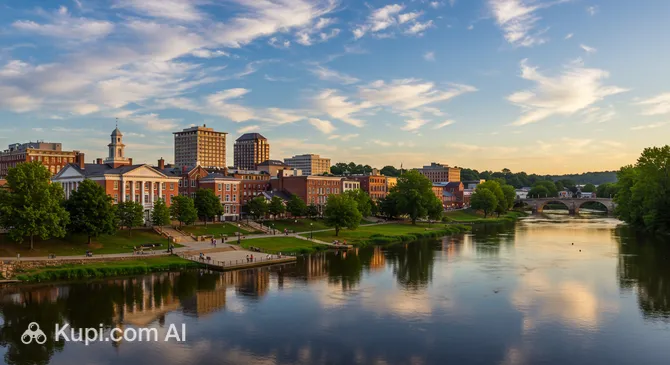
Nestled in the foothills of the Blue Ridge Mountains, Lynchburg is a charming destination often referred to as the "City of Seven Hills". This independent city in the Commonwealth of Virginia offers a unique blend of scenic beauty and urban convenience. Located in the eastern part of the United States, it sits gracefully along the banks of the historic James River.

Lynchburg. Source: Kupi.Binoculars

With a population of approximately 120,000 residents, Lynchburg serves as a vibrant hub for the surrounding region. The city is celebrated for its stunning architecture and distinct neighborhoods, which reflect different eras of its development. Visitors interested in the past will find the history of Lynchburg fascinating, from its origins as a ferry landing to its evolution into a major center of commerce and culture.

Travelers are drawn to the city for its rich cultural scene and outdoor activities. Key attractions include the Old City Cemetery, which serves as both a historic site and a beautiful public garden, and Point of Honor, a federal-style mansion offering sweeping views of the city. The revitalized downtown area invites guests to explore local shops, restaurants, and the scenic riverfront trails, making it a delightful place to wander.

Whether you are looking to hike the nearby trails or immerse yourself in local heritage, Lynchburg provides a welcoming atmosphere for all. It is a perfect stop for those seeking a relaxing yet engaging getaway in the heart of Virginia.

Weather Overview

Lynchburg experiences distinct seasons throughout the year, offering travelers a mix of atmospheric conditions ranging from brisk winters to vibrant summers. The climate is generally temperate, making it a comfortable destination for outdoor exploration during much of the year. For those planning a visit, checking the detailed weather in Lynchburg can help ensure you pack appropriately for the season.

Winters in the city are cold, with January typically being the coolest month. During this time, average temperatures sit around 3.6°C, with lows frequently dipping to -0.7°C. Conversely, summers bring considerable warmth. July is usually the hottest month, where the average temperature rises to 26.4°C and daily highs can reach 31.7°C. The transition months of April and October offer milder weather, with averages of 14.6°C and 16.2°C respectively.

Rainfall is a regular occurrence year-round, with the number of wet days generally ranging between 7 and 12 per month. May, July, and August tend to see the most frequent precipitation, recording up to 12 wet days each. Overall, expect warm summers with occasional rain and cold, dry winters.

Interesting Facts

Beyond its scenic hills and historic streets, Lynchburg holds many fascinating stories that often go unnoticed by casual visitors. From its industrial triumphs to curious local legends, the city has a character that is both unique and historically significant.

Craddock Terry Hotel. Source: Kupi.Binoculars
  • Lynchburg was once known as the "Shoe Capital of the World" due to the massive success of the Craddock-Terry Shoe Corporation. At its peak, the company was a driving force in the local economy, and its legacy lives on in the Craddock Terry Hotel, a boutique accommodation housed in the renovated factory building where whimsical shoe memorabilia decorates the halls.

  • The city takes pride in its agricultural heritage with the Lynchburg Community Market, which is recognized as one of the oldest continuously operating farmers markets in the United States. Established in 1783, it has served as a vital gathering place for local farmers and artisans for well over two centuries.

  • According to local folklore, the steps of the historic Miller-Claytor House were the site of a daring culinary experiment. It is said that Thomas Jefferson—or in some versions, a local resident—stood there and ate a tomato (then called a "love apple") to prove to a terrified crowd that the fruit was not poisonous, debunking a widespread myth of the time.

  • During the mid-to-late 19th century, Lynchburg was reportedly one of the wealthiest cities per capita in the nation. This economic boom, driven by tobacco and manufacturing, left a permanent mark on the cityscape in the form of the opulent Victorian mansions that still line the Diamond Hill and Garland Hill historic districts.

How to Get There

Reaching this scenic Virginia destination is convenient thanks to a network of nearby transportation hubs and direct rail connections. Whether you prefer flying into a regional airport or taking a scenic train ride through the state, there are several viable options to suit your itinerary. You can read more about how to get to Lynchburg and plan your specific route in detail.

While Lynchburg has its own regional airport, many visitors choose to fly into larger nearby hubs for a wider range of flight options. Roanoke-Blacksburg Regional Airport (IATA: ROA) in Roanoke is the closest major option, located about 74.5 km away, with a driving time of approximately one hour. Another convenient choice is Charlottesville Albemarle Airport (IATA: CHO), situated roughly 100.7 km from the city, taking just over an hour by car. For those seeking more extensive connections, Richmond International Airport (IATA: RIC) in Highland Springs is located 161.6 km away, which is about a two-hour drive to Lynchburg.

For clarity, here is a summary of the main airports in the region:

Airport Name City Passenger Traffic Km from City
Richmond International Airport Highland Springs Large 161.6
Piedmont Triad International Airport Greensboro Medium 161.6
Roanoke-Blacksburg Regional Airport Roanoke Medium 74.5
Charlottesville Albemarle Airport Charlottesville Medium 100.7
Greenbrier Valley Airport Lewisburg Small 121.4

Traveling by rail is an excellent way to arrive, as Lynchburg is directly served by its own Amtrak station, the Kemper Street Station. It is a stop on both the Northeast Regional and Crescent lines, providing easy access from major cities like Washington, D.C., and New York without the need for transfers. While the local station is the primary choice for train travelers, other regional hubs include the Richmond Railway Station in Glen Allen, approximately 147.2 km away, and the major transportation center of Washington Union Station, which is located about 249.3 km to the north.

Below is a list of other regional railway stations that serve the broader area:

Station City Passenger Traffic Km to Center
Washington Union Station The White House Very High 249.3
New Carrollton Station New Carrollton High 261.8
Richmond Railway Station Glen Allen Medium 147.2
Newport News Railway Station Newport News Low 242.8
Williamsburg Railway Station Newport News Low 216.2

Main Attractions

Lynchburg offers a delightful array of attractions that cater to history buffs, nature enthusiasts, and families alike. From interactive museums housed in restored warehouses to scenic trails winding along the river, the city's landmarks provide a perfect introduction to its culture and natural beauty.

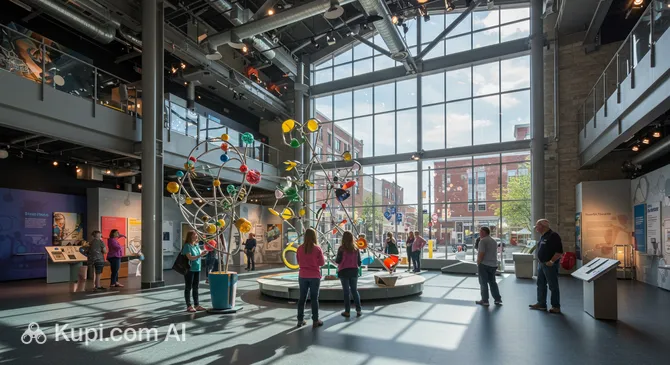
One of the top destinations for families is Amazement Square, an award-winning children's museum located in downtown Lynchburg. Housed in a historic building, this hands-on museum features four floors of interactive exhibits designed to spark creativity and learning. The highlight for many visitors is the massive climbing structure that spans the height of the building, allowing adventurous kids to navigate through tunnels and slides between floors.

Amazement Square. Source: Kupi.Binoculars

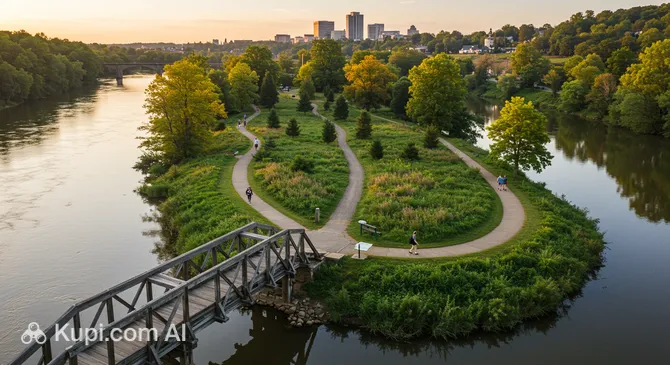
For those who love the outdoors, Percival's Island Natural Area is a must-visit. Situated in the James River, this tranquil island is accessible via a converted railroad bridge that now serves as a paved trail for walkers, runners, and cyclists. The path offers stunning views of the river and is a fantastic spot for birdwatching or simply enjoying a peaceful escape from the urban environment.

Percival's Island Natural Area. Source: Kupi.Binoculars

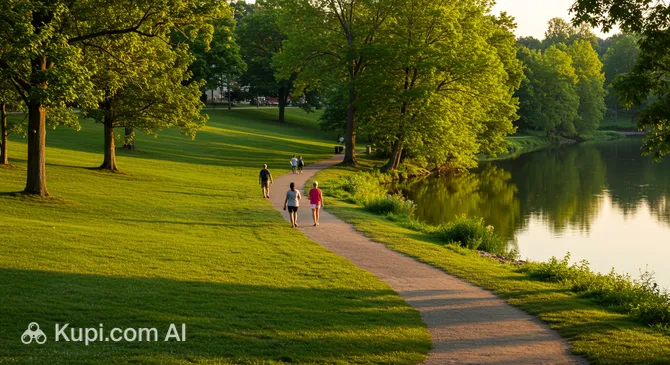
Another gem in the city's park system is Riverside Park, which holds the title of the second-oldest park in Lynchburg. It is beloved for its sweeping views of the James River and the Blue Ridge Mountains beyond. The park features the Alpine Trail for hikers, a sprayground for summer fun, and a historic train exhibit that includes a locomotive and caboose, making it a nostalgic stop for visitors of all ages.

Riverside Park. Source: Kupi.Binoculars

Finally, visitors seeking a picturesque setting should explore Hollins Mill Park. Known for the scenic Hollins Mill Dam and its soothing waterfalls, this park provides a beautiful backdrop for picnics and photography. It also serves as a gateway to the Blackwater Creek Trail, connecting nature lovers to the city's extensive network of greenways through the historic Hollins Mill Tunnel.

Local Cuisine

The culinary landscape of Lynchburg is a delightful reflection of its Southern roots and modern creativity. Visitors can expect a diverse range of dining options, from traditional comfort food to contemporary farm-to-table experiences that highlight the region's rich agricultural heritage. A local icon worth seeking out is the "Cheesy Western," a beloved burger topped with relish and a fried egg, which has been a staple in the city for decades.

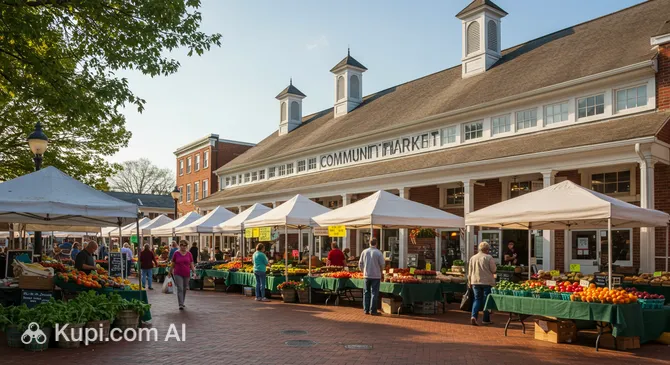
For a true taste of the local community, the Lynchburg Community Market is a must-visit destination. Inside this historic hub, food lovers can browse stalls filled with fresh seasonal produce, artisanal cheeses, and homemade baked goods. It is an excellent spot to enjoy a casual breakfast or lunch while discovering the flavors that define central Virginia.

Lynchburg Community Market. Source: Kupi.Binoculars

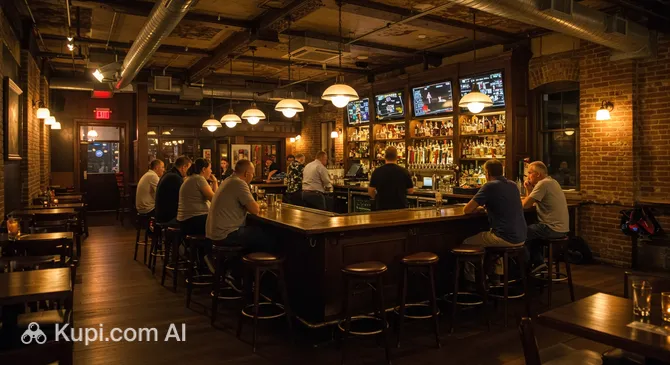
The city's revitalized spaces also host unique dining venues such as Fifth and Federal Station. Located in a charmingly restored service station, this establishment is known for its extensive selection of craft whiskies and a menu featuring savory barbecue and classic American fare. The relaxed, vintage atmosphere makes it a popular gathering place for both locals and travelers.

Fifth and Federal Station. Source: Kupi.Binoculars

Those looking for a more upscale dining experience will find exceptional options within the Craddock Terry Hotel. The restaurants here serve everything from fresh seafood to stone-fired pizzas, all set against the backdrop of the building's industrial history. It is a perfect setting for a refined dinner that combines gourmet cuisine with the city's distinctive architectural character.

Travel Tips

Welcome to Lynchburg! To ensure your visit to this historic and hilly Virginian city is as smooth and enjoyable as possible, we have compiled a list of essential travel advice. These practical tips will help you navigate the local customs, terrain, and logistics with the ease of a local.

  1. Clothing and Gear: The most important item to pack is a pair of sturdy, comfortable walking shoes. Lynchburg is known as the "City of Seven Hills," and exploring the historic downtown or the riverfront trails involves navigating steep inclines and cobblestones. Regarding the weather, summers can be hot and humid, requiring light, breathable fabrics, while winters are generally cold, necessitating layers and a warm coat.

  2. Transportation: While the city has a public bus system operated by the Greater Lynchburg Transit Company (GLTC), renting a car is highly recommended for tourists. A car provides the flexibility to visit scattered attractions and explore the scenic Blue Ridge Mountains nearby. Ride-sharing services like Uber and Lyft are also readily available for shorter trips within the city limits.

  3. Finances: The official currency is the US Dollar (USD), used throughout the United States. Credit and debit cards are widely accepted at hotels, restaurants, and shops. However, it is wise to carry some cash for small purchases at the Community Market or for tipping. Tipping is a strong cultural norm here; expect to leave 18-20% of the bill at sit-down restaurants.

  4. Health and Safety: Lynchburg is generally a safe destination for travelers. In case of any medical emergency, dial 911. For non-emergency health needs, major pharmacy chains like CVS and Walgreens are easily found throughout the city, though you should check their operating hours as not all are open 24 hours. Always stay aware of your surroundings, especially when walking on secluded trails towards dusk.

  5. Communication: English is the primary language spoken. You may encounter a friendly Southern accent and local phrases like "y'all" (you all). Free Wi-Fi is commonly available in hotels, coffee shops, and public buildings. For mobile data, major carriers such as Verizon, AT&T, and T-Mobile offer reliable coverage in the city.

  6. Local Etiquette: The city embodies Southern hospitality. It is polite to greet shopkeepers and service staff with a smile or a "hello." Holding the door open for the person behind you is a common courtesy practiced by locals. When addressing strangers, using "Sir" or "Ma'am" is considered respectful and is well-received.

  7. What to Avoid: Do not underestimate the terrain when planning a walking tour; trying to climb the steep streets in high heels or uncomfortable sandals is a recipe for sore feet. Additionally, avoid parking in private lots or reserved spaces downtown without checking the signs, as towing is enforced strictly in certain areas.

  8. Local Life Hack: If you are exploring downtown and want to save your energy, look for the public elevator near the Bluffwalk. It conveniently connects the lower level (Jefferson Street near the river) with the upper level (Commerce Street), saving you a strenuous uphill hike while offering a great view.

Armed with these tips, you are ready to fully experience the charm and history of Lynchburg without any unexpected hiccups. Whether you are conquering the hills on foot or enjoying the local Southern cuisine, a little preparation goes a long way in making your trip memorable.

Entertainment & Nightlife

Lynchburg offers a vibrant entertainment scene that extends far beyond its historical roots, providing visitors with a mix of active pursuits, cultural experiences, and social leisure. Whether you are looking to catch a live performance, enjoy year-round winter sports, or explore the local arts community, the city has something to engage every traveler.

One of the most unique attractions in the area is the Liberty Mountain Snowflex Centre. This innovative facility allows guests to ski, snowboard, and tube all year round, thanks to its specialized synthetic slope surface. Located high above the city, it not only provides an adrenaline rush but also offers panoramic views of the surrounding mountains and the cityscape, making it a top choice for an active afternoon.

For culture enthusiasts, the downtown district serves as the artistic heart of the region. The Academy Center of the Arts is a beautifully restored historic venue that hosts a diverse calendar of events, including symphony concerts, theatrical productions, and film screenings. The city also comes alive during "First Fridays," a monthly community event where galleries, studios, and shops stay open late, inviting locals and tourists to enjoy art, music, and refreshments in a festive atmosphere.

As evening falls, the city's nightlife offers a relaxed yet lively setting. The downtown revitalization has brought with it a surge of craft breweries and taprooms, where visitors can sample local flavors and enjoy the company of friends. Many of these venues feature live music and outdoor seating, providing a perfect backdrop for winding down after a day of exploration.

Parks & Museums

Lynchburg balances its industrial heritage with a remarkable dedication to green spaces and cultural preservation. Beyond the riverfront trails, the city maintains a variety of landscaped gardens and historical institutions that offer visitors a deeper look into the region's diverse past and natural beauty.

Peaks View Park is a favorite among locals for its sheer variety of recreational options. As the second-largest park in the city, it offers extensive paved and earthen trails that wind through lush woodlands, making it ideal for hikers and mountain bikers. The park is also home to a popular disc golf course and expansive fields, providing a lively atmosphere for families and sports enthusiasts looking to spend an active afternoon outdoors.

For a more historical park experience, Miller Park stands as a testament to the city's 19th-century planning. Established in 1862, it is one of the oldest parks in the city and features the iconic Miller Park Aviary, a rare architectural gem originally designed to house exotic birds. While the aviary is a focal point, the park's tranquil walking paths, firefighter's fountain, and shaded picnic areas make it a peaceful retreat in the heart of the Midtown neighborhood.

The city's cultural narrative is expertly preserved at the Lynchburg Museum, located in the historic Old Court House on Monument Terrace. This museum provides a comprehensive timeline of the area, from its indigenous roots and the Civil War era to its industrial boom. The exhibits often feature artifacts that tell the personal stories of the people who shaped the city, offering a compelling context for the streets you walk outside.

Art and literature lovers should not miss the Anne Spencer House and Garden Museum. This was the home of Anne Spencer, an internationally acclaimed poet of the Harlem Renaissance and a civil rights activist. The property includes her restored home and the vibrant garden she cultivated, which served as an inspiration for her poetry and a gathering place for celebrated figures like W.E.B. Du Bois and Langston Hughes. The intimate setting offers a unique glimpse into African American history and creative life in the 20th century.

A short drive from the city center lies Thomas Jefferson’s Poplar Forest, the private retreat of the third U.S. President. Unlike his more famous home at Monticello, this octagonal house was designed as a personal sanctuary for rest and study. Visitors can explore the ongoing restoration work and the surrounding grounds, gaining insight into the architectural innovation and private life of one of America's founding fathers.

For a truly unique experience, seek out the Pest House Medical Museum located within the Old City Cemetery. This small building, once used to quarantine patients with contagious diseases like smallpox, now displays 19th-century medical instruments. It offers a fascinating, albeit slightly macabre, look at the history of medicine and public health in the region.

Getting Around

Public transportation in Lynchburg is primarily served by the Greater Lynchburg Transit Company (GLTC). Unlike larger metropolitan areas, the city does not have a metro, tram, or trolleybus system. Instead, it relies on a network of bus routes that connect key neighborhoods, shopping centers, medical facilities, and educational institutions, including Liberty University and the University of Lynchburg. The buses are modern, air-conditioned, and generally reliable, serving as the main mode of transit for residents without cars.

For visitors, the payment system is straightforward. You can pay your fare in cash directly to the driver upon boarding, but it is essential to have exact change as drivers cannot provide change. A single ride typically costs around $2.00. For those planning to use the bus multiple times in a day or over several days, purchasing a pass is more economical. Day passes and multi-ride tickets can be bought at the GLTC Transfer Center or sometimes directly on the bus. While there isn't a complex smart card system like in major capitals, the system is user-friendly for short-term visitors.

When using the bus, it is highly recommended to download the official tracking app associated with GLTC (often the "Transit" app) to view real-time arrival times and route maps. This is particularly useful because bus frequency can vary, typically running every 30 to 60 minutes depending on the route. Service hours generally run from early morning until the evening, roughly 5:30 AM to 9:30 PM on weekdays, with reduced hours on weekends. Be aware that Sunday service is often limited or non-existent on certain routes, so always check the latest schedule if you plan to travel on a weekend.

Given the city's topography—Lynchburg is famously known as the "City of Seven Hills"—walking between distant attractions can be physically demanding. Consequently, ride-sharing services like Uber and Lyft are very popular and serve as the primary alternative to the bus system. They are readily available, offer door-to-door convenience, and are often the best option for late-night travel when buses are not running. Traditional taxis are also available but usually need to be booked in advance by phone rather than hailed on the street.

For those interested in cycling, the city offers bike rentals, but they are generally used more for recreation on trails like the Blackwater Creek Trail rather than for practical commuting. The steep terrain makes casual biking across town challenging for those not used to hills. However, the bus fleet is equipped with bike racks, allowing you to combine cycling with public transit if you wish to explore the city's scenic paths without riding the entire distance.

Accommodation

Travelers visiting Lynchburg will find a welcoming array of accommodation options suited to various preferences and budgets. The city offers a mix of reliable chain hotels, charming bed and breakfasts, and unique boutique lodgings that reflect the local history. Whether you are seeking a modern suite with easy access to shopping or a cozy room in a restored historic property, the available choices ensure a comfortable stay for families, business travelers, and solo adventurers alike.

The most popular area for tourists is the revitalized Downtown district. Staying here places you within walking distance of the James River, scenic trails, and cultural attractions like museums and galleries. This area is known for its character, featuring accommodations housed in repurposed industrial buildings. A prime example of this architectural transformation is the Craddock Terry Hotel, a boutique hotel located in a historic shoe factory that blends luxury with whimsical nods to its manufacturing past.

For those visiting the local universities or looking for convenient access to major highways, the area around Wards Road and near the airport is a strategic choice. This commercial corridor is populated with numerous mid-range chain hotels that offer consistent amenities such as complimentary breakfasts and pools. It is a bustling area filled with restaurants and retail centers, making it a practical base for families and visitors attending college events.

Regarding costs, accommodations in Lynchburg are generally affordable compared to larger metropolitan hubs, with most options falling into the budget to mid-range categories. However, availability can tighten significantly during key university events, such as commencement ceremonies or homecoming weekends in May and October. It is highly recommended to book rooms several months in advance if your trip coincides with these peak times to secure the best rates and locations.

Nearby Cities

For those looking to explore the surroundings, Lynchburg serves as an excellent base for day trips to several interesting nearby locations. The region offers a mix of historical landmarks, scenic mountain vistas, and vibrant urban centers, all within a short drive.

Just a short distance to the west lies Bedford, a town renowned for its profound historical significance and natural beauty. It is home to the National D-Day Memorial, a moving tribute to the soldiers of World War II, and serves as a gateway to the Peaks of Otter, where visitors can enjoy breathtaking views of the Blue Ridge Mountains.

To the southwest, travelers will find Roanoke, often called the "Star City of the South." It is a cultural hub known for its deep railroad history, celebrated at the Virginia Museum of Transportation. A trip here is not complete without visiting the iconic Roanoke Star atop Mill Mountain, which offers panoramic views of the valley below.

Heading north, Charlottesville offers a blend of academic heritage and presidential history. As the home of the University of Virginia and Thomas Jefferson’s Monticello, it is a destination rich in architecture and culture. The area is also famous for its surrounding vineyards and orchards, making it a delightful spot for a relaxing day trip.

City Population Distance (km)
Roanoke 215,781 73
Charlottesville 102,164 90
Rocky Mount 61,952 81
Bedford 49,576 35
Danville 43,673 95

These nearby destinations offer a glimpse into the diverse culture and landscapes of the region, providing ample opportunities for memorable excursions beyond the city limits.

Shopping & Souvenirs

Shopping in Lynchburg offers a delightful balance between historic charm and modern convenience. The city caters to a variety of tastes, allowing visitors to browse through independent boutiques housed in restored warehouses or shop at extensive commercial centers featuring well-known national brands. Whether you are hunting for unique antiques or updating your wardrobe, the local retail scene provides a relaxed and welcoming atmosphere.

The heart of the local shopping experience is found in Downtown Lynchburg. As you stroll along Main Street and the surrounding blocks, you will discover a collection of specialty stores, art galleries, and antique shops. This area is perfect for those looking for one-of-a-kind gifts, vintage finds, and locally made artisan products. For a more conventional shopping spree, the Wards Road corridor serves as the city's primary commercial strip, lined with numerous big-box retailers, electronics stores, and convenient plazas.

For a comprehensive indoor shopping experience, River Ridge is the premier destination in the region. This enclosed shopping mall features a wide array of department stores, apparel chains, and lifestyle brands. It is a popular spot for both locals and tourists to find fashion, jewelry, and beauty products all under one roof, with the added bonus of a cinema for entertainment after a day of browsing.

A true highlight of the city's culture is the Lynchburg Community Market. Recognized as one of the oldest public markets in the country, it is a vibrant hub where visitors can find much more than just fresh produce. The market features a dedicated space for local craftspeople and artists to sell handmade jewelry, pottery, woodworking, and textiles. It is the best place to connect with the community and support local creators.

When looking for souvenirs to take home, consider items that reflect the heritage of Virginia. Virginia peanuts are a classic and delicious choice, available in various flavors. Locally produced honey, apple butter, and artisan crafts from the Community Market also make excellent gifts. Additionally, merchandise celebrating the "Virginia is for Lovers" slogan or items related to the region's railroad history are popular keepsakes.

Most retail stores in Lynchburg operate from 10:00 AM to 9:00 PM on weekdays and Saturdays, with shorter hours on Sundays, typically from 12:00 PM to 6:00 PM. Independent boutiques in the downtown area may close earlier, around 5:00 PM or 6:00 PM, and some may be closed on Sundays or Mondays. Credit and debit cards are universally accepted, though carrying small amounts of cash is recommended for small purchases at farmers markets.

Travelers should be aware that sales tax is added to the price of goods at the register. The United States does not generally offer a Value Added Tax (VAT) refund system for international tourists, so the price you pay, including the state and local sales tax, is final.
Reached the end of the page?

That means the route is fully explored