Support

Fayetteville

About

Welcome to Fayetteville, a dynamic city that perfectly blends rich heritage with a vibrant, modern community spirit. Nestled in the Sandhills region of North Carolina, this city is widely recognized for its deep connection to the military and its warm Southern hospitality. As a significant cultural and economic hub, Fayetteville offers visitors a unique atmosphere where small-town charm meets the amenities of a bustling urban center.
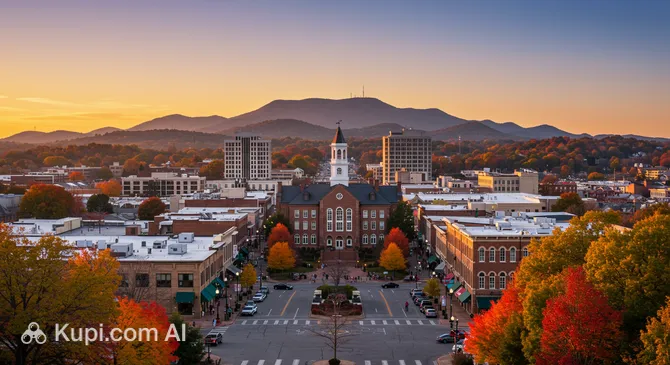
Fayetteville. Source: Kupi.Binoculars

Geographically situated in the southeastern part of the United States, Fayetteville serves as the county seat of Cumberland County. The city enjoys a humid subtropical climate, characterized by mild winters and warm summers, making it an accessible destination year-round. With a population of over 380,000 in the wider area, it stands as a major center of activity and commerce in the state.

The city takes great pride in its past. Exploring the history of Fayetteville reveals a fascinating timeline, from its naming after the Marquis de Lafayette—the first U.S. city to be named in his honor—to its pivotal roles in various eras of American history. Today, this legacy is preserved in its well-maintained historic downtown, which features cobblestone streets and classic architecture.

Travelers will find plenty to see and do. The Airborne & Special Operations Museum is a top attraction, offering an immersive look into military history that defines much of the local identity. For nature lovers, the Cape Fear Botanical Garden provides a serene escape with beautiful themed gardens overlooking the river. Whether you are interested in heritage, nature, or local cuisine, Fayetteville invites you to discover its many stories and hidden gems.

Weather Overview

Travelers planning a visit can expect distinct seasons that transform the city's atmosphere throughout the year. To ensure you pack appropriately for your specific travel dates, it is always a good idea to check the current weather in Fayetteville. Generally, the region experiences a humid subtropical climate, characterized by hot summers and cool, mild winters.

The summer months are typically warm, with July being the hottest time of the year. During this period, average temperatures reach around 27.2°C, with daily highs often climbing to nearly 31.7°C. It is also the season with the most frequent rainfall; July can see up to 18 wet days, so keeping an umbrella handy is recommended. In contrast, winters are much cooler, with January averages dropping to roughly 7.0°C and nighttime lows dipping to 2.2°C.

Spring and autumn offer some of the most comfortable conditions for outdoor activities. May is particularly pleasant with an average temperature of 22.0°C, while October provides crisp air and clearer skies. October is also one of the driest months, recording only about 6 wet days, making it an excellent time for exploring the local sights without interruption.

Interesting Facts

Beyond the well-trodden paths, Fayetteville holds intriguing stories that enrich its character. Digging deeper into local lore reveals unique claims to fame that might surprise even the most avid history buffs.
  • The city occupies a special place in baseball history as the location where George Herman Ruth Jr. hit his first professional home run in 1914. It was also during his time here that he acquired the legendary nickname "Babe."

  • While dozens of communities across the country are named after the Marquis de Lafayette, Fayetteville holds the unique distinction of being the only namesake city the French general actually visited during his grand tour of the United States in 1825.

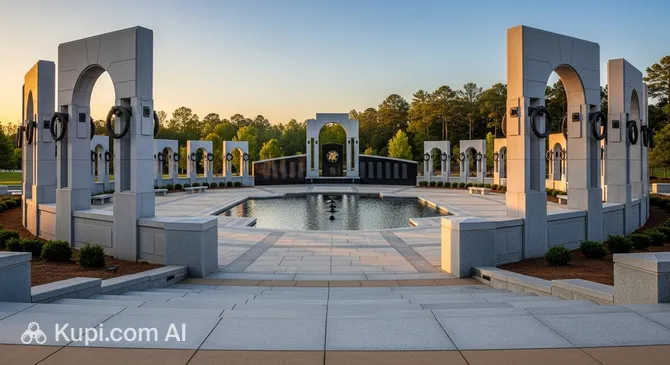
  • The North Carolina Veterans Park is the first state park in the nation dedicated specifically to honoring military veterans from all branches of the armed services, featuring a chandelier made from 33,500 service member dog tags.

  • In the mid-19th century, the city was a major transportation hub, serving as the terminus for the Fayetteville and Western Plank Road. Stretching 129 miles, it was the longest man-made plank road ever constructed in the world at that time.

North Carolina Veterans Park. Source: Kupi.Binoculars

How to Get There

Planning a trip to North Carolina requires knowing the best entry points to your destination. To help you organize your journey, you can read all ways to reach the city. While the city is well-connected by road, air travel remains the most popular choice for visitors coming from further afield.

The most convenient option for many travelers is the Fayetteville Regional Airport (IATA: FAY). Although it serves the immediate area, this transport hub is technically located in the city of Hope Mills, approximately 6.8 km from the center of Fayetteville. It is a smaller regional airport, offering a quick and easy arrival experience. The journey to the city center by taxi or car typically takes approximately 15 minutes.

For those looking for more extensive flight schedules and international connections, the Raleigh-Durham International Airport (IATA: RDU) is the primary choice. Situated in the city of Raleigh, it lies about 92.1 km away. While the distance is greater, this large airport handles significantly more traffic and offers a wider variety of carriers. Ground transport from Raleigh to Fayetteville generally takes about 1 hour to 1 hour and 15 minutes.

For clarity, here is a summary of the main airports:

Airport Name City Passenger Traffic Km from City
Raleigh-Durham International Airport Raleigh Large 92.1
Wilmington International Airport Kings Grant Medium 124.6
Fayetteville Regional Airport Hope Mills Small 6.8
Albert J Ellis Airport Jacksonville Small 118.8
Fort Bragg (Pope Field) Spout Springs 18.1

Main Attractions

Fayetteville offers a diverse array of sights that cater to history buffs, nature enthusiasts, and families alike. From honoring military heritage to exploring lush landscapes, the city's main points of interest provide deep insight into the local culture and environment.

The Airborne & Special Operations Museum is arguably the city's most iconic landmark. Dedicated to preserving the legacy of the U.S. Army's airborne and special operations forces, this museum offers a chronological journey from 1940 to the present day. Tourists are drawn here for the immersive life-size dioramas, rare artifacts, and the "Descender" motion simulator, which provides a thrilling virtual paratrooper experience.

Airborne & Special Operations Museum. Source: Kupi.Binoculars

For a retreat into nature, the Cape Fear Botanical Garden is a must-visit destination. Spanning 80 acres between the Cape Fear River and Cross Creek, this lush landscape features more than 2,000 varieties of ornamental plants. Visitors can wander through themed areas, including a butterfly stroll and a heritage garden featuring a 19th-century farmhouse, making it a perfect spot for photography and relaxation.

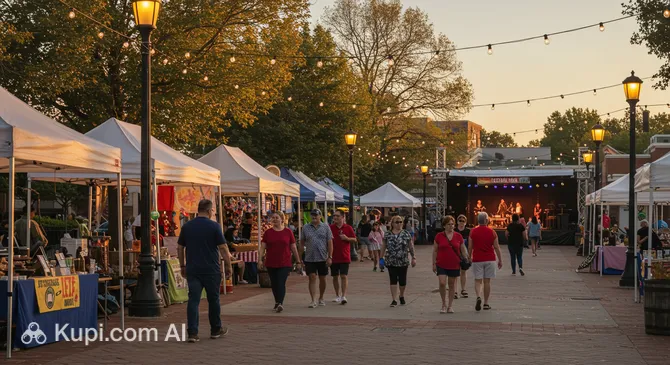
Located in the heart of the city, Festival Park serves as Fayetteville's premier outdoor venue. This well-maintained green space often hosts concerts, cultural festivals, and community gatherings. Its open lawn and stage area create a lively atmosphere, offering tourists a chance to mingle with locals and enjoy entertainment just steps away from downtown dining and shopping.

Festival Park. Source: Kupi.Binoculars

Families traveling with young children should not miss the Fascinate-U Children's Museum. This interactive facility is designed as a "mini-city" where kids can role-play in various settings, such as a grocery store, a post office, or a dentist's office. It is an engaging educational stop that encourages creativity and hands-on learning in a safe environment.

Local Cuisine

The culinary landscape of Fayetteville is a delightful reflection of its Southern roots, infused with a surprising amount of international variety. At the heart of the local food scene is traditional North Carolina barbecue. In this region, that specifically means Eastern-style barbecue: whole hog slow-cooked over wood coals and dressed with a tangy, spicy vinegar and pepper sauce. It is almost always served with a side of creamy coleslaw and golden hushpuppies—deep-fried cornmeal dough balls that are a staple of the Southern table.

Beyond the barbecue pits, the city offers a comforting array of soul food classics. Visitors should not miss the chance to try fried chicken that is crispy on the outside and juicy on the inside, often accompanied by collard greens, macaroni and cheese, or candied yams. For a taste of the diverse flavors brought by the city's multicultural community, you can explore various international options. Places like Ichi Kaku offer a shift from Southern staples, serving Japanese cuisine that highlights the city's broadening palate.

When it comes to beverages, "sweet tea" is the undisputed king of non-alcoholic drinks. It is served ice-cold and heavily sweetened, accompanying almost every meal in casual dining settings. For those seeking something different, the local craft beverage scene is thriving. You can find specialized spots like Winterbloom Tea, which elevates the tea-drinking experience with creative blends and tea-infused cocktails, offering a modern twist on a classic favorite.

Winterbloom Tea. Source: Kupi.Binoculars

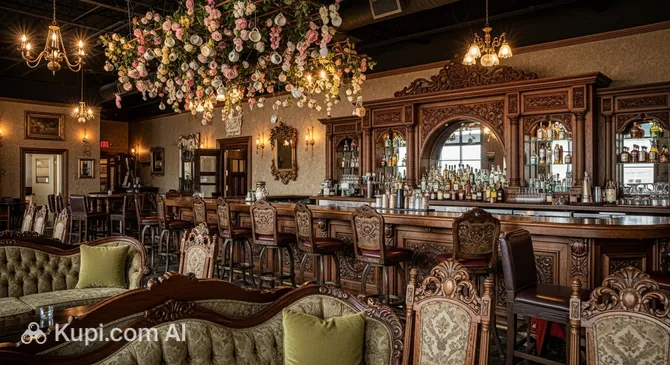
The dining atmosphere in Fayetteville ranges from historic downtown eateries to casual roadside joints. Locals often gather in the city center where the vibe is lively and welcoming. Here, you can enjoy a relaxed meal at establishments such as Latitude 35 Bar & Grill, which provides a perfect setting to unwind and enjoy American comfort food in the heart of the historic district. Whether you are grabbing a quick bite at a market or sitting down for a full dinner, the hospitality is always warm and inviting.

Latitude 35 Bar & Grill. Source: Kupi.Binoculars

Travel Tips

To ensure your visit to Fayetteville is as enjoyable as it is memorable, a few practical preparations can go a long way. These tips will help you navigate the local customs and logistics, allowing you to focus on exploring the city's rich history and vibrant culture.

  1. Clothing and Gear: Given the humid subtropical climate, pack lightweight, breathable fabrics for summer visits to stay cool, while layers are essential for the mild but variable winters. Comfortable walking shoes are a must, especially if you plan to explore the sprawling Cape Fear Botanical Garden or the cobblestone streets of the historic downtown area.
  2. Transportation: While the Fayetteville Area System of Transit (FAST) offers public bus services, renting a car is highly recommended as the most convenient way to explore the city and its surrounding attractions efficiently. Ride-sharing apps like Uber and Lyft are also widely available and reliable for getting around town without a vehicle.
  3. Finances: The local currency is the US Dollar (USD), and credit or debit cards are accepted almost everywhere, from restaurants to museums. However, keeping a small amount of cash is useful for small purchases or local markets; remember that tipping is customary in the US, with 15-20% being the standard for restaurant service and taxis.
  4. Health and Safety: Fayetteville is generally safe for tourists, but as with any travel destination, it is wise to stay in well-lit, populated areas at night and keep valuables secure. Pharmacies are plentiful, with major chains often open late or 24/7, and for any urgent medical or safety emergencies, simply dial 911 for immediate assistance.
  5. Communication: English is the primary language spoken, often accompanied by a friendly Southern accent. Free Wi-Fi is commonly found in hotels, coffee shops, and public buildings, making it easy to stay connected; international visitors can easily purchase prepaid SIM cards at local mobile stores or major retailers.
  6. Local Etiquette: Southern hospitality is a way of life here, so expect warm greetings and polite interactions; using "Sir" and "Ma'am" when addressing locals is considered respectful and is well-received. As a city with deep military roots, showing respect for armed forces personnel and veterans is deeply ingrained in the local culture and appreciated.
  7. What to Avoid: Do not underestimate the intensity of the summer heat and humidity; dehydration can happen quickly, so avoid prolonged outdoor exertion during midday without plenty of water. It is also best to avoid making negative or dismissive comments about the military, as the community is tightly knit and very proud of its service history.
  8. Local Insight: If your trip aligns with the calendar, try to visit downtown on the fourth Friday of the month. The city hosts a popular arts and culture crawl with extended shop hours, street performers, and gallery exhibits, offering a fantastic way to mingle with locals and experience the city's creative vibe.

With these practical tips in hand, you are well-prepared to experience the best of Fayetteville with ease and confidence. Whether you are here for the history, the nature, or the food, a little local know-how will ensure your journey is smooth and pleasant.

Entertainment & Nightlife

Nightlife and Entertainment:

When the sun sets, Fayetteville transforms into a lively hub of activity, offering a diverse range of entertainment options that cater to night owls, music lovers, and socialites. The heart of the city's nightlife is undoubtedly the historic downtown district, particularly along Hay Street. This walkable area buzzes with energy, featuring an eclectic mix of pubs, breweries, and lounges housed in beautifully restored brick buildings. The atmosphere here is generally laid-back and welcoming, reflecting the city's friendly Southern character and its close-knit community spirit.

For those seeking a vibrant atmosphere to watch a game or enjoy drinks with friends, Louie's Sports Pub is a local favorite. It captures the essence of a classic American night out, offering a casual environment where the crowd is often a mix of locals, university students, and military personnel from the nearby base. The dress code in most downtown bars like this is casual to smart-casual, making it easy to transition from a day of sightseeing to an evening of fun without needing a formal outfit change.

Louie's Sports Pub. Source: Kupi.Binoculars

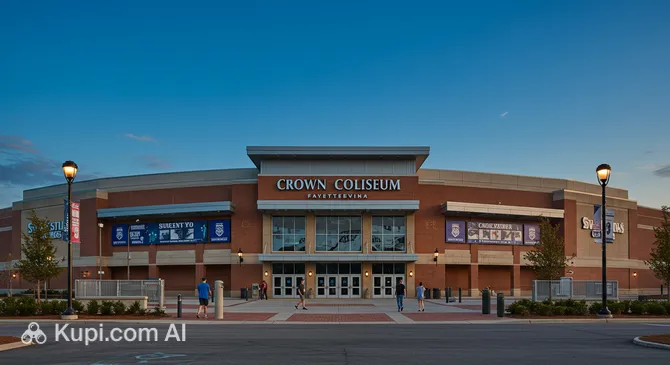
If you are looking for world-class entertainment, the city is home to a major multi-venue facility that hosts big-ticket events. The Crown Coliseum is the premier destination for concerts, comedy shows, and sporting events. Whether it is a touring rock band, a professional wrestling match, or a rodeo, this arena draws crowds from all over the region. Checking the schedule in advance is highly recommended, as event nights can bring a surge of excitement and traffic to the area.

Crown Coliseum. Source: Kupi.Binoculars

Practicalities are important for a smooth night out. The best time to experience the nightlife is on Friday and Saturday nights when the streets are most alive. Prices for drinks and cover charges are generally reasonable compared to larger metropolitan areas. While downtown is well-lit and patrolled, making it safe for evening strolls, it is always wise to stay in groups and remain aware of your surroundings. For transportation, ride-sharing services like Uber and Lyft are readily available and are the safest and most convenient way to get back to your accommodation after a night of festivities.

Beyond the late-night allure, the city offers plenty of daytime entertainment to round out your itinerary. Before the bars open, visitors can explore local cinemas or visit shopping centers like the Highland Center. For a more cultural experience, the city's theaters often host matinee performances, and the museums mentioned earlier provide engaging ways to spend the afternoon before the evening lights turn on.

Parks & Museums

Beyond its bustling downtown and military landmarks, the city offers a wealth of green spaces and cultural institutions that allow visitors to connect with the region's natural beauty and diverse heritage. For those looking to step away from the urban center, Fayetteville provides serene woodlands and waterways, alongside museums that delve into local history beyond the well-known airborne legacy.

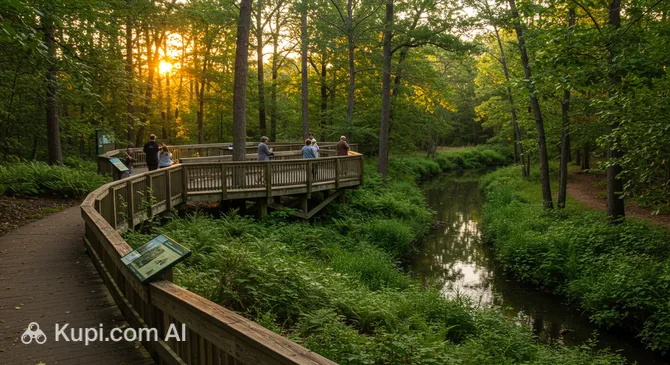
Nature enthusiasts will find a perfect retreat at the Clark Park Nature Center. As the second-largest regional park in the city, it serves as a gateway to the outdoors, featuring preserved woodlands and scenic trails that wind along the Cape Fear River. The park is home to a dedicated nature center where visitors can view live animal exhibits and learn about the local ecosystem, making it an educational stop for families and hikers alike.

Clark Park Nature Center. Source: Kupi.Binoculars

Another excellent spot for outdoor recreation is Mazarick Park, located near Glenville Lake. This expansive park is a favorite among locals for its diverse amenities, which include a fishing pier, picnic shelters, and a disc golf course. It also serves as a trailhead for the Cape Fear River Trail, offering a picturesque setting for jogging or a leisurely walk amidst mature pine and oak trees.

Mazarick Park. Source: Kupi.Binoculars

While the city is famous for its military roots, its cultural landscape extends further into general history. The Museum of the Cape Fear Historical Complex is a comprehensive site that tells the story of southeastern North Carolina. Visitors can explore exhibits covering four centuries of history, tour the 1897 Poe House to see life from the Victorian era, and view the remains of the Fayetteville Arsenal, which played a critical role during the Civil War.

For those interested in the evolution of travel and commerce, the Fayetteville Transportation Museum is located in the beautifully restored downtown depot. This venue highlights the city's history as a hub of trade, featuring vintage cars, a recreated 1920s gas station, and exhibits on the plank roads that once connected the region. It provides a fascinating look at how transportation shaped the local economy long before the arrival of modern highways.

Insider Tip: If you enjoy long walks or cycling, the Cape Fear River Trail connects Clark Park and Mazarick Park. This paved path spans over 5 miles and offers stunning views of the river, wooden bridges, and a chance to spot local wildlife like deer and osprey away from the city noise.

Getting Around

Navigating Fayetteville is relatively straightforward, though the public transport options are somewhat limited compared to larger metropolitan hubs. The primary mode of public transportation is the bus network operated by the Fayetteville Area System of Transit (FAST). There is no metro, tram, or light rail system within the city limits. The bus fleet connects key destinations such as the historic downtown, Cross Creek Mall, major medical centers, and the university districts, making it a viable option for reaching specific points of interest.

For payment, the system is designed to be accessible. Riders can pay their fare in cash upon boarding, but it is essential to have exact change as drivers cannot provide change. For a more modern experience, the city utilizes the Umo Mobility app or a reloadable smart card. These digital options allow travelers to purchase single-ride tickets, day passes, or weekly passes in advance. Fares are generally very affordable, making the bus an economical choice for budget-conscious visitors.

Tourists planning to use the bus should be mindful of the operating hours. Service typically begins early in the morning, around 5:30 AM, and runs until the evening, often ending between 7:00 PM and 10:30 PM depending on the route. Sunday service is available but operates on a reduced schedule with fewer routes and shorter hours. It is highly recommended to check the latest timetables on the official FAST website or via a navigation app before heading out, as frequencies can vary.

Given the city's sprawling layout, many visitors find that public transport alone may not offer the flexibility needed for a full itinerary. Consequently, renting a car is often the most practical solution for tourists who wish to explore the wider area or visit attractions located on the outskirts. Alternatively, ride-sharing services like Uber and Lyft are widely available and popular, offering a convenient way to get around without the hassle of parking, especially for evening outings in the downtown area.

While the city does not feature historic cable cars or trolleys, the downtown district itself is quite walkable. Once you arrive in the city center, you can easily explore the museums, shops, and restaurants on foot. For those arriving by train, the Amtrak station is centrally located, allowing for an easy transition to a taxi or a short walk to nearby hotels, though this serves intercity connections rather than local transit.

Accommodation

Finding the perfect place to stay in Fayetteville is relatively easy, as the city offers a wide variety of accommodation options to suit different needs and budgets. The selection ranges from reliable, well-known hotel chains and budget-friendly motels to charming historic inns. While you won't find an abundance of ultra-luxury resorts here, the city excels in providing comfortable, mid-range lodging that focuses on Southern hospitality and convenience.

For travelers interested in culture and history, staying in the downtown area is highly recommended. This location places you within walking distance of key attractions like the museums and the vibrant dining scene on Hay Street. Alternatively, the area surrounding the Cross Creek Mall and Skibo Road is a popular choice for those who prefer modern amenities. This district is bustling with shopping centers and restaurants, offering numerous contemporary hotels that cater to families and business travelers alike.

Accommodation prices in Fayetteville are generally affordable compared to larger metropolitan hubs, with the majority of options falling into the budget to mid-range categories. Booking is typically straightforward through major online platforms or directly with the properties. However, a useful tip for visitors is to book well in advance if your trip coincides with major military ceremonies or large events at the local coliseum, as hotels can fill up quickly during these peak times.

Nearby Cities

For those looking to explore the surroundings, Fayetteville serves as an excellent base for day trips to several interesting nearby locations:

City Population Distance (km)
Raleigh 1062018 84
Cary 171603 82
Apex 58066 76
Holly Springs 40198 67
Clinton 39925 51

One of the most popular destinations for a day trip is Raleigh, the state capital, located just over an hour away. Known as the "City of Oaks," it offers a vibrant mix of history and modernity. Visitors can spend hours exploring the North Carolina Museum of Natural Sciences, strolling through Pullen Park, or enjoying the diverse culinary scene in the downtown area. It provides a perfect contrast to the smaller-town feel of Fayetteville, with ample opportunities for shopping and cultural experiences.

For a more relaxed atmosphere, Apex is a charming option often celebrated for its small-town appeal. Its historic downtown district is listed on the National Register of Historic Places and features quintessential American architecture, antique shops, and local boutiques. It is an ideal spot for a leisurely lunch and a walk, allowing travelers to experience why it is frequently cited as one of the best places to live in the region.

Another excellent choice is Cary, which sits comfortably between a bustling city and a quiet retreat. It is renowned for its outdoor spaces, such as the Hemlock Bluffs Nature Preserve, where visitors can hike along scenic trails. The town also boasts the Koka Booth Amphitheatre, a beautiful venue that hosts concerts and events by the lake, making it a great destination for nature lovers and arts enthusiasts alike.

These nearby destinations offer a glimpse into the diverse culture and landscapes of the region.

Shopping & Souvenirs

Shopping in Fayetteville offers a delightful mix of experiences, ranging from expansive modern retail centers to charming historic streets lined with independent boutiques. Whether you are looking for the latest fashion trends, unique antiques, or locally crafted goods, the city provides ample opportunities to find exactly what you need. The retail scene here reflects the community's diverse character, catering to both the military families stationed nearby and the steady stream of visitors exploring the region.

For a shopping experience infused with local history and atmosphere, the downtown district is the place to start. Hay Street serves as the main artery of this area, featuring beautifully preserved architecture that now houses an eclectic array of shops. Here, visitors can browse through antique stores, discover one-of-a-kind gifts in locally owned boutiques, and explore art galleries that showcase the work of regional artists. It is a pedestrian-friendly area perfect for a leisurely afternoon stroll, punctuated by stops at cozy cafes.

Travelers who prefer a more comprehensive retail experience will find excellent options among the city's larger complexes. The Cross Creek Mall is the region's premier shopping destination, hosting over 100 stores including major national department stores and popular fashion brands. Nearby, the Highland Center offers additional variety, making this commercial corridor a convenient one-stop hub for everything from apparel to electronics.

Highland Center. Source: Kupi.Binoculars

Markets play a significant role in the local community, offering a taste of the region's agricultural bounty. The Fayetteville City Market, often held in the downtown area, is a great spot to find fresh seasonal produce, honey, and handmade crafts. On weekends, various flea markets and pop-up events appear around the city, providing a treasure hunt for vintage items, collectibles, and bargain goods that you won't find in standard retail stores.

When searching for the perfect souvenir, the city's unique identity offers several distinct choices. Given Fayetteville's deep connection to the military, authentic military memorabilia, surplus gear, and "Support the Troops" apparel are popular keepsakes. Additionally, North Carolina is famous for its pottery and barbecue culture; bringing home a piece of handcrafted stoneware or a bottle of authentic local vinegar-based barbecue sauce is a wonderful way to share a piece of the South with friends back home.

Most major shopping centers and malls operate daily, typically opening around 10:00 AM and closing at 9:00 PM, though Sunday hours may be shorter. Downtown boutiques often have more individual schedules, with some closing earlier in the evening or being closed on Sundays. Credit and debit cards are universally accepted, but carrying a small amount of cash is advisable for small vendors at farmers markets. Visitors should be aware that sales tax is added to the listed price at the register, and unlike in some international destinations, there is generally no sales tax refund scheme available for individual tourists in the United States.

Reached the end of the page?

That means the route is fully explored