Support

Raleigh

About

Raleigh, the capital of North Carolina, is a vibrant metropolis often referred to as the "City of Oaks" due to the majestic oak trees that line its streets. As one of the fastest-growing cities in the United States, it offers a perfect blend of Southern charm and modern innovation. Located in the rolling hills of the Piedmont region, Raleigh is a cornerstone of the famous Research Triangle, celebrated for its dynamic culture, prestigious universities, and lush green spaces.

With a metropolitan population exceeding one million, the city provides a bustling yet welcoming atmosphere. The rich history of Raleigh is woven into the fabric of its neighborhoods and landmarks. Founded in the late 18th century specifically to serve as the state capital, the city has evolved from a planned settlement into a thriving hub of technology and the arts while carefully preserving its heritage.
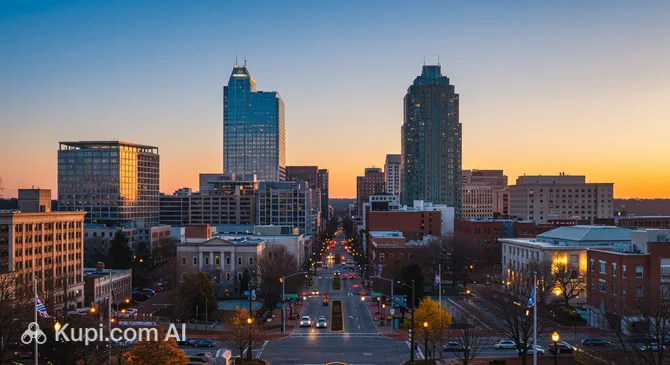
Raleigh. Source: Kupi.Binoculars

Visitors are often drawn to the city's impressive array of cultural institutions, earning it the nickname "Smithsonian of the South." Key attractions include the North Carolina Museum of Natural Sciences, which is the largest of its kind in the Southeast, and the scenic Pullen Park, one of the oldest operating amusement parks in the world. The city also boasts a flourishing culinary scene and the beautiful North Carolina Museum of Art, which features an expansive outdoor park perfect for leisurely strolls.

Whether you are exploring its historic districts or enjoying its cutting-edge research centers, Raleigh promises a memorable experience. We invite you to visit and discover the unique energy, warm hospitality, and diverse attractions that make this city a standout destination.
Weather Overview

Raleigh experiences four distinct seasons, offering a variety of atmospheric conditions for travelers throughout the year. The city generally enjoys a temperate climate, though summers can be quite warm and humid. July is typically the hottest month, with an average temperature of 27.1°C and highs reaching around 31.7°C. This period also tends to see more frequent rainfall, with August recording approximately 16 wet days.

In contrast, the winter months are cool but usually remain mild compared to many northern destinations. January is the coldest time of year, with average temperatures dropping to 6.7°C and lows around 2.2°C. Spring and autumn are widely considered the most pleasant times to visit, as months like May and October offer comfortable average temperatures of 21.5°C and 18.1°C, respectively, creating ideal conditions for outdoor activities.

For a deeper dive into seasonal trends and to help you pack accordingly, you can consult the detailed guide on the weather in Raleigh. Overall, visitors should expect warm summers with occasional rain and cold, drier winters.

Interesting Facts

Beyond the main attractions, Raleigh holds many fascinating secrets and historical quirks that surprise even frequent visitors. Uncover the lesser-known stories that define the character of this planned capital.
  • A Planned Capital: Unlike many cities that grew organically from settlements, Raleigh is one of the few cities in the United States that was planned and built specifically to serve as a state capital. The location was chosen in 1788, reportedly because it was within 10 miles of a popular tavern frequented by state legislators.

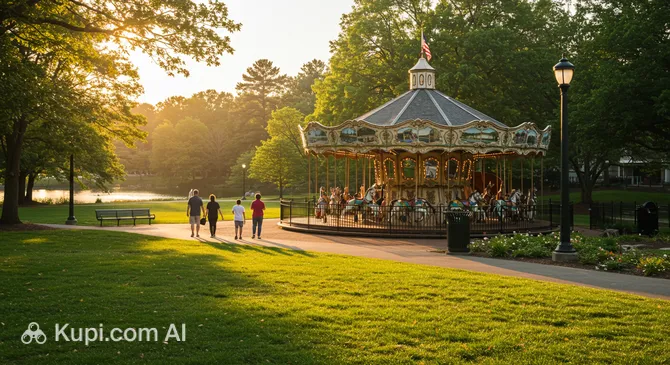
  • Historic Recreation: The city is home to Pullen Park, which holds the distinction of being the fifth-oldest operating amusement park in the United States. Established in 1887, it features a classic carousel that has been spinning for over a century.

  • Presidential Roots: Raleigh is the birthplace of Andrew Johnson, the 17th President of the United States. His humble childhood home, a tiny structure, has been preserved and can still be viewed today at the Mordecai Historic Park.

  • The Giant Acorn: Embracing its nickname "The City of Oaks," Raleigh rings in the New Year in a unique way. Instead of a ball drop, the city lowers a massive, 1,250-pound copper acorn to mark the beginning of the year, a tradition that highlights its deep connection to nature.

Pullen Park. Source: Kupi.Binoculars

How to Get There

Reaching the capital of North Carolina is convenient thanks to its central location and well-maintained infrastructure. Whether you are arriving by air or utilizing the rail network, there are efficient ways to begin your visit. You can find more about how to get to Raleigh and plan your specific route in our detailed guide.

The primary gateway for most travelers is Raleigh-Durham International Airport (RDU). This major hub is situated just 17.4 km from the city center, offering a wide range of domestic and international flights. A trip downtown by taxi or rideshare is quick, typically taking around 20 to 30 minutes depending on traffic. For those considering alternative arrival points, Piedmont Triad International Airport (GSO) in Greensboro is another option. Located approximately 122.7 km away, the drive to Raleigh takes about 1.5 hours via the interstate.

Here is a summary of the airports serving the region:

Airport Name City Passenger Traffic Km from City
Raleigh-Durham International Airport Raleigh High 17.4
Piedmont Triad International Airport Greensboro Medium 122.7
Fayetteville Regional Airport Hope Mills Small 90.2
Pitt-Greenville Airport Greenville Small 114.9

Travelers preferring rail transport can arrive directly into the heart of the city at Raleigh Union Station. Located in the vibrant Warehouse District, this modern train station serves as a major stop for Amtrak routes, including the Carolinian and the Piedmont, connecting Raleigh to cities like Charlotte and New York. It offers a scenic and relaxing alternative to driving, placing you right in the middle of the action upon arrival.

Main Attractions

Raleigh is a treasure trove of cultural and natural landmarks, many of which are free to the public. From world-class museums to expansive green spaces, the city provides diverse experiences for history buffs, art lovers, and outdoor enthusiasts alike. The city's dedication to preserving its heritage while embracing the future is evident in its top-tier facilities.

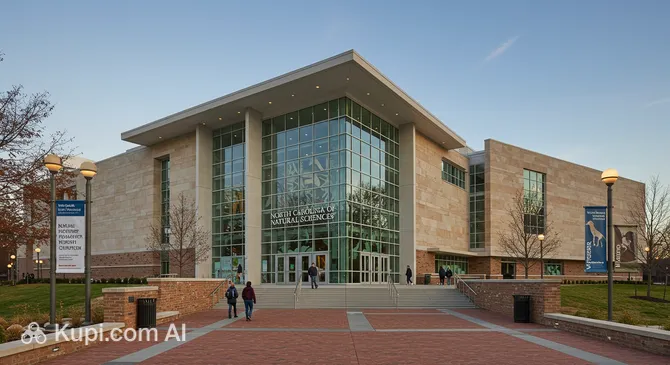
The North Carolina Museum of Natural Sciences stands out as the state's most visited museum and the largest of its kind in the Southeast. Located in the heart of downtown, this fascinating institution invites visitors to explore North Carolina's diverse habitats, from the mountains to the coast. Highlights include the Prehistoric North Carolina exhibit, featuring the "Terror of the South" dinosaur, and the Nature Research Center, where you can watch scientists at work.

North Carolina Museum of Natural Sciences. Source: Kupi.Binoculars

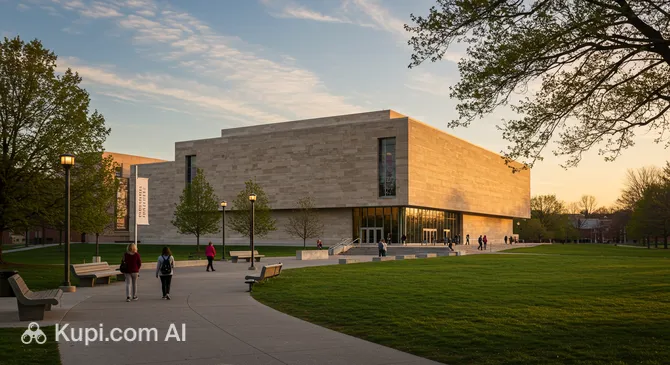
Art enthusiasts should not miss the North Carolina Museum of Art, which boasts a permanent collection spanning more than 5,000 years of artistic history. Beyond the galleries, the museum is famous for its 164-acre Museum Park, one of the largest museum art parks in the country. Here, large-scale sculptures are integrated into the landscape, offering a perfect setting for walking, cycling, or enjoying a picnic surrounded by creativity.

North Carolina Museum of Art. Source: Kupi.Binoculars

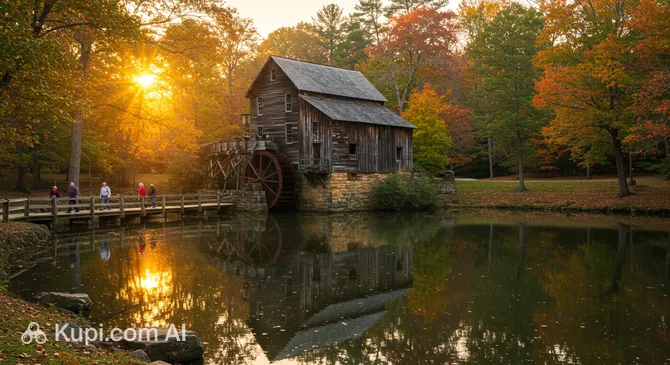
For a glimpse into the region's agricultural past, Historic Yates Mill County Park is a must-visit destination. The centerpiece of the park is the fully restored water-powered gristmill, which dates back to the mid-18th century and is the last of its kind in the county. Visitors can take guided tours of the mill, hike along the scenic trails surrounding the pond, or simply enjoy the peaceful atmosphere of this 174-acre wildlife refuge.

Historic Yates Mill County Park. Source: Kupi.Binoculars

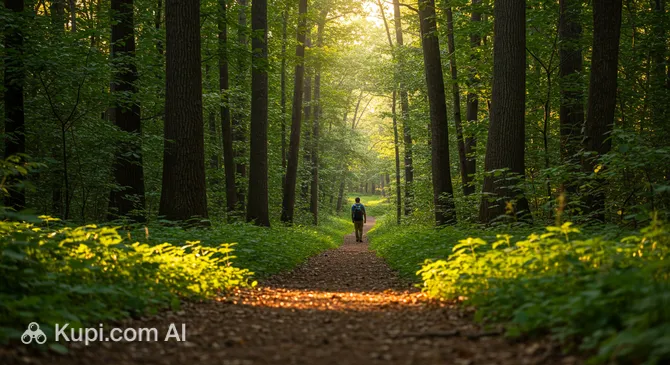
Nature lovers looking to escape the urban bustle will find sanctuary at William B. Umstead State Park. Situated between Raleigh and Durham, this expansive park covers over 5,000 acres of forest, creeks, and lakes. It offers an extensive network of trails for hiking, biking, and horseback riding, making it a popular retreat for locals and tourists seeking tranquility and outdoor adventure just minutes from the city center.

William B. Umstead State Park. Source: Kupi.Binoculars

Local Cuisine

The culinary landscape of Raleigh is a delicious reflection of its history and rapid growth, blending deep-seated Southern traditions with a wave of modern, chef-driven innovation. Visitors will find a thriving farm-to-table movement where locally sourced ingredients take center stage, creating dishes that are both comforting and creative. Whether you are looking for a classic meat-and-three meal or an upscale dining experience, the city's food scene offers something to satisfy every palate.

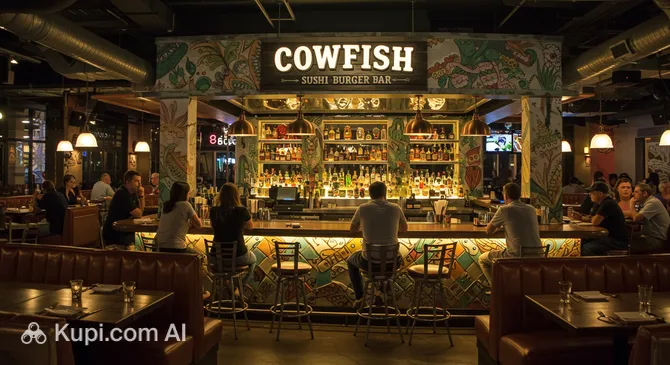
No trip to this part of North Carolina is complete without sampling the local barbecue. Raleigh sits squarely in the region famous for Eastern North Carolina-style barbecue, which typically features whole-hog pork slow-cooked over hickory wood and dressed with a spicy, vinegar-based sauce. This tangy delight is often served with traditional sides like coleslaw, hushpuppies, and Brunswick stew. For a modern twist on comfort food, you might try the unique "burgushi" fusion at Cowfish Sushi Burger Bar, which creatively marries burgers and sushi in a way that has become a local favorite.

Cowfish Sushi Burger Bar. Source: Kupi.Binoculars

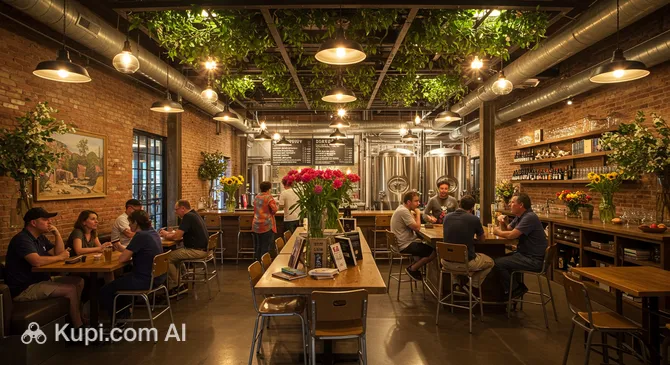
When it comes to beverages, Raleigh has earned a reputation as a craft beer destination, boasting one of the highest concentrations of breweries in the state. Beer enthusiasts can explore a vast array of taprooms and beer gardens scattered throughout the city. A standout venue is Brewery Bhavana, an elegant space that defies categorization by combining a brewery, a dim sum restaurant, a flower shop, and a bookstore into one seamless experience.

Brewery Bhavana. Source: Kupi.Binoculars

For those who prefer wine or cocktails, the city offers sophisticated options like the Barcelona Wine Bar, known for its extensive selection of wines and Spanish tapas. On the non-alcoholic side, sweet tea remains the quintessential drink of the South, available in almost every eatery. Exploring the city's food halls and vibrant districts, such as the Warehouse District or Glenwood South, reveals a communal dining culture where locals and tourists alike gather to celebrate the region's rich gastronomic heritage.

Travel Tips

Welcome to the "City of Oaks"! To ensure your visit to this charming blend of Southern tradition and modern innovation is as smooth as possible, we have compiled a set of practical guidelines. These tips will help you navigate the city with the ease of a local, allowing you to focus on enjoying the rich culture and lush landscapes.

  1. Clothing and Gear: Raleigh experiences hot, humid summers, so pack lightweight, breathable fabrics and plenty of sunscreen. Winters are generally mild but can be unpredictable, so layering is key; bring a medium-weight jacket. Since the city is known for its parks and walkability in downtown districts, comfortable walking shoes are essential.

  2. Transportation: While the GoRaleigh bus system serves the city, Raleigh is geographically spread out. For the most flexibility, especially if you plan to visit the wider Research Triangle area, renting a car is highly recommended. For evenings out in downtown or the Warehouse District, rideshare apps like Uber and Lyft are widely available and convenient.

  3. Finances: The United States Dollar (USD) is the currency used. Credit and debit cards are accepted almost everywhere, from high-end restaurants to small cafes. However, it is wise to carry a small amount of cash for tips or purchases at local farmers' markets. Tipping is customary; expect to add 15–20% to your bill at restaurants and bars.

  4. Health and Safety: Raleigh is consistently ranked as one of the safer cities in the country. However, standard travel precautions should be taken: keep valuables secure and stay in well-lit areas at night. Pharmacies like CVS and Walgreens are ubiquitous, with many locations open 24 hours. For emergencies, dial 911 for immediate police or medical assistance.

  5. Communication: English is the primary language. You will likely hear "y'all" (you all) frequently; it is a friendly, gender-neutral term used to address a group. Free Wi-Fi is common in hotels, coffee shops, and public buildings. If you need mobile data, prepaid SIM cards are easily purchased at mobile stores or large electronics retailers.

  6. Local Etiquette: Southern hospitality is a real cultural pillar here. It is polite to smile and say "hello" to strangers on the street or in elevators. Holding the door open for the person behind you is expected behavior. When interacting with locals, a friendly and patient demeanor goes a long way.

  7. What to Avoid: Do not underestimate the summer humidity; stay hydrated and avoid strenuous outdoor activities during the midday heat if you aren't used to it. Also, avoid comparing North Carolina barbecue to other styles negatively—locals take immense pride in their vinegar-based pork tradition.

  8. Additional Tip: Make use of the Capital Area Greenway System. This network of over 100 miles of paved trails connects many major parks and attractions. It is a fantastic, traffic-free way to explore the city's natural beauty on foot or by renting a bike.

With these practical tips in hand, you are ready to explore everything Raleigh has to offer. Whether you are here for the culinary scene, the history, or the beautiful green spaces, we hope you have a safe and wonderful journey in the heart of North Carolina.

Entertainment & Nightlife

As the sun sets, Raleigh transforms from a bustling capital of commerce and government into a lively hub of entertainment. The city's nightlife scene is diverse and welcoming, characterized by a blend of Southern hospitality and modern urban energy. Whether you are looking for a high-energy dance club, a cozy dive bar, or a sophisticated cocktail lounge, the "City of Oaks" offers plenty of options to keep you entertained well into the night.

The heartbeat of the local nightlife is undoubtedly Glenwood South. This district is lined with trendy restaurants, bars, and clubs, making it the go-to destination for anyone seeking a vibrant atmosphere. The streets here are often bustling with a mix of young professionals and students, creating an electric vibe on weekends. For a slightly different pace, the Warehouse District offers a cool, industrial aesthetic with craft breweries, arcades, and art galleries that stay open late, while Fayetteville Street in the downtown core provides rooftop bars with stunning views of the skyline.

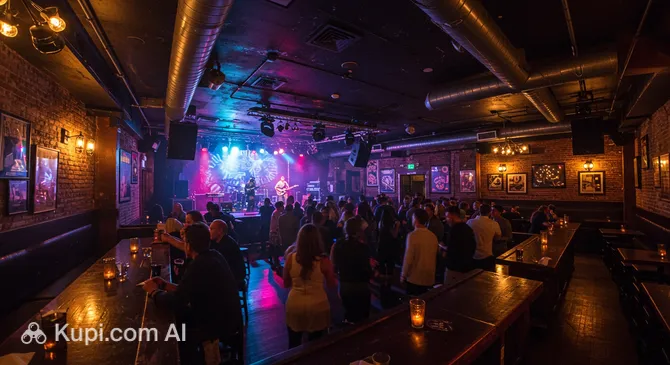
Music lovers will find themselves at home here, as Raleigh boasts a thriving live music scene. A local favorite for catching both touring bands and local acts is The Pour House Music Hall & Record Shop. Located in the historic Moore Square Art District, this venue offers an intimate setting for live performances and features a unique record shop where you can browse vinyl during the day or between sets.

The Pour House Music Hall & Record Shop. Source: Kupi.Binoculars

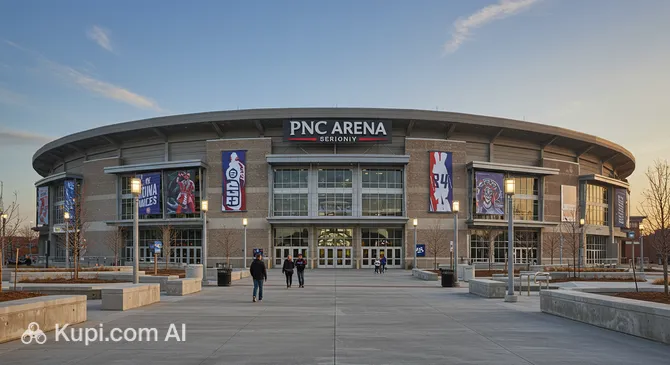
For those seeking a more relaxed and stylish evening, The Longleaf Hotel and Lounge is a perfect choice. This mid-century modern gem serves expertly crafted cocktails in a retro-inspired setting that pays homage to North Carolina's history. If you are in the mood for large-scale entertainment, check the schedule at the PNC Arena. This major venue hosts massive concerts, touring shows, and sporting events, drawing crowds from all over the region.

PNC Arena. Source: Kupi.Binoculars

While the nights are exciting, Raleigh also offers fantastic entertainment options during the day. Families and curious minds should visit the Marbles Kids Museum, an interactive destination designed to inspire imagination through play. For thrill-seekers, Frankie's Fun Park provides hours of excitement with go-karts, laser tag, and arcade games, making it a great spot for both afternoons and early evenings.

When planning your night out, keep in mind that most bars and clubs in Raleigh close at 2:00 AM due to state liquor laws. The dress code is generally casual to smart-casual; you will feel comfortable in jeans and a nice top in most places, though some upscale lounges on Glenwood South might prefer a dressier look. The downtown area is generally safe for walking in the evening, especially on main thoroughfares, but using rideshare services like Uber or Lyft is recommended for getting between districts or returning to your accommodation late at night.

Parks & Museums

Raleigh’s reputation as the "City of Oaks" is well-earned, but its dedication to public spaces goes far beyond its tree-lined streets. The city offers a remarkable selection of green sanctuaries and cultural institutions that allow visitors to dive deep into local heritage and enjoy the outdoors. From sprawling urban parks with skyline views to museums that chronicle the complex history of the South, there is always something new to discover.

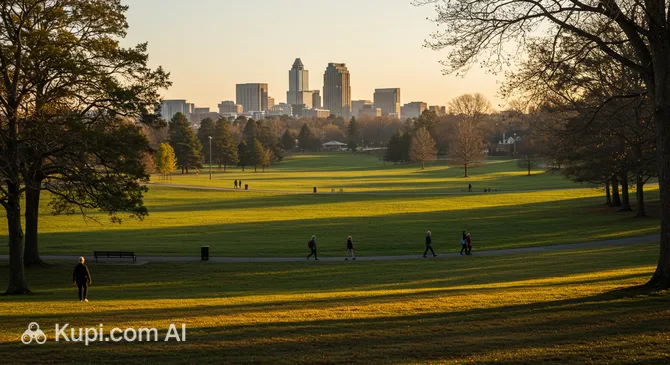
One of the most significant green spaces in the city is Dorothea Dix Park. Spanning over 300 acres, this expansive park is often compared to famous urban parks in larger cities due to its rolling hills and open meadows. It is a favorite spot for locals to gather for festivals, picnics, and kite flying. In the summer, the park transforms into a sea of yellow with its famous sunflower field, offering a stunning foreground to the backdrop of the downtown Raleigh skyline.

Dorothea Dix Park. Source: Kupi.Binoculars

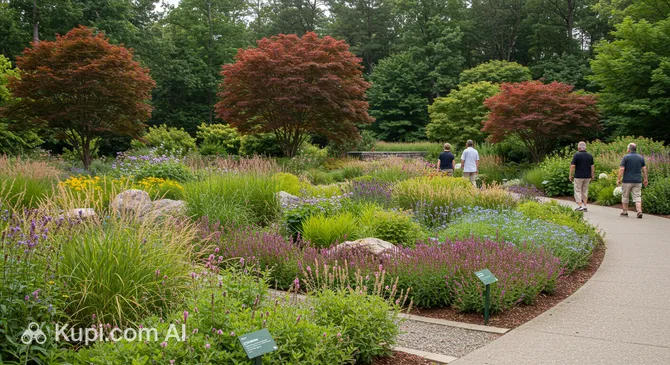
For those with a passion for botany and horticulture, the JC Raulston Arboretum is a must-visit destination. Managed by North Carolina State University, this nationally acclaimed garden packs an incredible diversity of plant species into a relatively compact area. It serves as a living laboratory and a peaceful retreat where you can wander through themed gardens, including a Japanese garden and a white garden, admiring plants that are adapted to the Piedmont landscape.

JC Raulston Arboretum. Source: Kupi.Binoculars

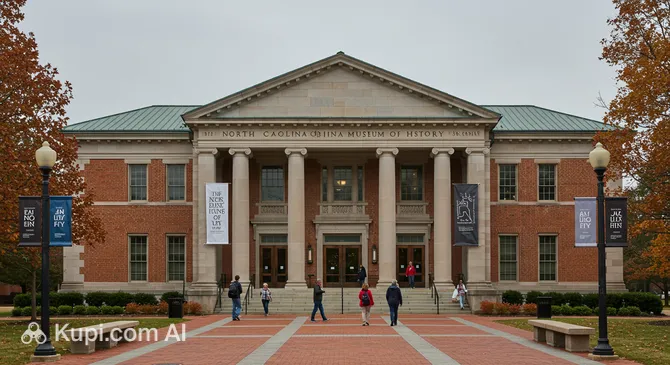
To understand the timeline of the region, a visit to the North Carolina Museum of History is essential. Located downtown, this Smithsonian-affiliated institution offers a comprehensive look at the state's past, from its indigenous roots to the present day. Exhibits cover a wide range of topics, including the legend of Blackbeard the pirate, the Civil War, and the Civil Rights movement. It provides a crucial cultural context that complements the natural history explored in neighboring museums.

North Carolina Museum of History. Source: Kupi.Binoculars

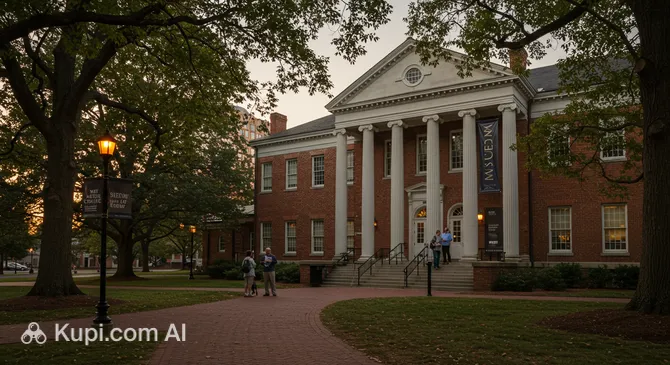
Another fascinating site that blends history with outdoor exploration is Historic Oak View County Park. This antebellum farmstead offers a glimpse into North Carolina's agricultural past. Visitors can explore the 19th-century farmhouse, the cotton gin house, and the livestock barn. The grounds are beautifully maintained, making it an educational stop that also serves as a pleasant walking area away from the city center.

Historic Oak View County Park. Source: Kupi.Binoculars

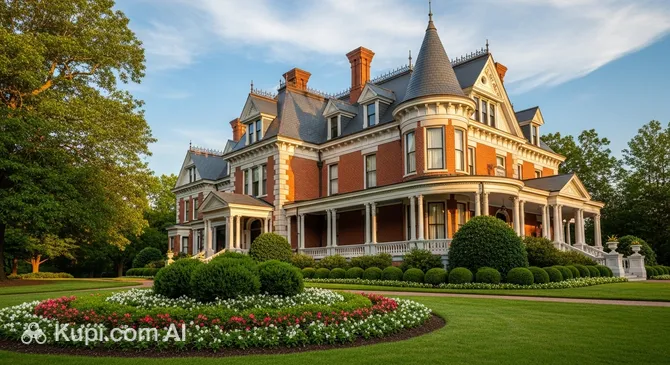
In terms of architectural grandeur, the North Carolina Executive Mansion is a standout landmark. Known as the "People's House," this Victorian-style mansion has served as the official residence of the state's governors since 1891. Its intricate brickwork and elegant porches make it one of the finest examples of Queen Anne Cottage architecture in the country. While tours are limited and seasonal, the exterior and gardens alone are worth admiring.

North Carolina Executive Mansion. Source: Kupi.Binoculars

For an authentic local experience that offers one of the best views in town, head to the Boylan Bridge. Located in the Warehouse District, this bridge is not just a thoroughfare but a popular gathering spot for photographers and sunset watchers. It offers a perfectly framed panoramic view of the Raleigh skyline, making it an ideal location to cap off a day of sightseeing.

Getting Around

Navigating Raleigh is relatively straightforward, offering a mix of options depending on your itinerary. While the downtown core is compact and easily explorable on foot, the city and the surrounding Research Triangle region are geographically spread out. For visitors planning to stay within the city center, walking and public transit are sufficient, but renting a car is highly recommended for those wishing to explore the wider area, including nearby Durham, Chapel Hill, or the extensive park systems.

Public Bus System

The city's primary public transportation provider is GoRaleigh, which operates a comprehensive network of bus routes connecting the downtown area with suburbs, shopping districts, and major medical centers. The system's central hub is GoRaleigh Station, conveniently located near historic Moore Square. Fares are affordable, and the system is modernized with the Umo mobile app, allowing riders to pay fares, track buses in real-time, and plan their trips with ease.

For a convenient way to see the main sights, look for the R-LINE. This downtown circulator bus runs a loop connecting key attractions such as the Raleigh Convention Center, the State Capitol, and the Glenwood South entertainment district. It is a popular choice for visitors as it offers frequent service, allowing you to hop between museums and restaurants without the hassle of parking.

Micromobility

Raleigh offers a robust dockless bike and scooter share program for short trips and last-mile connectivity. Electric scooters and e-bikes from operators like Lime and Spin can be found throughout the downtown area and near university campuses. Users can locate and unlock vehicles via smartphone apps. This is an excellent way to navigate the city's grid or explore the scenic greenways, though riders are reminded to park in designated corrals to keep sidewalks accessible.

Rideshare and Taxis

For direct transport, rideshare services such as Uber and Lyft are widely available and reliable, providing safe transportation day and night. Traditional taxi services also operate within the city but typically require booking in advance rather than hailing on the street.

Car Rental

If your travel plans include day trips to the North Carolina coast or the Blue Ridge Mountains, renting a car is the most practical solution. All major rental agencies have a presence at Raleigh-Durham International Airport (RDU), and several have offices within the city limits. Drivers will find that Raleigh is car-friendly, with ample parking available in downtown decks and surface lots, making it easy to get around at your own pace.

Accommodation

Raleigh offers a welcoming variety of accommodation options that suit every type of traveler, whether you are visiting for business, a family vacation, or a weekend getaway. The city’s lodging landscape ranges from trusted international hotel chains and modern high-rises to charming bed-and-breakfasts nestled in historic neighborhoods. For those seeking a more home-like atmosphere, there is also a wide selection of vacation rentals and serviced apartments available throughout the metropolitan area.

The most convenient area for tourists is undoubtedly Downtown Raleigh. Staying here places you within walking distance of major attractions, including the State Capitol, museums, and the vibrant Glenwood South entertainment district. For visitors looking for a more upscale shopping and dining experience, the North Hills district offers luxury hotels surrounded by boutiques and open-air venues. Alternatively, travelers focused on the Research Triangle Park or those with early flights might prefer the numerous reliable options located near the airport, which offer easy access to the highway network.

Prices in the city are generally moderate compared to larger coastal metropolises, though they can vary significantly based on location and amenities. Budget-conscious travelers can find affordable motels and economy hotels on the outskirts of the city, while the city center and exclusive districts feature mid-range to luxury establishments. Booking is typically done through major online travel platforms or directly through hotel websites, which often guarantee the best rates.

Booking Tip: While accommodation is generally plentiful, Raleigh is a hub for universities and large-scale events. It is highly recommended to book your stay well in advance if you plan to visit during university graduation weeks in May or during the North Carolina State Fair in October, as demand spikes and prices rise during these peak periods.

Nearby Cities

For those looking to explore the surroundings, Raleigh serves as an excellent base for day trips to several interesting nearby locations:

One of the most popular excursions is to Durham, a city that completes one point of the Research Triangle. Known for its revitalized industrial architecture, Durham offers a vibrant culinary scene and is home to the prestigious Duke University, where visitors can admire the stunning Gothic-style chapel and the beautifully landscaped Sarah P. Duke Gardens. The historic American Tobacco Campus serves as a hub for entertainment and dining, blending the city's past with its modern energy.

Another fantastic destination is Chapel Hill, famous for hosting the University of North Carolina, the oldest public university in the United States. The town has a distinct collegiate atmosphere, centered around Franklin Street, which is lined with coffee shops, bookstores, and music venues. Visitors can explore the Morehead Planetarium and Science Center or take a peaceful walk through the North Carolina Botanical Garden.

For a quick getaway close to the city limits, Cary offers a mix of upscale shopping and natural beauty. It is home to the Hemlock Bluffs Nature Preserve, which provides scenic hiking trails, and the Koka Booth Amphitheatre, a premier venue for outdoor concerts and festivals nestled among the pines.

City Population Distance (km)
Durham 399762 34
Cary 171603 13
Chapel Hill 60920 41
Apex 58066 20
Wilson 47914 66

These nearby destinations offer a glimpse into the diverse culture and landscapes of the region.

Shopping & Souvenirs

Shopping:

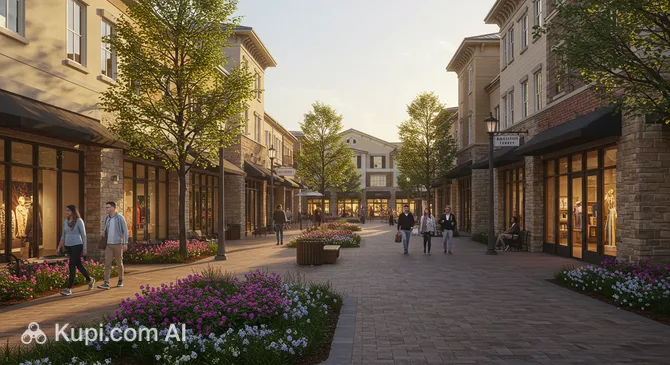
Shopping in Raleigh offers a delightful mix of Southern charm and modern retail therapy, ranging from sprawling luxury centers to quaint local boutiques. The city takes pride in its "Shop Local" culture, meaning visitors can easily find unique, handcrafted items alongside major international brands. Whether you are looking for the latest fashion trends, antiques, or artisanal goods, the diverse retail landscape caters to every taste and budget.

For a sophisticated open-air experience, the North Hills district is one of the premier destinations. This walkable area is filled with upscale boutiques, high-end department stores, and a variety of dining options, making it perfect for a full day of leisure. Another historic favorite is the Village District (formerly Cameron Village), which was the first shopping center built between Washington D.C. and Atlanta. It features a curated selection of local clothing stores, specialty gift shops, and cafes set in a relaxed, tree-lined environment.

If you prefer a European-inspired atmosphere, Lafayette Village in North Raleigh is a hidden gem. This architecturally stunning shopping village mimics a French provincial town, complete with cobblestone walkways and wrought-iron balconies. It specializes in gourmet food shops, boutique clothing, and intimate wine bars.

Lafayette Village. Source: Kupi.Binoculars

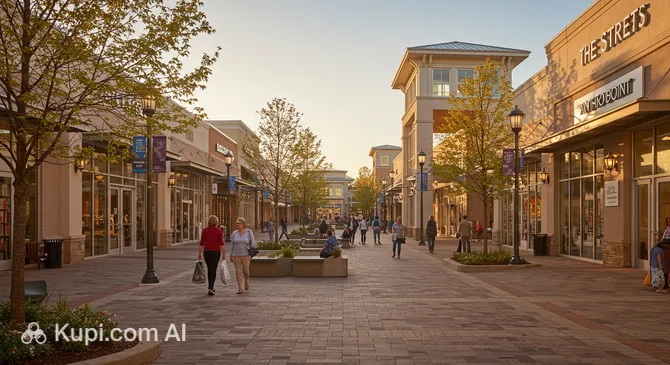
For those seeking a large-scale traditional mall experience, The Streets at Southpoint is a top choice in the region. Although located just outside the city limits, it is a major hub for Raleigh shoppers, featuring a massive indoor and outdoor complex with a cinema, fountains, and hundreds of popular retail chains.

The Streets at Southpoint. Source: Kupi.Binoculars

Markets play a significant role in the local culture, with the State Farmers Market being the crown jewel. Open seven days a week, this expansive venue is one of the best places to experience the agricultural bounty of North Carolina. Here, you can browse acres of fresh produce, vibrant flowers, and local baked goods. It is also an excellent spot to find handmade crafts and regional specialty foods.

When searching for the perfect souvenir, consider bringing back a taste of the region. North Carolina BBQ sauce (specifically the vinegar-based Eastern style) is a culinary icon. Other popular local gifts include artisan pottery, craft beers from the city's numerous breweries, or peanuts grown in the state. Apparel featuring the red and white of the North Carolina State University Wolfpack is also a common keepsake.

Most major shopping centers and malls are open from 10:00 AM to 9:00 PM on weekdays and Saturdays, with reduced hours on Sundays (typically 12:00 PM to 6:00 PM). Smaller independent boutiques may close earlier, around 6:00 PM, and some are closed on Sundays or Mondays. Credit and debit cards are universally accepted, and contactless payment is becoming the norm.

Travelers should be aware that sales tax is not included in the sticker price of items. In Raleigh, the sales tax is approximately 7.25%, which is added at the register. Unlike in some other countries, the United States does not generally offer a VAT refund system for international tourists for standard retail purchases.

Reached the end of the page?

That means the route is fully explored