Support

Richmond

About

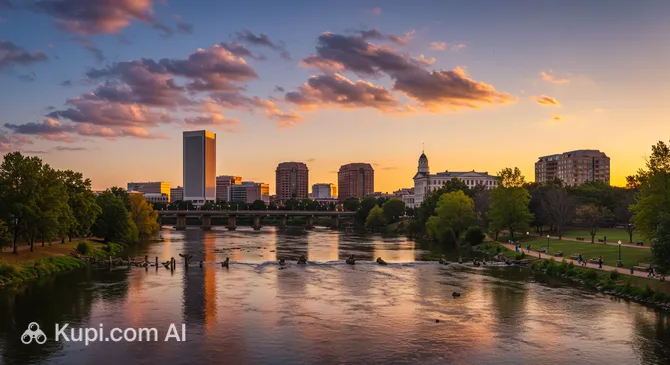
Richmond, the capital of the Commonwealth of Virginia, is a city where centuries of heritage blend seamlessly with a vibrant modern culture. Situated on the fall line of the James River, it serves as a dynamic hub in the eastern United States. Known for its distinct architecture, thriving arts scene, and renowned culinary offerings, the city offers a unique atmosphere that captivates visitors from the moment they arrive.

Richmond. Source: Kupi.Binoculars

The history of Richmond is woven into its cobblestone streets and monumental landmarks. As one of the country's oldest major cities, it has played a pivotal role in the nation's narrative. Today, it stands as a bustling metropolis with a regional population exceeding one million, offering a lively urban environment surrounded by the natural beauty of the Piedmont region.

Outdoor enthusiasts and culture seekers alike will find plenty to explore. The James River flows through the heart of the city, famously providing the only urban Class IV rapids in the country for kayaking and rafting. For art lovers, the Virginia Museum of Fine Arts is a world-class treasure trove open 365 days a year. Whether you are strolling through the eclectic shops of Carytown or admiring the historic State Capitol designed by Thomas Jefferson, Richmond promises an unforgettable travel experience.

From its riverfront parks to its historic neighborhoods, Richmond invites you to discover its charm and hospitality. It is a perfect destination for those looking to experience the authentic spirit of the American South.

Weather Overview

Richmond experiences a climate characterized by four distinct seasons, offering a variety of atmospheric backdrops for visitors throughout the year. Generally, travelers can expect warm summers with occasional rain and cool, relatively mild winters. The city's location ensures that extreme weather is rare, making it a comfortable destination for most of the year.

The summer season brings the highest temperatures, particularly in July, which sees an average of 27.4°C and daily highs reaching up to 32.3°C. It is also the time when precipitation is most frequent, with July and August recording about 14 wet days each. Despite the humidity and showers, the city remains vibrant with outdoor events and river activities.

Winters are significantly cooler but generally manageable. January is typically the coldest month, with average temperatures hovering around 5.1°C and lows dipping to nearly 0.8°C. While you might need a warm coat, the season is quieter and offers a peaceful charm for exploring historic sites.

Spring and autumn are often considered the ideal times to visit due to their moderate conditions. May and September are particularly pleasant, boasting average temperatures between 20°C and 23°C. For a more comprehensive look at forecasts and seasonal trends, you can consult the guide to weather in Richmond before packing your bags.

Interesting Facts

Beyond the well-known landmarks, Richmond holds many fascinating secrets and historical firsts that often surprise visitors. Digging a little deeper reveals a city defined by innovation, literary heritage, and unique geography.

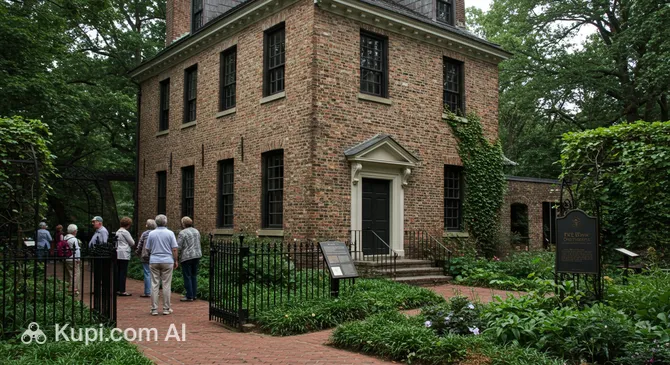
The Poe Museum. Source: Kupi.Binoculars
  • Although he was born in Boston, the literary master Edgar Allan Poe considered Richmond his true hometown. He spent his formative years here, and today The Poe Museum houses one of the world's largest collections of his personal artifacts and original manuscripts.

  • Richmond is the only city in the country with Class III and IV whitewater rapids flowing directly through its downtown area. Adventure seekers can paddle down the James River while enjoying views of the city skyline, a rare mix of urban life and wild nature.

  • The city was a pioneer in modern transit, launching the first successful electric streetcar system in the United States in 1888. This engineering feat became a model for other cities and revolutionized urban transportation across the globe.

  • A pivotal moment in history occurred at St. John's Church in 1775, where Patrick Henry delivered his famous "Give me liberty, or give me death!" speech. This impassioned plea is widely credited with swaying the vote to commit Virginia troops to the American Revolution.

  • Beer enthusiasts might be interested to know that the first commercially available canned beer was sold in Richmond in 1935. This packaging innovation changed the beverage industry forever, making the city a significant part of brewing history.

How to Get There

Reaching the capital of Virginia is convenient thanks to a variety of transportation options connecting it to the rest of the country. Whether you prefer flying or taking the train, you can easily plan your journey. For a detailed guide on all available routes, you can read more about how to get to Richmond.

For those arriving by air, Richmond International Airport (RIC) is the primary gateway. Located in the nearby town of Highland Springs, approximately 11 km from the city center, it offers the most direct access for visitors. A trip by taxi or bus from here typically takes between 20 to 40 minutes depending on traffic. Travelers looking for a wider range of international flights might consider Washington Dulles International Airport (IAD) as an alternative. Situated in McNair, about 156 km away, this major hub is accessible by car, with the drive to Richmond generally taking around 2 hours.

For clarity, here is a summary of the main airports serving the region:

Airport Name City Passenger Traffic Km from City
Washington Dulles International AirportMcNairLarge156.3
Ronald Reagan National AirportWashington, D.C.Large149.7
Richmond International AirportHighland SpringsMedium11.0
Norfolk International AirportNorfolkMedium131.0
Charlottesville Albemarle AirportCharlottesvilleSmall111.4

Traveling by train is another popular choice for visiting the area. The region is well-served by the Richmond Railway Station (ZRD), located in the city of Glen Allen, just 10 km from Richmond. This station acts as a key hub for rail passengers, providing frequent connections to major cities along the East Coast. From the station, visitors can easily reach the city center via a short taxi or bus ride.

Below is a list of railway stations serving the area:

Station City Passenger Traffic Km to Center
Washington Union StationThe White HouseLarge155.3
New Carrollton StationNew CarrolltonMedium163.8
Richmond Railway StationGlen AllenMedium10.1
Newport News Railway StationNewport NewsSmall104.7
Williamsburg Railway StationNewport NewsSmall70.7

Main Attractions

Richmond is a city where history and culture converge, offering visitors a diverse array of landmarks that range from architectural marvels to poignant historical sites. Whether you are interested in the nation's political past, world-class art, or inspiring local legacies, the city's main attractions provide a deep and engaging experience.

A masterpiece of architectural history, the Virginia State Capitol stands as a testament to Thomas Jefferson's vision. Modeled after a Roman temple, this majestic building is not only a working seat of government but also a fascinating monument for history buffs. Visitors can explore the rotunda and the surrounding Capitol Square, enjoying a deep dive into the state's political heritage while admiring the impressive classical design.

Virginia State Capitol. Source: Kupi.Binoculars

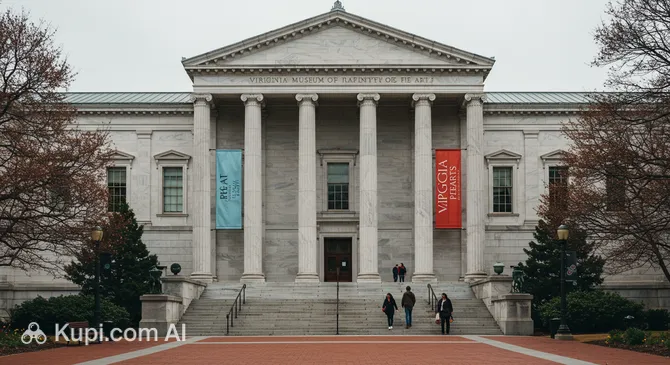
For art enthusiasts, the Virginia Museum of Fine Arts is an absolute must-see. This world-class institution boasts a comprehensive collection that spans thousands of years, including the largest public collection of Fabergé eggs outside of Russia. With free general admission and rotating exhibitions, it offers a culturally enriching experience for all ages, set within a campus that also features a sculpture garden and dining options.

Virginia Museum of Fine Arts. Source: Kupi.Binoculars

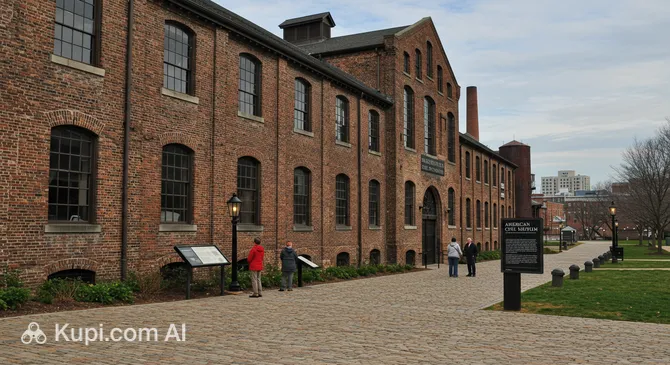
Located along the riverfront, the American Civil War Museum – Historic Tredegar offers a comprehensive look at one of the most turbulent periods in American history. Situated at the site of the former Tredegar Iron Works, the museum is renowned for its diverse perspectives and extensive artifact collections. It helps visitors understand the complexities of the era in a setting that was once a significant industrial powerhouse.

American Civil War Museum – Historic Tredegar. Source: Kupi.Binoculars

In the historic Jackson Ward neighborhood, the Maggie L. Walker National Historic Site celebrates the life and legacy of a pioneering civil rights activist and entrepreneur. As the first African American woman to charter a bank in the United States, her home has been preserved to tell her inspiring story. Tours of the residence provide an intimate glimpse into her impactful life and the vibrant community she faithfully served.

Local Cuisine

Richmond has emerged as one of the most exciting food destinations in the United States, offering a culinary landscape that honors its deep Southern roots while embracing bold, modern flavors. The city's dining scene is characterized by a strong farm-to-table ethos, with chefs taking full advantage of the fertile Virginia Piedmont region to source fresh, local ingredients. From classic comfort food to innovative fusion cuisine, the options here are diverse and unpretentious.

When it comes to signature dishes, the Sailor Sandwich is a true Richmond original that every visitor should try. Invented locally, this hearty sandwich typically features hot pastrami, grilled knockwurst, melted Swiss cheese, and spicy mustard served on rye bread. For a taste of traditional Virginia fare, look for ham biscuits—savory, salty country ham tucked inside a fluffy, buttery biscuit. Another staple of the local table is pimento cheese, often served as a starter with crackers or incorporated into burgers and other dishes for a creamy, spicy kick.

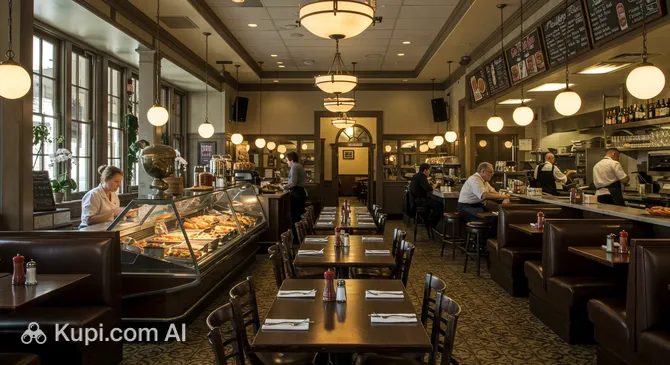
Lunch. Supper!. Source: Kupi.Binoculars

For those seeking authentic Southern comfort food, Lunch. Supper! is a popular spot known for its welcoming atmosphere and hearty portions. Here, you can indulge in classics like shrimp and grits or fried green tomatoes, perfectly capturing the essence of the region's hospitality. If you are in the mood for something different, Perly's offers a unique "Jewish cuisine with a modern twist" experience that has garnered national attention, making it a must-visit for brunch or dinner.

Perly's. Source: Kupi.Binoculars

The city's beverage scene is just as vibrant as its food. Richmond has gained a reputation as a premier craft beer destination, with the neighborhood of Scott's Addition boasting a high concentration of breweries, cideries, and meaderies. Visitors can easily spend an afternoon hopping between taprooms to sample locally brewed IPAs, stouts, and sours. For non-alcoholic options, sweet tea remains the undisputed king of Southern refreshments, available in almost every eatery.

Dining out in Richmond is a social affair, often centered around lively districts like Carytown and the riverfront. Locals and tourists alike flock to places like Fall Line Kitchen & Bar to enjoy contemporary American dishes in a stylish setting. Whether you are grabbing a quick bite at a market or sitting down for a multi-course meal, the city's food culture is welcoming, creative, and always delicious.

Travel Tips

Welcome to Richmond! To ensure your visit to Virginia’s capital is as smooth as it is memorable, we have compiled a list of essential travel tips. These practical insights will help you navigate the city with ease, allowing you to focus on enjoying its rich history and vibrant culture.

  1. Clothing and Gear: Richmond has four distinct seasons, so pack accordingly. Summers are typically hot and humid, making breathable fabrics necessary, while winters can be chilly, requiring warm layers and a coat. Since many historic districts like Shockoe Slip feature cobblestone streets and uneven sidewalks, comfortable walking shoes are absolutely essential for exploring on foot.

  2. Transportation: While renting a car offers the most flexibility for exploring the wider region, the city center is quite walkable. The GRTC Pulse, a modern bus rapid transit system, connects many popular neighborhoods and attractions efficiently. Ride-sharing apps like Uber and Lyft are also widely available and are a convenient way to get around quickly.

  3. Finances: The local currency is the US Dollar (USD). Credit and debit cards are accepted almost everywhere, from museums to local food trucks. However, it is wise to carry a small amount of cash for minor purchases. Tipping is a standard part of the culture; expect to leave between 15% and 20% of the bill at restaurants and bars.

  4. Health and Safety: Richmond is generally a safe destination for tourists, but standard urban precautions apply—stay aware of your surroundings, especially at night. Pharmacies like CVS and Walgreens are easy to find, with some locations open 24 hours. For any police, fire, or medical emergencies, simply dial 911.

  5. Communication: English is the primary language spoken throughout the city. Free Wi-Fi is widely available in hotels, coffee shops, and public libraries. If you are visiting from overseas, you can easily purchase a prepaid SIM card at major mobile carrier stores or electronics retailers to stay connected.

  6. Local Etiquette: The city is known for its warm "Southern hospitality." It is polite to greet shopkeepers and service staff upon entering, and holding doors open for others is a common courtesy. A friendly attitude and a simple "hello" or "how are you?" are always well-received by locals.

  7. What to Avoid: Do not underestimate the power of the James River. While it is a beautiful centerpiece of the city, the rapids can be dangerous for inexperienced swimmers or kayakers. Always check water conditions, heed warning signs, and consider booking a guided tour rather than venturing out alone if you are unfamiliar with the currents.

  8. Local Insight: Don't miss the chance to explore the city's incredible street art. Richmond is renowned for its mural project, with massive, colorful artworks adorning building facades throughout the city, particularly in the Arts District and near the university campus. It is like an open-air museum that is completely free to enjoy.

With these tips in hand, you are fully prepared to explore everything Richmond has to offer. Embrace the local charm, savor the culinary delights, and enjoy a hassle-free adventure in this dynamic Southern city.

Entertainment & Nightlife

As the sun sets over the James River, Richmond transforms into a lively hub of evening entertainment, offering everything from laid-back craft breweries to energetic dance floors. The city's nightlife is distinct for its neighborhood-centric vibe, where each district offers a completely different atmosphere. Whether you are looking for a sophisticated cocktail, a local band, or a night of dancing, the capital of Virginia has something to suit your mood.

One of the most popular destinations for a night out is Scott’s Addition. Once an industrial district, it is now the epicenter of the city's craft beverage scene, densely packed with breweries, cideries, and arcade bars. The vibe here is casual and social, making it perfect for hopping between venues. For a more historic setting, head to Shockoe Slip and Shockoe Bottom. These areas feature cobblestone streets lined with converted warehouses that now host some of the city's busiest bars and clubs. The atmosphere here tends to be more energetic, especially on weekends when the crowds gather for late-night fun.

For those seeking a specific venue to start the evening, Adarra is a standout choice. Known for its intimate ambiance and excellent selection of wines and small plates, it provides a perfect backdrop for conversation and relaxation. If you prefer to enjoy your drinks with a view of the water, the Island Shrimp Bar, Rocketts Landing offers a breezy, riverside setting that captures the charm of Richmond's waterfront. For a different kind of energy later in the night, The Lion's Den is another option to explore within the city's diverse nightlife landscape.

Adarra. Source: Kupi.Binoculars

Music lovers should keep an eye on the schedule at the Stuart C. Siegel Center. While primarily an arena, it frequently hosts major concerts and performances that draw visitors from across the region. Smaller live music venues are scattered throughout the Fan District and downtown, offering intimate shows ranging from jazz to indie rock.

Practical Advice: The dress code in Richmond is generally "smart casual." While some upscale clubs in Shockoe Bottom might prefer a dressier look, jeans and a nice top are acceptable in most bars and breweries. Nightlife typically peaks between 10:00 PM and 1:00 AM on Fridays and Saturdays. Prices are reasonable compared to larger US cities; expect to pay around $6–$8 for a beer and $12–$15 for a craft cocktail.

Safety and Transport: Richmond is generally safe for nightlife, but it is always wise to stay in groups and remain aware of your surroundings, especially in busy areas like Shockoe Bottom late at night. Public transportation is limited after midnight, so ride-sharing services like Uber and Lyft are the most reliable and safe way to get back to your accommodation. If you are walking in historic districts, be mindful of the uneven cobblestones—comfortable footwear is recommended.

Before the evening festivities begin, the city offers plenty of daytime entertainment. Families and curious minds can spend hours at the Science Museum of Virginia, housed in a stunning former railway station. For those traveling with younger children, the Children's Museum of Richmond provides interactive exhibits that make learning fun. Whether day or night, the city is ready to entertain.

Parks & Museums

Richmond offers a compelling mix of lush green spaces and thought-provoking cultural institutions that honor its complex past while celebrating the natural beauty of the James River. Visitors will find that the city seamlessly integrates outdoor recreation with educational experiences, making it easy to enjoy a morning hike and an afternoon of history in the same day.

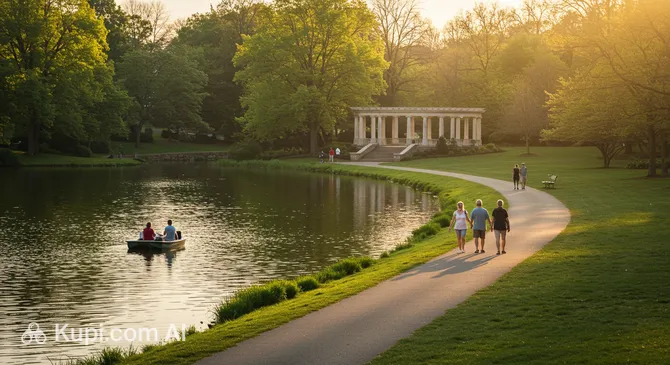
One of the city's most beloved outdoor retreats is William Byrd Park. Spanning nearly 300 acres, this expansive green space features three lakes, a fitness trail, and the popular Dogwood Dell amphitheater. It is a perfect spot for a leisurely pedal boat ride or a picnic under the shade of mature trees. For a view that is deeply tied to the city's identity, visitors should head to Libby Hill Park. The vista of the river from this vantage point is said to resemble the view of the Thames in Richmond, England, which gave the city its name.

William Byrd Park. Source: Kupi.Binoculars

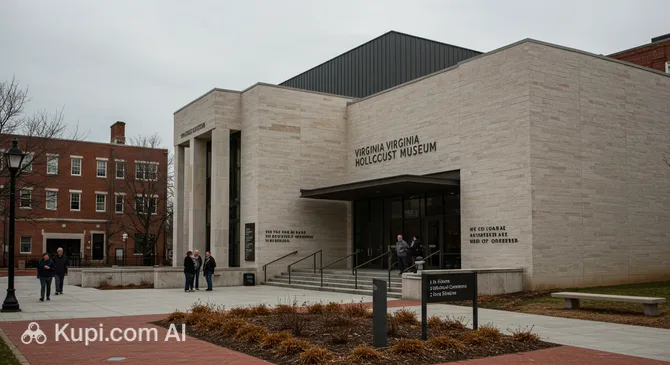
The city's museums provide powerful narratives that resonate with visitors from around the world. The Virginia Holocaust Museum is dedicated to depicting the Holocaust through the stories of survivors, offering a moving and educational experience housed in a historic tobacco warehouse. Nearby in the historic Jackson Ward district, the Black History Museum and Cultural Center of Virginia showcases the rich heritage and contributions of African Americans in the state through visual arts, photographs, and historical artifacts.

Virginia Holocaust Museum. Source: Kupi.Binoculars

History and nature often intersect in Richmond's public spaces. Chimborazo Park sits on the site of a massive Civil War-era hospital and offers commanding views of the city along with a small museum. For those interested in the local ecosystem, The Robins Nature Center provides interactive exhibits about the James River and native wildlife, serving as an excellent educational stop for families. Additionally, the T. Tyler Potterfield Memorial Bridge offers a unique perspective, allowing pedestrians to walk directly over the rushing rapids of the river on a repurposed dam structure.

For a local favorite that feels miles away from the city bustle, explore the trails at Texas Beach. Accessible via a pedestrian bridge over the railroad tracks, this riverside area is known for its large sunbathing rocks and murals, offering a quiet, somewhat hidden escape for nature lovers.

Getting Around

Public transport in Richmond is primarily served by the GRTC (Greater Richmond Transit Company), which operates an extensive network of buses throughout the city and surrounding counties. The backbone of the system is the GRTC Pulse, a modern Bus Rapid Transit (BRT) line that functions much like a light rail on wheels. The Pulse runs along a dedicated route connecting major activity centers, from the shops at Willow Lawn to the riverfront at Rocketts Landing, offering high-frequency service that is ideal for visitors.

One of the most tourist-friendly aspects of the current system is the payment structure. As of late 2025, the entire GRTC bus system, including the Pulse, operates on a Zero Fare basis. This means there is no need to purchase tickets, carry smart cards, or fumble for exact change. You can simply board the bus at any stop and ride to your destination completely free of charge. While this policy is subject to periodic review, it remains a convenient perk for travelers exploring the city.

To navigate the system efficiently, it is highly recommended to download the official GRTC Mobile App or use third-party apps like Transit, which provide real-time tracking and arrival estimates. Pulse buses typically arrive every 10 to 15 minutes during the day, making them very reliable, while local routes may operate less frequently. When waiting for the Pulse, look for the distinctive stations with raised platforms; for regular buses, standard stops are marked with signs. Since no ticket validation is required, you can board through any door on the Pulse, though front-door boarding is standard on local routes.

For those who prefer more flexibility, ride-sharing services like Uber and Lyft are widely available and popular for getting around quickly, especially late at night. The city is also embracing micromobility with a variety of e-scooters available for rent via smartphone apps, which are often found on downtown corners. While the RVA Bike Share system offers docking stations for classic cycling, many locals and visitors find the dockless scooters or simply walking to be the easiest ways to traverse the compact downtown and Fan District areas.

Although Richmond no longer has the electric streetcars it was historically famous for pioneering in 1888, the Main Street Station stands as a magnificent architectural reminder of the city's transport heritage. While it primarily serves Amtrak trains today, this stunning Beaux-Arts building acts as a multimodal hub and is a landmark worth visiting in itself. Today, the sleek Pulse buses represent the modern evolution of transit here, offering a smooth and rapid way to see the city's main sights.

Accommodation

Finding the perfect place to stay in Richmond is easy, thanks to a diverse array of accommodation options that cater to every type of traveler. The city offers everything from historic luxury hotels that have hosted presidents to modern high-rise chains and charming bed-and-breakfasts tucked away in leafy neighborhoods. Whether you are looking for a full-service resort experience or a budget-friendly motel near the highway, the local hospitality scene is well-equipped to meet your needs.

For those who want to be in the center of the action, Downtown is the most convenient area to base yourself. Staying here places you within walking distance of the State Capitol, major business centers, and the convention center. Just a short walk away, the historic Shockoe Slip and Shockoe Bottom districts offer a unique atmosphere with hotels housed in converted warehouses, surrounded by cobblestone streets, lively restaurants, and nightlife. If you prefer a quieter, more residential vibe, the Fan District and the Museum District offer boutique inns and guest houses that allow you to live like a local, surrounded by Victorian architecture and eclectic shops.

The cost of accommodation in Richmond is generally moderate compared to larger East Coast cities like Washington, D.C. Travelers can expect to find a wide spectrum of prices, with budget options available on the outskirts and mid-range to luxury properties concentrated in the city center. Booking is straightforward, with most properties available on major online travel platforms as well as through direct websites. For those seeking a more home-like environment, vacation rentals and apartment stays are becoming increasingly popular in the city's historic row house neighborhoods.

Booking Tip: While rooms are usually available year-round, the city can get very busy during university graduation weekends (typically in May) and during major events like NASCAR races or the Richmond Folk Festival. It is highly recommended to book your accommodation at least a few months in advance if you plan to visit during these peak times or the popular spring and autumn travel seasons.

Nearby Cities

Nearby Cities:

For those looking to explore the surroundings, Richmond serves as an excellent base for day trips to several interesting nearby locations. The region is steeped in history, offering travelers the opportunity to visit some of America's most significant heritage sites within a short drive.

Williamsburg is a premier destination located just over an hour from the city. It is best known for Colonial Williamsburg, the world's largest living-history museum, where visitors can experience 18th-century life firsthand. Beyond history, the area is also home to Busch Gardens, a popular theme park, making it a versatile spot for both education and entertainment.

To the north lies Fredericksburg, a city that played a crucial role in the Civil War. It features a charming 40-block historic downtown filled with antique shops, galleries, and restaurants, alongside four major battlefields for history enthusiasts. Alternatively, Yorktown offers a scenic waterfront experience and the chance to explore the site of the final major battle of the American Revolutionary War.

City Population Distance (km)
Fredericksburg155,41484
Williamsburg83,02171
Mechanicsville37,7679
Yorktown36,42489
Midlothian33,91419

These nearby destinations offer a glimpse into the diverse culture and landscapes of the region, providing memorable experiences for a day trip or a weekend getaway.

Shopping & Souvenirs

Shopping in Richmond is a delightful experience that ranges from browsing high-end outdoor malls to exploring quirky independent boutiques in historic neighborhoods. The city has a strong "shop local" culture, making it an excellent place to find unique items that reflect the creative spirit of the region. Whether you are searching for the latest fashion trends or a one-of-a-kind antique, the city's diverse retail landscape has something to offer every taste.

The crown jewel of Richmond's shopping scene is undoubtedly Carytown. Often referred to as the "Mile of Style," this vibrant nine-block district is packed with colorful storefronts offering everything from vintage clothing and indie books to handmade jewelry and home decor. It is the perfect place to stroll, window shop, and discover local businesses. For a more upscale boutique experience, the Libbie and Grove avenues in the West End provide a sophisticated selection of designer fashion, gifts, and chic accessories in a charming, walkable setting.

For those seeking a comprehensive retail experience with major brands, Short Pump Town Center is the premier destination. This expansive open-air mall features a wide array of department stores, luxury retailers, and dining options, all set within beautifully landscaped walkways. Another notable spot is Stony Point Fashion Park, which is known for its dog-friendly atmosphere and selection of high-end shops, offering a relaxed environment for a day of therapy shopping.

Visitors interested in local flavor and craftsmanship should not miss the city's markets. The South of the James Farmers Market, held on weekends in Forest Hill Park, is a beloved gathering spot where you can find fresh local produce, artisanal foods, and handcrafted goods from regional makers. The historic 17th Street Market in Shockoe Bottom is one of the oldest public markets in the country; while it has evolved into a multi-use plaza, it frequently hosts pop-up markets, festivals, and vintage fairs that are great for finding unique treasures.

When looking for the perfect souvenir to take home, consider items that celebrate Virginia's heritage. Virginia peanuts are a classic and delicious gift, available in a variety of savory and sweet flavors. Country ham is another regional staple often sold in vacuum-sealed packs suitable for travel. For non-food items, look for "RVA" branded merchandise, locally made pottery, or prints from the city's thriving community of artists and muralists.

Standard store hours in shopping malls are typically from 10:00 AM to 9:00 PM on weekdays and Saturdays, with shorter hours on Sundays. Independent boutiques, especially in areas like Carytown, usually open around 10:00 AM or 11:00 AM and close by 6:00 PM or 7:00 PM. Credit and debit cards are universally accepted throughout the city, and contactless payments are widely used.

Travelers should be aware that a sales tax is added to purchases at the register. Unlike some international destinations, the United States generally does not have a value-added tax (VAT) refund system for tourists. However, Virginia does occasionally hold sales tax holidays, typically in August, where specific items like clothing and school supplies can be purchased tax-free.
Reached the end of the page?

That means the route is fully explored