Support

Lebanon

About

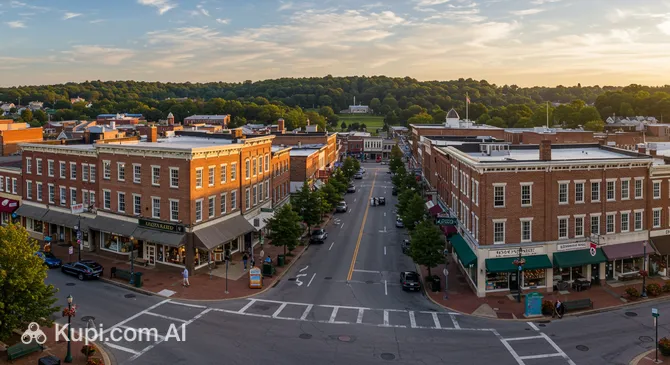
Welcome to Lebanon, a captivating city nestled in the heart of the Lebanon Valley in the Commonwealth of Pennsylvania. Known for its rich cultural heritage and agricultural prominence, this destination offers a unique blend of small-town charm and vibrant community life. As part of the United States, the city serves as a central hub in the region, providing visitors with a picturesque backdrop of rolling hills and a welcoming atmosphere.

Lebanon. Source: Kupi.Binoculars

The history of Lebanon is deeply rooted in its Pennsylvania Dutch origins, which are still evident in the local architecture, traditions, and cuisine. Founded in the mid-18th century, the city has grown from a quiet agricultural settlement into a bustling center of commerce and industry. Its location makes it an ideal starting point for exploring the wider region, with a climate that features four distinct seasons, offering everything from colorful autumn foliage to warm, sunny summers.

Travelers will find several unique attractions that highlight the area's character. One of the most notable sites is the Union Canal Tunnel Park, home to the oldest existing transportation tunnel in the country and a National Historic Landmark. For those seeking outdoor relaxation, Coleman Memorial Park offers beautiful walking trails and recreational facilities. Additionally, the city is famous for its culinary contribution, the distinctively smoked Lebanon Bologna, which is a must-try for food enthusiasts visiting the area.

Whether you are interested in exploring historic landmarks, enjoying local festivals, or simply experiencing the scenic beauty of central Pennsylvania, Lebanon invites you to discover its many treasures. It is a delightful stop for anyone looking to experience the authentic heart of the region.

Weather Overview

Lebanon, Pennsylvania, experiences four distinct seasons, offering a variety of atmospheric conditions for travelers throughout the year. To help plan your activities and packing list, it is useful to review the typical weather in Lebanon, which shifts significantly from the chill of winter to the heat of summer.

The winter months are generally cold, with January being the coolest time of the year, averaging around 0.5°C. Temperatures during this season can drop to a minimum of -2.9°C, requiring warm layers and coats. While the precipitation volume is recorded as low, the frequency of precipitation is notable, with about 11 wet days typically occurring in both January and February.

Summer brings a marked change, with July serving as the warmest month, boasting an average temperature of 25.0°C and highs often reaching nearly 30°C. This season is ideal for exploring the outdoors, though it is also when precipitation events are most frequent, with July seeing approximately 14 wet days. Overall, visitors can expect warm summers with occasional rain and cold winters with frequent damp days.

Spring and autumn offer milder transitions between the extremes. May provides comfortable averages of 17.1°C, while October cools down to a pleasant 14.3°C. These transitional months maintain a steady pattern of precipitation, with wet days ranging from 9 to 13 per month, ensuring the region's landscapes remain lush and green.

Interesting Facts

Beyond the scenic parks and historical landmarks, Lebanon holds several fascinating secrets and quirky local traditions that define its unique character. From unusual holiday celebrations to the origins of its famous culinary export, there is much to discover about this Pennsylvania city.

  • The New Year's Bologna Drop: While New York City drops a ball, Lebanon rings in the New Year in a truly unique fashion by lowering a massive, 200-pound stick of Lebanon Bologna. This quirky tradition pays homage to the city's most famous food product and draws crowds to the downtown area every December 31st.

  • Biblical Inspiration: The city's name is deeply rooted in nature and scripture. Early settlers, particularly the Moravians, were reminded of the Biblical "Cedars of Lebanon" by the abundance of red cedar trees in the area, leading them to bestow this ancient name upon the settlement.

  • Originally "Steitztown": Before it was widely known as Lebanon, the town was frequently referred to as "Steitztown" in honor of its founder, George Steitz. He laid out the original town plot in 1750, and for many years, the two names were used interchangeably by the local population.

  • A Unique Fermentation Process: The famous Lebanon Bologna is not just a standard lunch meat; it is one of the few sausages in the world that is made using a fermentation process similar to that of salami. This method, brought over by Pennsylvania Dutch settlers, gives the beef sausage its distinctively tangy flavor and deep reddish hue.

How to Get There

Planning a trip to Pennsylvania? There are several convenient ways to reach this charming destination, whether you prefer flying or taking the train to a nearby hub. For a comprehensive guide on all available transport options, you can read more about how to get to Lebanon to help finalize your itinerary.

The city of Lebanon does not have its own major commercial airport, but you can fly into Harrisburg International Airport (MDT) in the city of Lower Swatara Township, which is the most convenient option situated about 33 km from Lebanon. It is a significant regional hub, and the journey by taxi or bus typically takes approximately 70 minutes. For travelers seeking more extensive international connections, Philadelphia International Airport (PHL) is a major alternative located in Philadelphia, roughly 113 km away. Reaching Lebanon from there takes about 190 minutes by road transport.

For clarity, here is a summary of the main airports:

Airport Name City Passenger Traffic Km from City
Philadelphia International Airport Philadelphia Large 113.3
Harrisburg International Airport Lower Swatara Township Medium 32.9
Lehigh Valley International Airport Allentown Medium 90.9
Greater Wilmington Airport New Castle Small 101.4
Lancaster Airport Lititz Small 26.6

The city of Lebanon does not have a railway station, but you can arrive at the Philadelphia 30th Street Station in the city of Philadelphia, which is about 114 km from Lebanon. As a major transportation hub, it offers numerous connections, and from there, you can get a taxi or bus, which takes about 190 minutes. Another option is the Wilmington Railway Station in Elsmere, located approximately 100 km away, with a transfer time of around 170 minutes by road.

Below is a list of the nearest railway stations serving the region:

Station City Passenger Traffic Km to Center
Philadelphia 30th Street Station Philadelphia Large 114.3
New Carrollton Station New Carrollton Large 159.1
Baltimore Railway Station Linthicum Medium 129.4
Wilmington Railway Station Elsmere Medium 100.3
Trenton Railway Station Philadelphia Small 142.8

Main Attractions

Exploring Lebanon reveals a city deeply connected to its industrial past and agricultural roots. Visitors will find a variety of historical sites and community hubs that offer a glimpse into the unique heritage of this Pennsylvania Dutch region. Here are some of the top places to visit during your stay.

Union Canal Tunnel Park is arguably the most significant historical site in the area. It is home to the oldest existing transportation tunnel in the United States, completed in 1827. Tourists can walk along the towpath, enjoy a picnic in the scenic surroundings, or take a narrated boat tour through the tunnel during the warmer months to learn about the canal's pivotal role in 19th-century commerce.

For a taste of local culture and flavor, the Lebanon Farmers Market is a must-visit destination located in the heart of downtown. Housed in a beautifully restored 19th-century building, the market features a wide array of vendors selling fresh produce, handmade crafts, and local specialties. It is the perfect place to sample the famous Lebanon Bologna and experience the community's vibrant atmosphere.

Coleman Memorial Park offers a peaceful retreat with a fascinating history. Once the private estate of the wealthy Coleman family, who were prominent ironmasters, the park now serves the public with over 99 acres of green space. Visitors can explore the remnants of the old mansion, wander through the gardens, or enjoy the walking trails that wind through the mature forest.

Those interested in diving deeper into the region's past should visit the Lebanon County Historical Society. The society operates a museum that showcases artifacts and exhibits detailing the area's development, from early settlement to its industrial boom. It provides valuable context for understanding the traditions and stories that have shaped the city into what it is today.

Local Cuisine

The culinary landscape of Lebanon is deeply entwined with its rich Pennsylvania Dutch heritage, offering visitors a taste of hearty, comfort-focused traditions that have been passed down through generations. The local food scene is characterized by farm-to-table freshness and robust flavors, where centuries-old recipes meet a thriving community of local producers. Food here is not just sustenance; it is a celebration of the region's agricultural abundance.

No gastronomic tour of the city is complete without trying its most famous export, Lebanon Bologna. Unlike standard bologna, this is a semi-dry, fermented, and smoked beef sausage with a distinct, tangy flavor and a deep reddish color. It comes in "sweet" and "original" varieties and is a staple in local delis. Another regional favorite for the adventurous eater is scrapple, a savory loaf made from pork scraps and cornmeal, typically sliced, fried until crispy, and served for breakfast alongside eggs.

For those with a sweet tooth, the city offers unique treats that are hard to find elsewhere. Opera Fudge is a beloved local confection consisting of a rich, creamy fondant center coated in chocolate, a specialty that has been perfected by local candymakers. You should also try Shoofly Pie, a molasses-based dessert with a crumb topping that perfectly encapsulates the Pennsylvania Dutch baking tradition. These sweets are best enjoyed with a glass of locally made birch beer, a non-alcoholic carbonated drink with a distinctive herbal flavor.

The food culture in Lebanon revolves heavily around community and fresh ingredients. The Lebanon Farmers Market stands as the epicenter of this culture, where locals and tourists alike gather to browse stalls filled with fresh meats, cheeses, baked goods, and prepared meals. Beyond the market, the city is dotted with family-owned diners and casual eateries that serve generous portions of "bot boi" (Pennsylvania Dutch chicken pot pie made with square noodles rather than a crust), ensuring that no visitor ever leaves hungry.

Travel Tips

Preparing for a trip to Lebanon, Pennsylvania, ensures a smooth experience in this historic part of the Lebanon Valley. These practical tips will help you navigate the local customs, weather, and logistics to make the most of your visit to this charming region.

  1. Clothing and Gear: Your packing list should depend heavily on the season. Winters can be quite cold with occasional snow, so a warm coat, gloves, and boots are essential. Summers are often warm and humid, making light, breathable clothing the best choice. Since you will likely be walking through parks or the historic downtown, bring comfortable walking shoes.

  2. Transportation: While the city is served by Lebanon Transit (LT) buses, the schedule and coverage are more limited than in large metropolises. The most convenient way to explore the city and the wider county is by rental car. Ride-sharing apps like Uber and Lyft are available, but wait times can be longer, especially during off-peak hours.

  3. Finances: The local currency is the US Dollar (USD). Credit and debit cards are widely accepted at hotels, restaurants, and most shops. However, it is highly recommended to carry some cash, particularly for small purchases at the Lebanon Farmers Market or independent roadside stands where card facilities might be missing. Tipping 15-20% for service in restaurants is the standard norm.

  4. Health and Safety: Lebanon is generally a safe destination for tourists. For minor health issues, national pharmacy chains like CVS and Rite Aid are easily accessible. In case of emergencies, the WellSpan Good Samaritan Hospital is located directly in the city. If you plan to hike in Coleman Memorial Park, use insect repellent to protect against ticks, which are common in Pennsylvania's wooded areas.

  5. Communication: English is the primary language and is spoken everywhere. You may notice unique phrases or accents influenced by the Pennsylvania Dutch dialect, but communication will be seamless. Free Wi-Fi is standard in most hotels and coffee shops, and prepaid SIM cards are readily available at major retail stores if you need mobile data.

  6. Local Etiquette: The local culture is polite and community-focused. It is common to greet people with a smile or a nod in passing. If you are driving in the outskirts and encounter horse-drawn buggies belonging to the Amish or Mennonite communities, be patient, keep a safe distance, and pass only when it is clearly safe to do so.

  7. What to Avoid: Do not take photographs of Amish or Mennonite people without their permission, as many view it as disrespectful to their beliefs. Additionally, avoid relying solely on late-night public transport; it is best to have a reliable plan for getting back to your accommodation if you stay out late.

  8. Market Days: A specific tip for this city is to check the schedule for the Lebanon Farmers Market. It is a highlight of the city but is typically open only on Thursdays, Fridays, and Saturdays. Plan your itinerary to ensure you are in town on these days to experience the best local food and crafts.

By keeping these practical points in mind, you will be well-equipped to enjoy the authentic hospitality and heritage of Lebanon. We hope these tips help you have a relaxing and memorable journey through the heart of Pennsylvania Dutch Country!

Entertainment & Nightlife

Nightlife in Lebanon reflects the city's welcoming and grounded character. Rather than high-energy nightclubs or sprawling entertainment complexes, the evening scene here is defined by cozy taverns, lively brewpubs, and a strong sense of community. The atmosphere is generally laid-back and unpretentious, making it easy for visitors to strike up a conversation with locals while enjoying a drink. The primary hub for evening activities is centered around the downtown area, particularly along Cumberland Street, where several key establishments are situated close to one another.

The city has embraced the craft beverage movement, making it a great destination for beer enthusiasts. Snitz Creek Brewery is a standout local favorite located right downtown, offering a rotating selection of craft beers brewed on-site and a menu featuring locally sourced ingredients. It is a perfect spot for a casual night out with friends. Just a short walk away, The Downtown Lounge offers a contrasting but equally authentic experience. As a historic bar and restaurant, it is famous for its "Lounge Burger," unique menu items, and a relaxed, dive-bar vibe that attracts a diverse crowd of regulars and visitors.

When planning a night out, keep in mind that the pace here is more relaxed than in larger cities. Most bars and pubs are open until 2:00 AM on Fridays and Saturdays, but kitchens often close earlier, around 9:00 PM or 10:00 PM. The dress code is almost universally casual; jeans and a comfortable shirt are appropriate for nearly every venue in town. Prices in Lebanon are quite reasonable compared to major metropolitan areas, allowing for an affordable evening of entertainment.

Regarding safety and logistics, downtown Lebanon is generally safe for walking in the evening, especially near the main thoroughfares where the venues are clustered. However, as with any city, it is advisable to stay in well-lit areas and avoid walking alone late at night on quiet side streets. Public transportation options are limited after dark, so if you are not staying within walking distance, it is essential to have a plan. Ride-sharing services like Uber and Lyft operate in the area, but availability can be sporadic late at night, so booking in advance or having a local taxi number handy is a smart move.

For those looking for a more cultural evening, the historic Allen Theatre is a beloved regional landmark located just a short drive west in the nearby town of Annville. This venue combines a nostalgic cinema experience with a charming coffee house, offering a delightful way to spend an evening if you prefer a film and a warm beverage over the bar scene.

Parks & Museums

The city of Lebanon and its surrounding valley offer a delightful balance of recreational green spaces and institutions that preserve the region's deep industrial and cultural roots. From tranquil lakes perfect for an afternoon of fishing to well-curated museums that tell the story of Pennsylvania Dutch heritage, visitors will find plenty of opportunities to explore the outdoors and learn about the local past.

Stoever's Dam Park is a favorite destination for nature lovers and outdoor enthusiasts. Spanning over 160 acres, its centerpiece is a large lake that attracts anglers and those looking to canoe or kayak in a peaceful setting. The park also features a network of trails suitable for walking and jogging, winding through diverse habitats that support local wildlife. A unique feature here is the Nature Barn, which offers educational programs and exhibits about the local ecosystem, making it an excellent spot for families.

Another significant green space is South Hills Park, which caters to active visitors with its extensive sports facilities and open spaces. It is a hub for community recreation, offering well-maintained athletic fields, tennis courts, and picnic pavilions. For those seeking a quieter experience, the park includes walking paths that offer pleasant views of the surrounding area, providing a nice break from the city center.

Immersing yourself in the region's history is best done at the Cornwall Iron Furnace, located just a short drive south of the city limits. This National Historic Landmark is one of the most well-preserved charcoal iron furnaces in North America. Visitors can tour the Gothic Revival-style buildings and learn about the iron industry that fueled the local economy for centuries. The site offers a fascinating glimpse into 19th-century industrial technology and the daily lives of the workers who powered it.

While the Lebanon County Historical Society is the primary custodian of the region's archives, its museum offers specific exhibits that are worth a closer look. Housed partly in the historic Hauck Memorial Building, the museum features diverse displays ranging from authentic Pennsylvania Dutch artifacts to a recreation of an early 20th-century doctor's office and an old-fashioned apothecary. It serves as a comprehensive repository of stories, detailing everything from local genealogy to the development of the city's infrastructure.

For those interested in architecture and early settlement history, the Chestnut Street Log House is a must-see landmark. Believed to be one of the oldest standing structures in Lebanon, this humble building provides a tangible link to the city's 18th-century origins. Its preservation allows tourists to visualize the living conditions of the early European settlers who founded the community.

For a truly authentic experience, head slightly out of town to the Clarence Schock Memorial Park at Governor Dick. This nature preserve offers miles of hiking trails, but the real insider tip is the climb to the top of the observation tower. From there, you can enjoy panoramic views of the Lebanon Valley, which are particularly breathtaking during the autumn foliage season.

Getting Around

The public transport system in Lebanon is primarily served by a bus network operated by Lebanon Transit (LT). As a smaller city, it does not have a metro, tram, or trolleybus system. Instead, the transport infrastructure relies on a fleet of buses that run on fixed routes, connecting the downtown area with major shopping centers, medical facilities, and surrounding neighborhoods within the county. For tourists, the system is relatively straightforward, though it is designed more for local commuting than for extensive sightseeing.

Paying for your ride is simple and flexible. You can pay with cash directly upon boarding the bus, but you must have the exact change as drivers cannot provide change. For greater convenience, visitors can use the Token Transit mobile app, which allows you to purchase digital passes instantly on your smartphone. Paper tickets and multi-ride passes are also available and can be purchased at the main transfer center or the Lebanon Transit administrative office. Fares are affordable, making it a budget-friendly option for getting around the immediate area.

If you plan to use the bus, it is important to know the operating hours. Service typically runs from early morning until early evening, roughly between 6:00 AM and 6:00 PM on weekdays. Saturday service is available but operates on a reduced schedule, and there is generally no bus service on Sundays or major holidays. The central hub for the network is the transfer center located at 7th and Willow Streets in downtown, where you can switch routes and find printed schedules.

Given the schedule limitations, many visitors find that alternatives are often more convenient for exploring the wider region. Rideshare apps like Uber and Lyft operate in the city, though wait times may be longer than in major metropolitan hubs. Local taxi companies are also available but usually require booking by phone in advance. For those staying within the historic downtown district, the area is compact and quite walkable, allowing you to reach restaurants and the farmers market on foot.

While there are no historic cable cars or subways, Lebanon Transit does offer commuter routes that connect the city to larger regional hubs like Harrisburg. These express buses are a practical option if you are planning a day trip to the state capital without renting a car. However, for maximum flexibility to visit parks and attractions scattered throughout the Lebanon Valley, renting a car remains the most recommended mode of transport.

Accommodation

Finding the right place to stay in Lebanon is relatively straightforward, as the city offers a practical selection of accommodations that cater to visitors exploring the Pennsylvania Dutch Country. The hospitality landscape here is defined less by opulent luxury resorts and more by reliable, comfortable options. Travelers can expect to find a solid range of mid-range chain hotels, budget-friendly motels, and charming bed-and-breakfasts that reflect the region's warm and welcoming character.

When choosing where to base yourself, location plays a key role depending on your itinerary. The downtown area is a convenient choice for those who want to be within walking distance of local dining, the famous Farmers Market, and historic architecture. Staying centrally allows you to immerse yourself in the daily life of the city. Alternatively, many of the modern commercial hotels are situated along the major thoroughfares, such as Route 422 (Cumberland Street) and Route 72. These areas offer easy access to the highway, making them ideal for road trippers or those planning day trips to nearby attractions like the Cornwall Iron Furnace or the wider Lebanon Valley.

For a more unique and intimate experience, consider looking towards the outskirts of the city and the surrounding countryside. Here, you can find historic inns and family-run guesthouses that offer a peaceful retreat amidst the rolling farmland. These accommodations often provide a more personal touch, with home-cooked breakfasts and a chance to experience the slower pace of life that defines this agricultural region.

In terms of pricing, staying in Lebanon is generally more affordable than in the neighboring tourist hubs of Hershey or Lancaster. The majority of options fall into the budget to mid-range categories. Booking is typically done through major online platforms or directly with the properties. A helpful tip for travelers is to book in advance if you plan to visit during the summer months or the autumn foliage season. While the city itself is quieter, its proximity to major regional attractions means that rooms can fill up quickly during peak tourist times and local festivals.

Nearby Cities

For those looking to explore the surroundings, Lebanon serves as an excellent base for day trips to several interesting nearby locations:

One of the most popular destinations in the region is Lancaster, located just a short drive south. Renowned as the heart of Pennsylvania Dutch Country, it offers a fascinating mix of Amish heritage and a vibrant, historic downtown. Visitors can explore the oldest continuously operating farmers market in the United States, enjoy a thriving arts scene, or take scenic drives through the surrounding farmland.

To the west lies Swatara, a township that serves as a gateway to the Greater Harrisburg area. Its proximity to the state capital makes it a convenient stop for those interested in shopping centers and dining options, while also offering easy access to the recreational activities along the Susquehanna River. Additionally, East Lampeter Township is a favorite for families, often serving as a hub for Amish-themed attractions, outlet shopping, and entertainment venues.

City Population Distance (km)
Lancaster 430621 35
Lower Paxton Township 52925 31
Swatara 27318 34
East Hempfield Township 26092 29
East Lampeter Township 17696 38

These nearby destinations offer a glimpse into the diverse culture and landscapes of the region.

Shopping & Souvenirs

Shopping in Lebanon offers a delightful mix of small-town charm and practical convenience. While it may not be a sprawling metropolis of high-end fashion, the city provides a relaxed atmosphere where visitors can find everything from daily essentials to unique regional specialties. The retail landscape is defined by a combination of historic downtown storefronts, modern shopping centers, and markets that highlight the area's rich agricultural heritage. It is particularly well-known for its local food products, making it a fantastic destination for culinary souvenir hunting.

The heart of the local shopping scene is Downtown Lebanon, particularly along Cumberland Street. This area invites pedestrians to stroll past a variety of independent businesses, including antique shops, quaint boutiques, and specialty stores. It is a great place to find one-of-a-kind items and experience the local community vibe. The revitalization efforts in the downtown district have helped preserve its historic character, making window shopping a pleasant activity in itself.

For a more traditional retail experience, the Lebanon Valley Mall serves as the primary enclosed shopping center in the region. Located just west of the city center on Route 422, it features a range of department stores, apparel chains, and service providers. It is a convenient stop for travelers needing to pick up clothing, electronics, or travel supplies in a comfortable, climate-controlled environment.

The crown jewel of shopping in the city is undoubtedly the Lebanon Farmers Market. Housed in a historic building on South 8th Street, this market is not just a place to buy food; it is a cultural landmark. Here, you can browse stalls overflowing with fresh local produce, baked goods, meats, and handmade crafts. It is the best place to engage with local vendors and discover the authentic flavors of the Pennsylvania Dutch Country.

When looking for souvenirs, the most iconic item to bring home is Lebanon Bologna. This cured, smoked beef sausage is famous worldwide but tastes best when bought fresh from the source. You can find it at the Farmers Market or local grocery stores. For those with a sweet tooth, look for Opera Fudge, a rich, creamy confection unique to the area, or traditional Shoofly Pie. Additionally, given the proximity to Amish communities, visitors can often find high-quality handmade quilts and wooden crafts in local specialty shops.

Store hours in Lebanon generally follow standard American schedules. The shopping mall and major chain stores are typically open from 10:00 AM to 9:00 PM on weekdays and Saturdays, with reduced hours on Sundays. However, independent shops in the downtown area often close by 5:00 PM and may be closed on Sundays. It is important to note that the Lebanon Farmers Market operates on a limited schedule, usually open only on Thursdays, Fridays, and Saturdays.

Regarding payment, major credit and debit cards are widely accepted at the mall, supermarkets, and most downtown businesses. However, if you plan to visit the Farmers Market or smaller roadside stands in the surrounding countryside, carrying cash is highly recommended, as some smaller vendors may not accept digital payments.

A significant benefit for shoppers in Pennsylvania is the state's tax policy. Clothing and footwear are generally tax-free, making it an excellent place to update your wardrobe without the extra cost found in many other states. While other goods are subject to a sales tax, this exemption on apparel is a welcome perk for tourists.
Reached the end of the page?

That means the route is fully explored