Support

New York City

About

New York City is often described as the cultural, financial, and media capital of the world, pulsating with an energy that has earned it the nickname "The City That Never Sleeps." From its iconic skyline to its diverse neighborhoods, this bustling metropolis offers an atmosphere of endless possibility and excitement that draws millions of visitors every year.

Located at the southern tip of the state of New York on the eastern coast of the United States, the city sits at the mouth of the Hudson River. It is geographically unique, comprising five distinct boroughs—Manhattan, Brooklyn, Queens, the Bronx, and Staten Island—some of which are on islands. With a metropolitan population of over 18 million people, it is one of the most populous and dynamic urban agglomerations on the planet.
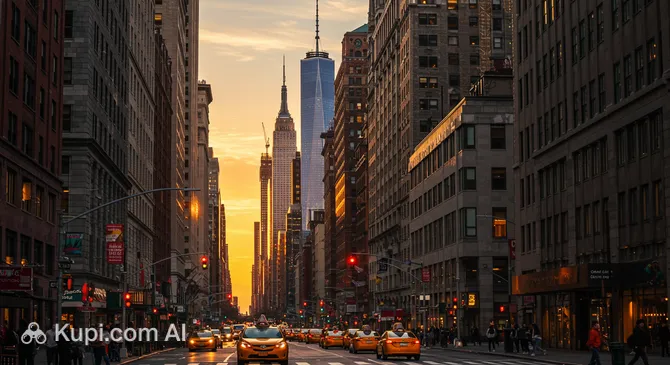
New York City. Source: Kupi.Binoculars

The city's character is deeply rooted in its past as a gateway for millions of immigrants. Exploring the fascinating history of New York City reveals a rich tapestry of stories, from its origins as a Dutch trading post to its rise as a global superpower. This heritage is reflected in the city's incredible diversity, evident in its cuisine, arts, and vibrant street life.

Travelers are spoiled for choice when it comes to world-class attractions. You can marvel at the dazzling lights of Times Square, take a peaceful stroll through the sprawling greenery of Central Park, or gaze up at the architectural majesty of the Empire State Building. Whether you are catching a Broadway show or visiting the Statue of Liberty, the city offers unforgettable experiences at every turn.

New York City is a destination that truly has something for everyone, regardless of the season. We invite you to immerse yourself in its unique rhythm and discover why it remains one of the most beloved travel destinations in the world.
Weather Overview

New York City experiences four distinct seasons, making it a year-round destination with a constantly changing atmosphere. The climate is generally characterized by warm to hot summers and cold winters, with moderate precipitation occurring fairly regularly throughout the year.

If you visit during the summer months, be prepared for heat. July is typically the warmest month, with average temperatures around 25.6°C and daily highs often reaching 29.6°C. Conversely, winters can be quite chilly. January sees the lowest temperatures, averaging 1.3°C, with minimums dropping to -2.2°C. For those who prefer milder conditions, spring and autumn are ideal; May offers pleasant averages of 17.0°C, while October remains comfortable at 15.3°C.

Regardless of when you travel, it is wise to pack an umbrella, as the city sees between 9 and 14 wet days per month. For a deeper dive into seasonal trends and forecasts, you can view the detailed weather in New York City.

Interesting Facts

Beyond the famous skyline and bustling avenues, New York City hides fascinating secrets and quirks that often go unnoticed by the casual observer. Even for seasoned travelers, the city offers surprising details that add depth to its towering architecture and historic parks.

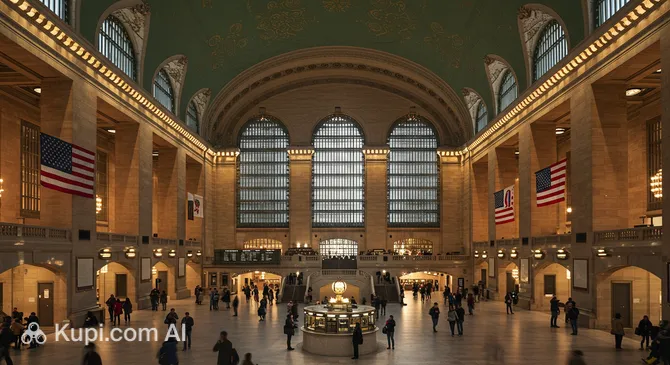
Grand Central Terminal. Source: Kupi.Binoculars
  • One of the city's most charming acoustic oddities can be found within Grand Central Terminal. In the dining concourse, there is a "Whispering Gallery" where the distinct ceramic arches allow you to whisper into one corner and be heard perfectly clearly by someone standing in the diagonally opposite corner, despite the noise of the busy crowds.

  • The iconic Empire State Building serves a practical purpose beyond tourism; it acts as a massive lightning rod for the surrounding area. The skyscraper is struck by lightning approximately 25 times every year, a phenomenon that has been captivatingly captured in numerous photographs.

  • Navigating the sprawling paths of Central Park is easier than you might think thanks to a hidden code on the lampposts. The first two or three digits on each post correspond to the nearest cross street, helping you determine exactly where you are within the park's 843 acres.

  • New York City sits atop the largest accumulation of gold in the world. The Federal Reserve Bank of New York holds roughly 7,000 tons of gold bars in a vault located 80 feet below street level, exceeding even the reserves found at Fort Knox.

  • The majestic Brooklyn Bridge once housed fully functional wine cellars within its massive stone anchorages. For years, these cool, dark compartments were rented out to local merchants to store champagne and wine, with the rent money helping to offset the bridge's construction debt.

How to Get There

Reaching the Big Apple is a straightforward experience thanks to its status as a major global transportation hub. Whether you are flying in from across the ocean or taking a train from a nearby state, you have multiple convenient options. You can read more about how to get to New York City to plan your specific journey, but here is an overview of the main entry points.

The city is primarily served by three significant airports. The busiest and most well-known is John F. Kennedy International Airport (IATA: JFK), located approximately 20.8 km from the city center. A trip by taxi or car from here usually takes around 50 minutes, depending on traffic. Another major international gateway is Newark Liberty International Airport (IATA: EWR), situated about 14.4 km away, with a travel time of roughly 40 minutes. Closer to the heart of the action is LaGuardia Airport (IATA: LGA), which is just 13.3 km from the center and typically takes about 40 minutes to reach by road.

For clarity, here is a summary of the main airports:

Airport Name City Passenger Traffic Km from City
John F. Kennedy International Airport New York City Very High 20.8
Newark Liberty International Airport New York City High 14.4
LaGuardia Airport New York City High 13.3
Teterboro Airport Teterboro 15.9
Morristown Municipal Airport Florham Park 35.8

If you prefer traveling by rail, New York City is exceptionally well-connected to the rest of the region. The primary hub is Penn Station (IATA: ZYP), located directly in New York City, just 4.4 km from the main downtown areas. As one of the busiest transport facilities in the country, it offers easy access to the city's subway and bus networks. A taxi ride from the station to nearby hotels or attractions generally takes about 25 to 30 minutes.

Below is a list of relevant railway stations:

Station City Passenger Traffic Km to Center
Penn Station New York City Very High 4.4
Stamford Railway Station Stamford Medium 53.9
Philadelphia 30th Street Station Philadelphia Medium 130.5
New Haven Union Station New Haven Medium 111.6
Trenton Railway Station Philadelphia Low 83.9

Main Attractions

New York City is a place where iconic landmarks greet you at every turn, making it one of the most exciting destinations to explore. From soaring skyscrapers to world-class museums, the city offers a diverse array of experiences that define its unique character and history.

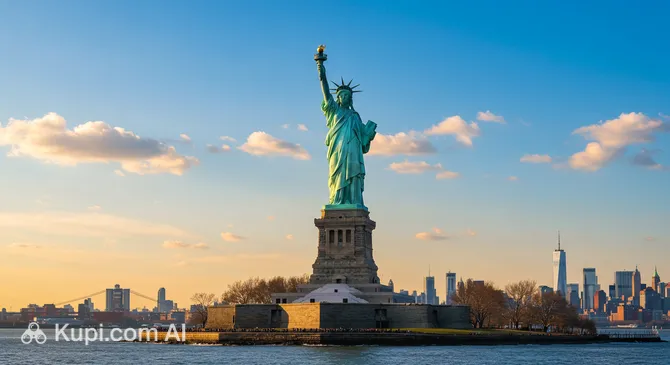
A visit to the Big Apple would not be complete without seeing the Statue of Liberty. Standing as a universal symbol of freedom in New York Harbor, this colossal copper monument has welcomed millions of visitors and immigrants to American shores. You can take a ferry to Liberty Island to admire the statue up close and enjoy panoramic views of the Lower Manhattan skyline from the water.

Statue of Liberty. Source: Kupi.Binoculars

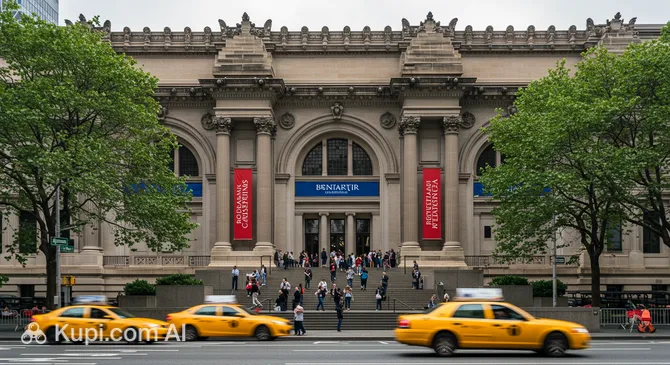
For culture lovers, The Metropolitan Museum of Art is an unmissable stop. Located along the eastern edge of Central Park, it is one of the largest and most comprehensive art museums on the planet. Its vast collection spans over 5,000 years of world culture, featuring everything from ancient Egyptian artifacts and classical sculptures to modern masterpieces.

The Metropolitan Museum of Art. Source: Kupi.Binoculars

To experience the city's vibrant energy, head to Times Square. Often referred to as "The Crossroads of the World," this bustling intersection is famous for its dazzling digital billboards, Broadway theaters, and lively atmosphere. It is a hub of entertainment and shopping that truly captures the "city that never sleeps" spirit.

Defining the modern skyline is One World Trade Center, the tallest building in the Western Hemisphere. Visitors can ascend to the observatory for breathtaking 360-degree views of the city and surrounding waters. The tower stands adjacent to the poignant 9/11 Memorial pools, offering a powerful place for reflection amidst the bustling downtown financial district.

Local Cuisine

New York City is a true gastronomic capital, offering a culinary landscape as diverse and vibrant as its population. The city serves as a global melting pot where authentic flavors from every corner of the world come together, ranging from high-end dining establishments to bustling street corners. Whether you are looking for a quick bite on the go or a sophisticated multi-course meal, the options are virtually endless.

No visit to the Big Apple is complete without trying a classic New York-style pizza. Characterized by its large, hand-tossed thin crust that is crisp along the edge yet soft and pliable enough to be folded in half, it is the quintessential local meal. Another breakfast staple is the bagel, typically boiled before baking to achieve a shiny, chewy exterior, and often served with a generous "schmear" of cream cheese and lox. For those with a sweet tooth, a slice of rich, dense New York cheesecake is a mandatory indulgence.

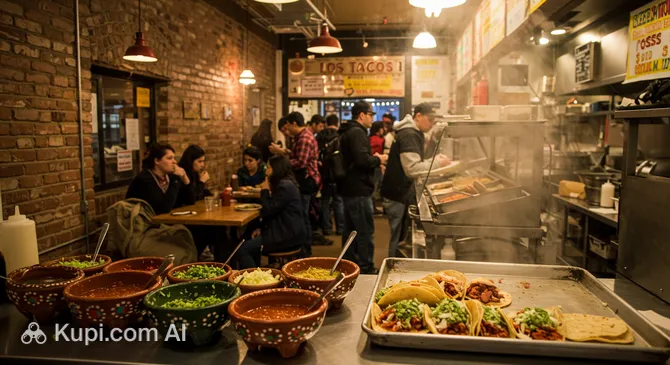
Los Tacos No. 1. Source: Kupi.Binoculars

The food culture here is heavily defined by accessibility and speed. Street food is an integral part of the experience, with vendors on nearly every block selling everything from hot dogs and pretzels to aromatic halal chicken over rice. For a taste of the city's celebrated taco scene, Los Tacos No. 1 offers authentic Mexican flavors that have garnered a loyal following among locals and visitors alike.

When it comes to beverages, the city has a storied history. The Manhattan, a cocktail made with whiskey, sweet vermouth, and bitters, is a legendary drink that originated here. The bar scene is legendary, ranging from historic pubs like McSorley’s Old Ale House, which has been serving its signature ales since the mid-19th century, to modern, award-winning cocktail bars such as The Dead Rabbit.

For a non-alcoholic treat, try a traditional egg cream. Despite its name, it contains neither eggs nor cream, but is a frothy mixture of milk, carbonated water, and chocolate syrup. Coffee is also the fuel of the city, with countless cafes and roasteries providing the perfect pick-me-up for exploring the busy streets.

Travel Tips

Welcome to the fast-paced rhythm of New York City! To help you navigate the concrete jungle with the confidence of a local, we have compiled a set of essential practical tips that will make your journey smoother and more enjoyable.

  1. Clothing and Gear: The most critical item to pack is a pair of highly comfortable walking shoes, as you will likely cover miles on foot each day. The weather varies significantly by season; summers are hot and humid, requiring breathable fabrics, while winters can be biting cold, necessitating heavy coats and layers. If you are visiting from outside the United States, bring a Type A or B power adapter for your electronics.

  2. Transportation: The subway is the lifeline of the city and the fastest way to get around; simply use the OMNY system to tap your contactless credit card or phone at the turnstile. While yellow taxis are iconic, they can be slow due to heavy traffic. Avoid renting a car at all costs—parking is expensive, scarce, and driving here is stressful.

  3. Finances: The local currency is the US Dollar (USD). Cash is becoming less common, and credit cards are accepted almost everywhere, from museums to small coffee shops. Tipping is a mandatory part of the culture here; expect to leave 18-22% at restaurants and bars, and a few dollars for hotel porters or housekeeping.

  4. Health and Safety: New York City is generally safe for tourists, but standard big-city precautions apply, such as keeping an eye on your belongings in crowded areas. Pharmacies like CVS and Duane Reade are ubiquitous, with many operating 24/7 for minor medical needs. In case of a serious emergency, dial 911.

  5. Communication: English is the primary language, though you will hear hundreds of others spoken on the streets. Free Wi-Fi is widely available at "LinkNYC" kiosks found on sidewalks and in most subway stations. While the grid system is intuitive, having an offline map app like Google Maps or Citymapper is very helpful.

  6. Local Etiquette: New Yorkers are always in a rush, so the golden rule is to keep the flow of traffic moving. Walk briskly and stay to the right on sidewalks. When using escalators in subway stations or department stores, always stand on the right side so people can walk past you on the left.

  7. What to Avoid: Never stop abruptly in the middle of the sidewalk to check your phone or a map; step to the side against a building instead. Also, if a subway car is completely empty while others are crowded, do not enter it—there is usually a reason, such as a malfunction or an unpleasant odor.

  8. Navigation Tip: Understanding the Manhattan grid will save you time. Generally, "Avenues" run North-South, and "Streets" run East-West. Fifth Avenue divides the city into East and West sides, and building numbers increase as you move away from it, making it easier to locate your destination.

Armed with these tips, you are ready to take a bite out of the Big Apple without the stress. Embrace the energy, respect the local pace, and enjoy every moment of your adventure in this incredible metropolis!

Entertainment & Nightlife

When the sun sets, New York City transforms into a dazzling playground that truly earns its reputation as the "City That Never Sleeps." The nightlife scene here is legendary, offering an exhausting but exhilarating array of options ranging from gritty dive bars and hidden speakeasies to opulent nightclubs and world-class concert halls. Whether you are looking to dance until dawn or sip a sophisticated cocktail in a quiet corner, the city has a neighborhood and a venue to match your mood.

For a high-energy night out, the Meatpacking District is the place to be. This trendy area is famous for its exclusive clubs and rooftop lounges where the dress code is strict, and the clientele is stylish. If you prefer a more bohemian and laid-back vibe, head to the East Village or the Lower East Side. These neighborhoods are packed with eclectic bars, live music venues, and speakeasies hidden behind unmarked doors. Across the river, Williamsburg in Brooklyn offers a hipster-friendly scene with craft breweries, indie music halls, and warehouse parties.

The city is home to countless unique venues that are attractions in themselves. For a drink in a setting that exudes Victorian extravagance, pay a visit to Oscar Wilde. This bar is celebrated for having the longest continuous bar counter in the city and is decorated with an abundance of art and antiques that transport you to another era.

Oscar Wilde. Source: Kupi.Binoculars

Music lovers will find themselves in paradise here. New York is the jazz capital of the world, and spending an evening at the iconic Birdland Jazz Club is a must for any aficionado. For larger productions and concerts, the city boasts historic venues like the Beacon Theatre and the spectacular Radio City Music Hall, famed for its Art Deco design and the Rockettes.

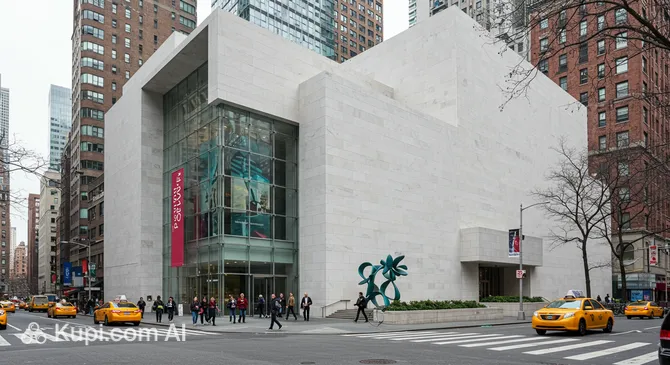
Those seeking a blend of dining and nightlife might enjoy STK Midtown, which offers a modern steakhouse experience with a club-like atmosphere, perfect for starting a night on the town. If you are exploring during the day before the nightlife kicks in, the city offers endless entertainment. You can immerse yourself in contemporary masterpieces at The Museum of Modern Art (MoMA) or head south to Coney Island Beach for a classic amusement park experience and a visit to the New York Aquarium.

The Museum of Modern Art. Source: Kupi.Binoculars

Practical Advice for Nightlife:
Most bars stay open until 4:00 AM, with the peak hours for clubs being between 1:00 AM and 3:00 AM. Prices can be steep; expect to pay $15–$25 for a cocktail, and many clubs charge a cover fee ranging from $20 to over $100 depending on the DJ. Always carry a valid photo ID (like a passport), as bouncers check everyone regardless of age.

Safety and Transport:
New York is generally safe at night, especially in busy districts like Midtown and the West Village. However, stay alert and stick to well-lit, populated streets. The subway runs 24/7, but service is less frequent late at night. For convenience and safety after midnight, it is often better to use a ride-sharing app or hail a yellow taxi, which are readily available in popular nightlife areas.

Parks & Museums

Parks & Museums:

Amidst the soaring skyscrapers and bustling avenues, New York City offers an impressive array of green spaces and cultural institutions that provide a welcome respite from the urban energy. The city's parks are not merely patches of grass but vibrant community hubs, while its museums are global destinations preserving history, art, and innovation.

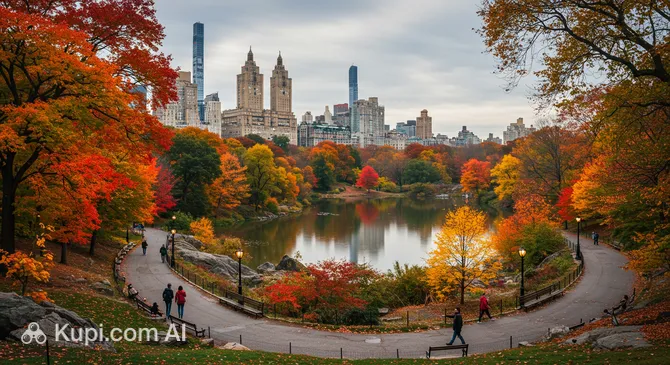
The crown jewel of the park system is undoubtedly Central Park. Spanning 843 acres in the middle of Manhattan, this masterpiece of landscape architecture offers endless opportunities for recreation. Visitors can explore the winding paths of the Ramble, row boats on the lake, or admire the architectural elegance of Bow Bridge. It serves as the city's backyard, hosting everything from summer concerts to quiet winter walks.

Central Park. Source: Kupi.Binoculars

For a unique perspective on urban renewal, a walk along The High Line is essential. This elevated linear park, built on a historic freight rail line, weaves through the West Side neighborhoods. It features lush gardens, art installations, and stunning views of the city streets below and the Hudson River. Another favorite among locals is Bryant Park, located behind the New York Public Library. Known for its seasonal activities, it hosts a charming winter village with ice skating and lively outdoor movie nights in the summer.

The High Line. Source: Kupi.Binoculars

New York's cultural landscape is equally diverse. Beyond the renowned art galleries, the city is home to fascinating specialized museums. The Intrepid Museum, situated on a legendary aircraft carrier docked at Pier 86, offers an immersive look at American military and maritime history, complete with historic planes and a space shuttle pavilion.

Intrepid Museum. Source: Kupi.Binoculars

History is preserved with solemn dignity at the 9/11 Memorial & Museum. Located at the World Trade Center site, it honors the victims of the 2001 attacks and documents the events of that tragic day through powerful artifacts and personal stories. For those seeking art in a more tranquil setting, The Met Cloisters in Fort Tryon Park is dedicated to the art and architecture of medieval Europe, assembled from elements of authentic medieval cloisters and chapels.

Whether you are watching the sunset over the harbor from The Battery or exploring the wilder trails of the Gateway National Recreation Area, the city's parks and museums offer countless ways to connect with nature, history, and the human spirit.

Getting Around

Navigating New York City is an adventure in itself, made possible by one of the most extensive and recognizable public transportation systems in the world. Operated by the Metropolitan Transportation Authority (MTA), the network runs 24 hours a day, seven days a week, ensuring that the "City That Never Sleeps" is always connected. The primary modes of travel are the subway and a vast fleet of buses, which together allow you to reach nearly every corner of the five boroughs efficiently and affordably.

The subway is the backbone of local travel and is usually the fastest way to bypass the city's notorious traffic. With hundreds of stations, you are rarely far from a stop. While the map may seem complex at first, the lines are color-coded and lettered or numbered for easier navigation. Service is frequent during the day, though it is worth noting that trains run less often late at night and on weekends, when maintenance work is common.

Paying for your ride has never been easier thanks to the OMNY contactless payment system. There is no need to buy a physical ticket or navigate vending machines; simply tap your contactless credit card, debit card, or smartphone (via digital wallets) at the turnstile or bus reader. The standard fare for a single ride is approximately $2.90. The system also features a "fare capping" benefit: if you pay for 12 rides with the same device or card within a seven-day period, all subsequent rides that week are free, effectively giving you an unlimited pass.

For those who prefer to see the sights while traveling, the city's buses are an excellent alternative. They are particularly useful for "crosstown" trips (moving East to West) in Manhattan. Express buses and Select Bus Service (SBS) routes offer faster travel with fewer stops. If you choose to use the traditional plastic MetroCard, which is still available at station kiosks, you may need to insert it into a machine at the bus stop before boarding SBS lines; however, OMNY users can simply tap on board.

Beyond the rails and roads, the city offers unique transport experiences. The Roosevelt Island Tramway is an aerial cable car that glides over the East River, offering spectacular views of the skyline for the price of a standard subway fare. Additionally, the NYC Ferry network connects waterfront communities in Manhattan, Brooklyn, Queens, and the Bronx. While it requires a separate ticket from the subway system, it provides a scenic and relaxing way to commute.

If you prefer private transport, iconic yellow taxis can be hailed on the street whenever their roof light is illuminated. Ride-sharing apps are also extremely popular and offer a convenient alternative, especially late at night. For short distances and a bit of exercise, the Citi Bike share program features thousands of bicycles docked throughout the city, easily rentable via a mobile app.

To make your journey as smooth as possible, it is highly recommended to download a navigation app like Google Maps or Citymapper, which provide real-time updates and service alerts. When using the subway, pay attention to the signs: "Uptown" generally means traveling north, while "Downtown" means traveling south. With these tools in hand, you will find getting around the city to be a manageable and authentic part of your travel experience.

Accommodation

Where to Stay:

Finding the perfect place to stay in New York City is an integral part of the travel experience, with options ranging from economical hostels and boutique inns to some of the most opulent luxury resorts in the world. The accommodation landscape is vast, catering to every travel style, whether you are a backpacker looking for a bunk in a shared room or a traveler seeking a penthouse suite with sweeping skyline views.

For most first-time visitors, Manhattan remains the most popular borough to call home base. Staying in Midtown places you within walking distance of iconic attractions like Times Square and the Theater District, making it incredibly convenient for sightseeing. For those seeking a trendier, more residential vibe, neighborhoods like SoHo, Tribeca, and the West Village offer charming cobblestone streets and chic boutiques. Across the East River, Brooklyn—particularly areas like Williamsburg and Dumbo—has become a major hotspot, offering stylish hotels with stunning views of the Manhattan skyline and a thriving local arts and food scene.

The city is famous for its legendary hospitality establishments. If you are looking for top-tier luxury and impeccable service, the Four Seasons New York stands as a prime example of high-end accommodation, offering an oasis of calm amidst the urban bustle. Alternatively, for those who want to be immersed in the vibrant energy of Lower Manhattan, the Downtown New York Hotel provides a strategic location near the financial district and the waterfront.

Four Seasons New York. Source: Kupi.Binoculars

Booking Tips and Prices:
New York City is known for being one of the more expensive hotel markets globally. "Budget" accommodation can still be relatively pricey compared to other US cities, while mid-range and luxury prices can soar, especially during peak seasons like the winter holidays and early autumn. To secure the best rates and ensure availability, it is highly recommended to book your room well in advance. Most travelers use major online booking platforms to compare prices, but booking directly with hotels can sometimes yield special perks or better cancellation policies.

Nearby Cities

For those looking to explore the surroundings, New York City serves as an excellent base for day trips to several interesting nearby locations:

Just across the East River, Brooklyn offers a distinct vibe with its historic brownstones, cutting-edge art scene, and the sprawling Prospect Park. Although politically one of the five boroughs, it feels like a city unto itself, featuring the iconic Brooklyn Bridge and the trendy neighborhoods of Williamsburg and DUMBO.

On the other side of the Hudson River, Jersey City is famous for offering some of the best panoramic views of the Manhattan skyline. Visitors can explore Liberty State Park, which provides ferry access to the Statue of Liberty and Ellis Island, or wander through the vibrant downtown area filled with cafes and shops.

A short train ride away is Newark, known for the Ironbound district, a culinary destination celebrated for its authentic Portuguese and Spanish restaurants. The city is also home to the New Jersey Performing Arts Center and Branch Brook Park, which boasts one of the largest collections of cherry blossom trees in the United States.

City Population Distance (km)
Brooklyn 2,736,074 6
Newark 306,247 14
Jersey City 287,146 3
Bayonne 70,553 11
North Bergen 62,686 8

These nearby destinations offer a glimpse into the diverse culture and landscapes of the region.

Shopping & Souvenirs

Shopping:

Shopping in New York City is an experience that rivals its world-famous sightseeing. As one of the fashion capitals of the world, the city offers an overwhelming variety of retail therapy, ranging from ultra-luxury flagship stores and sprawling department stores to quirky vintage shops and independent boutiques. Whether you are looking for the latest haute couture or a unique bargain, the diverse neighborhoods of the five boroughs provide endless opportunities to find exactly what you need.

For a quintessential New York shopping spree, Fifth Avenue in Midtown Manhattan is the place to start. Between 49th and 60th Streets, you will find legendary department stores and high-end designer brands, making it one of the most expensive and famous streets in the world. For a trendier and more architectural atmosphere, head downtown to SoHo (South of Houston Street). Here, the cobblestone streets are lined with cast-iron buildings housing fashionable international chains, art galleries, and chic boutiques.

While street shopping is dominant, the city also boasts impressive modern shopping centers. Hudson Yards on the West Side is a premier destination, featuring a multi-story luxury mall with over 100 shops and restaurants, all situated near the remarkable Vessel structure. Another architectural marvel is the Oculus at the World Trade Center. This stunning transportation hub doubles as a vast shopping mall, offering a mix of high-end and accessible brands under its soaring white ribs.

Hudson Yards. Source: Kupi.Binoculars

Markets are an essential part of the local culture, offering everything from gourmet food to handmade crafts. Chelsea Market, located in a historic factory building, is a favorite for foodies and shoppers alike, offering unique culinary gifts and artisanal goods. On weekends, the Brooklyn Flea attracts visitors with its curated selection of vintage clothing, antiques, and collectibles, providing a perfect spot to hunt for one-of-a-kind treasures.

When it comes to souvenirs, the classic "I Love NY" t-shirt remains a timeless keepsake. However, for something more unique, consider visiting the gift shops of major museums like MoMA or The Met for artistic home goods and stationery. Local food items, such as gourmet chocolates or bags of locally roasted coffee beans, also make excellent gifts to bring back home.

Most stores in New York City are open from 10:00 AM or 11:00 AM until 8:00 PM or 9:00 PM, with slightly shorter hours on Sundays. Credit and debit cards are universally accepted, and contactless payments are standard. Regarding taxes, the United States does not have a VAT refund system for international tourists. However, New York City offers a special benefit: clothing and footwear costing less than $110 per item are exempt from city and state sales tax, making it a great place to stock up on wardrobe essentials.

Reached the end of the page?

That means the route is fully explored