Support

West Point

About

West Point is a destination synonymous with prestige, tradition, and American heritage. Located in the Hudson Highlands of New York, it is most famous for being the home of the United States Military Academy, the oldest continuously occupied military post in the United States. The town offers a unique blend of academic atmosphere, rigorous discipline, and stunning natural beauty, attracting visitors from all over the world who wish to walk its historic grounds.

West Point. Source: Kupi.Binoculars

Situated on a high plateau on the west bank of the Hudson River, West Point commands breathtaking views of the river valley below. The geography is characterized by dramatic cliffs and scenic woodlands, providing a striking backdrop for the academy's gothic revival architecture. With a population of approximately 11,000 residents, the community is deeply integrated with the daily life of the cadets and the military base. The history of West Point is legendary, dating back to its critical role as a fortress during the Revolutionary War, where it was considered the key to the continent.

For visitors, the area offers several compelling attractions. The West Point Museum is a highlight, showcasing an extensive collection of military artifacts, art, and weaponry that spans centuries. Another essential stop is Trophy Point, which features historic cannons and offers one of the most spectacular panoramic views of the Hudson River. Whether you are interested in military history or simply want to enjoy the majestic river scenery, West Point provides an inspiring and educational experience.

Weather Overview

West Point experiences a distinct four-season climate, offering visitors a variety of atmospheric conditions depending on the time of year. The region is characterized by significant seasonal shifts, transitioning from freezing winters to pleasant, warm summers. Whether you are visiting for a graduation ceremony or a historical tour, understanding the local patterns is key to packing the right gear.

Summers are generally warm and inviting, with July being the hottest month, featuring an average temperature of 24.3°C and highs reaching nearly 29°C. Conversely, the winter months bring a distinct chill to the Hudson Highlands; in January, the average temperature drops to -0.9°C, and minimums can fall to -4.3°C. To ensure you are fully prepared for current conditions, it is advisable to check the forecast before your arrival.

Precipitation is a steady feature throughout the year, rather than being concentrated in a single rainy season. You can generally expect between 9 and 13 wet days per month, ensuring the surrounding landscape remains lush. In summary, visitors should expect warm summers with regular rainfall and cold winters that require warm layers.

Interesting Facts

Beyond its reputation as a premier military academy, West Point holds a treasure trove of historical secrets and unique traditions. The site offers fascinating stories that range from revolutionary engineering feats to surprising literary connections.

  • The Great Chain: During the Revolutionary War, American forces constructed a massive iron chain across the Hudson River to prevent British naval vessels from sailing upriver. This engineering marvel, which was floated on logs and weighed roughly 65 tons, successfully deterred enemy ships, and links from the original chain can still be viewed at Trophy Point today.

  • Edgar Allan Poe’s Expulsion: Before becoming a master of macabre literature, Edgar Allan Poe was a cadet at the academy in 1830. His military career was short and tumultuous; he was court-martialed and dismissed after purposely neglecting his duties, though legends persist about his eccentric behavior while on the grounds.

  • Origin of Class Rings: The tradition of wearing class rings, now a common practice in high schools and colleges across the United States, actually originated at this academy. The Class of 1835 was the first to adopt this custom to symbolize their unity and service, setting a precedent that continues to this day.

  • Benedict Arnold’s Plot: This location was the center of the most infamous act of treason in American history. In 1780, General Benedict Arnold commanded the fortification and plotted to surrender it to the British in exchange for money and a rank in the Royal Army, a plan that was discovered and thwarted just in time.

How to Get There

Reaching this historic military academy and the surrounding town requires a bit of planning, as direct commercial flights or trains do not service the immediate grounds. However, the region is well-connected to the major transport hubs of the New York metropolitan area. Visitors can explore all ways to reach the city to find the route that best suits their itinerary, whether arriving by air or rail.

The city of West Point does not have its own airport, but travelers can conveniently fly into Westchester County Airport (HPN) in Westchester, which is approximately 42 km away. The journey from there by taxi or car typically takes around 45 to 60 minutes depending on the route. For those seeking more flight connections, LaGuardia Airport (LGA) in New York City is a major alternative. Located about 69 km from West Point, the travel time by road is roughly 90 minutes to 2 hours, subject to traffic conditions. LaGuardia handles a massive volume of passengers annually, ensuring frequent flight options from various destinations.

For clarity, here is a summary of the nearest airports:

Airport Name City Passenger Traffic Km from City
LaGuardia Airport New York City High 68.7
Westchester County Airport Westchester Medium 41.6
Teterboro Airport Teterboro - 60.8
Morristown Municipal Airport Florham Park - 76.2

The city of West Point does not have a railway station directly in town, but you can arrive at Penn Station in New York City, which is about 71 km away. As one of the busiest transit hubs in the region, it connects to numerous lines; from there, a car ride or a connecting train to a nearby town followed by a taxi is required to reach the academy. Alternatively, Stamford Railway Station in Stamford offers another access point roughly 52 km away.

Below is a list of the nearest railway stations:

Station City Passenger Traffic Km to Center
Penn Station New York City High 71.2
Stamford Railway Station Stamford High 51.7
Albany–Rensselaer Station Rensselaer Medium 140.0
New Haven Union Station New Haven Medium 86.8
Trenton Railway Station Philadelphia Medium 146.6

Main Attractions

While the entire town is steeped in history, the Cadet Chapel stands out as a masterpiece of Gothic Revival architecture. Completed in 1910, this imposing stone structure dominates the skyline and is famous for its stunning stained glass windows, which are among the longest in the world. Visitors are often awestruck by the chapel's massive pipe organ, the largest in a house of worship globally, making it a site of both spiritual and architectural significance.

For those interested in the strategic importance of the area during the American Revolution, Fort Putnam is an essential stop. Perched high above the main campus, this restored fortification played a crucial role in defending the Hudson River valley. A visit here offers a tangible connection to the 18th century, complete with historical exhibits and cannons, along with sweeping views of the academy grounds and the river below.

The heart of the military academy is undoubtedly The Plain, the central parade ground where cadets have drilled for roughly two centuries. Surrounding this expansive green space are statues of legendary American figures, including Washington, Thayer, and Eisenhower. It is a fantastic place to observe the daily rhythms of cadet life and witness the discipline that defines the institution, especially during ceremonial parades.

Sports enthusiasts and nature lovers alike will appreciate Michie Stadium, often cited as one of the most scenic venues in college sports. Located right on the edge of the Lusk Reservoir, the stadium offers a unique atmosphere for watching an Army football game. Even on non-game days, the setting provides a picturesque backdrop that perfectly blends athletic tradition with the natural beauty of the Hudson Highlands.

Local Cuisine

The culinary landscape of West Point is deeply influenced by its location in the fertile Hudson Valley and its identity as a college town steeped in military tradition. While you will not find an overwhelming number of avant-garde restaurants directly on the academy grounds, the immediate area offers a comforting selection of classic American fare and regional specialties. The local food scene is designed to satisfy hearty appetites, catering to hungry cadets, visiting families, and tourists exploring the historic highlands.

One of the most iconic flavors of the region comes from the abundance of local orchards. Visitors should definitely try the famous apple cider donuts, a sugary, spiced treat that is particularly popular during the autumn months. Being in New York, the area also takes pride in its New York-style pizza, featuring thin, crispy crusts and generous toppings, which serves as a staple meal for the local community. For a more substantial dinner, the local establishments excel at preparing traditional steaks and burgers, often serving as the celebratory meal of choice for families reuniting with their cadets.

When it comes to beverages, the Hudson Valley’s reputation as a premier apple-growing region shines through. Fresh apple cider is ubiquitous, served ice-cold in the summer or mulled with spices in the winter. For those seeking something stronger, the area is part of a booming craft beverage movement. You can easily find excellent local craft beers and hard ciders on tap, produced by the numerous microbreweries that dot the surrounding river valley.

The food culture here revolves largely around the historic Thayer Hotel and the adjacent village of Highland Falls. The hotel is renowned for its lavish Sunday brunch and offers an elegant dining atmosphere with views of the Hudson River, making it a favorite for special occasions. In contrast, the village streets just outside the academy gates are lined with casual delis, pubs, and diners. These spots offer a lively, informal vibe where locals and visitors mingle, enjoying generous portions of comfort food in a setting that feels like a slice of classic Americana.

Travel Tips

Visiting West Point requires a bit more preparation than the average tourist destination due to its dual status as a historic landmark and an active military installation. These practical tips will help you navigate the unique security protocols and local customs to ensure your trip to the Hudson Highlands is smooth and memorable.

  1. Clothing and Gear: Since you will likely be doing a significant amount of walking on hilly terrain, comfortable walking shoes are non-negotiable. The weather in the Hudson Valley can change rapidly, so dressing in layers is smart, especially in spring and autumn. If you plan to attend services at the Cadet Chapel or dine at the Thayer Hotel, a "smart casual" dress code is appreciated; avoid overly revealing attire out of respect for the institution's conservative nature.
  2. Transportation: While you can drive to the town of Highland Falls, exploring the academy grounds is best done via the authorized West Point Tours bus, which departs from the Visitor Control Center. Private vehicles are generally restricted from entering the main campus without a specific pass. Ride-sharing apps like Uber or Lyft can drop you off at the visitor center, but they cannot pass through the security gates, so plan your drop-off point accordingly.
  3. Finances: The local currency is the US Dollar (USD). Credit and debit cards are widely accepted at the Visitor Center, the West Point Museum gift shop, and the Thayer Hotel. However, if you plan to grab a quick snack in the adjacent village of Highland Falls, carrying a small amount of cash is useful for smaller delis or tipping. ATMs are available at the Visitor Center and the hotel.
  4. Health and Safety: West Point is one of the safest locations in the country due to the heavy military police presence. However, strict adherence to traffic and safety rules is enforced. For minor health issues, pharmacies are available in Highland Falls. In case of a serious emergency, dial 911; be aware that the on-post hospital is primarily for military personnel and their families, so tourists may be directed to nearby civilian facilities.
  5. Communication: English is the primary language spoken. Cell phone reception is generally good outdoors, but signals may drop inside the thick stone walls of historic buildings like the chapel or the museum. Free Wi-Fi is often available at the Visitor Center and the Thayer Hotel, making it easy to check maps or upload photos.
  6. Local Etiquette: Respect is the currency of the realm here. If you encounter cadets, it is polite to give them space; they are often rushing to class or formation. A unique custom to be aware of is "Retreat" — if you are outdoors at 5:00 PM and hear the bugle call and cannon fire, it is respectful to stop walking, stand still, and face the flag until the music ends.
  7. What to Avoid: Do not attempt to enter areas marked "Restricted" or "Authorized Personnel Only," and never joke about security or weapons at the checkpoints. Additionally, avoid walking on the grass in the central academic areas unless you see others doing so, as some lawns are reserved for specific uses or are considered hallowed ground.
  8. Entry Requirements: This is the most critical tip: all visitors over the age of 18 must present a valid, government-issued photo ID (such as a driver's license or passport) to enter the grounds. Ensure your ID is Real ID compliant; otherwise, you may be denied entry. International visitors should check current requirements well in advance, as they may need to present a passport.

By keeping these simple guidelines in mind, you can focus entirely on the stunning architecture and rich history that define this legendary academy. A respectful and prepared approach will not only ensure a hassle-free visit but also deepen your appreciation for the traditions that have shaped West Point for over two centuries.

Entertainment & Nightlife

The nightlife in West Point and the immediately adjacent village of Highland Falls reflects the area's character: historic, dignified, and community-focused. Visitors should not expect the high-energy pulse of flashing nightclubs or sprawling entertainment districts found in nearby New York City. Instead, the evening scene here is defined by cozy taverns, historic hotel bars, and a sense of camaraderie that brings together locals, visitors, and off-duty military personnel.

The hub of local activity is undoubtedly Main Street in Highland Falls, located just outside the academy's gates. This walkable stretch is where you will find the majority of the area's evening establishments. The atmosphere is distinctly relaxed and welcoming, with a "small-town America" vibe where dress codes are generally casual. Most venues operate with traditional hours, often closing earlier than their big-city counterparts—typically around midnight or 1:00 AM—so it is best to start your evening early.

For a sophisticated evening with a view, the Zulu Time Rooftop Bar at the historic Thayer Hotel is a premier choice. It is the only rooftop bar in the area, offering sweeping views of the Hudson River and the United States Military Academy grounds. The setting is upscale yet comfortable, making it perfect for enjoying craft cocktails and light bites while watching the sunset. During the colder months or when the rooftop is closed, the hotel's indoor lounge provides a warm, leather-armchair ambiance steeped in history.

If you prefer a more rustic and legendary local experience, the South Gate Tavern is a must-visit. Known affectionately by locals as "The Gate," this establishment has been serving the community for decades. It is a classic American pub where the walls are lined with memorabilia, offering a glimpse into the local culture. It is an excellent spot to grab a cold beer, enjoy a burger, and soak in the unpretentious, friendly environment that has hosted generations of cadets and residents.

For cultural entertainment, the Eisenhower Hall Theatre on the academy grounds is a major venue to check. Often referred to as "Ike Hall," it is one of the largest theaters on the East Coast and regularly hosts Broadway touring companies, concerts, and comedy shows. Attending a performance here provides a unique opportunity to enjoy world-class entertainment within the secure and impressive setting of the military post.

Safety is a significant advantage of enjoying a night out in this area. The streets of Highland Falls are generally very safe for walking at night, thanks to the close-knit community and police presence. However, transportation options can be limited late in the evening. Rideshare services like Uber and Lyft are not always instantly available, and local taxis may require advance booking. If you are staying at the Thayer Hotel, you are well-positioned to walk to many spots, but having a designated driver or a pre-arranged ride is advisable if you venture further.

While the focus here is on evening relaxation, daytime entertainment in the area complements the night perfectly. Before heading out for drinks, visitors often spend their day exploring the renowned West Point Museum or taking in a matinee performance. The blend of daytime history and evening hospitality makes for a well-rounded and memorable visit to the Hudson Highlands.
Parks & Museums

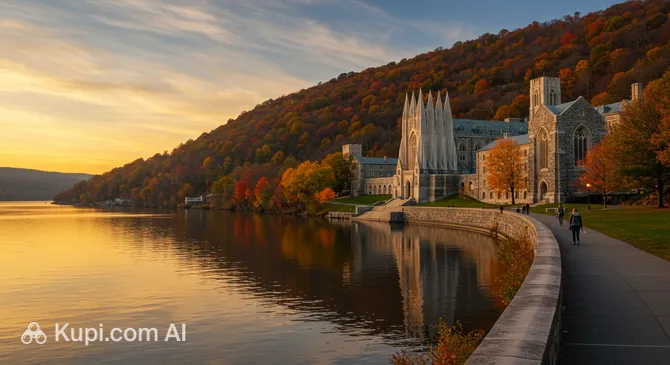
West Point offers a compelling mix of manicured landscapes and world-class historical collections that reflect its dual identity as a military fortress and an academic institution. The destination allows visitors to explore well-preserved fortifications and green spaces that offer both educational value and respite from the rigorous atmosphere of the academy.

For those seeking cultural immersion, the West Point Museum is the premier institution to visit. Located in Olmsted Hall just outside the main security gates, it is considered the oldest federal museum in the country. Its galleries are divided into specific themes, including the History of Warfare, American Wars, and the History of the US Army. Visitors are often captivated by the Large Weapons Gallery, which displays artillery pieces and tanks, as well as the impressive collection of military art and uniforms. It provides a comprehensive narrative that extends far beyond the academy itself, making it a must-see for history enthusiasts.

Another significant site that functions as both a museum and a historical landmark is Fort Putnam. Perched high above the main campus, this Revolutionary War-era fortification offers a seasonal window into the past. Inside the restored stone walls, visitors can explore exhibits detailing the fort's strategic construction and the daily lives of the soldiers who manned it. The climb to the fort is rewarded not only with historical artifacts but also with commanding views of the Hudson River, helping tourists understand why this location was deemed the "Gibraltar of the Hudson."

In terms of natural beauty and green spaces, Constitution Island serves as a unique preserve located directly across the river from the academy. Managed by the West Point garrison, this island is home to the historic Warner House and its surrounding Victorian gardens. During the summer months, visitors can take a boat tour to the island to walk its peaceful trails and admire the blooming landscapes that inspired the literary works of the Warner sisters. It is a quiet, verdant escape that contrasts with the stone and steel of the main post.

While often categorized as an attraction, Trophy Point functions as the area's most scenic park-like expanse. Overlooking the Hudson River's famous S-curve, this grassy promenade is lined with historic cannons and monuments. It is a favorite spot for visitors to stroll, take photographs, or simply sit and appreciate the dramatic topography of the Hudson Highlands. In the summer, this space comes alive with the "Music Under the Stars" concert series, turning the green slope into a vibrant open-air amphitheater.

For a truly unique and contemplative experience, consider a walk through the West Point Cemetery. While not a park in the traditional sense, this beautifully landscaped ground offers a serene atmosphere filled with old trees and historic monuments. It is the final resting place of many notable figures in American history, offering a quiet, reflective walk that feels worlds away from the busy visitor centers.

Getting Around

Navigating West Point is a unique experience that differs significantly from exploring a typical municipality due to its status as an active military installation. There is no public metro, tram, or city bus system that circulates freely within the academy grounds for general tourist use. For visitors, the primary and often exclusive mode of motorized transport onto the main post is the authorized West Point Tours bus. These buses are the only commercial vehicles permitted to traverse the historic core of the academy, providing a guided loop that stops at key landmarks.

Regarding payment and tickets, access to the tour buses requires purchasing a specific ticket rather than using a general travel pass or transit card. Tickets can be bought at the Visitor Control Center located just outside the main gates in Highland Falls. Prices vary depending on the duration of the tour—ranging from a standard one-hour overview to a more in-depth two-hour experience—and typically cost between $20 and $25 for adults. Major credit cards and cash are accepted at the ticket counter, but it is highly recommended to book in advance online during peak seasons, such as graduation weeks or autumn foliage periods, to guarantee a seat.

Practical advice for using this system revolves largely around security and timing. The tour buses operate on a strict schedule, usually running daily from morning until late afternoon, though hours are reduced in the winter. Before boarding, all passengers over the age of 16 must present a valid, government-issued photo ID. It is crucial to arrive at the Visitor Center at least 20 to 30 minutes before your scheduled departure to clear security screenings. Unlike typical public transport where you can hop on and off at will, these tours generally follow a set itinerary, although some longer tours may allow brief disembarkations at specific sites like Trophy Point.

For transportation outside the academy gates in the adjacent village of Highland Falls, alternatives such as taxis and rideshare apps (like Uber and Lyft) are available but have limitations. While these services can easily drop you off at the Visitor Center or the Thayer Hotel, they generally do not have the security clearance to enter the military post itself. Therefore, they are best used for getting to the entrance or moving between the visitor area and nearby train stations. Car rentals are an option for exploring the wider Hudson Valley, but remember that private vehicles without specific Department of Defense decals are mostly restricted to the visitor parking lots outside the gates.

A special feature of transport in this area is the seasonal West Point Ferry connection, although it is more of a regional link than internal city transport. During special events or football games, passenger ferries may operate from the east bank of the Hudson River (connecting with the Metro-North trains at Garrison Station) directly to the West Point dock. This offers a scenic and historic mode of arrival reminiscent of how cadets traveled in the 19th century. However, for most of the year, the "system" for a tourist consists simply of arriving at the gates and transferring to the official tour bus or exploring the compact village of Highland Falls on foot.

Accommodation

Accommodation options in West Point are relatively limited due to the specific nature of the destination as an active military post and a small historic community. The choices generally fall into two categories: the historic, upscale experience located directly at the academy's edge, and the more modest, convenient motels and inns found in the adjacent village of Highland Falls. For visitors seeking standard chain hotels or budget-friendly options, looking further afield to neighboring towns like Fort Montgomery or Newburgh is often necessary.

The most sought-after area for tourists is undoubtedly the immediate vicinity of the Main Gate and the village of Highland Falls. Staying here offers the distinct advantage of being within walking distance of the Visitor Control Center and the West Point Museum, eliminating the need to navigate parking restrictions on busy days. This area allows you to immerse yourself in the collegiate and military atmosphere, with local cafes and the Hudson River just a short stroll away.

The crown jewel of local hospitality is The Thayer Hotel. Situated right on the grounds of the academy, this historic hotel is more than just a place to sleep; it is a landmark in its own right. With its grand Gothic architecture and lobby dedicated to famous graduates, it offers a luxury experience that immerses guests in the academy's rich traditions. For those prioritizing history and convenience, this is the premier choice, though it comes with a higher price tag. In contrast, the surrounding village offers smaller, family-run motels and bed-and-breakfasts that provide comfortable, mid-range lodging.

Booking Tip: Timing is everything when planning a stay here. During major events such as graduation week in May or home football games in the autumn, accommodation is often booked out months—sometimes even a year—in advance. If your visit coincides with these peak times, it is essential to secure your reservation as early as possible. Conversely, visiting on a non-event weekday usually offers better availability and lower rates.

In terms of pricing, West Point tends to be higher than average for a town of its size due to the high demand and limited supply. The historic hotel falls into the luxury bracket, while nearby motels range from budget to mid-range. Booking is typically done through major online platforms or directly with the properties. For the best experience, especially if you are visiting for a specific ceremony or tour, verify the distance from the visitor center to ensure your morning logistics are smooth.

Nearby Cities

For those looking to explore the surroundings, West Point serves as an excellent base for day trips to several interesting nearby locations:

Carmel is a scenic destination located roughly 23 km away, known for its beautiful landscapes and the stunning Chuang Yen Monastery. This site houses the largest indoor statue of Buddha in the Western Hemisphere and offers peaceful grounds that are open to the public, making it a unique cultural retreat. The town is also home to Lake Gleneida, which provides picturesque views right in the center of the hamlet.

Another fascinating stop is Haverstraw, situated about 22 km from the academy at the widest point of the Hudson River. Once known as the "Brick-Making Capital of the World," the town retains a rich industrial history visible in its architecture. Today, visitors can enjoy its revitalized waterfront parks and explore the charming downtown area, which features a variety of diverse culinary options.

Ossining, located approximately 27 km away, offers a blend of history and outdoor activities. It is famous for the Old Croton Aqueduct State Historic Park, a linear park perfect for walking and learning about 19th-century engineering. Nature lovers will also appreciate the nearby Teatown Lake Reservation, a large nature preserve with miles of hiking trails and a dedicated education center.

City Population Distance (km)
Carmel 98,137 23
Cortlandt 42,495 16
Ossining 39,973 27
Haverstraw 38,872 22
Chester 32,819 27

These nearby destinations offer a glimpse into the diverse culture and landscapes of the region.

Shopping & Souvenirs

Shopping in West Point is a specialized experience largely centered around the town's military heritage and collegiate atmosphere. Unlike a sprawling metropolis filled with high-end fashion boutiques or department stores, the retail scene here is intimate and focused. Visitors will primarily find shops dedicated to United States Military Academy memorabilia, historical books, and local conveniences. For those seeking extensive retail therapy, the area serves as a quiet base with easy access to some of the region's most famous shopping destinations located just a short drive away.

The main hub for local shopping is Main Street in Highland Falls, the village immediately adjacent to the academy's gates. This walkable stretch offers a slice of small-town Americana, lined with independent businesses rather than big-box chains. Here, you can browse through quaint gift shops, local florists, and hardware stores that have served the community for decades. It is the perfect place to pick up unique items while enjoying the friendly, close-knit vibe of a town that lives and breathes military tradition.

While there are no large shopping malls within West Point itself, the area is famously close to one of the world's premier shopping destinations. Woodbury Common Premium Outlets is located in nearby Central Valley, approximately 17 kilometers away. This massive outdoor center features hundreds of designer outlet stores and attracts visitors from across the globe. It is a common itinerary for tourists to combine a morning history tour at the academy with an afternoon of bargain hunting at this renowned retail complex.

For a more local and seasonal experience, the Town of Highlands Farmers Market typically operates during the warmer months. Located in the village center, it showcases the agricultural bounty of the Hudson Valley. Visitors can find fresh produce, artisanal baked goods, local honey, and handcrafted items. It offers a charming opportunity to mingle with residents and taste the flavors of the region directly from the producers.

When it comes to souvenirs, the most popular items are undoubtedly those branding the "Army West Point" logo. The West Point Visitor Center Gift Shop and the West Point Museum Gift Shop are the best places to find authentic merchandise. Tourists frequently buy "Army" t-shirts, hoodies, and caps, as well as cadet-style grey apparel. Additionally, history buffs will appreciate the extensive selection of military history books, challenge coins, and scale models available at the museum store.

Store opening hours in the area generally follow standard American schedules. Most shops on Main Street and the official gift centers open around 9:00 AM or 10:00 AM and close by 5:00 PM or 6:00 PM. Sunday hours may be reduced. Payment is convenient, with major credit and debit cards (Visa, Mastercard, Amex) being universally accepted, even for small purchases. Cash is useful for smaller vendors at the farmers market but rarely necessary elsewhere.

Regarding taxes, New York State applies a sales tax to most purchases. However, international and domestic tourists alike can benefit from a specific exemption: clothing and footwear sold for less than $110 per item or pair are generally exempt from the state sales tax (though local taxes may still apply in some jurisdictions). This makes stocking up on apparel, especially at the nearby outlets, particularly appealing for savvy shoppers.

Reached the end of the page?

That means the route is fully explored