Support

Rutland

About

Welcome to Rutland, a vibrant city nestled in the heart of the Green Mountains of Vermont. Known for its welcoming community and scenic surroundings, Rutland offers a perfect blend of small-town charm and urban convenience. As the third-largest city in the state, it serves as a vital cultural and commercial hub, making it an excellent starting point for exploring the northeastern region of the United States.
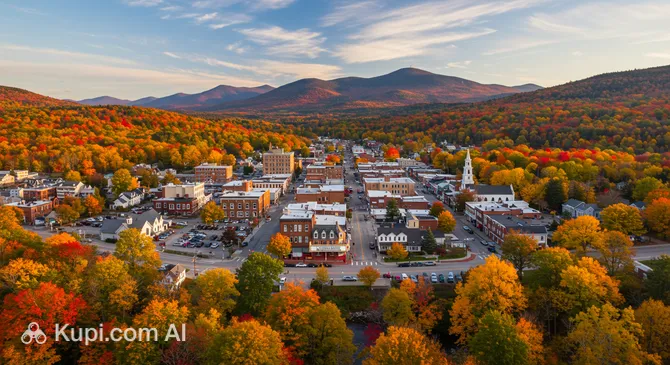
Rutland. Source: Kupi.Binoculars

Geographically, the city is situated in a valley surrounded by rolling hills and lush forests, providing stunning views year-round. With a population of approximately 16,000 residents, it maintains a cozy atmosphere while offering plenty of amenities for travelers. The city is famously known as the "Marble City" due to its rich industrial past. You can delve deeper into the history of Rutland and its legacy as a major marble producer by exploring the historic downtown area, which boasts remarkable architecture and intriguing street art.

Rutland is a paradise for outdoor enthusiasts and culture lovers alike. Pine Hill Park is a local favorite, featuring an extensive network of trails perfect for hiking, mountain biking, and trail running. For those interested in the arts, the historic Paramount Theatre is a must-visit; this beautifully restored 1914 opera house hosts a variety of live performances and events. Additionally, the city's proximity to world-class skiing destinations like Killington Resort and Pico Mountain makes it a premier base camp for winter sports adventures.

Whether you are visiting to conquer the mountain slopes, enjoy the vibrant fall foliage, or simply relax in a friendly New England town, Rutland has something special to offer. We invite you to discover the unique character and natural beauty of this delightful Vermont destination.

Weather Overview

Rutland features a distinct seasonal climate that shapes the local lifestyle and available outdoor activities. Visitors planning a trip should consult the detailed guide to weather in Rutland to ensure they are properly equipped for their stay. The region generally experiences a mix of comfortable summers and freezing winters, with precipitation occurring fairly regularly throughout the year.

Winter serves as the peak season for snow sports, with temperatures in January dropping to an average of -6.0°C and minimums around -10.3°C. December through February typically sees about 12 to 14 wet days per month, often resulting in snow accumulation. Conversely, the summer months provide a warm respite; July is the hottest time of year, boasting an average temperature of 21.4°C and daily highs reaching 26.2°C.

The transition seasons of spring and fall are cooler but scenic. By May, temperatures warm up to an average of 13.6°C, while October offers crisp air with averages around 10.4°C. In general, travelers can expect warm summers with occasional rain and cold winters.

Interesting Facts

Beyond the main attractions, Rutland holds many fascinating secrets and unique claims to fame that surprise even frequent visitors. This city’s history is woven with pop culture connections and industrial triumphs that go far beyond its scenic landscapes.
  • A Comic Book Icon: Surprisingly, Rutland is a recurring setting in the universes of both DC and Marvel comics. In the 1970s, writers who attended the city's famous Halloween Parade incorporated the event into storylines for Batman, The Avengers, and Thor, immortalizing the local festivities in ink.

  • Building a Nation: While the city is known as the "Marble City," the reach of its local stone is truly continental. Marble quarried from the surrounding region was used to construct iconic American structures, including the U.S. Supreme Court building and the Jefferson Memorial.

  • A Historic Gathering: The city hosts the Vermont State Fair, which traces its origins back to 1846. It stands as one of the oldest agricultural fairs in the United States, continuing a long tradition of celebrating local farming, crafts, and entertainment.

How to Get There

Reaching the heart of the Green Mountains is a convenient experience, with options ranging from direct flights to scenic train rides. Whether you are driving through the picturesque New England landscape or arriving by public transport, the journey is part of the adventure. For a detailed guide on planning your trip, you can read more about how to get to Rutland to find the route that best suits your needs.

Travelers looking to fly have a distinct local advantage: the city is served directly by the Rutland Southern Vermont Regional Airport, which offers convenient connections, typically from Boston. For a wider range of carriers and international connections, several regional hubs are situated within a reasonable driving distance. Lebanon Regional Airport (LEB) is the closest alternative, located approximately 53.6 km away. Many visitors also opt for Burlington International Airport (BTV), which is about 96.7 km north of the city. Additionally, Albany International Airport (ALB) in Latham serves as a major gateway, located 117.2 km away and providing numerous flight options.

Below is a summary of the main airports in the wider region:

Airport Name City Traffic Size Km from City
Albany International Airport Latham Large 117.2
Burlington International Airport Burlington Medium 96.7
Manchester Boston Regional Airport Manchester Medium 145.9
Plattsburgh International Airport Plattsburgh Small 122.1
Lebanon Regional Airport Lebanon Small 53.6

Rail travel is another excellent way to arrive, offering a relaxing trip through the countryside. Rutland is a key stop on Amtrak's Ethan Allen Express, which provides direct service between New York City and Vermont, bringing passengers right into the historic downtown area. For those connecting from other lines, the Albany–Rensselaer Station in Rensselaer is a significant rail hub located about 124.5 km away. While South Station in Boston is a major transportation center, it is situated further afield, approximately 209.8 km from Rutland.

Here are the railway stations that serve as entry points to the surrounding area:

Station City Traffic Size Km to Center
South Station Boston Very Large 209.8
Boston Back Bay Station Boston Large 208.9
Albany–Rensselaer Station Rensselaer Medium 124.5
St Lambert Railway Station Montreal Medium 214.1
Dorval Railway Station Montreal Small 213.2

Main Attractions

One of the most intriguing sites in the region is Wilson Castle, located just a short drive away in Proctor. This architectural gem is a genuine 19th-century estate featuring 32 rooms, 84 stained glass windows, and 13 fireplaces. Built with a blend of European styles, the castle offers visitors a glimpse into the Gilded Age with its lavish antique furnishings and museum-quality pieces. It is also famous for its ghost tours, as many locals and visitors believe the historic halls are haunted, adding a layer of mystery to the opulent surroundings.

For art enthusiasts, the Chaffee Art Center is a cultural cornerstone housed in the magnificent "Sunny Gables" mansion. This Queen Anne Victorian building is an attraction in itself, characterized by its unique turret and historic charm. Inside, the center serves as a vibrant hub for the visual arts, showcasing rotating exhibits of work by talented local and regional artists. It also hosts various workshops and community events, making it a lively spot to experience the creative spirit of Vermont.

Families traveling with children should not miss the Wonderfeet Kids' Museum, conveniently located in the downtown district. This interactive museum is designed to spark curiosity and imagination through hands-on exhibits and play-based learning. It features a variety of thematic areas where kids can explore everything from a pretend farmers market to science experiments, providing an engaging educational experience that keeps young visitors entertained for hours.

To fully appreciate the city's heritage as the "Marble City," visitors can explore the Downtown Sculpture Trail. This outdoor collection features a series of impressive marble statues honoring historical figures and local heroes who have shaped the region's history. Walking this trail offers a perfect opportunity to admire the local craftsmanship and learn about the area's rich industrial past while enjoying the atmosphere of the city streets.

Local Cuisine

The culinary landscape of Rutland reflects the wholesome, farm-to-table ethos that Vermont is famous for. Visitors will find a food scene grounded in fresh, locally sourced ingredients, ranging from hearty mountain comfort food to artisanal treats. The city serves as a gateway to the region's agricultural bounty, making it an excellent place to sample the authentic flavors of the Green Mountains, where simple ingredients are transformed into memorable meals.

No visit to this region is complete without indulging in Vermont maple syrup, which finds its way into breakfast classics and savory glazes alike. A quintessential local treat you must try is the Maple Creemee, a rich soft-serve ice cream flavored with real maple syrup that is a favorite among locals during the warmer months. Another staple is Vermont cheddar cheese, renowned for its sharpness and quality; you will often find it featured prominently in burgers, sandwiches, and rich macaroni and cheese dishes at local eateries.

When it comes to beverages, the area is a haven for craft beverage enthusiasts. Vermont has a world-class reputation for craft beer, and Rutland’s pubs and taprooms proudly serve a wide selection of hazy IPAs and stouts from nearby microbreweries. For a non-alcoholic option, fresh apple cider is a beloved drink, especially in the autumn. Whether enjoyed hot and spiced or cold-pressed, it perfectly captures the essence of the local harvest season.

The food culture here is relaxed and community-focused. While there are plenty of cozy restaurants and historic diners in the downtown area, the heart of the local food scene is arguably the Vermont Farmers Market. As one of the largest and most diverse markets in the state, it operates year-round—outdoors in the summer and indoors during winter. Here, tourists can mingle with residents while browsing stalls filled with fresh produce, artisan breads, local honeys, and prepared foods, offering a true taste of the community's spirit.

Travel Tips

Planning a trip to Rutland requires a bit of preparation to fully enjoy its outdoor beauty and small-town charm. Here are some practical tips to help you navigate the city and the surrounding Vermont landscape with ease.

  1. Clothing and Gear: Vermont weather is famously changeable, so layers are essential regardless of the season. In winter, thermal wear, a heavy coat, and waterproof boots are mandatory. Summers are generally pleasant, but evenings can be cool, so bring a light jacket. If you plan to explore Pine Hill Park, pack sturdy hiking boots.

  2. Transportation: While there is a local public transport service known as "The Bus" (Marble Valley Regional Transit District), routes and frequency can be limited for a tourist's needs. To truly explore the scenic byways and nearby ski resorts, renting a car is highly recommended. Ride-sharing apps are available but can be scarce, especially late at night.

  3. Finances: The official currency is the US Dollar (USD). Credit and debit cards are widely accepted at most restaurants and shops. However, it is wise to carry some cash for small purchases at the farmers market or rural country stores. Tipping is standard practice in the United States; expect to leave 18–20% for good service in restaurants.

  4. Health and Safety: Rutland is generally a safe destination, but standard travel precautions apply, such as locking your car doors. For medical emergencies, Rutland Regional Medical Center is the main facility in the area. Pharmacies like CVS and Walgreens are available for over-the-counter needs, though they may not be open 24 hours.

  5. Communication: English is the primary language spoken. Mobile coverage is generally good in the city limits, but signals can be spotty in the deep valleys of the Green Mountains; carriers like Verizon and AT&T tend to have the best reception in rural areas. Free Wi-Fi is commonly available in hotels, downtown cafes, and the public library.

  6. Local Etiquette: Vermonters are known for being down-to-earth and friendly. A polite "hello" or nod to passersby is common courtesy. If you are visiting during the fall foliage season, be mindful of leaf-peeping etiquette: pull over completely at safe spots to take photos rather than stopping in the middle of the road or blocking private driveways.

  7. What to Avoid: Do not underestimate winter driving conditions. If you visit between December and March, ensure your vehicle is equipped with snow tires or all-season tires with good tread. Avoid driving during active snowstorms if you are inexperienced with winter roads.

  8. Seasonal Awareness: Be aware of "Mud Season," which typically occurs in late spring (April to May) when melting snow turns unpaved roads into mud. During this time, some hiking trails may be closed to prevent erosion, so check local trail reports before setting out.

With these practical tips in mind, you are ready to experience the best of Rutland. Whether you are here for the winter sports or the summer festivals, a little preparation will ensure your visit to this charming Vermont city is smooth and memorable.

Entertainment & Nightlife

While Rutland is not known for a frenetic 24-hour clubbing scene, its nightlife offers a warm, spirited atmosphere that reflects the friendly character of Vermont. The evening action is concentrated almost entirely in the historic Downtown district, particularly along Center Street and Merchants Row. Here, the vibe is less about velvet ropes and dress codes, and more about cozy pubs, live local music, and enjoying a pint of craft beer after a day of hiking or skiing.

The crowd is typically a mix of laid-back locals and outdoor enthusiasts visiting the nearby mountains. For a lively evening, you can visit Strangefellows Pub, a popular spot known for its energetic atmosphere, frequent live music, and karaoke nights that draw a fun crowd. If you prefer a slightly more polished setting for cocktails and conversation, Two Shea's offers a welcoming environment with a great selection of drinks and a menu of comfort food that keeps the kitchen busy late into the evening.

For those seeking entertainment beyond traditional bars, Jax Food & Games provides a fun alternative with arcade games and a relaxed pub feel, making it a great place to socialize in a group. The dress code throughout the city is very casual; jeans, flannels, and boots are the standard uniform, especially during the winter months when the après-ski crowd descends from the slopes.

Most bars and venues stay open until around 2:00 AM on weekends, though things may wind down earlier on weeknights. Prices in Rutland are generally reasonable compared to larger cities or the resort areas at Killington. When it comes to getting around, the downtown area is compact and walkable. However, ride-sharing services like Uber and Lyft can be scarce late at night. It is highly advisable to have the number of a local taxi service saved in your phone or to arrange a ride in advance if you are staying outside the city center.

Rutland is generally safe for night walks, particularly in the well-lit downtown corridor where the venues are clustered. As with any city, it is best to stay in populated areas and avoid unlit shortcuts late at night. Before the sun goes down, the city offers other forms of entertainment. You can catch a movie at Flagship Premium Cinemas or enjoy a world-class performance at the Paramount Theatre, which serves as the cultural anchor of the city, transitioning seamlessly from daytime tours to evening shows.

Parks & Museums

Rutland invites visitors to explore a fascinating mix of lush landscapes and deep-rooted heritage, where the rugged beauty of the Green Mountains meets a legacy carved in stone. The city’s green spaces offer accessible adventures for nature lovers, while its cultural institutions preserve the stories and artistic traditions that define this unique corner of Vermont.

Pine Hill Park is the crown jewel of the city’s outdoor offerings, sprawling over 300 acres of diverse terrain. While it is a well-known destination for mountain bikers due to its 16 miles of single-track trails, it is also a haven for hikers and families seeking tranquility. The park features the Carriage Trail, a wider path that is gentle enough for casual walkers, leading visitors past craggy rock formations and dense woodlands. A hike here often rewards you with serene views of Rocky Pond, a perfect spot for a quiet picnic amidst nature.

For a more relaxed outdoor experience in the center of town, Main Street Park serves as a vibrant community hub. This classic New England green is anchored by a picturesque gazebo and surrounded by mature trees that offer welcome shade in the summer. It is a favorite gathering place for locals, frequently hosting craft fairs, concerts, and seasonal festivals. Just a short drive away, Aitken State Forest offers a more rustic escape, with trails that wind through hemlock and hardwood forests, providing a peaceful retreat for birdwatching and snowshoeing in the winter.

Rutland’s cultural scene is deeply intertwined with its industrial history, best experienced at The Carving Studio and Sculpture Center in nearby West Rutland. Located on the grounds of historic marble quarries, this unique site functions as both a working art education center and an open-air museum. Visitors can walk through the sculpture garden, observe artists at work, and see the massive, abandoned quarry pits that once supplied marble to monuments across the United States. It is a powerful place that connects the geological history of the land with human creativity.

To understand the daily life of the region's past, a visit to the Rutland Historical Society is essential. Housed in the historic Nickwackett Firehouse on Center Street, the society maintains a vast collection of artifacts, photographs, and documents. Exhibits often highlight the boom years of the railroad and marble industries, offering a detailed look at how these forces shaped the city's architecture and community identity. It is an excellent stop for genealogy buffs and history enthusiasts alike.

The city's architectural heritage is best admired by strolling through the Downtown Rutland Historic District. This area features a remarkable collection of 19th-century commercial buildings, many of which showcase local marble and brickwork. Notable landmarks include the old courthouse and the intricate facades along Merchants Row, which stand as a testament to the city's prosperous Gilded Age.

For a truly authentic experience, take a short drive north to the New England Maple Museum in Pittsford. While technically just outside the city limits, it is a cultural staple where you can learn about the evolution of sugaring from Native American techniques to modern methods. An insider tip for photographers: visit the abandoned quarries near the Carving Studio at sunset. The play of light on the sheer stone walls and the still water creates a moody, atmospheric setting that captures the industrial soul of the region perfectly.

Getting Around

Public transport in Rutland is primarily served by a network managed by the Marble Valley Regional Transit District (MVRTD), known locally as "The Bus." Given the city's modest size, there are no metro, tram, or trolleybus systems. Instead, the city relies on a fleet of buses and minibuses that cover the downtown area and provide vital connections to surrounding towns, shopping centers, and recreational areas. The system is designed to be a community service, offering a reliable way to navigate the region without a personal vehicle.

One of the most convenient aspects for visitors is the payment system. "The Bus" has historically operated on a fare-free basis for all riders on most routes, eliminating the need for travel passes, smart cards, or ticket validation. However, as policies can change, it is advisable to confirm the current status immediately upon arrival. If fares are in effect during your stay, they are typically very low, and you should be prepared to pay with exact cash change when boarding, as drivers cannot provide change.

For tourists planning to use the system, the Marble Valley Regional Transit Center located in the downtown area serves as the main hub. Here, you can obtain physical route maps and schedules, which are highly recommended as mobile data can sometimes be spotty in the surrounding valleys. Buses generally run from early morning until early evening, Monday through Saturday. It is important to note that service on Sundays is often limited or non-existent on many routes, so you should plan your weekend travel accordingly.

A special feature of the local transport network, particularly valuable for winter visitors, is the seasonal connection to the ski slopes. During the ski season, specific routes like the "Diamond Express" connect the city directly to Killington Resort. These buses are equipped to accommodate skiers and snowboarders, offering a stress-free alternative to driving on snowy mountain roads. Using this service allows you to enjoy the scenery without worrying about parking or winter driving conditions.

When the buses stop running in the evening, or if you need to travel on Sundays, you will need to rely on alternatives. Local taxi companies are the most reliable option for late-night transportation and should be called in advance. Rideshare apps like Uber and Lyft are available but can be scarce and unpredictable, especially during off-peak hours. For those staying within the historic downtown district, walking is a pleasant and viable option, while renting a car remains the best choice for total freedom to explore the wider countryside.

Accommodation

Finding the right place to stay in Rutland is straightforward, as the city serves as a practical and affordable basecamp for the entire region. Unlike the resort-heavy atmosphere of nearby Killington, Rutland offers a mix of reliable chain hotels, classic American motels, and charming bed-and-breakfasts. The accommodation landscape here is designed to cater to outdoor enthusiasts, families, and business travelers who appreciate convenience and value.

The majority of the city's lodging options are clustered along US Route 7 (South Main Street). This commercial strip is the hospitality hub of Rutland, hosting familiar brand-name hotels that provide consistent amenities such as complimentary breakfast, swimming pools, and ample parking. Staying here offers easy access to restaurants and shopping centers, making it a convenient choice for travelers with cars who plan to spend their days exploring the Green Mountains.

For those seeking a more authentic Vermont experience, there are several historic inns and guest houses located near the Downtown district and in the quieter residential neighborhoods. These establishments often occupy restored Victorian homes, offering a cozy atmosphere with personalized service. They are ideal for couples or visitors looking to immerse themselves in the local history and architecture rather than just finding a place to sleep.

Travelers visiting for winter sports often choose Rutland as a strategic alternative to staying slopeside. Hotels here are typically more budget-friendly than the luxury lodges at Killington or Pico Mountain, yet they are only a short drive or bus ride away from the lifts. Many local hotels offer shuttle services or ski-and-stay packages during the winter months, adding extra value to your trip.

Booking Tips: It is crucial to plan ahead depending on the season. During the peak fall foliage season (late September to mid-October) and the height of the ski season (December to March), rooms can fill up quickly, and prices tend to rise significantly. If you are planning a visit during these popular times, securing your reservation several months in advance is highly recommended to ensure availability and the best rates.

Nearby Cities

For those looking to explore the surroundings, Rutland serves as an excellent base for day trips to several interesting nearby locations.

Just a scenic drive north lies Burlington, Vermont's largest city and a vibrant cultural hub located on the shores of Lake Champlain. It is renowned for the Church Street Marketplace, an award-winning open-air mall filled with street performers, local boutiques, and cafes. Visitors can enjoy a stroll along the waterfront park, visit the ECHO Leahy Center for Lake Champlain, or explore the city's thriving arts scene.

Crossing the state border into New York, Saratoga Springs offers a completely different atmosphere steeped in history and elegance. Famous for the Saratoga Race Course, it is a premier destination for horse racing enthusiasts during the summer. Beyond the track, the city is known for its naturally carbonated mineral springs, the Saratoga Spa State Park, and a charming downtown area lined with Victorian architecture and fine dining establishments.

Closer to Rutland, the area around Glens Falls and Queensbury serves as the gateway to the Adirondack Mountains. This region provides access to the stunning Lake George, often called the "Queen of American Lakes," offering abundant opportunities for boating, hiking, and family-friendly attractions. Glens Falls itself features the Hyde Collection, a historic house and art museum, making it a worthwhile stop for culture lovers.

City Population Distance (km)
Burlington 137096 98
Saratoga Springs 66290 88
Glens Falls 66024 64
Queensbury 28914 62
Halfmoon 25442 103

These nearby destinations offer a glimpse into the diverse culture and landscapes of the region.

Shopping & Souvenirs

Shopping

Shopping in Rutland offers a relaxed and authentic Vermont experience, distinct from the hustle of large metropolitan retail hubs. The city provides a mix of historic downtown boutiques, practical shopping centers, and specialty stores that cater to both locals and visitors. While it is not a destination for high-end luxury fashion, it is an excellent place to find high-quality outdoor gear, unique antiques, and locally crafted goods that reflect the region's heritage.

The heart of the local shopping scene is the historic Downtown District, particularly along Merchants Row and Center Street. This walkable area is lined with beautifully preserved architecture housing independent bookstores, gift shops, and clothing boutiques. It is the perfect spot to browse for one-of-a-kind items, from handmade jewelry to vintage treasures, all while enjoying the small-town atmosphere.

For those looking for well-known brands and larger department stores, the commercial corridor along US Route 7 (South Main Street) is the primary destination. Here, you will find several shopping plazas, such as Rutland Plaza and Green Mountain Plaza. These centers offer a variety of convenient options, including supermarkets, pharmacies, and national retail chains, making it easy to pick up travel essentials or groceries for your stay.

A highlight for any visitor is the Vermont Farmers Market, which serves as a vibrant marketplace for more than just food. While it is famous for its fresh produce, it is also a treasure trove for shoppers seeking local crafts. You can find hand-knitted woolens, artisan soaps, pottery, and woodwork directly from the makers. It is an ideal place to support the local economy and find meaningful gifts that carry the spirit of the Green Mountains.

When it comes to souvenirs, maple syrup is the quintessential Vermont purchase; look for decorative glass bottles or maple-infused candies. Given the city's nickname as the "Marble City," items crafted from local marble, such as coasters or small sculptures, make for unique and lasting mementos. Additionally, flannel clothing and high-quality wool socks are popular practical buys that will keep you warm long after your trip has ended.

Most shops in the downtown area operate from around 10:00 AM to 5:00 PM or 6:00 PM, Monday through Saturday, with reduced hours or closures on Sundays. The larger stores along Route 7 typically stay open later, often until 9:00 PM, and are open seven days a week. Credit and debit cards are universally accepted, though carrying a small amount of cash is recommended for smaller vendors at the farmers market.

Travelers should be aware that the United States does not typically offer a Value Added Tax (VAT) refund system for international tourists. In Vermont, a state sales tax is applied to most purchases, though some items like clothing and groceries may be exempt depending on the specific local regulations. The price you see on the shelf usually does not include tax, which will be added at the register.

Reached the end of the page?

That means the route is fully explored