Support

Val-d'Or

About

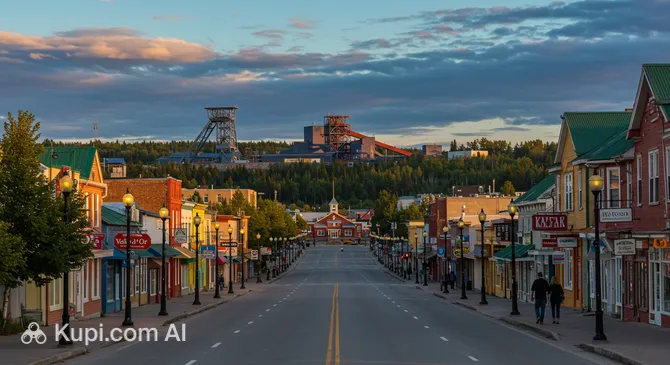
Welcome to Val-d'Or, a vibrant city located in the heart of the Abitibi-Témiscamingue region in Quebec, Canada. Known poetically as the "Valley of Gold," this municipality serves as a crucial commercial and industrial hub for the area. With a population of approximately 32,000 residents, it offers a warm, welcoming atmosphere that perfectly blends urban amenities with the rugged beauty of the north.

Val-d'Or. Source: Kupi.Binoculars

The city's identity is deeply rooted in its natural resources. As its name suggests, the discovery of precious metals played a pivotal role in its development. Visitors interested in the past can explore the rich history of Val-d'Or, which paints a vivid picture of the gold rush era that shaped the community. A must-visit landmark is the Cité de l'Or, where tourists can descend hundreds of feet underground to experience the life of a miner, or walk through the historic Bourlamaque Mining Village, a site filled with charming log houses that have stood the test of time.

Beyond its industrial heritage, Val-d'Or is a sanctuary for outdoor enthusiasts. Surrounded by vast boreal forests and shimmering lakes, the area is a paradise for fishing, hunting, and hiking. In the winter, the region transforms into a premier destination for snowmobiling, boasting miles of pristine trails. Whether you are drawn by the allure of gold mining lore or the call of the wild, Val-d'Or invites you to discover its unique charm and hospitality.

Weather Overview

The climate in this region is continental, marked by significant differences between the seasons. Winters are typically cold, with January seeing an average temperature of -9.6°C and minimums often dropping to -14.0°C. By contrast, the summer months bring pleasant warmth; July is usually the hottest time of year, with an average temperature of 20.9°C and highs reaching up to 25.7°C.

Precipitation is frequent but generally light throughout the year, with accumulation levels staying between 2mm and 4mm per month. Travelers should expect warm summers with occasional rain and cold winters that are ideal for snow sports, as "wet days" occur about 10 to 14 times a month. To help you pack the right gear for your specific travel dates, it is helpful to consult the detailed guide on the weather in Val-d'Or before your journey.

Interesting Facts

Beyond its well-known reputation as a mining hub, Val-d'Or holds several fascinating historical quirks and unique features that often surprise visitors. Here are some little-known facts about this resilient northern city:
  • A "Mushroom City" Origin: Unlike many planned communities, Val-d'Or earned the nickname "Ville Champignon" (Mushroom City) because it sprang up almost overnight in the mid-1930s. It began as a chaotic settlement of squatters drawn by the gold rush before formally organizing into a municipality.

  • Inhabited History: The Bourlamaque Mining Village is not just a museum piece; it is a living heritage site. The charming log cabins, originally built to house miners in 1935, are still occupied by residents today, making it a rare example of a functional historic district.

  • Deep Underground Access: Val-d'Or offers one of the few opportunities in the world to descend 91 meters (300 feet) underground into a real former gold mine. The Cité de l'Or allows visitors to walk the drifts of the historic Lamaque Mine, seeing firsthand where the "valley of gold" got its name.

  • Cold War Sentinel: For decades, the city served a critical strategic role during the Cold War. It hosted a Canadian Forces base designed to intercept potential aerial threats from the north, leaving a legacy of military infrastructure that shaped the local airport and community.

How to Get There

Planning a trip to Val-d'Or requires considering its location in the vast Abitibi-Témiscamingue region. Unlike destinations in the densely populated southern corridor, this city is best reached by specific routes suited to its northern geography. You can find more about how to get to Val-d'Or and the available transport options on our dedicated page. Visitors typically arrive by air or via a scenic road trip, as the city serves as a central hub for the surrounding area.

For air travelers, the most direct option is flying into the local Val-d'Or Airport (YVO), which handles regional flights. International and long-distance visitors usually connect through a major gateway. Montreal-Pierre Elliott Trudeau International Airport is the primary hub for the province, offering regular connecting flights to Val-d'Or. Travelers may also consider Ottawa Macdonald–Cartier International Airport, though it is important to note that Val-d'Or is a significant distance away, requiring a connecting flight or a drive of several hours from the capital.

Driving is a popular choice for those who want to experience the landscape. Route 117 connects Val-d'Or directly to Montreal and the Laurentians, winding through beautiful boreal forests. Regarding rail travel, please be aware that there is no direct passenger train service to Val-d'Or. The nearest major railway stations are located in Montreal and Ottawa, far to the south. Consequently, train travel must be combined with intercity bus services or a rental car to complete the journey to the "Valley of Gold."

Main Attractions

One of the most immersive experiences in the region is the Cité de l'Or, a historic site that allows visitors to step into the boots of a miner. This attraction centers around the former Lamaque Mine, which played a crucial role in the city's development. The highlight for many is the underground tour, where you can descend 91 meters (300 feet) into the earth to explore the drifts and see the mining equipment used decades ago. Above ground, the site features an analysis laboratory and exhibitions that explain the geological and chemical processes of gold extraction, offering a comprehensive look at the industry that built the town.

Adjacent to the mine is the Village minier de Bourlamaque, a designated historic district that freezes time in the 1930s. Built by the Lamaque Gold Mines company to house its workers, this charming neighborhood consists of dozens of authentic log cabins that are still inhabited today. Walking through its streets feels like a journey back to the pioneer era. Visitors can explore a historic house museum to see how families lived during the gold rush or simply enjoy the unique architecture of this well-preserved community.

For nature lovers, the Forêt récréative de Val-d'Or is a premier destination located just minutes from the city center. This sprawling 50-square-kilometer park is a playground for outdoor enthusiasts in every season. In the summer, its network of trails attracts hikers and mountain bikers, while winter transforms the forest into a hub for cross-country skiing, snowshoeing, and ice skating on a magical wooded path. It is the perfect spot to disconnect and enjoy the fresh northern air.

Culture seekers should not miss the VOART Centre d'exposition de Val-d'Or. This dynamic cultural venue is dedicated to the visual arts, showcasing works by local, regional, and international artists. The center hosts a variety of rotating exhibitions that range from painting and sculpture to photography and new media. It serves as a creative hub for the community, offering workshops and events that provide insight into the region's artistic expression.

Another significant natural attraction nearby is the Réserve faunique La Vérendrye. Although it covers a vast territory extending beyond the city, it is a key part of the region's appeal for anglers, canoeists, and campers. With thousands of lakes and rich wildlife, it offers a true wilderness experience for those looking to explore the rugged beauty of the Canadian Shield surrounding Val-d'Or.

Local Cuisine

The culinary scene in Val-d'Or is a delightful reflection of its northern geography and warm community spirit. Visitors can expect hearty, comforting meals that blend traditional Quebecois classics with ingredients sourced directly from the surrounding boreal forests and lakes. The food culture here is unpretentious and generous, focusing on fresh, high-quality local products served in a friendly, casual atmosphere.

When it comes to must-try dishes, Walleye (known locally as doré) sits at the top of the list. Given the region's abundance of freshwater lakes, this mild and flaky fish is a staple on many menus, often pan-fried to perfection or served as a fish and chips platter. It is a poetic culinary nod to the city's name, the "Valley of Gold." Another essential experience is authentic poutine. In Val-d'Or, you will find this famous dish prepared with fresh, squeaky cheese curds produced in the Abitibi-Témiscamingue region, often topped with rich gravy and sometimes enhanced with local game meat or minced beef.

For those with a sweet tooth, the region's wild berries are a true treasure. During the summer harvest, blueberries and raspberries feature prominently in desserts, jams, and pastries. You might also encounter bannock, a traditional Indigenous bread that is increasingly appearing in local culinary events, honoring the heritage of the First Nations communities in the area.

The beverage scene in Val-d'Or is thriving, driven by a passion for craft brewing. The city is home to popular microbreweries that have become social hubs for both locals and tourists. Here, you can sample unique craft beers often named after mining terms or local legends, ranging from hoppy IPAs to dark, robust stouts. These establishments usually offer a pub-gastronomy menu that pairs perfectly with their drinks, making them an ideal spot to relax after a day of exploring.

To truly experience the local vibe, a visit to the Val-d'Or Public Market (Marché public de la Vallée-de-l'Or) is highly recommended during the summer months. It is a bustling gathering place where you can meet regional producers, taste artisanal cheeses, buy fresh maple products, and enjoy the lively community atmosphere. Whether you are dining in a downtown bistro or grabbing a quick bite at a roadside diner, the food in Val-d'Or is served with a side of northern hospitality.

Travel Tips

Visiting Val-d'Or offers a unique glimpse into the rugged beauty and industrial heritage of northern Quebec, but the region’s specific geography and climate require a bit of preparation. To help you enjoy a smooth and memorable trip to the "Valley of Gold," here are some practical tips to keep in mind before you pack your bags.

  1. Clothing and Gear: The contents of your suitcase should depend entirely on the season. For a winter visit, heavy-duty gear is non-negotiable; bring a thermal parka, insulated boots, gloves, and a hat to handle temperatures that often drop below -20°C. In summer, the weather is pleasant, but you should pack a light rain jacket and comfortable walking shoes. Crucially, if you plan to explore the forests in June or July, bring high-quality insect repellent, as black flies and mosquitoes can be intense in this region.

  2. Transportation: While the city center is compact, the best way to explore Val-d'Or and the surrounding Abitibi-Témiscamingue region is by renting a car. Distances between attractions and nature parks can be significant. The city operates a specialized public transit system known as "Taxibus" (shared taxis following specific routes), but it requires advance registration and booking, which can be complicated for short-term visitors. Standard taxis are available but can be pricey for longer distances.

  3. Finances: The local currency is the Canadian Dollar (CAD). Credit and debit cards are widely accepted in hotels, restaurants, and most shops. However, it is wise to carry a small amount of cash for smaller purchases at convenience stores or the local public market. Tipping is standard practice in Quebec; expect to leave 15% to 20% of the bill at restaurants and bars, and a few dollars for taxi drivers.

  4. Health and Safety: Val-d'Or is a very safe city for tourists with low crime rates. For medical emergencies, dial 911. There is a local hospital and several pharmacies (such as Jean Coutu or Pharmaprix) where you can buy over-the-counter medicine; check their hours as not all are open 24/7. If you are driving on highways outside the city, especially at dawn or dusk, remain vigilant for moose and deer crossing the road.

  5. Communication: The primary language spoken in Val-d'Or is French. While staff in hotels and major tourist attractions like Cité de l'Or generally speak English, it is not universally spoken in smaller shops or by all locals. Downloading a translation app is helpful. Visitors will appreciate the effort if you learn a few basic phrases, such as "Bonjour" (Hello) and "Merci" (Thank you).

  6. Local Etiquette: People in this region are known for their warm and unpretentious hospitality. A firm handshake is a common greeting. When entering a shop or interacting with service staff, it is polite to greet them with a "Bonjour" immediately. If you are invited to a local's home, it is customary to remove your shoes at the door, especially in winter to avoid tracking in snow and slush.

  7. What to Avoid: Do not assume that you can access any forest road or trail with a standard vehicle; logging roads are active and can be rough, so stick to marked tourist routes unless you have a suitable truck and knowledge of the area. Additionally, avoid starting a conversation in English without first asking "Parlez-vous anglais?" (Do you speak English?)—it is a sign of respect for the local culture.

  8. Seasonal Tip: If you are visiting in winter to enjoy snowmobiling, be aware that the trails are meticulously managed by local clubs. You must purchase a trail permit to use them legally. In summer, shops may close earlier on weekends compared to major metropolitan areas, so plan your shopping trips or grocery runs before 5:00 PM on Saturdays and Sundays to be safe.

By keeping these practicalities in mind, you will be well-equipped to navigate the local customs and climate with ease. Val-d'Or is a community that prides itself on resilience and hospitality, and a little preparation ensures you can focus entirely on exploring its rich history and stunning natural landscapes.

Entertainment & Nightlife

Despite its northern location and industrial roots, Val-d'Or boasts a surprisingly energetic nightlife scene that caters to locals and visitors alike. As the sun sets, the city transitions from a busy commercial hub into a lively destination for evening entertainment. The heart of the action is undoubtedly found along 3rd Avenue (3e Avenue), the city's main artery. This bustling strip is lined with a variety of establishments, ranging from cozy pubs and sports bars to energetic venues where the music plays late into the night. The atmosphere here is characteristically warm and unpretentious, reflecting the friendly nature of the Abitibi-Témiscamingue region.

For those seeking a taste of local flavor, Microbrasserie Le Prospecteur is a must-visit destination. Located directly on 3rd Avenue, this craft brewery is a favorite among residents for its wide selection of house-made beers, which often feature names inspired by the region's mining history. The venue offers a relaxed pub atmosphere with a menu of hearty comfort food, and during the warmer months, its rooftop terrace is the perfect spot to enjoy a drink under the stars. It serves as a central social hub where you can easily strike up a conversation with locals.

If you prefer a mix of dining and live entertainment, Bar Bistro L'Entracte offers a slightly more refined yet accessible experience. Situated near the city's cultural district, this venue is known for its "supper club" vibe, often hosting blues musicians and intimate performances that complement its dinner service. For sports enthusiasts, La Cage – Brasserie Sportive provides an electrifying atmosphere on game nights, with giant screens and a high-energy crowd cheering on their favorite hockey teams. It is a staple of the Quebec nightlife scene and a reliable spot for a fun evening out.

When planning your night out, keep in mind that the dress code in Val-d'Or is generally casual; jeans and a nice top are acceptable almost everywhere. The bars typically stay open until 3:00 AM, similar to major cities like Montreal. While the downtown area is safe for walking in the early evening, it is advisable to take a taxi if you are returning to your accommodation late at night, especially during the cold winter months. Taxis are readily available, but it is a good idea to have a local taxi number saved on your phone or ask the bar staff to call one for you.

Beyond the bars and clubs, Val-d'Or offers several options for daytime and early evening entertainment. Culture lovers can check the schedule at the Théâtre Télébec, which hosts a variety of concerts, comedy shows, and theatrical plays throughout the year. For a more relaxed afternoon, the local cinema screens the latest releases, offering a perfect indoor activity on rainy or snowy days. Whether you are looking for a wild night on the town or a quiet cultural experience, this northern city has plenty to offer.

Parks & Museums

Val-d'Or is a city where industrial history and natural beauty coexist seamlessly, offering visitors a mix of educational cultural venues and expansive green spaces. Whether you are looking to delve into the region's artistic expression or escape into the tranquility of the boreal forest, the city provides a variety of parks and museums that reflect its unique northern identity.

Key Parks and Green Spaces

One of the most beloved outdoor areas is the Forêt récréative de Val-d'Or. Spanning over 50 square kilometers on the edge of the city, this urban forest is a true sanctuary for nature lovers. It features a comprehensive network of trails that cater to hikers, runners, and cyclists in the summer, while transforming into a wonderland for cross-country skiing and snowshoeing during the winter months. Its proximity to the city center makes it an accessible escape where you can quickly immerse yourself in the dense vegetation of the Canadian Shield.

For those seeking water-based recreation, Parc Lemoine is a significant destination located a short drive from downtown. Situated on the shores of Lake Lemoine, this park is home to a popular campground and a sandy beach that draws families on warm summer days. It is an excellent spot for picnicking, swimming, or launching a boat to explore the waterways. The park also hosts various outdoor events and offers a picturesque setting for watching the sunset over the lake.

Museums and Galleries

The cultural heartbeat of the city is often found at the VOART Centre d'exposition de Val-d'Or. This public art gallery plays a pivotal role in the community by showcasing contemporary works from regional, national, and international artists. The exhibitions change regularly, covering diverse mediums such as sculpture, painting, and photography. It is a quiet, contemplative space that allows visitors to engage with the creative spirit of the Abitibi-Témiscamingue region.

While the mining village itself is a large attraction, the Maison historique du Village minier de Bourlamaque serves as a specific museum experience within the district. This restored log home invites tourists to step inside and see exactly how a mining family lived in the 1930s and 40s. Filled with period furniture and artifacts, it offers an intimate and tangible connection to the daily lives of the pioneers who built the community, providing a human scale to the industrial history of the area.

Historical and Architectural Sites

Architecture enthusiasts will appreciate the rustic charm of the Bourlamaque Mining Village. Designated a historic site, its streets are lined with over 80 authentic log cabins that have been preserved since the city's founding. Another notable landmark is the city's Water Tower, which stands as a recognizable beacon of Val-d'Or's municipal infrastructure. Additionally, the Saint-Sauveur Church is worth a look for its architectural presence, serving as a spiritual anchor in the community for decades.

Authentic Experiences

For a lesser-known local experience, take a stroll through the Sentier de la nature (Nature Trail) near the CEGEP campus if you want a quick dose of fresh air without leaving the urban area. In the winter, locals know that the skating path in the Forêt récréative is one of the most magical spots in town, especially when lit up in the evening, offering a peaceful atmosphere away from the bustling snowmobile trails.

Getting Around

The public transport system in Val-d'Or is quite unique compared to larger metropolitan areas. Instead of a traditional network of large buses or a metro, the city operates a service known as Taxibus. This system utilizes a fleet of shared taxis and, in some cases, small buses that follow specific routes but operate on an on-demand basis. It is designed to cover both urban and rural sectors of the municipality, picking up passengers at designated stops marked with blue signs throughout the city.

For visitors, using the Taxibus system requires a bit of planning. Unlike a standard bus where you can simply hop on, you must reserve your ride at least one hour in advance by calling the dispatch center or using their online reservation portal. The service operates seven days a week, but dispatch hours for making reservations may vary on weekends. Payment is typically made with exact cash upon boarding or with prepaid tickets purchased at various points of service in the city. It is important to note that for long-term use, a user card with a photo is often required, so this option is best suited for those staying in Val-d'Or for an extended period.

For short-term tourists, the most practical alternatives are standard private taxis or ride-sharing services. Companies like Taxi 24 and Taxi 117 offer reliable 24/7 service and can be hailed by phone. Uber is also available in Val-d'Or, providing a familiar and convenient app-based option for getting around without the need for advance booking. These services accept credit cards and are generally the hassle-free choice for getting to and from the airport or moving quickly between attractions.

Given the vast nature of the Abitibi-Témiscamingue region, renting a car is highly recommended for travelers who want the freedom to explore at their own pace. Several major rental agencies operate in the city and at the airport. However, if you stick to the downtown area (Centre-ville), the city is quite walkable. You can easily explore 3rd Avenue, the main commercial artery, on foot to visit local shops, restaurants, and microbreweries.

Accommodation

Finding the right place to stay in Val-d'Or is straightforward, as the city offers a practical selection of accommodations designed to meet the needs of both business travelers and tourists. The options primarily range from reliable mid-range hotels and convenient roadside motels to a few charming bed-and-breakfasts. While you will not find ultra-luxury resorts here, the hospitality standards are high, with many establishments providing comfortable amenities, on-site dining, and a warm northern welcome.

When choosing a location, most travelers will find themselves along 3rd Avenue (3e Avenue), which runs through the entire city and serves as the main artery for accommodation. Staying in the downtown section of this avenue places you within walking distance of local restaurants, microbreweries, and the vibrant nightlife. As the avenue extends and connects with the Route 117 corridor, it hosts several well-known chain hotels and classic motels. This main highway strip is particularly convenient for those arriving by car, offering larger properties with ample parking and easy access to the airport and surrounding nature.

Because Val-d'Or is a major commercial and industrial hub for the region, accommodation can fill up quickly, particularly during the workweek when business travelers are in town. It is highly recommended to book your room in advance, especially if your visit coincides with a mining conference or a local hockey tournament. Weekends tend to be slightly quieter, but securing your spot early ensures you get the best choice of rooms.

In terms of pricing, the city is generally affordable compared to larger metropolitan centers. Most travelers can expect a mid-range price point for the major chain hotels, while motels offer budget-friendly alternatives without sacrificing cleanliness or comfort. Booking is easily managed through major online travel platforms, though contacting smaller inns directly can sometimes yield better rates or specific room requests.

Nearby Cities

For those looking to explore the surroundings, Val-d'Or serves as an excellent base for day trips to several interesting nearby locations. The Abitibi-Témiscamingue region is vast, but a short drive connects you to other communities that share the area's rich mining heritage and natural beauty.

Just a short drive west lies the town of Malartic, which is famous for hosting one of the largest open-pit gold mines in Canada. Visitors can stop by the Musée minéralogique de l'Abitibi-Témiscamingue to view impressive geological collections and learn more about the earth's treasures. It is a fascinating complement to the underground experiences available in Val-d'Or, offering a different perspective on the industry that drives the local economy.

Heading north, the city of Amos offers a unique mix of culture and nature. It is home to the renowned Refuge Pageau, a shelter for wild animals where visitors can see moose, wolves, and bears up close while learning about rehabilitation efforts. Amos is also known for its stunning architecture, particularly the Cathédrale Sainte-Thérèse-d'Avila, a Roman-Byzantine style masterpiece that dominates the skyline and provides a striking contrast to the rugged wilderness surrounding it.

City Population Distance (km)
Ottawa 989567 47
Gatineau 276245 44
Cornwall 46589 78
Clarence-Rockland 24512 13
Russell 16520 45

These nearby destinations offer a glimpse into the diverse culture and landscapes of the region. Whether you are interested in wildlife conservation, architectural landmarks, or modern mining operations, a day trip from Val-d'Or provides a rewarding expansion to your northern adventure.

Shopping & Souvenirs

Shopping in Val-d'Or offers a pleasant mix of urban convenience and regional charm, catering to both the practical needs of travelers and those seeking unique local treasures. While the city is not a massive retail metropolis, it serves as the commercial hub for the Abitibi-Témiscamingue region. Visitors can expect to find everything from familiar big-box stores to intimate boutiques that showcase the creativity and heritage of northern Quebec.

The heart of the local shopping scene is located downtown, particularly along 3rd Avenue (3e Avenue). This bustling main street is perfect for a leisurely stroll, lined with a variety of independent shops, clothing boutiques, and specialty stores. Here, you can find fashion, jewelry, and gifts in a friendly, walkable atmosphere. The area is also dotted with cafes and restaurants, making it easy to take a break and enjoy the local vibe between purchases.

For a more concentrated retail experience, the Carrefour du Nord-Ouest is the city's primary shopping mall. Located conveniently within the urban area, this center houses a wide range of major retailers, electronics stores, and fashion brands. It serves as a one-stop destination for travelers who need to restock on supplies, buy outdoor gear for their adventures in the surrounding forests, or simply browse well-known Canadian and international chains.

To truly taste the flavor of the region, a visit to the Val-d'Or Public Market (Marché public de la Vallée-de-l'Or) is highly recommended, especially during the summer season. This lively gathering place brings together local farmers, artisans, and producers. It is the best spot to find fresh seasonal produce, homemade jams, maple products, and handcrafted items. The market offers a genuine connection to the community and a chance to support the local economy directly.

When it comes to souvenirs, Val-d'Or offers several unique options that reflect its identity. Given the city's nickname, the "Valley of Gold," jewelry or keepsakes related to mining history are popular choices. Additionally, the region has a strong Indigenous presence, so look for authentic First Nations art and handicrafts, such as moccasins or beadwork. Foodies should keep an eye out for boreal forest products, including herbal teas, wild berry spreads, and artisanal chocolates made by local confectioners.

Store opening hours in Val-d'Or generally follow standard Quebec customs. Most shops are open from 9:30 AM to 5:30 PM on Mondays through Wednesdays. On Thursdays and Fridays, stores typically stay open later, often until 9:00 PM, to accommodate evening shoppers. Saturday hours are usually from 9:00 AM to 5:00 PM, while Sunday hours are often reduced, typically from 12:00 PM to 5:00 PM. Credit and debit cards are universally accepted, though carrying a small amount of cash is useful for smaller vendors at the public market.

Travelers should be aware that the price displayed on items does not include sales tax. In Quebec, a combination of the federal Goods and Services Tax (GST) and the provincial Quebec Sales Tax (QST) is added at the register, totaling approximately 15% of the purchase price. There is currently no tax refund program available for international tourists in Canada, so visitors should budget accordingly for this additional cost at checkout.
Reached the end of the page?

That means the route is fully explored