Support

Montreal

About

Montreal is a captivating metropolis that effortlessly blends North American energy with European charm. As the largest city in the province of Quebec and the second-largest in Canada, it serves as a vibrant cultural hub renowned for its festivals, arts scene, and joie de vivre. The city's unique atmosphere is defined by its bilingual heritage, where English and French coexist against a backdrop of historic architecture and modern skyscrapers.

Geographically, the city is situated on an island in the Saint Lawrence River, dominated by the distinctive three-peaked hill known as Mount Royal. With a metropolitan population of over 3.5 million people, it is a bustling urban center that experiences four distinct seasons, ranging from warm, sunny summers to snowy, picturesque winters. This climatic variety adds to the city's dynamic character, offering different activities and landscapes throughout the year.
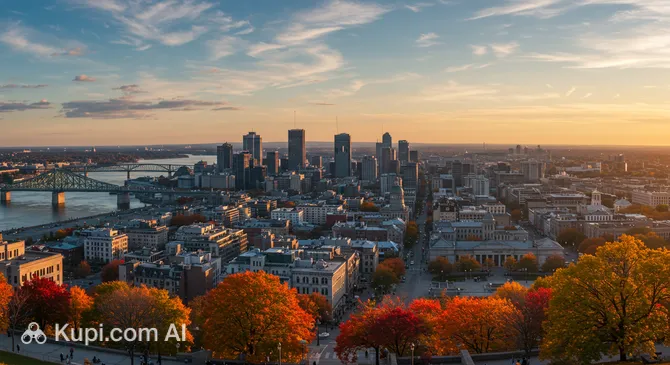
Montreal. Source: Kupi.Binoculars

Exploring the streets offers a journey through time, allowing visitors to uncover the rich history of Montreal. The city was founded in 1642, and nowhere is this heritage more visible than in Old Montreal (Vieux-Montréal). Here, cobblestone streets, grand squares, and horse-drawn carriages transport travelers back to the 17th century, creating a romantic and nostalgic ambiance that is rare in North America.

Beyond its historical roots, Montreal boasts impressive landmarks that draw visitors from around the globe. The majestic Notre-Dame Basilica is a masterpiece of Gothic Revival architecture, featuring an intricate interior of deep blue and gold. For nature lovers and those seeking panoramic views, a trek up Mount Royal provides a stunning outlook over the downtown skyline. Additionally, the city is famous for its "Underground City," a vast network of pedestrian tunnels connecting shopping malls, metro stations, and office buildings, which is particularly lively during the winter months.

Whether you are drawn by the world-class culinary scene, the renowned jazz and comedy festivals, or simply the desire to wander through diverse neighborhoods, Montreal promises an unforgettable experience. It is a destination that invites you to embrace its creativity and warmth, making it a must-visit stop on any Canadian itinerary.
Weather Overview

The city experiences four distinct seasons, offering a diverse range of atmospheric conditions for travelers. For a more detailed breakdown of what to expect during your visit, you can consult the guide to the weather in Montreal.

Summers are typically warm and enjoyable, making them a popular time for tourism. July is usually the hottest month, boasting an average temperature of 22.2°C and highs reaching up to 26.6°C. However, travelers should be prepared for some precipitation, as the summer months often see around 13 to 14 wet days. This is the perfect time for outdoor festivals, provided you pack a light raincoat.

In contrast, winters are cold and snowy, transforming the landscape into a white wonderland. January is generally the coldest month, with average temperatures dropping to -8.5°C and minimums plunging to -12.7°C. Despite the freezing conditions, the city remains lively, though visitors should dress in warm layers to handle the consistent cold.

Spring and autumn offer milder transitions. May sees temperatures rising to an average of 14.2°C, while September remains pleasant at 17.0°C. Precipitation is fairly spread out throughout the year, so expect warm summers with occasional rain and cold winters with regular snowfall.

Interesting Facts

Beyond the main attractions, Montreal holds many fascinating secrets and urban legends that surprise even seasoned travelers. Digging a little deeper reveals unique historical tidbits and architectural marvels that define the city's identity.
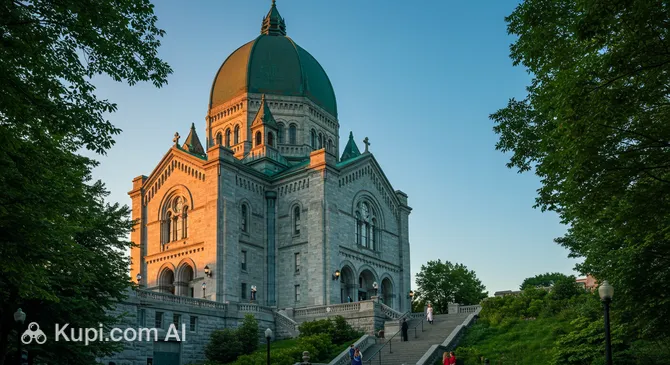
Saint Joseph's Oratory of Mount Royal. Source: Kupi.Binoculars
  • The lush green space of Mount Royal Park was designed by Frederick Law Olmsted, the same renowned landscape architect behind New York City's Central Park. His vision was to create a mountain atmosphere rather than a formal flower garden, which explains the park's somewhat wild and natural layout.

  • Montreal has a strict building height restriction that prevents any skyscraper from exceeding the elevation of Mount Royal. This municipal rule ensures that the mountain remains the dominant landmark of the city's skyline and can be seen from various points around the metropolis.

  • The magnificent Saint Joseph's Oratory of Mount Royal boasts one of the largest domes in the world, ranking just after Saint Peter's Basilica in Rome and the Basilica of Our Lady of Peace in Yamoussoukro. It is the tallest church in Canada and a major pilgrimage site.

  • Music history was made in the city when John Lennon and Yoko Ono held their famous "Bed-in for Peace" at the Queen Elizabeth Hotel in 1969. It was in room 1742 that they recorded the iconic anthem "Give Peace a Chance," with various celebrities joining in the chorus.

How to Get There

Montreal is well-connected to the rest of the world, offering various convenient entry points for travelers. Whether you are arriving by air or rail, you have several options to choose from. For a comprehensive guide on all available transport methods, you can read more about how to get to Montreal.

The primary gateway for international and domestic travelers is Montreal-Pierre Elliott Trudeau International Airport (YUL). Located directly in Montreal, approximately 15 km from the city center, it is a bustling international hub accommodating millions of passengers annually. The journey to the downtown area typically takes approximately 45 minutes by taxi or bus, depending on traffic conditions.

Travelers may also consider flying into Burlington International Airport (BTV), situated in the city of Burlington. Although it is about 119 km away from Montreal, it serves as a regional alternative. The transfer time from Burlington to Montreal is roughly 3 hours and 20 minutes by road. Another option is Plattsburgh International Airport (PBG) in Plattsburgh, located 95 km away. This smaller airport is often used by budget-conscious travelers, with a travel time of around 2 hours and 45 minutes to reach Montreal.

For clarity, here is a summary of the main airports:
Airport Name City Passenger Traffic Km from City
Montreal-Pierre Elliott Trudeau International Airport Montreal High 15.0
Burlington International Airport Burlington Medium 119.1
Plattsburgh International Airport Plattsburgh Small 95.0
La Macaza Mont Tremblant Small 137.9
St. Hubert Airport Montreal Light 11.6

For those preferring rail travel, the city is excellently served by the Downtown Railway Station (YMY), often referred to as Central Station. Located in the heart of Montreal, just 0.2 km from the city center, it is the major hub for intercity trains. Getting to your hotel or local destination from here is very quick, taking about 20 minutes by taxi or public transit.

Another significant stop is the Dorval Railway Station (XAX), which is conveniently located 14.8 km from the city center, near the main airport. This station is a practical choice for travelers looking to connect directly with air travel or those staying in the western part of the island. The commute to downtown from this station takes approximately 45 minutes.

Below is a list of relevant railway stations serving the area:
Station City Passenger Traffic Km to Center
Downtown Railway Station Montreal High 0.2
Ottawa Railway Station Ottawa Medium 163.3
St Lambert Railway Station Montreal Medium 4.7
Dorval Railway Station Montreal Medium 14.8
Fallowfield Station Ottawa N/A 163.2

Main Attractions

Montreal offers a rich tapestry of sights that range from historic architectural marvels to immersive nature exhibits. The city's diverse attractions cater to history buffs, outdoor enthusiasts, and families alike, making every visit a unique journey of discovery.

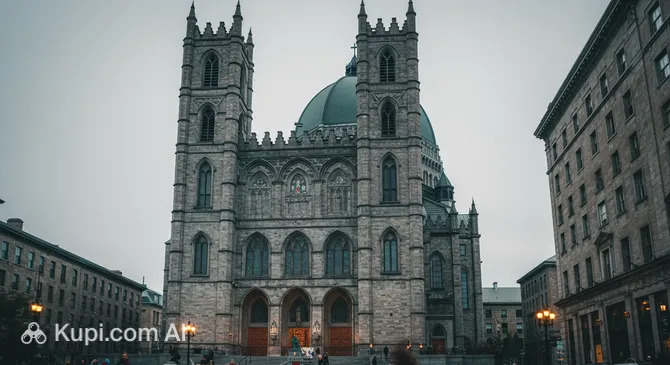
A true masterpiece of Gothic Revival architecture, the Notre-Dame Basilica of Montreal is an essential stop for any visitor. Located in the historic district, this church is renowned for its breathtaking interior, which features deep blue vaults decorated with golden stars and intricate wood carvings. Tourists are often captivated by the stunning stained glass windows that depict the religious history of Montreal rather than traditional biblical scenes. It is not just a place of worship but a spectacular display of art and craftsmanship.

Notre-Dame Basilica of Montreal. Source: Kupi.Binoculars

For a lively atmosphere by the waterfront, the Old Port of Montreal serves as a recreational heart of the city. Stretching over two kilometers along the Saint Lawrence River, this area is perfect for walking, cycling, or simply enjoying the views. In summer, it bustles with street performers and festivals, while winter transforms it into a scenic skating rink. Visitors can also ride La Grande Roue de Montréal, the tallest observation wheel in Canada, offering panoramic vistas of the cityscape.

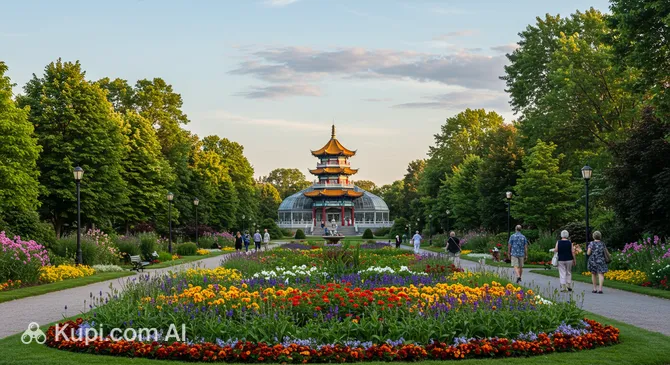
Nature lovers should not miss the Montreal Botanical Garden, recognized as one of the most important botanical gardens in the world. With its extensive collection of 22,000 plant species and cultivars, 10 exhibition greenhouses, and some 30 thematic gardens, it offers a peaceful escape from the urban rush. The Chinese Garden and the Japanese Garden are particularly famous for their authentic designs and tranquil beauty, providing a perfect setting for relaxation and photography.

Montreal Botanical Garden. Source: Kupi.Binoculars

Located at the Olympic Park, the Montreal Biodome offers a unique museum experience that walks visitors through replicas of five distinct ecosystems found in the Americas. Unlike a traditional zoo, the Biodome allows you to wander through immersive environments, from the lush Tropical Rainforest to the chilly Sub-Antarctic Islands. It is a fascinating attraction for all ages, allowing you to observe animals like lynx, macaws, and penguins in habitats that closely mimic their natural surroundings.

Local Cuisine

Montreal is widely considered one of the gastronomic capitals of North America, offering a culinary scene that is as diverse as it is delicious. The city’s food culture is a fascinating blend of its French heritage, North American comfort food, and the rich influences of various immigrant communities. From high-end dining to humble late-night eateries, the passion for food here is palpable, and locals take great pride in their unique regional specialties.

No visit is complete without trying the city's most famous culinary invention: poutine. This indulgent dish consists of crispy french fries topped with fresh cheese curds—which should famously "squeak" when you bite into them—and smothered in hot brown gravy. Another absolute staple is the Montreal-style smoked meat sandwich. Typically served on rye bread with a smear of yellow mustard, the beef brisket is cured and smoked to perfection, resulting in a tender, flavorful experience that is distinct from pastrami.

For a lighter snack, Montreal bagels are legendary. Distinct from their New York counterparts, these are smaller, denser, and boiled in honey-sweetened water before being baked in wood-fired ovens. This process gives them a chewy texture and a slightly sweet taste. They are traditionally coated in sesame or poppy seeds and are best enjoyed fresh and warm, often eaten plain or with a spread of cream cheese.

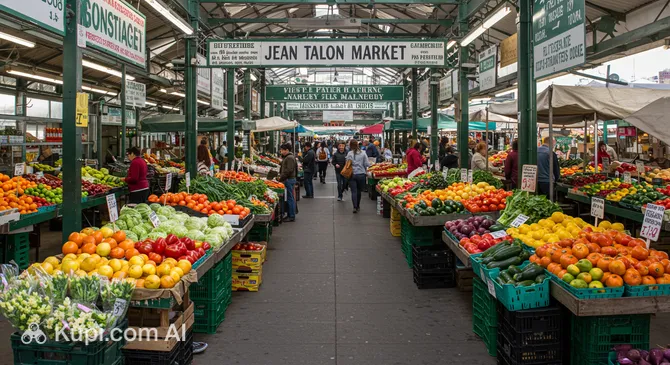
Jean Talon Market. Source: Kupi.Binoculars

The city is also home to vibrant public markets that serve as community hubs for food lovers. The Jean Talon Market, located in the Little Italy district, is one of the largest open-air markets on the continent. It is the perfect place to wander through stalls overflowing with local cheeses, seasonal fruits, and artisanal products, including the province’s famous maple syrup. Visiting the market offers a genuine taste of the local lifestyle.

When it comes to beverages, the region is renowned for ice cider (cidre de glace), a sweet dessert wine made from apples that have frozen on the tree. Montreal also boasts a thriving craft beer scene, with numerous microbreweries scattered across neighborhoods. You might visit a spot like Messorem to sample local brews in an industrial-chic setting. Whether you are looking for a sophisticated cocktail or a casual pint on a sunny terrace, the city offers an array of options to quench your thirst.

Travel Tips

Welcome to Montreal, a vibrant city where European charm meets North American energy. To ensure your visit is as smooth and enjoyable as possible, here is a collection of practical tips to help you navigate the local culture, climate, and customs with ease.

  1. Clothing and Gear: The contents of your suitcase should depend entirely on the season. Winters are harsh, so pack a heavy insulated coat, waterproof boots, gloves, and a toque (beanie). Summers can be hot and humid, requiring light, breathable fabrics. Regardless of the time of year, bring comfortable walking shoes; the cobblestone streets of Old Montreal are beautiful but can be difficult to navigate in heels or flimsy sandals.

  2. Transportation: The best way to explore the city is by using the STM public transit system, which includes a clean, efficient metro and an extensive bus network. Consider buying a multi-day pass or an OPUS card for convenience. In the warmer months, the BIXI bike-sharing system is a fantastic option. Renting a car is generally unnecessary and can be frustrating due to heavy traffic and scarce, expensive parking in the downtown area.

  3. Finances: The local currency is the Canadian Dollar (CAD). Credit and debit cards are widely accepted almost everywhere, from restaurants to small cafes. ATMs are plentiful. Be aware that tipping is an integral part of the service industry here; it is standard practice to leave a tip of 15% to 20% on the pre-tax bill at restaurants, bars, and for taxi drivers.

  4. Health and Safety: Montreal is considered one of the safest cities in North America, but standard urban precautions apply—keep an eye on your belongings in crowded tourist spots. Pharmacies like Jean Coutu or Pharmaprix are easy to find, and many offer extended hours. For emergencies, dial 911. In winter, be cautious of icy sidewalks, which can be slippery.

  5. Communication: French is the official language, but the city is quite bilingual, especially in downtown and tourist areas. A common greeting you will hear is "Bonjour/Hi," indicating that the speaker is comfortable in both languages. It is polite to start a conversation with a simple "Bonjour" before switching to English. Free Wi-Fi is available in many public spaces, cafes, and the metro system.

  6. Local Etiquette: Montrealers value politeness and order. When using escalators in the metro or malls, always stand on the right and walk on the left to let others pass. It is also customary to wait for passengers to exit the metro car before boarding. A friendly nod or greeting to shopkeepers upon entering a store is appreciated.

  7. What to Avoid: Drivers must note that turning right on a red light is strictly illegal on the Island of Montreal, unlike in the rest of Quebec or North America. Also, avoid assuming everyone speaks English by default; making a small effort to speak a few words of French goes a long way in earning the goodwill of locals.

  8. Additional Tip: Embrace the "5 à 7" (five to seven) culture, which is the local version of Happy Hour. It is a popular time for locals to unwind with drinks and appetizers after work. If you are visiting in winter, make use of the RÉSO (Underground City), a vast network of pedestrian tunnels connecting metro stations and shopping malls, allowing you to move around without facing the cold.

By keeping these practical pointers in mind, you will be well-equipped to experience the best of Montreal. Whether you are navigating the metro like a local or ordering your first poutine, this city is ready to welcome you with open arms and distinct joie de vivre.

Entertainment & Nightlife

Montreal comes alive after dark, earning its reputation as one of Canada's most vibrant nightlife destinations. The city’s energy is infectious, fueled by a diverse mix of students, locals, and tourists who flock to its bustling entertainment districts. Whether you are looking for a sophisticated cocktail lounge, a thumping nightclub, or a laid-back pub, the metropolis offers an impressive variety of options that cater to every taste and mood.

The nightlife geography is distinct and easy to navigate. Saint-Laurent Boulevard, affectionately known as "The Main," is the epicenter of the club scene, packed with trendy venues where the party often spills out onto the street. For a more tourist-friendly but equally lively atmosphere, Crescent Street in the downtown core is famous for its terraces, pubs, and Formula 1 parties. Meanwhile, the historic streets of Old Montreal hide upscale speakeasies and supper clubs, perfect for a more refined evening out.

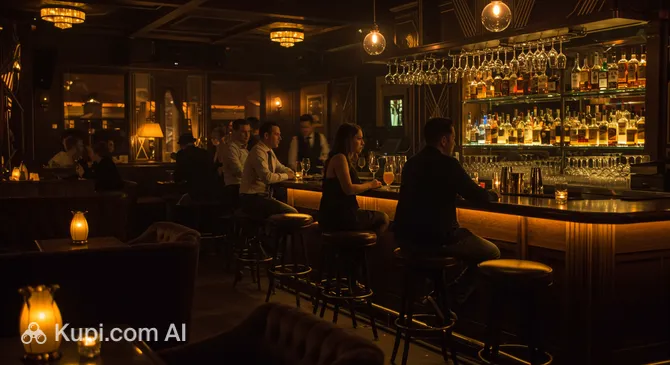
For those seeking a unique atmosphere reminiscent of the Roaring Twenties, Bootlegger Cocktail Bar & Cuisine is a must-visit. Located on Saint-Laurent Boulevard, this venue specializes in whiskey and craft cocktails, offering a cozy, speakeasy vibe with live jazz and swing music. It is an ideal spot to start your night with style before diving deeper into the city's late-night offerings.

Bootlegger Cocktail Bar & Cuisine. Source: Kupi.Binoculars

If you prefer a more relaxed setting, particularly during the warmer months, the local craft beer scene is thriving. Messorem is a standout microbrewery situated near the Lachine Canal. With its industrial-chic design and spacious terrace, it attracts a hip crowd looking to sample artisanal beers and enjoy casual conversation. The dress code in such places is generally casual, whereas nightclubs on The Main may require a more polished look.

Beyond bars and clubs, the city is a hub for performing arts. The Quartier des Spectacles is the cultural heart of downtown, hosting major festivals and outdoor events year-round. At its center stands Place des Arts, the largest performing arts complex in Canada. Here, you can catch world-class opera, ballet, and symphony concerts, adding a touch of high culture to your evening entertainment.

Practicality is key to enjoying a night out here. "Last call" for alcohol is typically at 3:00 AM, which is later than in many other North American cities. While the metro system is efficient, it closes shortly after midnight (around 12:30 AM to 1:00 AM). However, an extensive network of night buses remains operational, and taxis or ride-sharing services are readily available and safe to use. The city is generally very safe for night walks, especially in populated districts like the Plateau and downtown.

While the night steals the show, daytime entertainment is equally engaging. Art enthusiasts should explore the renowned Montreal Museum of Fine Arts, which houses an extensive collection of international and Canadian works. Families seeking excitement can head to the Funtropolis Amusement Center, a massive indoor complex perfect for children. From dawn until well past dusk, the city ensures there is never a dull moment.

Parks & Museums

Montreal is a city that seamlessly integrates lush green spaces with a profound respect for its heritage, offering visitors a wealth of parks and cultural institutions to explore. From islands devoted to leisure in the middle of the river to museums that delve deep into the region's archaeology and art, the city provides endless opportunities to engage with both nature and history.

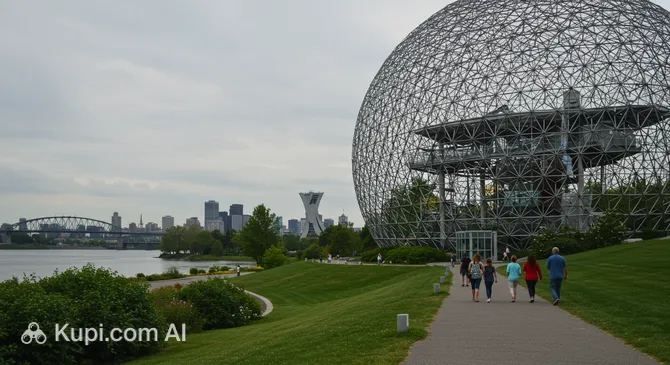
One of the most versatile outdoor destinations is Jean-Drapeau Park, spread across two islands in the Saint Lawrence River: Saint Helen's Island and Notre-Dame Island. This expansive park is a legacy of Expo 67 and the 1976 Olympics, now serving as a hub for festivals, swimming, and hiking. It is home to the iconic Biosphere, a geodesic dome dedicated to the environment, and offers stunning views of the downtown skyline across the water. Whether you are visiting for a music festival or a quiet picnic, the park is a refreshing escape from the concrete jungle.

Jean-Drapeau Park. Source: Kupi.Binoculars

For those seeking a more immersive natural experience, Îles-de-Boucherville National Park offers a tranquil retreat just a short distance from the city center. Comprising a chain of five small islands, this park is a paradise for kayakers, cyclists, and wildlife enthusiasts. The network of channels between the islands is perfect for paddling, while the terrestrial trails allow visitors to spot white-tailed deer and diverse bird species in their natural habitat.

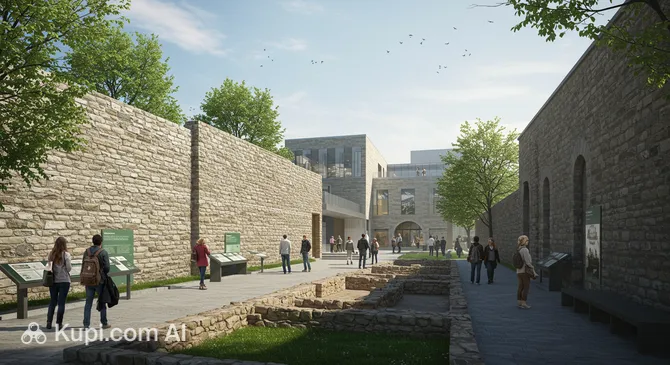
Delving into the city's past, the Pointe-à-Callière Museum is an absolute must-visit for history buffs. Located in Old Montreal on the very site where the city was founded, this museum of archaeology and history takes visitors on an underground journey through centuries of ruins. You can walk through the original stone foundations of the settlement and explore interactive exhibits that vividly recount the story of Montreal from Indigenous presence to the present day.

Pointe-à-Callière Museum. Source: Kupi.Binoculars

A different kind of wonder awaits at the Montreal Insectarium, part of the prestigious "Space for Life" museum complex. Recently renovated, this unique attraction celebrates the fascinating world of insects through immersive architecture and educational displays. It is designed to change the way humans perceive insects, allowing visitors to get close to butterflies, beetles, and ants in a beautifully designed environment that mimics their natural movements and habitats.

To experience the daily life of New France, a visit to Maison Saint-Gabriel offers a captivating step back in time. This 300-year-old farmhouse was originally purchased by Marguerite Bourgeoys to house the "King's Daughters" (Filles du Roi). Today, guides in period costume demonstrate traditional crafts and share stories of the rural history that shaped the region, providing a deeply personal perspective on the city's origins.

For a truly local experience, head to the western slope of Mount Royal on a sunny Sunday to witness the "Tam-Tams." This informal, free gathering features hundreds of drummers, dancers, and vendors creating a festive, bohemian atmosphere that perfectly encapsulates the city's creative spirit.

Getting Around

Public transportation in Montreal is managed primarily by the Société de transport de Montréal (STM) and is widely regarded as safe, efficient, and user-friendly. The backbone of the network is the Metro, a rubber-tired subway system that is not only quiet but also architecturally distinct. The system consists of four color-coded lines (Green, Orange, Yellow, and Blue) serving 68 stations. Each station is uniquely designed, often featuring impressive public art, stained glass, and murals, making a simple commute feel like a tour of an underground gallery. The metro typically operates from 5:30 AM until roughly 1:00 AM (closing later on Saturday nights), connecting the downtown core with major residential areas and tourist sites.

Complementing the subway is an extensive bus network that covers the entire island. Buses run frequently, with "10 minutes max" lines on major arteries during peak hours. For those enjoying the city's nightlife, the STM offers a comprehensive network of night buses, known as the "All-night service," which continue to operate after the metro closes. Additionally, the new REM (Réseau express métropolitain), a fully automated light rail system, has begun operations, currently connecting the South Shore to Central Station downtown, with further expansion planned to the airport and other areas in the near future.

The payment system is integrated across these modes of transport using the OPUS card, a rechargeable smart card. For tourists, the most convenient option is often a non-rechargeable smart card called "L'Occasionnelle." You can purchase single fares, two-trip tickets, or significantly more economical passes such as the 24-hour, 3-day, or Unlimited Weekend pass (valid from Friday afternoon to Monday morning). Tickets and passes can be bought at automated vending machines in metro stations (which accept cash, credit, and debit cards), at authorized retailers like pharmacies, or at ticket booths. A single trip costs approximately $3.75 CAD, but passes offer better value for visitors.

The city uses a zonal fare structure. Most tourist attractions are located within Zone A (the Island of Montreal), so a standard ticket is usually sufficient. However, if you plan to travel off-island to Laval or Longueuil (Metro Zone B), you will need an "All Modes AB" ticket. To use the system, simply tap your card on the reader at the metro turnstile or upon boarding the bus. Be sure to keep your ticket as proof of payment for the duration of your trip, as inspectors do conduct random checks.

For a more active alternative, the city is famous for its bike-sharing system, BIXI. Available from April to November, it features thousands of bikes and docking stations throughout the city. Users can rent a standard bike or an electric bike via the BIXI app or directly at the station kiosk using a credit card. It is a fantastic way to explore the extensive network of bike paths, including those along the Lachine Canal and the Saint Lawrence River.

Taxis and ride-sharing services like Uber are also readily available and can be hailed on the street or booked via apps. Taxis accept credit cards and are a reliable option for reaching destinations not easily served by transit or for traveling with heavy luggage. While car rentals are an option, they are generally discouraged for city exploration due to traffic congestion and limited, expensive parking. Walking is often the best complement to public transport, especially given the "Underground City" (RÉSO), which allows pedestrians to walk between metro stations and shopping centers indoors—a major perk during the colder months.

Accommodation

Where to Stay:

Montreal offers a diverse range of accommodation options that cater to every type of traveler, from those seeking opulent luxury to backpackers looking for a budget-friendly stay. The city’s neighborhoods each provide a distinct atmosphere, so choosing where to book depends largely on the experience you desire, whether it is the historic charm of the old city or the modern pulse of the downtown core.

For visitors who appreciate world-class service and contemporary elegance, the Golden Square Mile and downtown area (Centre-Ville) are the premier choices. This district is home to high-end shopping, museums, and some of the city's most prestigious properties. A standout example is the Four Seasons Hotel Montreal, which serves as a sophisticated urban retreat with direct access to the vibrant city center. Staying in this area ensures you are never far from major festivals and the underground city network.

Four Seasons Hotel Montreal. Source: Kupi.Binoculars

If you prefer a more romantic and picturesque setting, Old Montreal (Vieux-Montréal) is the perfect destination. Here, many boutique hotels are housed in beautifully restored 18th and 19th-century buildings, featuring exposed brick walls and classic architecture. The cobblestone streets and proximity to the Old Port create a nostalgic ambiance that is unique in North America, making it a favorite for couples and history enthusiasts.

For a more local and bohemian vibe, consider staying in the Plateau-Mont-Royal or the Latin Quarter. These artistic neighborhoods are famous for their colorful townhouses, lively cafes, and vibrant street life. Travelers can find numerous charming bed-and-breakfasts and well-maintained hostels that offer a cozy, community-oriented experience. This area is ideal for those who want to immerse themselves in Montreal’s creative culture and enjoy a slower pace of life.

Nearby Cities

For those looking to explore the surroundings, Montreal serves as an excellent base for day trips to several interesting nearby locations:

Just across the river to the north lies Laval, a dynamic city that offers a mix of urban excitement and family-friendly attractions. It is particularly famous for the Cosmodome, Canada's only museum dedicated entirely to space sciences, where visitors can experience virtual missions and learn about astronaut training. Laval is also a hub for outdoor enthusiasts, featuring the Mille Îles River Park, which is perfect for kayaking and ice fishing depending on the season.

To the south, Boucherville provides a serene escape with its rich heritage and natural beauty. It is best known as the gateway to the Îles-de-Boucherville National Park, a chain of islands in the Saint Lawrence River that offers exceptional hiking, cycling, and paddling opportunities. The city's historic district, with its charming ancestral homes, invites a leisurely stroll to appreciate the region's colonial past.

Another notable destination on the South Shore is Longueuil. As a major urban center connected directly to Montreal by the metro, it offers easy access to large green spaces like Michel-Chartrand Park, a sprawling urban forest teeming with wildlife. It serves as a convenient and quieter alternative for those wishing to stay close to the metropolis while enjoying a more relaxed pace.

City Population Distance (km)
Laval 422,993 16
Longueuil 239,700 11
Brossard 85,721 10
Dollard-des-Ormeaux 49,637 20
Boucherville 40,753 14

These nearby destinations offer a glimpse into the diverse culture and landscapes of the region.

Shopping & Souvenirs

Montreal is widely recognized as a fashion capital, offering a shopping experience that perfectly mirrors its blend of European elegance and North American modernity. From high-end designer boutiques and sprawling department stores to quirky vintage shops and artisanal markets, the city caters to every style and budget. Whether you are looking for the latest trends or unique local crafts, the retail landscape here is diverse and accessible.

The heartbeat of the city's shopping scene is undoubtedly Sainte-Catherine Street. Stretching across the downtown core, this bustling artery is lined with major international retailers, flagship department stores, and souvenir shops. It serves as the primary destination for those looking to update their wardrobe with popular brands. For a more bohemian and artistic vibe, visitors should head to Saint-Laurent Boulevard and Saint-Denis Street in the Plateau district. These areas are famous for their independent boutiques, local designers, and vintage finds, offering items you won't see anywhere else.

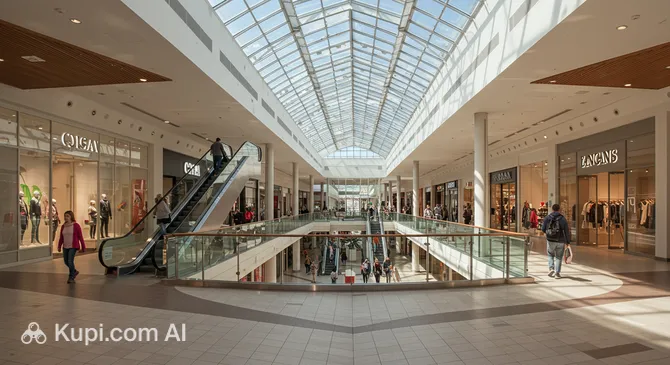
One of the most unique features of Montreal is its "Underground City" (RÉSO), a vast network connecting office towers, metro stations, and shopping complexes. This allows visitors to shop in comfort regardless of the weather, moving seamlessly between major malls like the Eaton Centre and Place Montréal Trust. For those willing to venture slightly further for a premier retail experience, Carrefour Laval is a massive shopping centre located just north of the island. It features a sophisticated mix of luxury brands and popular chains, making it a favorite destination for serious shoppers.

Carrefour Laval. Source: Kupi.Binoculars

Markets play a crucial role in the local lifestyle and are excellent places to find authentic goods. The Jean Talon Market in Little Italy is a must-visit for foodies. While it is primarily a produce market, it is the perfect spot to buy edible souvenirs like maple butter, fruit preserves, and regional spices. In Old Montreal, the historic Bonsecours Market focuses more on high-quality arts and crafts, featuring jewelry, leather goods, and fashion pieces made by Quebec artisans.

When searching for the perfect souvenir, maple syrup is the obvious choice, but look for it in decorative glass bottles or tin cans for easier transport. Ice cider is another distinct regional specialty that makes for a sophisticated gift. For something lasting, consider buying Inuit art or First Nations handicrafts, which are widely available in specialized galleries. Additionally, the iconic multi-colored striped blankets and accessories from the Hudson's Bay Company are a classic nod to Canadian history.

Store opening hours in Montreal generally follow a standard pattern, opening around 10:00 AM and closing at 6:00 PM from Monday to Wednesday. However, shops typically stay open later, until 9:00 PM, on Thursdays and Fridays, which are the prime evenings for shopping. Weekend hours are usually 10:00 AM to 5:00 PM. Payment is convenient, with credit and debit cards accepted almost everywhere, and contactless payment is the norm.

Tourists should be aware that the price displayed on the tag is rarely the final price. In Canada, sales taxes (GST and QST) are added at the register, amounting to approximately 15% on top of the listed price. While there is no general sales tax refund program for international visitors, the quality and uniqueness of the goods available often make the expense well worth it.

Reached the end of the page?

That means the route is fully explored