Support

Ottawa

About

Ottawa, the capital of Canada, is a vibrant city that perfectly blends grand Victorian architecture with natural beauty. As the political and cultural heart of the nation, it offers a unique atmosphere where English and French influences converge, creating a dynamic and welcoming environment for travelers from around the world.

Located in the province of Ontario on the banks of the majestic Ottawa River, the city serves as a picturesque border with Quebec. With a population of nearly one million people, Ottawa feels both cosmopolitan and community-focused, offering the amenities of a major metropolis without the overwhelming pace of larger urban centers.

Ottawa. Source: Kupi.Binoculars

The city is renowned for its stunning landmarks, most notably the Gothic Revival buildings of Parliament Hill, which dominate the skyline. Another must-see feature is the Rideau Canal, a UNESCO World Heritage Site that transforms into the world's largest skating rink during the winter months and serves as a scenic waterway for boaters in the summer.

Those interested in the past will find plenty to discover, as the history of Ottawa is deeply rooted in its origins as a rough-and-tumble lumber town that evolved into a refined capital. Walking through the historic ByWard Market, you can sense this heritage while enjoying fresh local produce, artisan crafts, and a lively culinary scene.

Whether you are visiting to admire the millions of blooms during the Canadian Tulip Festival or to explore world-class museums, Ottawa promises an unforgettable experience. It is a destination that invites you to explore its scenic pathways, immerse yourself in its culture, and enjoy the friendly Canadian hospitality.
Weather Overview

Ottawa experiences a semi-continental climate with four distinct seasons, offering a variety of atmospheric conditions throughout the year. To help you pack appropriately for your trip, it is useful to review the detailed forecast and trends regarding the weather in Ottawa.

Winters in the capital are characteristically cold. January is typically the coldest month, with average temperatures around -8.4°C and lows dropping to -12.7°C. While the air is crisp, precipitation is frequent, with December and January seeing about 11 to 13 wet days each month, turning the city into a snowy landscape perfect for winter sports.

Summer brings a pleasant transformation, with July being the warmest month. Travelers can enjoy average temperatures of 21.6°C and daily maximums reaching 26.5°C. However, rain is not uncommon during this season, as June and August usually record around 14 wet days per month.

The transition seasons of spring and autumn offer milder weather. May sees temperatures rising to a comfortable maximum of 19.5°C, while October cools down to an average of 10.3°C. Overall, you can expect warm summers with occasional rain and cold winters with frequent precipitation.

Interesting Facts

Beyond the main attractions, Ottawa holds many fascinating secrets and historical quirks that often escape the casual observer. From royal gifts to acoustic marvels, the city's backstory is as colorful as its festivals.

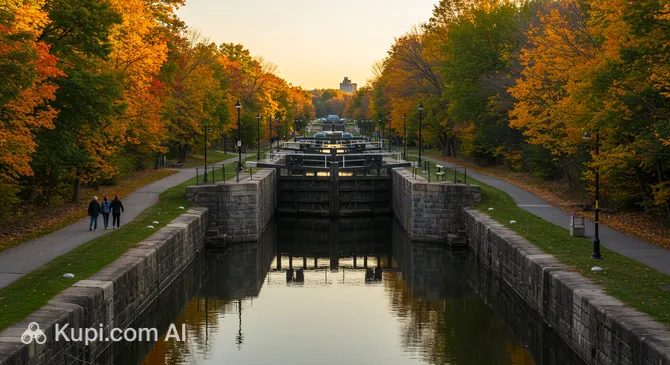
Rideau Canal National Historic Site. Source: Kupi.Binoculars
  • The city hosts the largest tulip festival in the world, a blooming tradition rooted in international gratitude. Following World War II, the Dutch Royal Family began sending thousands of tulip bulbs annually to thank Canada for sheltering Princess Juliana, and today, the most dazzling displays can be found at Commissioners Park.

  • During the winter months, the Rideau Canal National Historic Site holds the Guinness World Record for the largest naturally frozen skating rink. The skateway stretches 7.8 kilometers, allowing commuters and tourists alike to glide through the downtown core on ice.

  • A curious secret awaits visitors on Parliament Hill behind the East Block. Known as the "Whispering Wall," the curved masonry allows a person to whisper into the stone at one end and be heard distinctly by someone standing more than 10 meters away at the other end.

  • Ottawa was chosen as the capital by Queen Victoria in 1857, a decision that surprised many as it was then a rough lumber town known as Bytown. Legend has it she chose the location by sticking a hatpin into a map roughly halfway between the rival cities of Toronto and Montreal to settle their dispute.

How to Get There

Reaching Canada's capital is convenient thanks to its well-connected transport network, serving both domestic and international travelers. Whether you are arriving by air or rail, you can easily find the best route for your itinerary. For a comprehensive guide on logistics and transportation options, you can read more about how to get to Ottawa to ensure a smooth arrival.

The primary gateway for air travelers is Ottawa Macdonald–Cartier International Airport (YOW), located just 11.1 km from the city center. As a key regional hub, it handles a significant volume of passengers annually. A trip from the terminal to downtown by taxi or shuttle typically takes around 37 minutes, depending on traffic. This airport offers a comfortable and direct entry point into the heart of the region.

Alternatively, many visitors choose to fly into Montreal-Pierre Elliott Trudeau International Airport (YUL), located in the city of Montreal, approximately 152.6 km from Ottawa. This major international hub serves a vast number of travelers and offers a wider range of global connections. The journey from Montreal to Ottawa by ground transport takes significantly longer, estimated at around 4 hours by road, but frequent bus and train connections make it a viable option for those arriving from overseas.

For clarity, here is a summary of the main airports:

Airport Name City Passenger Traffic Km from City
Montreal-Pierre Elliott Trudeau International AirportMontrealVery High152.6
Ottawa Macdonald–Cartier International AirportOttawaHigh11.1
Kingston/Norman Rogers AirportKingstonLow150.5
Watertown AirportWatertownLow160.8
La MacazaMont TremblantLow131.1

Traveling by train is another popular and scenic way to arrive. The main rail hub is Ottawa Railway Station (XDS), conveniently situated only 3.8 km from the downtown core. Serving hundreds of thousands of passengers each year, it provides efficient connections to major cities like Toronto and Montreal. Getting to the city center from the station is quick, taking approximately 26 minutes by taxi or local transit.

Another option within the city limits is Fallowfield Station (ZIF), located about 4.1 km from the central area. While it serves fewer passengers than the main station, it is a convenient stop for those staying in the western parts of Ottawa. The transfer time to the center is similar, averaging around 26 minutes.

Below is a list of relevant railway stations:

Station City Passenger Traffic Km to Center
Downtown Railway StationMontrealVery High167.1
Ottawa Railway StationOttawaMedium3.8
St Lambert Railway StationMontrealMedium171.7
Dorval Railway StationMontrealMedium153.3
Fallowfield StationOttawa4.1

Main Attractions

Ottawa is a city where culture and history come alive, offering visitors a chance to explore world-class institutions and stunning architecture. Beyond the iconic Parliament buildings, the capital boasts a diverse array of museums, galleries, and historic sites that provide deep insight into the Canadian experience.

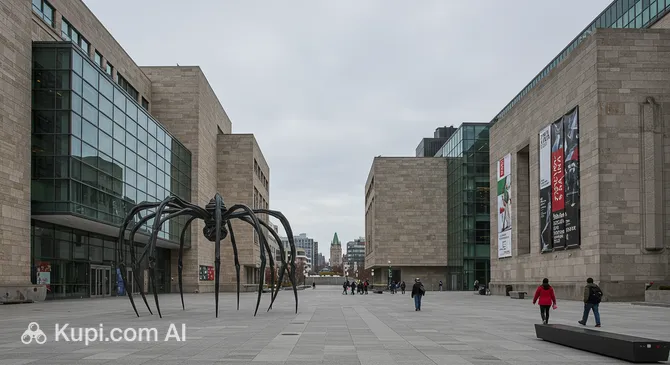
One of the most visually striking landmarks is the National Gallery of Canada. Housed in a magnificent glass and granite building designed by Moshe Safdie, it stands as a beacon of art on Sussex Drive. Tourists are greeted by the giant spider sculpture, Maman, on the plaza before entering to admire an extensive collection of Canadian, Indigenous, and international art. It is a must-visit for art lovers seeking to understand the nation's creative heritage.

National Gallery of Canada. Source: Kupi.Binoculars

Just across the river, visible from Parliament Hill, lies the Canadian Museum of History. Although technically located in Gatineau, it is an essential part of the Ottawa experience and the most visited museum in Canada. The building itself is an architectural marvel with its curving lines, and inside, the Grand Hall impresses with its towering totem poles and panoramic view of the skyline. It offers a comprehensive journey through human history in Canada, making it fascinating for visitors of all ages.

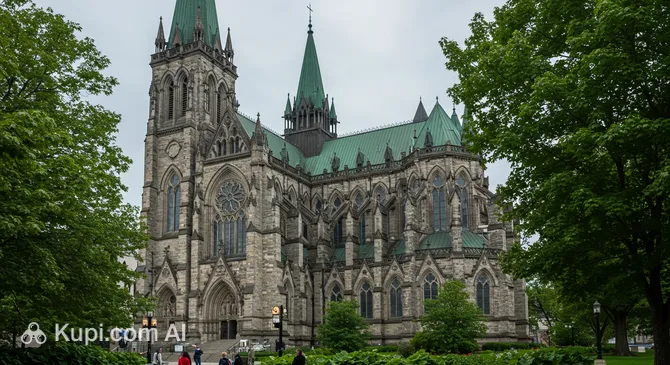
For those interested in ecclesiastical architecture, the Notre-Dame Cathedral Basilica is a gem located in the Lowertown neighborhood. As the oldest and largest church in the city, its twin spires are a recognizable part of the landscape. Stepping inside, visitors are often awestruck by the vibrant blue ceiling adorned with gold stars and the intricate wood carvings. It provides a peaceful retreat and a stunning example of Gothic Revival design.

Notre-Dame Cathedral Basilica. Source: Kupi.Binoculars

History buffs should not miss the Canadian War Museum, located on the LeBreton Flats. The museum's distinctive architecture, resembling a ship rising from the earth, is symbolic of the regeneration of nature. Inside, the exhibits are moving and immersive, detailing Canada's military history and its impact on the world. The Memorial Hall, which houses the headstone of the Unknown Soldier, is designed so that sunlight illuminates the headstone exactly on November 11th each year.

A short distance from the city center, you will find Rideau Hall, the official residence of the Governor General of Canada. This historic site is open to the public and offers a glimpse into the ceremonial life of the nation. The grounds are expansive and beautiful year-round, featuring English-style gardens and a famous cricket pitch. In winter, the locals flock here to skate on the heritage rink, making it a delightful spot for a leisurely afternoon.

Local Cuisine

Ottawa's culinary scene is a delightful reflection of its multicultural fabric and its unique location on the border between Ontario and Quebec. The city offers a vibrant mix of refined farm-to-table dining and comforting street food, making it an exciting destination for food lovers. From bustling historic markets to modern bistros, there is a flavor here to satisfy every palate.

One of the most iconic treats you must try is the BeaverTail. This fried dough pastry, hand-stretched to resemble the tail of Canada's national animal, is typically served hot and topped with sugar, cinnamon, and lemon, or more decadent options like chocolate and fruit. It is a quintessential Ottawa experience, especially enjoyed while strolling through the ByWard Market or taking a break from winter skating.

Another local favorite is poutine. While it originates from neighboring Quebec, Ottawa embraces this savory dish of crispy french fries, fresh squeaky cheese curds, and rich hot gravy with passion. You will find it served everywhere, from dedicated roadside chip wagons to high-end restaurants. Additionally, the city is often playfully referred to as the "Shawarma Capital of Canada," boasting a remarkably high number of family-run spots serving authentic, garlic-rich roasted meat wraps that are a staple for locals.

Gyubee Japanese Grill. Source: Kupi.Binoculars

For those seeking a memorable sit-down meal, the options are diverse. You can enjoy a lively interactive dining experience at Gyubee Japanese Grill, where guests grill their own marinated meats and vegetables right at the table. If you prefer a wide variety of flavors in a buffet setting, Mandarin Restaurant is a popular establishment known for its extensive selection of dishes.

When it comes to drinks, the local craft beer scene is thriving, with numerous microbreweries producing excellent seasonal ales and stouts. For a classic Canadian cocktail, be sure to order a Caesar. Made with vodka, clamato juice, hot sauce, and Worcestershire sauce, it is usually garnished with a celery stalk or a pickled bean. For a relaxed evening with a creative drink menu, you might consider visiting The Moonroom, a cozy spot perfect for unwinding after a day of exploration.

Travel Tips

Welcome to Ottawa! To help you navigate the Canadian capital with ease and confidence, we have compiled a list of essential practical advice. These tips cover everything from packing for the distinct seasons to understanding local customs, ensuring your visit is as smooth and enjoyable as possible.

  1. Clothing and Gear: The most important factor for packing is the season. Winters are harsh and snowy, so if you visit between December and March, a heavy insulated parka, waterproof boots, gloves, and a toque (beanie) are mandatory. Summers can be surprisingly hot and humid, requiring light, breathable fabrics. Regardless of the season, bring comfortable walking shoes, as the downtown area is best explored on foot. Canada uses Type A and B power plugs (the same as the US), so bring an adapter if you are coming from Europe or Asia.
  2. Transportation: Ottawa has a clean and efficient public transport system run by OC Transpo, which includes buses and the O-Train (Light Rail Transit). You can pay per ride using a credit card or mobile wallet directly at the fare gates, or purchase a reloadable Presto card for longer stays. Ride-sharing apps like Uber and Lyft are widely available. While a car is useful for day trips to the countryside, it is not necessary for exploring the city center, where parking can be expensive and scarce.
  3. Finances: The local currency is the Canadian Dollar (CAD). Credit and debit cards (Visa and Mastercard) are accepted almost everywhere, from restaurants to small cafes, and "tap to pay" is the standard method. You will rarely need large amounts of cash, though keeping a small amount for small vendors is helpful. Tipping is a strong cultural norm in Canada; expect to leave 15% to 20% of the bill at restaurants, bars, and for taxi services.
  4. Health and Safety: Ottawa is considered one of the safest cities in North America. Violent crime is rare, but standard precautions against petty theft should be taken in crowded tourist areas. For minor health issues, look for Shoppers Drug Mart or Rexall pharmacies; many locations have extended hours. In a serious emergency, dial 911 for police, fire, or ambulance services.
  5. Communication: As the national capital, Ottawa is officially bilingual. While English is the primary language spoken by the vast majority of locals, you will frequently hear French and see bilingual signage, especially near government buildings and the border with Quebec. A simple "Hello" or "Bonjour" works well. Free Wi-Fi is available in most public spaces, hotels, and coffee shops. For mobile data, you can easily buy a prepaid SIM card at the airport or local malls.
  6. Local Etiquette: Canadians are known for their politeness, and Ottawa is no exception. It is customary to hold doors open for the person behind you and to say "sorry" if you accidentally bump into someone. When using escalators in transit stations or malls, always stand on the right side to let people walk past you on the left. Queueing is taken seriously; always wait your turn in line for buses or service counters.
  7. What to Avoid: Do not underestimate the winter weather; walking outside for long periods without proper gear can be dangerous due to frostbite risk. Culturally, avoid comparing Canada overtly to the United States, as locals take pride in their distinct identity. Also, never forget to tip your server at a sit-down restaurant, as it is considered rude and significantly impacts their earnings.
  8. Additional Tip: If you are a culture enthusiast, plan your museum visits for Thursday evenings. Many of Ottawa's national museums, such as the National Gallery of Canada and the Canadian Museum of History, often offer free admission during specific evening hours (usually 5:00 PM to 8:00 PM), allowing you to see world-class exhibits without stretching your budget.

By keeping these practical tips in mind, you will be well-prepared to embrace the local lifestyle and focus on the wonderful experiences Ottawa has to offer. Enjoy your time exploring the historic streets, scenic waterways, and friendly atmosphere of this beautiful capital city!

Entertainment & Nightlife

While Ottawa is known as a government town, its evening atmosphere is far from bureaucratic. As the sun sets, the capital transforms into a lively hub of entertainment, offering everything from pounding dance floors to cozy, sophisticated lounges. Whether you are looking for a wild night out or a relaxed evening with live music, the city has distinct districts that cater to every mood.

The epicenter of nightlife is undoubtedly the historic ByWard Market. By day, it is a farmer's market, but at night, the area teems with energy as students, locals, and tourists flock to its numerous Irish pubs, dance clubs, and rooftop bars. The crowd here is diverse and energetic, and the venues often stay open until 2:00 AM. Just a short distance away, Elgin Street offers a more laid-back vibe, famously known as the "Sens Mile" during hockey season, lined with English-style pubs and casual eateries perfect for socializing.

For those seeking a more eclectic and artistic environment, Art House in the Centretown area is a hidden gem. Housed in a restored historic home, this venue functions as a café and gallery by day and transforms into a vibrant bar with events ranging from live music to drawing nights in the evening. It is the perfect spot for travelers who appreciate creativity and a welcoming, community-focused atmosphere.

Art House. Source: Kupi.Binoculars

If you prefer a more upscale experience, the Preston Street area, also known as Little Italy, is the place to be. Here you will find Giovanni's, a venue that combines fine dining with a lively, high-energy atmosphere often favored by visiting celebrities and local elites. The dress code in this district tends to be smart-casual to formal, reflecting the sophisticated nature of the establishments.

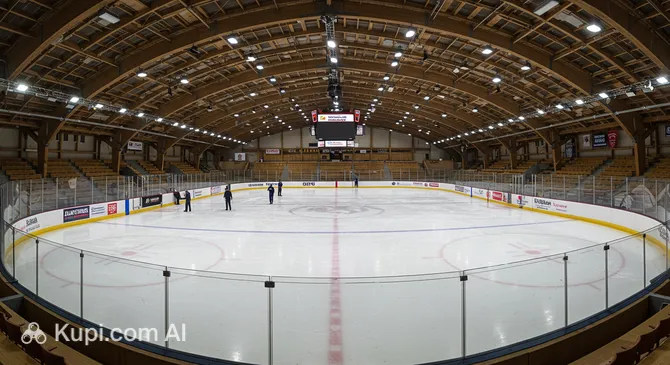
Music and sports fans should check the schedule for Lansdowne Arena (part of the TD Place complex) in the Glebe neighborhood. This major venue hosts large-scale concerts, sporting events, and shows that draw crowds from across the region. The surrounding Lansdowne Park area is also packed with modern bars and restaurants, making it easy to grab a drink before or after a show.

Lansdowne Arena. Source: Kupi.Binoculars

Beyond the bar scene, Ottawa offers plenty of entertainment for thrill-seekers and families. For an adrenaline rush, you can head to Amigo Karting, which offers exciting tracks for a fun competitive evening. During the day, the city's cultural life is anchored by its world-class museums and theaters, such as the National Arts Centre, providing a refined start to your entertainment itinerary.

When planning your night out, keep in mind that Ottawa is generally very safe for walking, especially in busy areas like the Market and Elgin Street. However, standard precautions apply late at night. Public transport (LRT and buses) runs frequently until around midnight or 1:00 AM, but for later returns, ride-sharing apps and taxis are readily available and reliable. Prices for drinks and cover charges are moderate compared to larger cities like Toronto, making a night out here both enjoyable and reasonably priced.

Parks & Museums

Parks & Museums:

Ottawa is a dream destination for culture enthusiasts and nature lovers alike, often referred to as the city of museums. While its historical galleries are well-known, the capital also boasts an impressive network of institutions dedicated to science, technology, and nature. These facilities offer interactive and educational experiences that are perfect for visitors of all ages, making learning an adventure.

One of the standout facilities is the Canada Science and Technology Museum. Known for its immersive displays, it explores Canada's history of innovation, featuring everything from massive steam locomotives to the famous Crazy Kitchen. For those fascinated by flight, the Canada Aviation and Space Museum is a must-see. Located at the Rockcliffe Airport, it houses one of the most extensive aviation collections in the world, showcasing bush planes, military aircraft, and space robotics.

Canada Aviation and Space Museum. Source: Kupi.Binoculars

Uniquely for a capital city, Ottawa hosts a working farm right within its urban boundaries. The Canada Agriculture and Food Museum allows visitors to explore Canada's food heritage while meeting farm animals like cows, sheep, and horses. It provides a delightful rustic contrast to the downtown bustle and is a favorite spot for families.

When it comes to green spaces, the city is incredibly lush and accessible. Major's Hill Park is a serene oasis in the downtown core, offering some of the best viewpoints in the region. From its manicured lawns, you can enjoy panoramic views of the Parliament buildings, the Ottawa River, and the historic Rideau Canal locks. It is the perfect location for a midday stroll or a scenic picnic.

Major's Hill Park. Source: Kupi.Binoculars

For a true wilderness escape, you only need to travel a short distance to the Gatineau Park Visitor Centre. This gateway leads to a vast conservation park that offers hiking, swimming, and cycling in the summer, and cross-country skiing in the winter. If you prefer a relaxing day by the water without leaving the city limits, Petrie Island Beach is a wonderful spot on the Ottawa River, featuring sandy shores, lagoons, and nature trails teeming with local wildlife.

Getting Around

Navigating Ottawa is straightforward and efficient, thanks to a well-integrated public transport network managed by OC Transpo. The system is designed to connect the downtown core with surrounding neighborhoods and key attractions seamlessly. The backbone of the network is the O-Train, a modern light rail system that zips through the city center and extends to the airport and southern districts. Complementing the rail lines is an extensive fleet of buses, many of which run on the dedicated Transitway—a specialized road network exclusively for buses that allows them to bypass traffic congestion, functioning much like a surface subway.

For tourists, the payment system is incredibly convenient and user-friendly. You do not strictly need to purchase a local transit card; the buses and O-Train fare gates are equipped with O-Payment readers. You can simply tap your credit card, debit card, or mobile wallet (like Apple Pay or Google Pay) directly on the reader to pay for your ride. If you plan to use transit frequently, you might consider buying a DayPass, which offers unlimited travel for 24 hours. For longer stays, a reloadable Presto card can be purchased at pharmacies or transit stations, offering slightly discounted fare rates.

When using the system, it is helpful to know that a single fare is valid for a transfer window of approximately 90 to 105 minutes. This means you can switch between the bus and the O-Train without paying again; just tap the same card or scan your transfer ticket. Tickets and passes can be bought at ticket machines located at every O-Train station. The main transit lines typically operate from around 5:00 AM to 1:00 AM, with reduced frequency on weekends and holidays. If you are catching a bus, remember that they stop only at designated signs, and you should wave to the driver to signal your intent to board.

Beyond public transit, the city is renowned for being exceptionally bike-friendly, boasting over 800 kilometers of multi-use pathways. While there is no municipal bike-share program, visitors can easily rent bicycles from local private shops to explore the scenic routes. Additionally, during the warmer months, seasonal e-scooters are available throughout the city, offering a fun and quick way to get around. For those who prefer a car, ride-sharing apps like Uber and Lyft are widely available and reliable, alongside traditional taxi services.

A unique and scenic way to travel between the Ottawa and Gatineau sides of the river during the summer is the Aqua-Taxi. This electric water shuttle offers a leisurely connection between key points like the Canadian Museum of History and the Ottawa locks. It provides a stunning perspective of the Parliament buildings from the water, turning a simple commute into a memorable part of your travel experience.

Accommodation

Where to Stay:

Ottawa offers a diverse range of accommodation options to suit every traveler's preference and budget. Whether you are looking for the grandeur of a historic railway hotel, the convenience of a modern chain, or the coziness of a boutique inn, the capital city has plenty to offer. Visitors can choose from luxury stays with views of Parliament, mid-range hotels perfect for families, and budget-friendly hostels or rentals for backpackers.

For most tourists, the best area to stay is Downtown Ottawa or the nearby ByWard Market district. Staying here places you within walking distance of major attractions like Parliament Hill, the National Gallery, and the Rideau Canal. This central location is ideal for those who want to explore the city on foot and have immediate access to a wide variety of restaurants and shops. Alternatively, the Centretown neighborhood offers a slightly quieter residential vibe while still being close to the action, often featuring charming bed-and-breakfasts in restored Victorian homes.

If you prefer a more secluded experience or are looking to enjoy the natural beauty of the region, there are excellent options just outside the city center. For instance, Domaine de l’Ange-Gardien is a resort that provides a peaceful retreat. Located a short drive from the downtown core, it offers a chance to relax in a scenic setting, making it a great choice for those who want to combine city sightseeing with a bit of countryside tranquility.

Domaine de l’Ange-Gardien. Source: Kupi.Binoculars

Booking Tip: Ottawa is a year-round destination, but accommodation can fill up very quickly during major festivals and holidays. If you plan to visit during the Winterlude festival in February, the Canadian Tulip Festival in May, or for Canada Day on July 1st, it is highly recommended to book your room several months in advance to secure a good rate and location.

In terms of pricing, the city is generally comparable to other major Canadian hubs. Budget travelers can expect to find hostels and basic motels ranging from $80 to $130 CAD per night. Mid-range hotels typically cost between $150 and $250 CAD, while luxury properties can exceed $300 CAD per night, especially in peak season. Most accommodations can be easily booked through major online platforms, though booking directly with the hotel can sometimes offer better cancellation policies or perks.

Nearby Cities

For those looking to explore the surroundings, Ottawa serves as an excellent base for day trips to several interesting nearby locations:

Just across the Ottawa River lies Gatineau, a city that blends urban amenities with immediate access to nature. It is the gateway to the magnificent Gatineau Park, a year-round playground for hiking, swimming, and cross-country skiing. Visitors can also explore the distinct culture of the Outaouais region, enjoying its excellent dining scene and vibrant festivals that complement the capital's own events.

For a journey into the past, the town of Prescott offers a charming historic escape along the St. Lawrence River. It is home to Fort Wellington National Historic Site, where you can learn about the War of 1812 and explore well-preserved military fortifications. The town's waterfront and 19th-century architecture provide a picturesque setting for a relaxing day out.

Another interesting destination is Cornwall, one of Canada's oldest settlements. Located on the banks of the St. Lawrence, it offers scenic waterfront trails and a rich history connected to the development of the seaway. It is a great spot for cycling enthusiasts and those interested in exploring the heritage of Eastern Ontario.

City Population Distance (km)
Gatineau 276245 6
Prescott 46751 80
Cornwall 46589 88
Val-d'Or 31862 47
Clarence-Rockland 24512 36

These nearby destinations offer a glimpse into the diverse culture and landscapes of the region, making them perfect additions to your travel itinerary.

Shopping & Souvenirs

Shopping:

Shopping in Ottawa offers a delightful mix of urban sophistication and local charm, catering to every style and budget. The city is home to vibrant districts filled with independent boutiques, sprawling modern malls, and historic markets that showcase the region's artisans. Whether you are looking for high-end fashion, unique Canadian crafts, or classic souvenirs, the capital provides a relaxed and diverse retail experience.

For those who enjoy strolling while they shop, the ByWard Market neighborhood is the city's premier destination. Beyond the market building itself, the surrounding streets are lined with one-of-a-kind boutiques, fashion houses, and galleries. Another excellent area is The Glebe, particularly along Bank Street, where you can find vintage stores, record shops, and independent bookstores. Westboro Village is also a favorite among locals for its trendy activewear shops and upscale home decor stores.

If you prefer an all-in-one indoor experience, the downtown core features the Rideau Centre. As the city's leading shopping destination, it houses hundreds of brand-name retailers, luxury outlets, and a large dining hall, all directly connected to the transit system and major hotels. It is the perfect place to find international brands and escape the weather, whether it be the summer heat or winter chill.

Rideau Centre. Source: Kupi.Binoculars

Travelers venturing further west can visit the Bayshore Shopping Centre. This large, multi-level mall is a major retail hub for the region, offering a vast selection of popular department stores and specialty chains. It is easily accessible by highway and offers ample parking, making it a convenient stop for those with a car.

A highlight of the local shopping scene is the historic market culture. The ByWard Market is one of the oldest and largest public markets in Canada. Here, you can browse stalls overflowing with fresh local produce, maple products, flowers, and handmade arts and crafts. It is the ideal spot to connect with local makers and find something truly authentic to the region.

When searching for the perfect souvenir, maple syrup and maple butter are essential Canadian classics. You can also look for Indigenous art, such as soapstone carvings or prints, which are widely available in local galleries. For a unique collector's item, a visit to the boutique at the Royal Canadian Mint offers beautifully crafted commemorative coins. Additionally, iconic apparel from roots or items featuring the Hudson's Bay Company stripes make for stylish and cozy gifts.

Most shopping malls in Ottawa are open from 9:30 AM or 10:00 AM until 9:00 PM on weekdays and Saturdays, with reduced hours on Sundays (typically until 5:00 PM or 6:00 PM). Street-level boutiques may close earlier, often around 6:00 PM early in the week. Payment is seamless, with credit and debit cards (Visa, Mastercard, Amex) accepted almost everywhere, and contactless payment is the norm. Sales tax (HST) of 13% is added to the sticker price at the register, so be prepared for the final total to be slightly higher than marked.

Reached the end of the page?

That means the route is fully explored