Support

Barre

About

Welcome to Barre, a captivating city located in central Vermont. Often referred to as the "Granite Center of the World," this community is renowned for its rich industrial heritage and the high-quality gray granite extracted from its quarries. Situated in the northeastern United States, Barre offers a unique blend of artistic culture, small-town hospitality, and scenic beauty that distinguishes it from other New England destinations.

Geographically, the city is nestled in the Winooski River valley, surrounded by the rolling hills typical of the region. With a population of approximately 8,500 residents, it maintains a cozy atmosphere while serving as an important commercial hub for the area. The climate features warm, pleasant summers and cold, snowy winters, making it a picturesque location throughout the changing seasons.
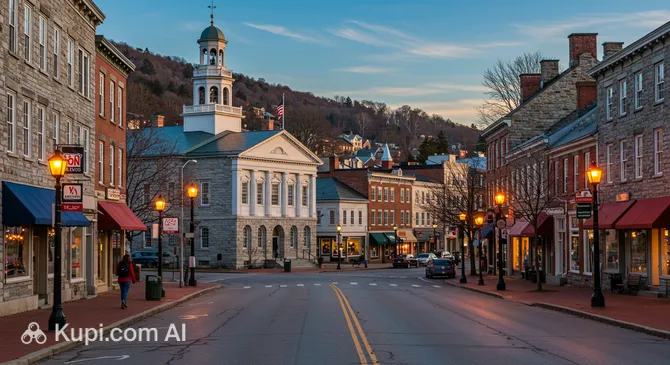
Barre. Source: Kupi.Binoculars

The city's identity is deeply intertwined with stone cutting and carving. Travelers interested in the history of Barre can explore how waves of immigrants from Europe shaped the local culture and the booming granite industry. This legacy is visible everywhere, from the architecture of the downtown district to the statues that adorn the streets.

Visitors should not miss the famous Rock of Ages granite quarry, which is one of the largest of its kind in the world and offers impressive tours. Another unique site is Hope Cemetery, which serves as an open-air museum filled with intricate granite sculptures and memorials that showcase the incredible skill of local artisans. For those who appreciate the performing arts, the historic Barre Opera House hosts a variety of shows in a beautifully restored setting.

Whether you are drawn by the industrial history, the artistic stone carvings, or simply the charm of a Vermont city, Barre welcomes you to explore its streets and stories. It is an excellent stop for anyone looking to discover the hidden gems of Washington County.

Weather Overview

The climate in Barre is defined by four distinct seasons, offering a variety of atmospheric conditions for travelers. Winters are typically cold, with January being the chilliest month, featuring average temperatures around -7.6°C and lows dipping to -12.1°C. This season often transforms the city into a picturesque winter landscape, requiring warm clothing for any outdoor exploration.

As the seasons shift, the weather warms significantly, leading to pleasant and comfortable summers. July is generally the warmest month, with average temperatures of 20.5°C and daytime highs reaching 25.3°C. Regardless of when you visit, precipitation is a consistent factor, with the number of wet days ranging from 10 to 16 days per month throughout the year. Expect warm summers perfect for sightseeing and cold winters that capture the essence of New England. For more specific forecasts and monthly averages to help plan your trip, you can view the detailed weather in Barre.

Interesting Facts

Beyond its reputation as a granite powerhouse, Barre holds several fascinating secrets and quirky landmarks that surprise many visitors. From acoustical anomalies to whimsical stone carvings, the city offers unique discoveries hidden in plain sight.

  • The Whispering Statue: The Robert Burns Memorial in downtown Barre is famous for more than just its artistic detail. The curved granite bench surrounding the statue creates a distinct acoustical phenomenon; if two people sit at opposite ends of the large semicircle and whisper into the stone, they can hear each other clearly, even over the noise of passing traffic.

  • A Cemetery Like No Other: Hope Cemetery is widely considered an open-air art gallery rather than a traditional graveyard. Because many of the people buried here were master stonecutters, they often designed their own headstones. Visitors can find incredibly unique granite monuments in the shape of a life-sized race car, a soccer ball, a biplane, and even an armchair.

  • Unzipping the Earth: Tucked away in a downtown alley is one of the world's largest zipper sculptures. Titled "Unzipping the Earth," this 74-foot-long installation is carved from local gray granite and serves as a planter, giving the illusion that the ground itself is being zipped open to reveal nature underneath.

  • The Deepest Quarry: The legendary Rock of Ages "E.L. Smith" Quarry is often cited as the largest deep-hole dimension granite quarry in the world. It is nearly 600 feet deep, and the site is so vast that the water at the bottom creates a brilliant turquoise hue, contrasting sharply with the gray stone walls.

How to Get There

Reaching this scenic Vermont destination is relatively straightforward, with several transport options available for visitors. Whether you are flying in from afar or traveling by train to a nearby hub, planning your journey is the first step to enjoying your stay. You can find more about how to get to Barre and the detailed routes below.

The city of Barre does not have its own airport, but you can fly into Burlington International Airport (BTV) in the city of Burlington, which is the most convenient option for most travelers. Located approximately 60 km from Barre, this airport serves as a primary gateway to the region. The drive from the airport to the city center typically takes about 50 minutes to an hour by taxi or rental car. Another alternative is Manchester Boston Regional Airport (MHT) in Manchester, situated about 165 km away. While the distance is greater, requiring a drive of roughly 2.5 hours, it offers additional flight connections for those visiting the area.

For clarity, here is a summary of the main airports:
Airport Name City Passenger Traffic Km from City
Burlington International AirportBurlingtonMedium60.2
Manchester Boston Regional AirportManchesterMedium165.1
Plattsburgh International AirportPlattsburghSmall91.9
Lebanon Regional AirportLebanonSmall65.0
St. Hubert AirportMontrealSmall163.7

The city of Barre does not have a railway station, but you can arrive at major rail hubs in the broader region and complete your journey by road. Albany–Rensselaer Station in Rensselaer is a significant station located about 200 km from Barre. From there, you can get a taxi or bus, which takes about 2.5 to 3 hours. Travelers may also consider Boston Back Bay Station in Boston, which is approximately 236 km away. The transfer from Boston to Barre by car generally takes around 3 hours.

For clarity, here is a summary of the nearby railway stations:
Station City Passenger Traffic Km to Center
Downtown Railway StationMontrealHigh167.5
Boston Back Bay StationBostonHigh235.8
Albany–Rensselaer StationRensselaerMedium199.9
St Lambert Railway StationMontrealMedium165.1
Dorval Railway StationMontrealMedium170.2

Main Attractions

Vermont Granite Museum is an essential stop for anyone wanting to understand the soul of this city. Housed in a historic manufacturing shed, the museum preserves the legacy of the stone industry through engaging exhibits and tool displays. It is particularly interesting for its focus on the immigrant artisans who built the community, and visitors can often watch live sculpting demonstrations that showcase the timeless skill of granite carving.

For a change of pace, Thunder Road International Speedbowl offers high-energy entertainment just a short drive from the city center. Known as the "Nation's Site of Excitement," this quarter-mile paved oval track is legendary in the stock car racing world. It is a fantastic destination for sports fans and families looking to experience the thrill of local motorsports and the vibrant atmosphere of a race night.

Studio Place Arts stands as a vibrant beacon of contemporary culture in downtown Barre. This three-story community visual arts center features rotating galleries that display a diverse range of works from regional and local artists. It is a perfect spot for tourists to explore the city's modern creative expression and witness how the artistic spirit has evolved beyond traditional stone cutting.

Aldrich Public Library offers a quiet retreat and a glimpse into the local lifestyle. Beyond its collection of books, the building itself is a classic structure that adds to the charm of the main street. It serves as a community hub and often contains historical references that provide further context to the city's rich past, making it a worthwhile stop for architecture admirers.

Local Cuisine

The culinary landscape of Barre is a delightful reflection of its unique history and location. Unlike many other Vermont towns, Barre possesses a distinct cosmopolitan flavor thanks to the waves of immigrants, particularly from Italy, who came to work in the granite industry. This heritage is lovingly preserved in the local food scene, where visitors can find authentic Italian cuisine, including hearty pastas, homemade sausages, and freshly baked breads that rival those found in larger cities.

For a true taste of Vermont, you cannot leave without trying the state's most iconic dessert: the Maple Creemee. This rich, soft-serve ice cream is sweetened with real local maple syrup and is a staple at roadside stands and snack bars during the warmer months. Another regional highlight is the abundance of Vermont cheddar cheese. With several dairy farms in the surrounding Washington County, travelers can easily find sharp, aged cheeses that are often featured in burgers, sandwiches, and grazing platters across the city.

When it comes to beverages, Barre benefits from Vermont’s world-class reputation for brewing. The region is a haven for craft beer enthusiasts, and local pubs proudly serve a rotating selection of New England IPAs, stouts, and lagers produced by nearby microbreweries. For a non-alcoholic option, fresh apple cider is a local favorite, especially in the autumn. Served hot with spices or cold and crisp, it perfectly captures the essence of the New England harvest.

The dining atmosphere in Barre is characteristically casual and welcoming, favoring substance over pretension. Locals often gather in historic diners and family-run eateries that have served the community for generations. The Barre Farmers Market is another focal point of the food culture, where tourists can mingle with residents to buy fresh produce, artisanal baked goods, and prepared foods directly from the growers and makers. This farm-to-table connection ensures that ingredients are fresh and supports the agricultural traditions of the area.

Travel Tips

To ensure your visit to the "Granite Center of the World" is as smooth and enjoyable as possible, we have compiled a set of essential travel guidelines. These practical tips will help you navigate the local climate, transportation, and customs, allowing you to focus on exploring Barre's unique industrial history and scenic beauty.

  1. Clothing and Gear: The weather in Vermont dictates your wardrobe. If visiting in winter, heavy coats, thermal layers, and waterproof, insulated boots are mandatory due to significant snowfall and freezing temperatures. Summers are mild and pleasant, so light clothing with a sweater for cooler evenings is ideal. Regardless of the season, bring comfortable, sturdy walking shoes, especially if you plan to tour the granite quarries or walk through Hope Cemetery.

  2. Transportation: While there is a local bus service provided by Green Mountain Transit, it is primarily designed for commuters rather than tourists. To fully experience Barre and the surrounding Green Mountains, renting a car is highly recommended. Ride-sharing apps like Uber and Lyft operate in the area but can be unreliable with longer wait times compared to major cities.

  3. Finances: The local currency is the US Dollar (USD). Credit and debit cards are widely accepted at hotels, restaurants, and larger shops. However, it is wise to carry some cash for small purchases at local diners, farmers markets, or smaller independent stores. Tipping is standard practice in the United States; expect to leave 15-20% at restaurants and bars.

  4. Health and Safety: Barre is generally a safe community for travelers. For minor health needs, you will find major pharmacy chains like CVS and Walgreens located near the city center. In case of a medical emergency, the Central Vermont Medical Center is located just a short drive away in neighboring Berlin. Dial 911 for immediate emergency assistance.

  5. Communication: English is the primary language spoken. Free Wi-Fi is commonly available in hotels, coffee shops, and the public library. Mobile cell coverage is generally good within the city limits but can become spotty if you venture deep into the surrounding hills or rural backroads, so downloading offline maps is a good precaution.

  6. Local Etiquette: Vermonters are known for being down-to-earth and friendly. A polite "hello" or nod is common when passing people on the street. When visiting Hope Cemetery, remember that despite its status as an artistic attraction, it is still an active burial ground. Maintain a respectful volume and demeanor, especially if funeral services are taking place.

  7. What to Avoid: Do not climb on the granite statues or monuments. This is considered highly disrespectful and can damage the intricate carvings. Additionally, avoid underestimating winter driving conditions; if you are not used to driving in snow and ice, take extreme caution or wait for plows to clear the roads.

  8. Seasonal Planning: Be aware that some major attractions, particularly the Rock of Ages quarry tours, operate on a seasonal schedule (typically late spring to autumn). If you are visiting in the winter, check ahead to see which facilities are open, as some may be closed or have reduced hours.

By keeping these simple tips in mind, you will be well-prepared to experience the best of Barre. Whether you are marveling at the stone artistry or enjoying the local flavors, a little preparation goes a long way in this charming corner of New England.

Entertainment & Nightlife

Entertainment in Barre reflects the city's down-to-earth character, offering a nightlife scene that is more about cozy connection than high-energy clubbing. While you will not find sprawling nightclub districts here, the city center—particularly along North Main Street and its side streets—comes alive in the evening with a selection of welcoming pubs, sports bars, and live music venues. The atmosphere is distinctly casual and friendly, where locals and visitors mingle easily over craft beers and classic American fare.

For those seeking a lively night out, Gustos Bar is the city's premier destination for entertainment. Often referred to as "America's Gin Mill," this venue transforms from a casual spot during the day into a vibrant hub at night, frequently hosting live bands, DJs, and dancing. It is the go-to place for anyone looking to experience the local energy and stay out a bit later. If you prefer a more relaxed environment, Mulligan's Irish Pub offers a traditional pub setting perfect for enjoying a pint of Guinness and watching sports, while The Quarry Kitchen & Spirits provides a polished yet comfortable atmosphere for enjoying cocktails and dinner with friends.

Cultural entertainment plays a significant role in Barre's evening landscape. The historic Barre Opera House is a cornerstone of the community, offering a year-round schedule of performances ranging from concerts and comedy shows to theater productions. It is an excellent option for a sophisticated evening out. Visitors interested in daytime activities can also explore the city's rich history at the Vermont Granite Museum or enjoy the outdoors, but the Opera House remains the star of the evening arts scene.

Practicality is key when planning a night out in Barre. Most venues operate with a casual dress code; jeans and layers are standard, especially given the variable Vermont weather. Bars typically close around 1:00 AM or 2:00 AM. In terms of transportation, while the downtown area is compact and generally safe for walking, ride-sharing services like Uber or Lyft can be scarce late at night. It is highly advisable to have the number of a local taxi service handy or to arrange a designated driver if you plan to venture far from your accommodation.

Parks & Museums

While Barre is famous for its hard granite, the city also offers a softer side through its scenic green spaces and rich cultural institutions. Visitors can explore a landscape where nature reclaims industrial history and discover museums that delve deep into the stories of the people who built this community. From wooded trails to historic halls, the city provides a diverse array of venues for relaxation and learning.

Millstone Trails is arguably the most significant natural area in the immediate vicinity, offering a world-class network of trails that wind through the historic quarry lands. Located just outside the city center in Barre Town, this extensive system is a paradise for hikers, mountain bikers, and nature lovers. What makes it truly unique is the juxtaposition of dense Vermont forest with the dramatic, deep pools of abandoned granite quarries and piles of grout (discarded stone), creating a hauntingly beautiful industrial landscape that serves as an outdoor museum of nature and geology.

For a more traditional park experience, Currier Park serves as a quiet, leafy refuge in the heart of the city's residential district. This circular park is anchored by a classic bandstand and surrounded by historic homes, offering a perfect snapshot of small-town New England life. It is an ideal spot for a picnic or a leisurely stroll, and during the summer months, it frequently hosts free outdoor concerts that bring the community together on the lawn.

The Vermont History Center is a key cultural destination located in the beautifully restored Spaulding Graded School building. Operated by the Vermont Historical Society, this facility houses a vast library and archives dedicated to the state's lineage and past. For tourists interested in genealogy or the broader narrative of Vermont, this center is a treasure trove of documents, photographs, and maps that offer a scholarly yet accessible look into the region's heritage.

Another pivotal site is the Socialist Labor Party Hall, often simply called the Old Labor Hall. Designated as a National Historic Landmark, this building is a testament to the city's radical political history and the strong community spirit of the Italian stonecutters who settled here. It stands as one of the few surviving fervent hubs of the labor movement in the country. Today, it functions as a living museum and community venue, hosting events and discussions that keep the legacy of Barre's working class alive.

For an authentic local experience, take a walk through the Cow Pasture, also known as the Barre Town Forest. This area offers easier walking trails compared to the rugged Millstone terrain and features open meadows that are excellent for birdwatching. It is a favorite among locals for dog walking and showcases the quieter, pastoral beauty of Central Vermont away from the busy quarries.

Getting Around

Public transport in Barre is primarily served by a regional bus network managed by Green Mountain Transit (GMT). Given the modest size of the city, there are no complex systems like metros, trams, or trolleybuses. The bus service is functional and reliable for connecting the downtown area with neighboring communities, most notably the state capital, Montpelier. The City Commuter route is the most frequent and useful line for visitors, linking the city center with key stops such as the hospital and shopping plazas.

Regarding the payment system, fares are generally quite affordable. You can pay for a single ride using cash directly on the bus, but it is crucial to have the exact change ready, as drivers are not equipped to provide change. For a more convenient, cashless experience, travelers are encouraged to use the Token Transit mobile app. This application allows you to purchase digital tickets or passes on your smartphone in advance; you simply activate the ticket and show the screen to the driver upon boarding.

For tourists relying on public transit, practical planning is essential. Bus operations are most frequent during weekday business hours, while service on weekends and holidays is often significantly reduced or limited. It is highly recommended to consult the official GMT schedule or use a real-time navigation app like Google Maps or the Transit App to track bus arrivals, as frequencies can vary. Bus stops are generally marked with signs, but it is good practice to arrive a few minutes early.

Because the bus network follows specific corridors, it may not reach all outlying attractions, such as the deeper quarry sites or nature trails. In these cases, alternatives are necessary. Taxis operate in the area, but unlike in major metropolises, you cannot hail them on the street; you must call a local company to book a ride in advance. Rideshare services are available but can be sporadic. For the downtown district, walking is the best way to get around, as the area is compact and pedestrian-friendly. However, for complete freedom to explore the wider region, renting a car is often the most practical solution.

Accommodation

Accommodation in Barre is characterized by practical comfort and small-town hospitality rather than expansive luxury resorts. The city offers a modest selection of lodging options that primarily consists of reliable mid-range chain hotels, independently owned motels, and a few charming bed and breakfasts. Because Barre is located just a short distance from the state capital, Montpelier, many visitors also take advantage of the broader range of hotels found along the connecting routes between the two cities.

The most convenient area for travelers to stay is along the Barre-Montpelier Road (Route 302). This commercial corridor serves as the main artery connecting Barre to neighboring communities and hosts the majority of the region's larger hotels. Staying here offers easy access to both downtown Barre’s attractions, such as the Opera House, and the amenities of the capital. For those seeking a more intimate experience, the surrounding hills of Washington County are dotted with smaller inns and guest houses that offer a quiet, scenic retreat away from the main roads.

When planning your stay, it is crucial to consider the season. Vermont is a premier destination for "leaf-peeping" during the autumn months, particularly in late September and October. During this peak foliage season, accommodation in and around Barre fills up rapidly, and prices can rise significantly. It is highly recommended to book several months in advance if you intend to visit during the fall. Similarly, weekends associated with university graduations or major local events at the fairgrounds can also lead to limited availability.

In terms of cost, lodging in Barre is generally affordable to mid-range, making it an accessible destination for families and road-trippers. Most properties offer standard amenities such as free Wi-Fi and parking, which is a significant plus for those exploring the region by car. Booking is typically done through major online travel platforms or directly with the hotels, which is often the best way to secure specific room requests or inquire about seasonal packages.

Nearby Cities

For those looking to explore the surroundings, Barre serves as an excellent base for day trips to several interesting nearby locations:

The vibrant city of Burlington is a top choice for a day trip, located approximately an hour's drive away on the shores of Lake Champlain. As the state's largest city, it offers a lively atmosphere with its famous Church Street Marketplace, a pedestrian mall filled with shops, street performers, and restaurants. Visitors can also enjoy the scenic waterfront park and a variety of breweries that showcase Vermont’s craft beer culture.

For a different experience, travelers can head towards Franconia, situated in the heart of the White Mountains. This destination is renowned for its stunning natural beauty and outdoor recreational opportunities, including hiking trails and scenic drives through the mountain passes. It provides a rugged and picturesque contrast to the urban feel of Burlington, making it perfect for nature lovers.

Another interesting option is Plattsburgh, located across the lake in New York state. Known for its rich history and waterfront access, it offers museums and parks that tell the story of the region's past battles and development. It is a worthwhile stop for those interested in expanding their tour beyond the Vermont border.

City Population Distance (km)
Burlington 137096 65
Berlin 20107 109
South Burlington 20042 62
Plattsburgh 19969 94
Franconia 18310 60

These nearby destinations offer a glimpse into the diverse culture and landscapes of the region.

Shopping & Souvenirs

Shopping in Barre offers a distinctively relaxed and local atmosphere, contrasting with the hustle of large metropolitan retail hubs. Instead of sprawling luxury avenues, visitors will find a charming mix of independent businesses, antique shops, and practical stores that serve the community's daily needs. The experience here is less about high-end fashion and more about discovering unique regional products, exploring historic storefronts, and enjoying the friendly, small-town service that defines central Vermont.

The heart of the city's commercial activity is located along North Main Street. This historic downtown corridor is walkable and lined with beautiful brick buildings that house a variety of specialty boutiques. Here, you can browse through family-owned hardware stores, gift shops, and second-hand stores that often uncover hidden treasures. It is the perfect place to take a leisurely stroll, popping into local businesses while admiring the granite architecture that gives the city its character.

While the city center focuses on small independent shops, those looking for a broader range of national brands and larger retailers will find them just a short drive away. The Berlin Mall, located in the neighboring town of Berlin, serves as the primary shopping center for the Barre-Montpelier area. It features department stores, supermarkets, and clothing chains, providing a convenient one-stop destination for travelers who need to restock on supplies or purchase standard travel essentials.

For a taste of the local culture, the Barre Farmers Market is a highlight during the warmer months. typically held on Wednesday evenings at the Pearl Street Pedeway. It is a vibrant gathering spot where local growers and artisans sell fresh seasonal produce, handmade crafts, and prepared foods. Visiting the market is not just a shopping trip; it is an opportunity to connect with the community and sample the agricultural bounty of Washington County.

When searching for the perfect souvenir, you cannot leave the "Granite Center of the World" without considering a piece of local stone. Gift shops and studios often sell small granite carvings, coasters, or decorative items made from the city's famous gray stone. Additionally, classic Vermont products are excellent choices; look for jugs of authentic maple syrup, locally produced cheddar cheese, or handcrafted wooden items, all of which represent the state's rich artisanal heritage.

Store hours in Barre generally follow standard American business schedules. Most shops in the downtown area are open from approximately 9:00 AM or 10:00 AM to 5:00 PM or 6:00 PM, Monday through Saturday. Sunday hours are often reduced, and some smaller independent boutiques may be closed entirely. Payment methods are modern and convenient; major credit and debit cards are widely accepted, though carrying a small amount of cash is recommended for small purchases at the farmers market or modest diners.

Travelers visiting from abroad should note that the United States does not typically offer a Value Added Tax (VAT) refund system for tourists. Vermont imposes a state sales tax on most tangible goods, and some municipalities may add a small local option tax. The price you see on the shelf usually does not include this tax, which will be added at the register during checkout.

Reached the end of the page?

That means the route is fully explored