Support

Rockland

About

Rockland is a captivating coastal gem located in the Midcoast region of Maine, in the northeastern United States. Known for its rugged beauty and vibrant community, this city serves as a commercial center and a popular tourist destination on the shores of Penobscot Bay. With its classic New England architecture and working harbor, Rockland perfectly blends maritime tradition with a flourishing contemporary arts scene.

With a population of nearly 18,000 residents, the city offers a welcoming small-town atmosphere combined with significant cultural depth. Visitors interested in the region's evolution can explore the fascinating history of Rockland, which transformed from a 19th-century limestone and granite production hub into a celebrated center for tourism and maritime industries.
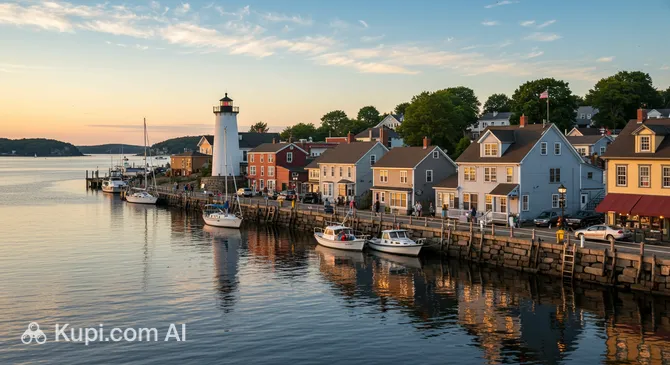
Rockland. Source: Kupi.Binoculars

Today, Rockland is widely recognized as the Lobster Capital of the World, hosting the famous Maine Lobster Festival every summer which draws visitors from across the globe. Beyond its culinary delights, the city is a haven for art lovers, housing the renowned Farnsworth Art Museum, which features an extensive collection of American art, including works by the Wyeth family. Nature enthusiasts should not miss the walk along the historic Rockland Breakwater, a massive granite pier stretching nearly a mile into the harbor, leading to a picturesque lighthouse.

Whether you are strolling through its historic downtown, enjoying fresh seafood by the water, or taking a ferry to the nearby islands of Vinalhaven and North Haven, Rockland promises an unforgettable experience. It is the perfect destination for travelers seeking an authentic taste of coastal charm and relaxation.

Weather Overview

Understanding the local climate is essential for packing the right gear, as the weather in Rockland changes distinctly with the seasons. The city generally enjoys a temperate climate typical of coastal Maine, characterized by mild, pleasant summers and cold winters.

The summer months of June through August are widely considered the best time to visit, offering comfortable conditions for exploring the outdoors. July is typically the warmest month, with average temperatures around 21.1°C and daytime highs reaching up to 24.5°C. Conversely, winters can be quite chilly, with January being the coldest month; average temperatures drop to -2.4°C, and lows can dip to -6.0°C.

Precipitation is fairly consistent throughout the year, usually manifesting as light rain or snow depending on the temperature. September tends to have the fewest wet days, with rain recorded on about 8 days, while other months typically see between 9 and 12 wet days. Overall, you can expect warm summers with occasional rain and cold winters that require warm layers.

Interesting Facts

Beyond the main attractions and maritime bustle, Rockland holds fascinating stories that paint a vivid picture of its rich heritage and evolution. Here are some intriguing details about this coastal city that often go unnoticed by casual visitors.

  • Birthplace of a Literary Icon: Rockland is the hometown of the celebrated poet Edna St. Vincent Millay, who was the first woman to receive the Pulitzer Prize for Poetry. She was born in a house on Broadway in 1892, and the site is now preserved as a significant literary landmark honoring her legacy.

  • The City of Lime: Before it became famous for lobsters, Rockland was known as the "Limestone City." In the 19th century, the skyline was dominated by over 125 lime kilns burning continuously. The fires were so intense that sailors in Penobscot Bay reportedly used the city's glowing sky as a navigational beacon at night.

  • A Monumental Engineering Feat: The iconic Rockland Breakwater is more than just a scenic walking path; it represents a massive engineering struggle. It took nearly 18 years to complete, from 1881 to 1899, and required approximately 700,000 tons of granite to construct the nearly mile-long barrier that protects the harbor.

  • From Shore Village to City: Rockland was not always an independent municipality. It originally began as a district of the neighboring town of Thomaston, known simply as "Shore Village." It wasn't until 1848 that it separated and incorporated as its own town, driven by its booming maritime and industrial economy.

How to Get There

Reaching this charming coastal destination is part of the adventure, with several convenient options available for travelers. Whether you prefer flying into a nearby hub or taking a scenic drive from a major city, you can easily plan your journey. For a comprehensive guide on logistics and routes, check out all ways to reach the city.

For those prioritizing speed and convenience, the city is served directly by Knox County Regional Airport (RKD), located just 4.8 km from the center of Rockland. While it is a smaller regional hub, it offers the quickest access, with a transfer time of just a few minutes. Travelers seeking more extensive flight connections often choose Bangor International Airport (BGR) in the city of Bangor. Situated about 81.6 km away, the ground transfer from Bangor typically takes approximately 1.5 hours. Alternatively, Portland International Jetport (PWM) in South Portland is a popular choice for international and domestic arrivals. It is located 109.0 km from Rockland, and the drive by taxi or shuttle generally takes under 2 hours.

For clarity, here is a summary of the main airports:

Airport Name City Passenger Traffic Km from City
Portland International Jetport South Portland Large 109.0
Manchester Boston Regional Airport Manchester Medium 229.1
Bangor International Airport Bangor Medium 81.6
Knox County Regional Airport Rockland Small 4.8
Bar Harbor Airport Bar Harbor Small 70.9

While Rockland does not have a major intercity railway station of its own, visitors can access the region via major rail hubs in Boston and then continue their journey by bus or car. The most significant hub is South Station (ZTO) in Boston, located approximately 250.7 km away. From there, the onward journey by road takes around 3 to 4 hours depending on traffic. Another option in the same city is Boston Back Bay Station (ZTY), roughly 252.2 km from Rockland, serving as another key entry point for travelers coming from the southern states.

Below is a list of the nearest major railway stations:

Station City Passenger Traffic Km to Center
South Station Boston Very Large 250.7
Boston Back Bay Station Boston Large 252.2
Route 128 Station Boston Large 267.8

Main Attractions

Rockland offers a delightful mix of cultural richness and maritime history, making it a standout destination on the Maine coast. From world-class art collections to unique outdoor adventures, the city's attractions cater to a wide range of interests, allowing visitors to immerse themselves in the local heritage and natural beauty.

Farnsworth Art Museum is a cultural cornerstone of the city and a must-visit for art enthusiasts. This renowned institution celebrates Maine's significant role in American art, featuring a vast collection of works from the 18th century to the present. It is particularly famous for its extensive holdings of the Wyeth family—N.C., Andrew, and Jamie—showcasing three generations of artistic genius. The museum's campus includes the Wyeth Center and the historic Olson House, which inspired Andrew Wyeth's iconic painting, Christina’s World.

For those seeking fresh air and scenic views, the Rockland Breakwater Lighthouse offers a truly unique experience. Visitors can walk along a massive granite breakwater that stretches nearly a mile into the middle of Rockland Harbor. The journey provides panoramic views of the coastline and Penobscot Bay, culminating at a historic lighthouse built in 1902. It is an excellent spot for watching windjammers sail by or simply enjoying the peaceful maritime atmosphere.

Maritime history comes alive at the Maine Lighthouse Museum, which houses the largest collection of lighthouse artifacts and Fresnel lenses in the United States. Located on the waterfront, this museum offers a fascinating look into the lives of lighthouse keepers and the Coast Guard. The exhibits feature dazzling glass lenses, foghorns, and stories of heroism, making it an illuminating stop for anyone interested in the nautical legacy of the region.

Nature lovers should not miss the Project Puffin Visitor Center, an educational hub dedicated to seabird conservation. Run by the National Audubon Society, the center tells the inspiring story of how Atlantic puffins were successfully restored to their historic nesting islands in Maine. Interactive exhibits, documentary films, and live video feeds from the offshore sanctuaries allow visitors of all ages to learn about these charismatic birds and the efforts to protect them.

Local Cuisine

As the self-proclaimed "Lobster Capital of the World," Rockland offers a culinary landscape that is undeniably centered around the bounty of the sea. The local food scene is defined by its freshness, with many restaurants serving catches brought in by fishing boats just hours before they hit the plate. For seafood lovers, this city is a paradise where the main attraction is the succulent Maine lobster, prepared in every conceivable way, from classic steamed dinners to rich, creamy bisques.

The quintessential dish that every visitor must try is the Maine lobster roll. In Rockland, you will typically find it served in a traditional style: chunks of fresh, sweet lobster meat lightly tossed in mayonnaise or drizzled with warm melted butter, all piled high on a toasted, split-top bun. Beyond lobster, the local menus feature other maritime staples such as fried whole-belly clams, tender scallops, and hearty haddock chowder, often accompanied by a side of cornbread or oyster crackers.

For those with a sweet tooth, the region offers distinct local treats. Maine is the largest producer of wild blueberries in the world, and during the harvest season, wild blueberry pie becomes a staple dessert in nearly every diner and cafe. Another iconic treat is the Whoopie Pie, consisting of two soft, cake-like chocolate cookies sandwiching a generous layer of creamy filling. It is a beloved comfort food that pairs perfectly with a cup of coffee.

When it comes to beverages, Rockland reflects the broader tastes of Maine. The state has a thriving craft beer culture, and local pubs often feature a rotating selection of ales and lagers brewed nearby. For a non-alcoholic option that is truly unique to the region, adventurous travelers should try Moxie. This dark soda, designated as the official soft drink of Maine, has a distinctively bitter-sweet flavor derived from gentian root extract, making it a "love it or hate it" experience for many.

The dining atmosphere in Rockland ranges from casual to sophisticated. In the warmer months, seasonal clam shacks and lobster pounds along the waterfront offer a rustic, open-air experience where you can eat at picnic tables overlooking the harbor. Year-round, the historic downtown area hosts a variety of farm-to-table restaurants that emphasize locally sourced ingredients, blending traditional New England cooking with modern culinary innovation.

Travel Tips

Welcome to Rockland! To ensure your visit to this charming Midcoast city is as smooth and enjoyable as possible, we have compiled a set of essential travel tips. These practical suggestions will help you navigate the local lifestyle, prepare for the coastal elements, and experience the best of what the region has to offer.

  1. Clothing and Gear: Maine weather can be unpredictable, even in summer. It is best to pack layers, including a warm sweater and a waterproof windbreaker, as ocean breezes can be chilly. Comfortable, sturdy walking shoes are a must, especially if you plan to walk the nearly mile-long Rockland Breakwater or explore uneven coastal paths. If you are visiting in winter, heavy coats, gloves, and boots are essential.
  2. Transportation: The downtown area is compact and very walkable, allowing you to easily visit museums, galleries, and restaurants on foot. However, to explore the surrounding Midcoast region, renting a car is highly recommended. Public transportation is limited; while there are regional bus services connecting towns, there is no local metro or extensive city bus network. Taxis and ride-sharing apps like Uber and Lyft are available but may have longer wait times than in major cities.
  3. Finances: The local currency is the US Dollar (USD). Credit and debit cards are widely accepted at most hotels, restaurants, and shops. However, it is wise to carry some cash for small purchases at local farmers' markets, seasonal food stands, or for tipping. ATMs are readily available throughout the city. Tipping is standard practice in the US; expect to leave 18-20% for restaurant service and a few dollars for hotel staff or taxi drivers.
  4. Health and Safety: Rockland is generally a very safe destination for tourists. Pharmacies are available in the city center and commercial districts, though they may not be open 24/7. For medical emergencies, the Pen Bay Medical Center is located just a short drive away in neighboring Rockport. If you plan on hiking or walking in tall grass, be mindful of ticks, which are common in Maine; use insect repellent and check yourself after outdoor activities.
  5. Communication: English is the primary language spoken. While cell phone coverage is generally good in the city center, it can be spotty in more rural areas or on the water. Free Wi-Fi is commonly available in hotels, cafes, and the public library. If you are an international visitor, purchasing a prepaid SIM card from a major carrier like Verizon or AT&T will ensure the best connectivity in this region.
  6. Local Etiquette: The vibe in Rockland is relaxed and casual. There is rarely a need for formal attire; "smart casual" works for even the nicest restaurants. Locals are generally friendly and appreciate a polite greeting or a nod when passing on the street. It is polite to respect the pace of life here, which can be slower than in big cities—patience and a smile go a long way.
  7. What to Avoid: Rockland is a working harbor, not just a tourist backdrop. Avoid interfering with fishing gear, traps, or boats docked at the waterfront. These are the livelihoods of local fishermen. Also, avoid assuming that shops and restaurants stay open late; many local businesses close around 5:00 PM or 6:00 PM, especially outside of the peak summer season.
  8. Additional Tip: Keep an eye on the tides if you plan to explore the shoreline or beaches. The tide variance in Maine is significant, and what looks like a dry path can quickly become submerged. Also, if you are visiting in August during the Maine Lobster Festival, book your accommodation months in advance, as the city fills up quickly!

By keeping these tips in mind, you will be well-prepared to relax and immerse yourself in the authentic maritime culture of Rockland. Whether you are here for the art, the lobster, or the ocean views, a little preparation ensures a memorable and hassle-free adventure.

Entertainment & Nightlife

Rockland’s nightlife reflects its character as a working coastal town: authentic, welcoming, and relaxed. You will not find sprawling nightclubs or 24-hour party zones here. Instead, the evening entertainment scene revolves around cozy pubs, craft breweries, and cultural venues where locals and visitors mingle over live music and local drinks. The atmosphere is distinctly casual, making it easy to strike up a conversation and enjoy the slow-paced maritime charm after the sun goes down.

The heart of the action is concentrated along Main Street in the downtown area. This walkable strip is where most of the city's evening establishments are located, allowing you to easily hop from a dinner spot to a bar without needing transportation. In the summer months, the streets are livelier with tourists, but even in the off-season, Main Street remains the social hub of the community.

For a taste of the local flavor, Rock Harbor Brewing Co. is a popular stop. It offers a selection of small-batch craft beers brewed on-site, accompanied by pub fare and a friendly, unpretentious vibe. If you are looking for live entertainment, the Myrtle Street Tavern is a local institution known for hosting bands and offering a classic dive bar experience with pool tables and karaoke nights. For a more culturally enriching evening, the historic Strand Theatre on Main Street is the city's premier venue, regularly hosting independent films, live concerts, and stage performances in a beautifully restored 1923 building.

Practicalities in Rockland differ from big cities. The dress code is almost universally "Maine casual"—jeans, flannel, and comfortable shoes are acceptable everywhere. Opening hours are relatively early; while some bars may stay open until 1:00 AM, many kitchens close by 9:00 PM or 10:00 PM. Prices are generally moderate, with a pint of beer costing between $6 and $9. It is best to head out earlier in the evening to fully enjoy the offerings before the town quiets down for the night.

Safety is rarely a concern in Rockland, and the downtown area is well-lit and safe for walking at night. However, transportation options can be limited late in the evening. Rideshare availability is not guaranteed, and taxis are few, so it is highly recommended to have a local taxi number saved or to arrange your ride in advance if you are staying outside the downtown core.

During the day, entertainment shifts towards cultural and outdoor pursuits. Apart from the renowned art museums, visitors can enjoy matinee screenings at the theater or explore the local boutiques. In the summer, the waterfront becomes a stage for daytime festivals and events, blending entertainment with the scenic beauty of the harbor.

Parks & Museums

Rockland seamlessly integrates its identity as a working waterfront with inviting green public spaces and a world-class artistic heritage. For visitors, this means the opportunity to transition effortlessly from a scenic coastal stroll to an inspiring gallery tour within just a few blocks.

For those seeking fresh air and ocean views, Harbor Park is the centerpiece of the city's outdoor life. Located directly on the waterfront, this grassy expanse offers unobstructed views of Penobscot Bay and the busy harbor. It serves as the community's gathering place, hosting major events like the Maine Lobster Festival, but on quiet days, it is the perfect spot for a picnic while watching ferries and lobster boats come and go. Just a short distance away, the Rockland Harbor Trail provides a more active experience. This scenic walkway stretches for several miles along the coast, connecting the historic downtown to the breakwater, offering walkers and joggers a safe, picturesque route past marinas and industrial landmarks.

The city's cultural landscape is anchored by institutions that rival those found in much larger metropolitan areas. While the Farnsworth Art Museum celebrates traditional American art, the Center for Maine Contemporary Art (CMCA) offers a striking contrast with its focus on the art of this generation. Housed in a stunning glass-enclosed building that is an architectural gem in itself, the CMCA features rotating exhibitions of work by artists with ties to Maine. It is a dynamic space that emphasizes modern creativity, making it a must-visit for design and art enthusiasts.

Families traveling with younger children will find the Coastal Children's Museum to be a delightful educational stop. Located near the water, this interactive museum is designed to foster an appreciation for the natural world and the region's maritime roots. Exhibits often include touch tanks with local marine life, puzzles, and creative play areas that allow kids to learn about the ocean environment in a hands-on way.

Beyond the museums, Rockland’s Historic Main Street serves as an open-air gallery of 19th-century architecture. The downtown district is lined with well-preserved brick buildings that once housed ship chandleries and merchants, now occupied by boutiques and cafes. A notable architectural highlight is the Strand Theatre, listed on the National Register of Historic Places, which retains its classic 1920s marquee and interior charm.

For a lesser-known local experience, explore the South End of the city along the Harbor Trail. This area feels more industrial and authentic, often quieter than the main tourist strip. It is a great place to see the "working" side of Rockland, including the historic Snow Marine Park, a favorite spot among locals for launching boats and enjoying a quiet sunset away from the crowds.

Getting Around

Navigating Rockland is relatively straightforward, primarily due to its compact size and pedestrian-friendly layout. Unlike larger metropolitan areas, this small coastal city does not possess a complex public transport network with metros, trams, or extensive municipal bus systems. For most visitors, the primary mode of getting around the downtown area is simply walking, as the main attractions, restaurants, and the waterfront are all located within a comfortable distance of one another.

The most significant and distinctive component of the local transport infrastructure is the Maine State Ferry Service. The ferry terminal, located directly on the waterfront, serves as a vital hub connecting the mainland to the nearby islands of Vinalhaven, North Haven, and Matinicus. These ferries are large vessels capable of carrying passengers, bicycles, and vehicles. For many tourists, a trip on one of these ferries is not just a mode of transport but a scenic excursion in itself, offering beautiful views of Penobscot Bay.

Regarding payment and tickets, the system is decentralized since there is no integrated city transport card or travel pass. Ferry tickets can be purchased directly at the terminal or, in some cases, online in advance. Fares are fixed based on the destination and whether you are bringing a vehicle or bicycle. It is important to note that ticket prices for the ferry are round-trip, meaning you pay once upon departure from Rockland and do not need a ticket to return from the islands.

For ground transportation within the city and to surrounding towns, options are somewhat limited. There is no frequent "hop-on, hop-off" city bus service. Regional bus lines, such as Concord Coach Lines, stop in the city but are designed for intercity travel (connecting to places like Boston or Bangor) rather than local commuting. Therefore, you cannot rely on buses for short trips between local neighborhoods or nearby museums.

As reliable alternatives, taxis and car services play a crucial role. Several local taxi companies operate in the area, and while rideshare apps like Uber and Lyft are available, drivers can be scarce, especially early in the morning or late at night. It is highly advisable to keep the phone number of a local taxi service handy and to book rides in advance if you have a strict schedule, such as catching a flight or a specific ferry.

For those wishing to explore beyond the immediate downtown, renting a car is the most practical solution. This allows for the freedom to visit the breakwater, nearby lighthouses, and neighboring coastal villages at your own pace. Additionally, during the warmer months, bicycle rentals are a popular and eco-friendly way to see the city. The terrain is relatively flat near the harbor, making it an enjoyable ride for cyclists of most skill levels.

Accommodation

Accommodation in Rockland reflects the city’s blend of historic maritime charm and modern artistic flair. Visitors can choose from a wide array of options, ranging from elegant boutique hotels housed in restored brick buildings to cozy bed-and-breakfasts located in former sea captains' homes. For those seeking more familiar comforts, there are also reliable chain hotels and motels, particularly along the main approach routes to the city.

The most popular area to stay is undoubtedly the Downtown District. Choosing a hotel here places you within easy walking distance of the harbor, the Farnsworth Art Museum, and the ferry terminal. Staying in the city center allows you to enjoy the local dining scene without worrying about parking or driving after dinner. For a quieter experience with scenic ocean vistas, look for properties near the Rockland Breakwater or along the coastline, where resorts and inns often offer rooms with sweeping views of Penobscot Bay.

Travelers on a budget or those on a road trip through the Midcoast region often find convenient options along Route 1. This commercial strip features several motels and motor inns that offer practical amenities and easy access to the highway, making them a good base for exploring nearby towns like Camden and Rockport as well.

Booking Tip: Rockland is a highly seasonal destination. During the peak summer months, especially in early August when the Maine Lobster Festival takes place, the city reaches full capacity. It is strongly recommended to book your accommodation several months in advance if you plan to visit during this time. Fall foliage season (late September to October) is another busy period requiring early reservations.

Prices vary significantly depending on the season. In the summer and early autumn, rates are at their highest, with downtown boutique hotels and waterfront resorts commanding premium prices. Winter and early spring offer much lower rates, though visitors should check availability as some smaller inns and B&Bs may close for the season. Most properties can be booked via major online platforms, but many local bed-and-breakfasts appreciate direct inquiries, which can sometimes secure a better room or a more personalized experience.

Nearby Cities

Rockland is situated in a convenient location along the Midcoast of Maine, making it an excellent base for exploring the wider region. The city is surrounded by a variety of other communities, ranging from historic industrial centers to bustling commercial hubs, all within a reasonable driving distance. Visitors often combine a stay in Rockland with trips to these neighboring destinations to experience the diverse character of the state.

Just to the north lies Bangor, a key city in the Maine Highlands known for its rich history and access to the northern wilderness. To the west, travelers can visit Lewiston, the second-largest city in the state, which offers a vibrant cultural scene and deep roots in manufacturing. Heading south along the coast leads to South Portland, a popular area that complements the maritime charm of the region with its own unique attractions and shopping districts.

The following table lists several cities located near Rockland, including their population and distance from the city center:

City Population Distance (km)
Hampden 32,530 74
Bangor 31,920 82
Lewiston 36,615 89
South Portland 26,428 104
Cumberland 36,186 108

Shopping & Souvenirs

Shopping in Rockland is a distinctive experience that revolves around its vibrant, pedestrian-friendly downtown rather than sprawling suburban malls. The heart of the commercial district is Main Street, a historic thoroughfare lined with brick buildings that house an eclectic mix of independent boutiques, specialty stores, and family-owned businesses. This walkable layout allows visitors to explore the city’s retail offerings while enjoying the salty breeze from the nearby harbor.

As a city with a deep artistic soul, Rockland offers an impressive array of art galleries and craft shops. Visitors can find high-quality works ranging from oil paintings of the coast to intricate sculptures and handmade pottery. Many of these galleries represent local artists, making it the perfect place to purchase a unique piece of Maine to take home. In addition to fine art, there are numerous shops dedicated to nautical gifts, offering everything from brass compasses to reclaimed sailcloth bags.

For those seeking edible souvenirs, the local specialty food stores are a treasure trove. Maine is famous for its wild blueberries, and you will find them in every conceivable form, including jams, syrups, and baking mixes. Maple syrup and locally sourced honey are also popular items. Several gourmet markets in the city center focus on Maine-made products, providing a convenient way to sample the region's culinary heritage.

During the summer and early autumn, the Rockland Farmers' Market is a highlight for both locals and tourists. Held at Harbor Park, this open-air market features stalls overflowing with seasonal produce, fresh flowers, and artisanal goods like goat milk soaps and hand-spun wool. It is an excellent spot to mingle with the community and discover the agricultural bounty of the Midcoast region.

Reached the end of the page?

That means the route is fully explored