Support

Bar Harbor

About

Bar Harbor is a quintessential coastal town located on the eastern side of Mount Desert Island in Maine. Known for its stunning natural beauty and deep maritime roots, it serves as a premier destination for travelers exploring the northeastern coast of the United States. With a year-round population of approximately 5,000 residents, the town maintains a cozy, small-town atmosphere that transforms into a bustling and vibrant hub during the summer months.

Bar Harbor. Source: Kupi.Binoculars

The area was once a renowned summer colony for America's elite during the Gilded Age, leaving behind a legacy of elegance and grandeur. You can discover more about the fascinating history of Bar Harbor by visiting its local museums and admiring the historic architecture that still dots the landscape. Today, the town seamlessly blends this storied past with a friendly, welcoming vibe, offering a perfect mix of relaxation and outdoor adventure.

Bar Harbor is most famous as the gateway to Acadia National Park, where visitors can explore rugged coastlines, hike granite peaks like Cadillac Mountain, and wander along scenic carriage roads. The town itself sits on the shores of Frenchman Bay, providing excellent opportunities for whale watching, kayaking, and enjoying fresh seafood at waterfront restaurants. Whether you are seeking a nature-filled escape or a charming seaside retreat, Bar Harbor invites you to experience the very best of New England.

Weather Overview

The weather in Bar Harbor is characterized by a classic coastal climate with four distinct seasons, heavily influenced by the Atlantic Ocean. Visitors can look forward to comfortable, mild summers and cold winters. Since precipitation is fairly consistent year-round, packing layers and rain gear is advisable regardless of when you visit.

During the peak summer months of July and August, conditions are generally pleasant for outdoor exploration, with average temperatures hovering around 20°C and highs reaching approximately 23°C. This is the warmest time of year, though you should still be prepared for about 10 wet days per month. Conversely, winters are chilly, with January seeing average temperatures drop to -3.2°C and lows reaching -6.9°C.

Spring and autumn serve as cool transition periods. By May, the air warms up to an average of 11.5°C, while October offers similar crisp conditions with averages around 11.8°C before cooling down in November. Rainfall remains fairly consistent throughout the year, with wet days ranging from 8 to 12 days per month, so carrying a light rain jacket is recommended for any trip.

Interesting Facts

Beyond the picturesque waterfront and famous lobster rolls, Bar Harbor holds a collection of fascinating secrets and historical quirks. Here are a few unique insights into this coastal gem that might surprise you.

  • A Name Rooted in Nature: The town was not always known as Bar Harbor. Until 1918, it was called Eden. The name was eventually changed to reflect the natural gravel sandbar that appears at low tide, connecting the town to the nearby Bar Island.

  • The Great Fire of 1947: A massive wildfire dramatically reshaped the town's history. It burned for weeks and destroyed many of the grand Gilded Age mansions known as "Millionaires' Row," effectively ending the era of extreme opulence and shifting the town's focus toward becoming the accessible nature destination it is today.

  • First Light in the Nation: Just a short distance from downtown, Cadillac Mountain in Acadia National Park is celebrated as the first place in the United States to view the sunrise from early October through early March, thanks to its height and eastern location.

  • Walking on the Ocean Floor: The famous sandbar allows visitors to walk across the ocean floor to Bar Island, but only for a few hours each day. It serves as a natural clock; if you linger too long, the tide returns quickly and can strand hikers on the island for up to nine hours until the water recedes again.

Acadia National Park. Source: Kupi.Binoculars

How to Get There

Reaching this picturesque coastal town is part of the New England experience, with several travel options available depending on your itinerary. For a complete breakdown of routes and transportation tips, you can read more about how to get to Bar Harbor in our detailed guide. Most visitors arrive by air or road, utilizing the regional hubs that serve Mount Desert Island and the surrounding Maine coast.

The most convenient option for air travelers is the local Bar Harbor Airport (IATA: BHB). Located directly in Bar Harbor, it is a small regional facility situated just 14.3 km from the main town center. The short transfer typically takes about 20 minutes by taxi or rental car. While it handles a smaller volume of passengers, it offers the distinct advantage of landing practically at your destination.

For a wider range of flight connections, many travelers choose Bangor International Airport (IATA: BGR). The city of Bar Harbor does not have a major international hub of its own, so this airport in the city of Bangor serves as a key gateway. It is located approximately 68 km away, with a driving time of around 1 hour 15 minutes. Another significant option is the Portland International Jetport (IATA: PWM) in South Portland. Although it is further away—about 188 km, requiring a drive of approximately 3 hours—it is a large hub with extensive connections, making it a popular choice for those planning a scenic road trip up the coast.

For clarity, here is a summary of the main airports serving the region:

Airport Name City Passenger Traffic Km from City
Portland International Jetport South Portland Large 187.8
Bangor International Airport Bangor Medium 67.8
Saint John Airport Saint John Small 210.6
Knox County Regional Airport Rockland Small 80.0
Bar Harbor Airport Bar Harbor Small 14.3

Main Attractions

Bar Harbor offers a wealth of breathtaking sights, blending the charm of a historic seaside town with the raw power of the Atlantic coastline. While the town center is delightful to explore, the most compelling reasons to visit lie in the spectacular natural landscapes that surround it. From granite cliffs to serene walking trails, here are some of the top places you shouldn't miss.

Undoubtedly the most significant draw for visitors is Acadia National Park, a sprawling reserve that protects much of Mount Desert Island. It is a paradise for outdoor enthusiasts, offering miles of historic carriage roads for biking and hiking trails that range from easy strolls to challenging climbs. Visitors can drive to the summit of Cadillac Mountain for sweeping views or explore the rugged coastline that defines this unique national treasure.

Located along the park's scenic Loop Road, Thunder Hole is one of the area's most famous natural phenomena. This small inlet carved into the rocks offers a dramatic show when the waves crash against the cavern walls. Ideally visited about two hours before high tide, the rushing water traps air in the cavern, creating a thunderous booming sound and often splashing water high into the air, delighting spectators.

Thunder Hole. Source: Kupi.Binoculars

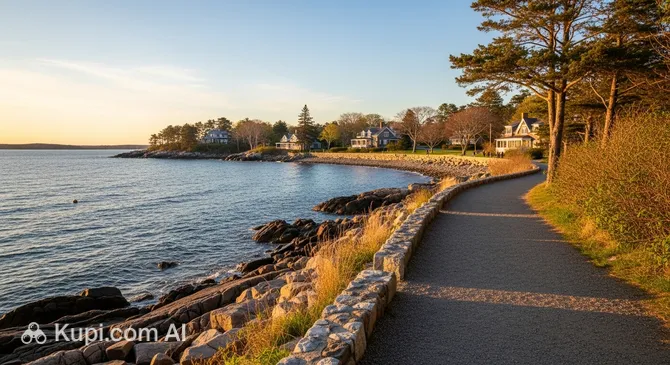
For those preferring a scenic walk directly from town, the Bar Harbor Shore Path is a perfect choice. This historic trail, created around 1880, begins near the town pier and winds along the oceanfront for about a kilometer. It provides unobstructed views of the Porcupine Islands and Frenchman Bay on one side, and beautiful historic cottages on the other, making it an ideal spot for a relaxing morning or evening stroll.

Bar Harbor Shore Path. Source: Kupi.Binoculars

Another highlight within the region is Sand Beach, a rare geological feature on an island known for its rocky shores. Nestled between granite mountains and rocky headlands, this gorgeous stretch of sand stretches for roughly 260 meters. While the water temperatures rarely rise above 13°C even in summer, making swimming a chilly experience, the beach is incredibly popular for sunbathing, picnicking, and enjoying the stunning coastal scenery.

Local Cuisine

Local Cuisine:

The culinary landscape of Bar Harbor is inextricably linked to the Atlantic Ocean, offering some of the freshest seafood in New England. Dining here is a casual yet delicious affair, where the catch of the day is often served just hours after being pulled from the water. While the town has a variety of international options, the true heart of the local kitchen lies in its traditional Maine fare, characterized by hearty chowders, steamed shellfish, and sweet wild blueberries.

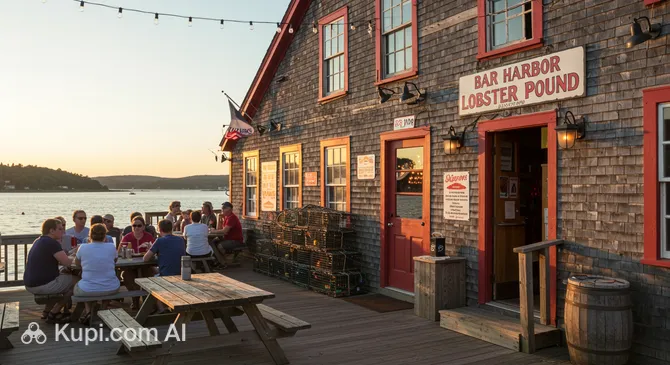
No visit to this region is complete without experiencing a traditional lobster dinner. The Maine lobster is the undisputed king of the table, typically served simply—steamed with corn on the cob and drawn butter—or as a classic lobster roll, where chunks of meat are piled into a toasted bun. For an authentic taste of this tradition, visitors can head to the Bar Harbor Lobster Pound. Establishments like this offer a rustic and memorable dining experience that perfectly captures the essence of coastal Maine.

Bar Harbor Lobster Pound. Source: Kupi.Binoculars

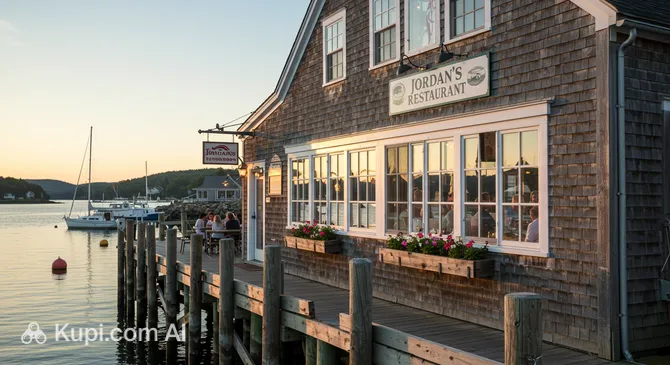
Beyond seafood, the region is famous for its wild blueberries, which are smaller and sweeter than their cultivated counterparts. These berries find their way into pies, cobblers, and breakfast dishes throughout the town. Jordan's Restaurant is a beloved local institution renowned for its dedication to this ingredient, particularly in their famous blueberry pancakes and muffins, making it a must-visit spot for a comforting morning meal.

Jordan's Restaurant. Source: Kupi.Binoculars

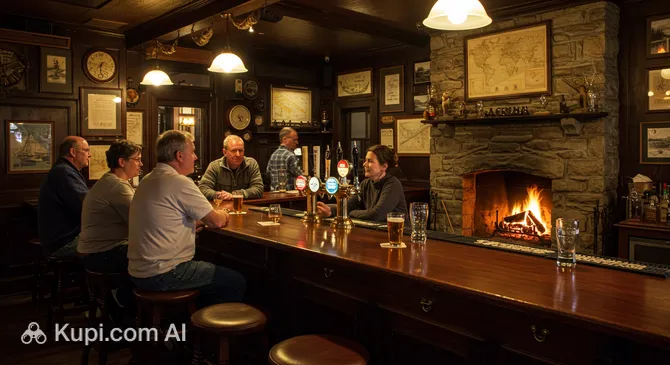
For those looking to unwind with a drink and hearty pub food, the town's social scene is vibrant and welcoming. You can enjoy a pint of local craft beer or a casual meal at Leary's Landing Irish Pub, known for its friendly atmosphere close to the waterfront. Alternatively, the Lompoc Cafe offers a relaxed setting with a focus on unique brews and a diverse menu, providing a perfect end to a day of hiking or sightseeing.

Leary's Landing Irish Pub. Source: Kupi.Binoculars

Travel Tips

Welcome to Bar Harbor! To ensure your visit to this charming coastal gateway and the majestic Acadia National Park is as smooth and enjoyable as possible, we have compiled a list of essential travel tips to help you navigate the local lifestyle and environment.

  1. Clothing and Gear: Maine’s coastal weather is notoriously unpredictable, so packing layers is the golden rule. Even in summer, evenings can be cool, so bring a warm sweater and a waterproof windbreaker. Since you will likely be exploring the park, comfortable, sturdy hiking boots are a must. If you plan to visit religious sites or upscale dining venues, casual but neat attire is generally acceptable.

  2. Transportation: During the peak summer season, traffic and parking can be challenging. The best way to get around is the Island Explorer, a free propane-powered shuttle system that connects hotels, campgrounds, and the village center to major destinations in Acadia National Park. If you drive, be prepared for limited parking availability downtown; renting a bicycle is a fantastic eco-friendly alternative.

  3. Finances: The local currency is the US Dollar (USD). Credit and debit cards are widely accepted at most hotels, restaurants, and shops, but carrying some cash is useful for small purchases or tips. ATMs are readily available in the town center. Tipping is customary in the United States; leaving 15-20% for waitstaff and taxi drivers is the standard practice.

  4. Health and Safety: Bar Harbor is a safe destination, but when hiking in the woods or tall grass, be mindful of ticks, which can carry Lyme disease; use insect repellent and check yourself after hikes. For medical emergencies, the Mount Desert Island Hospital is located directly in Bar Harbor. Pharmacies are available in town, though they may not operate 24/7, so plan accordingly.

  5. Communication: English is the primary language spoken. While Wi-Fi is common in hotels and cafes, cellular service can be spotty or non-existent within deeper parts of Acadia National Park. It is highly recommended to download offline maps or carry a physical map before heading out on the trails.

  6. Local Etiquette: The local vibe is laid-back and friendly. A simple "hello" or nod to passersby is common. When visiting nature reserves, strictly adhere to "Leave No Trace" principles: carry out all trash, stay on marked trails to protect fragile vegetation, and respect wildlife from a distance.

  7. What to Avoid: Do not ignore the tide charts if you plan to walk across the sandbar to Bar Island. The land bridge is accessible only for a short window around low tide; misjudging the time can leave you stranded on the island for up to nine hours until the water recedes.

  8. Pro Tip: If you want to drive to the summit of Cadillac Mountain for the famous sunrise, you must make a vehicle reservation in advance online. These slots sell out quickly, often months ahead, so planning ahead is crucial to catch that first light.

By keeping these practical tips in mind, you will be well-prepared to embrace the rugged beauty and welcoming spirit of Bar Harbor. Whether you are hiking the granite peaks or enjoying a sunset dinner by the bay, a little preparation goes a long way toward creating an unforgettable New England adventure.

Entertainment & Nightlife

Entertainment and Nightlife:

Bar Harbor’s nightlife reflects the town’s overall character: relaxed, welcoming, and deeply connected to its surroundings. You won’t find sprawling nightclubs or 24-hour party zones here. Instead, the evening scene is designed for unwinding after a day of hiking in Acadia or exploring the coast. The atmosphere is social and lively, dominated by local pubs, waterfront bars, and venues hosting live music that ranges from folk to jazz. The action is concentrated primarily along Main Street, Cottage Street, and the immediate waterfront areas, making it easy to hop from one spot to another on foot.

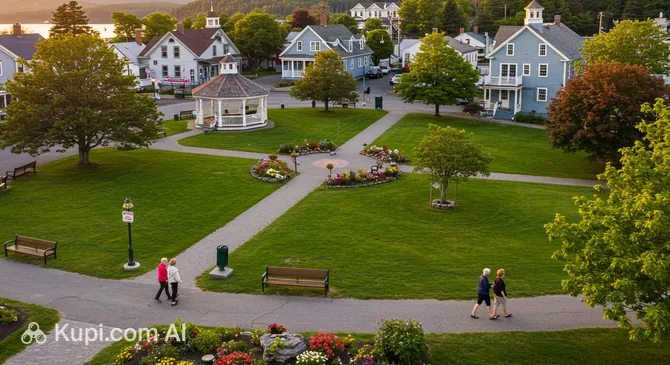
One of the most beloved traditions in town is the evening concert series held at the Village Green. Located in the heart of downtown, this beautifully maintained park features a historic bandstand where the town band and guest performers frequently play during the summer months. It is a perfect spot to enjoy the community spirit, where locals and visitors alike gather on blankets to listen to music under the stars.

Village Green. Source: Kupi.Binoculars

For those seeking a drink with a touch of elegance, the West Street Hotel offers a sophisticated setting to enjoy evening cocktails. Its location provides excellent views of the harbor, making it a prime destination for watching the twilight settle over the boats. The vibe here is slightly more upscale than the typical pub, yet it remains comfortable enough for vacationers. If you prefer a quiet, romantic end to the evening, a walk through Agamont Park overlooking the pier is highly recommended. The park offers a serene atmosphere where you can watch the moon reflect off Frenchman Bay.

The dress code throughout Bar Harbor is decidedly casual. Flannels, jeans, and even hiking gear are standard attire in most bars and restaurants, so there is no need to pack formal wear unless you plan on a specific fine-dining experience. The crowd is a mix of outdoor enthusiasts, families, and couples, creating a safe and friendly environment. The town is very safe for night walks, but as the night deepens, taxi services and ride-shares can be limited. It is wise to have a plan for getting back to your accommodation if you are staying outside the immediate downtown area.

While the nights are for relaxing, daytime entertainment in Bar Harbor offers its own brand of excitement. Beyond hiking, the town is a premier hub for marine adventures. Visitors can embark on excursions with Bar Harbor Whale Watching to see humpback and finback whales in their natural habitat. For families or those looking for lighthearted fun, Pirate's Cove Adventure Golf provides a classic mini-golf experience with a pirate theme that remains a favorite pastime for visitors of all ages.

Parks & Museums

Bar Harbor is not only a gateway to rugged wilderness but also a town rich in cultivated beauty and cultural heritage. The area seamlessly blends its history as a Gilded Age summer colony with a deep respect for the natural environment. Visitors can easily transition from exploring meticulously maintained gardens to admiring local art and history, all within a short distance of the bustling waterfront.

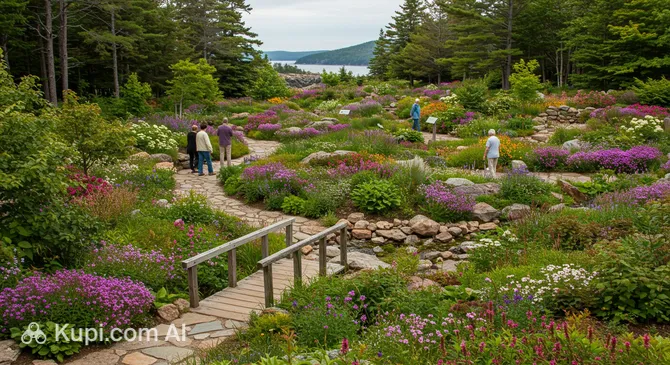
One of the most serene spots to visit is the Wild Gardens of Acadia. Located at Sieur de Monts Spring, this volunteer-maintained garden condenses the diverse habitats of Mount Desert Island into a single, accessible area. It features over 400 indigenous plant species, labeled and arranged by environment, such as mixed woods, roadside, and bog. It is a fantastic introduction to the local flora before you head out on deeper hikes.

Wild Gardens of Acadia. Source: Kupi.Binoculars

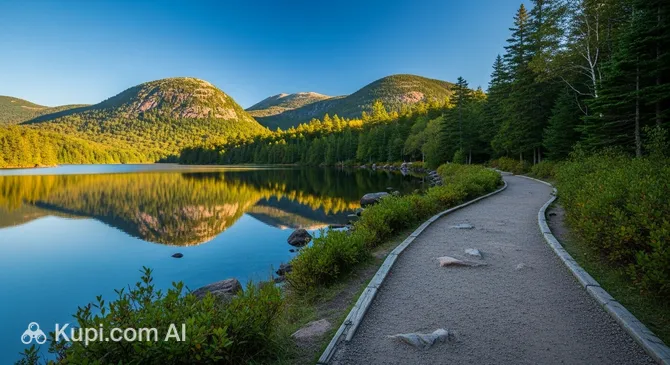
For those seeking a scenic walk that combines forest and water views, the Jordan Pond Path is a must. While technically a trail, its flat, gravel surface functions much like a linear park, looping around the pristine waters of Jordan Pond. The path offers iconic views of the Bubbles (two distinctive mountains) and is a favorite for families looking for a gentle immersion in nature without the strain of a steep climb.

Jordan Pond Path. Source: Kupi.Binoculars

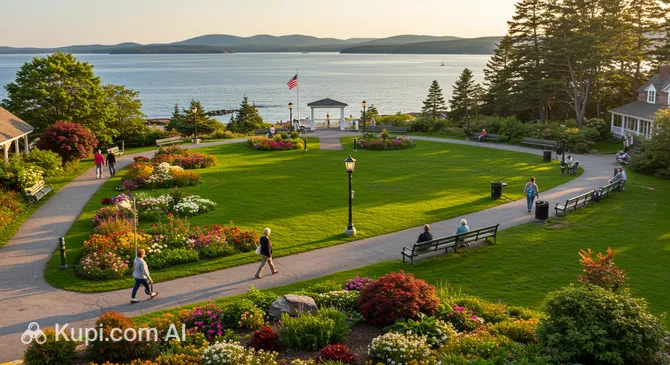
Right in the center of town, Agamont Park serves as a perfect urban green space. Perched on a gentle slope overlooking the town pier, it provides panoramic views of the harbor and the Porcupine Islands. It is an ideal spot for a midday picnic or simply watching the lobster boats and schooners come and go, offering a relaxing break from shopping and sightseeing.

Agamont Park. Source: Kupi.Binoculars

The cultural landscape of Bar Harbor is equally compelling, with museums that preserve the region's unique story. The Abbe Museum is a standout institution dedicated to the history and culture of the Wabanaki Nations, the first people of Maine. With locations in downtown Bar Harbor and at Sieur de Monts, the museum showcases archaeological artifacts and contemporary Native American art, offering a profound perspective on the land's original inhabitants.

Another key cultural venue is the Bar Harbor Historical Society, often housed in the stunning La Rochelle mansion. This museum offers a glimpse into the town's transformation from a fishing village to a premier summer resort for America's wealthy elite. Exhibits typically include photographs, clothing, and artifacts from the Gilded Age, as well as accounts of the devastating Fire of 1947 that reshaped the town.

Architectural enthusiasts should not miss St. Saviour’s Episcopal Church on Mount Desert Street. Construction began in the late 19th century, and the church is renowned for its magnificent collection of stained-glass windows, including works by Tiffany. It stands as a beautiful testament to the town's historic grandeur and community spirit.

For a truly authentic experience, consider visiting the George B. Dorr Museum of Natural History at the College of the Atlantic. This lesser-known gem features dioramas and interactive exhibits focused on Maine's coastal wildlife. It is particularly engaging for children and offers a hands-on way to learn about the marine life you might spot in the tide pools.

Getting Around

Navigating Bar Harbor is remarkably stress-free, as the town is compact and designed with pedestrians in mind. For most visitors staying in the downtown area, the most efficient way to get around is simply on foot. The streets are lined with shops, restaurants, and the waterfront, all within a comfortable walking distance of each other. However, for reaching the outer attractions and exploring the vast landscapes of the neighboring national park without a car, the area offers a unique and highly praised public transportation solution.

The backbone of the local transport network is the Island Explorer. This fleet of clean-burning, propane-powered buses provides service to the town center, local campgrounds, hotels, and major destinations within Acadia National Park. It features multiple routes that converge at the Village Green in Bar Harbor. The buses are bicycle-friendly, allowing you to combine a ride with a cycling trip along the famous carriage roads. It is important to note that this service is seasonal, typically operating from late June through mid-October.

One of the most appealing aspects of the Island Explorer is that it is entirely fare-free for all passengers. There are no tickets to buy, cards to validate, or apps to download for payment. You simply wait at a designated stop and board the bus. While the ride itself is free, remember that if your route takes you into Acadia National Park, you are still required to possess a valid park entrance pass. These can be purchased online or at visitor centers, so carry your pass with you when heading out for a hike.

For those traveling outside the bus season or seeking more direct routes, taxis and private shuttles are available, though they are not as ubiquitous as in large metropolitan areas. You generally cannot hail a cab on the street; it is advisable to call a local dispatch service in advance to arrange a pickup. Additionally, seasonal ferries offer a scenic alternative for crossing Frenchman Bay, connecting Bar Harbor to Winter Harbor and the Schoodic Peninsula, providing both transportation and a sightseeing experience in one trip.

Cycling is another extremely popular mode of transport, supported by numerous bike rental shops in the town center. Many visitors choose to rent a bike for the day to explore the town and the nearby park trails. If you have your own vehicle, be aware that parking in downtown Bar Harbor can be scarce and expensive during peak summer months. Utilizing the free shuttle system or walking is often far more convenient than searching for a parking spot.

Accommodation

Where to Stay:

Finding the perfect place to stay in Bar Harbor is an essential part of the experience, as the town offers a diverse array of accommodation styles that reflect its history as a summer retreat. Options range from charming, historic Bed and Breakfasts housed in restored Victorian mansions to modern luxury resorts and family-friendly motels. For those who prefer to be closer to nature, there are also numerous campgrounds and cabins located just outside the town center, providing easy access to the wilderness of Acadia National Park.

When choosing a location, most visitors prioritize the downtown area. Staying in the village center allows you to walk to restaurants, shops, and the waterfront, eliminating the need to find parking during the busy summer months. However, if you are looking for more space or slightly lower rates, the accommodations along Route 3 towards Hull's Cove offer excellent value and are well-connected to the town by the free Island Explorer shuttle. This area is often quieter and provides a relaxing buffer from the bustle of the main tourist streets.

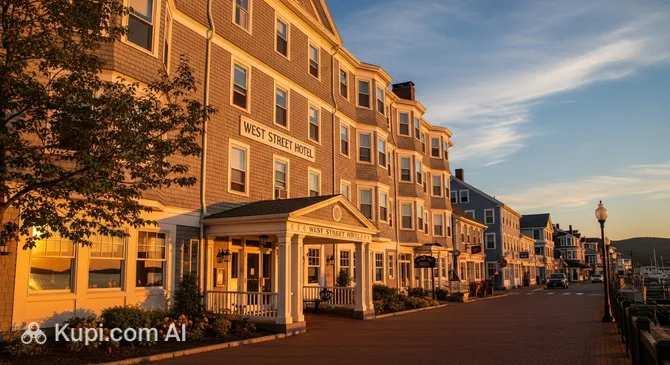
For travelers seeking a blend of convenience and upscale amenities, the town boasts several well-regarded properties. The West Street Hotel is a premier choice located directly on the waterfront. It is known for its nautical-themed luxury and features a rooftop pool that offers sweeping views of the harbor, making it a favorite for couples and those looking to indulge in a sophisticated atmosphere.

West Street Hotel. Source: Kupi.Binoculars

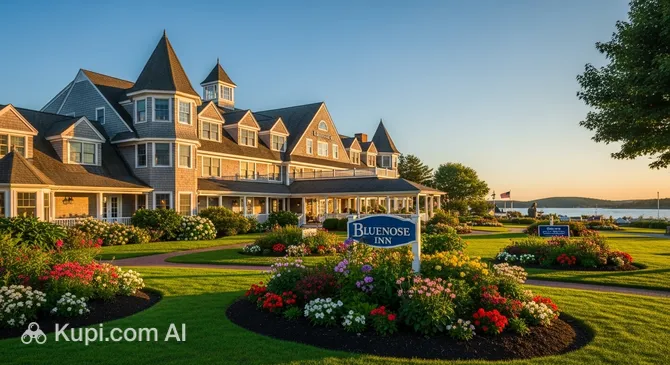
Another distinguished option is the Bluenose Inn, which sits perched on a granite terrace overlooking Frenchman Bay. This hotel combines classic elegance with modern comfort, offering amenities like indoor and outdoor pools and live piano music. It captures the traditional spirit of a grand seaside resort while remaining accessible for families and groups.

Bluenose Inn. Source: Kupi.Binoculars

Regarding costs, Bar Harbor is a seasonal destination, and prices reflect this demand. During the peak months of July and August, as well as the fall foliage season in September and October, rates for all types of accommodation are at their highest, often falling into the mid-range to luxury categories. Budget options can be scarce within the town limits during these times, so travelers looking to save money might consider camping or staying in nearby towns like Ellsworth.

Booking Tip: Because the summer season is relatively short and extremely popular, accommodations fill up rapidly. It is highly recommended to book your stay at least four to six months in advance, especially if you plan to visit in August or during the autumn leaf-peeping season. Most properties can be booked easily via major online platforms or directly through their websites.

Nearby Cities

For those looking to explore the surroundings, Bar Harbor serves as an excellent base for day trips to several interesting nearby locations:

Bangor is a popular destination located roughly an hour's drive inland. Known as the "Queen City of the East," it is famous for its rich lumber history and as the residence of author Stephen King. Visitors often stop to see the towering Paul Bunyan statue or explore the vibrant downtown area, which offers a variety of shops, museums, and restaurants that provide a lively contrast to the coastal atmosphere of Bar Harbor.

Further down the coast, South Portland offers a classic maritime experience. While it requires a longer drive, the journey itself is scenic. The city is known for its working waterfront and historic navigation aids, such as the Spring Point Ledge Light, where visitors can walk out along the granite breakwater for impressive views of the harbor. It is also home to the Maine Mall, the largest shopping center in the state, offering extensive retail and dining options.

City Population Distance (km)
Lewiston 36615 164
Cumberland 36186 186
Hampden 32530 64
Bangor 31920 64
South Portland 26428 183

These nearby destinations offer a glimpse into the diverse culture and landscapes of the region.

Shopping & Souvenirs

Shopping:

Shopping in Bar Harbor is a delightful experience that mirrors the town's relaxed and artistic character. Rather than large commercial centers or international chain stores, the retail scene here is defined by independent boutiques, quaint gift shops, and galleries showcasing local craftsmanship. Visitors can expect to find high-quality outdoor gear, unique home decor, and a wide array of Maine-made products, making it the perfect place to hunt for one-of-a-kind treasures and mementos of your trip.

The heart of the shopping district is concentrated along Main Street. This bustling thoroughfare is lined with colorful storefronts offering everything from branded hoodies and T-shirts to handcrafted jewelry and specialty foods. It is the most vibrant part of town, where you can easily spend an afternoon browsing. Just a short walk away, Cottage Street offers a slightly more laid-back atmosphere. This area is known for its art galleries, bookstores, and upscale boutiques, often featuring works by local artists inspired by the surrounding landscapes.

Travelers looking for a traditional large-scale shopping experience should be aware that Bar Harbor does not have shopping malls. The town prides itself on its small-business aesthetic. For those in need of department stores or extensive retail chains, the nearest options are located in the city of Ellsworth or further inland at the Bangor Mall in Bangor, roughly an hour away. However, within Bar Harbor itself, the focus remains strictly on local and specialty retail.

For a taste of local life, the seasonal farmers' markets are a must-visit. Typically held on Sunday mornings during the warmer months, often near the YMCA or the Village Green, these markets feature stalls laden with fresh organic produce, flowers, and artisanal goods. It is an excellent spot to pick up locally made cheeses, jams, and handmade crafts directly from the people who produce them.

When it comes to souvenirs, Bar Harbor offers plenty of authentic options beyond the standard magnet. Wild blueberry products are a top choice, including jams, syrups, and teas, celebrating Maine's famous fruit. Maine tourmaline jewelry is another exquisite gift, featuring the state's official gemstone. Additionally, look for traditional Wabanaki baskets, woven by members of the local Native American tribes, or anything featuring the iconic lobster motif, which is a symbol of the region's culinary heritage.

Store opening hours in Bar Harbor are heavily influenced by the season. During the peak summer months (June through August), many shops stay open late, often until 9:00 PM or 10:00 PM, to accommodate the evening crowds. However, in the shoulder seasons and especially in winter, hours are reduced, and some businesses may close entirely until spring. Major credit cards are widely accepted throughout the town, though carrying some cash is helpful for small purchases at markets. Please note that the United States does not typically offer a VAT refund system for international tourists, and a state sales tax is applied to most purchases.

Reached the end of the page?

That means the route is fully explored