Support

Boston

About

Welcome to Boston, the thriving capital of Massachusetts and one of the most historically significant cities in the United States. Known for its prestigious universities, diverse neighborhoods, and passionate sports culture, this coastal metropolis offers a unique blend of colonial charm and modern innovation. Whether you are strolling through cobblestone streets or admiring the skyline from the harbor, the city's distinct atmosphere is sure to captivate you.
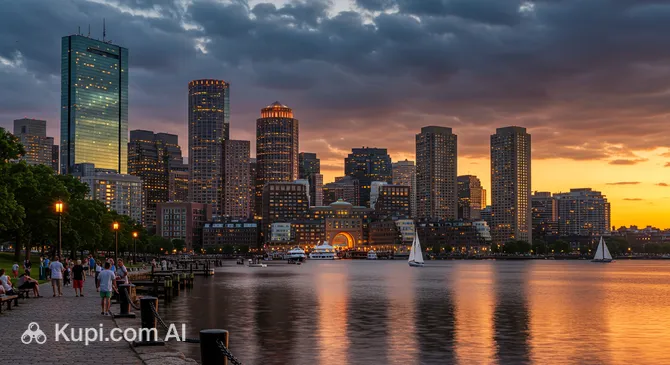
Boston. Source: Kupi.Binoculars

Geographically situated on the Atlantic coast of the New England region, the city serves as a major cultural and economic hub with a population of over 4 million in its metropolitan area. While the winters can be snowy and crisp, the summers are typically warm and pleasant, making it a versatile destination for travelers. As you explore, you will quickly discover that the history of Boston is woven into the very fabric of the streets, dating back to its founding in 1630.

Visitors are often drawn to the famous Freedom Trail, a 2.5-mile route that leads to 16 historically significant sites, including the Old North Church and the Paul Revere House. For those looking to experience the local lifestyle, a visit to the bustling Faneuil Hall Marketplace offers excellent shopping and dining options. Additionally, sports enthusiasts cannot miss the chance to see Fenway Park, one of the oldest and most beloved baseball stadiums in the country.

From its world-class museums to its scenic waterfront parks, Boston provides an enriching experience for every type of traveler. We invite you to immerse yourself in the dynamic energy and rich heritage of this iconic American city.
Weather Overview

The city experiences four distinct seasons, offering a variety of atmospheric backdrops for your visit. Summers are typically warm and inviting, with July being the warmest month, featuring average temperatures around 23.7°C and highs reaching nearly 28°C. In contrast, winters are cold and brisk; January is usually the coldest month with an average temperature of -0.4°C and lows dipping to -4.0°C.

Precipitation is fairly consistent throughout the year, so it is wise to be prepared for rain regardless of when you travel. You can expect about 10 to 13 wet days per month on average, although spring tends to be slightly rainier. For a more detailed breakdown of what to expect during your specific travel dates, typical climate patterns, and packing tips, you can consult the guide to the weather in Boston.

Interesting Facts

Beyond its famous revolutionary history and academic prestige, Boston holds a treasure trove of quirky details and surprising stories. Dig a little deeper into the city's past, and you will uncover some truly unique features that set it apart from any other American metropolis.

  • Established in 1634, Boston Common holds the title of the oldest public park in the United States. In its early days, this historic green space was actually used as a communal pasture where local families could graze their cows, a practice that continued until it was banned in 1830.

  • The city was the site of the bizarre "Great Molasses Flood" of 1919 in the North End. A massive storage tank burst, releasing a wave of sticky syrup that rushed through the streets at nearly 35 miles per hour, an event that remains one of the strangest disasters in urban history.

  • Boston is home to the first subway system in North America. The Tremont Street Subway opened its tunnels in 1897, predating the famous New York City subway by several years and paving the way for modern public transit across the continent.

  • For a period of over 20 years in the 17th century, celebrating Christmas was actually illegal here. The strict Puritans who settled the region viewed the holiday as a corrupt festival, and anyone caught celebrating between 1659 and 1681 could be fined five shillings.

  • There is a unique spot near the Boston University Bridge on the Charles River known for a rare engineering anomaly. It is one of the few places in the world where a boat can sail under a train, which is moving under a car, all while an airplane flies overhead.

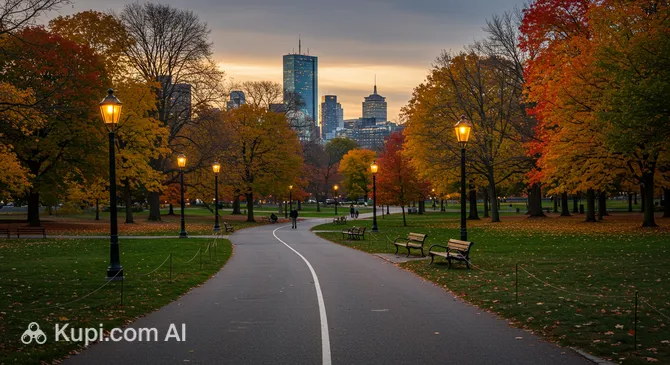
Boston Common. Source: Kupi.Binoculars

How to Get There

Reaching this New England capital is convenient thanks to its well-developed transport infrastructure. Whether arriving by air or rail, visitors have several efficient options to choose from. For a comprehensive guide on all available routes and tips, you can read more about how to get to Boston on our detailed page.

The primary gateway for international and domestic travelers is Logan International Airport (IATA: BOS). Located within the city limits just 3.4 km from the downtown area, it is a major hub serving a vast number of passengers annually. A trip by taxi or shuttle to the city center typically takes around 25 minutes, though traffic can influence this time. For those seeking alternative entry points, Manchester Boston Regional Airport (IATA: MHT) is located in the city of Manchester, approximately 71 km away. Travel from there to Boston usually takes about 2 hours by road. Another option is Theodore Francis Green Memorial State Airport (IATA: PVD) in Providence, situated about 77 km from the city.

For clarity, here is a summary of the main airports:

Airport Name City Passenger Traffic Km from City
Logan International Airport Boston Very High 3.4
Theodore Francis Green Memorial State Airport Providence Medium 76.6
Manchester Boston Regional Airport Manchester Medium 70.8
Worcester Regional Airport Worcester Low 68.2
Barnstable Municipal Airport Hyannis Low 99.5

The city is also a major hub for rail travel in the Northeast Corridor. The most significant terminal is South Station, located right in the heart of Boston, just 0.4 km from the city center. It handles a high volume of passengers and connects the city to numerous destinations. Another key stop is Boston Back Bay Station, situated approximately 1.9 km from the center, which serves the historic Back Bay and South End neighborhoods. Both stations offer easy access to local public transportation.

Below is a list of relevant railway stations in and around the area:

Station City Passenger Traffic Km to Center
South Station Boston High 0.4
Boston Back Bay Station Boston Medium 1.9
Providence Railway Station Providence Medium 76.0
Route 128 Station Boston Medium 17.8
New Haven Union Station New Haven Medium 194.8

Main Attractions

Exploring this historic capital means diving into a rich tapestry of American heritage, world-class art, and beloved local traditions. The city's compact nature makes it incredibly walkable, allowing visitors to easily move between centuries-old landmarks and cutting-edge cultural institutions. Below are some of the most essential stops to include in your itinerary.

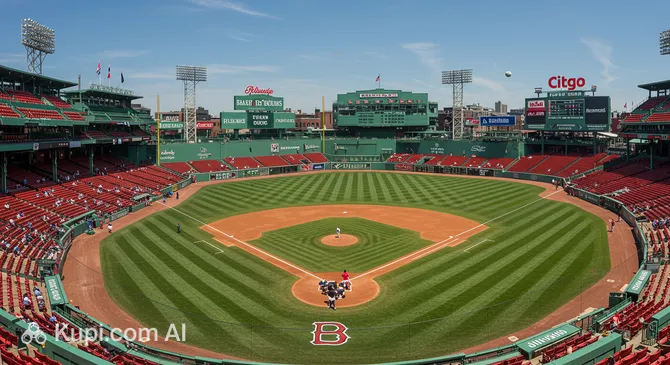
No visit to the city is complete without experiencing the electric atmosphere of Fenway Park. As the oldest active ballpark in Major League Baseball, having opened its gates in 1912, it is often referred to as "America's Most Beloved Ballpark." Even if you are not a die-hard sports fan, a tour of this icon is fascinating. You can see the famous "Green Monster" wall in left field and soak in the history of the Boston Red Sox. It is a place where the city's community spirit is most palpable.

Fenway Park. Source: Kupi.Binoculars

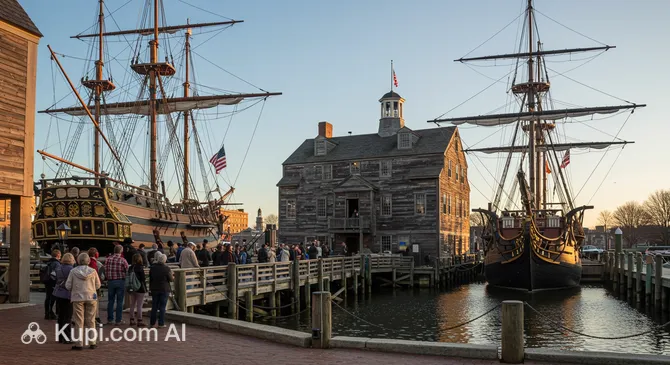
For a truly immersive dive into the revolutionary past, head to the Boston Tea Party Ships & Museum. Located on the Congress Street Bridge, this floating museum offers a unique, interactive experience that brings the events of December 16, 1773, to life. Visitors can explore authentically restored tea ships, interact with live actors portraying historical figures, and even throw a crate of tea into the harbor themselves. It is an engaging way to understand the spark that ignited the American Revolution.

Boston Tea Party Ships & Museum. Source: Kupi.Binoculars

Art lovers will find an endless source of inspiration at the Museum of Fine Arts, Boston. Recognized as one of the most comprehensive art museums in the world, its collection encompasses nearly 500,000 works ranging from ancient Egyptian artifacts to contemporary masterpieces. Whether you are interested in French Impressionist paintings or Japanese pottery, the MFA offers a profound cultural journey through its vast and beautifully curated galleries.

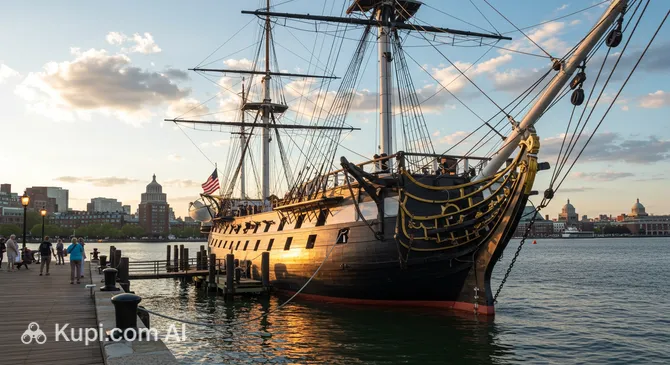
Another maritime treasure is the USS Constitution, affectionately known as "Old Ironsides." Docked at the Charlestown Navy Yard, this is the world's oldest commissioned naval vessel still afloat. Visitors can step aboard to tour the top deck, meet active-duty Navy sailors who share stories of the ship's legendary resilience during the War of 1812, and learn about life at sea in the 19th century. It is a powerful symbol of naval history and engineering.

USS Constitution. Source: Kupi.Binoculars

For a more intimate cultural experience, the Isabella Stewart Gardner Museum is a stunning gem. Housed in a building modeled after a 15th-century Venetian palace, the museum centers around a breathtaking interior courtyard filled with flowering plants and sculptures. The collection includes significant works by Rembrandt, Michelangelo, and Sargent, all displayed exactly as the founder intended. The unique atmosphere and architectural beauty make it one of the most enchanting places in the city.

Local Cuisine

Local Cuisine:

Boston’s culinary landscape is inextricably linked to the sea, offering some of the freshest seafood in North America. The undisputed king of local dishes is New England Clam Chowder, a rich, creamy white soup packed with tender clams, potatoes, and onions. Unlike its tomato-based New York counterpart, the Boston version is thick and hearty, often served with oyster crackers. For a quintessential bowl, many locals head to the Boston Sail Loft on the waterfront, where the chowder is famously overflowing with flavor.

Another seafood staple you cannot leave without trying is the Lobster Roll. In Boston, this delicacy is typically served cold, with chunks of fresh lobster meat lightly tossed in mayonnaise and celery, stuffed into a buttered, toasted split-top bun. If you prefer shellfish in its purest form, local oyster bars serve up briny varieties harvested daily from the cold Atlantic waters nearby.

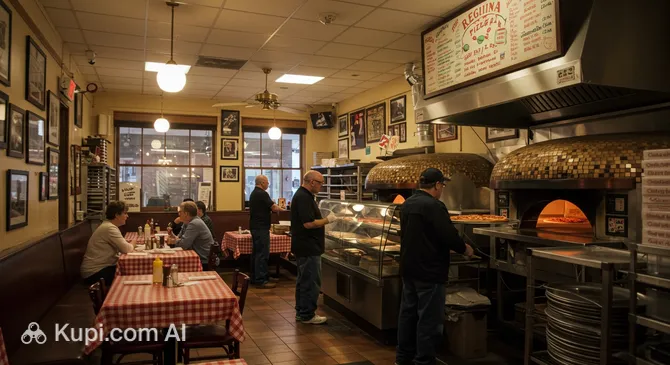
Beyond seafood, the city has a deep-rooted Italian heritage, particularly in the historic North End neighborhood. This area is a maze of narrow streets filled with the aromas of garlic, oregano, and freshly baked bread. Here, you will find Regina Pizzeria, a local institution famous for its brick-oven pizzas with a perfectly charred, thin crust that has been delighting residents since 1926.

Regina Pizzeria. Source: Kupi.Binoculars

For those with a sweet tooth, the city offers the iconic Boston Cream Pie. Despite its name, it is actually a sponge cake filled with rich custard and topped with a chocolate glaze. It was invented at the Omni Parker House hotel in the 19th century and remains the official dessert of Massachusetts. Another traditional dish is Boston Baked Beans, slow-cooked with molasses and salt pork, a recipe that dates back to colonial times and earned the city its nickname, "Beantown."

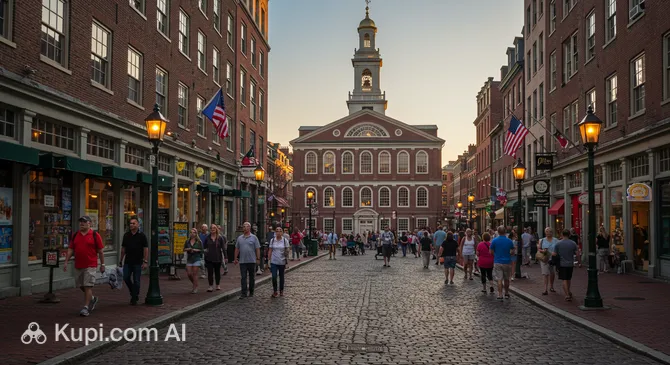
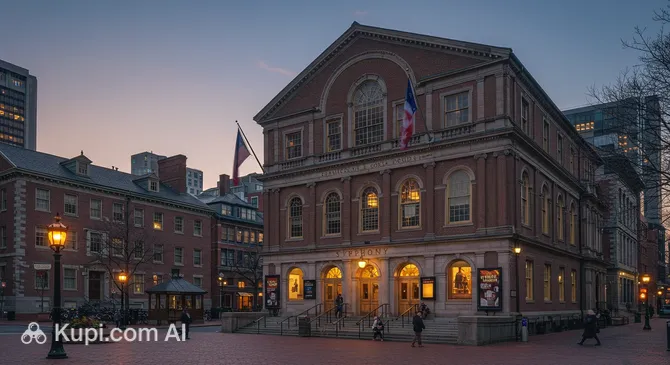
To experience the diversity of the food scene in one place, visit the Faneuil Hall Marketplace. The central Quincy Market building is a food colonnade featuring dozens of stalls selling everything from clam chowder in bread bowls to artisan pastries. Just a short walk away is Haymarket, one of the country's oldest open-air markets, where vendors sell fresh produce at bargain prices, surrounded by historic pubs and cheese shops.

Faneuil Hall Marketplace. Source: Kupi.Binoculars

When it comes to drinks, Boston is a haven for beer lovers. The city played a pivotal role in the American craft beer revolution, and you will find an abundance of local breweries and taprooms serving innovative IPAs, lagers, and stouts. In the crisp autumn months, hard apple cider from New England orchards is also a popular choice, perfectly complementing the savory local fare.

Travel Tips

Planning a trip to this historic New England hub is exciting, but a little preparation goes a long way in ensuring a smooth experience. To help you navigate the winding streets and local customs with ease, here is a collection of essential advice for your journey.

  1. Clothing and Gear: The weather in the city can be unpredictable, often shifting rapidly within a single day. It is highly recommended to dress in layers so you can adapt to changing temperatures. Since Boston is known as "The Walking City," bring your most comfortable walking shoes; you will likely cover miles on foot, and many historic areas like Beacon Hill feature uneven cobblestone streets. If visiting in winter, a heavy coat, gloves, and waterproof boots are non-negotiable.
  2. Transportation: The best way to get around is by using the public transit system, operated by the MBTA and affectionately known as "The T." It includes subways, buses, and commuter rails that cover the entire city and suburbs. Purchase a reusable CharlieCard for the most convenient fare rates. Avoid renting a car if you plan to stay downtown; traffic is notoriously dense, the street layout is confusing for non-locals, and parking is incredibly expensive.
  3. Finances: The official currency is the US Dollar (USD). Credit and debit cards are widely accepted almost everywhere, from museums to small cafes, though having some cash for small tips or street vendors is useful. ATMs are plentiful. Tipping is a deeply ingrained part of the culture; it is standard practice to leave a tip of 18% to 20% in restaurants, bars, and for taxi services.
  4. Health and Safety: Boston is home to some of the world's best hospitals, such as Massachusetts General Hospital, ensuring top-tier medical care is accessible if needed. For minor ailments, pharmacy chains like CVS and Walgreens are found on nearly every corner, with some locations open 24 hours. The city is generally very safe for tourists, but as with any major urban area, keep an eye on your belongings in crowded places like Faneuil Hall and the subway.
  5. Communication: English is the primary language spoken. While the local "Boston accent" is famous, locals are generally easy to understand and helpful. Free Wi-Fi is available in many public parks, coffee shops, and the airport. For mobile data, you can easily purchase a prepaid SIM card at the airport or mobile provider stores downtown.
  6. Local Etiquette: Bostonians are known for being direct and moving quickly. On sidewalks and escalators, the golden rule is to walk on the left and stand on the right so as not to block the flow of traffic. When interacting with locals, a polite but straightforward approach is appreciated. Sports are practically a religion here, so showing respect for the local teams (Red Sox, Celtics, Bruins, Patriots) is a quick way to make friends.
  7. What to Avoid: Do not wear New York Yankees apparel if you want to avoid friendly (and sometimes not-so-friendly) heckling; the sports rivalry is intense. Additionally, do not expect "Happy Hour" drink specials at bars; state law prohibits discounting alcohol for fixed time periods, so drink prices remain the same throughout the day.
  8. Local Insight: Be aware that the subway system does not run 24/7. "The T" generally stops service between 12:30 AM and 1:00 AM. If you are enjoying the nightlife late into the evening, make sure to have a ride-sharing app downloaded or a taxi number saved to get back to your accommodation safely.

By keeping these practical tips in mind, you will be well-equipped to explore the city's rich history and vibrant culture like a pro. Enjoy your time discovering all the unique charm that Boston has to offer!

Entertainment & Nightlife

As the sun sets, Boston transforms from a historic academic hub into a vibrant center of evening entertainment. The city’s nightlife is diverse, catering to everyone from college students seeking lively pubs to professionals looking for sophisticated cocktail lounges. The atmosphere is generally welcoming and energetic, with a mix of casual dive bars and upscale venues that require a sharper dress code.

For those seeking a bustling scene, the Seaport District is the place to be. This modernized waterfront area is famous for its trendy rooftop bars and chic restaurants where the crowd is stylish and the views of the harbor are spectacular. Alternatively, the Theater District and the area around Downtown Crossing offer a higher concentration of dance clubs and late-night venues. If you prefer a more spirited, sports-centric vibe, Lansdowne Street near Fenway Park is lined with music halls and bars that stay packed well into the night.

For a truly memorable evening of culture and music, a visit to Symphony Hall is essential. Widely regarded as one of the top concert halls in the world for its acoustics, it hosts the Boston Symphony Orchestra and offers a refined night out. Whether you are attending a classical performance or a contemporary pops concert, the grandeur of the venue provides a perfect sophisticated escape.

Symphony Hall. Source: Kupi.Binoculars

If you are looking for a blend of high-energy dining and nightlife, STK Steakhouse offers a unique "vibe dining" experience. With a DJ often spinning tracks and a sleek, modern interior, it bridges the gap between a premium restaurant and a lounge. For a more interactive form of entertainment, you might check out Level99, a destination that challenges groups with physical and mental games, perfect for an active night out with friends.

Practical advice for enjoying the night includes keeping an eye on the clock. Most bars and clubs in the city close strictly at 2:00 AM, with last call often happening around 1:30 AM. Be sure to carry a valid government-issued ID, such as a passport, as door staff are notoriously strict about age verification regardless of how old you look. In terms of safety, the main nightlife districts are well-lit and populated, but it is always wise to stay in groups. Since the subway ("The T") stops running shortly after midnight, plan to use a rideshare app or taxi to get back to your hotel safely.

While the nights are exciting, the city also offers plenty of daytime entertainment. Families and art enthusiasts can explore the immersive exhibits at the WNDR Museum, which blends art and technology. For outdoor fun, the Boston Common Frog Pond serves as a delightful splash pad in the summer and transforms into a magical ice skating rink in the winter, providing year-round amusement in the heart of the city.

Parks & Museums

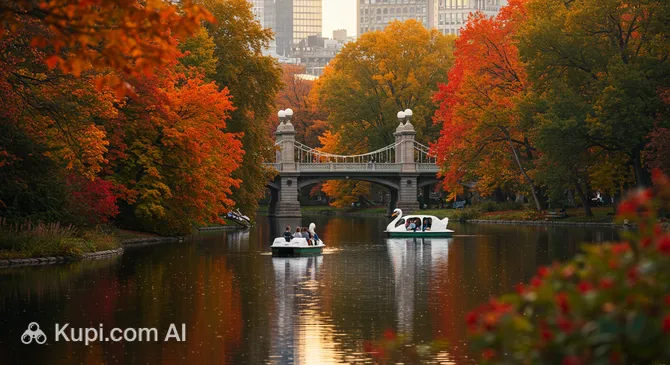
The city seamlessly blends urban living with abundant greenery and intellectual curiosity, offering visitors a chance to relax in nature or dive into educational experiences. While the Common is the most well-known green space, the Boston Public Garden stands out as a horticultural jewel. Established in 1837 as the first public botanical garden in the United States, it is celebrated for its Victorian-style layout and vibrant floral patterns. A ride on the famous Swan Boats, which have been operating in the garden's lagoon since 1877, provides a peaceful respite from the bustling streets.

Boston Public Garden. Source: Kupi.Binoculars

For those who prefer active recreation with a view, the Charles River Esplanade is a beloved riverside haven. This three-mile stretch of parkland offers scenic paths for runners and cyclists, along with docks for sailing and kayaking. It is also the site of the Hatch Shell, where open-air concerts and movies draw crowds during the warmer months. Nature lovers willing to venture slightly further should visit the Arnold Arboretum of Harvard University, a magnificent 281-acre living museum featuring thousands of tree species and winding walking trails.

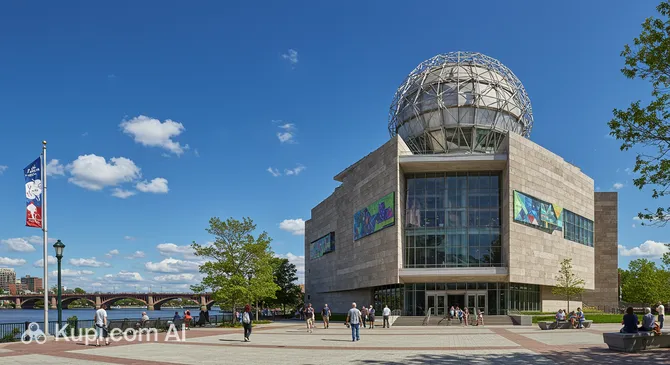
Boston's reputation as a center of learning is reflected in its exceptional museums. The Museum of Science is a sprawling institution that brings scientific concepts to life through over 700 interactive exhibits. Located on the Charles River Dam, it features a planetarium, a butterfly garden, and a mesmerizing Theater of Electricity. It is an ideal destination for visitors of all ages looking to engage with technology and natural history.

Museum of Science. Source: Kupi.Binoculars

To delve into the nation's political heritage, a trip to the John F. Kennedy Presidential Library and Museum is essential. Situated on a waterfront point with sweeping views of the harbor and city skyline, this striking building chronicles the life and times of the 35th President. Nearby, art enthusiasts can explore the Harvard Art Museums in Cambridge, which house one of the largest and most renowned art collections of any university in the world, accessible to the public and free for all visitors.

Getting Around

Navigating Boston is surprisingly convenient thanks to its comprehensive public transportation system, operated by the Massachusetts Bay Transportation Authority (MBTA). Locals affectionately refer to the entire network as "The T," and you will see the iconic "T" logo on signs throughout the city. The backbone of the system is the subway, which is divided into color-coded lines: Red, Orange, Blue, and Green. The Green Line is particularly notable as it functions as a light rail trolley on the surface before dipping underground, traveling through the oldest subway tunnel in the United States.

Complementing the subway is an extensive bus network that covers neighborhoods and crosstown routes not reached by the trains. There is also the Silver Line, a bus rapid transit service that operates partly in dedicated tunnels and is especially useful for getting to and from the airport and the Seaport District. For those looking to explore the wider region or visit nearby coastal towns, the Commuter Rail offers comfortable train service from North Station and South Station to the suburbs and beyond. Additionally, the MBTA ferry system provides a scenic and efficient way to cross the harbor, offering beautiful skyline views while you travel.

Paying for your ride is straightforward. The most common method is the CharlieCard, a reusable plastic smart card that offers the lowest fare rates. You can pick one up for free at designated stations and load value onto it at vending machines. Alternatively, you can purchase paper CharlieTickets at any station kiosk, though the fare per ride is slightly higher. Recently, the system has begun accepting contactless payments, allowing you to simply tap your credit card or smartphone at fare gates and bus readers. A standard subway ride costs approximately $2.40, while local bus fares are around $1.70, making it a very affordable way to see the sights.

For tourists, it is important to know that the public transport system does not run 24 hours a day. Service generally begins around 5:00 AM and ends between 12:30 AM and 1:00 AM. If you are planning a late night out, be sure to check the schedule or have a backup plan. Tickets must be validated at the fare gates before entering subway platforms, while on buses and trolleys at street level, you pay upon boarding. Vending machines are available at all subway stations and accept both cash and credit cards.

If you prefer alternatives to public transit, the city is well-served by ride-sharing apps like Uber and Lyft, which are often easier to find than traditional street-hailing taxis. For shorter distances, consider using Bluebikes, the city’s public bike-share program. With stations located on nearly every corner, it is a fantastic way to enjoy the city's bike-friendly paths, especially along the Charles River. However, given the city's compact size, walking is often the best option for getting between downtown attractions.

Accommodation

Finding the perfect place to stay in the city is easy, as the accommodation landscape is as diverse as its neighborhoods. Visitors can choose from a wide spectrum of options, ranging from historic inns housed in converted brownstones to ultra-modern luxury skyscrapers with panoramic views. While the city is known for its upscale hospitality, there are also plenty of mid-range chain hotels, charming bed-and-breakfasts, and budget-friendly hostels available for those looking to save on lodging.

For first-time visitors, staying in the Downtown or Waterfront areas is often the most convenient choice, placing you within walking distance of the Freedom Trail and Faneuil Hall. If you prefer a more sophisticated atmosphere with excellent shopping and dining, the Back Bay neighborhood is a top favorite. For a trendy, modern vibe with access to nightlife, the Seaport District is rapidly becoming one of the most popular places to book a room. Alternatively, staying across the river in Cambridge offers a scholarly, youthful energy and easy access to the city center via the subway.

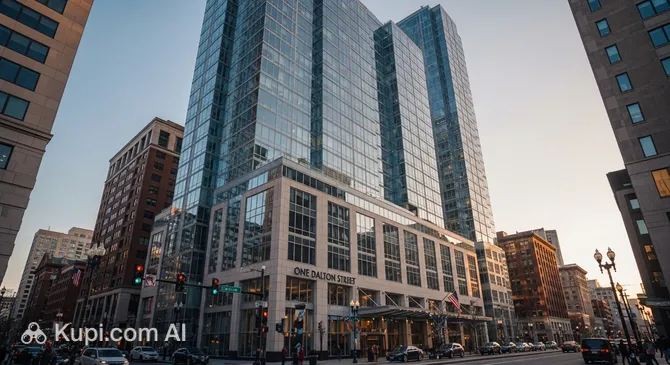
Among the notable establishments in the city, the One Dalton Street Hotel stands out as a premier destination for luxury travelers, offering world-class amenities and striking architecture. For those seeking a comfortable stay with easy access to the surrounding areas, Hotel Boston provides a welcoming environment for guests. These examples reflect the high standard of hospitality found throughout the region.

One Dalton Street Hotel. Source: Kupi.Binoculars

When planning your trip, it is important to note that accommodation prices can be higher than the national average, especially during peak seasons. The months of May and June, coinciding with university graduations, and the autumn foliage season in September and October are particularly busy. To secure the best rates and availability, it is highly recommended to book your room several months in advance. Most travelers rely on online booking platforms to compare prices, but booking directly can sometimes yield special perks or better cancellation policies.

Nearby Cities

For those looking to explore the surroundings, Boston serves as an excellent base for day trips to several interesting nearby locations. Just across the Charles River lies Cambridge, a city renowned globally for its intellectual energy and history. It is home to two of the world's most prestigious universities, Harvard and MIT. Visitors can spend a full day wandering through Harvard Square, exploring eclectic bookstores, historic architecture, and vibrant cafes that define the area's unique character.

Another fascinating neighbor is Somerville, which has transformed into one of the region's trendiest spots. Known for its quirky vibe and thriving arts scene, particularly around Davis Square, it offers an array of independent theaters, underground music venues, and diverse dining options. For those interested in industrial history and a lively restaurant scene, Waltham, often called "Watch City" for its watchmaking heritage, features the fascinating Charles River Museum of Industry and Innovation along with the bustling Moody Street.

City Population Distance (km)
Cambridge 116,892 4
Lynn 100,233 15
Somerville 80,608 5
Malden 65,602 8
Waltham 64,655 15

These nearby destinations offer a glimpse into the diverse culture and landscapes of the region, providing perfect opportunities for short excursions from the city center.

Shopping & Souvenirs

Shopping in Boston is a delightful experience that ranges from browsing luxury brands in glass-enclosed galleries to hunting for unique treasures in historic outdoor markets. A significant perk for visitors is the state's tax policy: there is no sales tax on clothing items priced under $175, making it the perfect place to update your wardrobe.

For a high-end retail experience, the Back Bay neighborhood is the city's premier destination. Newbury Street is famous for its eight blocks of fashion boutiques, galleries, and cafes housed in elegant brownstones. Just a short walk away is the Prudential Center, a sprawling indoor complex that offers dozens of premium shops and dining options under one roof, providing a comfortable escape regardless of the weather.

If you are looking for a more historic atmosphere, the Faneuil Hall Marketplace offers a lively mix of local artisans, souvenir carts, and national retailers set against a backdrop of 18th-century architecture. Nearby, you can experience the authentic hustle and bustle of Haymarket. Open on Fridays and Saturdays, this open-air market is one of the oldest in the country, where vendors sell fresh produce at incredibly low prices, continuing a tradition that dates back centuries.

Across the river in Cambridge, Harvard Square provides a distinctively intellectual and bohemian shopping vibe. The area is packed with independent bookstores, record shops, and quirky boutiques that cater to students and visitors alike. It is an excellent spot to find unique gifts, university apparel, and rare books while soaking in the academic energy of the surroundings.

For those willing to venture a bit further for a comprehensive lifestyle center, Patriot Place in Foxborough offers a massive open-air collection of large retailers, entertainment venues, and restaurants. Located adjacent to the stadium, it turns a shopping trip into a full day of entertainment.

Reached the end of the page?

That means the route is fully explored