Albany serves as the historic and vibrant capital of New York State, offering a perfect blend of urban energy and scenic beauty. Situated along the west bank of the Hudson River, it is a city defined by its stunning architecture, thriving arts scene, and rich cultural heritage. As a key destination in the United States, Albany attracts visitors who appreciate a mix of modern government institutions and centuries-old charm.
Albany. Illustration.
Source: Kupi.com AI
The city experiences a continental climate with distinct seasons, ranging from warm, sunny summers to picturesque, snowy winters. Home to a population of approximately 604,000, it acts as a major economic and cultural hub for the region. Exploring the streets reveals the deep history of Albany, which stands as one of the oldest surviving European settlements in the country. This long legacy is reflected in its diverse neighborhoods and well-preserved landmarks.
Travelers should not miss the magnificent Empire State Plaza, a sprawling complex that dominates the skyline with its modernist design. Within this area lies The Egg, a unique performance art venue that is an architectural icon in its own right. Another must-see is the New York State Capitol, renowned for its intricate stone carvings and 19th-century grandeur. Whether you are interested in politics, architecture, or simply enjoying a lively riverfront atmosphere, Albany is a welcoming destination worth exploring.
Weather Overview
Albany experiences a continental climate characterized by four distinct seasons, making it a destination with varied conditions year-round. To help plan your activities and packing list, it is helpful to review the current weather in Albany. The summer months are generally pleasant and warm, with July being the hottest time of the year, featuring an average temperature of 22.9°C and highs reaching up to 27.7°C.
In contrast, winters are cold and require heavy layers, as temperatures frequently drop below freezing. January is typically the coldest month, with average temperatures around -3.0°C and lows dipping to -6.9°C. The transition seasons of spring and autumn offer moderate temperatures, though April can be quite brisk with an average of 8.4°C.
Precipitation is a regular occurrence throughout the year, with the number of wet days ranging from 9 in September to a peak of 15 in April. Travelers should expect warm summers with occasional rain and cold winters that often bring snow and freezing temperatures.
Average monthly temperature
Average monthly precipitation
Interesting Facts
Beyond the main attractions, Albany holds many fascinating secrets and historical firsts that often surprise visitors. Digging deeper into the city's past reveals a collection of unique trivia and pioneering inventions.
Albany is the birthplace of perforated toilet paper. Seth Wheeler, a local businessman, patented the idea of rolling paper with tear-off lines in 1871 and founded the Albany Perforated Wrapping Paper Company.
The New York State Capitol is an architectural marvel that took over 30 years to build and was the most expensive government building of its time. Uniquely, it is one of the few state capitols in the country constructed without a dome.
Chartered in 1686, the city holds the distinction of being the oldest continuously chartered city in the United States, predating the charters of both New York City and Boston.
Moored on the Hudson River, the USS Slater is the only Destroyer Escort remaining afloat in the United States, serving as a rare living museum of World War II naval history.
New York State Capitol. Illustration.
Source: Kupi.com AI
Traveler photos:
How to Get There
Reaching the capital of New York State is convenient thanks to a variety of transport options connecting the region to major hubs. Whether you prefer flying or taking the train, there are efficient routes to suit your travel plans. You can find more about how to get to Albany and choose the best itinerary for your trip.
The city of Albany does not have its own airport, but you can fly into Albany International Airport (ALB) in the city of Latham, which is about 11.4 km from Albany. It is the primary gateway for air travelers visiting the Capital Region. The journey from the terminal to the city center typically takes around 37 minutes by taxi or bus. For more flight options, travelers often consider Bradley International Airport (BDL) in Hartford. Located approximately 118.4 km away, this larger hub offers more connections, though the ground transfer to Albany takes significantly longer, estimated at about 3 hours and 20 minutes.
For clarity, here is a summary of the main airports:
Traveling by train is another popular way to reach the area, offering scenic views of the Hudson River Valley. The city of Albany does not have a railway station, but you can arrive at the Albany–Rensselaer Station (ZLY) in the city of Rensselaer, which is about 1.6 km from Albany. Located just across the river, it serves as a major station for Amtrak's Empire Service. From there, you can get a taxi or bus, which takes about 22 minutes to reach downtown. For those connecting from further afield, Penn Station (ZYP) in New York City acts as a massive transit hub 212.0 km away, providing frequent direct connections to the Albany area.
Below is a list of relevant railway stations serving the region:
A visit to the city is incomplete without exploring the Empire State Plaza. This striking modernist complex serves as the cultural and governmental heart of the capital, featuring monumental architecture, refreshing reflecting pools, and a collection of large-scale outdoor sculptures. It is also home to The Egg, a uniquely shaped performing arts venue that has become an icon of the skyline. In winter, the plaza transforms into a popular spot for ice skating, while summer brings open-air concerts and festivals.
Empire State Plaza. Illustration.
Source: Kupi.com AI
Traveler photos:
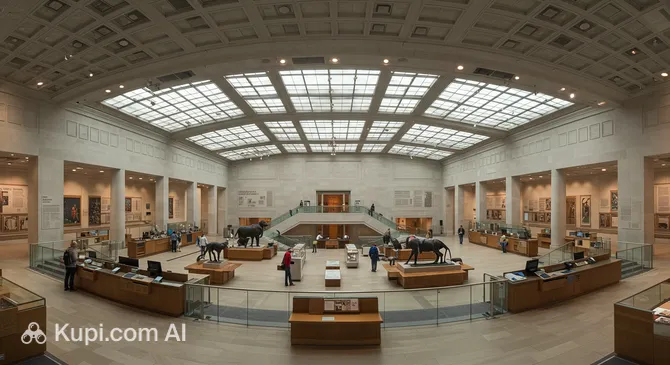
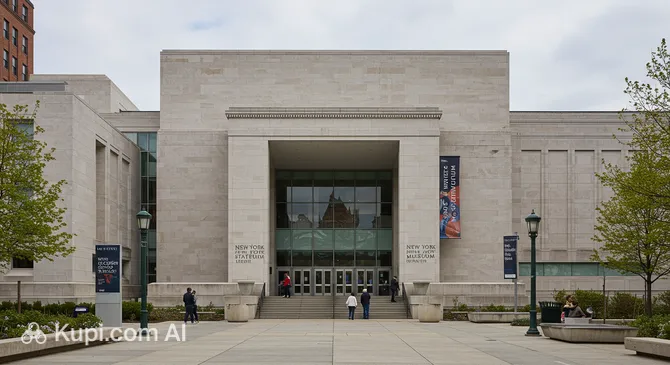
Located at the south end of the plaza, the New York State Museum offers a deep dive into the region's natural and human history. As the oldest and largest state museum in the country, it houses extensive exhibits ranging from the geological evolution of New York to the heritage of its Native American peoples. Visitors particularly enjoy the full-sized vintage carousel on the fourth floor and the poignant exhibition dedicated to the events of September 11, making it an educational stop for all ages.
New York State Museum. Illustration.
Source: Kupi.com AI
Traveler photos:
For a unique journey into naval history, the USS Slater is a must-see attraction moored on the Hudson River. It is the only destroyer escort afloat in the United States that remains in its World War II configuration. Guided tours take visitors through the decks, living quarters, and machinery spaces, providing a vivid and immersive look at the lives of the sailors who served aboard during the 1940s.
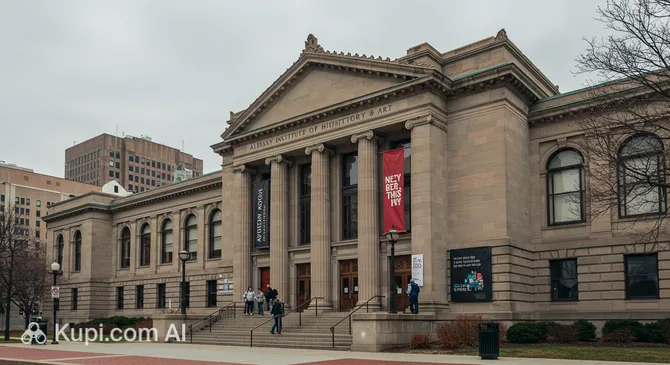
Art and history enthusiasts will find a wealth of treasures at the Albany Institute of History & Art. Founded in 1791, it is one of the oldest museums in the nation and features a renowned collection of Hudson River School paintings. The museum also showcases regional furniture, silver, and even Egyptian mummies, effectively connecting the local culture of the Upper Hudson Valley with broader historical narratives.
Albany Institute of History & Art. Illustration.
Source: Kupi.com AI
Traveler photos:
To experience the city from the water, consider taking a trip with Dutch Apple Cruises. These sightseeing tours sail along the scenic Hudson River, offering a relaxing perspective of the skyline and lush surroundings. Whether you opt for a narrated history tour or a sunset sightseeing cruise, it is a delightful way to enjoy the riverfront atmosphere that has defined the city for centuries.
Local Cuisine
The culinary landscape of Albany is a delightful reflection of its position in the fertile Hudson Valley. The city's food scene is characterized by a strong farm-to-table philosophy, with many chefs sourcing fresh ingredients from the surrounding countryside. Visitors will find a mix of historic taverns, trendy gastropubs, and diverse international eateries that cater to every palate. One of the most unique local culinary traditions is the serving of mozzarella sticks with Melba sauce. While most of the world dips fried cheese in marinara, Albany locals swear by this sweet and tangy raspberry sauce, a pairing that has become a defining signature of the region.
Another beloved staple is the mini hot dog, often referred to as a "Texas hot wiener." These small franks are typically served with a specific meat sauce, mustard, and chopped onions, and they are a must-try for anyone looking to experience authentic local comfort food. The culture of casual dining is strong here, with many residents frequenting converted warehouses and historic buildings that have been transformed into lively dining spots.
Given the abundance of apple orchards in upstate New York, it is no surprise that hard cider is a drink of choice. Albany is home to New York's first farm cidery, Nine Pin Cider Works. Located in the energetic Warehouse District, this spot offers a rotating selection of premium ciders made from 100% local apples, providing a crisp taste of the region's agricultural heritage.
Nine Pin Cider Works. Illustration.
Source: Kupi.com AI
Traveler photos:
For a memorable meal, the city offers several standout locations. Iron Gate Cafe is a favorite for brunch and lunch, set within a charming historic home with a picturesque garden patio. It is the perfect place to enjoy hearty dishes in a relaxed atmosphere. Those who appreciate a community-focused approach to food should visit the Honest Weight Food Co-op. While primarily a grocer known for organic and local products, it also features a cafe serving fresh, wholesome meals that highlight the best seasonal produce.
If you are looking for a vibrant evening atmosphere, Illusive Restaurant & Bar is widely appreciated for its creative menu and welcoming environment. Whether you are grabbing a quick bite at a street-side vendor or sitting down for a multi-course dinner, Albany's gastronomic offerings are sure to leave a lasting impression.
Travel Tips
Welcome to New York's capital! To help you make the most of your visit to Albany and navigate the city like a pro, here are some practical tips to ensure a smooth and enjoyable journey through this historic region.
Clothing and Gear: The weather varies significantly by season. Winters are very cold and snowy, so a heavy coat, gloves, and waterproof boots are essential. Summers can be hot and humid, requiring light, breathable fabrics. Since the city is built on hills, bring comfortable walking shoes for exploring downtown.
Transportation: Downtown Albany is quite walkable, but having a car is useful if you plan to explore the wider Hudson Valley. For local transit, the CDTA (Capital District Transportation Authority) offers a reliable bus network, including the BusPlus rapid transit lines. Ride-sharing apps like Uber and Lyft are also widely available and convenient.
Finances: The local currency is the US Dollar (USD). Credit and debit cards are accepted almost everywhere, from museums to small cafes. ATMs are plentiful throughout the city. Keep in mind that tipping 15-20% is standard practice in restaurants, bars, and for taxi services.
Health and Safety: Albany is generally a safe city, but standard urban precautions should be taken, especially when walking alone at night in less busy areas. Albany Medical Center is the major hospital facility for emergencies. Pharmacies like CVS and Walgreens are easy to find, with several locations operating 24 hours a day.
Communication: English is the primary language spoken. Free Wi-Fi is widely available in hotels, coffee shops, and public spaces like the Empire State Plaza. If you need mobile data, prepaid SIM cards can be purchased at major electronics retailers or mobile provider stores.
Local Etiquette: Residents are generally friendly and down-to-earth. A simple "hello" or nod is a polite way to greet people. When walking on sidewalks or using escalators, it is customary to keep to the right to allow others to pass on the left.
What to Avoid: Do not expect the government district (around the Capitol and Empire State Plaza) to be bustling with nightlife on weekends; it is primarily a business area and becomes very quiet in the evenings. Also, avoid jaywalking in busy intersections, as traffic can be heavy.
Local Insight: Make use of the Empire State Plaza Concourse. This underground walkway connects the major state buildings and features an art collection, shops, and food courts. It is a fantastic way to navigate the downtown area comfortably, avoiding the freezing winter wind or the summer heat.
With these practical tips in hand, you are well-prepared to experience the best of Albany. Whether you are here for the history, the architecture, or the river views, enjoy your time in the heart of the Empire State!
Entertainment & Nightlife
Nightlife and Entertainment:
When the sun sets, Albany transforms into a lively hub of activity, fueled by its status as a state capital and a college town. The nightlife scene here is diverse, catering to everyone from students looking for a high-energy dance floor to professionals seeking a quiet craft cocktail. The action is largely concentrated in three distinct neighborhoods, each offering a unique atmosphere for evening entertainment.
North Pearl Street in the downtown area is the traditional heart of the city's nightlife. Here, you will find a cluster of bustling bars, Irish pubs, and dance clubs that stay energetic late into the night. Just a short distance away, Lark Street offers a more bohemian vibe, often referred to as the "Village in the city." This corridor is lined with dive bars, intimate lounges, and venues hosting live local bands. For those who appreciate craft beverages, the Warehouse District has emerged as a trendy industrial zone filled with breweries, cideries, and beer gardens.
For large-scale entertainment, the city is home to the Albany Arena. This major indoor venue hosts everything from massive rock concerts and touring comedy acts to professional sporting events. It is the centerpiece of downtown entertainment, drawing crowds from across the region for memorable nights out.
Albany Arena. Illustration.
Source: Kupi.com AI
Traveler photos:
If you are looking for an interactive night out with friends, Far Shot Albany offers a unique experience centered around axe throwing, archery, and knife throwing. It is a popular spot for groups wanting to try something different before heading out for drinks. The atmosphere in most Albany venues is relaxed and unpretentious. While some downtown clubs may have a dress code on weekends, the majority of bars and lounges welcome casual attire, reflecting the city's down-to-earth character.
Practical advice for a night out includes timing and transport. Bars in New York State can legally operate until 4:00 AM, though many venues may close earlier depending on the crowd. Prices are generally moderate compared to larger metropolises like New York City. Downtown and Lark Street are walkable, but the areas are hilly. For safety and convenience, especially when moving between districts like the Warehouse District which is more spread out, using ride-sharing services or taxis is highly recommended. While the main entertainment districts are well-patrolled and generally safe, it is always wise to stay in well-lit areas and avoid walking alone late at night on quiet side streets.
During the daylight hours, the city offers a different kind of entertainment. Culture lovers can visit the majestic theaters such as the Palace Theatre or The Egg for matinee performances. Families and history buffs often spend their days exploring the expansive museum collections or enjoying the green spaces at Washington Park. Whether you are throwing axes, cheering at a hockey game, or sipping cider in a renovated warehouse, Albany offers a dynamic array of ways to spend your time.
Parks & Museums
Albany strikes a wonderful balance between urban development and natural beauty, offering visitors a wealth of green spaces and cultural institutions. The city is dotted with historic parks that provide a refreshing escape from the downtown bustle, while its museums preserve the rich heritage of the region, from colonial history to modern artistic achievements.
One of the most beloved outdoor spaces in the city is Washington Park. Often compared to Central Park in New York City due to its design influences, it serves as the premier venue for community events, including the famous annual Tulip Festival. With its winding paths, lake house, and blooming gardens, it is a perfect spot for a leisurely afternoon stroll or a picnic. For those seeking recreation and expansive views, Lincoln Park is a fantastic destination located just south of the Empire State Plaza. This historic park is known for its dramatic topography and houses a massive swimming pool, which is one of the largest of its kind in the Northeast. It acts as a community hub for sports and relaxation, offering a unique vantage point to admire the city skyline.
Lincoln Park. Illustration.
Source: Kupi.com AI
Traveler photos:
For a quieter, more nature-focused experience, travelers should visit Buckingham Lake Park. Situated in a residential neighborhood, this peaceful area features a scenic pond with fountains, surrounded by a gravel walking path that is popular with joggers and birdwatchers. It offers a serene atmosphere that feels miles away from the city center, making it an ideal location for those looking to unwind in a tranquil setting.
Buckingham Lake Park. Illustration.
Source: Kupi.com AI
Traveler photos:
When it comes to culture, the city is an open-air gallery in itself. The Empire State Plaza is not just a government complex but also home to a world-class collection of modern art. Visitors can explore the Governor Nelson A. Rockefeller Empire State Plaza Art Collection, which features monumental abstract expressionist paintings and sculptures displayed throughout the concourse and outdoor spaces. It is often described as the greatest collection of modern American art in any single public site, accessible to all without an admission fee.
History enthusiasts should also make time for the USS Slater. While often viewed from the riverbank, stepping aboard this destroyer escort offers a visceral connection to the past. The ship has been meticulously restored to its World War II configuration, allowing guests to tour the decks, bridge, and crew quarters to understand the daily lives of sailors during the 1940s. It stands as a floating tribute to naval history and is a rare example of maritime preservation.
For a dive into the personal lives of the founding fathers, a visit to the Schuyler Mansion State Historic Site is highly recommended. This Georgian-style home was the residence of Revolutionary War General Philip Schuyler and was the site of the wedding between Alexander Hamilton and Elizabeth Schuyler. Exploring these sites provides a comprehensive look at the diverse cultural tapestry that defines Albany.
Getting Around
The public transport system in Albany is primarily bus-based and is managed by the Capital District Transportation Authority (CDTA). While the city does not have a subway or tram network, its bus system is robust, efficient, and well-connected, covering not only downtown but also the surrounding suburbs and major points of interest. For tourists, this offers a reliable and affordable way to navigate between historic sites, shopping districts, and parks.
A standout feature of the local transit network is the BusPlus system, which functions as a Bus Rapid Transit (BRT) service. These buses are easily identifiable by their distinct branding and color-coded lines, such as the Red Line (connecting Albany to Schenectady) and the Blue Line (running along the river corridor). BusPlus routes are designed to be faster than standard local buses, with fewer stops and dedicated stations, providing a streamlined experience similar to a light rail system but on wheels.
Paying for rides is convenient and modern. The most popular method is the Navigator system, which is available as a reloadable smart card or a mobile app. Using the Navigator app is highly recommended for visitors, as it allows you to purchase passes instantly on your phone. Fares are very affordable, with a standard single ride costing around $1.50. The system also offers a "best fare" feature, where you are never charged more than the cost of a day pass (approximately $4.00) regardless of how many trips you take in a single day. If you prefer to pay with cash, you must have the exact change ready when boarding, as drivers cannot provide change.
For practical navigation, it is best to download the Navigator app or use standard mapping services like Google Maps to track real-time bus arrivals. Buses typically operate from early morning, around 5:00 AM, until midnight, though schedules can be reduced on weekends and holidays. When boarding, simply tap your Navigator card or scan your mobile app at the electronic reader near the driver. Stops are clearly marked, but it is always helpful to signal the driver when your bus is approaching.
Beyond buses, the city offers several alternative ways to get around. Ride-sharing services like Uber and Lyft are widely available and are often the most convenient option for late-night travel or reaching destinations not directly served by the main bus routes. Traditional taxis are also available but are generally easier to book by phone than to hail on the street. During the warmer months, visitors can take advantage of CDPHP Cycle!, the local bike-share program. With numerous racks located throughout the city, renting a bike is a fantastic way to explore the riverfront trails and the lively Lark Street neighborhood at your own pace.
Accommodation
Finding the perfect place to stay in Albany is relatively easy, as the city offers a diverse range of accommodation options to suit various budgets and preferences. Visitors can choose from historic downtown hotels that capture the city's old-world charm, reliable national chains offering modern amenities, and cozy bed and breakfasts tucked away in quiet residential neighborhoods. For those seeking a more home-like experience, there are also numerous apartment rentals available, particularly in the historic brownstone districts.
When selecting a location, the Downtown area is often the most convenient choice for tourists. Staying here places you within walking distance of major landmarks such as the State Capitol, the Empire State Plaza, and the riverfront entertainment district. It is ideal for those who want to be in the center of the action and rely on public transport or walking. Alternatively, the Wolf Road area, located near the airport in the suburb of Colonie, is a popular hub for travelers with cars. This district is lined with numerous mid-range hotels, shopping centers, and restaurants, offering easy access to the highway for exploring the broader region.
For travelers planning a visit, it is important to consider the city's schedule. As the state capital, Albany's hotels can fill up quickly when the state legislature is in session, typically from January to June. Additionally, university graduation weekends in May often see a spike in demand. Therefore, a helpful booking tip is to reserve your room well in advance if your trip coincides with these busy periods to secure the best rates and availability.
In terms of pricing, the city generally offers good value compared to larger metropolitan areas like New York City. Budget travelers can find affordable motels and economy chains on the outskirts of the city, while mid-range options are plentiful in both the downtown and airport areas. Luxury accommodations are less common but are typically represented by full-service hotels in the city center. Booking is most easily done through major online travel platforms or directly through hotel websites, which may occasionally offer special packages for weekend stays.
Nearby Cities
For those looking to explore the surroundings, Albany serves as an excellent base for day trips to several interesting nearby locations. Just across the Hudson River lies Troy, a city celebrated for its remarkably preserved 19th-century Victorian architecture. It offers a walkable downtown filled with antique shops, trendy cafes, and the famous Troy Waterfront Farmers Market. A short drive northwest brings you to Schenectady, known as the "Electric City" for its industrial heritage. Here, visitors can explore the Stockade Historic District, which features the oldest residential neighborhood in the country, or catch a Broadway-caliber show at the historic Proctors Theatre.
City
Population
Distance
Rensselaer
9 330
1 km
Roessleville
11 835
6 km
North Greenbush
13 218
7 km
East Greenbush
16 788
8 km
Troy
86 912
10 km
These nearby destinations offer a glimpse into the diverse culture and landscapes of the region, making them perfect additions to your itinerary.
Shopping & Souvenirs
Shopping in Albany offers a diverse mix of experiences, ranging from browsing historic corridors lined with independent boutiques to exploring extensive modern retail centers. The city serves as a commercial hub for the Capital Region, ensuring that visitors can find everything from high-end fashion and electronics to unique local crafts and vintage treasures. Whether you are looking for luxury brands or quirky finds, the area provides plenty of options to satisfy your retail therapy needs.
For a shopping experience with a bohemian flair, head to Lark Street. Often referred to as the "Village in the City," this walkable district is packed with eclectic gift shops, vintage clothing stores, and art galleries. It is the perfect place to find one-of-a-kind items while enjoying the vibrant street life. Another popular destination is Stuyvesant Plaza, an upscale open-air lifestyle center that features a curated selection of fashion boutiques and specialty shops in a relaxed, beautifully landscaped setting.
Travelers looking for major brands and department stores will find excellent options in and around the city. Westgate Plaza is a convenient local shopping center located within the city limits, offering a variety of retail and dining services for a quick and easy shopping trip.
Westgate Plaza. Illustration.
Source: Kupi.com AI
Traveler photos:
Just a short drive from the downtown area, visitors can access the region's largest enclosed shopping destinations, such as Crossgates Mall and Colonie Center. These massive complexes house hundreds of stores, entertainment venues, and cinemas. For those exploring the eastern outskirts, Greenbush Commons provides additional retail convenience with a selection of big-box stores and essential services.
Albany takes pride in its local produce and community-focused markets. A standout destination for foodies is the Honest Weight Food Co-op. This community-owned grocery store is renowned for its vast selection of organic foods, bulk items, and locally sourced products, making it a great spot to pick up healthy snacks or artisanal ingredients.
Honest Weight Food Co-op. Illustration.
Source: Kupi.com AI
Traveler photos:
During the warmer months, the Empire State Plaza Farmers Market brings fresh produce, baked goods, and handmade crafts directly to the government center. It is a wonderful opportunity to shop for local goods while admiring the majestic architecture of the capital complex.
When looking for gifts to take home, consider items that reflect the region's heritage. Local apple products are a signature of Upstate New York, and a bottle of craft cider from Nine Pin Cider Works makes for an excellent and authentic souvenir. Additionally, the gift shops at local museums often offer high-quality books, prints, and jewelry inspired by the history of the Hudson Valley.
Most major shopping centers and malls are open from 10:00 AM to 9:00 PM on weekdays and Saturdays, with slightly shorter hours on Sundays, typically from 11:00 AM to 6:00 PM. Independent boutiques on streets like Lark Street may have more varied schedules, often opening around 11:00 AM. Credit and debit cards are universally accepted, and contactless payments are becoming standard across the city.
Travelers should be aware that the United States does not generally offer a Value Added Tax (VAT) refund system for international tourists. In Albany, a sales tax is applied to most purchases at the register, so the price you see on the tag will be lower than the final amount paid.