Support

Ithaca

About

Nestled at the southern tip of Cayuga Lake, Ithaca is a vibrant city in the Finger Lakes region of New York. Known for its stunning natural beauty and intellectual energy, this destination in the United States offers a unique blend of small-town charm and cosmopolitan culture. With a population of approximately 31,800 residents, the city feels lively and welcoming, largely influenced by its thriving academic community.

Ithaca. Source: Kupi.Binoculars

The city is famous for its dramatic geography, characterized by deep gorges and cascading waterfalls, giving rise to the popular local slogan, "Ithaca is Gorges." Beyond its scenic landscapes, the area has a fascinating background. Visitors interested in the local heritage can delve into the history of Ithaca, tracing its growth from a 19th-century industrial hub to a prestigious center of higher education.

Ithaca is home to the world-renowned Cornell University and Ithaca College, which contribute to the city's rich arts, music, and culinary scenes. Nature enthusiasts will be delighted by the proximity to attractions like Buttermilk Falls State Park and the impressive Ithaca Falls located right within the city limits. Whether you are exploring the pedestrian-friendly Ithaca Commons or hiking the scenic trails, this captivating city invites you to experience its distinctive atmosphere and breathtaking views.

Weather Overview

Visitors to this region will experience four distinct seasons, with conditions varying significantly throughout the year. Summers are generally warm and inviting, particularly in July, which sees average maximum temperatures of 26.8°C. This is often considered the best time for outdoor exploration, though June and August also offer pleasant averages ranging from 19°C to 21°C.

Winters bring a sharp contrast with cold temperatures; January is typically the coldest month with an average temperature of -3.1°C. Precipitation is relatively consistent year-round, with the number of wet days ranging from 10 in September to 16 in January and April. Expect warm summers with occasional rain and cold winters that require heavy layers. For a more comprehensive breakdown of the climate to help plan your trip, you can review the weather in Ithaca.

Interesting Facts

Beyond the academic prestige and scenic trails, Ithaca holds many fascinating secrets and claims to fame that often surprise visitors. Here are a few unique aspects of the city that contribute to its distinctive character and local lore.
  • Birthplace of the Sundae: Ithaca vigorously claims to be the home of the very first ice cream sundae. Historical records suggest that in 1892, a local minister and a pharmacist at the Platt & Colt Pharmacy created the dish by topping vanilla ice cream with cherry syrup and a candied cherry, originally naming it a "Cherry Sunday."

  • The Yellow Brick Road: Literary enthusiasts often delight in the local legend connecting the city to "The Wizard of Oz." It is rumored that L. Frank Baum, whose future wife attended Cornell University, was inspired by the yellow bricks that once paved the local roads, potentially sparking the idea for the famous path in his stories.

  • A Waterfall in the City: Unlike most destinations where natural wonders are hidden deep in parks, this city features a massive 150-foot cascade right in a residential neighborhood. The Ithaca Falls Natural Area allows you to witness the power of nature just steps away from city streets.

  • Local Currency: The city is famous for its independent spirit, best exemplified by "Ithaca HOURS." This was one of the first and most successful local currency systems in the United States, launched in 1991 to encourage residents to shop locally and keep wealth within the community.

  • Tibetan Connection: Ithaca is home to the Namgyal Monastery Institute of Buddhist Studies, which serves as the North American seat of the Dalai Lama's personal monastery. This unique institution adds a profound layer of cultural and spiritual diversity to the upstate region.

Ithaca Falls Natural Area. Source: Kupi.Binoculars

How to Get There

Reaching this scenic destination in the Finger Lakes region is convenient thanks to a mix of local and regional transport hubs. Whether you prefer flying directly into town or taking a scenic drive from a larger city, you can find the best route for your itinerary. For a detailed breakdown of routes and tips, read more about how to get to Ithaca.

The most direct way to arrive is via the Ithaca Tompkins Regional Airport (ITH), located just 6.3 km from the city center. While it is a smaller facility with an annual passenger traffic of around 136,000, it offers the ultimate convenience of landing right at your destination. A trip from here to downtown by taxi or shuttle typically takes approximately 15 minutes.

For more extensive flight options, many travelers choose Hancock International Airport (SYR) in Syracuse, which is approximately 80.9 km away. This airport handles significantly more traffic, serving over 3 million passengers annually, and offers a broader range of connections. The journey from Syracuse to Ithaca by ground transport usually takes about an hour and a half.

For clarity, here is a summary of the main airports:

Airport Name City Passenger Traffic Km from City
Hancock International AirportSyracuseMedium80.9
Greater Rochester International AirportRochesterMedium121.6
Elmira Corning Regional AirportElmiraSmall45.0
Ithaca Tompkins Regional AirportIthacaSmall6.3
Greater Binghamton AirportBinghamtonSmall50.4

If you prefer traveling by train, please note that the city of Ithaca does not have a railway station. However, you can arrive at the Syracuse Railway Station in Syracuse, which is about 81.3 km from Ithaca. From there, you can get a taxi or bus, which takes roughly an hour and a half. Alternatively, the Rochester NY Railway Station in the Niblack Road Area (Rochester) is located 121.6 km away, offering another gateway to the region.

Below is a list of the nearest railway stations to help you plan your transfer:

Station City Passenger Traffic Km to Center
Albany–Rensselaer StationRensselaerMedium227.8
Guildwood Railway StationTorontoSmall263.4
Syracuse Railway StationSyracuseSmall81.3
Rochester NY Railway StationNiblack Road Area (Rochester, NY)Small121.6
Buffalo Depew StationCheektowagaSmall190.4

Main Attractions

Exploration of this Finger Lakes city would be incomplete without a visit to the Herbert F. Johnson Museum of Art. Located on the Cornell University campus, this architectural masterpiece was designed by the famous architect I.M. Pei. Tourists are drawn here not only for its impressive collection spanning Asian, American, and European art but also for the breathtaking panoramic views of Cayuga Lake and the surrounding city from the building's fifth floor.

Herbert F. Johnson Museum of Art. Source: Kupi.Binoculars

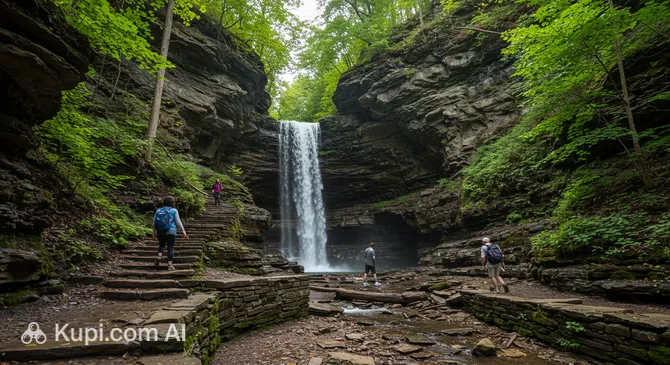
For those looking to experience the region's famous natural beauty without leaving the city center, the Cascadilla Gorge Trail is a must-see. This scenic path serves as a stunning connector between downtown Ithaca and the university district, leading hikers past a series of cascading waterfalls and ancient stone bridges. It provides a perfect, accessible adventure that showcases why the local landscape is so celebrated.

Cascadilla Gorge Trail. Source: Kupi.Binoculars

Families and curious minds will find the Sciencenter to be an engaging stop. This hands-on science museum offers over 250 interactive exhibits that encourage learning through play, covering topics from astronomy to zoology. It is also the starting point for the Sagan Planet Walk, a scale model of the solar system that stretches across the city, making it a unique educational experience for visitors of all ages.

If you prefer a relaxing day by the water, Stewart Park offers a delightful change of pace at the southern tip of Cayuga Lake. Unlike the steep gorges found elsewhere, this park features flat, accessible terrain perfect for picnics and leisurely strolls. Visitors can enjoy a historic carousel, a bird sanctuary, and expansive views of the lake, making it a favorite spot for unwinding after a day of hiking.

Local Cuisine

Ithaca is widely celebrated as a foodie's paradise, boasting a remarkably high number of restaurants per capita. The city's culinary identity is deeply rooted in the "farm-to-table" movement, fueled by the rich agricultural lands of the surrounding Finger Lakes region. This connection to local producers means that whether you are dining in a high-end bistro or a casual cafe, you are likely tasting ingredients grown just a few miles away. The presence of a diverse international community, driven by the local universities, also ensures a vibrant mix of global cuisines ranging from authentic Thai to Ethiopian.

One cannot discuss local food without mentioning the city's sweet claim to fame: the Ice Cream Sundae. Historical records suggest the first sundae was created here in 1892, and locals take great pride in this legacy. Beyond sweets, the city is a haven for vegetarian and vegan cuisine, largely influenced by the legendary Moosewood Restaurant, which helped popularize plant-based dining in the United States decades ago. For a true taste of the community spirit, the Ithaca Farmers Market at Steamboat Landing is a weekend ritual where visitors can sample everything from Cambodian curries to wood-fired breads while overlooking the water.

When it comes to beverages, the region is world-renowned for its cool-climate wines, particularly Riesling. Being in the heart of the Finger Lakes, local wine lists are extensive and high-quality. Beer enthusiasts will find plenty to appreciate as well, with the Ithaca Beer Company producing nationally recognized craft brews; their "Flower Power" IPA is a local staple. Additionally, the area's abundant apple orchards support a thriving hard cider scene, offering crisp and refreshing alternatives to beer and wine.

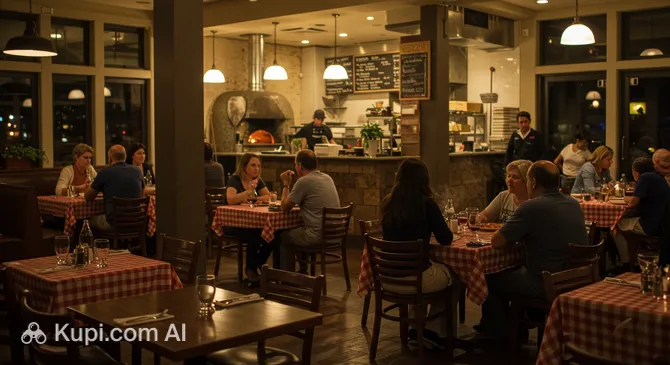
Franco's Pizzeria. Source: Kupi.Binoculars

For a more casual dining experience that captures the essence of New York state, pizza is a serious business here. Residents often debate their favorite slice, but Franco's Pizzeria is a consistent top contender. Located near the city center, this spot is beloved for its traditional New York-style thin crust, generous cheese, and classic garlic knots. It represents the unpretentious, high-quality comfort food that balances out the city's more upscale culinary offerings.

Travel Tips

Welcome to Ithaca! To help you make the most of your visit to this breathtaking Finger Lakes destination, we have compiled a list of essential practical advice covering everything from packing the right gear for the gorges to navigating local customs. These tips are designed to ensure your trip is as smooth, safe, and enjoyable as possible.

  1. Clothing and Gear: The local motto "Ithaca is Gorges" implies plenty of walking, so bring sturdy, comfortable shoes suitable for hiking trails and steep city streets. The weather can be unpredictable; dress in layers, especially during spring and autumn. If you visit in winter, heavy coats and waterproof boots are essential, while summers are warm but can be humid. Don't forget a raincoat or poncho, as mist from the waterfalls and sudden showers are common.

  2. Transportation: The city is served by the TCAT (Tompkins Consolidated Area Transit) bus system, which is reliable and connects downtown, the universities, and major shopping areas. While the downtown area is walkable, be prepared for very steep hills. Ride-hailing apps like Uber and Lyft are widely available. If you plan to explore the surrounding wineries or state parks around Cayuga Lake, renting a car is highly recommended for flexibility.

  3. Finances: The United States Dollar (USD) is the official currency. Credit and debit cards are accepted almost everywhere, from restaurants to small boutiques. ATMs are plentiful throughout the city. Tipping is a strong cultural norm; it is customary to leave a tip of 18-20% in restaurants and bars, as well as a few dollars for taxi drivers and hotel housekeeping.

  4. Health and Safety: Ithaca is generally a very safe city for tourists. The main safety precaution involves nature: always stay on marked trails when hiking in the gorges. The cliff edges can be unstable, and currents in the creeks are often stronger than they appear. For medical needs, there are several pharmacies (like Walgreens and CVS) and the Cayuga Medical Center provides comprehensive emergency care.

  5. Communication: English is the primary language spoken. Because of the large international student population, you may hear many other languages, but English is universally understood. Free Wi-Fi is available in most cafes, hotels, and public spaces like the Ithaca Commons. No special SIM card is needed if you have a plan that works in the US, but prepaid options are available at major retailers.

  6. Local Etiquette: The vibe here is relaxed, progressive, and eco-conscious. Locals value sustainability, so please be mindful of your environmental impact. Greetings are casual; a simple "hello" or smile is appropriate. When walking on shared paths or trails, it is polite to stay to the right and let faster walkers or cyclists pass on the left.

  7. What to Avoid: Never swim in the gorges unless you are in a specifically designated swimming area with a lifeguard. "Gorge jumping" or swimming in prohibited zones is extremely dangerous due to undertows and hidden debris, and it is strictly enforced by local police with heavy fines.

  8. Shopping Tip: New York State has a ban on single-use plastic bags in most stores. It is a good idea to carry a reusable shopping bag with you, or be prepared to pay a small fee for a paper bag at grocery stores and shops.

By keeping these practical tips in mind, you will be well-prepared to embrace the unique spirit and natural splendor of Ithaca. Pack your sense of adventure and get ready to explore one of New York's most enchanting cities with confidence and ease!

Entertainment & Nightlife

As the sun sets over the Finger Lakes, Ithaca transforms from a quiet academic hub into a lively destination with a diverse evening scene. The city’s nightlife is heavily influenced by its large student population from Cornell University and Ithaca College, creating an atmosphere that is energetic, unpretentious, and welcoming. Whether you are looking for craft cocktails in a historic setting, live local music, or a high-energy dance floor, the city offers plenty of options to keep you entertained well into the night.

The primary hub for evening entertainment is The Commons in downtown Ithaca. This pedestrian-friendly district is lined with an eclectic mix of pubs, dive bars, and lounges. For those seeking a sophisticated evening, Bar Argos offers an upscale experience with artisan cocktails served in a beautifully restored historic building. If you prefer live music, The Range on the Commons is a local favorite, frequently hosting bands that play everything from folk and country to rock. Just a short distance away, Lot 10 provides a two-story experience with a relaxed cocktail lounge on the ground floor and a dance club upstairs that gets busy on weekends.

Beyond the bar scene, the city boasts a vibrant performing arts culture that comes alive at night. The historic State Theatre of Ithaca is a crown jewel downtown, hosting major concerts, comedy acts, and classic film screenings in a stunning 1,600-seat venue. For theater enthusiasts, the Hangar Theatre offers a unique experience, staging professional plays and musicals inside a renovated airplane hangar. Additionally, Cinemapolis serves as the community’s independent cinema, featuring foreign, independent, and documentary films for a more low-key evening out.

For a more student-centric vibe, the Collegetown district near the Cornell campus is bustling with activity. This area is known for its high energy, casual dress codes, and affordable drink specials, making it a popular spot for the younger crowd. Across the city, the dress code remains largely casual; "come as you are" is the general rule, even in the trendier downtown spots. Most bars stay open until 1:00 AM, giving you ample time to explore different venues.

Regarding safety and logistics, Ithaca is generally safe for tourists, but standard urban precautions apply. It is advisable to stick to well-lit main streets like State Street and The Commons late at night and avoid walking alone in unlit areas or the West End after dark. While the city is walkable, the hills can be steep and tiring. Ride-sharing services like Uber and Lyft are widely available and are the recommended way to get back to your accommodation safely. Taxis are also an option, though they may require calling ahead.

Parks & Museums

Ithaca offers a diverse array of green spaces and cultural centers that complement its famous gorges. From hands-on learning environments to expansive state parks, the city provides numerous ways for visitors to engage with nature, history, and science beyond the downtown core.

The Sciencenter is a standout facility that extends learning beyond traditional indoor exhibits. While the interior is known for interactive displays, the grounds also feature an outdoor science park. Here, visitors can experiment with physics on giant playground structures or enjoy a round of mini-golf designed to teach scientific principles. It is a dynamic space where education and recreation seamlessly merge, making it a favorite for active minds.

Sciencenter. Source: Kupi.Binoculars

For those interested in natural history, the Museum of the Earth is a significant institution located just outside the city center. Operated by the Paleontological Research Institution, it houses one of the largest fossil collections in the United States. The exhibits guide visitors through billions of years of geological history, with the complete skeleton of the Hyde Park Mastodon serving as a central highlight for geology enthusiasts.

Botany lovers should explore the Cornell Botanic Gardens, which encompass a vast arboretum and specialized gardens surrounding the university campus. The F.R. Newman Arboretum offers winding paths through collections of oaks, maples, and flowering trees, providing a quiet escape for walking and observation in every season. The gardens are designed to showcase plants native to the region as well as species from around the world.

Stewart Park provides a different kind of outdoor experience at the southern end of Cayuga Lake. Once the site of a silent film studio, the park is now a hub for community leisure and serves as the gateway to the Cayuga Waterfront Trail. Its level terrain is ideal for relaxed walking, while the adjacent Renwick Wildwood serves as a sanctuary for local bird species, offering excellent opportunities for wildlife photography.

Stewart Park. Source: Kupi.Binoculars

A short distance from the city, Robert H. Treman State Park offers a rugged contrast to the manicured city parks. The park is defined by the Enfield Glen, a deep gorge featuring 12 waterfalls. Lucifer Falls, cascading 115 feet down a rock face, is a primary attraction, and the park also features a natural swimming area at the base of a waterfall that is popular during summer months.

Another essential natural landmark nearby is Taughannock Falls State Park. The centerpiece is a waterfall that drops 215 feet, making it the tallest single-drop waterfall east of the Rocky Mountains. Accessible trails along the rim and through the gorge allow hikers to view this impressive geological feature from multiple angles, showcasing the sheer scale of the landscape surrounding Ithaca.

Getting Around

The public transport system in Ithaca is primarily anchored by the Tompkins Consolidated Area Transit, widely known to locals as TCAT. As a small city, it does not rely on a metro or tram network; instead, it features an award-winning bus system that provides extensive coverage throughout the area. These blue and white buses serve as the vital link between the flat downtown district, the hilltop campuses of Cornell University and Ithaca College, and the surrounding residential and shopping areas.

Paying for your journey is straightforward and affordable. Passengers can pay a single fare using cash upon boarding, but it is important to note that drivers cannot provide change, so you must have the exact amount ready. For greater convenience, you can purchase a Tcard, a reloadable smart card available at major grocery stores and pharmacies like Wegmans, GreenStar, and various campus locations. Recently, mobile ticketing apps have also become a popular option, allowing travelers to buy passes on their smartphones and simply scan them when entering the bus.

When planning your travel, keep in mind that the frequency of service is often influenced by the local academic calendar. Buses run most frequently during the university semesters when students are present, with slightly reduced schedules during summer and winter breaks. It is highly recommended to use a real-time transit app to track bus locations and arrival times. Most routes operate from early morning until late evening, and specific "Night Owl" services are available on weekends to ensure safe travel after dark.

For those seeking alternatives to public transit, ride-sharing services such as Uber and Lyft are active and provide a convenient way to navigate the city's hilly terrain without waiting for a bus. Traditional taxis are also available but typically require booking by phone in advance rather than hailing on the street. Car rentals are a good option if you plan to explore the wider Finger Lakes region, though parking in the city center and on university campuses can be limited and strictly enforced.

Cycling and walking are popular among residents, but they come with a unique challenge due to the city's topography. While the downtown area is flat and very walkable, heading towards the universities involves tackling steep inclines. There are no funiculars or cable cars to assist with the ascent, so unless you are an avid cyclist prepared for a strenuous workout, taking a bus or car up the hill is often the preferred choice for tourists.

Accommodation

Finding the perfect place to stay in Ithaca is relatively straightforward, though options are heavily influenced by the city's status as a dual-university town. The accommodation landscape ranges from reliable mid-range chain hotels to charming bed and breakfasts housed in historic Victorian homes. While you will not find sprawling luxury resorts, the city offers comfortable and character-filled lodging suitable for families, academic visitors, and outdoor enthusiasts.

For those who prioritize convenience and walkability, the Downtown area near the Ithaca Commons is the most popular choice. Staying here places you within easy reach of the city's best dining, shopping, and public transit hubs. Alternatively, visitors focused on university events often prefer the East Hill neighborhood to be close to Cornell University, or South Hill for proximity to Ithaca College. Nature lovers might look for rentals or inns closer to Cayuga Lake to enjoy the waterfront views.

Booking Tip: Timing is everything in this college town. During major academic events such as commencement, parents' weekends, and student move-in periods, accommodation is in extremely high demand and can sell out up to a year in advance. If your trip coincides with these dates, it is essential to book as early as possible.

In terms of pricing, Ithaca generally falls into the mid-range category. Budget travelers can find affordable motels on the outskirts of the city or utilize vacation rental platforms for private rooms. Luxury here is defined less by opulence and more by the unique charm of boutique inns. Booking is easily done through major online travel platforms, though contacting smaller B&Bs directly can sometimes yield a more personal experience.

Nearby Cities

For those looking to explore the surroundings, Ithaca serves as an excellent base for day trips to several interesting nearby locations. One of the most popular destinations is Syracuse, located just over an hour north. As a major regional hub, it offers a wealth of attractions including the Erie Canal Museum, the expansive Destiny USA shopping complex, and a vibrant downtown Armory Square filled with restaurants.

To the south lies Binghamton, situated at the confluence of the Susquehanna and Chenango Rivers. It is affectionately known as the "Carousel Capital of the World" due to its collection of antique carousels that are free to ride. For literary and history buffs, Elmira is a fascinating stop where Mark Twain spent his summers and wrote many of his famous works; visitors can see his study and grave, as well as explore the National Soaring Museum.

City Population Distance (km)
Syracuse 418,875 73
Binghamton 146,870 62
Elmira 63,404 46
Perinton 47,378 105
Manlius 33,591 75

These nearby destinations offer a glimpse into the diverse culture and landscapes of the region, making them perfect for extending your travel itinerary beyond the Finger Lakes.

Shopping & Souvenirs

Shopping in Ithaca reflects the city's eclectic and independent spirit. Rather than endless rows of high-end luxury fashion houses, visitors will find a vibrant mix of locally owned boutiques, vintage stores, and artisan galleries. The city prides itself on a "shop local" philosophy, making it an excellent destination for finding unique, handmade goods and environmentally conscious products that you might not find elsewhere.

The heart of the retail action is undoubtedly The Ithaca Commons. This pedestrian-only mall in the center of downtown is lined with historic buildings that house independent bookstores, outdoor gear outfitters, and funky gift shops. It offers a relaxed atmosphere where you can stroll without traffic, browsing for everything from handcrafted jewelry to rare books. Another key district is Collegetown, located adjacent to Cornell University. This area caters heavily to the student population, offering university apparel, convenience stores, and casual clothing shops.

For a more traditional retail experience, travelers can visit The Shops at Ithaca Mall. Located a short drive north of the city center in the village of Lansing, this enclosed shopping center features major department stores, a cinema, and various national chains. It serves as a convenient one-stop destination for clothing, electronics, and general travel necessities.

A true highlight of the local shopping scene is the Ithaca Farmers Market at Steamboat Landing. This is far more than a place to buy vegetables; it is a cultural event held on weekends. Under a beautiful wooden pavilion by the waterfront, visitors can browse stalls featuring local artisans selling pottery, woodwork, and textiles. It is the perfect place to find authentic local crafts while enjoying the lively community atmosphere.

When searching for the perfect souvenir, items emblazoned with the famous local slogan "Ithaca is Gorges" are a classic choice, available on t-shirts, mugs, and stickers throughout downtown. Given the city's location in the Finger Lakes, a bottle of local Riesling wine or craft cider makes for an elegant gift. Additionally, high-quality merchandise from Cornell University or Ithaca College is popular among visitors, as are locally produced goods like maple syrup and apple butter.

Store hours generally follow standard American patterns. Most shops on The Commons and in the mall open around 10:00 AM. Independent boutiques typically close by 6:00 PM, while the mall and larger retailers often stay open until 9:00 PM. On Sundays, hours are usually reduced, with many places closing by 5:00 PM or 6:00 PM. Credit and debit cards are universally accepted, and contactless payment methods are widely used.

International visitors should note that the United States does not have a Value Added Tax (VAT) refund system for tourists. The price you see on the tag does not include sales tax, which is calculated and added at the register. However, New York State offers a benefit for shoppers: items of clothing and footwear sold for less than $110 are exempt from the state sales tax, though a smaller local tax may still apply.

Reached the end of the page?

That means the route is fully explored