Support

Toronto

About

Welcome to Toronto, the pulsing heart of Canada and its most populous city. As the capital of the province of Ontario, this dynamic metropolis offers a unique blend of soaring skyscrapers, lush green spaces, and diverse neighborhoods that reflect its truly multicultural spirit. It is a city where global cultures meet, creating a vibrant atmosphere that feels both exciting and welcoming.

Toronto. Source: Kupi.Binoculars

Situated on the northwestern shore of Lake Ontario, the city serves as a major international center for business, finance, arts, and culture. With a population of over 5 million in the greater area, it is a bustling urban landscape that is constantly evolving. While it stands today as a beacon of modernity, the history of Toronto reveals a fascinating transformation from a modest settlement into one of North America's most significant urban hubs.

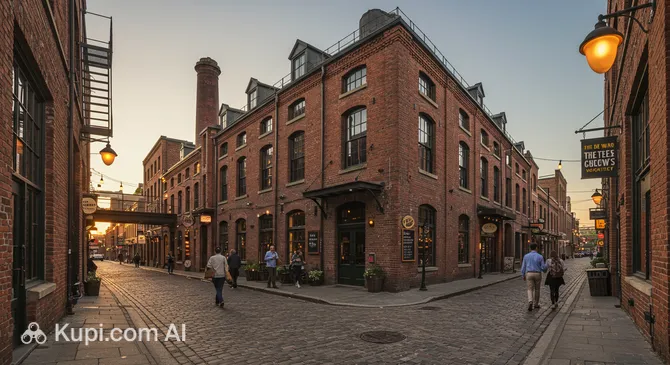
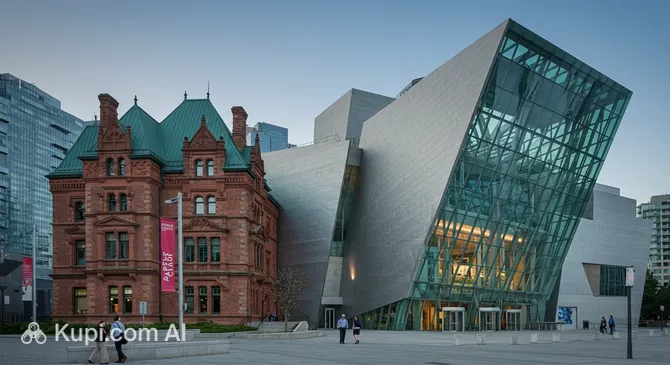
Travelers are often drawn to the iconic CN Tower, which defines the skyline and offers breathtaking panoramic views of the region. The city is also home to the world-renowned Royal Ontario Museum and the historic Distillery District, where Victorian-era industrial architecture now houses trendy boutiques and restaurants. For a change of pace, the scenic Toronto Islands provide a peaceful waterfront escape just a short ferry ride from the downtown core.

Whether you are exploring its rich cultural heritage, enjoying its diverse culinary scene, or simply taking in the sights along the waterfront, Toronto promises an unforgettable experience. We invite you to discover the many layers of this magnificent city on your next journey.


Weather Overview

Toronto experiences a semi-continental climate marked by four distinct seasons, offering a wide range of atmospheric conditions throughout the year. From snowy winters to warm, sunny summers, the city's weather varies significantly depending on when you visit. To help you pack the right gear for your trip, you can consult the detailed guide on the weather in Toronto.

Winters are generally cold, with January being the coldest month, featuring an average temperature of -3.2°C and lows dipping to -6.2°C. In contrast, the summer months bring pleasant warmth; July sees average temperatures of 22.1°C, with highs often reaching 25.8°C. Precipitation is distributed fairly evenly across the calendar, with approximately 8 to 14 wet days per month. Expect warm summers with occasional rain and cold winters where precipitation frequently falls as snow.

Interesting Facts

Beyond the main attractions and the famous skyline, Toronto holds many fascinating secrets that surprise even seasoned travelers. From underground networks to architectural marvels, the city is full of unique features that define its character.

  • Beneath the bustling streets lies the PATH, which holds the Guinness World Record for the largest underground shopping complex. This 30-kilometer network of pedestrian tunnels connects office towers, subway stations, and hotels, allowing locals to traverse the downtown core comfortably without ever stepping out into the winter cold.

  • The city is home to North America's only authentic full-sized castle, Casa Loma. Built by a wealthy financier in the early 20th century, this Gothic Revival mansion features secret passages, towers, and stables, serving as a majestic reminder of a bygone era amidst the modern urban landscape.

  • Sports fans might be interested to know that the Rogers Centre was the first stadium in the world to feature a fully retractable motorized roof. The massive structure takes about 20 minutes to open or close, ensuring that events can proceed rain or shine.

  • Nature lovers flock to High Park in the spring to witness a spectacular display of Sakura trees. Many of these cherry blossom trees were originally gifted to the citizens of Toronto by the Japanese ambassador in 1959, creating a stunning annual tradition that celebrates international friendship.

  • Just a short ferry ride from the concrete jungle, the Toronto Islands host the largest urban car-free community in North America. This peaceful archipelago offers a unique residential vibe where bicycles and boats are the primary modes of transportation, providing a quiet retreat from the city noise.

Casa Loma. Source: Kupi.Binoculars

How to Get There

Reaching this vibrant Canadian metropolis is straightforward, with multiple options catering to different needs and budgets. Whether you prefer flying directly into the heart of the action or taking a scenic train ride, the city is well-connected to the rest of the world. You can find more about how to get to Toronto and plan the best route for your journey below.

The primary gateway for international travelers is Pearson International Airport (YYZ). As the largest and busiest airport in the region, it handles a vast number of global connections. Located approximately 18.8 km from the city center, a taxi or shuttle ride typically takes around 48 minutes depending on traffic. For those looking for a more central landing spot, Billy Bishop Toronto City Airport (YTZ) is an excellent choice. Situated on the islands just 2.9 km from downtown, it offers quick access to the city, with a travel time of about 25 minutes.

Another option, often used by travelers looking for alternative fares, is Buffalo Niagara International Airport (BUF). Please note that this airport is not in Toronto; it is located in the city of Cheektowaga, approximately 95.2 km away. The journey from there to Toronto by car or bus usually takes about 2 hours and 43 minutes.

For clarity, here is a summary of the main airports:

Airport Name City Passenger Traffic Km from City
Pearson International Airport Toronto Very Large 18.8
Buffalo Niagara International Airport Cheektowaga Medium 95.2
Billy Bishop Toronto City Airport Toronto Medium 2.9
Hamilton Airport Toronto Small 69.5
Region of Waterloo International Airport Toronto Small 83.9

If you prefer traveling by rail, the city is served by the bustling Toronto Downtown Station (YBZ). This major hub serves as a central point for commuters and tourists alike, handling millions of passengers annually. Located a mere 0.9 km from the city center, it offers unparalleled convenience, with a quick transfer to your final destination taking only about 21 minutes.

Here is a list of the nearest railway stations:

Station City Passenger Traffic Km to Center
Toronto Downtown Station Toronto Very Large 0.9
Guildwood Railway Station Toronto Small 18.7
Rochester NY Railway Station Niblack Road Area (Rochester, NY) Small 150.9
Buffalo Depew Station Cheektowaga Small 96.3
London Railway Station London 168.6

Main Attractions

Attractions:

Toronto is a city where architectural marvels meet historic charm, offering visitors a diverse range of experiences. From soaring heights to cultural treasures, the city's landmarks provide a deep dive into its artistic, culinary, and historical identity. Here are some of the top places you shouldn't miss during your stay.

Standing tall as the defining feature of the skyline, the CN Tower is an engineering wonder that attracts millions of visitors each year. Rising 553 meters above the city, it offers unparalleled views of Lake Ontario and the urban sprawl below. Thrill-seekers can test their courage on the EdgeWalk, a hands-free walk around the tower's main pod, while others might prefer dining at the revolving restaurant with a 360-degree panorama.

CN Tower. Source: Kupi.Binoculars

For a journey through art, culture, and nature, the Royal Ontario Museum (ROM) is an essential stop. It is Canada's largest museum, housing a vast collection that ranges from dinosaur skeletons and meteorites to ancient Egyptian relics and contemporary design. The building itself is a masterpiece, featuring the "Michael Lee-Chin Crystal," a striking prismatic structure that juts out from the original heritage building.

Step back in time at The Distillery Historic District, a pedestrian-only village set amidst the largest collection of Victorian-era industrial architecture in North America. Once a large whiskey distillery, this area has been transformed into a trendy hub of boutiques, art galleries, and cafes. Its cobblestone streets come alive with cultural festivals and markets, making it a picturesque spot for a leisurely afternoon stroll.

The Distillery Historic District. Source: Kupi.Binoculars

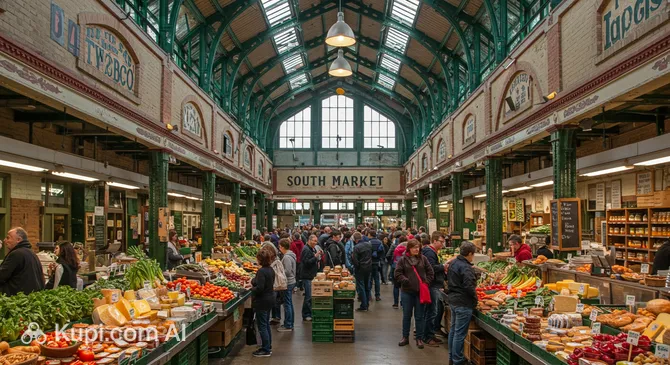
Food enthusiasts will find their paradise at St. Lawrence Market, often cited as one of the best food markets in the world. Housed in a historic brick building, the market is bustling with vendors selling fresh produce, artisanal cheeses, and baked goods. It is the perfect place to sample local flavors, including the famous peameal bacon sandwich, a Toronto staple.

Art lovers should also make time for the Art Gallery of Ontario (AGO), one of the most distinguished art museums in North America. The gallery features an impressive collection of Canadian and Indigenous art, as well as European masterworks. The building, renovated by world-renowned architect Frank Gehry, is an architectural attraction in its own right, featuring a stunning wooden spiral staircase and light-filled galleries.

Art Gallery of Ontario. Source: Kupi.Binoculars

Local Cuisine

Toronto's culinary landscape is a reflection of its incredible multicultural diversity, often described as "the world on a plate." With over half of the city's residents born outside of Canada, the local food scene offers an authentic taste of virtually every culture on the globe. From bustling food markets to high-end dining and vibrant street food vendors, the options are endless for gastronomic explorers.

One dish that is quintessentially Toronto is the Peameal Bacon Sandwich. Unlike the strip bacon known elsewhere, this local specialty features wet-cured pork loin rolled in cornmeal. It is juicy, salty, and incredibly satisfying. The most iconic place to try this signature sandwich is at the historic St. Lawrence Market, where it has been a staple for decades. Another classic Canadian treat you must try is the Butter Tart, a small pastry with a filling of butter, sugar, syrup, and egg, which is baked until the top is semi-solid and the inside remains runny.

St. Lawrence Market. Source: Kupi.Binoculars

For those looking to experience the city's beverage culture, the Caesar is the drink of choice. Invented in Canada, this cocktail is similar to a Bloody Mary but uses Clamato juice (a blend of tomato and clam broth), giving it a savory, spicy kick. It is typically garnished with a celery stalk, though many establishments get creative with everything from pickles to sliders on the rim. The city also boasts a thriving craft beer scene, with numerous microbreweries scattered across neighborhoods.

The food culture in Toronto is casual yet adventurous. In the warmer months, patio dining is extremely popular, and street food carts serving everything from hot dogs to jerk chicken can be found on many corners. For a lively evening combining drinks and entertainment, you might visit The Rex Hotel Jazz and Blues Bar, a long-standing institution that serves up local brews alongside live music. Whether you are craving authentic Dim Sum, Caribbean Roti, or a classic burger, Toronto's neighborhoods offer a delicious journey for every palate.

Travel Tips

To ensure your visit to Toronto is as smooth and enjoyable as possible, we have compiled a list of essential practical advice. From navigating the transit system to understanding local customs, these tips will help you travel with confidence and ease in Canada's largest metropolis.

  1. Clothing and Gear: The weather in Toronto varies drastically by season. If visiting in winter, a heavy parka, waterproof boots, gloves, and a toque (beanie) are absolute necessities. Summers can be surprisingly hot and humid, so light, breathable fabrics are best. Regardless of the season, bring comfortable walking shoes, as this is a very walkable city. No specific dress code is required for most places, though "smart casual" is standard for nice dinners.
  2. Transportation: The most efficient way to get around is the TTC (Toronto Transit Commission), which includes subways, buses, and the iconic streetcars. You can pay your fare using a PRESTO card or simply by tapping a credit/debit card or mobile wallet on the readers. Renting a car is generally discouraged for downtown exploration due to heavy traffic and expensive parking; ride-sharing apps like Uber and Lyft are widely available if you need a direct ride.
  3. Finances: The local currency is the Canadian Dollar (CAD). While cash is accepted, Toronto is largely a card-based city, and you can pay for almost anything—from coffee to taxi rides—with a credit or debit card. ATMs are plentiful. Tipping is a strong cultural norm here; expect to tip 15% to 20% in restaurants, bars, and for personal services like haircuts or taxi rides.
  4. Health and Safety: Toronto is consistently ranked as one of the safest major cities in North America. However, standard urban precautions apply; keep an eye on your belongings in crowded areas. For minor health issues, pharmacies like Shoppers Drug Mart are ubiquitous, with many locations open late or even 24 hours. In a serious emergency, dial 911 for police, fire, or ambulance services.
  5. Communication: English is the primary language spoken throughout the city. Free Wi-Fi is available in most cafes, hotels, and within the subway stations. If you need mobile data, you can purchase a prepaid SIM card at the airport or mobile shops downtown, though many travelers find that international roaming plans or e-SIMs work seamlessly here.
  6. Local Etiquette: Politeness is a hallmark of local culture. It is customary to say "sorry" if you bump into someone, even if it wasn't your fault. When using escalators in subway stations or malls, there is a strict unwritten rule: stand on the right, walk on the left. Blocking the passing lane is considered a major faux pas during rush hour.
  7. What to Avoid: Do not stop abruptly in the middle of a busy sidewalk to check your phone or a map, as this disrupts the flow of pedestrian traffic. Also, avoid assuming you can buy alcohol in any convenience store; while rules are loosening, spirits and most wine are primarily sold in specialized government-run LCBO stores or specific licensed grocers.
  8. Additional Tip: If the weather is bad, use the PATH. This underground pedestrian walkway network spans over 30 kilometers and connects many major downtown attractions, hotels, and transit hubs. It is a fantastic way to move between buildings without ever stepping out into the rain, snow, or extreme cold.

Armed with these practical tips, you are ready to dive into the vibrant energy of Toronto like a local. We hope your adventure is filled with wonderful discoveries, seamless travel, and warm Canadian hospitality!

Entertainment & Nightlife

Entertainment and Nightlife:

When the sun sets, Toronto transforms into a vibrant playground that caters to every taste, from high-energy dance floors to intimate live music lounges. The city's nightlife is decentralized, with different neighborhoods offering distinct vibes. The Entertainment District, located around King and Adelaide Streets, is the traditional heart of the action, packed with nightclubs, theaters, and bustling patios. For a more sophisticated and upscale experience, King West is often compared to New York's SoHo, featuring chic rooftop bars and trendy restaurants where people go to see and be seen.

If you prefer a more laid-back or hipster atmosphere, head to Queen Street West and the Ossington Strip. These areas are renowned for their dive bars, craft breweries, and indie music venues. Here, the dress code is casual, and the crowd is a mix of locals, artists, and students. For a unique evening experience, a walk through the illuminated Nathan Phillips Square offers a magical backdrop with its famous glowing sign and city hall architecture.

Music lovers should not miss the chance to visit The Rex Hotel Jazz and Blues Bar. A staple of the Toronto music scene, this venue hosts live performances daily and attracts top-tier talent in a casual, unpretentious setting. It is the perfect spot to grab a pint and enjoy some soulful tunes. For those looking for a lively mix of dining and social drinking, Fox on John offers a contemporary gastropub experience right in the center of the excitement, making it a great starting point for a night out. Another excellent option for handcrafted cocktails in a lush setting is the Lobby Bar, known for its stylish decor and vibrant energy.

The Rex Hotel Jazz and Blues Bar. Source: Kupi.Binoculars

Practical Nightlife Tips: Most bars and clubs in Toronto serve alcohol until 2:00 AM, which is the standard "last call." Dress codes vary significantly; while King West venues often require smart casual or dressy attire (no sportswear), Queen West spots are generally come-as-you-are. The city is safe for night walks in main areas, but standard urban precautions apply. Getting home is easy with ride-sharing apps like Uber or Lyft, and the TTC offers the Blue Night Network, a system of buses that run 24 hours a day on major routes after the subway closes.

Beyond the nightlife, the city offers a wealth of daytime and evening entertainment. Theater enthusiasts can catch world-class productions at the historic Elgin and Winter Garden Theatres, the last surviving Edwardian stacked theatre complex in the world. Film buffs will appreciate the TIFF Bell Lightbox, the cultural home of the Toronto International Film Festival, offering screenings and exhibitions year-round. During the warmer months, locals flock to urban beaches like Woodbine Beach or Cherry Beach to relax, play volleyball, and enjoy the waterfront breeze.

Parks & Museums

Beyond its gleaming skyscrapers, Toronto is a city deeply connected to nature and rich in cultural storytelling. The metropolis boasts an extensive network of ravines and green spaces that weave through the urban fabric, offering residents and visitors alike a breath of fresh air. Complementing this natural beauty is a dynamic museum scene that celebrates everything from Canada's favorite sport to unique global histories.

For a true escape into the wild without leaving the city limits, Rouge National Urban Park is an unparalleled destination. As the largest urban park in North America, it spans a massive area of forests, creeks, farms, and marshes. It is a haven for hikers and nature enthusiasts, offering diverse trails where you can spot local wildlife and enjoy the serenity of the river valley. It represents a unique effort to protect biodiversity right at the edge of a major metropolis.

Closer to the downtown core, Trinity Bellwoods Park offers a completely different vibe. This green space is the cultural living room of the Queen West neighborhood, known for its iconic gates and vibrant atmosphere. On sunny days, it is packed with locals picnicking, playing tennis, or enjoying the off-leash dog bowl. It is the perfect spot for people-watching and soaking up the youthful, creative energy of the city.

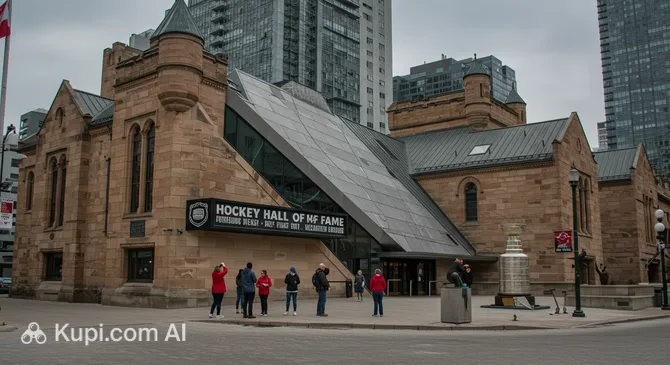
Hockey Hall of Fame. Source: Kupi.Binoculars

No visit to this city would be complete without paying homage to its sporting heritage at the Hockey Hall of Fame. Located in a historic bank building with a stunning stained-glass dome, this museum is a shrine to ice hockey. It houses the original Stanley Cup and features interactive exhibits where you can test your goaltending skills or call a play-by-play. It is a must-visit for sports fans wanting to understand the passion that fuels the nation.

For a distinct cultural experience, the city offers several specialized museums. The Bata Shoe Museum is a fascinating architectural gem that explores the history of humanity through footwear, displaying thousands of artifacts from ancient sandals to celebrity sneakers. Alternatively, the Aga Khan Museum provides a breathtaking window into Islamic art and culture, set within a modern white granite building surrounded by serene formal gardens and reflecting pools.

For an authentic local experience, head to the Evergreen Brick Works. Located in the Don Valley, this former industrial site has been transformed into an eco-friendly community hub. It features a farmer's market, art installations, and hiking trails that offer spectacular views of the skyline, blending the city's industrial past with its green future.

Getting Around

Navigating Toronto is remarkably convenient thanks to its extensive and integrated public transportation network, primarily operated by the Toronto Transit Commission (TTC). The system is the lifeblood of the city, connecting downtown districts with suburban neighborhoods through a combination of subways, streetcars, and buses. For most tourists, this is the most efficient and cost-effective way to explore the major attractions without the hassle of driving and parking in a busy metropolis.

The Subway is the backbone of the network, consisting of two main lines that form a "U" shape (Line 1) and an east-west corridor (Line 2). It is fast, frequent, and easy to navigate, making it ideal for longer distances. Complementing the subway are the iconic Streetcars (trams), which are a symbol of the city. These red and white vehicles primarily serve the downtown core and waterfront areas. While they can be slower due to traffic, they offer a scenic way to see the streets and are often the best option for reaching trendy neighborhoods like Queen West or the Distillery District. For areas not covered by rail, an extensive fleet of Buses fills the gaps, ensuring you can reach almost any corner of the city.

Paying for your ride has become incredibly user-friendly for visitors. The standard method is the PRESTO system. While you can purchase a reloadable PRESTO card at subway stations or pharmacies like Shoppers Drug Mart, the easiest option for tourists is to simply use Contactless Payment. You can tap your credit card, debit card, or mobile wallet (Apple Pay/Google Pay) directly on the readers at subway gates and on board buses and streetcars. The fare is approximately $3.35 CAD, and a single fare grants you a two-hour transfer window, allowing you to hop on and off different vehicles without paying extra.

The subway operates from approximately 6:00 AM (8:00 AM on Sundays) until nearly 2:00 AM. However, the city never truly sleeps thanks to the Blue Night Network. These buses and streetcars operate on major routes during the overnight hours when the subway is closed, ensuring 24-hour connectivity. When using the system, remember to always tap your card or phone upon entry. On streetcars, proof-of-payment is required, so keep your transfer or card handy in case of inspection.

For those preferring alternative modes of transport, Bike Share Toronto offers a great way to travel short distances, with docking stations located throughout the downtown area. Taxis and ride-sharing services like Uber and Lyft are also widely available and safe, though they can be pricey during rush hour. Additionally, if you are planning a day trip to the Toronto Islands, the city operates a public ferry service from the Jack Layton Ferry Terminal, which accepts the same payment methods and offers stunning views of the skyline.

Accommodation

Finding the perfect place to stay in Toronto is easy, thanks to a vast array of options that cater to every style of travel and budget. The city's accommodation landscape ranges from economical hostels and comfortable mid-range chains to opulent luxury resorts and stylish boutique hotels. For those who prefer a more home-like atmosphere, there is also a thriving market for vacation rentals and serviced apartments, particularly in the residential pockets surrounding the downtown core.

For most visitors, the best area to stay is Downtown Toronto. This central district places you within walking distance of major attractions like the CN Tower and the waterfront. The Entertainment District is ideal for those who want to be in the middle of the nightlife and theater action, while the Yorkville neighborhood offers a more exclusive, upscale vibe with high-end shopping and dining. If you are looking for a trendier, more local experience, the neighborhoods of Queen West and King West provide a cool, youthful atmosphere with plenty of cafes and independent shops.

Travelers seeking a premium experience can enjoy world-class hospitality at some of the city's renowned establishments. One such example is the Four Seasons Hotel Toronto, located in the heart of Yorkville. It is a prime choice for those looking to indulge in luxury services and sophisticated comfort during their visit.

Four Seasons Hotel Toronto. Source: Kupi.Binoculars

Booking Tips and Prices: Prices can vary significantly depending on the season. Summer (June to August) is the peak tourist season, meaning rates are higher and availability can be scarce; it is highly recommended to book your accommodation several months in advance for these months. The shoulder seasons of spring and autumn often offer better value. Generally, budget options can start around $50-$100 CAD per night for hostels, while mid-range hotels typically fall between $150-$300 CAD. Luxury stays will go upwards from there. Most accommodations can be easily booked via major online platforms or directly through hotel websites.

Nearby Cities

For those looking to explore the surroundings, Toronto serves as an excellent base for day trips to several interesting nearby locations. The Greater Toronto Area is a sprawling tapestry of diverse communities, each offering its own unique attractions, from historic villages and waterfront parks to major entertainment hubs.

Just a short drive west lies Mississauga, a rapidly growing city known for its vibrant waterfront district, Port Credit. Visitors can enjoy scenic walks along the shores of Lake Ontario, explore the marina, or shop at Square One, one of the largest shopping centres in the country. To the north, Vaughan is a premier destination for thrill-seekers and families, as it is home to Canada's Wonderland, the nation's largest theme park featuring world-class roller coasters. For a change of pace, the city of Markham offers the historic charm of Unionville, a picturesque neighborhood with 19th-century architecture, boutique shops, and a quaint main street perfect for a relaxing afternoon stroll.

City Population Distance (km)
Mississauga 721,599 22
Brampton 593,638 32
Markham 328,966 23
Vaughan 306,233 24
Richmond Hill 195,022 26

These nearby destinations offer a glimpse into the diverse culture and landscapes of the region, providing plenty of options for travelers wishing to see more of Ontario beyond the downtown core.

Shopping & Souvenirs

Shopping:

Shopping in Toronto is a diverse and exciting experience that rivals any major global metropolis. The city offers a dynamic mix of high-end luxury retailers, massive modern shopping centres, eclectic vintage shops, and vibrant local markets. Whether you are looking for the latest international fashion trends, unique Canadian designs, or handcrafted goods, the city's retail landscape caters to every style and budget.

For those seeking luxury and designer labels, the Bloor-Yorkville district is the place to be. Often referred to as the "Mink Mile," this area is home to prestigious brands and upscale boutiques set along wide, tree-lined streets. In contrast, Queen Street West offers a trendier, more youthful vibe. Named one of the coolest neighborhoods in the world by Vogue, it is packed with independent clothing stores, homegrown Canadian brands, and hip design shops, making it perfect for finding unique fashion pieces.

The city is also famous for its impressive indoor shopping complexes. The most iconic is the CF Toronto Eaton Centre, located right in the heart of downtown. With its stunning glass galleria and over 230 retailers, it is a major tourist attraction in its own right. For a premier fashion destination slightly further north, the Yorkdale Shopping Centre is the ultimate choice. It features the largest collection of luxury brands in the country and a polished, modern atmosphere that attracts serious shoppers from all over.

Yorkdale Shopping Centre. Source: Kupi.Binoculars

Markets play a huge role in the local shopping culture. Kensington Market is a must-visit for its bohemian spirit, offering vintage clothing, spice shops, and quirky souvenirs in a colorful, pedestrian-friendly setting. For food lovers, St. Lawrence Market remains a top destination not just for dining, but for purchasing authentic Canadian treats like peameal bacon, artisan cheeses, and maple products to take home.

When it comes to souvenirs, there are several classic items worth buying. Maple syrup and maple-infused cookies are quintessential Canadian gifts. You might also look for Roots clothing (a famous Canadian lifestyle brand), Hudson's Bay Company striped blankets, or authentic Indigenous art and jewelry. Ice wine, a sweet dessert wine produced in the nearby Niagara region, is another popular and sophisticated gift option.

Most large shopping malls are open from 10:00 AM to 9:00 PM on weekdays and Saturdays, with slightly reduced hours on Sundays. Street-level boutiques typically close earlier, around 6:00 PM or 7:00 PM. Payment is seamless throughout the city; credit and debit cards are universally accepted, and contactless payment is standard. Cash is rarely necessary but accepted everywhere.

Tourists should be aware that the advertised price on price tags usually does not include sales tax. In Ontario, a Harmonized Sales Tax (HST) of 13% is added at the register. It is important to note that Canada does not currently offer a general VAT or tax refund program for international visitors on goods purchased for export, so the price you pay at the checkout is final.

Reached the end of the page?

That means the route is fully explored