Support

Nantucket

About

Nantucket is a picturesque island that perfectly captures the timeless charm of maritime New England. Known for its dune-backed beaches, unpainted cedar-shingled buildings, and manicured privet hedges, this destination offers a unique blend of upscale sophistication and laid-back island living. It is a place where history feels alive on every corner, inviting travelers to slow down and enjoy the salty sea breeze.
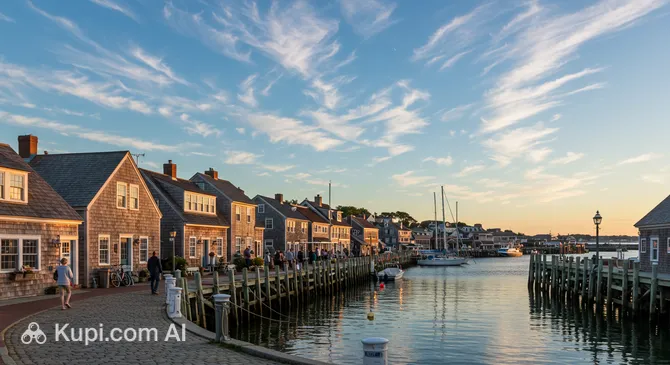
Nantucket. Source: Kupi.Binoculars

Located approximately 30 miles south of Cape Cod, Massachusetts, Nantucket is an isolated yet accessible gem in the United States. While the island has a year-round population of roughly 14,000 residents, it swells significantly during the summer months as visitors flock to its shores to escape the heat of the mainland. Despite its popularity, the island maintains a sense of tranquility and preservation that is rare in modern tourist destinations.

The island's past is inextricably linked to the sea, having once served as the whaling capital of the world. Exploring the history of Nantucket reveals how this industry shaped the local culture and funded the construction of the grand captains' mansions that still stand today. The downtown area, with its uneven cobblestone Main Street, is a designated National Historic Landmark District.

Visitors are often drawn to the Whaling Museum, which features a massive sperm whale skeleton and intricate scrimshaw collections. Another must-see is the iconic Brant Point Light, established in 1746, which welcomes ferries entering the harbor. For nature lovers, the island offers miles of pristine coastline, from the calm waters of Jetties Beach to the surf-ready waves at Cisco Beach.

Whether you are looking to explore historic lighthouses, cycle along scenic paths, or simply relax by the ocean, Nantucket promises an unforgettable experience. Its unique atmosphere and stunning natural beauty make it a premier destination for anyone seeking a classic coastal getaway.

Weather Overview

Nantucket experiences a distinct maritime climate, heavily influenced by the surrounding ocean which helps to moderate temperature extremes throughout the year. The island is famous for its delightful summers, where the heat is rarely oppressive. During the peak months of July and August, average temperatures hover comfortably between 21°C and 22°C, creating ideal conditions for beach days and exploring the historic streets.

As the seasons change, the island cools down significantly. Winters are generally cold, with January seeing average temperatures around 1.8°C, though the thermometer rarely plunges as low as it does on the mainland. The shoulder seasons of spring and autumn offer their own charm, with September retaining a pleasant warmth at an average of 19°C, while May warms up to about 11.5°C. Visitors should be prepared for precipitation at any time of year, particularly in April, which sees the highest frequency of rain with approximately 16 wet days.

For those planning a trip, it is helpful to check the specific weather in Nantucket before packing. In general, expect warm, comfortable summers and cold, relatively damp winters with consistent moisture year-round.

Interesting Facts

Beyond the cedar shingles and sandy shores, Nantucket hides a treasure trove of unique history and local lore. These lesser-known facts offer a glimpse into the distinctive spirit that sets the "Grey Lady" apart from other coastal destinations.

  • The island was the home port of the ill-fated whaleship Essex, whose sinking by a sperm whale inspired Herman Melville’s Moby-Dick. Visitors can explore this dramatic history at the Nantucket Whaling Museum, which houses artifacts from the era and celebrates the island's literary connection.

  • Nantucket is fiercely protective of its local character and has banned chain stores and franchises from its downtown district. This "formula business" exclusion ensures that the shops and eateries you visit are unique to the island, preserving its historic townscape.

  • The uneven cobblestones on Main Street were not originally intended for paving. They arrived on the island as ballast in the holds of empty ships returning from Europe, eventually being repurposed to pave the muddy streets of the town center during the 1830s.

  • A charming local tradition involves the Brant Point Lighthouse. Legend says that as you leave the island by ferry, tossing two pennies overboard near the point ensures that you will one day return to Nantucket.

Nantucket Whaling Museum. Source: Kupi.Binoculars

How to Get There

Reaching this island destination requires a bit of planning, as it is located off the coast of Massachusetts. Visitors typically arrive by air or by sea, with several transport hubs facilitating the journey. You can find more about how to get to Nantucket and the specific ferry or flight connections available to suit your travel plans.

The most convenient and direct option is flying into Nantucket Memorial Airport (ACK), which is located on the island itself, just 4.6 km from the town center. This regional hub welcomes flights from various locations, and a taxi or shuttle ride to the main district is a quick and easy trip.

For international travelers or those coming from further afield, the primary gateway is Logan International Airport (BOS) in Boston. The city of Nantucket does not have its own international airport, but you can fly into this major hub, which is about 142 km away. From Boston, reaching the island involves a connecting flight or a combination of bus and ferry, a journey that generally takes several hours depending on connections.

Another viable option on the mainland is Theodore Francis Green Memorial State Airport (PVD) in Providence, situated roughly 122 km from Nantucket. It serves as a medium-sized alternative, where travelers can rent a car or take ground transport to the nearest ferry terminals to complete their trip.

For clarity, here is a summary of the main airports:

Airport Name City Passenger Traffic Km from City
Logan International Airport Boston Large 142.2
Theodore Francis Green Memorial State Airport Providence Medium 121.8
Nantucket Memorial Airport Nantucket Small 4.6
Martha's Vineyard Airport Marthas Vineyard Small 44.6
Barnstable Municipal Airport Hyannis Small 45.3

For those preferring rail travel to the region, it is important to note that the city of Nantucket does not have a railway station due to its island location. However, you can arrive at South Station in the city of Boston, which is about 142.6 km from Nantucket. From there, you can get a taxi or bus to the ferry terminals in Hyannis to continue your voyage across the water.

Alternatively, travelers can utilize the Providence Railway Station in Providence, located approximately 121.6 km away. Ground transport from this station to the ferry ports offers another route for those exploring the New England coast before heading to the island.

Below is a list of the nearest railway stations on the mainland:

Station City Passenger Traffic Km to Center
South Station Boston Large 142.6
Boston Back Bay Station Boston Medium 143.2
Providence Railway Station Providence Medium 121.6
Route 128 Station Boston Medium 134.6
New Haven Union Station New Haven Medium 236.9

Main Attractions

A visit to this historic island would be incomplete without exploring the Nantucket Whaling Museum. Located in a restored 1847 candle factory, this world-class museum offers a fascinating dive into the island's past as the global capital of the whaling industry. Visitors can marvel at a 46-foot sperm whale skeleton, admire an extensive collection of intricate scrimshaw, and enjoy panoramic views of the harbor from the rooftop observation deck.

One of the most iconic sights on the island is Brant Point Lighthouse. Established in 1746, it is the second-oldest lighthouse station in the United States and serves as a welcoming beacon for ferries entering the harbor. Its compact wooden structure and scenic location make it a favorite spot for photographers and visitors wishing to partake in the tradition of tossing two pennies overboard to ensure a future return to the island.

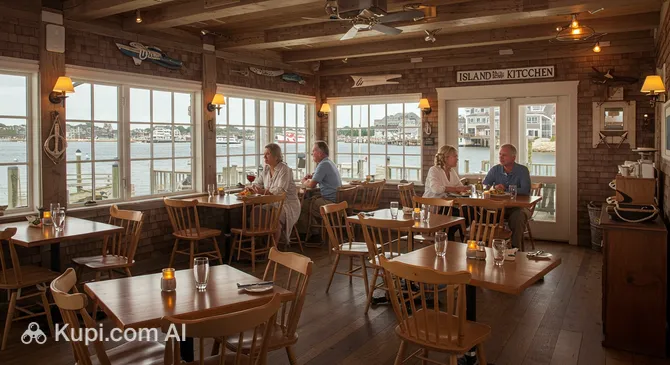
For those seeking a taste of the local culinary scene, Island Kitchen has become a beloved fixture. This mid-island destination is celebrated for its inviting atmosphere and high-quality comfort food, ranging from creative breakfasts to homemade ice cream. It offers a relaxed break from the bustle of downtown, allowing tourists to experience the community's warm hospitality and delicious seasonal flavors.

Island Kitchen. Source: Kupi.Binoculars

Another must-visit destination is Cisco Brewers, a unique establishment that combines a brewery, distillery, and winery in one rustic setting. Famous for its lively outdoor courtyard, this spot attracts crowds with live music, local food trucks, and a laid-back vibe that perfectly captures the spirit of summer on the island. It is an excellent place to unwind and sample locally crafted beverages after a day at the beach.

Local Cuisine

The culinary landscape of Nantucket is defined by its location in the Atlantic, offering a true ocean-to-table experience that shifts with the seasons. With the salt spray never far away, the island’s cuisine focuses heavily on the freshest seafood imaginable, caught daily by local fishermen and served in everything from elegant waterfront establishments to casual shacks.

The undisputed star of the local menu is the Nantucket Bay Scallop. Unlike their larger sea scallop cousins, these smaller, sweeter delicacies are harvested from the island's eelgrass beds during the colder months, typically starting in November. They are so tender that they are often enjoyed raw or just barely seared to preserve their delicate flavor. For many visitors, tasting these scallops is a highlight of the gastronomic experience.

Classic New England fare is also abundant here. Rich, creamy clam chowder and overstuffed lobster rolls are staples available across the island. Whether enjoyed on a pier or in a cozy dining room, these dishes reflect the hearty, comforting traditions of the region. Oysters farmed in the local waters are another must-try, known for their distinctively briny and clean taste.

Beyond the bounty of the sea, the island is famous for its cranberries. The autumn harvest turns the local bogs into vibrant carpets of red, and these tart berries find their way into a variety of local products. Travelers can expect to find cranberry jams, chutneys, and baked goods, as well as cranberry-infused cocktails appearing on drink menus throughout the town.

The dining scene itself offers a mix of sophistication and rustic charm. While there are plenty of upscale options, the island also cherishes its relaxed eateries. Places like Island Kitchen exemplify this approachable vibe, serving hearty comfort food and homemade ice cream that appeal to both locals and tourists looking for a laid-back meal.

Travel Tips

Visiting Nantucket is a step back in time, but a smooth trip requires modern planning to fully enjoy this isolated maritime gem. Here is essential advice to help you navigate the island's unique rhythm, from packing for the changing weather to getting around without a vehicle.

  1. Clothing and Gear: Pack in layers. Even in the height of summer, the island can get cool and damp at night due to the "Grey Lady" fog. A windbreaker or sweater is a must. Crucially, leave high heels at home; the historic Main Street is paved with uneven cobblestones that make walking in anything but flat, comfortable shoes or sneakers difficult and potentially dangerous.
  2. Transportation: The best advice is to leave your car on the mainland. Bringing a vehicle is expensive, and ferry reservations sell out months in advance. Instead, utilize the excellent NRTA "The Wave" bus system, which covers the entire island seasonally. Biking is also a primary mode of transport here, with over 30 miles of dedicated cycle paths. Ride-sharing apps and taxis are readily available for evening outings.
  3. Finances: The official currency is the United States Dollar (USD). Credit and debit cards are accepted almost everywhere, but carrying some cash is helpful for small purchases, bus fares, or tipping. Be aware that prices for food, accommodation, and goods are generally higher than on the mainland due to the island location, so plan your budget accordingly.
  4. Health and Safety: Nantucket is a safe destination, but nature poses a specific risk: ticks. Deer ticks, which can carry Lyme disease, are prevalent in tall grass and brush. Use insect repellent and check yourself thoroughly after hiking or walking near the moors. For medical needs, Nantucket Cottage Hospital operates 24/7.
  5. Communication: English is the primary language. Cell phone service is generally reliable in the town center but can be spotty in remote areas like the eastern moors or secluded beaches. It is a good idea to download offline maps if you plan to explore the far corners of the island. Wi-Fi is widely available in hotels, cafes, and the public library.
  6. Local Etiquette: The island vibe is "casual elegance." While you may see plenty of the famous "Nantucket Red" trousers, there is no strict dress code, though beachwear should be reserved for the sand. When accessing beaches, strictly respect private property signs; many paths cut through private land, and access depends on visitors being respectful.
  7. What to Avoid: Do not walk on the sand dunes. They are fragile ecosystems that protect the island from erosion, and walking on them is strictly prohibited and often carries a fine. Additionally, avoid driving in the downtown historic district during peak summer hours; the narrow streets and heavy pedestrian traffic can make it incredibly stressful.
  8. Additional Tip: If you visit in summer, embrace the local tradition of waiting in line at The Juice Bar for homemade ice cream in a warm waffle cone. The line often wraps around the block, but chatting with fellow travelers while you wait is part of the experience. Also, book your dinner reservations weeks in advance, as popular spots fill up quickly.

With these tips in mind, you are ready to embrace the slow, salty pace of island life. Whether you are biking to Sconset or strolling the historic wharves, a little preparation ensures your Nantucket adventure is as relaxing as the ocean breeze.

Entertainment & Nightlife

Entertainment in Nantucket is defined by a social, spirited atmosphere that blends upscale sophistication with a relaxed, maritime vibe. Unlike the high-energy club scenes of major cities, the nightlife here revolves around lively bars, intimate live music venues, and dockside gatherings where conversation flows as freely as the cocktails. The evening typically begins with sunset drinks overlooking the harbor and transitions into late-night fun at local institutions that have hosted generations of summer visitors.

The heart of the action is concentrated in the downtown area and along the waterfront wharves. Steamboat Wharf and Straight Wharf are bustling hubs where crowds gather to enjoy the cool ocean breeze. The atmosphere is generally "smart casual"—think collared shirts and sundresses rather than formal wear or club attire. Visitors should note that many venues have a strict dress code that favors a neat, preppy aesthetic, often referred to as "Nantucket casual."

For live music enthusiasts, the island offers legendary spots that are rustic yet vibrant. Places like The Chicken Box are iconic, known for bringing in bands from off-island and creating a raucous, unpretentious dance floor experience that lasts until 1:00 AM. Meanwhile, open-air bars like The Gazebo provide a quintessential island experience, allowing you to sip a "mudslide" while watching the boats in the harbor.

Dining is an integral part of the evening entertainment. Many visitors start their night with a long, leisurely dinner. Island Kitchen is a popular choice for a relaxed meal or a sweet late-night treat, famous for its homemade ice cream that draws crowds even after dark. It serves as a perfect, lower-key alternative to the packed bars downtown.

Practical advice is essential for a smooth night out. Nightlife on the island can be expensive, with cocktails and cover charges reflecting the destination's exclusivity. Most bars close by 1:00 AM, which is earlier than in many metropolitan areas. When the night ends, getting around requires planning; the local bus service stops running early in the evening, so taxis and ride-share apps are the primary way to get home. While the island is very safe for walking, the historic cobblestone streets can be treacherous in the dark, especially if you are wearing heels, so sensible footwear is strongly recommended.

During the daylight hours, the entertainment pace slows down but remains engaging. Visitors can explore the island's rich heritage at the Nantucket Whaling Museum, catch a film or performance at the historic Dreamland Theater, or simply enjoy the pristine beaches. Whether you are delving into history by day or dancing to a live band by night, the island offers a curated and memorable escape.

Parks & Museums

Nantucket is a destination where the preservation of pristine landscapes goes hand in hand with the celebration of deep-rooted history. The island offers an impressive array of conservation lands and world-class museums that chronicle its maritime legacy, inviting visitors to explore both its wild beauty and its cultural treasures.

One of the most spectacular natural areas is the Coskata-Coatue Wildlife Refuge. This rugged barrier beach separates Nantucket Harbor from the sound and serves as a vital haven for shorebirds, seals, and deer. It is a favorite spot for over-sand vehicle excursions, offering a sense of remote wilderness that culminates at the historic Great Point Light. For those who prefer walking or cycling, Sanford Farm and Ram Pasture provide miles of scenic trails. This vast conservation land showcases the island’s diverse geography, winding through grasslands and forests before opening up to breathtaking views of the southern shore.

The cultural heart of the island is undoubtedly the Nantucket Whaling Museum. Housed in a former candle factory, it immerses visitors in the "Age of Sail" with its massive sperm whale skeleton and extensive collection of scrimshaw, offering a poignant look at the industry that once made this island the whaling capital of the world. Another fascinating institution is the Nantucket Shipwreck & Lifesaving Museum. Located on the edge of Polpis Harbor, it honors the bravery of the island's lifesavers and displays artifacts from the many vessels that met their fate on the treacherous shoals surrounding the island.

Science and nature enthusiasts should not miss the sites operated by the Maria Mitchell Association. Named after America's first female astronomer, this organization manages an aquarium, a natural science museum, and observatories, making it a hub for learning about the local environment and the night sky. In terms of architectural landmarks, The Old Mill stands as a testament to colonial ingenuity. Built in 1746, it is the oldest functioning windmill in the United States and offers a glimpse into the island's agrarian past.

For a truly unique experience, seek out the Sconset Bluff Walk in the village of Siasconset. This public right-of-way cuts directly through the backyards of private cottages along the cliff edge, offering intimate views of manicured gardens and the sweeping Atlantic Ocean that few casual tourists find.

Getting Around

Navigating Nantucket without a car is not only possible but highly recommended, as the island is designed to be explored at a slower pace. The backbone of the local public transport system is the Nantucket Regional Transit Authority (NRTA), widely known as "The Wave". This shuttle bus service is efficient, clean, and covers the vast majority of the island, connecting the downtown area with popular destinations such as Sconset, Madaket, the airport, and major beaches like Jetties and Surfside. There are no subways, trams, or trains on the island; the bus network is the sole form of mass transit.

For payment, "The Wave" offers a flexible system suitable for short-term visitors. You can pay for a single ride using exact cash (coins and bills are accepted, but drivers cannot make change) or utilize a contactless mobile ticketing app, which is the most convenient option for tourists. If you plan to use the bus frequently, purchasing a short-term pass—available for one, three, or seven days—is significantly more economical than paying per ride. These passes allow for unlimited travel and can be bought aboard the buses (cash only) or via the app.

Tourists should be aware that the bus service is seasonal, typically operating from late spring through early autumn. During the peak summer months of July and August, buses run frequently, often until late in the evening, but schedules are reduced in the shoulder seasons. A practical tip for riders is that while there are designated stops in the downtown area, in the more rural parts of the island, you can often "flag down" a bus anywhere along the route where it is safe for the driver to pull over. Always check the current route map, available at the visitors' center or online, to confirm the specific "flag stop" zones.

Given the island's flat terrain and scenic beauty, bicycles serve as a major alternative to motorized transport. Nantucket boasts over 30 miles of paved, multi-use paths that are separate from the roadways, making cycling a safe and popular way to get around. Most NRTA buses are equipped with bike racks holding two bicycles, allowing you to combine a long ride with a bus trip back to town. Rental shops are plentiful near the ferry terminals, offering everything from cruisers to electric bikes.

For late-night travel or destinations not covered by the bus routes, taxis and ride-sharing apps are readily available. Taxis can be found waiting at the airport and ferry wharves, while apps like Uber and Lyft operate throughout the island. However, visitors should note that taxi fares can be relatively high compared to mainland prices, and availability may decrease during the very early morning hours. Car-sharing services are less common, and renting a car is generally discouraged due to limited parking and expensive ferry transport fees.

Accommodation

Finding a place to stay in Nantucket is an integral part of the island experience, offering options that range from historic elegance to coastal seclusion. The accommodation landscape here is distinctively charming; you will not find high-rise chain hotels or sprawling all-inclusive mega-resorts. Instead, the island is famous for its upscale boutique hotels, cozy bed-and-breakfasts housed in former sea captains' mansions, and a vast market of private vacation rentals that capture the essence of New England summer living.

For those who want to be in the center of the action, the Town area (downtown) is the most popular and convenient choice. Staying here places you within walking distance of the ferry terminals, the Whaling Museum, and the best shopping and dining streets. This area is packed with historic inns that offer a blend of colonial architecture and modern luxury. It is the perfect location for visitors who prefer to explore on foot or bike and want easy access to the harbor without needing a car.

Travelers seeking a quieter, more romantic retreat often look towards the village of Siasconset (often called "Sconset") on the eastern end of the island. Known for its rose-covered cottages and slower pace, this area feels like a world away from the bustle of downtown. Families and groups staying for a week or longer frequently opt for vacation rentals scattered across the island, particularly near popular beach areas like Surfside and Cisco. These rentals range from modest cottages to magnificent oceanfront estates, offering privacy and the convenience of a home kitchen.

Booking Tip: Planning ahead is absolutely essential when visiting Nantucket. The island is a premier summer destination, and accommodations often book out months—sometimes a year—in advance, particularly for July and August. If you are planning a trip during the peak season, secure your lodging as soon as your dates are confirmed. Additionally, many private home rentals require a minimum stay of one week during the summer.

Regarding budget, visitors should be prepared for higher price points compared to the mainland. "Budget" accommodation is virtually non-existent on the island, with even modest inns commanding premium rates during the high season. Prices drop significantly in the shoulder seasons of spring and late autumn. Booking is typically done through major online travel platforms, but for vacation rentals, many visitors find success using local real estate agencies that specialize in island properties.

Nearby Cities

Nearby Cities:

For those looking to explore the surroundings, Nantucket serves as an excellent base for day trips to several interesting nearby locations. While the island itself is an isolated retreat, a short ferry ride or flight connects visitors to the historic and cultural richness of the mainland and Cape Cod.

One of the most convenient destinations is Barnstable on Cape Cod, which includes the village of Hyannis. As a primary transport hub for ferries to the island, it offers more than just transit; visitors can explore the John F. Kennedy Hyannis Museum, stroll along a vibrant Main Street filled with shops, or relax on Kalmus Beach. It provides a lively contrast to the quieter pace of island life.

For history enthusiasts, New Bedford is a compelling choice that shares a deep connection with Nantucket through the whaling industry. Known as "The Whaling City," it features the New Bedford Whaling National Historical Park and a working waterfront that is America's most valuable fishing port. Another historic gem is Plymouth, famously known as "America's Hometown," where travelers can view Plymouth Rock and the Mayflower II, immersing themselves in the story of the Pilgrims.

City Population Distance (km)
New Bedford 158,353 79
Fall River 93,339 100
Plymouth 80,034 89
Barnstable 48,556 45
Dartmouth 34,054 84

These nearby destinations offer a glimpse into the diverse culture and landscapes of the region.

Shopping & Souvenirs

Shopping in Nantucket is a distinct experience defined by the island's strict ban on "formula businesses" or chain stores. This regulation ensures that the retail landscape remains unique, preserving the historic charm of the downtown area. Visitors will find an array of upscale boutiques, independent art galleries, and antique shops, all offering goods that are curated and often exclusive to the island. The atmosphere is sophisticated yet relaxed, perfectly mirroring the local maritime culture.

The primary shopping district is concentrated around the cobblestoned Main Street and its intersecting lanes in the heart of the town. This area is lined with elegant brick storefronts featuring high-end fashion, home décor, and jewelry. For a more nautical vibe, tourists should explore Old South Wharf and Straight Wharf. These pedestrian-friendly waterfront areas are dotted with small, shingled cottages that have been converted into charming shops, offering everything from handcrafted accessories to local art, all with the scent of the ocean in the air.

Unlike many other American destinations, Nantucket does not have large shopping malls or sprawling outlet centers. The island's commitment to preservation means that the shopping experience is entirely boutique-focused. Visitors looking for a concentrated area of shops should stick to the downtown historic district and the wharves, which function as open-air shopping hubs without the commercial feel of a modern mall.

For those interested in locally made goods, the Sustainable Nantucket Farmers & Artisans Market is a must-visit. Typically held on Saturday mornings during the warmer months, this market showcases the best of the island’s growers and makers. It is the perfect place to find fresh seasonal produce, small-batch jams, handmade jewelry, and unique crafts that reflect the island's artistic community.

When it comes to souvenirs, the most iconic item to bring home is a pair of "Nantucket Reds". These canvas trousers, which fade to a distinctive dusty pink color over time, are a symbol of island style and can be found at the legendary Murray's Toggery Shop. Another treasured keepsake is the Nantucket Lightship Basket. Originally created by sailors on lightships in the 19th century, these intricate hand-woven baskets are now highly prized collector's items. For a smaller token, look for cranberry-infused products or scrimshaw-style decorative items.

Store hours on the island generally run from 10:00 AM to 6:00 PM. However, during the peak summer season of July and August, many shops in the downtown area extend their hours, staying open until 9:00 PM or even 10:00 PM to accommodate the evening crowds. Credit and debit cards are widely accepted at almost all establishments, though carrying a small amount of cash is recommended for market stalls or smaller purchases.

While the United States does not have a Value Added Tax (VAT) refund system for international tourists, Massachusetts offers a significant benefit for shoppers. Clothing and footwear items costing less than $175 are exempt from state sales tax. For individual items priced above this threshold, tax is only applied to the amount exceeding $175, making the island an attractive place to update your wardrobe.

Reached the end of the page?

That means the route is fully explored