Support

Mont Tremblant

About

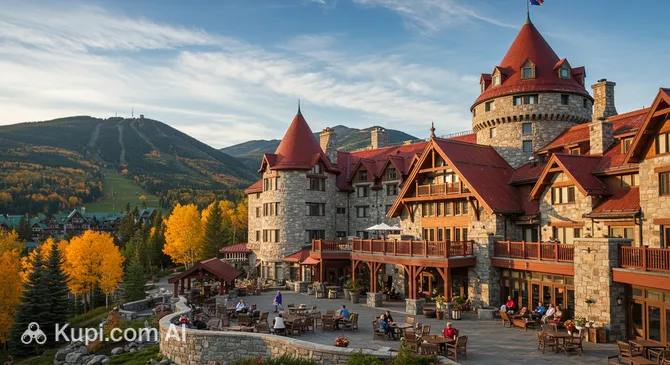
Mont Tremblant is a captivating destination nestled within the breathtaking Laurentian Mountains of Quebec. Renowned primarily as a world-class ski resort, this city offers a perfect blend of natural beauty and vibrant village life, making it a top choice for travelers visiting Canada. Whether you are seeking adrenaline-pumping adventures on the slopes or a peaceful retreat by the lake, Mont Tremblant provides a picturesque backdrop for an unforgettable getaway.
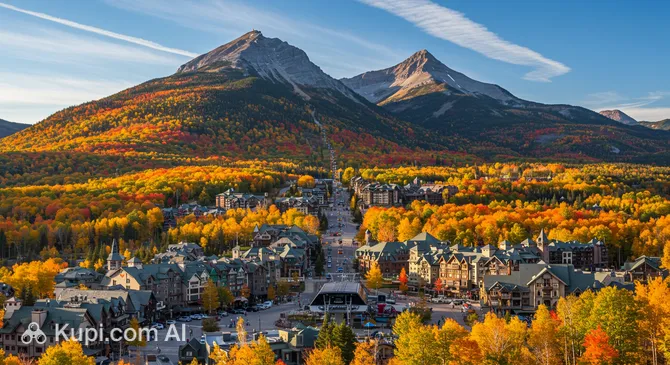
Mont Tremblant. Source: Kupi.Binoculars

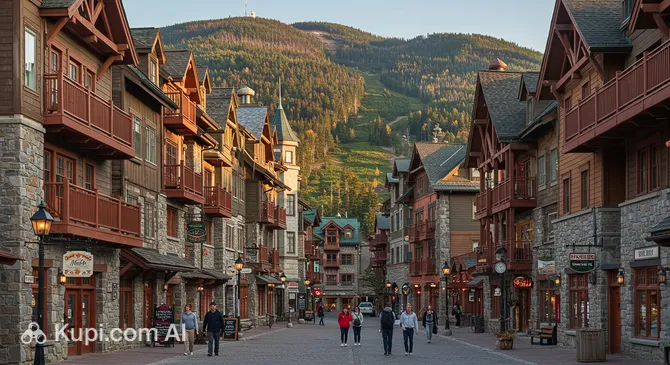
With a permanent population of approximately 10,800 residents, the city maintains a welcoming, small-town charm while hosting visitors from around the globe. The climate here defines the local lifestyle, characterized by snowy winters ideal for skiing and snowboarding, and warm, lush summers perfect for hiking, golfing, and water sports. The heart of the experience is often found in the colorful pedestrian village at the foot of the mountain, which pulses with energy, dining, and shopping opportunities throughout the year.

The region has evolved significantly over the decades. Exploring the history of Mont Tremblant reveals its journey from a remote logging area to one of the most celebrated resort towns in North America. Today, it stands as a testament to successful tourism development that respects its natural surroundings.

Key attractions include the expansive Parc national du Mont-Tremblant, where nature lovers can explore vast forests and waterways, and the adrenaline-fueled Circuit Mont-Tremblant for racing enthusiasts. The resort itself is a major draw, offering activities for every season, from panoramic gondola rides to a lively cultural scene.

Whether you are planning a family vacation or a romantic escape, Mont Tremblant invites you to experience its unique joie de vivre. It is a destination that promises relaxation and excitement in equal measure, waiting to be discovered.
Weather Overview

The climate in this region plays a significant role in its appeal as a premier four-season resort. Visitors can expect distinct seasonal variations, ranging from freezing, snowy winters to pleasantly warm summers. To help plan your trip effectively, it is helpful to review the detailed weather in Mont Tremblant before packing.

Winter is the longest and most defining season here, providing the necessary conditions for the area's famous ski slopes. January is typically the coldest month, with average temperatures hovering around -10.6°C and lows dipping to -14.8°C. February remains cold with averages near -8.7°C, ensuring a solid snow base for outdoor sports.

As the seasons shift, the weather warms up significantly for the summer months. By July, the average temperature rises to a comfortable 19.7°C, with daily highs often reaching 24.0°C, creating an ideal environment for hiking and lakeside relaxation. Precipitation is relatively consistent throughout the year, generally seeing between 10 and 15 wet days per month, so carrying waterproof gear is recommended regardless of when you visit.

Interesting Facts

Beyond the main attractions and world-famous slopes, Mont Tremblant holds many fascinating secrets that enrich its history and character. Here are a few unique insights into this beloved mountain destination that might surprise you.

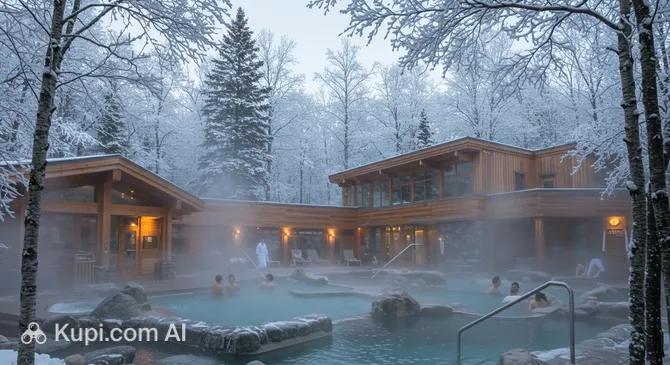
Scandinave Spa Mont-Tremblant. Source: Kupi.Binoculars
  • The city's name is steeped in Indigenous legend. The Algonquin people originally called the peak "Manitonga Soutana," which translates to "Mountain of Spirits" or "Trembling Mountain." They believed that the Great Spirit caused the mountain to shake whenever nature was disturbed, giving the area its enduring name.

  • The resort was founded by an eccentric American explorer named Joe Ryan. In 1938, after climbing to the summit, he was so captivated by the view that he vowed to transform the wilderness into a world-class ski area. True to his word, he opened the resort just one year later, installing one of the first chairlifts in North America.

  • While famous for skiing, the region has a prestigious history in motorsport. The local race track hosted the Formula One Canadian Grand Prix in 1968 and 1970, bringing legendary drivers to the Laurentians long before it became a mainstream year-round tourist hub.

  • Relaxation here is taken very seriously, particularly at the Scandinave Spa Mont-Tremblant. This wellness center is renowned not just for its hydrotherapy baths but for its strict policy of silence, allowing visitors to completely disconnect from the noise of modern life amidst the forest.

How to Get There

Reaching the Laurentians is part of the adventure, offering scenic views as you approach the mountains. Whether you choose to fly or take the train to a nearby hub, the journey is straightforward. For a detailed breakdown of all transport options, you can read more about how to get to Mont Tremblant.

Most international visitors choose to fly into the Montreal-Pierre Elliott Trudeau International Airport (YUL), located in Montreal. Although the city of Mont Tremblant does not have a major international hub within its immediate vicinity, this airport is the primary gateway, situated approximately 98 km away. The transfer by taxi or shuttle typically takes about 2 hours and 50 minutes. Another excellent option is the Ottawa Macdonald–Cartier International Airport (YOW) in Ottawa, which is about 122 km from the resort, with a travel time of roughly 3 hours and 20 minutes. For those looking to land closer to the slopes, La Macaza (YTM) is a smaller regional airport located just 35 km from Mont Tremblant, reducing the final leg of the trip to around 1 hour and 15 minutes.

For clarity, here is a summary of the main airports:

Airport Name City Passenger Traffic Km from City
Montreal-Pierre Elliott Trudeau International AirportMontrealLarge98.3
Ottawa Macdonald–Cartier International AirportOttawaMedium121.7
Plattsburgh International AirportPlattsburghSmall185.6
La MacazaMont TremblantSmall35.3
St. Hubert AirportMontrealSmall113.3

Travelers preferring rail transport should note that the city of Mont Tremblant does not have its own railway station. The most convenient approach is to arrive at the Downtown Railway Station in Montreal, located approximately 106 km away. From there, you can rent a car or take a connecting bus, a journey that generally takes about 3 hours. Alternatively, the Ottawa Railway Station in Ottawa is about 113 km away, offering another viable entry point for those combining a trip to the capital with their mountain getaway.

Below is a list of the nearest railway stations:

Station City Passenger Traffic Km to Center
Downtown Railway StationMontrealLarge105.5
Ottawa Railway StationOttawaMedium113.3
St Lambert Railway StationMontrealMedium109.1
Dorval Railway StationMontrealMedium99.8
Fallowfield StationOttawa113.7

Main Attractions

While the ski slopes are the most famous draw, the area offers a variety of other exciting experiences that cater to nature lovers and thrill-seekers alike. Beyond the village center, visitors can discover unique outdoor activities that highlight the stunning geography of the Laurentians.

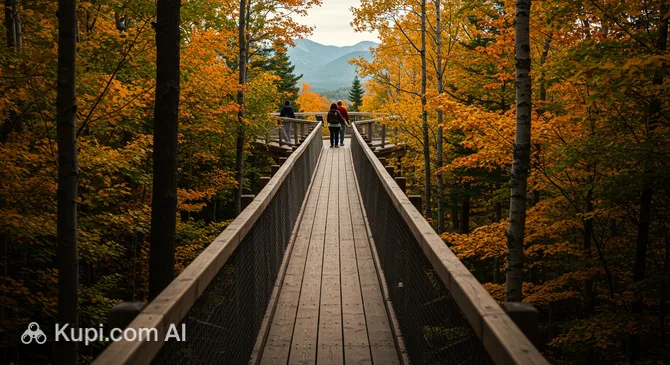
One of the most visually striking destinations is the Laurentides Treetop Walk. This impressive structure allows guests to ascend a gentle spiral boardwalk that rises above the forest canopy. The panoramic view from the top is spectacular in any season, offering a bird's-eye perspective of the rolling mountains and dense woodlands. It is an accessible adventure suitable for families and anyone wishing to immerse themselves in nature without a strenuous hike.

Laurentides Treetop Walk. Source: Kupi.Binoculars

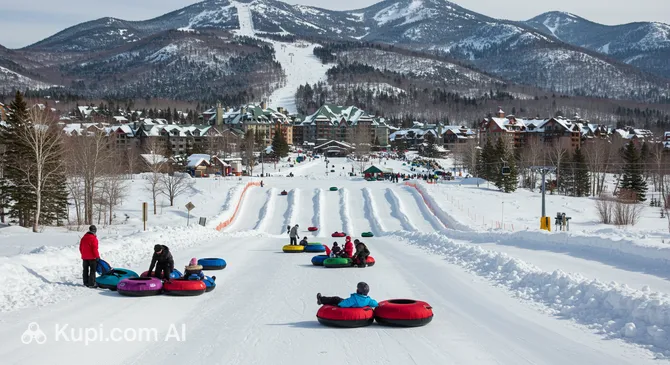
For those visiting during the winter months who want a break from skiing, the Snow Tubing Park Mont Tremblant provides good old-fashioned fun. Sliding down the groomed runs on an inflatable tube is a favorite activity for families and groups of friends. It captures the joy of winter in a safe and energetic environment, complete with mechanical lifts to bring you back to the top for endless rounds of excitement.

Snow Tubing Park Mont Tremblant. Source: Kupi.Binoculars

Outdoor enthusiasts looking for a more rugged experience should explore Montagne d'Argent. This park is a haven for hikers and rock climbers, offering trails that wind through beautiful landscapes and cliffs that challenge climbers of various skill levels. It is a quieter, more serene alternative to the busy resort center, perfect for a day of connecting with the raw beauty of the Quebec wilderness.

Montagne d'Argent. Source: Kupi.Binoculars

Local Cuisine

The culinary landscape of Mont Tremblant is a delightful reflection of its Quebecois heritage, blending French culinary traditions with hearty North American comfort food. Visitors will find that the local cuisine is designed to warm the soul, especially after a long day on the slopes or hiking trails. At the heart of this experience is the iconic poutine, a dish consisting of crispy french fries topped with fresh cheese curds and smothered in hot gravy. It is a staple found everywhere, from casual shacks to upscale eateries where chefs add gourmet twists like duck confit or lobster.

Another must-try dish is tourtière, a traditional meat pie spiced with cloves, cinnamon, and savory herbs. This savory pie is deeply rooted in Quebec's history and is particularly popular during the winter months. For those with a sweet tooth, the region's connection to maple syrup production is undeniable. In the spring, and often year-round in the tourist village, you can taste tire d'érable (maple taffy), which is hot maple syrup poured onto fresh snow and rolled onto a stick for a chewy, sugary treat.

The beverage scene is equally vibrant, heavily influenced by the "après-ski" culture. A signature drink to try is Caribou, a potent mix of red wine and whisky (or brandy), sweetened with maple syrup. It is traditionally enjoyed warm to fend off the winter chill. The region also boasts a thriving craft beer scene, with local microbreweries offering a variety of ales and lagers inspired by the surrounding wilderness.

For those seeking a relaxed atmosphere to enjoy a drink and light bites, the village offers stylish venues. Lolita Bar is a popular spot known for its chic ambiance and creative cocktail menu, making it an excellent choice for an evening out. The food culture here is centered around the pedestrian village, where the proximity of restaurants allows tourists to easily hop from a casual lunch to a fine dining dinner without needing a car.

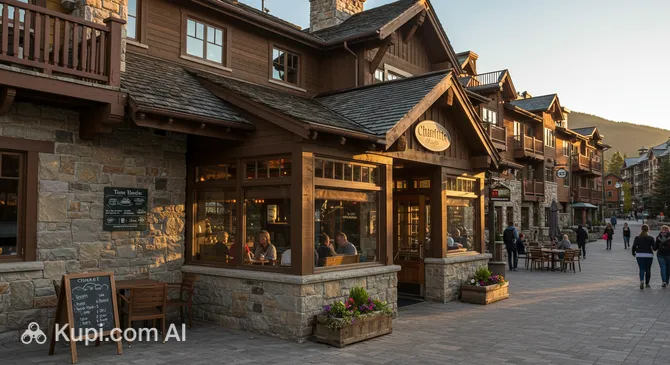
Charlotte Café. Source: Kupi.Binoculars

If you prefer a cozy bistro setting for brunch or a midday coffee, Charlotte Café is a charming destination. It serves as a perfect example of the local café culture, offering fresh pastries, sandwiches, and robust coffee blends that fuel both locals and visitors for their daily adventures. Whether you are dining on a sunny terrace in July or by a roaring fire in January, the flavors of Mont Tremblant are sure to leave a lasting impression.

Travel Tips

Getting ready for a trip to Mont Tremblant means preparing for outdoor adventures and cozy village vibes in the heart of Quebec. To ensure your visit to this popular destination in Canada is as smooth as possible, here are some essential practical tips to keep in mind.

  1. Clothing and Gear: Packing the right layers is crucial. In winter, thermal underwear, a waterproof ski jacket, and insulated boots are non-negotiable as temperatures can drop severely. In summer, the weather is pleasant, but you should bring a sweater for cooler evenings and reliable insect repellent for hiking. Comfortable walking shoes are essential year-round, as the pedestrian village features cobblestone pathways and steep inclines.

  2. Transportation: The resort area is best explored on foot, and a car is generally not needed within the pedestrian village itself. Take advantage of the free resort shuttles to move between lodgings and the mountain base. However, if you plan to visit the downtown area (Saint-Jovite) or explore the wider Laurentians, a rental car is recommended, though be aware that parking in the main village can be expensive.

  3. Finances: The local currency is the Canadian Dollar (CAD). Credit and debit cards are universally accepted, even for small purchases. Tipping is a strong cultural norm here; it is standard practice to leave 15-20% at restaurants and bars, and a few dollars for hotel housekeeping or shuttle drivers.

  4. Health and Safety: Mont Tremblant is a very safe destination, but nature poses its own risks; be aware of wildlife like black bears or deer when hiking remote trails. For medical needs and pharmacies, you will likely need to head to the downtown sector (Saint-Jovite), located about a 15-minute drive from the resort village, as options on the mountain are limited.

  5. Communication: While French is the official language of Quebec, English is fluently spoken by almost everyone in the tourist areas of Mont Tremblant. It is polite and appreciated to start interactions with a friendly "Bonjour" before switching to English. Free Wi-Fi is widely available in the pedestrian village and most hotels.

  6. Local Etiquette: Quebecers are known for being friendly and polite. A simple greeting upon entering a shop is customary. When walking in the pedestrian village with ski equipment, be mindful of others and carry your skis vertically to avoid hitting passersby in the crowded streets.

  7. What to Avoid: Do not assume you can wear ski boots into every restaurant or shop; many places prohibit them to protect floors and ensure safety, so bring a change of shoes if you plan to dine after skiing. Also, avoid venturing off marked trails in winter, as deep snow and hidden obstacles can be dangerous.

  8. Local Insight: Save your energy by using the Cabriolet, a small open-air gondola that connects the lower and upper parts of the pedestrian village. It is completely free to ride and offers a fun, scenic way to avoid the uphill walk while enjoying a great view of the bustling village below.

With these tips in hand, you are well-equipped to navigate the charming streets and slopes of Mont Tremblant with ease. Embrace the local culture, respect the natural surroundings, and enjoy every moment of your mountain escape.

Entertainment & Nightlife

Entertainment in Mont Tremblant is famously spirited, driven largely by the energetic "après-ski" culture that kicks in as soon as the sun goes down. While it may not rival the sprawling club scenes of major metropolises, the resort village packs a punch with its concentrated array of festive pubs, lounges, and dance floors. The atmosphere is generally welcoming and unpretentious, where visitors in ski gear mingle with those dressed for a night out.

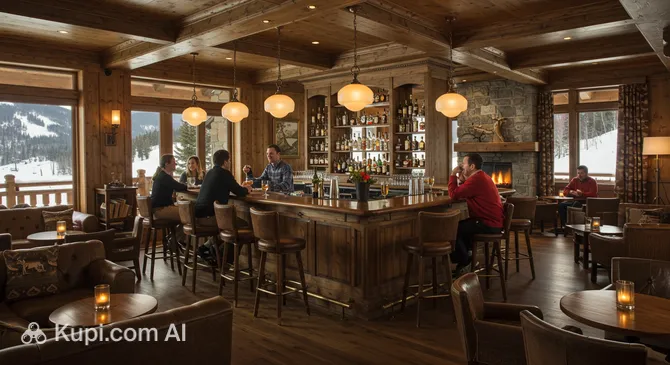
The epicenter of evening entertainment is the Pedestrian Village, particularly around Place Saint-Bernard and the Rue des Remparts. Here, you can easily bar-hop on foot without worrying about transportation. For those seeking a sophisticated evening with expertly crafted cocktails, Lolita Bar is a standout choice. It offers a chic yet cozy ambiance perfect for unwinding after an active day on the mountain.

Lolita Bar. Source: Kupi.Binoculars

If you prefer a more relaxed, resort-style experience slightly removed from the immediate bustle of the village base, Château Beauvallon provides a refined setting. Its lounge areas often feature a quiet vibe suitable for a drink or a romantic evening away from the crowds. For a different kind of thrill, the local casino, accessible via a dedicated gondola or shuttle, offers gaming tables and often hosts live musical performances on weekends.

Château Beauvallon. Source: Kupi.Binoculars

Not all nightlife here revolves around alcohol. Families and thrill-seekers often head to the Snow Tubing Park Mont Tremblant for evening sliding sessions. The runs are often illuminated at night, creating a magical and energetic atmosphere that provides a fun, adrenaline-filled alternative to the traditional bar scene.

Practical advice for a night out includes dressing in "mountain casual" attire; while some upscale venues exist, jeans, flannel, and clean boots are widely accepted. Peak hours are usually from 9:00 PM to 1:00 AM. Prices can be on the higher side, typical of a resort town, so it is wise to budget accordingly. The area is extremely safe for walking at night, but if you need to travel between the Pedestrian Village and the Downtown area (Saint-Jovite), rely on the free resort shuttles or local taxi services, as ride-sharing apps can be less frequent in the mountains.

During the daylight hours, entertainment shifts towards cultural and family pursuits. While the city does not have large museums, the village hosts various art galleries and occasionally street theater performances, particularly in the summer. Visitors can also enjoy daytime amusement options like mini-golf, go-karting, and cinema screenings, ensuring there is never a dull moment before the nightlife begins.

Parks & Museums

While Mont Tremblant is globally recognized for its ski slopes, the city and its surroundings also boast magnificent green spaces and a growing cultural scene that celebrates the region's heritage. Beyond the adrenaline of the mountain, visitors can discover serene parks, vibrant art venues, and historical landmarks that offer a deeper connection to the Laurentian landscape and lifestyle.

The crown jewel of the area's natural attractions is undoubtedly Parc national du Mont-Tremblant. As the oldest national park in Quebec, it covers a vast expanse of territory filled with rolling hills, over 400 lakes, and six rivers. It is a paradise for outdoor enthusiasts, offering a network of hiking trails that range from easy walks to challenging climbs. In the summer, the park's beaches, such as the one at Lac Monroe, are perfect for swimming and canoeing, while the dense forests provide a habitat for diverse wildlife, including moose and white-tailed deer. It is an essential stop for anyone wanting to experience the true wilderness of the region.

Another significant natural area is Domaine Saint-Bernard, an ecotourism park located just minutes from the resort. This protected territory spans over 1,500 acres and offers a more intimate nature experience. It features a network of trails for hiking and cross-country skiing, as well as an astronomy pavilion where visitors can gaze at the stars away from city lights. The park is also a sanctuary for birdwatchers, with numerous species inhabiting its forests and wetlands, making it a peaceful retreat for families and nature lovers alike.

On the cultural front, Mont Tremblant leans more towards visual arts and intimate galleries than large museums. The Pedestrian Village itself acts as an open-air gallery, with several boutiques displaying works by local and regional artists. Visitors can admire paintings, sculptures, and photography that capture the spirit of the mountains. For a touch of history and architecture, the Chapelle Saint-Bernard is a must-see. Located at the base of the slopes, this charming chapel is an iconic symbol of the village, offering a quiet space for reflection amidst the bustling resort atmosphere. Its traditional architecture provides a picturesque contrast to the modern amenities surrounding it.

For a glimpse into the region's past, a visit to the Old Village (Village Mont-Tremblant) is highly recommended. Located on the shores of Lake Mercier, this sector preserves the authentic charm of the original settlement. Here, the Place de la Gare serves as a cultural hub. Housed in a replica of the old railway station, it often hosts art exhibitions and serves as a gathering point for the community. It is also a key access point for the P'tit Train du Nord, a famous linear park and trail built over an old railway line, which is popular with cyclists and walkers exploring the history of the Laurentians.

An insider tip for a truly local experience is to visit the gardens near the Lac Mercier beach in the Old Village during sunset. It offers a stunning, tranquil view of the lake that many tourists miss by staying solely within the main resort area, providing a perfect moment of calm to end your day.

Getting Around

Navigating Mont Tremblant is surprisingly easy and convenient, thanks to a public transport system designed to keep visitors moving without the need for a personal vehicle. The city is divided into three main hubs: the Pedestrian Village (Resort), the Old Village, and the Downtown area (Saint-Jovite). An efficient network connects these sectors, allowing tourists to explore the region's diverse offerings stress-free.

The backbone of the local transport is the TCMT (Transport en commun de Mont-Tremblant). This municipal bus service operates a reliable schedule connecting the Downtown area, the Old Village, and the Resort. The most significant advantage for tourists is that this service is completely free. There are no tickets to buy or passes to validate; you simply hop on at a designated stop. The buses are modern, comfortable, and equipped with racks for skis in the winter and bicycles in the summer, making them perfect for active travelers.

Within the resort area itself, a dedicated fleet of resort shuttles serves the various hotels, condos, and parking lots. These shuttles run frequently, looping between accommodations and the base of the mountain. Like the municipal buses, these are free of charge. This system allows you to park your car upon arrival and leave it untouched for the duration of your stay, avoiding the hassle of finding parking near the busy ski lifts.

A unique and iconic feature of Mont Tremblant's transport is the Cabriolet. This open-air gondola connects the lower part of the pedestrian village to the upper level near the main ski lifts. It is free to ride and offers a fun, scenic way to glide over the rooftops of the village. While primarily a convenience to save you from walking uphill in ski boots, it also provides excellent views and is an attraction in its own right. Note that the Cabriolet operates during the day and early evening, so check the hours if you plan to use it for a late dinner.

For those looking for alternatives, taxis are available but can be somewhat limited compared to major cities. It is advisable to book one in advance, especially during peak evening hours or holidays. Ride-sharing apps are not as prevalent here as in metropolitan areas. In the warmer months, cycling is a popular mode of transport. The region is connected by the P'tit Train du Nord linear park, and many visitors rent bikes to travel between the Old Village and the Resort comfortably.

Practical advice for tourists includes downloading the local municipal app or checking the printed schedules available at hotels, as bus frequencies can change with the seasons. While the system is robust during the day, service frequency may decrease late at night, so plan your return trip accordingly if you are dining in the Downtown sector. By utilizing this free and integrated network, you can enjoy all the charms of the area while keeping your travel budget focused on experiences rather than logistics.

Accommodation

Where to Stay:

Finding the perfect place to stay in Mont Tremblant is an integral part of the experience, with options ranging from luxurious ski-in/ski-out resorts to cozy bed and breakfasts and practical budget lodgings. The accommodation landscape is diverse, catering largely to families, couples, and outdoor enthusiasts. Visitors can choose between full-service hotels, private condo rentals—which are very popular here—and charming inns that offer a more personal touch.

The most popular area for tourists is undoubtedly the Pedestrian Village at the foot of the mountain. Staying here puts you right in the middle of the action, with immediate access to the ski lifts, shops, and restaurants. It is ideal for those who want convenience and the vibrant atmosphere of the resort. For a quieter, more scenic experience, the Old Village on the shores of Lac Mercier offers a picturesque setting with easy access to the cycling paths. Alternatively, the Downtown area (Saint-Jovite) provides more affordable options and is surrounded by local services, though it requires a short drive or bus ride to reach the ski slopes.

Among the notable establishments in the region is Château Beauvallon. This property exemplifies the upscale yet rustic charm of the Laurentians, offering guests a refined retreat that often features spacious suites and amenities like indoor and outdoor pools. It serves as a great example of the high-quality resort hotels available just a stone's throw from the main activity hubs, often providing shuttle services to bridge the gap to the mountain.

Booking Tip: Mont Tremblant is a year-round destination, but accommodation fills up incredibly fast during the peak ski season (late December to March) and the summer holidays (July and August). To secure the best rates and your preferred location, it is highly recommended to book at least three to four months in advance.

Prices in Mont Tremblant can vary significantly depending on the season and proximity to the mountain. The Pedestrian Village commands the highest premiums, often falling into the luxury to high-mid-range category. More budget-friendly prices can generally be found in the Downtown sector or in motels along Route 117. Most visitors book their stays through major online travel platforms or directly through resort websites, which sometimes offer package deals including lift tickets or activities.

Nearby Cities

For those looking to explore the surroundings, Mont Tremblant serves as an excellent base for day trips to several interesting nearby locations:

City Population Distance (km)
Saint-Jérôme6959860
Blainville5636375
Mirabel5051365
Val-d'Or3186270
Boisbriand2688481

Saint-Jérôme is often referred to as the "Capital of the Laurentians" and serves as a vital cultural and service hub for the region. It is famously known as the starting point (kilometer zero) of the "P'tit Train du Nord," a 232-kilometer linear park popular with cyclists and cross-country skiers. Visitors can also admire the impressive architecture of the Saint-Jérôme Cathedral and enjoy a variety of festivals and public markets that take place in the downtown area throughout the year.

Another notable destination is Mirabel, which offers a blend of agricultural heritage and expansive green spaces. Nature lovers should visit the Parc régional du Bois de Belle-Rivière, a beautiful park that offers hiking trails, fishing ponds, and swimming areas in the summer, as well as skating paths through the forest in winter. The area is also known for its agrotourism, allowing visitors to explore local farms and taste fresh regional produce.

These nearby destinations offer a glimpse into the diverse culture and landscapes of the region.

Shopping & Souvenirs

Shopping in Mont Tremblant offers a delightful mix of high-end retail therapy and charming local discovery. The experience is essentially divided into two distinct atmospheres: the vibrant, European-style resort village at the base of the mountain and the authentic, bustling downtown area known as Saint-Jovite. Whether you are looking for top-tier outdoor gear to tackle the slopes, unique handcrafted gifts, or stylish fashion, the city provides a diverse range of options set against a beautiful scenic backdrop.

The Pedestrian Village is the heart of the shopping action for most visitors. Walking along the cobblestone streets of Rue des Remparts and around Place Saint-Bernard, you will find a concentration of exclusive boutiques and well-known international brands. This area is particularly famous for its high-quality sports shops, offering the latest in ski equipment, snowboarding gear, and winter apparel. It is also home to several art galleries and souvenir stores where you can pick up mementos without ever leaving the resort atmosphere.

For a more local and relaxed vibe, head to the Downtown sector (Saint-Jovite). The main thoroughfare, Rue de Saint-Jovite, is lined with heritage buildings that house independent boutiques, antique dealers, and home decor shops. This is the place to go if you want to find unique clothing, jewelry, or gifts that you won't see in standard chain stores. It invites a leisurely stroll, often punctuated by stops at small cafes and bakeries along the way.

While Mont Tremblant is not known for massive mega-malls, it does offer excellent outlet shopping at Factoreries Tremblant. Located on Route 117, this outdoor shopping center features a collection of outlet stores from major brands. It is a popular stop for travelers looking for deals on branded clothing, footwear, and kitchenware, making it a practical destination for stocking up on essentials or finding bargains.

For a taste of local culture and flavors, the Marché d'été de Mont-Tremblant (Summer Market) is a must-visit during the warmer months. Held in the Old Village, this market brings together local farmers, artisans, and producers. It is the perfect spot to browse for fresh Quebec produce, homemade jams, baked goods, and handcrafted jewelry. The atmosphere is lively and community-focused, offering a genuine connection to the region's agricultural roots.

When it comes to souvenirs, visitors are spoiled for choice. Maple products are the quintessential Canadian gift, ranging from pure syrup and maple butter to maple-infused candies. Another popular item is apparel from Roots, a classic Canadian brand famous for its cozy hoodies and leather goods, which has a prominent presence in the village. Additionally, look for First Nations art and handicrafts, such as moccasins or dreamcatchers, which reflect the indigenous heritage of the area.

Store opening hours vary by location and season. In the Pedestrian Village, shops often stay open later, typically until 9:00 PM during peak ski season and summer, to accommodate tourists after a day of activities. In Downtown Saint-Jovite, hours are more traditional, usually closing around 5:30 PM or 6:00 PM on weekdays, with extended hours on Thursdays and Fridays. Credit and debit cards are universally accepted, and contactless payment is standard.

Tourists should be aware that sales tax is generally not included in the sticker price of items. In Quebec, you can expect to pay the federal Goods and Services Tax (GST) of 5% plus the Quebec Sales Tax (QST) of 9.975% at the register, totaling nearly 15%. Unlike some European destinations, there is currently no general sales tax refund program for international visitors on typical consumer goods purchased in Canada.

Reached the end of the page?

That means the route is fully explored