Support

Detroit

About

Detroit, often celebrated as the "Motor City," is a vibrant destination renowned for its rich automotive heritage and profound musical legacy. As the birthplace of Motown and the American automobile industry, this dynamic metropolis in Michigan exudes a spirit of innovation and resilience that captivates visitors from around the globe.

Located in the Midwestern region of the United States, the city sits strategically on the Detroit River, which connects Lake Erie and Lake St. Clair. It serves as a major port and a cultural hub, with a population of over 3.5 million in its metropolitan area, making it the largest and most populous city in the state.
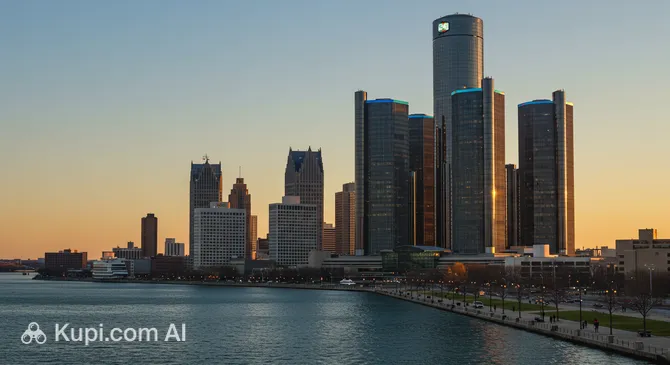
Detroit. Source: Kupi.Binoculars

The city's narrative is one of constant evolution. From its early days as a French trading post to its era as an industrial titan, the history of Detroit is woven into the fabric of American culture. Today, this legacy is visible in its stunning Art Deco architecture and revitalized neighborhoods that blend historic charm with modern energy.

Travelers will find no shortage of world-class attractions. The Detroit Institute of Arts is a must-visit, boasting one of the most significant art collections in the country, including the famous Diego Rivera murals. Music lovers can step back in time at the Motown Museum, affectionately known as "Hitsville U.S.A.," while outdoor enthusiasts can enjoy the scenic views along the award-winning Detroit Riverwalk.

Whether you are here to explore its artistic treasures, dive into its musical roots, or simply enjoy the local cuisine, Detroit offers a unique and welcoming atmosphere. It is a city that proudly showcases its past while looking forward to a bright future, inviting everyone to discover its many hidden gems.
Weather Overview

Detroit experiences a diverse climate with four distinct seasons, offering a different atmosphere depending on when you choose to visit. To ensure you are fully prepared for your trip, it is helpful to consult the current weather in Detroit before you pack.

Winters in the city are typically cold. January is often the chilliest month, with average temperatures sitting around -2.4°C and minimums dropping to -5.4°C. February follows a similar pattern with an average of -1.4°C. Travelers visiting during this time should bring heavy coats and warm layers to stay comfortable while enjoying the city's indoor museums and cultural sites.

By contrast, the summer months are pleasant and inviting. July brings the peak of the heat, with average temperatures of 23.7°C and daily highs reaching up to 27.9°C. August remains warm, averaging 22.7°C, which is perfect for exploring the riverfront. Expect warm summers with occasional rain and cold winters, as the data indicates a consistent pattern of 10 to 14 wet days per month throughout the year.

Spring and autumn serve as mild transition periods. May offers comfortable averages of 16.1°C, while October sees temperatures cooling to around 12.8°C. These seasons can be ideal for walking tours, though it is always wise to have an umbrella handy given the regular frequency of wet days.

Interesting Facts

Beyond the main attractions, Detroit holds many fascinating secrets that surprise even seasoned travelers. From underground marvels to unique maritime traditions, the city's history is filled with quirky and unexpected details.
  • Beneath the bustling city streets lies a massive salt mine that spans over 1,500 acres. Located approximately 1,200 feet underground, these vast subterranean tunnels contain enough salt to supply the region for generations, although this industrial wonder remains strictly off-limits to the general public.

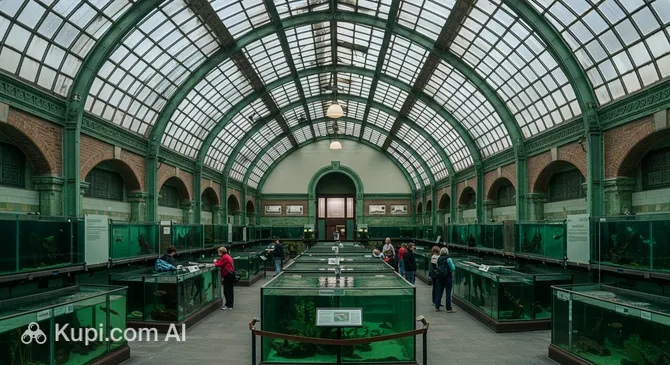
  • The city's beloved island park is actually larger than New York City's famous Central Park. Designed by the same landscape architect, Frederick Law Olmsted, the island features the historic Belle Isle Aquarium, which opened in 1904 and is known for its beautiful green tile-lined ceiling.

  • The Detroit River is home to the J.W. Westcott II, the only floating post office in the world that delivers mail to ships while they are still moving. This unique vessel has been operating for nearly 150 years and even possesses its own exclusive zip code, 48222.

  • Detroit was the first city in the nation to assign individual telephone numbers to residents. The system was introduced in 1879 to streamline connections as the number of subscribers grew, replacing the older method of asking operators to connect calls by name.

Belle Isle Aquarium. Source: Kupi.Binoculars

How to Get There

Reaching the Motor City is convenient thanks to its status as a major transportation hub in the Midwest. Whether you are arriving by air or considering rail options from nearby regions, there are several pathways to start your journey. For a comprehensive overview of all travel methods and detailed routes, you can read more about how to get to Detroit.

The primary gateway for most visitors is Detroit Metropolitan Wayne County Airport (DTW). As a major international facility, it handles a vast number of flights annually. Located approximately 28.2 km from the city center, the airport is well-connected to the downtown area. A trip by taxi or shuttle bus generally takes around 62 minutes, depending on traffic conditions.

For those looking for alternatives, Windsor International Airport (YQG) is another option. It is located in the city of Windsor, Canada, which is about 9.4 km from Detroit across the river. The travel time is approximately 34 minutes, though border crossing times should be considered. Additionally, travelers can fly into Bishop International Airport (FNT) in the city of Flint, situated 91.0 km away. The ground transfer from Flint takes about 157 minutes.

For clarity, here is a summary of the main airports:

Airport Name City Passenger Traffic Km from City
Detroit Metropolitan Wayne County AirportDetroitHigh28.2
Bishop International AirportFlintMedium91.0
Capital Region International AirportLansingMedium136.3
Windsor International AirportWindsorSmall9.4
Toledo Express AirportToledoSmall103.5

If you are considering arriving by train, please note that the city of Detroit relies on nearby connections for certain rail services listed here. You can arrive at the Windsor Railway Station in the city of Windsor, which is located just 2.8 km from Detroit. From there, you can get a taxi or bus, which takes about 24 minutes to cross into the city. Another option further afield is the Sarnia Railway Station (XDX) in Sarnia, approximately 87.9 km away, with a travel time of around 152 minutes.

Below is a list of the nearest railway stations available in the dataset:

Station City Passenger Traffic Km to Center
Sarnia Railway StationSarniaSmall87.9
London Railway StationLondon-164.0
Windsor Railway StationWindsor-2.8

Main Attractions

Detroit offers a fascinating array of landmarks that celebrate its history as an industrial powerhouse and a cultural capital. From world-class museums to vibrant outdoor spaces, the city provides diverse experiences for every type of traveler.

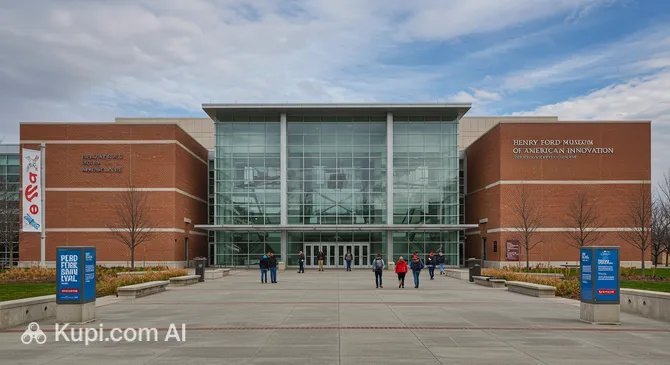
One of the most iconic stops is the Henry Ford Museum of American Innovation. Located in the suburb of Dearborn, this sprawling indoor-outdoor history museum is a tribute to American ingenuity. Visitors can marvel at historic artifacts such as the bus where Rosa Parks took her stand, the limousine used by John F. Kennedy, and a comprehensive collection of automobiles, planes, and locomotives that tell the story of the country's technological progress.

Henry Ford Museum of American Innovation. Source: Kupi.Binoculars

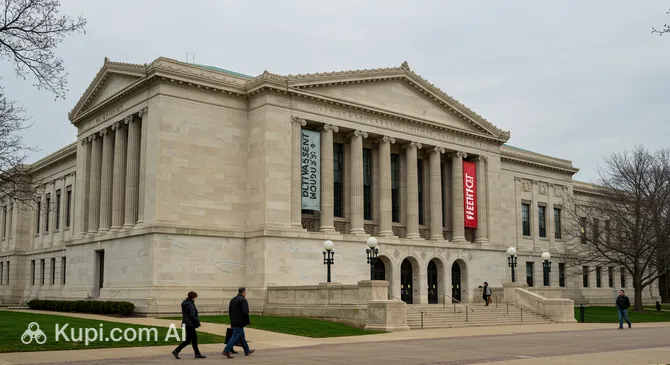
Art enthusiasts should not miss the Detroit Institute of Arts, which houses one of the largest and most significant art collections in the United States. The museum is renowned for its diverse holding of over 65,000 works, spanning from ancient times to the modern era. A highlight for many is the "Detroit Industry" fresco cycle by Diego Rivera, a stunning masterpiece that covers the walls of the central court and depicts the city's industrial spirit.

Detroit Institute of Arts. Source: Kupi.Binoculars

For music lovers, the Motown Museum is an essential pilgrimage site. Housed in the original "Hitsville U.S.A." building, this museum preserves the legacy of the record label that changed the sound of America. Guests can step into the famous Studio A, where legends like Stevie Wonder, The Supremes, and The Temptations recorded their hits, and view an impressive collection of costumes, photographs, and memorabilia.

Families and nature lovers will enjoy a trip to the Detroit Zoo, situated just north of the city limits in Royal Oak. The zoo is celebrated for its humane habitats and conservation efforts. It features the Arctic Ring of Life, one of the largest polar bear habitats in North America, and the spectacular Penguin Conservation Center, where visitors can watch penguins swim and play in a state-of-the-art facility.

Detroit Zoo. Source: Kupi.Binoculars

In the heart of downtown, Campus Martius Park serves as the city's gathering place throughout the year. This award-winning public space transforms with the seasons, offering a sandy urban beach in the summer and a bustling ice skating rink in the winter. Surrounded by skyscrapers and restaurants, it is the perfect spot to relax, enjoy live entertainment, and soak in the energy of the revived city center.

Local Cuisine

Detroit offers a culinary landscape that is as robust and innovative as its industrial history. The city's food scene is honest, hearty, and increasingly sophisticated, blending deep-rooted traditions with a wave of modern culinary creativity. While it is famous for specific styles of comfort food, visitors will also find a diverse array of international flavors and upscale dining options.

You cannot explore the local gastronomy without trying Detroit-style pizza. Characterized by its rectangular shape, thick yet airy crust, and crispy caramelized cheese edges, this dish is a source of local pride that has gained worldwide fame. Equally iconic is the Coney dog, a beef frankfurter topped with savory beanless chili, yellow mustard, and chopped onions. The city is well-known for the friendly rivalry between its historic downtown Coney Island diners, and debating which one is better is a favorite local pastime.

Beyond these classics, the region serves as a melting pot of cultures. The metropolitan area is renowned for having some of the best Middle Eastern cuisine in the country, alongside vibrant Greektown offerings and authentic Polish dishes. For those interested in Asian flavors, One World Market is a notable destination, celebrated for its high-quality sushi and extensive selection of Japanese specialty goods.

Travelers seeking a refined evening will find plenty of choices among the city's steakhouses and contemporary eateries. Ocean Prime stands out as an elegant option, offering a sophisticated setting perfect for enjoying fresh seafood, prime cuts of steak, and curated cocktails.

To accompany your meal, be sure to explore the local beverage scene. Michigan is highly regarded for its thriving craft beer industry, and Detroit is at the heart of it. Establishments like Sedona Taphouse provide an extensive selection of craft brews and fine wines, making them excellent spots to unwind after a day of sightseeing.

Whether you are grabbing a quick bite at a historic diner or sitting down for a multi-course dinner, Detroit invites you to bring a big appetite and discover the delicious flavors that fuel the Motor City.

Travel Tips

Welcome to Detroit! As a city with a unique layout and a distinct local culture, a little preparation goes a long way in ensuring your visit is smooth and enjoyable. These practical tips will help you navigate the Motor City with confidence, from getting around to interacting with the friendly locals.

  1. Clothing and Gear: The weather here can be unpredictable, so packing layers is essential regardless of the season. Winters are freezing, requiring heavy coats, gloves, and waterproof boots, while summers can be hot and humid. Since you will likely be exploring diverse neighborhoods and walking along the riverfront, bring comfortable walking shoes.

  2. Transportation: True to its nickname, this is a car-centric city. Renting a car is often the most efficient way to explore attractions spread across the metropolitan area. However, within the downtown and Midtown districts, you can use the QLine streetcar or the Detroit People Mover. Ride-hailing apps like Uber and Lyft are also reliable and widely available alternatives to traditional taxis.

  3. Finances: The local currency is the US Dollar (USD), the standard for the United States. Credit and debit cards are accepted almost everywhere, from museums to restaurants. However, it is wise to carry a small amount of cash for valet parking or small vendor purchases. Tipping is customary; expect to leave 18-20% at restaurants and bars.

  4. Health and Safety: Downtown, Midtown, and Corktown are generally safe and bustling with activity, but like any major city, it is important to stay aware of your surroundings. Stick to well-lit, populated areas at night. Pharmacies like CVS and Walgreens are common for minor health needs, and in case of an emergency, dial 911 immediately.

  5. Communication: English is the primary language spoken. Free Wi-Fi is readily available in most hotels, coffee shops, and public buildings. If you need a local SIM card, you can purchase one at the airport or at mobile provider stores throughout the city to stay connected.

  6. Local Etiquette: Detroiters are known for their down-to-earth friendliness and resilience. It is common to greet strangers with a smile or a simple "hello." When discussing the city, approach the topic with respect; locals are proud of their home and its revitalization, so showing genuine interest in their culture is well-received.

  7. What to Avoid: refrain from "ruin photography" or treating residential areas in transition as tourist spectacles. Taking photos of abandoned structures in neighborhoods where people live is considered disrespectful and invasive.

  8. Additional Tip: If you are driving, be prepared for the "Michigan Left." This unique traffic maneuver involves driving past your intended left turn, making a U-turn at a median crossover, and then turning right. It can be confusing for first-time visitors, so keep a close eye on your GPS navigation.

By keeping these simple guidelines in mind, you will be well-equipped to experience the best of Detroit. Embrace the city's energy, connect with its people, and enjoy a hassle-free journey through one of America's most fascinating cultural capitals.

Entertainment & Nightlife

Detroit comes alive after dark, offering a nightlife scene that is as diverse and soulful as its musical heritage. From the birthplace of techno to legendary jazz clubs and modern rooftop lounges, the city provides an exciting array of options for night owls. Whether you are looking for a high-energy dance floor, a sophisticated cocktail bar, or a laid-back brewery, the Motor City has something to match every mood.

The heart of the action is undoubtedly Downtown and the nearby Greektown district. Greektown is particularly bustling on weekends, known for its vibrant street life, casinos, and late-night dining options. For a trendier vibe, explore "The Belt," an artistically curated alley in downtown filled with murals, outdoor seating, and chic bars. Corktown, the city's oldest neighborhood, offers a cooler, more hipster atmosphere with craft cocktail venues and historic pubs.

For those seeking a comprehensive entertainment experience, Grand Detroit is a premier destination. This luxury resort and casino complex features not only gaming but also upscale lounges and vibrant nightlife spots, making it a hub for those looking to dress up and enjoy a glamorous evening. The crowd here is typically stylish, and the energy remains high well into the early morning hours.

Live music and major events are central to the city's identity. The Detroit Arena, commonly known as Little Caesars Arena, is the centerpiece of The District Detroit. It hosts massive concerts and sporting events, surrounded by a variety of bars and restaurants that are perfect for pre-show drinks or post-event celebrations. If you prefer a more intimate but equally refined setting, Eddie V's offers a sophisticated atmosphere with live jazz music, fine seafood, and expertly crafted cocktails.

When planning your night out, keep in mind that most bars and clubs stay open until 2:00 AM. The dress code varies significantly by venue; while casinos and upscale clubs in downtown often require smart casual or cocktail attire, neighborhood bars and breweries are generally relaxed. Prices are comparable to other major US cities, with cocktails in premium locations costing more than in the outer neighborhoods.

Safety is a priority for visitors. The main entertainment districts like Downtown, Midtown, and Greektown are well-patrolled and generally safe for walking, especially when crowds are present. However, it is always advisable to stay in well-lit areas and avoid walking alone on deserted streets late at night. For transportation, ride-sharing services like Uber and Lyft are the most convenient and reliable way to get around safely after hours.

Beyond the nightlife, Detroit offers plenty of daytime entertainment for families and leisure travelers. Architecture and theater enthusiasts should visit the historic Fisher Building, an Art Deco masterpiece that houses the Fisher Theatre. For those traveling with children or seeking active fun, the Adventure Bay Family Water Park provides thrilling slides and pools, ensuring that the entertainment options in the city extend well beyond the sunset.

Parks & Museums

Detroit seamlessly blends its industrial heritage with an impressive array of green spaces and cultural institutions, offering visitors a chance to explore both nature and history. The city's revitalization has placed a strong emphasis on public parks and preserving its rich artistic legacy, creating a diverse landscape for exploration.

For a refreshing escape from the urban environment, Belle Isle Park remains the crown jewel of the city's green spaces. Situated on an island in the Detroit River, it features the popular Belle Isle Beach, where visitors can relax on the sand and enjoy views of the skyline. The island is also home to nature trails and recreational facilities, making it a perfect spot for picnicking and outdoor activities.

Another significant natural area is Lake Saint Clair Metropark. Located a short drive from the city center, this expansive park offers a large swimming beach, nature trails for bird watching, and paved paths for cycling and rollerblading. It provides a fantastic opportunity to experience the Great Lakes' natural beauty and engage in water sports during the warmer months.

Lake Saint Clair Metropark. Source: Kupi.Binoculars

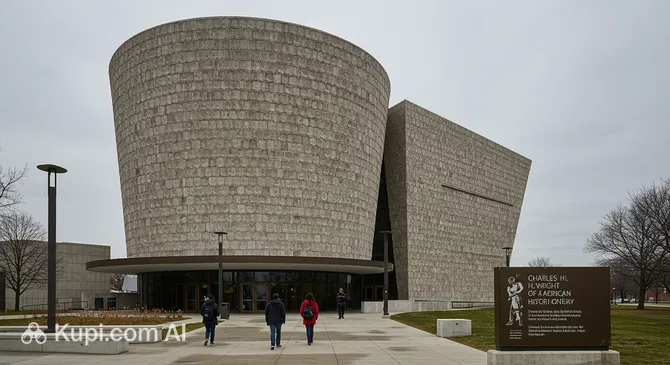
Delving into the city's cultural depth, the Charles H. Wright Museum of African American History stands as one of the most important institutions of its kind. It houses the world's largest permanent exhibit on African American culture, offering powerful and immersive displays that trace history from the Middle Passage to the present day. It is an essential stop for understanding the profound contributions of African Americans to the city and the nation.

To understand the local narrative more broadly, the Detroit Historical Museum in Midtown provides a fascinating look at the region's past. From the "Streets of Old Detroit," which recreates the city at different points in history, to exhibits on the automotive industry and the Arsenal of Democracy, this museum brings the stories of the Motor City to life in an engaging way.

Charles H. Wright Museum of African American History. Source: Kupi.Binoculars

Science enthusiasts and families will appreciate the Michigan Science Center. This interactive museum features hands-on exhibits exploring engineering, space, and physics, along with an IMAX dome theatre and a planetarium. It serves as a hub for STEM learning and offers a fun, educational experience for visitors of all ages.

Architectural grandeur is abundant in the region, with the recently restored Michigan Central Station leading the way. Once a symbol of decline, this Beaux-Arts masterpiece has been transformed into a symbol of the city's resurgence. Additionally, the Edsel and Eleanor Ford House in Grosse Pointe Shores offers a glimpse into the lives of the automotive royalty, featuring stunning Cotswold-style architecture and beautifully manicured gardens.

For a unique experience off the beaten path, visit Cranbrook House and Gardens in Bloomfield Hills. This National Historic Landmark is renowned for its exquisite arts and crafts architecture and extensive sunken gardens, providing a serene and picturesque retreat that feels worlds away from the bustling city.

Getting Around

While Detroit is famously known as the "Motor City," implying a heavy reliance on personal automobiles, the city offers several public transportation options that are particularly useful for visitors exploring the central districts. The system is a mix of buses, a streetcar line, and a unique elevated rail loop, designed to help you navigate between popular attractions, stadiums, and neighborhoods without needing a car for every trip.

One of the most distinct features of the local transport network is the Detroit People Mover. This automated, elevated light rail system operates on a 2.9-mile loop around Downtown. It is an excellent way for tourists to get a quick overview of the city center, offering scenic views of the skyline and the Detroit River. With 13 stations, it connects major hotels to landmarks like the convention center and Greektown. It is cost-effective and runs frequently, making it a convenient hop-on, hop-off option for short distances.

For travel along the city's main commercial artery, Woodward Avenue, the QLINE serves as a modern streetcar solution. This 3.3-mile route connects Downtown to Midtown and the New Center area, stopping near key cultural sites such as the Detroit Institute of Arts and the Detroit Historical Museum. The streetcars are comfortable, heated, and run year-round, operating from early morning until late at night, though hours can vary on Sundays and holidays.

The backbone of the city's public transit is the bus network, primarily operated by the Detroit Department of Transportation (DDOT) for routes within the city limits, and SMART for connections to the suburbs. Buses are recognizable by their distinct green and yellow branding (DDOT) or red and orange (SMART). They cover a much wider area than the rail systems, making them necessary if you plan to venture beyond the immediate downtown core.

Paying for fares has been streamlined with the introduction of the Dart system, a unified payment method for both DDOT and SMART buses, as well as the QLINE. Visitors are highly encouraged to download the Dart app, which allows you to purchase passes directly from your smartphone. Passes are available in various durations, such as 4-hour, 24-hour, or weekly options, offering unlimited rides within that timeframe. If you prefer to pay with cash on the bus, be aware that you must have the exact change, as drivers cannot provide refunds.

For those who prefer active transportation, the MoGo bike-share program offers a network of bicycles available for rent at stations throughout the city. It is a fantastic way to explore the Riverwalk or the Dequindre Cut Greenway on a sunny day. Passes can be purchased at the kiosks or via the mobile app.

Despite these options, the metropolitan area is vast, and many travelers still find that renting a car or using ride-sharing services like Uber and Lyft provides the most flexibility. Taxis are also available but are less commonly hailed on the street compared to other major cities; it is best to locate a taxi stand near major hotels or book one in advance. If you choose to drive, parking is generally abundant, though rates can increase significantly during major sporting events or concerts.

Accommodation

Where to Stay:

Finding the perfect place to stay in Detroit is easy, thanks to a wide range of accommodation options that cater to every budget and travel style. The city’s lodging landscape has evolved significantly, offering everything from restored historic skyscrapers and boutique hotels to luxury casino resorts and reliable mid-range chains. Whether you are a business traveler, a family on vacation, or a solo adventurer, there is a comfortable spot waiting for you.

For most visitors, Downtown is the most convenient area to base yourself. Staying here places you within walking distance of major sporting arenas, the theater district, and the scenic riverfront. It is the heart of the action, perfect for those who want to be immersed in the city's energy. Just north of the center, Midtown is an excellent alternative for culture lovers. This neighborhood is home to the city's top museums and universities, offering a slightly quieter but culturally rich atmosphere.

If you prefer a neighborhood with historic charm and a trendy vibe, consider Corktown. Known for its cobblestone streets and Victorian homes, it has become a hotspot for foodies and offers a more local experience. Conversely, families planning to visit specific attractions like the Henry Ford Museum might find the suburbs, such as Dearborn or Troy, to be practical and cost-effective options, often providing more spacious accommodations and free parking.

Travelers seeking a high-end experience with extensive amenities will find several standout properties. A notable example is Grand Detroit, a luxury resort hotel that combines upscale lodging with vibrant entertainment and dining options, making it a destination in itself.

Booking Tips: Detroit hosts numerous large-scale events throughout the year, including major auto shows, music festivals, and professional sports games. During these times, hotels in the downtown area can fill up quickly. It is highly recommended to book your accommodation well in advance if your visit coincides with these popular events to secure the best rates and availability.

Price Range: Prices generally reflect the location and amenities. Downtown and boutique hotels typically command higher rates, falling into the upper-mid-range to luxury categories. More budget-friendly options, including motels and economy hotels, are readily available in the surrounding suburbs. Booking is best done through major online platforms or directly with hotels, where you can often find package deals or seasonal discounts.

Nearby Cities

For those looking to explore the surroundings, Detroit serves as an excellent base for day trips to several interesting nearby locations:

Just a short drive from the city center, Dearborn is a must-visit destination for history buffs and culture enthusiasts. It is globally famous as the hometown of Henry Ford and houses the expansive Henry Ford Museum of American Innovation and Greenfield Village. Additionally, the city is known for its vibrant Arab American community, offering some of the best Middle Eastern cuisine in the country and the fascinating Arab American National Museum.

Another fantastic option is Royal Oak, a trendy suburb that perfectly balances family-friendly attractions with a lively nightlife scene. It is the home of the Detroit Zoo, making it a popular spot for daytime outings. In the evenings, the downtown area comes alive with a walkable main street featuring an array of boutiques, cafes, theaters, and craft breweries.

City Population Distance (km)
Warren13899621
Dearborn10798511
Riverview9892821
Dearborn Heights6233419
Royal Oak5836820

These nearby destinations offer a glimpse into the diverse culture and landscapes of the region.

Shopping & Souvenirs

Shopping:

Detroit offers a shopping experience that mirrors its unique character, blending historic charm with modern luxury and gritty creativity. The city’s retail landscape has undergone a significant revitalization, moving from purely suburban mall culture back to a vibrant downtown scene. Visitors can expect to find an eclectic mix of high-end international brands, locally owned boutiques, and historic markets that celebrate the region's diverse heritage.

For those who enjoy walking and browsing, Downtown Detroit centered around Woodward Avenue is the primary destination. This area has seen a resurgence of retail, featuring major flagship stores alongside trendy local shops. Just north of downtown, the Midtown district, particularly the Cass Corridor, offers a more bohemian vibe with curated boutiques selling everything from handcrafted watches to vinyl records and home goods. It is an excellent area to find unique items that reflect the city's artistic spirit.

Travelers looking for a comprehensive, upscale shopping experience will find some of the region's best options just outside the city limits. The Somerset Collection in Troy is the premier luxury shopping destination in the metropolitan area. It features a skywalk connecting two massive wings and houses an impressive array of designer labels and department stores. For an open-air experience, The Mall at Partridge Creek offers a pet-friendly environment with heated sidewalks, fountains, and a relaxed atmosphere perfect for a leisurely afternoon.

Markets are an essential part of the local culture, with the historic Eastern Market being the crown jewel. As one of the oldest and largest year-round public markets in the United States, it is a must-visit, especially on Saturdays when farmers and artisans fill the sheds with fresh produce, flowers, and local crafts. For specialty goods, One World Market is a favorite among locals for its extensive selection of Japanese groceries and fresh sushi, offering a taste of the city's international diversity.

When hunting for souvenirs, look for items that tell the story of the Motor City. Popular choices include Motown memorabilia, such as classic vinyl records or branded apparel, and automotive-themed gifts like model cars or vintage posters. Local food products also make great gifts; keep an eye out for Sanders hot fudge sauce, bags of locally roasted coffee, or bottles of Faygo pop. "Detroit vs. Everybody" merchandise is another iconic local brand that makes for a stylish keepsake.

Standard shopping hours in the city are generally from 10:00 AM to 9:00 PM on weekdays and Saturdays, with shorter hours on Sundays, typically from 11:00 AM to 6:00 PM. Independent boutiques and markets may have more limited schedules, so it is wise to check ahead. Credit and debit cards are widely accepted everywhere, from large malls to small market stalls. Sales tax in Michigan is 6%, and unlike some international destinations, the United States does not generally offer a VAT refund system for tourists, so the price you see at the register is final.

Reached the end of the page?

That means the route is fully explored