Support

Flint

About

Welcome to Flint, a city defined by its resilience, innovation, and rich industrial heritage. Located in the state of Michigan, roughly 60 miles northwest of Detroit, this destination offers a unique glimpse into the heart of the United States. Often referred to as "Vehicle City," Flint played a pivotal role in the global automotive industry and continues to evolve as a center for culture and education.

The city is situated along the banks of the Flint River, which winds through the community and provides a scenic backdrop for parks and recreational trails. The local climate features warm summers perfect for exploring the outdoors and snowy winters that transform the landscape. With a significant population, Flint serves as a major urban hub in the region, boasting a diverse community and a lively atmosphere.

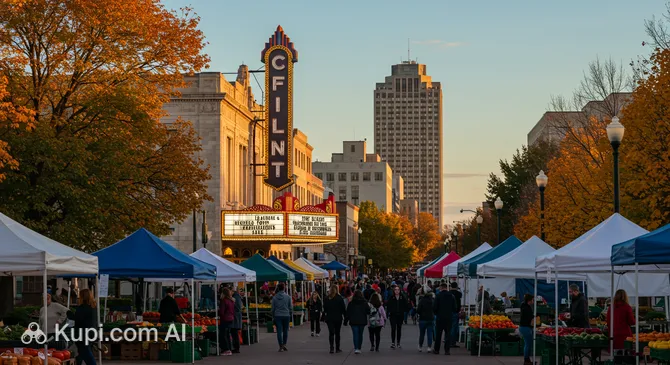
Flint. Source: Kupi.Binoculars

The history of Flint is legendary, as it is the birthplace of General Motors and a historic powerhouse of American manufacturing. Beyond its industrial roots, the city has blossomed into a cultural destination. Visitors are often drawn to the Flint Cultural Center, a campus that hosts several top-tier institutions. Here, you can explore the Flint Institute of Arts, which is the second-largest art museum in the state, or gaze at the stars at the Longway Planetarium.

For a step back in time, Crossroads Village & Huckleberry Railroad offers a delightful experience with its authentic historic buildings and vintage steam train rides. Whether you are an automotive enthusiast, an art lover, or simply looking for a new adventure, Flint invites you to discover its storied past and vibrant present.

Weather Overview

The climate in this region is characterized by four distinct seasons, bringing a mix of atmospheric conditions to the city. Travelers should expect warm summers with occasional rain and cold winters where temperatures consistently stay below freezing. Throughout the year, the area records between 9 and 14 wet days per month, suggesting that keeping an umbrella or raincoat handy is always a good idea regardless of the season.

July is typically the hottest month, featuring an average temperature of 23.1°C and highs reaching 28.0°C, making it a popular time for exploration. In contrast, January is the coldest month, with average lows dipping to -6.7°C and daily averages around -3.4°C. Spring and autumn provide a pleasant transition; May, for instance, sees average temperatures rise to 15.7°C. For the most up-to-date forecasts and climate trends, reviewing the weather in Flint is recommended for all visitors.

Interesting Facts

Beyond the main attractions and industrial landmarks, Flint holds many fascinating secrets that showcase its unique place in American culture. Digging a bit deeper reveals a city rich in history and surprising legends.
  • Although Flint is globally famous for automobiles, its nickname "Vehicle City" actually originated in 1905, before cars dominated the streets. The title was originally bestowed because the city was the world's largest manufacturer of horse-drawn carriages, producing over 100,000 vehicles a year at its peak.

  • The city is the true birthplace of General Motors, founded here in 1908 by William C. Durant. This pivotal moment in industrial history took place in Flint, forever changing the global automotive landscape and establishing the region as a manufacturing powerhouse.

  • Flint holds a notorious spot in rock 'n' roll folklore thanks to the English band The Who. A widely circulated urban legend claims that drummer Keith Moon drove a luxury car into the swimming pool of a local hotel during his 21st birthday party in 1967, an event that has become a permanent part of music history mythology.

  • The local Longway Planetarium is a significant record-holder as Michigan’s largest planetarium. With a dome measuring 60 feet in diameter, it has served as a premier center for science education and visual entertainment since it first opened its doors in 1958.

How to Get There

Planning a trip to this historic Michigan city is straightforward, with several accessible transportation options available to travelers. Whether you prefer flying directly into the region or driving from a nearby major hub, the journey is part of the experience. You can find detailed information and more about how to get to Flint to help streamline your travel plans.

The most convenient entry point is Bishop International Airport (FNT), situated within Flint itself. Located just 6.9 km from the city center, it allows for a quick and easy transfer of approximately 15 minutes by taxi or shuttle. This regional hub handles a moderate volume of passengers, offering a less crowded alternative to larger airports. For travelers seeking a wider range of international flights, the Detroit Metropolitan Wayne County Airport (DTW) in Detroit is the primary choice. It is a large international hub located about 92 km from Flint. Ground transport from Detroit typically takes about an hour, connecting you to the heart of Flint via major highways.

For clarity, here is a summary of the main airports:
Airport Name City Passenger Traffic Km from City
Detroit Metropolitan Wayne County AirportDetroitHigh92.0
Bishop International AirportFlintMedium6.9
Capital Region International AirportLansingMedium78.0
MBS International AirportSaginawSmall66.2
Windsor International AirportWindsorSmall101.7

For those considering rail travel, the region is accessible through several stations in neighboring cities. You can arrive at the Windsor Railway Station (IATA: XEC) in the city of Windsor, which is about 94.4 km from Flint. Another option is the Sarnia Railway Station (IATA: XDX) in Sarnia, located approximately 106.1 km away. Travelers choosing these routes should plan for the transfer distance required to reach their final destination.

For a quick overview of nearby railway options, please see the table below:
Station City Passenger Traffic Km to Center
Sarnia Railway StationSarniaSmall106.1
London Railway StationLondon199.0
Windsor Railway StationWindsor94.4

Main Attractions

Flint offers a diverse array of attractions that celebrate its industrial past, vibrant arts scene, and natural beauty. From world-class museums to living history villages, the city provides engaging experiences for visitors of all ages. Here are some of the top places to explore during your stay.

Flint Institute of Arts
Located within the renowned Flint Cultural Center, this is the second-largest art museum in Michigan and a must-visit for culture enthusiasts. The institute houses an impressive collection of more than 8,000 objects, spanning 5,000 years of global history. Visitors can admire American, European, Native American, and African art, as well as a stunning gallery dedicated to contemporary glass works. The museum also offers educational programs and film screenings, making it a dynamic hub for the visual arts.

Crossroads Village & Huckleberry Railroad
For a journey into the past, this living history village transports guests back to the 19th century. The site features over 30 authentic historic structures, including a gristmill, a general store, and an opera house, all staffed by costumed interpreters who demonstrate traditional trades. A highlight of the visit is a ride on the Huckleberry Railroad, a genuine steam-powered train that takes passengers on a scenic trip along the shores of Mott Lake. It is a perfect destination for families seeking both education and entertainment.

Sloan Museum of Discovery
This interactive museum is a fascinating destination for those interested in science and history. It features hands-on science exhibits that engage younger visitors, but it is perhaps best known for its extensive automotive collection. The museum chronicles Flint's pivotal role in the auto industry, showcasing rare and historic vehicles, including early carriages and classic cars. It serves as a tribute to the city's manufacturing legacy while inspiring curiosity about the future.

Applewood Estate
Once the home of automotive pioneer Charles Stewart Mott, this historic estate offers a glimpse into the lives of one of Flint's most influential families. The sprawling grounds feature beautifully manicured gardens, an apple orchard, and a stately main house. Visitors can tour the residence to see original furnishings and learn about the family's philanthropic impact on the region. The gardens are particularly lovely for a leisurely stroll during the warmer months.

Flint Farmers' Market
More than just a place to buy groceries, this market is a lively community gathering spot located in the heart of downtown. Open year-round, it hosts dozens of local vendors selling fresh produce, artisanal baked goods, meats, and cheeses. The market also features an atrium for events, several eateries, and a rooftop terrace. It is an excellent place to sample local flavors, pick up unique souvenirs, and experience the city's friendly atmosphere.

Local Cuisine

The culinary landscape of Flint is deeply rooted in comfort food and hearty American classics, reflecting the city's industrial heritage. While it may not be known for haute cuisine, the local food scene offers a distinct and flavorful identity that residents hold dear. Visitors will find a community that takes pride in its local institutions, from historic diners to a bustling downtown market that serves as the gastronomic heart of the region.

The most iconic dish you must try is the Flint-style Coney Island hot dog. Distinct from its Detroit counterpart, the Flint version features a "dry" chili topping made with loose ground beef, rather than a wet sauce. Served on a steamed bun with a high-quality hot dog—often the locally produced Koegel’s brand—it is traditionally topped with mustard and chopped onions. Locals are fiercely loyal to their favorite Coney spots, and sampling this savory staple is an essential part of the Flint experience.

Another regional favorite is the Olive Burger. This unique twist on the classic cheeseburger is topped with a rich mixture of chopped green olives and mayonnaise. The salty, briny flavor of the olives pairs perfectly with the savory beef, creating a taste sensation that has been a local obsession for decades. It is a signature item at many historic burger joints in the area and offers a flavor profile you are unlikely to find elsewhere.

When it comes to beverages, the local culture embraces both nostalgia and innovation. You will often see locals drinking Vernors, a golden ginger ale with a strong, spicy kick that originated in Michigan and remains a beloved soda throughout the state. For those interested in adult beverages, Flint has a growing craft beer scene. Local breweries have revitalized historic spaces, offering a variety of ales and lagers that pay homage to the city's history, often serving as community gathering spots in the evenings.

The epicenter of the city's food culture is undoubtedly the Flint Farmers' Market. This vibrant hub attracts both locals and tourists who come to explore a wide array of food stalls offering everything from slow-cooked barbecue and Middle Eastern cuisine to fresh baked goods and artisanal cheeses. It is more than just a place to eat; it is a social destination where the diversity of Flint's culinary offerings is on full display, making it the perfect spot to grab a lunch that captures the spirit of the city.

Travel Tips

Preparing for your trip to Flint ensures you can fully enjoy its rich industrial history and vibrant cultural scene without worry. Here are some essential practical tips to help you navigate the city like a local and make the most of your visit.

  1. Clothing and Gear: The weather in Michigan can be unpredictable, so dressing in layers is always a smart strategy. If you are visiting in winter, bring a heavy coat, gloves, and waterproof boots to handle the snow and freezing temperatures. Summers are generally warm and humid, requiring light, breathable fabrics. Comfortable walking shoes are a must, especially if you plan to explore the expansive Flint Cultural Center or the walking paths along the river.
  2. Transportation: As the "Vehicle City," Flint is designed with drivers in mind, making a rental car the most convenient way to get around. While the Mass Transportation Authority (MTA) operates local bus routes, they may not offer the frequency or direct routes preferred by tourists on a tight schedule. Ride-hailing apps like Uber and Lyft are also readily available and are a reliable option for evening outings or airport transfers.
  3. Finances: The local currency is the US Dollar (USD). Credit and debit cards are widely accepted at hotels, restaurants, and museums, but carrying a small amount of cash is useful for small purchases or at some stalls in the Farmers' Market. ATMs are plentiful throughout the city. Tipping is standard practice in the United States; expect to leave 15-20% of the bill for waitstaff in restaurants and a few dollars for bartenders or taxi drivers.
  4. Health and Safety: For medical needs, there are several pharmacies and hospitals, such as Hurley Medical Center, located within the city. regarding safety, it is advisable to stick to popular, well-lit areas like Downtown and the Cultural Center, especially after dark. While the city's water quality has been extensively restored and monitored, you will find that many locals and visitors still prefer to drink filtered or bottled water for peace of mind, which is widely available everywhere.
  5. Communication: English is the primary language spoken. The local accent is a standard Midwestern variety, which is generally very easy to understand. Free Wi-Fi is commonly available in hotels, coffee shops, and public buildings like the library. If you are an international traveler needing a SIM card, major carriers like AT&T, T-Mobile, and Verizon have retail stores throughout the commercial districts.
  6. Local Etiquette: People in Flint are known for their Midwestern friendliness and resilience. It is polite to return a greeting if a stranger nods or says "hello" on the street. When entering shops or restaurants, a friendly attitude goes a long way. If you are invited to a local's home, taking off your shoes at the door is a common courtesy, especially during the muddy or snowy seasons.
  7. What to Avoid: Avoid making casual jokes or insensitive comments regarding the city's past challenges with water or crime. These are serious topics that the community has worked hard to overcome, and locals are proud of their city's recovery and spirit. approaching these subjects with empathy and respect is important to avoid causing offense.
  8. Local Insight: If you plan to visit the famous Flint Farmers' Market, check the schedule beforehand. It is typically open on Tuesdays, Thursdays, and Saturdays year-round. arriving early on Saturday mornings ensures you get the best selection of baked goods and produce before the crowds arrive.

With these practical tips in hand, you are ready to explore everything from the Sloan Museum to the local eateries with confidence. Enjoy your stay in Flint and the warm hospitality of its residents!

Entertainment & Nightlife

The nightlife in Flint is a reflection of the city's character: unpretentious, spirited, and deeply rooted in community. While you will not find sprawling mega-clubs with strict velvet ropes here, you will discover a vibrant scene centered around live music, craft beverages, and historic venues. The heart of the evening entertainment is undoubtedly Downtown Flint, particularly along the brick-paved Saginaw Street. This corridor has undergone significant revitalization, transforming into a walkable district lined with pubs, taprooms, and restaurants that stay open late, offering a welcoming atmosphere for visitors and locals alike.

The atmosphere in Flint’s nightlife venues is generally casual and laid-back. The dress code is almost exclusively "come as you are," with jeans and comfortable attire being the norm even on Friday and Saturday nights. The crowd is a diverse mix of university students, young professionals, and longtime residents, creating a friendly and inclusive vibe. Most bars and venues begin to fill up around 9:00 PM, with the energy peaking between 10:00 PM and midnight. Unlike larger metropolitan areas, the pace here is relaxed, encouraging conversation and connection rather than high-octane partying.

For music lovers, The Machine Shop is an absolute institution. This legendary concert venue is famous nationwide for hosting rock and metal acts, drawing fans from across the state. It offers an authentic, gritty experience that perfectly encapsulates Flint's rock-n-roll history. If you prefer a quieter evening with excellent drinks, Tenacity Brewing is a must-visit. Housed in a renovated fire station, this brewery offers a rotation of creative craft beers and often hosts food trucks and acoustic sets in a family-friendly environment. For those seeking a classic pub feel with a vast selection of whiskies, Churchill's Food & Spirits on Saginaw Street is a local favorite for its cozy ambiance and late-night kitchen.

Practical advice for a night out in Flint includes planning your transport in advance. While Downtown is walkable, moving between different districts is best done by car. Ride-sharing services like Uber and Lyft are readily available and are the safest way to get around after dark. Prices in Flint are very reasonable compared to major cities; you can enjoy a night of drinks and entertainment without breaking the bank. Entry fees for live music venues are affordable, and cover charges at bars are rare unless there is a special event.

Safety is an important consideration for any visitor. The main entertainment district along Saginaw Street and the University Corridor is well-lit and patrolled, making it generally safe for evening walks, especially on weekends when crowds are present. However, it is advisable to stay within these populated zones and avoid wandering into unlit or residential areas on the outskirts of downtown late at night. Always keep your belongings secure and consider taking a taxi or rideshare door-to-door if you are unsure of your route.

Beyond the nightlife, Flint offers engaging daytime and cultural entertainment. The historic Capitol Theatre, beautifully restored to its original grandeur, hosts a variety of events ranging from concerts and comedy shows to classic movie screenings. For a more educational experience, the city's museums and the planetarium provide excellent afternoon activities before the sun goes down. Whether you are catching a matinee or exploring the local art galleries, the city provides plenty of ways to stay entertained before the evening festivities begin.

Parks & Museums

While often recognized for its industrial heritage, Flint offers a surprising abundance of green spaces and a highly concentrated cultural district. The city is home to a dedicated campus of museums and arts institutions, as well as scenic parks that highlight the natural beauty of the Flint River and the surrounding landscape.

Stepping Stone Falls is one of the most picturesque spots in the region, located just on the edge of the city. Here, the Flint River cascades over man-made steps, creating a beautiful waterfall that serves as a focal point for the surrounding park. It is a favorite location for picnics and evening strolls, especially when the falls are illuminated with colorful lights after dark. The area connects to the Flint River Trail, making it easily accessible for cyclists and hikers looking to enjoy the water.

For nature enthusiasts, the For-Mar Nature Preserve & Arboretum is a sprawling 383-acre sanctuary that feels worlds away from the urban center. It features miles of winding trails that traverse diverse ecosystems, including wetlands, woods, and prairies. A highlight for visitors is the barrier-free treehouse, which allows people of all abilities to experience the forest canopy up close. The preserve is also an excellent spot for birdwatching and features a butterfly house that delights visitors during the warmer months.

In terms of cultural institutions, the Whaley Historic House Museum offers an intimate look into the city's Gilded Age. Once the home of the prominent Whaley family, this beautifully preserved Victorian mansion is a time capsule filled with original furnishings and personal artifacts. Guided tours provide a fascinating narrative about the family's life and the social history of Flint during the late 19th century, making it a must-visit for history buffs.

Another key cultural venue is the Longway Planetarium, which stands as Michigan’s largest planetarium. While it is a center for science education, its programming goes beyond traditional star shows to include immersive laser light displays and educational films on its massive dome screen. It is a fantastic destination for families and anyone interested in astronomy, offering a visual spectacle that complements the art and history museums found nearby in the Cultural Center.

Among the city's most significant historical landmarks is the Durant-Dort Carriage Company Office. This modest brick building is a National Historic Landmark and is widely considered the birthplace of General Motors. It was here that William C. Durant and J. Dallas Dort managed their carriage empire before transitioning to automobiles. The site stands as a testament to Flint's transition from the "Vehicle City" of carriages to the automotive capital of the world.

For a truly local experience, explore the Flint River Trail system. This network of paved paths connects many of the city's parks, the university corridors, and downtown, offering a safe and scenic way to see the city from a different perspective. Along the way, keep an eye out for the Glenwood Cemetery, which functions as both a historic burial ground and a serene arboretum filled with rare trees and impressive monuments.

Getting Around

The public transport system in Flint is primarily operated by the Mass Transportation Authority (MTA). Unlike larger metropolitan areas, the city does not have a metro, tram, or trolleybus network. Instead, the system relies on a comprehensive fleet of fixed-route buses that connect the downtown area with neighborhoods, shopping centers, and medical facilities. The buses are generally modern, clean, and recognized for their focus on alternative fuels, including hydrogen and propane, reflecting the city's innovative spirit.

For visitors, the "Your Ride" service is a unique feature of the local transport landscape. This is a curb-to-curb minibus service that operates somewhat like a shared taxi. While it is often used by residents with specific mobility needs or those living in areas with less frequent fixed-route service, it is available to the general public. However, it typically requires scheduling a trip in advance, making it less spontaneous than hopping on a standard bus but very useful for reaching specific destinations without a car.

Paying for transport is straightforward. You can pay with cash upon boarding, but you must have the exact fare as drivers do not carry change. The standard one-way fare is quite affordable, typically costing around $1.75 to $2.00. For convenience, the MTA offers reloadable magnetic swipe cards and monthly passes, which can be purchased at the main terminal. There is also a mobile ticketing option available through the MTA app, allowing tech-savvy travelers to purchase fares directly on their smartphones.

The central hub for all bus services is the MTA Downtown Transportation Center. This is the best place to obtain system maps, buy passes, and ask for assistance. Buses generally run from early morning until late evening on weekdays and Saturdays, with significantly reduced schedules on Sundays and holidays. Tourists should check the timetables carefully, as frequencies can vary, with some routes running every 30 minutes and others only once an hour.

Given the spread-out nature of the city, many visitors find that alternatives to public transport offer more flexibility. Ride-sharing apps like Uber and Lyft are widely available and provide a reliable way to get around, especially for evening outings or trips to the airport. Traditional taxis are also present but usually need to be called in advance rather than hailed on the street. While the city is working on becoming more bike-friendly with initiatives like the Flint River Trail, renting a car remains the most popular and practical choice for tourists wishing to explore the wider region at their own pace.

Accommodation

When planning a visit to Flint, travelers will find a selection of accommodation options that prioritize practicality and comfort. The city’s hospitality scene is primarily defined by well-known hotel chains and reliable mid-range establishments, ensuring a familiar standard of service for visitors. While the city does not feature sprawling luxury resorts, it offers a solid variety of modern hotels, budget-friendly motels, and a few charming bed and breakfasts situated in historic properties.

Choosing where to stay largely depends on your itinerary. For those interested in the local arts and nightlife scenes, staying in Downtown Flint is highly recommended. This location places you within walking distance of the University of Michigan-Flint, the bustling Farmers' Market, and the restaurants along Saginaw Street. Alternatively, the area surrounding Bishop International Airport and the Miller Road corridor is very popular with tourists. This district hosts a high concentration of hotels and provides easy access to major highways, shopping centers, and the airport terminals.

The cost of accommodation in Flint is generally quite affordable, especially when compared to larger metropolitan hubs. Most options fall comfortably into the budget to mid-range price categories. Booking is simple and can typically be done through major online travel platforms or directly via hotel websites. A useful tip for travelers is to secure reservations well in advance if visiting during August, as the city’s famous "Back to the Bricks" automotive festival draws large crowds and often results in sold-out venues.

Nearby Cities

For those looking to explore the surroundings, Flint serves as an excellent base for day trips to several interesting nearby locations:

Saginaw
Located just a short drive north, this city offers a rich mix of history and culture. Visitors can explore the unique Japanese Cultural Center, which features a traditional tea house and tranquil gardens that are rare for the region. The city is also home to the Castle Museum of Saginaw County History, housed in a stunning French chateau-style building that was originally a post office. It is a perfect spot for families and history buffs alike.

Bay City
Situated near the mouth of the Saginaw River, this waterfront town is known for its maritime heritage and vibrant downtown. It is a fantastic destination for antique lovers, boasting numerous shops and vintage stores. During the summer, the riverfront comes alive with festivals and boat tours. You can also visit the USS Edson, a retired naval destroyer that now serves as a floating museum.

Rochester Hills
For those interested in grand architecture and gardens, a trip south to this city is highly recommended. The main attraction here is Meadow Brook Hall, a magnificent Tudor-revival mansion built by the widow of auto pioneer John Dodge. Tours of the estate offer a glimpse into the lavish lifestyle of the roaring twenties. The area also offers excellent shopping and dining options at the outdoor lifestyle center, The Village of Rochester Hills.

City Population Distance (km)
South Lyon128,07161
Saginaw118,84550
Farmington Hills83,74963
Rochester Hills75,99059
Bay City67,91767

These nearby destinations offer a glimpse into the diverse culture and landscapes of the region.

Shopping & Souvenirs

Shopping

Shopping in Flint offers a blend of convenient modern retail centers and charming local businesses that reflect the community's resilience and creativity. While the city is not primarily known as a high-fashion destination, it provides a practical and enjoyable experience for visitors. You can find everything from national department store chains to unique independent boutiques, allowing for a mix of everyday necessities and special finds.

The heart of the city's independent retail scene is located in Downtown Flint, particularly along the historic, brick-paved Saginaw Street. This walkable district invites you to browse through an array of specialty shops, bookstores, and clothing boutiques housed in beautifully restored architecture. For a more extensive commercial experience, the Miller Road Corridor in the adjacent Flint Township serves as the region's primary retail hub. This bustling area is lined with numerous shopping plazas, big-box retailers, and electronics stores, making it the most convenient destination for general shopping needs.

For those who prefer a traditional indoor shopping experience, the Genesee Valley Center is the largest and most prominent mall in the area. Located on Miller Road, this expansive complex features over 1.3 million square feet of retail space. It is home to major department stores and more than 100 specialty shops, offering a wide selection of apparel, shoes, and accessories in a climate-controlled environment that is perfect for year-round visits.

A highlight of the local shopping scene is undoubtedly the Flint Farmers' Market. Far more than a place to buy groceries, this award-winning market is a vibrant venue for finding local crafts and gifts. Inside, visitors can explore stalls run by local artisans selling handmade jewelry, natural soaps, art prints, and "Flint Original" apparel. It is the best place to find unique items that directly support the local creative community.

When looking for souvenirs, items that celebrate the city's "Vehicle City" heritage are always a popular choice. You can find vintage automotive memorabilia, branded t-shirts, and locally made goods at various downtown shops. The gift shops within the Flint Cultural Center museums also offer excellent educational toys and artistic keepsakes. Additionally, edible souvenirs such as locally roasted coffee or Michigan-made cherry products are great gifts to bring back home.

Store opening hours in Flint generally follow standard American schedules. Major malls and chain stores are typically open Monday through Saturday from 10:00 AM to 9:00 PM, and Sundays from 11:00 AM to 6:00 PM. Independent boutiques in the downtown area may have shorter hours, often closing around 6:00 PM and sometimes remaining closed on Sundays. Credit and debit cards are widely accepted everywhere, although carrying a small amount of cash is useful for smaller transactions at market stalls.

Visitors should be aware that the United States does not generally offer a Value Added Tax (VAT) refund system for international tourists. In Michigan, a 6% sales tax is added to the price of most taxable goods at the register. The price you see on the shelf usually does not include this tax, so expect the final total to be slightly higher when you pay.
Reached the end of the page?

That means the route is fully explored