Support

Traverse City

About

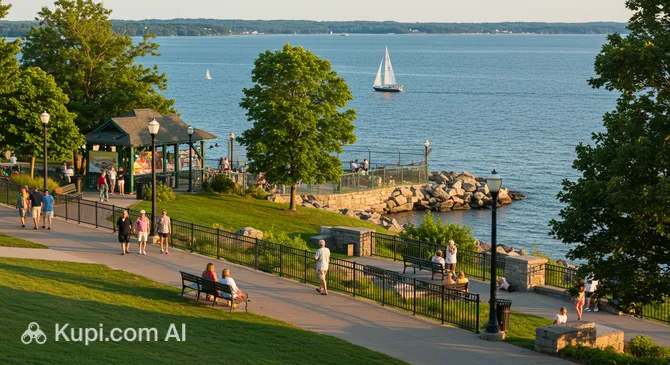
Traverse City is a vibrant destination located in the northern part of Michigan's Lower Peninsula. Often celebrated as the "Cherry Capital of the World," this charming city offers a perfect blend of outdoor adventure, culinary delights, and breathtaking scenery. Situated in the United States, it serves as a cultural and economic hub for the region, drawing visitors year-round to its picturesque shores along Grand Traverse Bay.
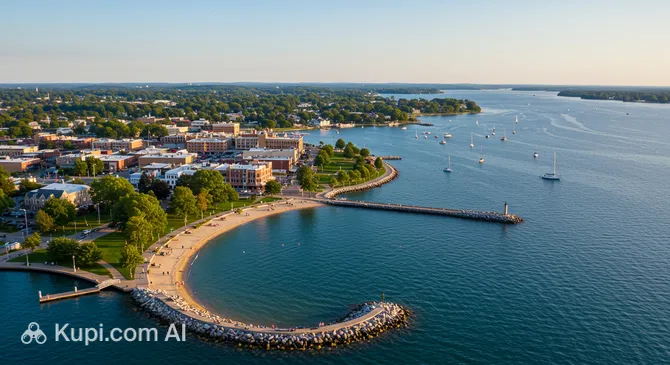
Traverse City. Source: Kupi.Binoculars

Geographically, the city is defined by its proximity to Lake Michigan, providing miles of sandy beaches and deep blue waters. With a population of approximately 15,000 residents, it maintains a welcoming small-town atmosphere while offering the amenities of a larger resort town. The climate features warm, pleasant summers perfect for water sports and snowy winters that transform the area into a haven for skiing and snowmobiling enthusiasts. Those interested in the past can delve into the history of Traverse City to learn how it evolved from a lumber town into a premier tourist destination.

Travelers are often drawn to the region's world-class attractions. The nearby Sleeping Bear Dunes National Lakeshore offers towering sand dunes and sweeping vistas that are truly unforgettable. Additionally, the area is famous for its viticulture; the Old Mission and Leelanau peninsulas are dotted with award-winning wineries and vineyards. Whether you are visiting for the famous National Cherry Festival or simply to relax by the water, Traverse City promises a memorable experience for every traveler.
Weather Overview

Traverse City experiences a classic four-season climate, offering distinct conditions that shape the range of available activities throughout the year. From sun-drenched beach days to snowy winter retreats, the weather plays a key role in the local lifestyle. To help plan your packing list and itinerary, you can check the detailed report on the weather in Traverse City.

The summer months of June through August are typically the most popular for visitors, with July seeing average temperatures of 20.8°C and highs reaching up to 24.1°C. While these months are warm and pleasant, precipitation is fairly consistent, with around 10 wet days recorded per month. Spring and autumn serve as transitional periods; May offers milder averages of 11.4°C, while October cools down to approximately 11.3°C, often accompanied by vibrant fall foliage.

Winters in the region are cold and ideal for snow-based recreation. January and February are the chilliest months, with average temperatures dropping to around -3.5°C and minimums dipping as low as -6.4°C. Precipitation is frequent during this time, with January seeing up to 17 wet days. In general, travelers can expect warm summers with occasional rain and cold, relatively damp winters.

Interesting Facts

Beyond the popular festivals and scenic bay views, Traverse City holds many fascinating secrets and unique historical quirks. Dig a little deeper to discover these intriguing details about the city's geography and heritage.
  • A Geographic Sweet Spot: The city is positioned on the 45th parallel, placing it exactly halfway between the Equator and the North Pole. This specific latitude is shared with the famous wine regions of Bordeaux and Piedmont, which explains why the local climate is so perfectly suited for the thriving vineyards and wineries that dot the landscape.

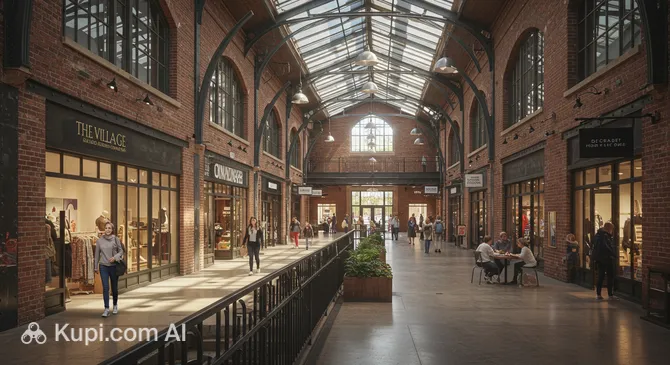
  • From Asylum to Urban Oasis: One of the most remarkable preservation projects in the country is found here. The historic Traverse City State Hospital, built in 1885 under the "Kirkbride Plan" for psychiatric care, was saved from demolition and transformed into The Village at Grand Traverse Commons. Today, visitors can tour the underground steam tunnels or dine and shop within the beautifully restored Victorian-Italianate brick buildings.

  • Rare Musical Mechanics: Hidden within the Music House Museum is a collection of automated instruments that is virtually unmatched in the world. Its centerpiece is the "Amaryllis," a massive 1922 Belgian dance organ that stands 30 feet wide and is one of the few remaining examples of its kind still in operation.

  • The Cherry Pit Legacy: While known as the Cherry Capital, the city takes this title to competitive extremes. The local tradition of cherry pit spitting is a serious sport here, with the Guinness World Record for the farthest spit often challenged during the annual harvest celebrations.

The Village at Grand Traverse Commons. Source: Kupi.Binoculars

How to Get There

Reaching this scenic destination in Michigan is relatively straightforward, with several options available depending on your starting point. For a comprehensive guide on all travel methods, you can read more about how to get to Traverse City. Most visitors choose to fly into the local airport or drive from major hubs in the region.

The most convenient entry point is the Cherry Capital Airport (TVC), located directly in Traverse City, just 4.3 km from the center. It is a well-connected regional hub offering flights from several major US cities. The short ride to downtown typically takes about 15 to 25 minutes by taxi or car. For those arriving from further afield or seeking more flight connections, the Gerald R. Ford International Airport (GRR) is a significant alternative. Situated in the city of Grand Rapids, approximately 209 km away, it serves as a larger gateway. From there, travelers can rent a car and enjoy a scenic drive north, which takes about 2.5 to 3 hours. Another regional option is the MBS International Airport (MBS) in Saginaw, located roughly 184 km from Traverse City.

For clarity, here is a summary of the main airports:

Airport Name City Passenger Traffic Km from City
Gerald R. Ford International Airport Grand Rapids Large 208.8
Cherry Capital Airport Traverse City Medium 4.3
Austin Straubel International Airport Green Bay Medium 201.5
MBS International Airport Saginaw Small 183.7
Chippewa County Airport Sault Ste. Marie Small 188.4

Since there is no direct passenger railway service to Traverse City, visitors preferring ground transport often rely on the extensive network of highways connecting the city to the rest of Michigan. Bus services and rental cars are the primary means of reaching the city from other parts of the state.

Main Attractions

Traverse City offers a diverse array of attractions, ranging from scenic waterfront parks to sophisticated cultural institutions. Whether you are looking to relax by the bay, explore local art, or indulge in the region's famous flavors, there is something here for every itinerary.

One of the most accessible and beloved spots in the city is Clinch Park. Located right downtown along the shores of West Grand Traverse Bay, this park features a sandy beach that is perfect for sunbathing and swimming. It is a hub of activity during the summer, boasting a popular splash pad for children and direct access to the TART Trail for cyclists and walkers. Tourists love it for its convenience and the stunning views of the water against the backdrop of the city.

Clinch Park. Source: Kupi.Binoculars

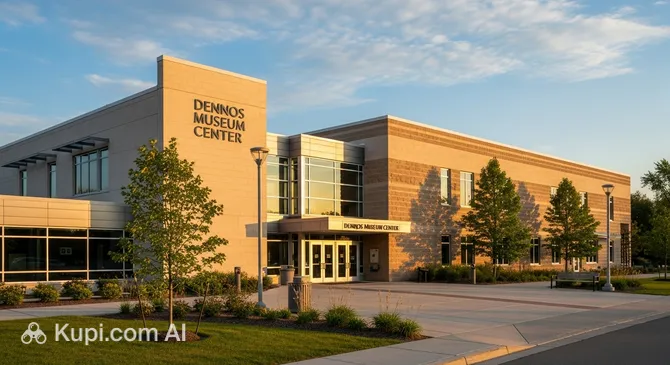
For a deep dive into culture and the arts, the Dennos Museum Center is a must-visit destination situated on the campus of Northwestern Michigan College. This museum is internationally recognized for its extensive collection of Inuit art, one of the largest in the United States. Beyond its permanent collections, the center hosts rotating exhibitions and a hands-on Discovery Gallery that appeals to visitors of all ages, making it a stimulating educational experience.

Dennos Museum Center. Source: Kupi.Binoculars

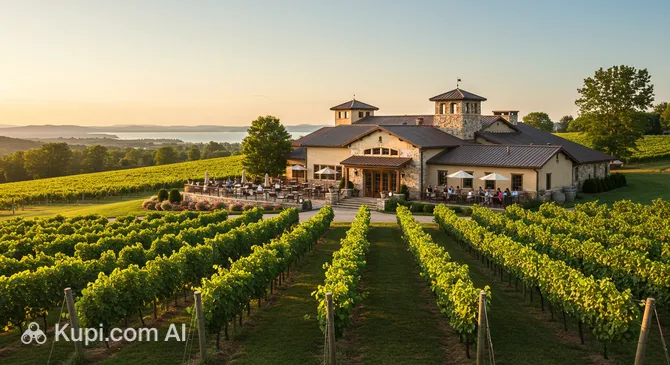
No trip to this region would be complete without experiencing its celebrated wine culture. Mari Vineyards stands out not only for its exceptional wines but also for its breathtaking architecture on the Old Mission Peninsula. Founded by the Lagina family, the winery utilizes advanced growing techniques to produce red wines that are rare for this climate. Visitors are drawn here to taste the Italian-style varietals while enjoying panoramic views of the bay from the estate's terrace.

Mari Vineyards. Source: Kupi.Binoculars

If you prefer spirits over wine, a visit to Traverse City Whiskey offers a cozy and authentic taste of the local craft distillery scene. Known as the "Whiskey of the North," this spot allows guests to sample award-winning bourbons and whiskeys in a rustic, industrial-chic tasting room. It is a favorite stop for those wanting to learn about the distillation process or simply enjoy a professionally crafted cocktail in a relaxed atmosphere.

Local Cuisine

The culinary landscape of Traverse City is deeply rooted in its agricultural heritage, earning it a reputation as one of the Midwest's premier food destinations. As the "Cherry Capital of the World," the city offers an abundance of cherry-infused delicacies that every visitor must try. The classic cherry pie, made with tart Montmorency cherries, is the undisputed star, but you will also find dried cherries in salads, cherry salsa, and even cherry-flavored barbecue sauces. Beyond fruit, the region is famous for fresh Lake Michigan whitefish. Often served planked, broiled, or smoked, this mild and flaky fish is a staple on local menus, reflecting the city's close relationship with the Great Lakes.

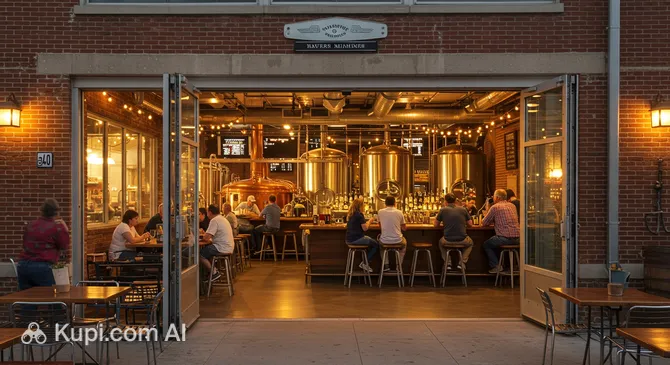
When it comes to beverages, Traverse City is a heavyweight in both the wine and craft beer scenes. The unique microclimate along the 45th parallel is ideal for growing grapes, resulting in world-class Rieslings and crisp white wines that draw connoisseurs from afar. For beer lovers, the city boasts a vibrant microbrewery culture. a popular stop is The Filling Station Microbrewery, located in a repurposed railroad depot. Here, you can enjoy handcrafted ales alongside wood-fired flatbreads while watching trains pass by, blending history with modern flavors.

The Filling Station Microbrewery. Source: Kupi.Binoculars

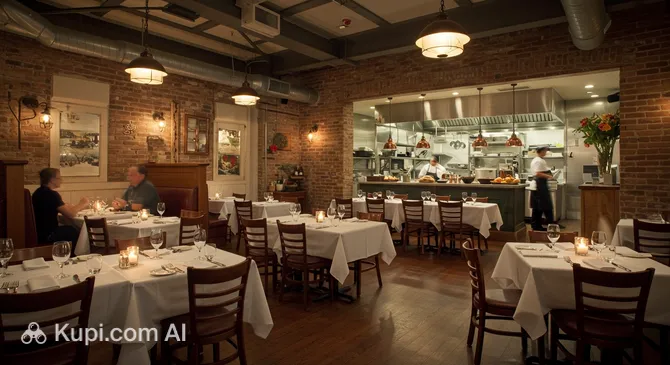
The dining atmosphere in Traverse City ranges from casual food trucks to sophisticated farm-to-table experiences. In the warmer months, locals flock to The Little Fleet, a dynamic lot hosting a rotating selection of food trucks that offer everything from tacos to barbecue, all centered around a fixed bar. For a more upscale evening, Trattoria Stella offers an unforgettable setting within the historic building of the former state hospital. This award-winning restaurant focuses on sustainable, locally sourced Italian cuisine, perfectly showcasing the region's commitment to fresh, high-quality ingredients.

Trattoria Stella. Source: Kupi.Binoculars

Travel Tips

Welcome to Traverse City, a destination where small-town charm meets world-class natural beauty. To help you make the most of your visit to the "Cherry Capital of the World," here are some practical tips to ensure your trip is smooth, safe, and enjoyable.

  1. Clothing and Gear: The weather in Northern Michigan can be unpredictable, so packing in layers is essential regardless of the season. In summer, bring swimwear and light clothing, but always have a sweater or jacket for cooler evenings by the lake. If visiting in winter, heavy coats, thermal layers, and waterproof snow boots are non-negotiable. Comfortable walking shoes are a must for exploring downtown and hiking the sand dunes.
  2. Transportation: While downtown Traverse City is very walkable, renting a car is highly recommended if you plan to explore the wineries on the Old Mission or Leelanau Peninsulas and the Sleeping Bear Dunes. Public transport is available via the Bay Area Transportation Authority (BATA), which offers a convenient "Bayline" loop, but schedules can be less frequent than in major cities. Ride-sharing apps like Uber and Lyft operate here, though availability may be limited late at night or in rural areas.
  3. Finances: The local currency is the US Dollar (USD). Credit and debit cards are widely accepted at hotels, restaurants, and shops. However, carrying some cash is useful for small purchases at farmers markets or for tipping valet and housekeeping staff. ATMs are plentiful throughout the city. Tipping is a strong cultural norm; expect to leave 18-20% of the bill at restaurants and bars.
  4. Health and Safety: Traverse City is generally a very safe destination for tourists. Munson Medical Center is the primary hospital located centrally for any medical emergencies. Pharmacies like CVS and Walgreens are easily accessible, with some locations offering extended hours. Standard precautions apply: lock your car doors and keep valuables out of sight, especially at beach parking lots.
  5. Communication: English is the primary language spoken. The locals are known for being chatty and helpful, so don't hesitate to ask for directions. Free Wi-Fi is standard in most coffee shops, hotels, and public buildings. If you need a SIM card, major US carriers (AT&T, Verizon, T-Mobile) have stores in the area, particularly near the Grand Traverse Mall.
  6. Local Etiquette: The local culture is defined by "Midwestern friendliness." It is common to greet strangers with a smile or a nod while walking. When driving, be patient and courteous; aggressive honking is rare and frowned upon. If you are visiting wineries, remember that while the atmosphere is relaxed, responsible tasting is expected.
  7. What to Avoid: Respect private property rights along the waterfront. While you can walk along the water's edge in many places, the dry sand areas of beaches in front of private homes are often private property. Also, avoid feeding seagulls or wildlife, as it is considered a nuisance and can be harmful to the animals.
  8. Additional Tip: If you are visiting during the peak summer season, especially during the National Cherry Festival in July, restaurant reservations are crucial. For a unique local experience year-round, explore The Village at Grand Traverse Commons; it’s a renovated historic asylum turned into a trendy complex of shops and eateries that locals love.

By keeping these practical tips in mind, you will be well-prepared to relax and immerse yourself in everything Traverse City has to offer. Whether you are climbing dunes or sipping local wine, a little preparation goes a long way toward a perfect vacation.

Entertainment & Nightlife

The nightlife scene in Traverse City is characterized by a relaxed, welcoming atmosphere that perfectly complements its reputation as a hub for craft beverages. Rather than large, thumping nightclubs, the evening energy is focused on sophisticated cocktail lounges, lively dive bars, and breweries that stay open late. The heart of the action lies in Downtown Traverse City, particularly along Front Street, where visitors can easily hop between venues while enjoying the fresh bay breeze.

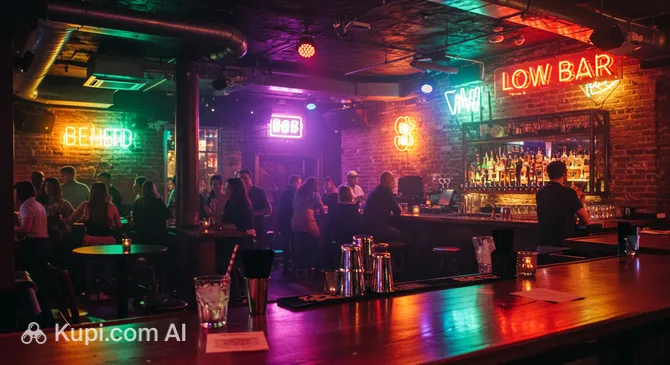
For those seeking a refined experience, Low Bar is a premier destination. Tucked away below street level, this speakeasy-style venue transports guests back to the 1920s with its dim lighting, plush leather booths, and an impressive menu of artisanal cocktails. It is an ideal spot for a romantic evening or a quiet conversation over a meticulously crafted drink.

Low Bar. Source: Kupi.Binoculars

If you prefer a more casual and spirited environment, the U & I Lounge offers a quintessential American bar experience. A favorite among locals, this spot is known for its unpretentious vibe, friendly service, and classic late-night snacks. It is the perfect place to mingle with residents and enjoy a laid-back night out in the city center.

U & I Lounge. Source: Kupi.Binoculars

Practical advice for enjoying the night includes dressing in casual to smart-casual attire, which is appropriate for almost all venues in the area. Most bars and lounges remain open until 2:00 AM on weekends. The downtown district is generally very safe for walking at night, but if you are staying further afield, ride-sharing services like Uber and Lyft are readily available. Prices are reasonable, with cocktails typically ranging from $10 to $15.

Beyond the nightlife, the city offers a variety of entertainment options for the daylight hours. Families can enjoy a fun-filled afternoon at Pirate's Cove Adventure Park, which features themed mini-golf and other outdoor activities. For year-round excitement, Mt. Holiday serves as a recreational hub, offering zip-lining in the warmer months and skiing during the winter, ensuring there is always something to do before the sun goes down.

Parks & Museums

Traverse City is not only defined by its shimmering bay but also by its abundant green spaces and rich cultural institutions that celebrate the region's heritage. Visitors will find a delightful mix of serene parks perfect for relaxation and unique museums that offer a window into the local history and arts scene.

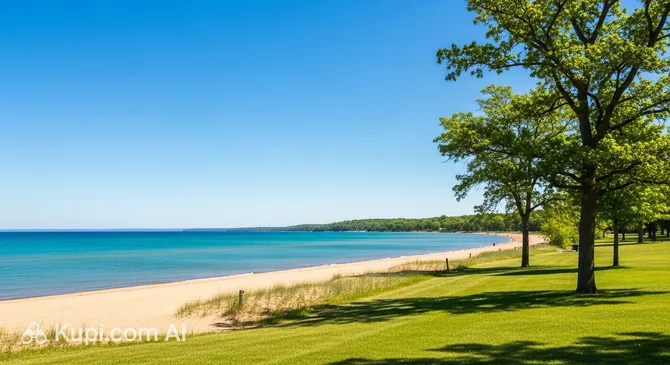
For a quieter alternative to the busy downtown beaches, East Bay Park is a hidden gem located on the eastern shore of the bay. This park offers shallow, calm waters that are ideal for swimming, along with a well-maintained beach area and picnic facilities. It serves as a peaceful retreat where travelers can watch the sunset away from the crowds.

East Bay Park. Source: Kupi.Binoculars

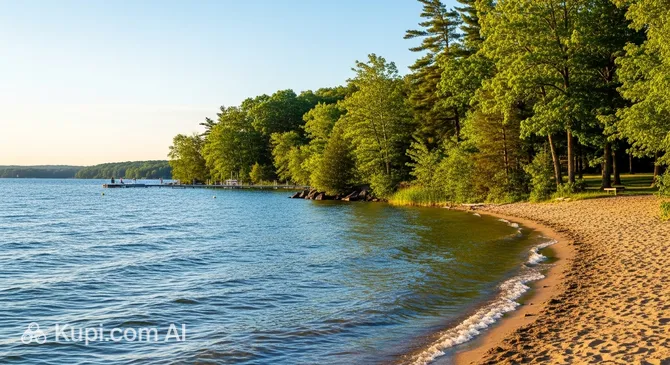
Nature enthusiasts looking for more active pursuits should head to the Silver Lake Recreation Area. This extensive park features a network of walking trails that wind through pine forests, offering a refreshing escape into nature. It is also a community hub with sports fields and a spacious dog park, making it a lively spot to experience the local outdoor lifestyle.

Silver Lake Recreation Area. Source: Kupi.Binoculars

Another significant green space is the Grand Traverse County Civic Center. Centrally located, this large recreational complex includes a one-mile walking track, skate park, and lush lawns, serving as a popular venue for fairs and community events throughout the year.

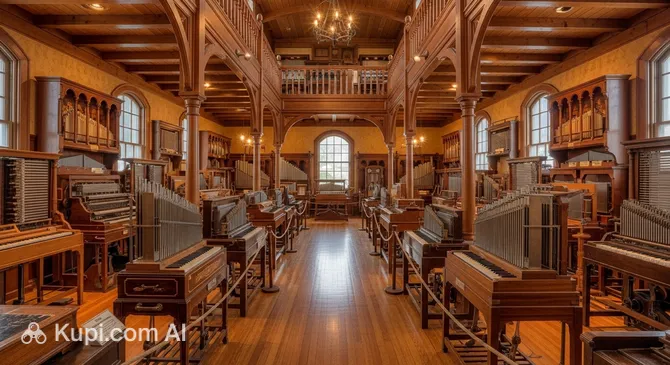
In terms of cultural heritage, the Music House Museum offers a truly one-of-a-kind experience. Housed in a beautifully restored 1909 dairy barn, this museum transports visitors back in time with its rare collection of automated musical instruments. Guests can take guided tours to hear the majestic sounds of nickelodeons, music boxes, and the famous Amaryllis dance organ, creating a sonic journey that is both educational and enchanting.

Music House Museum. Source: Kupi.Binoculars

For those fascinated by architecture and history, the grounds of the Traverse City State Hospital provide an atmospheric walk through the past. While the site has been repurposed, the preservation of the Victorian-Italianate buildings allows visitors to appreciate the grandeur of the 19th-century asylum design. Guided historic tours are available for those wishing to delve deeper into the stories of the patients and staff who once lived there.

For a truly authentic local experience, plan a visit to the Cherry U-Pick Orchard during the harvest season. Wandering through the rows of fruit-laden trees offers a hands-on connection to the region's agricultural roots and provides a delicious souvenir to take home.

Getting Around

Public transportation in Traverse City is primarily managed by the Bay Area Transportation Authority (BATA). The system relies entirely on a network of buses, as there are no trams or subways in the city. The fleet is modern and efficient, designed to connect the downtown area with surrounding neighborhoods and key tourist destinations. For visitors, the most important and convenient service is the Bayline, a high-frequency bus route that runs east to west along the bay, connecting major hotels, the downtown district, and the state park beach.

A standout feature for tourists is that the Bayline route is free of charge. This makes it an exceptionally budget-friendly way to navigate the main corridor of the city without worrying about parking. For other fixed routes, such as the City Loops or Village Loops that venture further into the county, a fare is required. A standard one-way ticket typically costs around $1.50 to $3.00, depending on the distance and type of service. Reduced fares are often available for seniors and students.

When it comes to payment, BATA buses generally accept cash (exact change is required) and mobile payments. For a seamless experience, travelers are encouraged to download the official transport app recommended by BATA, which allows for route planning and contactless payment. If you plan to use the paid routes frequently, you can purchase reloadable fare cards at the main transfer stations, such as the Hall Street Transfer Station in the downtown area.

While the bus system is reliable, it does not operate 24/7. Most routes run from early morning until late evening, with reduced schedules on weekends. It is highly advisable to check the current timetables on the BATA website or via a mobile map app before heading out. Keep in mind that while the Bayline runs frequently (often every 15 minutes during peak season), other routes may have longer intervals between buses.

Given the region's sprawling nature and the popularity of attractions located outside the city limits, such as the Sleeping Bear Dunes or the wineries on the peninsulas, many visitors find that renting a car is the most practical option for a full exploration. However, for short trips within the city, ride-sharing services like Uber and Lyft are readily available, though wait times may be longer than in major metropolitan areas. Additionally, Traverse City is incredibly bike-friendly. In the warmer months, renting a bicycle is a popular alternative, allowing you to utilize the extensive TART Trails network to travel between the waterfront, restaurants, and breweries.

Accommodation

Traverse City offers a wide spectrum of accommodation options designed to suit every type of traveler, from those seeking luxury on the waterfront to outdoor enthusiasts looking for a rustic escape. The city's lodging landscape includes full-service resorts, charming bed and breakfasts, budget-friendly motels, and a growing number of vacation rentals. For visitors who prioritize convenience and walkability, staying in the Downtown area or along Front Street is ideal, as it places you within steps of the best restaurants, shops, and the beach. Alternatively, the East Bay and West Bay shorelines are lined with hotels that offer stunning water views and direct beach access.

For a classic resort experience right on the water, the Bayshore Resort is a popular choice among tourists. Located on the shores of West Grand Traverse Bay, this Victorian-style hotel combines old-world charm with modern amenities. It is particularly favored for its private sandy beach and proximity to the downtown district, allowing guests to enjoy a sunset swim before walking to dinner.

Bayshore Resort. Source: Kupi.Binoculars

If you are looking for a more nature-immersive stay or traveling with a recreational vehicle, the Timber Ridge RV & Recreation Resort offers a fantastic alternative. Situated away from the bustle of the city center, this all-season resort provides a mix of RV sites, cabins, and banquet facilities. It is especially renowned for its direct access to miles of wooded trails, making it a haven for hikers and bikers in the summer, and a top destination for cross-country skiing and fat-tire biking in the winter.

Timber Ridge RV & Recreation Resort. Source: Kupi.Binoculars

When planning your trip, it is crucial to consider the seasonality of the region. During the peak summer months, particularly in July around the National Cherry Festival, accommodation prices can rise significantly, and availability becomes scarce. To secure the best rates and locations, it is highly recommended to book your stay several months in advance. While online booking platforms are widely used, contacting smaller inns or campgrounds directly can sometimes yield better availability. Generally, prices range from mid-level rates in the off-season to premium pricing during the summer rush.

Nearby Cities

For those looking to explore the surroundings, Traverse City serves as an excellent base for day trips to several interesting nearby locations. While the city itself is a hub of activity, a short drive can lead you to other charming communities and natural attractions that define Northern Michigan.

Located approximately an hour south, Cadillac offers a fantastic mix of outdoor recreation and small-town charm. With its two connected lakes, Lake Mitchell and Lake Cadillac, it is a prime spot for boating and fishing in the summer, while the surrounding forests provide miles of trails for hiking and snowmobiling. The city's accessible location makes it an easy and rewarding getaway for nature lovers.

To the north, the town of Charlevoix is another must-visit destination, often referred to as "Charlevoix the Beautiful." It is famous for its whimsical "Mushroom Houses" designed by architect Earl Young and its picturesque drawbridge that connects Lake Michigan to Lake Charlevoix. A stroll along the marina or through the vibrant downtown area offers a relaxing change of pace and stunning waterfront views.

City Population Distance (km)
Two Rivers 64012 169
Escanaba 12439 157
Marinette 11025 163
Cadillac 10317 59
Standish 10183 158

These nearby destinations offer a glimpse into the diverse culture and landscapes of the region, allowing travelers to experience the broader beauty of the Great Lakes area.

Shopping & Souvenirs

Shopping:

Traverse City offers a delightful mix of charming boutiques, historic renovations, and modern retail centers, making it a rewarding destination for shoppers. The downtown area, particularly along Front Street, serves as the heartbeat of the local retail scene. Here, visitors can stroll past restored Victorian storefronts filled with specialty shops, independent bookstores, and galleries showcasing regional art. It is the perfect place to find unique gifts, from locally made clothing to handcrafted jewelry, all while enjoying the vibrant atmosphere of the city center.

One of the most unique shopping experiences in the region can be found at The Village at Grand Traverse Commons. Located within the historic grounds of the former state hospital, this sprawling complex has been beautifully repurposed into a vibrant community hub. The ground floor, known as the Mercato, features an array of upscale boutiques and artisan shops nestled along wide, brick-lined corridors. Whether you are looking for gourmet foods, imported wines, or distinctive home decor, the setting alone makes the visit worthwhile.

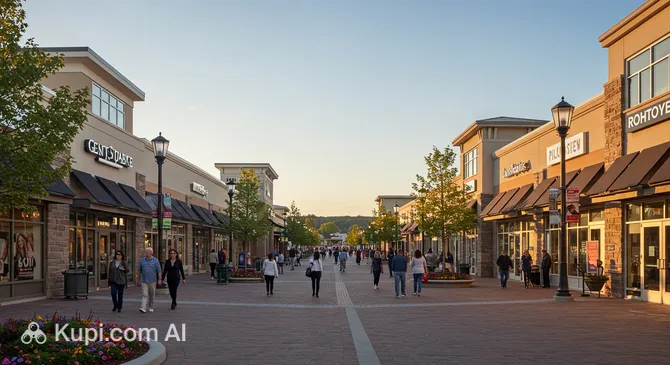
For those seeking a more extensive selection of national brands and department stores, Grand Traverse Crossing is the premier destination. This open-air shopping center provides a convenient one-stop location for fashion, electronics, and sporting goods. With its wide variety of retailers and ample parking, it caters to all practical needs and is a go-to spot for both locals and tourists looking to update their wardrobe or pick up travel essentials.

Grand Traverse Crossing. Source: Kupi.Binoculars

No trip to the "Cherry Capital of the World" is complete without bringing home some local flavor. Throughout the city and surrounding areas, numerous specialty stores are dedicated to everything cherry—from salsas and jams to chocolate-covered treats. In addition to these sweet souvenirs, the city's farmers markets are excellent spots to purchase fresh produce and handmade crafts, directly connecting shoppers with the region's rich agricultural heritage.

Reached the end of the page?

That means the route is fully explored