Support

Sault Ste. Marie

About

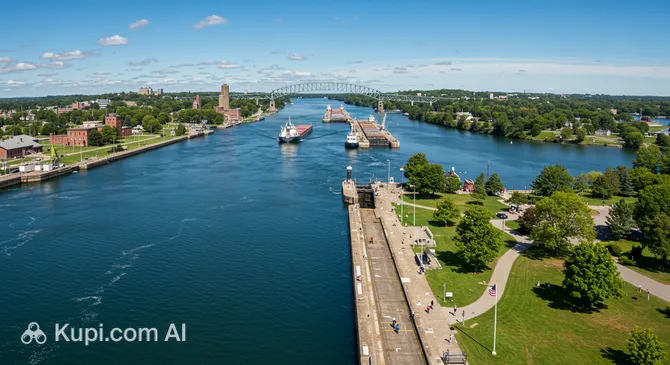
Sault Ste. Marie, affectionately known as "The Soo," is a captivating destination located on the northeastern tip of Michigan's Upper Peninsula. As the oldest city in Michigan and one of the oldest in the United States, it serves as a vital gateway connecting Lake Superior to the lower Great Lakes. Situated on the banks of the St. Marys River, directly across from its Canadian twin city, Sault Ste. Marie offers a unique blend of maritime heritage, engineering marvels, and small-town charm.
Sault Ste. Marie. Source: Kupi.Binoculars

With a population of approximately 13,500 residents, the city maintains a welcoming and cozy atmosphere despite its significance in international shipping. The rich history of Sault Ste. Marie stretches back to the 1600s when it was established by French missionaries, and its strategic location has made it a central hub for trade and travel for centuries. The climate here is defined by the surrounding Great Lakes, offering snowy, picturesque winters perfect for outdoor sports and pleasant, mild summers ideal for sightseeing.

The city's most famous attraction is undoubtedly the Soo Locks, an engineering masterpiece where visitors can watch massive freighters traverse the 21-foot drop between Lake Superior and Lake Huron. For those interested in maritime culture, the Museum Ship Valley Camp offers an immersive experience aboard a retired Great Lakes freighter. Whether you are fascinated by the sheer scale of the shipping industry or simply want to enjoy the scenic waterfront parks, Sault Ste. Marie invites you to explore its shores and discover the spirit of the North.
Weather Overview

The climate in this northern Michigan city is heavily influenced by its proximity to Lake Superior, creating distinct seasonal changes. To plan your trip effectively, it is helpful to check the weather in Sault Ste. Marie before you pack. Generally, the region experiences warm, pleasant summers and cold, snowy winters, making it a year-round destination for different types of outdoor activities.

Winters are undeniably chilly, with January being the coldest month, featuring an average temperature of -7.3°C and lows dipping to around -10.4°C. Conversely, the summer season offers delightful conditions for sightseeing. July is typically the warmest month, with average temperatures hovering around 19.1°C and daytime highs reaching a comfortable 23.0°C. This mild warmth is perfect for watching the boats at the locks or strolling through the city parks.

Spring and autumn are transitional periods that bring crisp air and moderate temperatures. May sees averages rise to about 10.4°C, while October cools down to 9.2°C. Precipitation is spread relatively evenly throughout the year in terms of frequency, with 10 to 16 wet days per month, though the overall volume of rain or snow is often light. Visitors should expect frequent overcast skies or light precipitation and dress in layers to stay comfortable.

Interesting Facts

Beyond the main attractions, Sault Ste. Marie holds many fascinating secrets and historical distinctions that highlight its importance in the region. This border city is not just a transit point for ships but a place deeply rooted in the early development of the North American continent.

  • Sault Ste. Marie holds the title of the oldest city in Michigan and is the third-oldest continuous settlement in the United States west of the Appalachians. It was founded as a mission by Father Jacques Marquette in 1668, predating the founding of Detroit by more than 30 years.

  • The name of the city is derived from the archaic French word saults, which translates to "rapids" or "jumps," referring to the turbulent waters of the St. Marys River. Although the spelling often confuses newcomers, the pronunciation is simply "Soo," a nickname used affectionately by locals.

  • Uniquely, there are two cities named Sault Ste. Marie situated directly across the river from each other: one in Michigan and the other in Ontario, Canada. They existed as a single community for centuries until the borders were finalized after the War of 1812, splitting the settlement between two nations.

  • The famous Soo Locks are an engineering marvel that operates entirely without pumps. The massive chambers are filled and emptied using only the natural force of gravity, harnessing the 21-foot drop in elevation between Lake Superior and Lake Huron to lift and lower giant freighters.

How to Get There

Reaching this historic city on the Upper Peninsula is an adventure that often involves a scenic journey through Michigan or a crossing from Canada. For a comprehensive guide on planning your trip, you can view all ways to reach the city on our detailed transport page.

For air travel, the most direct domestic option is Chippewa County Airport (CIU), located within Sault Ste. Marie itself. It is a smaller regional facility situated approximately 29 km from the city center, with a transfer time of roughly 25 to 30 minutes by car or taxi. Alternatively, travelers can fly into Sault Ste. Marie Airport (YAM), which is located just 12.5 km away in the Canadian twin city of Sault Ste. Marie. While the drive takes only about 15 to 20 minutes, remember that this route involves crossing the international border, which may add time. For those seeking more flight connections, Cherry Capital Airport (TVC) in Traverse City serves as a larger regional hub. However, it is located about 218 km away, meaning the onward journey by ground transport generally takes between 2.5 and 3 hours.

For clarity, here is a summary of the main airports:

Airport Name City Passenger Traffic Km from City
Cherry Capital Airport Traverse City Medium 218.0
Sault Ste. Marie Airport Sault Ste. Marie Small 12.5
Sudbury Airport Sudbury Small 272.4
Sawyer International Airport Marquette Small 234.8
Chippewa County Airport Sault Ste. Marie Small 28.9

The city of Sault Ste. Marie does not have a railway station, but you can arrive at the Sudbury Junction Station (XDY) in the city of Sudbury, Canada, which is about 258 km from Sault Ste. Marie. From there, the drive takes approximately 3 hours, though you should plan for border logistics. This option is generally less common for visitors traveling specifically to the Michigan side.

Below is the available data for the nearest railway connection:

Station City Passenger Traffic Km to Center
Sudbury Junction Station Sudbury 257.6

Main Attractions

There is no shortage of things to see and do in this historic city, where maritime heritage meets modern entertainment. From engineering marvels that changed the Great Lakes shipping industry to lively spots for an evening out, Sault Ste. Marie offers a diverse range of experiences for every traveler. Whether you are a history buff, a boat nerd, or someone looking for a bit of excitement, the local attractions are sure to impress.

The crown jewel of the city is undoubtedly the Soo Locks. These massive parallel locks enable ships to travel between Lake Superior and the lower Great Lakes by bypassing the turbulent rapids of the St. Marys River. Visitors can spend hours at the observation platform in Soo Locks Park, watching enormous freighters being raised or lowered 21 feet by the power of gravity alone. It is a mesmerizing spectacle that highlights the industrial significance of the region.

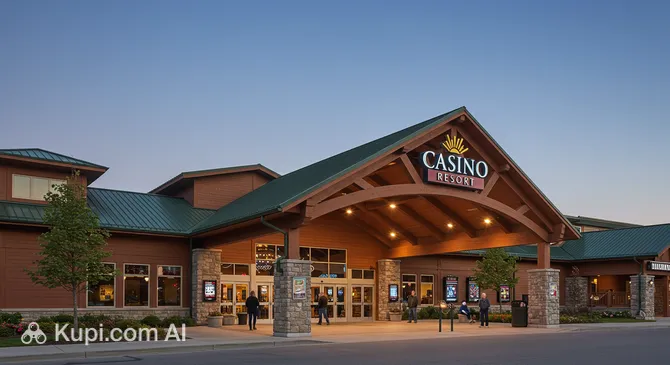
For those seeking entertainment after a day of sightseeing, the Sault Ste. Marie Casino is a popular destination. This facility offers a vibrant atmosphere with a wide variety of slot machines and table games for visitors to enjoy. Beyond the gaming floor, it often serves as a hub for local nightlife and social gatherings, making it a lively stop for tourists looking to unwind and test their luck in a friendly environment.

Sault Ste. Marie Casino. Source: Kupi.Binoculars

Another must-visit landmark is the Museum Ship Valley Camp. This retired Great Lakes freighter, now permanently docked, serves as a floating museum that invites guests to explore its deck and massive cargo holds. Inside, you will find extensive exhibits, including the battered lifeboats from the legendary SS Edmund Fitzgerald. It provides a rare, immersive look into the life of sailors and the history of shipping on the Great Lakes.

To get the best view of the entire area, head to the Tower of History. Rising 210 feet above the city, this observation tower offers panoramic views of the Soo Locks, the St. Marys River, and the Canadian wilderness across the border. The lower level features museum exhibits detailing the early history of the region, from Native American settlements to the arrival of French missionaries, providing context to the breathtaking vistas above.

Local Cuisine

The culinary scene in Sault Ste. Marie is deeply influenced by its location on the Upper Peninsula and its proximity to the Great Lakes. The food here is hearty, comforting, and designed to warm you up during the chilly northern winters. One dish you absolutely cannot leave without trying is fresh Lake Superior Whitefish. Caught locally, this mild and flaky fish is a staple on nearly every menu in town, typically served fried, broiled, or smoked, and often accompanied by chips or coleslaw.

Another regional icon is the pasty (pronounced "pass-tee"), a savory handheld pie that reflects the area's mining history. Brought to the region by Cornish immigrants, a traditional pasty is filled with ground beef, potatoes, rutabaga, and onions, all encased in a thick, golden crust. It is the ultimate comfort food for locals and a "must-eat" experience for tourists. For those with a sweet tooth, the region is also famous for its rich, creamy fudge, a tradition shared with nearby Mackinac Island.

When it comes to drinks, the local culture embraces the thriving craft beer movement of Michigan. You will find several breweries and pubs offering locally brewed ales and lagers that incorporate regional ingredients. In the colder months, hot coffee and rich hot chocolate are the beverages of choice to combat the freeze. The dining atmosphere in "The Soo" is generally casual and unpretentious, ranging from historic diners to waterfront restaurants where you can watch the ships go by.

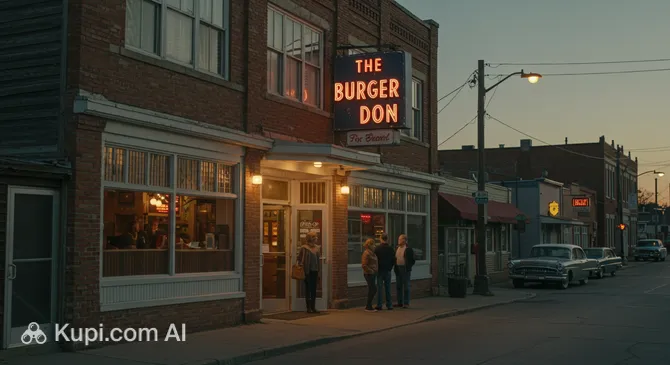
The Burger Don. Source: Kupi.Binoculars

For a taste of the local casual dining scene, visitors often stop by The Burger Don. Places like this exemplify the city's love for classic American fare, serving up substantial burgers and shakes that fit perfectly with the laid-back, friendly vibe of the town. Whether you are grabbing a quick bite at a drive-in or sitting down for a seafood dinner, the food in Sault Ste. Marie is served with a side of genuine northern hospitality.

Travel Tips

Welcome to Sault Ste. Marie! To ensure your visit to this historic gateway of the Great Lakes is as smooth and enjoyable as possible, we have compiled a set of essential practical tips to help you navigate the local climate, culture, and logistics.

  1. Clothing and Gear: The weather in the Upper Peninsula can be unpredictable. In winter, thermal layers, a heavy waterproof parka, gloves, and sturdy snow boots are absolute necessities. Summers are generally mild, but evenings near the water can get chilly, so bring a light jacket or sweater. If you plan to visit the Soo Locks observation deck, comfortable walking shoes are a must.

  2. Transportation: While the downtown area is walkable, renting a car is the most practical way to explore the wider region and reach nearby nature spots. Public transportation is limited to local bus services like the Dial-A-Ride, which may not suit a tourist's flexible schedule. Ride-sharing apps like Uber and Lyft are available but can be less reliable than in major metropolitan areas.

  3. Finances: The local currency is the US Dollar (USD). Credit and debit cards are widely accepted at hotels, restaurants, and museums. ATMs are readily available throughout the city. Tipping is standard practice in the United States; it is customary to leave 15-20% of the bill for waitstaff in restaurants and a few dollars for hotel housekeeping.

  4. Health and Safety: Sault Ste. Marie is generally a very safe community for travelers. For medical emergencies, MyMichigan Medical Center Sault (formerly War Memorial Hospital) is located right in the city. Pharmacies like Walgreens and CVS are available for minor needs, though they may not operate 24/7. Always exercise caution when driving in winter due to snow and ice.

  5. Communication: English is the primary language spoken here. You may hear the local dialect of the Upper Peninsula residents, known as "Yoopers," which is friendly and distinct. Free Wi-Fi is standard in most hotels, cafes, and public buildings. Cell phone coverage is generally good within the city but can become spotty in remote wooded areas outside of town.

  6. Local Etiquette: The vibe in "The Soo" is laid-back and small-town friendly. It is common to greet strangers with a smile or a nod. When viewing the boats at the locks, maintain a respectful volume and yield space to others so everyone can enjoy the engineering spectacle. Patience and politeness go a long way here.

  7. What to Avoid: Do not attempt to cross the International Bridge to Canada without the proper documentation (a valid passport or enhanced ID). Turning around at the border is difficult and can cause significant delays. Also, avoid assuming the weather will hold; storms off Lake Superior can move in quickly, so check the forecast frequently.

  8. Additional Tip: If you want to see the massive freighters up close, use a ship-tracking app or check the estimated arrival times online before heading to the Soo Locks. Local "boat nerds" often share tips on when the biggest vessels, known as "1000-footers," are scheduled to pass through.

By keeping these practical tips in mind, you will be well-prepared to experience the unique charm and rugged beauty of Sault Ste. Marie. Whether you are here for the maritime history or the outdoor adventures, a little preparation ensures you can focus on making unforgettable memories in Michigan's oldest city.

Entertainment & Nightlife

Nightlife in Sault Ste. Marie reflects the city's friendly, small-town character. Rather than sprawling nightclubs or high-end lounges, the evening scene is defined by cozy pubs, sports bars, and a relaxed atmosphere where locals and visitors mingle easily. The downtown area, particularly along Ashmun Street and Portage Avenue, serves as the primary corridor for evening entertainment, offering a walkable selection of venues that stay open late.

One of the main anchors of nightlife in the area is the Sault Ste. Marie Casino. Located just outside the immediate downtown core, it is a go-to spot for those seeking excitement after dark. Beyond the gaming tables and slot machines, the casino often features live music and entertainment, making it a vibrant hub for night owls looking for a lively environment that extends well into the early morning hours.

Jose's. Source: Kupi.Binoculars

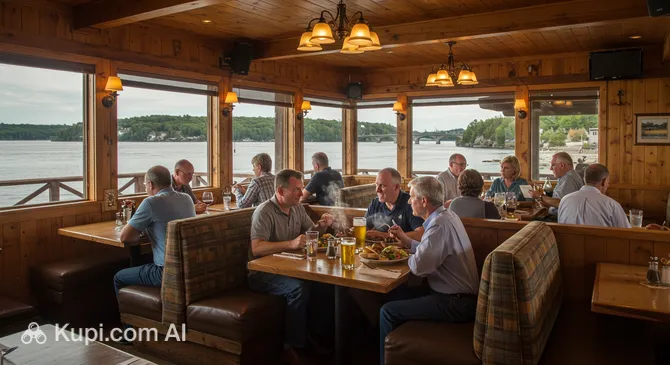
For a more laid-back evening starting with food and drinks, visitors often head to Jose's. Establishments like this offer a festive setting where you can enjoy hearty meals and cocktails before transitioning to a night out. The local bar scene is heavily influenced by the presence of Lake Superior State University, creating a mix of college energy and traditional "Yooper" hospitality. You can expect to find plenty of craft beer on tap, celebrating Michigan's reputation as a brewing state.

The atmosphere in Sault Ste. Marie's nightlife venues is distinctly casual. There is rarely a need for formal attire; jeans and flannels are the standard uniform, especially during the colder months. Bars typically close around 2:00 AM. Prices for drinks and cover charges (if any) are generally much lower than in larger metropolitan areas, making a night out quite affordable.

Regarding safety and logistics, the city is very safe for night walks, particularly in the well-lit downtown districts. However, winter nights can be bitterly cold, so dressing warmly is essential even for short walks between venues. While ride-sharing services operate in the city, availability can be sporadic late at night. It is often more reliable to keep the number of a local taxi service handy if you plan on staying out late.

Beyond the bars, the city offers other forms of evening entertainment. In the summer, sunset walks along the St. Marys River provide a peaceful alternative to the bar scene. For cultural entertainment, the historic Soo Theatre downtown occasionally hosts concerts, plays, and movie screenings, offering a wholesome way to spend an evening before heading out for a nightcap.

Parks & Museums

Sault Ste. Marie seamlessly blends its rich maritime legacy with accessible natural beauty, offering visitors a chance to explore both indoor cultural treasures and outdoor scenic spots. The city's green spaces provide front-row seats to the majestic St. Marys River, while its museums preserve the stories of the people and industries that shaped this northern frontier.

For those looking to enjoy the outdoors, Sherman Park is a local favorite located along the upper St. Marys River. As one of the few spots in the area with a public swimming beach, it is perfect for families looking to relax by the water during the summer months. The park also features hiking trails, camping facilities, and picnic areas, making it a versatile destination for nature lovers who want to experience the quieter side of the city away from the busy locks.

Another significant green space is Rotary Park, situated closer to the downtown area. This park is particularly popular among kayakers and anglers due to its easy access to the water. It offers a unique vantage point for watching the freighters navigate the river channel. The park's well-maintained pathways are ideal for a leisurely stroll, allowing visitors to soak in the cool river breeze and the scenic views of the international border.

Delving into the region's culture, the River of History Museum is an essential stop for understanding the area's past. This venue chronicles over 8,000 years of history in the St. Marys River valley, from the early Native American settlements to the French fur trade and the industrial boom. The exhibits use audio presentations and artifacts to bring the stories of the river to life, providing a comprehensive context for the sights you see around town.

For a glimpse into the architectural and domestic history of the city, the Water Street Historic Block is a must-visit. This area features several preserved structures, including the home of John Johnston, a prominent early fur trader. Walking through this district feels like stepping back in time, offering a tangible connection to the pioneer era of the Upper Peninsula. It serves as a living gallery of the city's colonial and early American heritage.

In terms of historical landmarks, the grounds of Old Fort Brady offer a fascinating layer of history. Originally established to guard the strategic locks, the fort's surviving buildings have been integrated into the campus of Lake Superior State University. Visitors can walk among the historic white clapboard structures, which now serve as administrative and academic buildings, blending military history with modern education.

For a truly authentic local experience, head to Aune-Osborn Park on the lower river. While it is a campground and park, it is known among locals as the premier spot for "boat nerding." The ships pass incredibly close to the shore here, often exchanging horn salutes with the park visitors, creating a thrilling and thunderous interaction that you won't find anywhere else.

Getting Around

The public transport system in Sault Ste. Marie is relatively compact, reflecting the city's size and layout. The primary service provider is the Eastern Upper Peninsula Transportation Authority (EUPTA), which operates bus services designed to connect key areas within the city and the surrounding region. Unlike large metropolitan areas with extensive subway or tram networks, the system here relies heavily on buses and specialized shuttle services to move residents and visitors between the downtown district, shopping centers, and the university campus.

The most common form of public transit available to tourists is the Dial-A-Ride service. This is a demand-response system where passengers must call ahead to schedule a pickup. It operates much like a shared taxi service but at a significantly lower cost. In addition to Dial-A-Ride, there are limited fixed-route bus lines that loop through the city's main corridors. These routes typically run on a set schedule during the day, making stops at major landmarks such as the hospital, Walmart, and the downtown bus terminal.

For payment, the system is straightforward and old-school. Fares are generally paid in cash upon boarding, and it is essential to have the exact change, as drivers usually do not carry cash to make change. For those planning to stay longer or use the service frequently, discounted punch passes or tokens can be purchased at the main EUPTA office. Prices are very affordable, typically costing just a few dollars per ride, with reduced rates often available for seniors and students.

A unique feature of the local transport network is the Sugar Island Ferry. Operated by the same authority, this vehicular and passenger ferry provides a vital link between the mainland at Sault Ste. Marie and nearby Sugar Island across the St. Marys River. It runs year-round, 24 hours a day, departing roughly every 15 to 30 minutes. For tourists, this short voyage offers a quick and scenic way to experience the river and access the natural beauty of the island.

Given the limited frequency and operating hours of the bus system—which often reduces service on weekends and evenings—many visitors find that renting a car is the most convenient option for getting around. However, for those without a vehicle, taxis and ride-sharing apps are available alternatives. Local taxi companies are reliable and know the area well, while app-based services may have fewer drivers available compared to larger cities, so allow extra time for pickups.

The downtown area near the Soo Locks is very walkable, and during the warmer months, exploring on foot or by bicycle is a pleasant way to see the sights. If you plan to cross the International Bridge to visit the twin city in Canada, note that while there have been bus services connecting the two sides in the past, schedules can fluctuate. Most travelers opt to cross the bridge by personal vehicle or taxi, remembering to bring proper identification for the border control.

Accommodation

Finding the perfect place to stay in Sault Ste. Marie is relatively straightforward, as the city offers a welcoming mix of accommodations designed to suit road-trippers, families, and history enthusiasts. The range of options typically spans from reliable, budget-friendly motels to comfortable mid-range chain hotels. While you will not find ultra-luxury high-rise resorts here, the local hospitality is warm, and many establishments focus on providing cozy, clean, and convenient bases for exploring the Upper Peninsula.

When choosing a location, proximity to the water is often the deciding factor for many visitors. The most desirable area is undoubtedly the downtown district, particularly along Portage Avenue. Staying here places you within walking distance of the famous Soo Locks, allowing you to watch the freighters pass by right from the nearby parks or even your hotel window. This area is also close to the main museums, souvenir shops, and local restaurants, making it ideal for those who prefer to explore on foot.

For travelers prioritizing easy access and value, the I-75 Business Spur (Ashmun Street) serves as the city's main commercial corridor and is lined with numerous accommodation choices. This area hosts many familiar hotel brands and classic motor inns. While it is a bit further from the riverfront, it offers quick access to the highway, gas stations, and larger grocery stores, making it a practical choice for those with a vehicle who plan to use the city as a hub for wider regional exploration.

Booking Tip: Sault Ste. Marie is a highly popular summer and autumn destination. During peak events like the Engineers Day weekend or the height of the fall color season in October, occupancy rates soar. It is strongly recommended to book your accommodation at least two to three months in advance if you plan to visit during these busy periods to ensure you secure a room near your preferred attractions.

In terms of pricing, the city is generally affordable compared to larger metropolitan tourist hubs. Most properties fall into the budget to mid-range price categories. Booking is easily done through major online travel platforms or directly with the properties. Visitors looking for a more unique experience might also find a few charming bed-and-breakfasts tucked away in the city's historic residential neighborhoods, offering a quieter and more personal stay.

Nearby Cities

Sault Ste. Marie serves as an ideal base for exploring the broader landscapes of Northern Michigan and the Upper Peninsula. Although the region is known for its vast stretches of wilderness, several key cities are located within a comfortable driving distance. These destinations offer a mix of maritime history, outdoor recreation, and small-town charm, making them perfect for day trips or the next leg of a Great Lakes tour.

Travelers can head south across the Mackinac Bridge to reach the popular resort communities of the Lower Peninsula or drive west to discover the rugged beauty of the Lake Superior coastline. Below is an overview of the nearest cities, including their population and distance from Sault Ste. Marie.

City Population Distance (km)
Traverse City 15,263 217
Escanaba 12,439 226
Marquette 20,561 234
Cadillac 10,317 263
Marinette 11,025 299

Shopping & Souvenirs

Shopping:

Shopping in Sault Ste. Marie is less about sprawling mega-malls and high-end fashion districts, and more about discovering unique local treasures, maritime memorabilia, and regional specialties. The retail experience here reflects the city's character: distinctively Northern, friendly, and deeply connected to the Great Lakes. Visitors will find that the best shopping opportunities are concentrated in the historic downtown area, making it easy to browse for gifts while sightseeing near the waterfront.

The heart of the tourist shopping district is located along Portage Avenue, directly across from the Soo Locks Park. This walkable strip is lined with charming gift shops and boutiques that cater specifically to visitors. Here, you can find an extensive selection of maritime-themed souvenirs, ranging from books on Great Lakes shipwrecks and model freighters to nautical home décor. It is the perfect place to pick up a memento that celebrates the engineering marvel of the locks or the rugged beauty of the Upper Peninsula.

No trip to this region is complete without indulging in the local sweet tooth tradition: fudge. Much like nearby Mackinac Island, Sault Ste. Marie takes pride in its confectionery shops. You can watch fudge being made on marble slabs in traditional candy stores, where flavors range from classic chocolate to maple nut. In addition to sweets, look for other "Yooper" specialties, such as locally produced maple syrup, wild berry jams, and smoked fish, which make for excellent edible gifts to take home.

For those looking for apparel and practical goods, Ashmun Street serves as the city's main commercial spine, running perpendicular to the river. This area features a mix of long-standing local businesses, outdoor outfitters, and general stores. It is the best spot to find warm clothing, such as flannel shirts and heavy coats, which are staples of the local wardrobe given the northern climate. Visitors can also find "Yooper" branded gear, celebrating the distinct identity and humor of the Upper Peninsula residents.

While the city focuses on small-town charm, there are larger commercial centers for everyday needs. The Cascade Crossings area on the I-75 Business Spur offers familiar chain stores and supermarkets for travelers who need to restock supplies. Most shops in Sault Ste. Marie operate on standard business hours, though those along Portage Avenue may have extended hours during the peak summer tourist season. Sales tax in Michigan is 6%, and visitors should remember that the currency used is the US Dollar.

Reached the end of the page?

That means the route is fully explored